

Cairo Day Trip
From $128 / person17 hoursCairoIncludes 3 h at this sight
Giza · GEM
Typical visit: 3 h
Period: 2023 · Contemporary
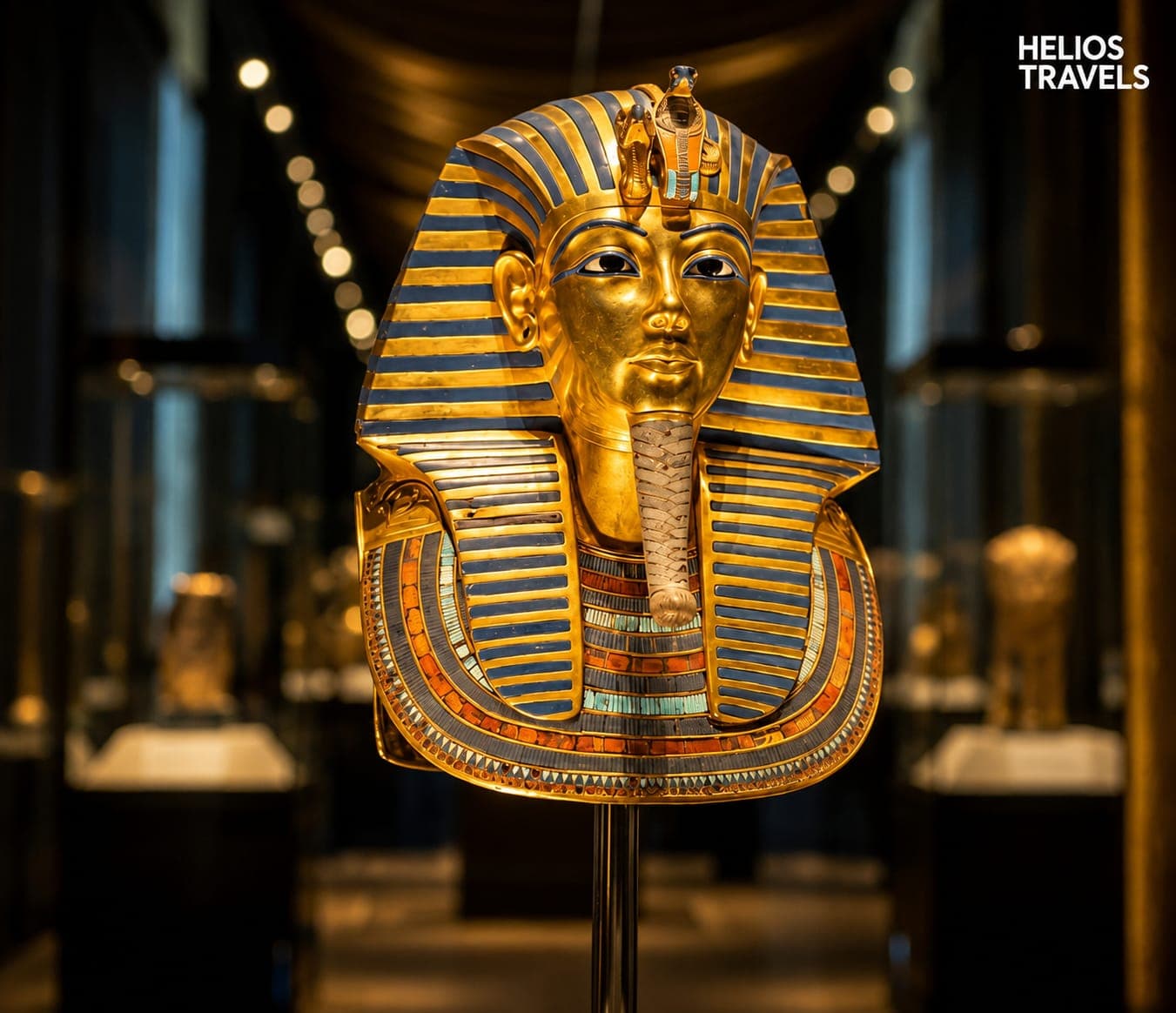
The world's largest museum devoted to a single civilisation — and the first home to display Tutankhamun's complete treasure.


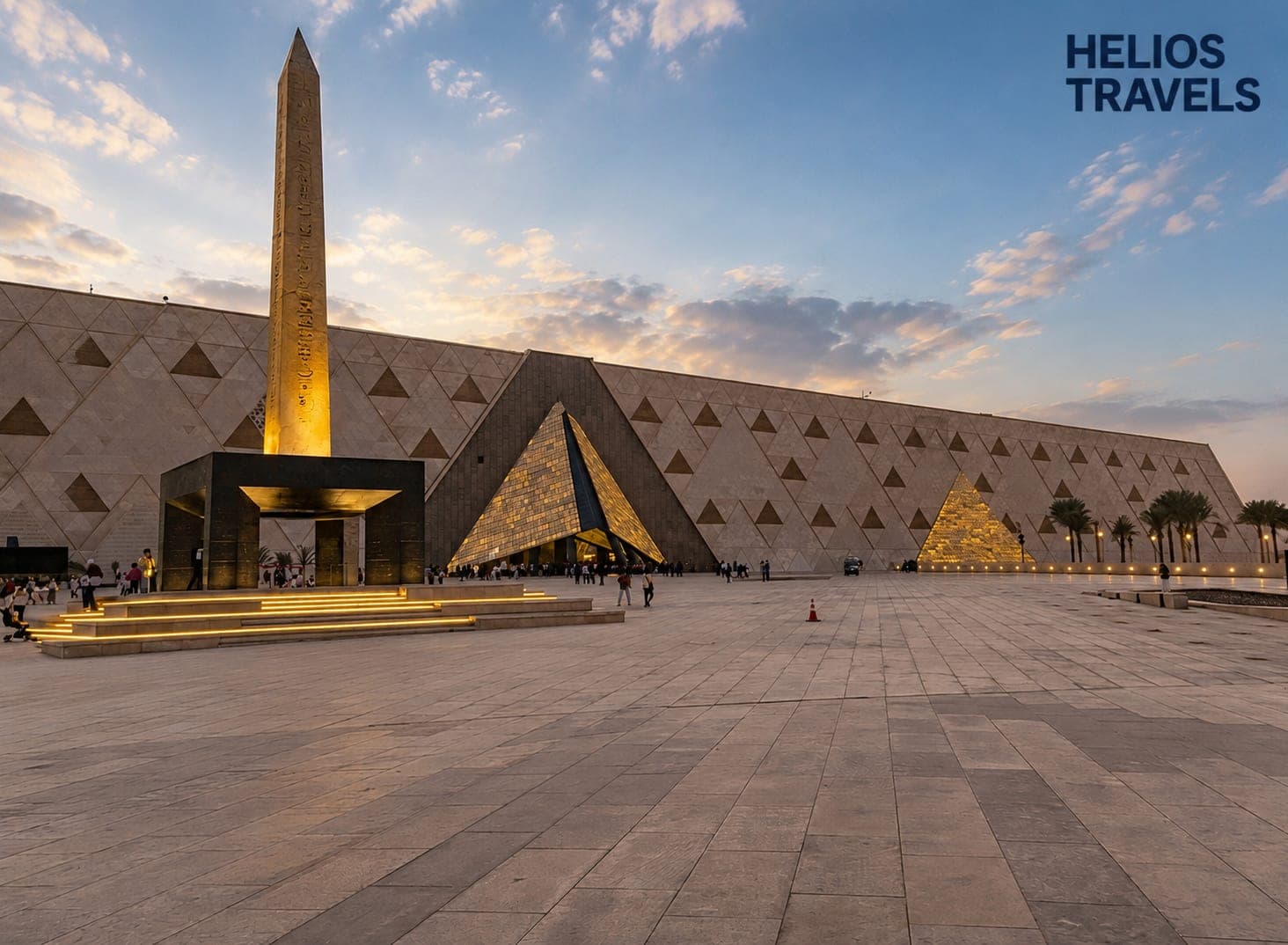
The Grand Egyptian Museum stands on the desert edge at Giza, angled so that its vast glass facade frames the pyramids two kilometres away. It opened fully in November 2025 after some two decades of construction, and it is now the largest archaeological museum in the world devoted to a single civilisation.
You enter past an eleven-metre colossus of Ramesses II, then climb the Grand Staircase — a six-storey ascent lined with royal statuary, sarcophagi and columns, arranged so the pharaohs seem to accompany you upward. At the top, a wall of glass opens onto the Giza plateau itself.
Allow three hours for the highlights and a full day if you want the twelve main galleries. It is comfortably air-conditioned, which makes it a good midday pairing with an early-morning plateau visit.
Egypt had outgrown its old museum long before it admitted it. The building on Tahrir Square, opened in 1902, was designed for a fraction of what it eventually held; by the 1990s objects were stacked in corridors and the majority of the collection had never been on display at all.
The plan for a new museum beside the pyramids was launched in 2002, and the design competition drew more than 1,500 entries from 82 countries — one of the largest in architectural history. It was won by Heneghan Peng, a then-small practice in Dublin. What followed was two decades of revolution, currency collapse and pandemic, each pushing the opening further away.
Transferring the collection became a spectacle in its own right. In 2018 the colossus of Ramesses II was driven across Cairo in a custom cradle. Tutankhamun's objects travelled in climate-controlled convoys under police escort, some of them — the gilded chariots, the great shrines — leaving Tahrir for the first time in a century.
The result reunites a collection that had been split for generations. Carter's excavation catalogued more than 5,000 items from a single small tomb; until now, only a fraction were ever shown at once.
Pick how many days you have, add attractions per day, and see average activity and travel times between cities.
Places that carry the same story forward, or sit close enough to take in the same day.
1902 · Khedivial
13 km away
2560 BC · Old Kingdom
2 km away
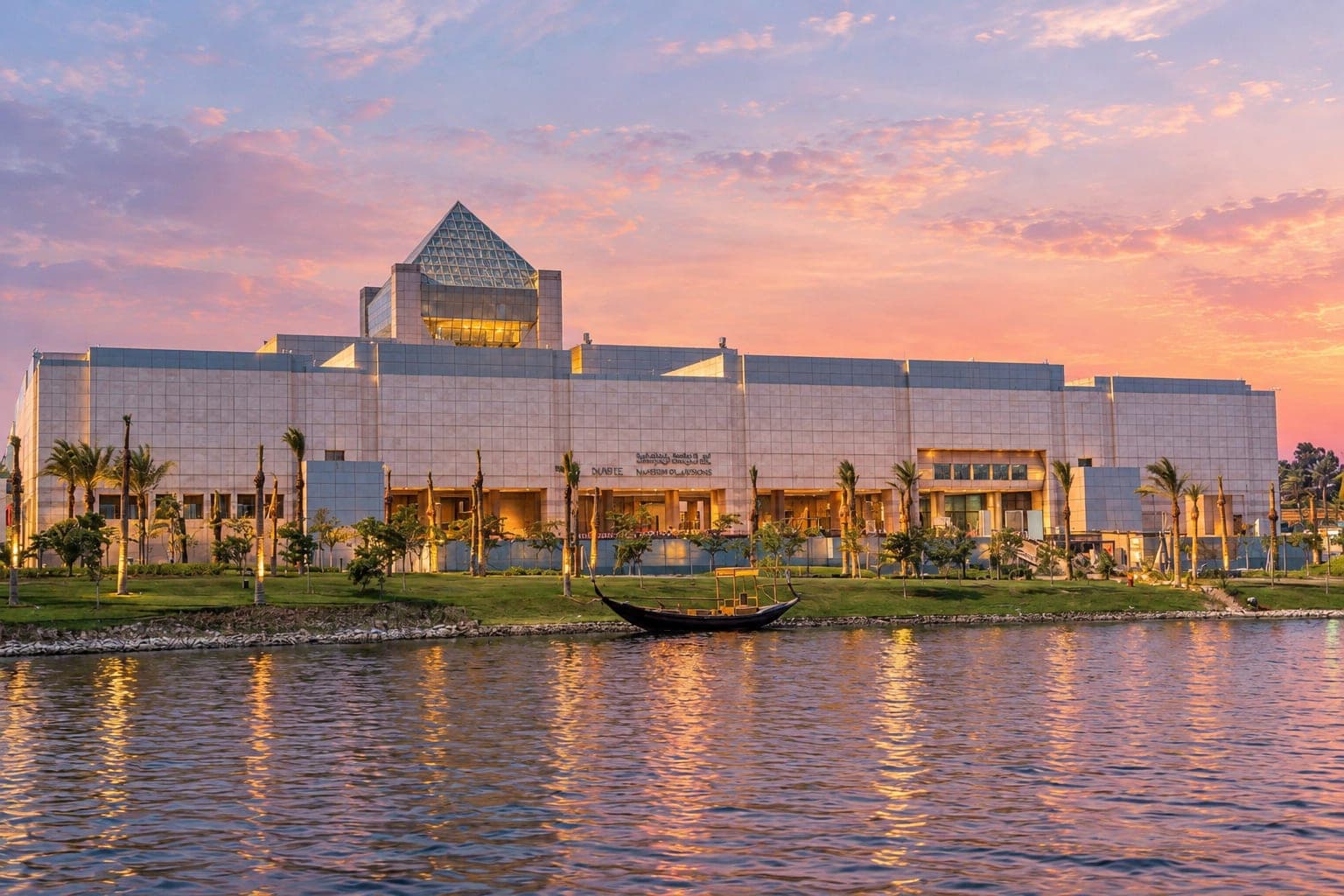
2021 · Opened 2021
13 km away
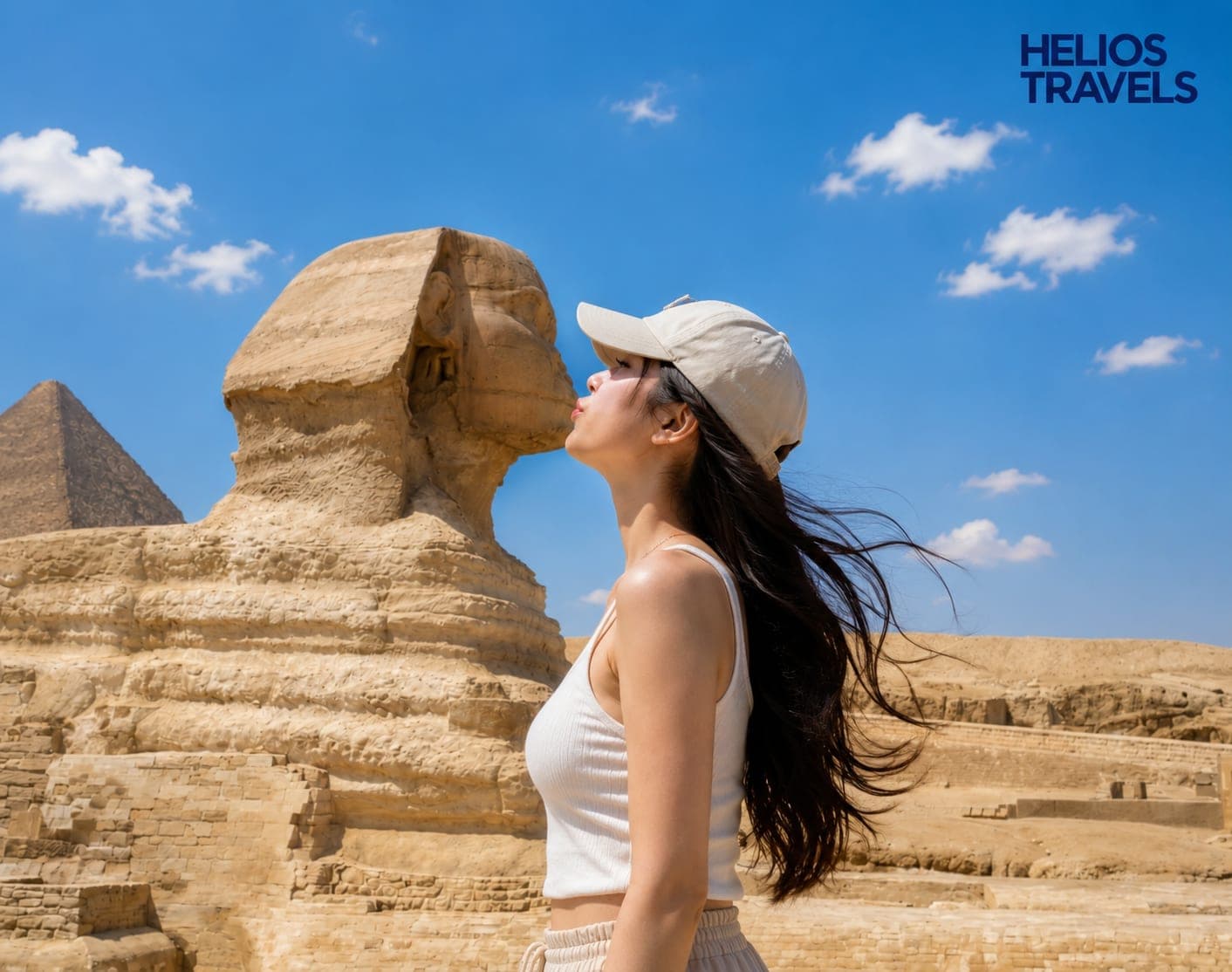
2500 BC · Old Kingdom
3 km away
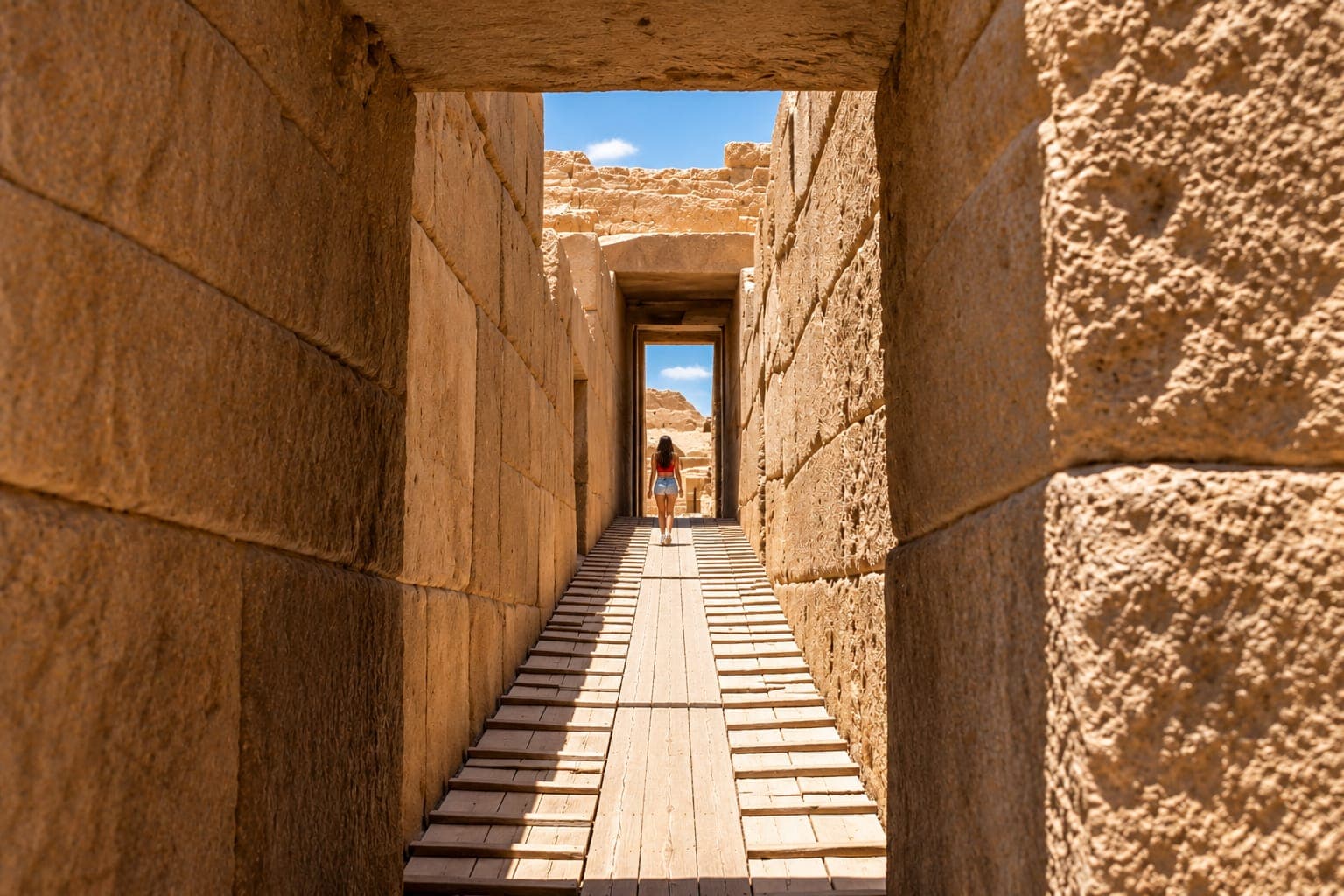
2550 BC · Old Kingdom
3 km away
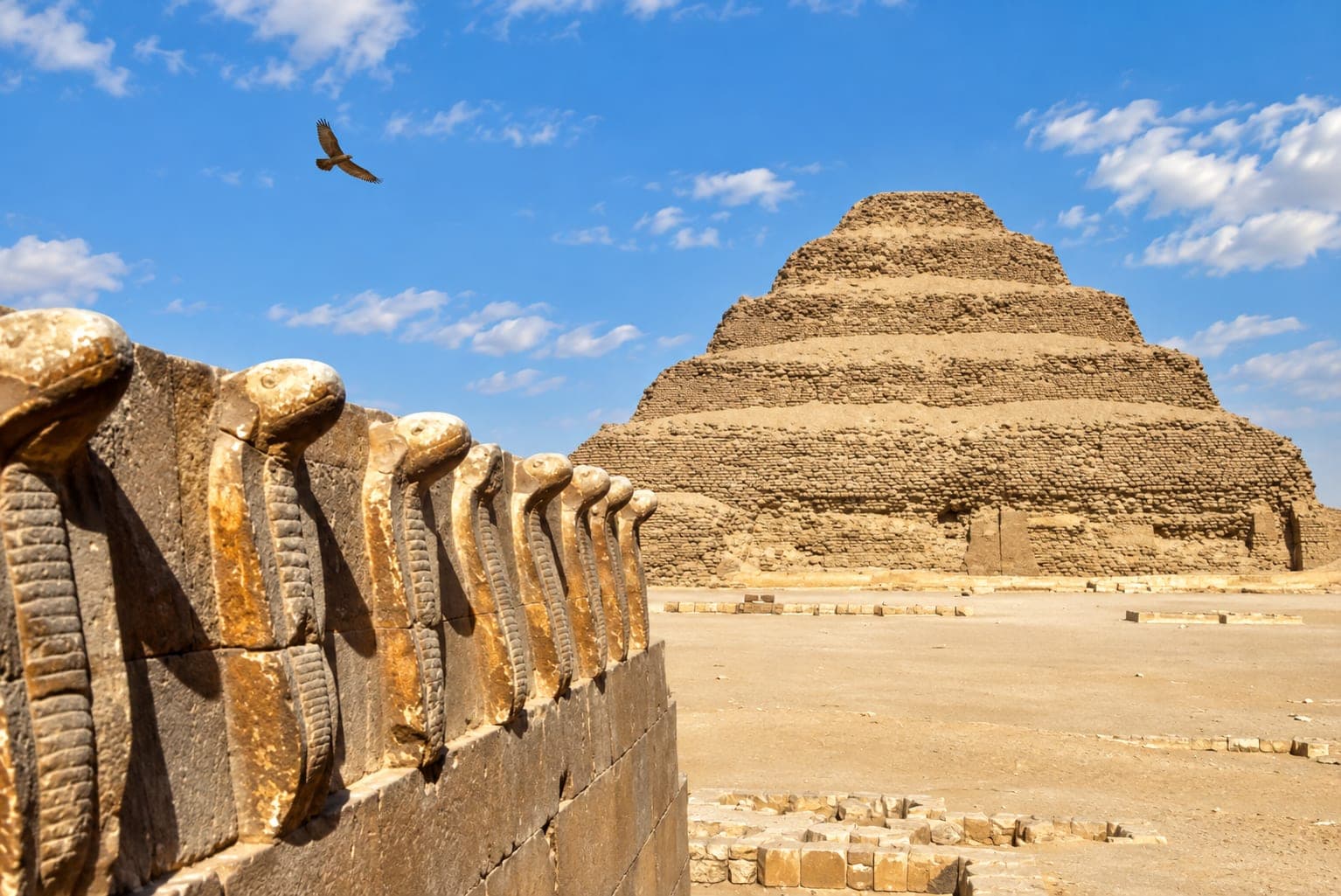
2650 BC · Old Kingdom
17 km away
Book a ready-made tour or use the designer above to build your own plan.










Hand-picked tours our guests love — top quality at reasonable prices, curated by Helios for your trip.