

Cairo Day Trip
From $128 / person17 hoursCairoIncludes 2 h 30 m at this sight
Cairo · Downtown
Typical visit: 2 h 30 m
Period: 1902 · Khedivial
Cairo's historic museum on Tahrir Square, home for over a century to one of the greatest collections of ancient artefacts.

Photo credits: Diego Delso · CC BY-SA 3.0; Шухрат Саъдиев · CC BY-SA 4.0
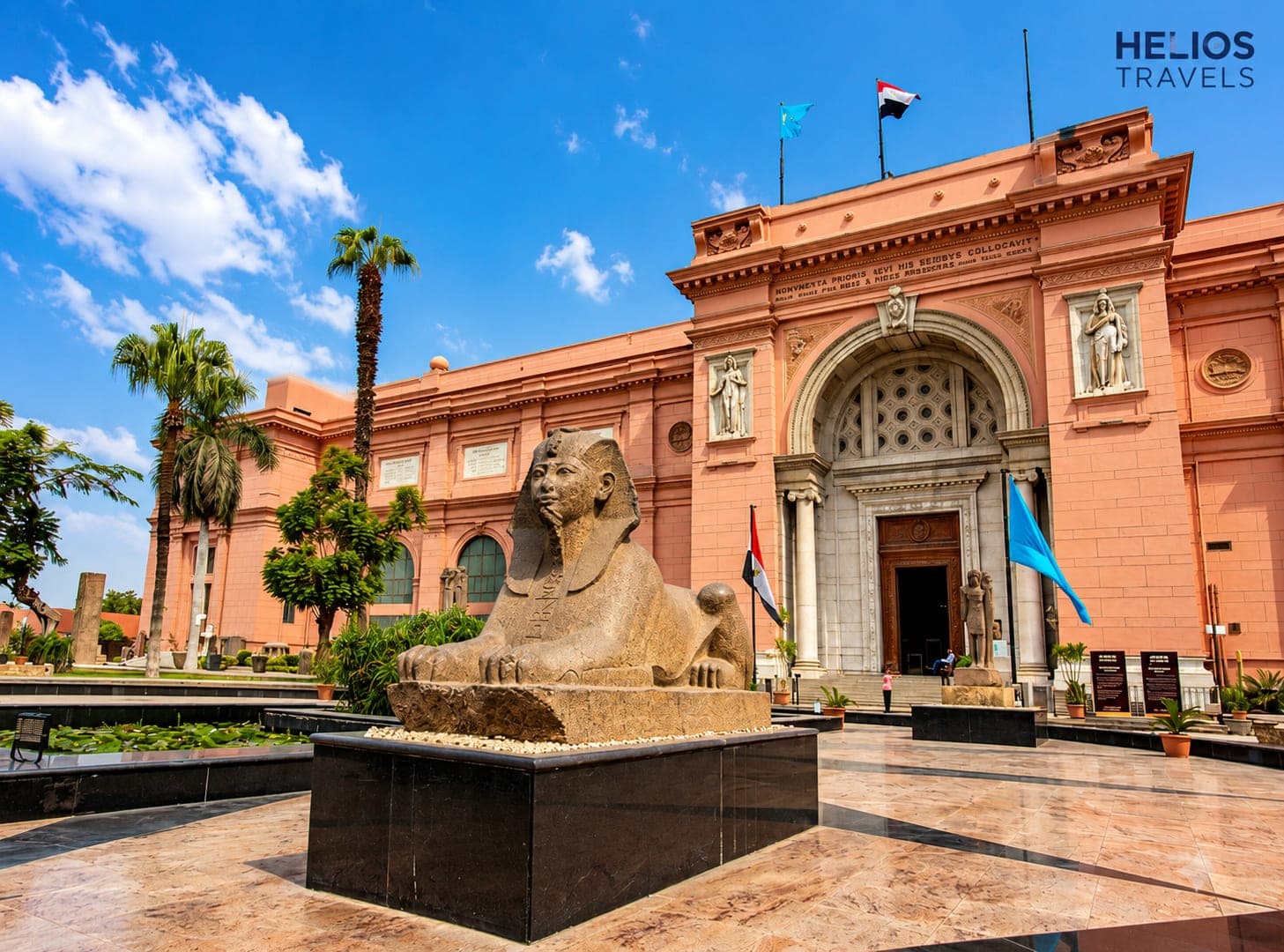
The oldest purpose-built archaeological museum in the region, standing on Tahrir Square since 1902 — a salmon-pink neoclassical building whose galleries are themselves part of the experience: high skylights, wooden vitrines, handwritten labels among the new ones, and objects arranged with a density no modern museum would attempt.
Its two most famous holdings have moved. Tutankhamun's treasures went to the Grand Egyptian Museum at Giza, and the royal mummies to the National Museum of Egyptian Civilization. What remains is still one of the great collections on earth — over a hundred and seventy thousand objects — and the crowds are a fraction of what they were.
The museum exists because Egypt's antiquities were leaving. Through the 19th century, consuls and collectors shipped objects abroad by the boatload; Auguste Mariette, appointed to run the new Antiquities Service in 1858, set out to stop it by giving the finds somewhere to stay. His collection moved through Bulaq and Giza before this building was completed in 1902, designed by the French architect Marcel Dourgnon. Mariette is buried in the garden, in a sarcophagus beside the entrance.
In April 2021 twenty-two royal mummies — eighteen kings and four queens, among them Ramesses II, Seti I and Hatshepsut — were moved to the National Museum of Egyptian Civilization in Fustat. Rather than move them quietly, Egypt staged a televised night-time procession through Cairo: each mummy in a nitrogen-filled case on a decorated vehicle, in chronological order of reign, along roads resurfaced to keep the ride smooth, with a 21-gun salute.
Losing its headline attractions has forced a reinvention, and the museum is being rehung around themes rather than around Tutankhamun. For many visitors the result is a better one: the Old Kingdom rooms in particular can now be seen properly, which for a century was almost impossible.
Pick how many days you have, add attractions per day, and see average activity and travel times between cities.
Places that carry the same story forward, or sit close enough to take in the same day.

2021 · Opened 2021
5 km away
2023 · Contemporary
13 km away
2560 BC · Old Kingdom
12 km away
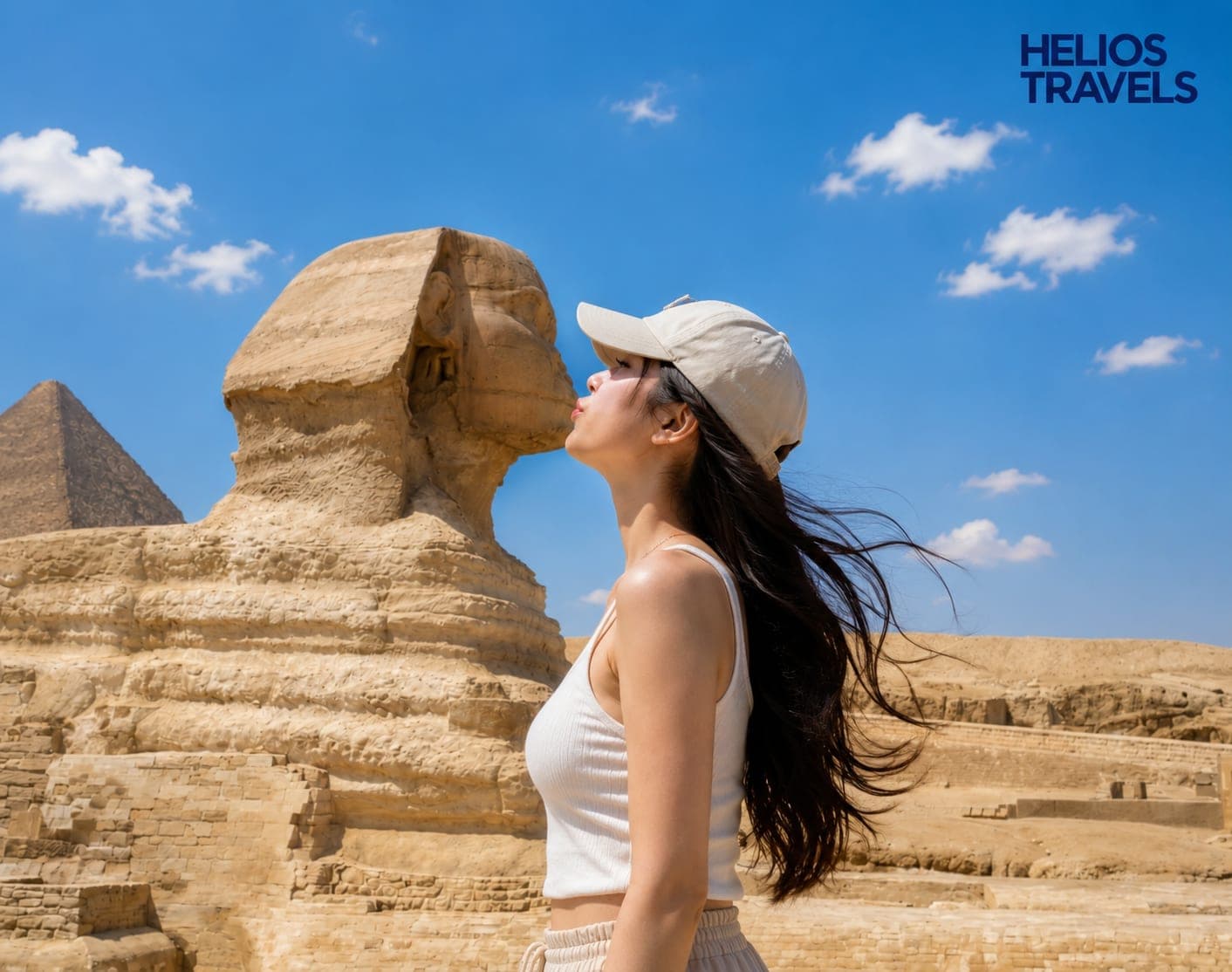
2500 BC · Old Kingdom
12 km away
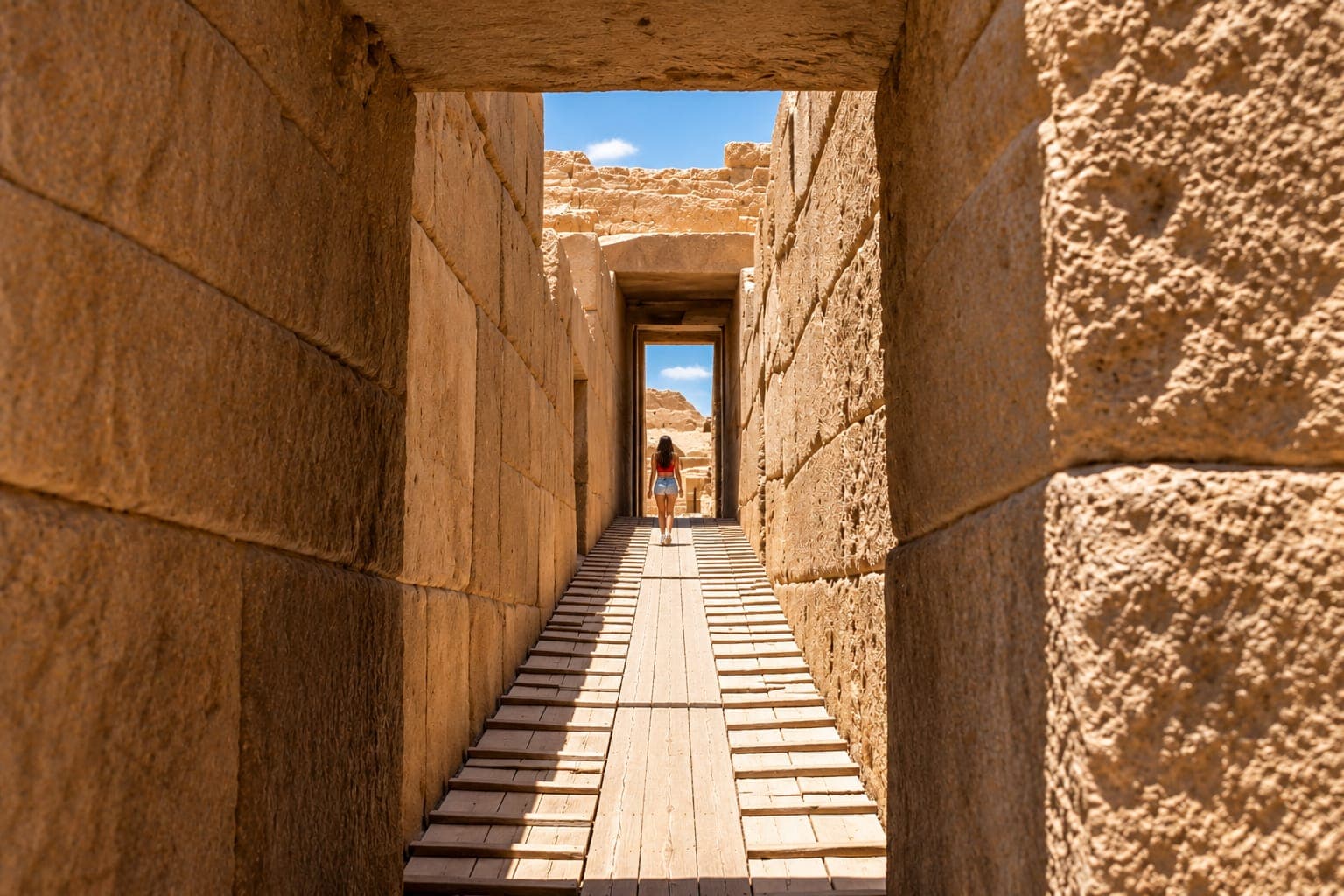
2550 BC · Old Kingdom
12 km away
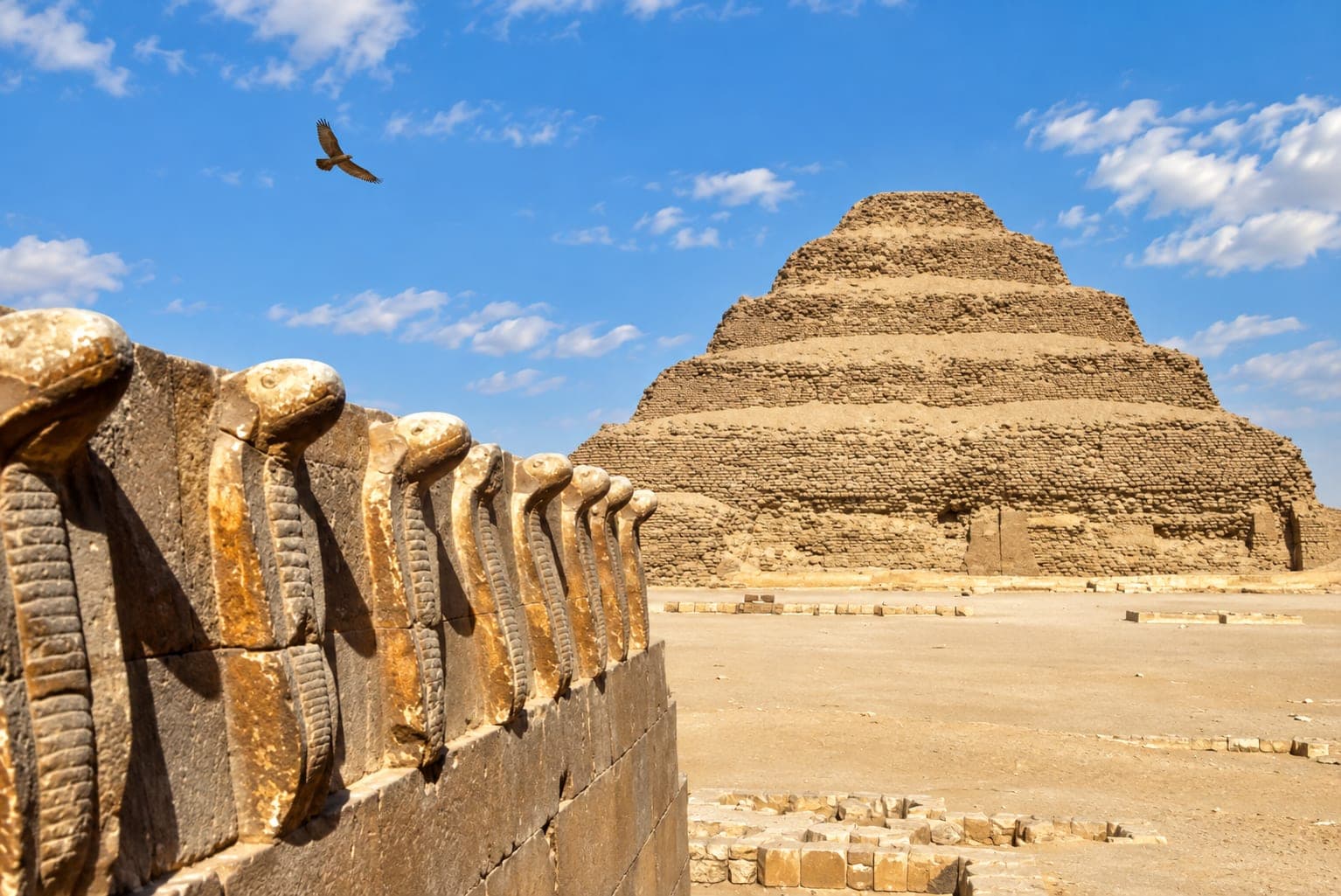
2650 BC · Old Kingdom
20 km away
Book a ready-made tour or use the designer above to build your own plan.
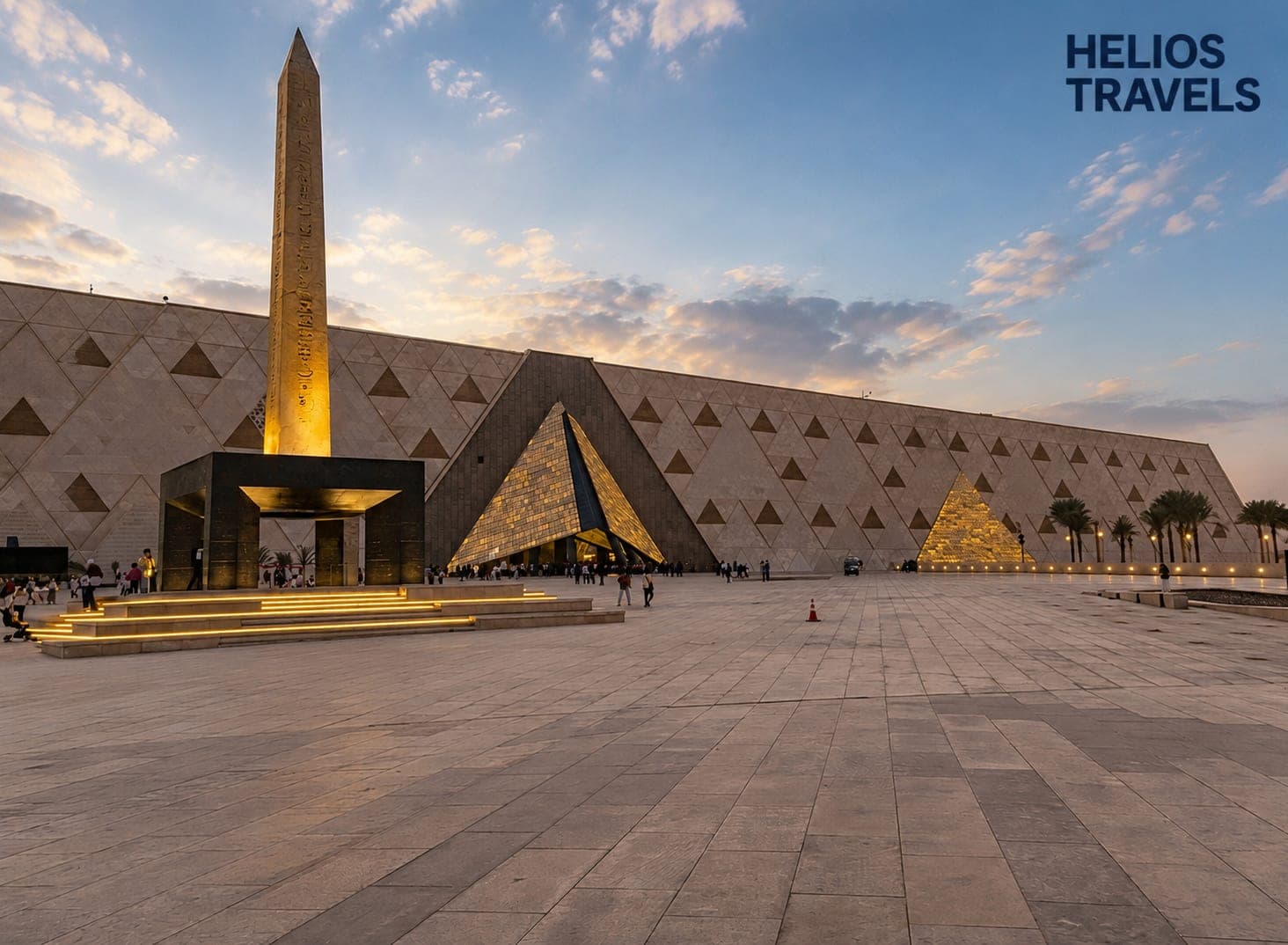

















Hand-picked tours our guests love — top quality at reasonable prices, curated by Helios for your trip.