

Egypt in 16 Days · special
From $4,323 / person16 daysIncludes 2 h at this sight
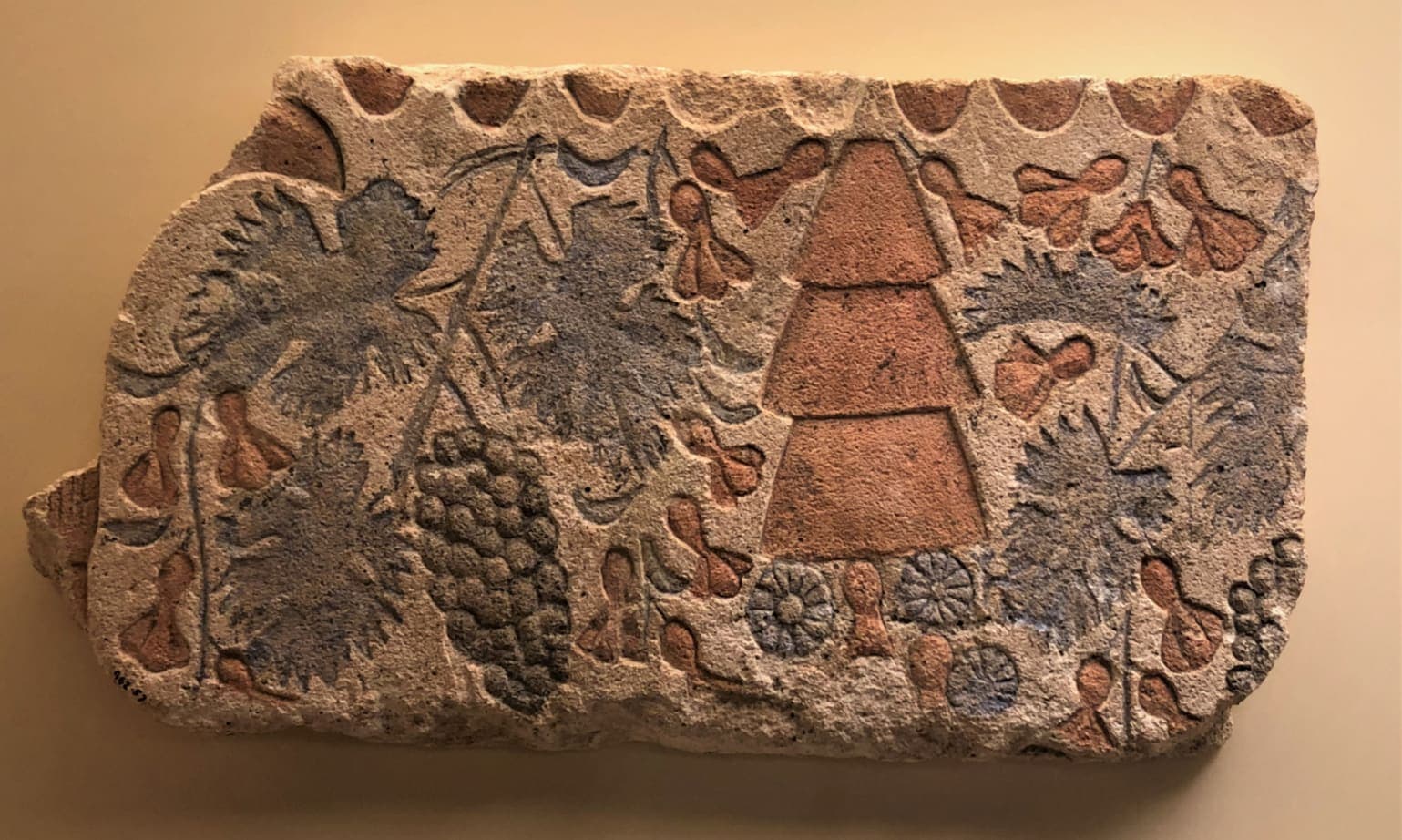
Akhenaten's short-lived sun-worship capital
Typical visit: 2 h
Period: 1346 BC · New Kingdom
The ruins of the revolutionary city built by the pharaoh Akhenaten to worship a single sun-god.


A wide, empty bay of desert on the east bank between Cairo and Luxor, ringed by cliffs. For about fifteen years in the 14th century BCE this was the capital of Egypt, built from nothing on virgin ground and abandoned almost as quickly.
What survives is foundations, not standing buildings — but the plan of an entire ancient city is legible on the ground, which exists almost nowhere else. Because nobody rebuilt over it, Amarna is the one place you can see how Egyptians actually laid out a town.
It is a long day from Luxor and there is little infrastructure. Go for the history, not for comfort.
Akhenaten came to the throne as Amenhotep IV, changed his name, and did something no Egyptian king had done: he abolished the worship of the traditional gods in favour of one — the Aten, the disc of the sun. He closed temples, cut the name of Amun out of monuments across Egypt, and moved the capital to this empty site, calling it Akhetaten, "Horizon of the Aten".
The art changed with the religion. Amarna sculpture and relief abandoned the rigid idealised style for something elongated, fluid and strange, and for the first time royal images show intimacy — the king and Nefertiti with their daughters on their laps, kissing them, one child reaching for an earring.
In 1912 a German expedition under Ludwig Borchardt excavating the workshop of the sculptor Thutmose lifted from the floor the painted limestone bust of Nefertiti. It went to Berlin, where it remains, and Egypt has requested its return for a century.
Earlier, in 1887, a woman digging for sebakh — decayed mudbrick used as fertiliser — turned up clay tablets covered in cuneiform. They were the Amarna Letters: 382 pieces of diplomatic correspondence between the Egyptian court and the kings of Babylon, Assyria, Mitanni and the Hittites, plus anxious dispatches from vassal rulers in Canaan begging for troops. It is the single richest surviving archive of international relations in the Bronze Age.
Akhenaten's successors dismantled all of it. The city was abandoned within a few years of his death, the old gods were restored, the temples were pulled down and their blocks reused as rubble fill elsewhere. His name was struck from the king lists — which is why Abydos does not mention him.
Ironically, that is why so much survives. The blocks were buried inside later structures rather than weathered, and thousands have since been recovered essentially fresh.
Pick how many days you have, add attractions per day, and see average activity and travel times between cities.
Places that carry the same story forward, or sit close enough to take in the same day.

300 BC · Ptolemaic
21 km away
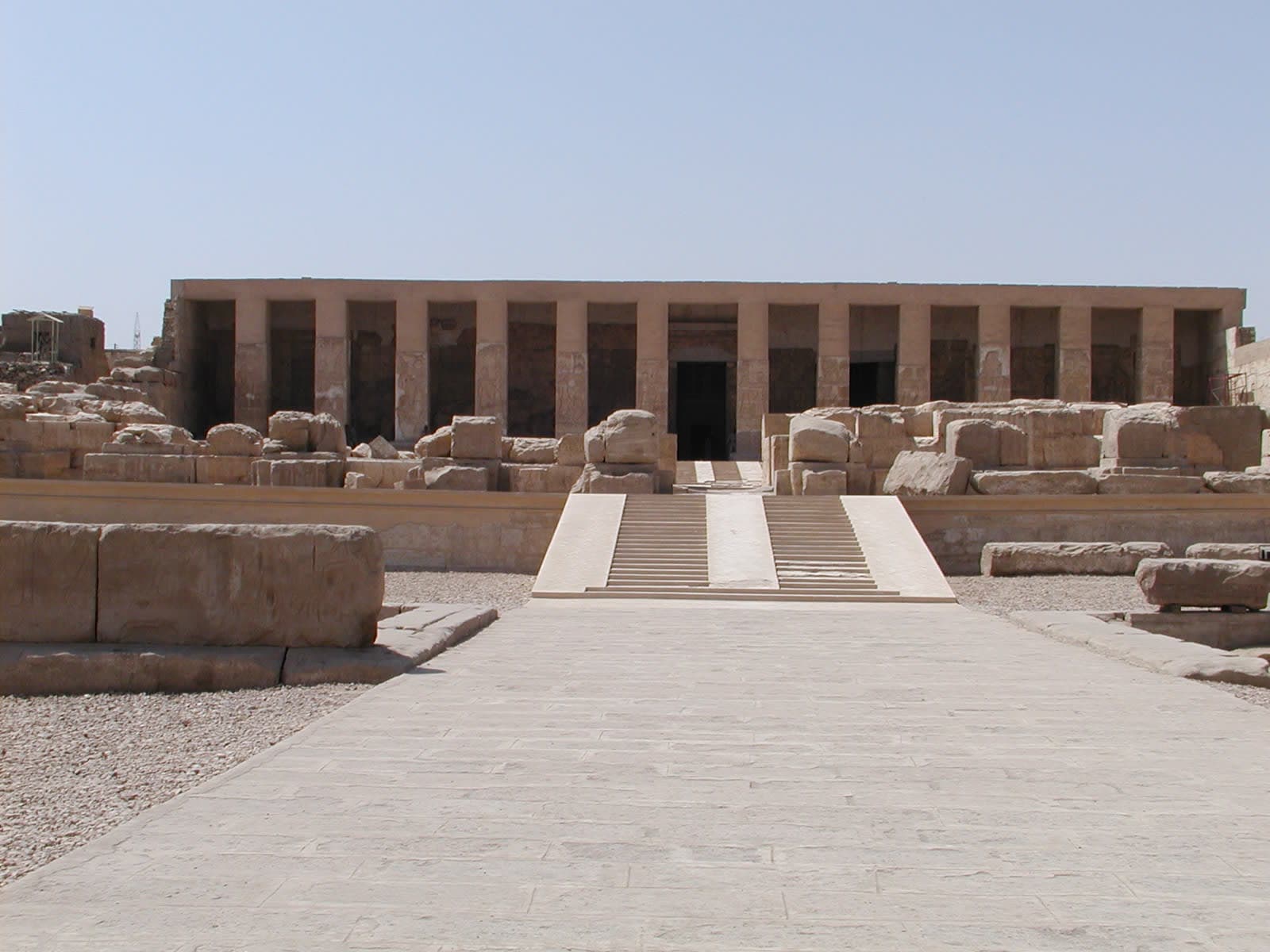
1290 BC · New Kingdom
192 km away
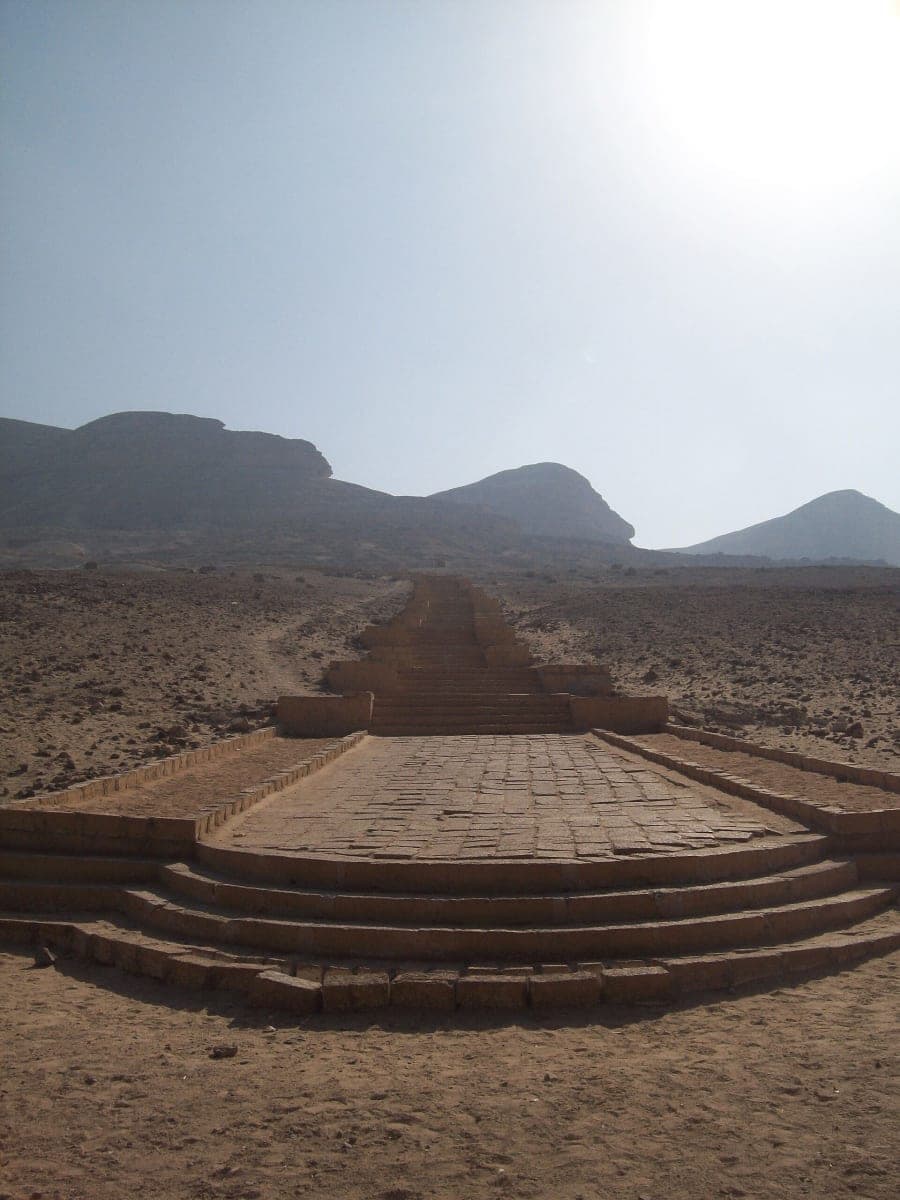
2000 BC · Middle Kingdom
32 km away

2600 BC · Old Kingdom
240 km away
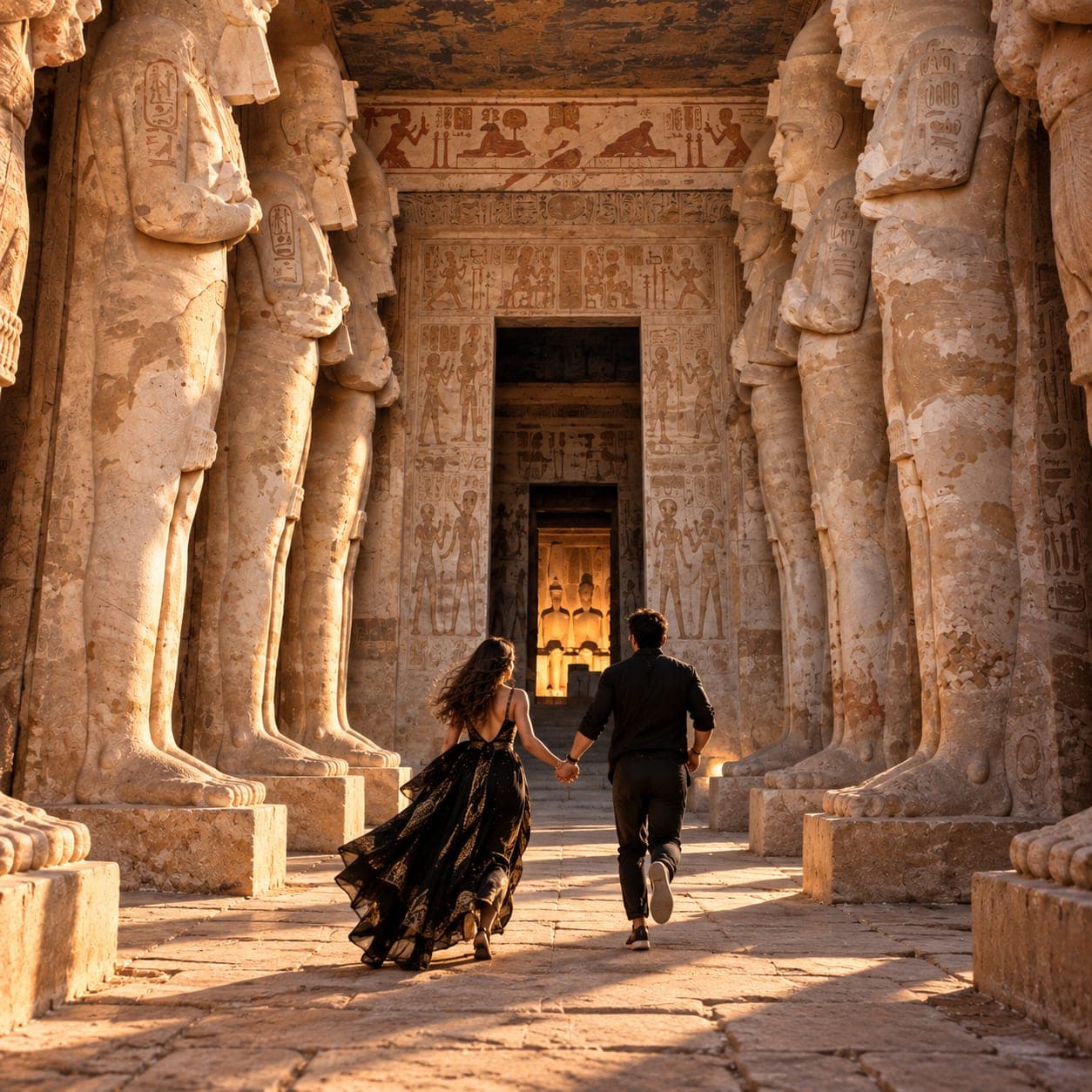
54 BC · Ptolemaic
243 km away
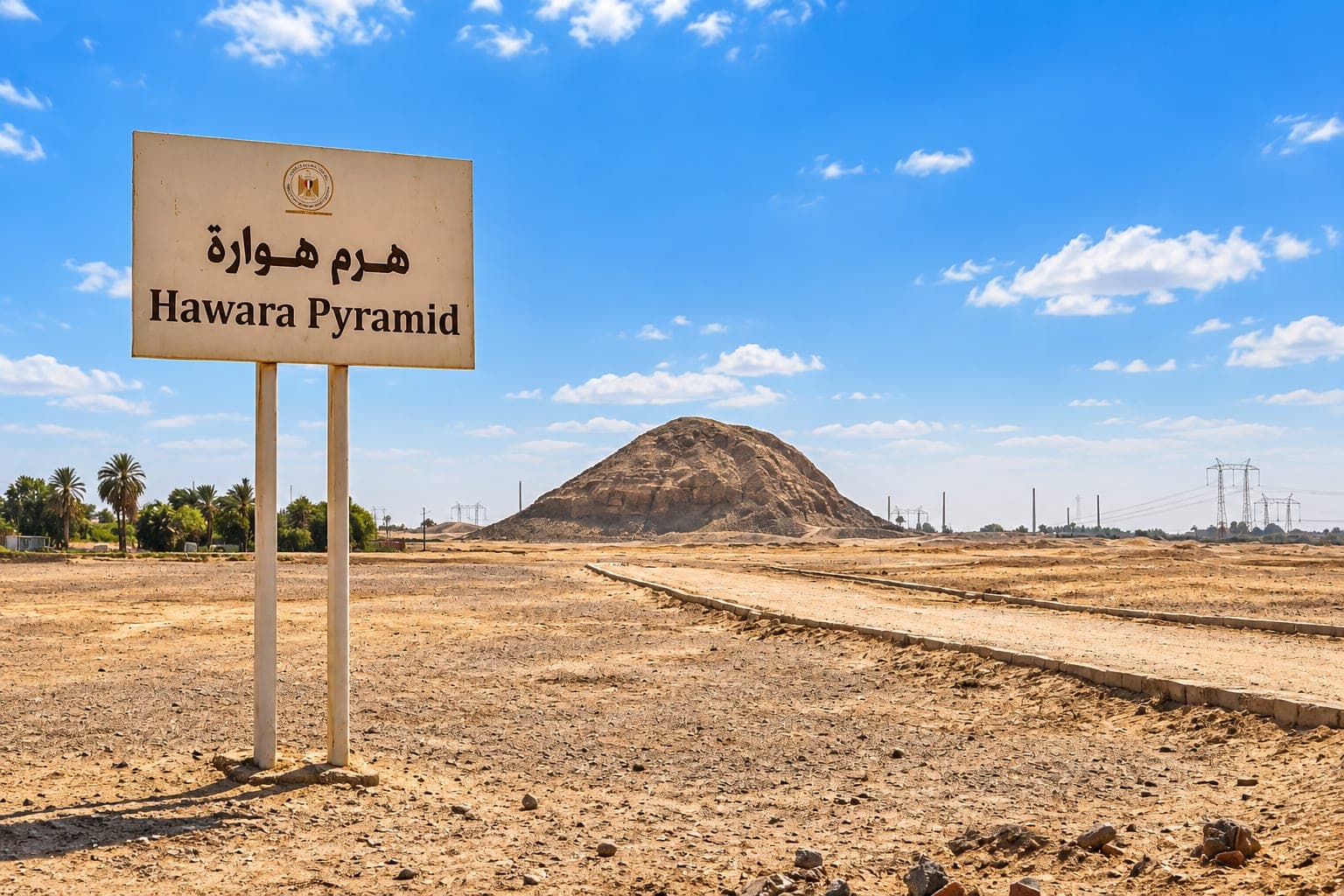
1850 BC · Middle Kingdom
181 km away
Book a ready-made tour or use the designer above to build your own plan.
Hand-picked tours our guests love — top quality at reasonable prices, curated by Helios for your trip.