


Egypt in 16 Days · special
From $4,323 / person16 daysIncludes 1 h 30 m at this sight

Necropolis of ancient Hermopolis
Typical visit: 1 h 30 m
Period: 300 BC · Ptolemaic
A vast desert necropolis near Minya, known for its animal catacombs and Greek-style tomb-chapels.


The necropolis of ancient Hermopolis, in Middle Egypt, and one of the strangest sites in the country. Three quite different things sit within a short walk of each other, and each would be notable on its own.
Kilometres of rock-cut galleries were dug here to hold mummified ibises and baboons — the sacred animals of Thoth, god of writing and of this region. Pilgrims bought a mummified bird as an offering and it was interred in the tunnels; over centuries the numbers ran into the millions. You can walk a lit section of the galleries and see the stacked pottery jars still in their niches.
A high priest of Thoth around the 4th century BCE built himself a tomb shaped like a temple. Its reliefs are the reason to come: Egyptian in layout and subject, but the figures wear Greek dress, stand in Greek poses and are modelled with Greek volume. It is the moment two artistic traditions met, caught on one set of walls.
A separate small tomb holds the body of a young woman who drowned in the Nile in the 2nd century CE. Her father built the tomb and had two Greek poems carved on the walls, addressed to her.
Hermopolis was the cult centre of Thoth — ibis-headed god of writing, calculation, magic and the moon, whom the Greeks identified with Hermes, giving the city its name. The animal cults here were correspondingly enormous.
The ibis catacombs are hard to grasp until you see the scale. Birds were bred in dedicated facilities near the temple, killed, mummified, wrapped, sealed in a pottery jar and sold to pilgrims, who dedicated them and had them stored underground. Estimates for the number interred at Tuna el-Gebel run to four million and beyond, with comparable operations at Saqqara and elsewhere.
It was a religious economy at industrial scale — breeders, embalmers, potters, priests and scribes, all supported by pilgrim payments, running for several centuries.
On the cliff above the site stands one of Akhenaten's boundary stelae, marking the western limit of Akhetaten across the river. It is a reminder of how close this ordinary provincial necropolis sits to the strangest episode in Egyptian history.
Petosiris lived through the end of native Egyptian rule and the arrival of the Greeks. His tomb does not choose between the two, and neither did the people buried around him: the site holds Egyptian tomb-chapels next to Greek-style house-tombs, in the same cemetery, over the same centuries.
Pick how many days you have, add attractions per day, and see average activity and travel times between cities.
Places that carry the same story forward, or sit close enough to take in the same day.
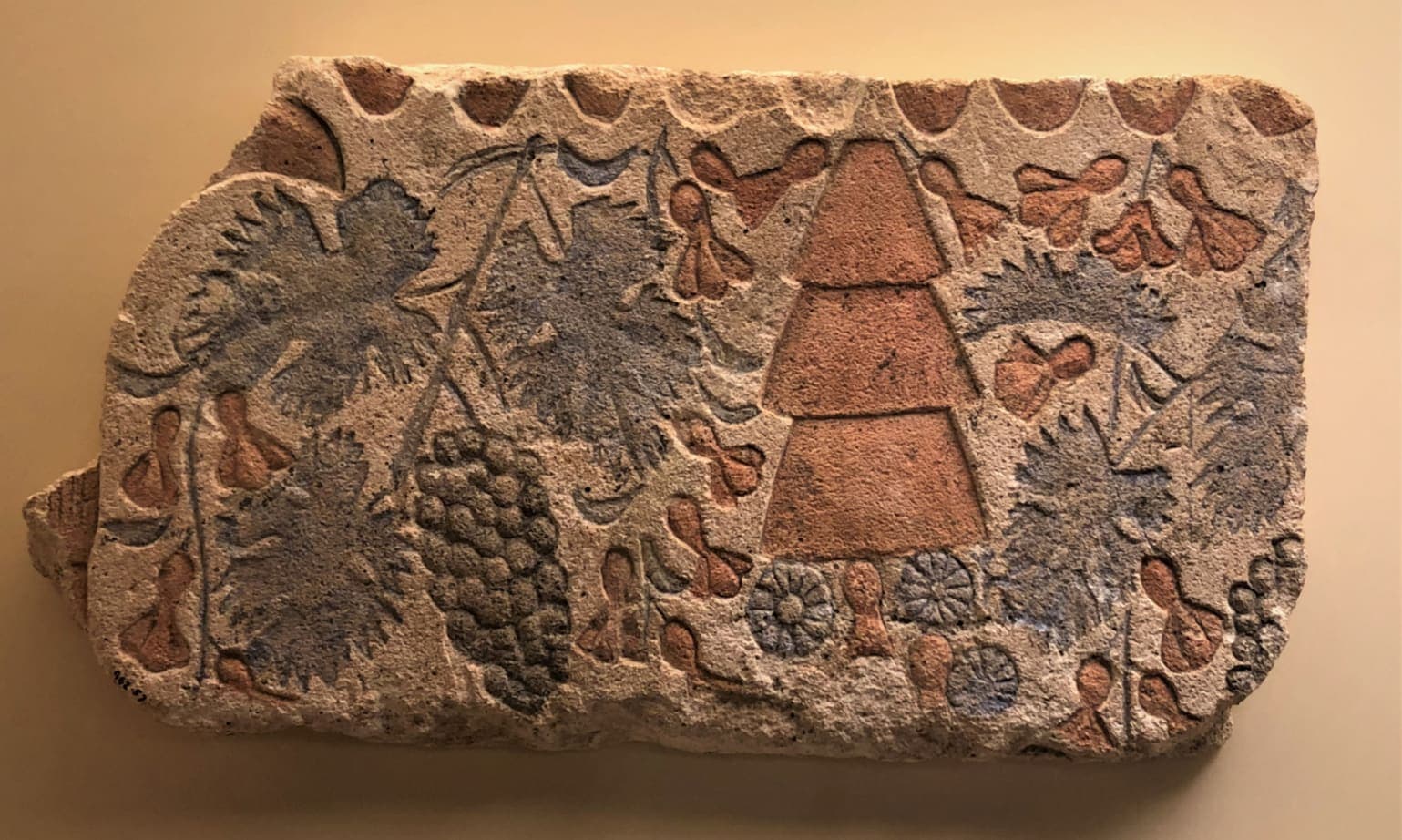
1346 BC · New Kingdom
21 km away
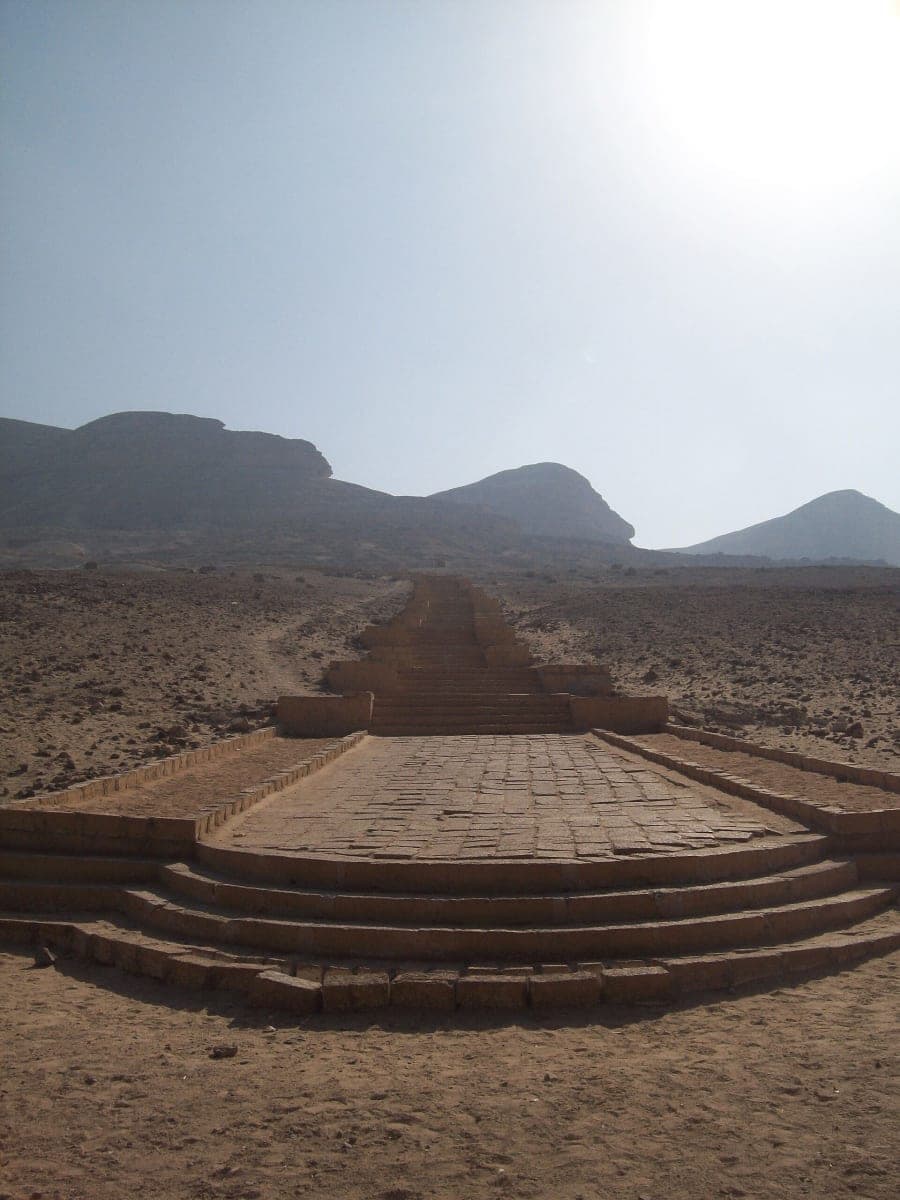
2000 BC · Middle Kingdom
22 km away
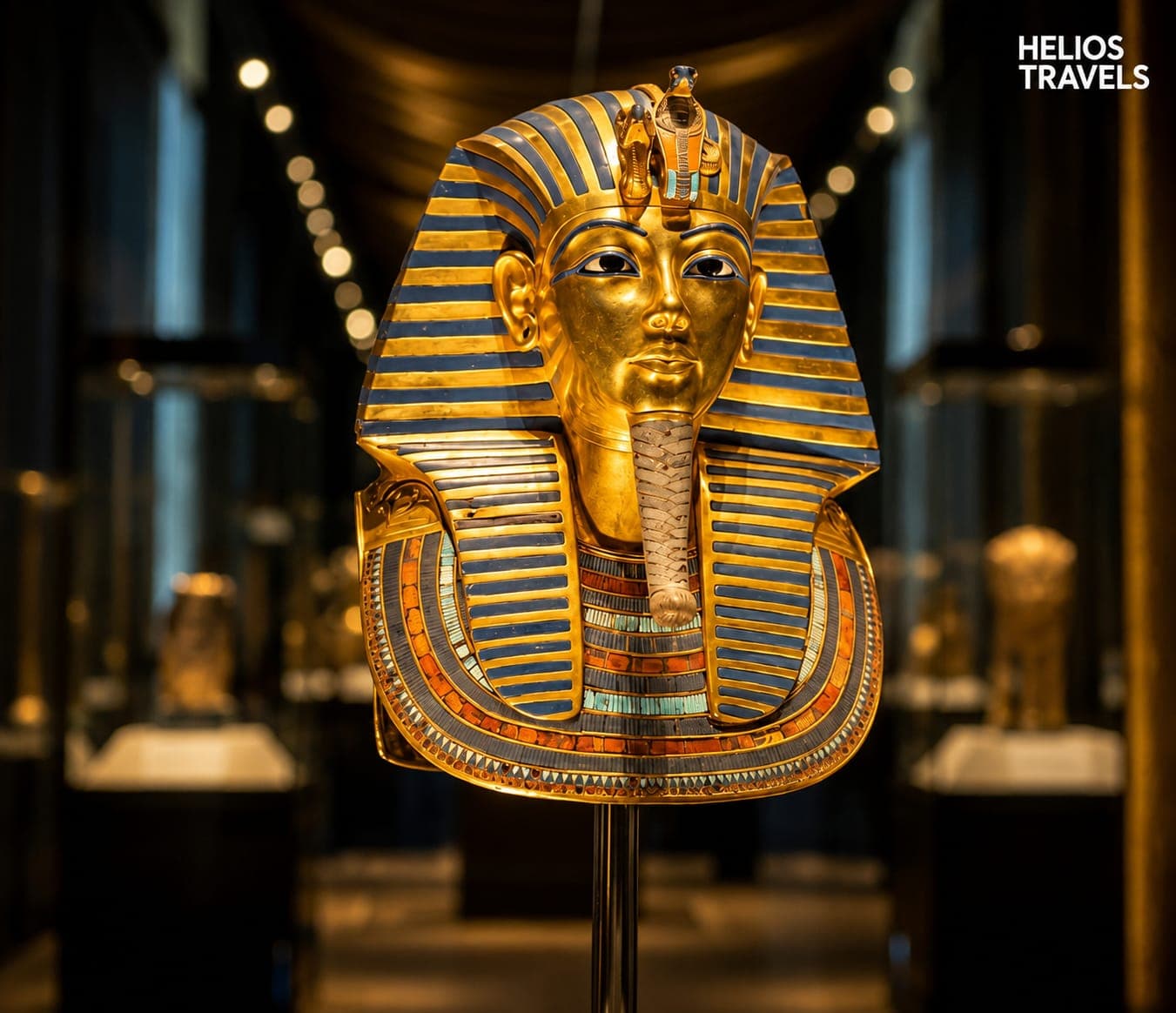
2023 · Contemporary
250 km away
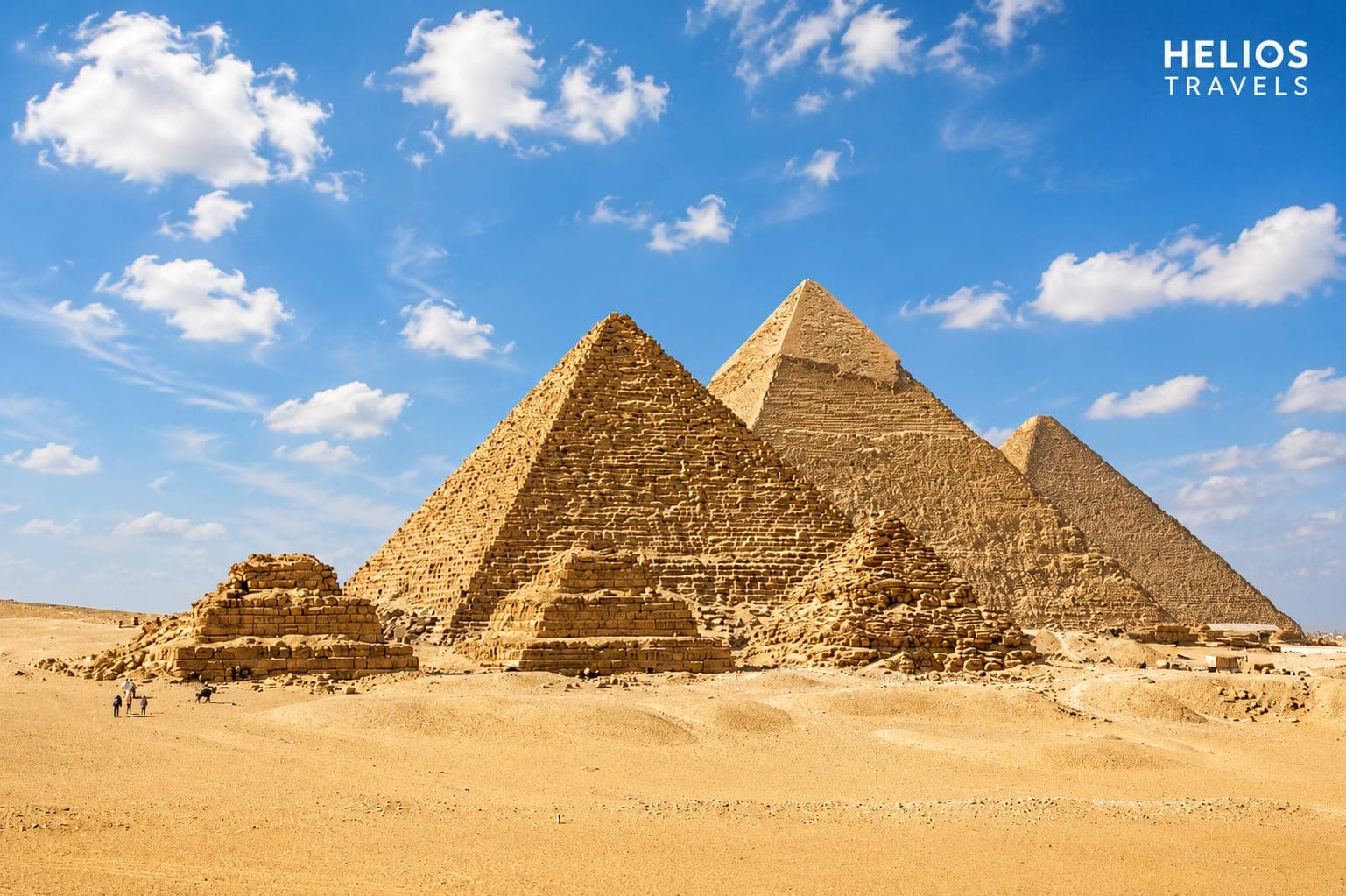
2560 BC · Old Kingdom
248 km away

2600 BC · Old Kingdom
229 km away
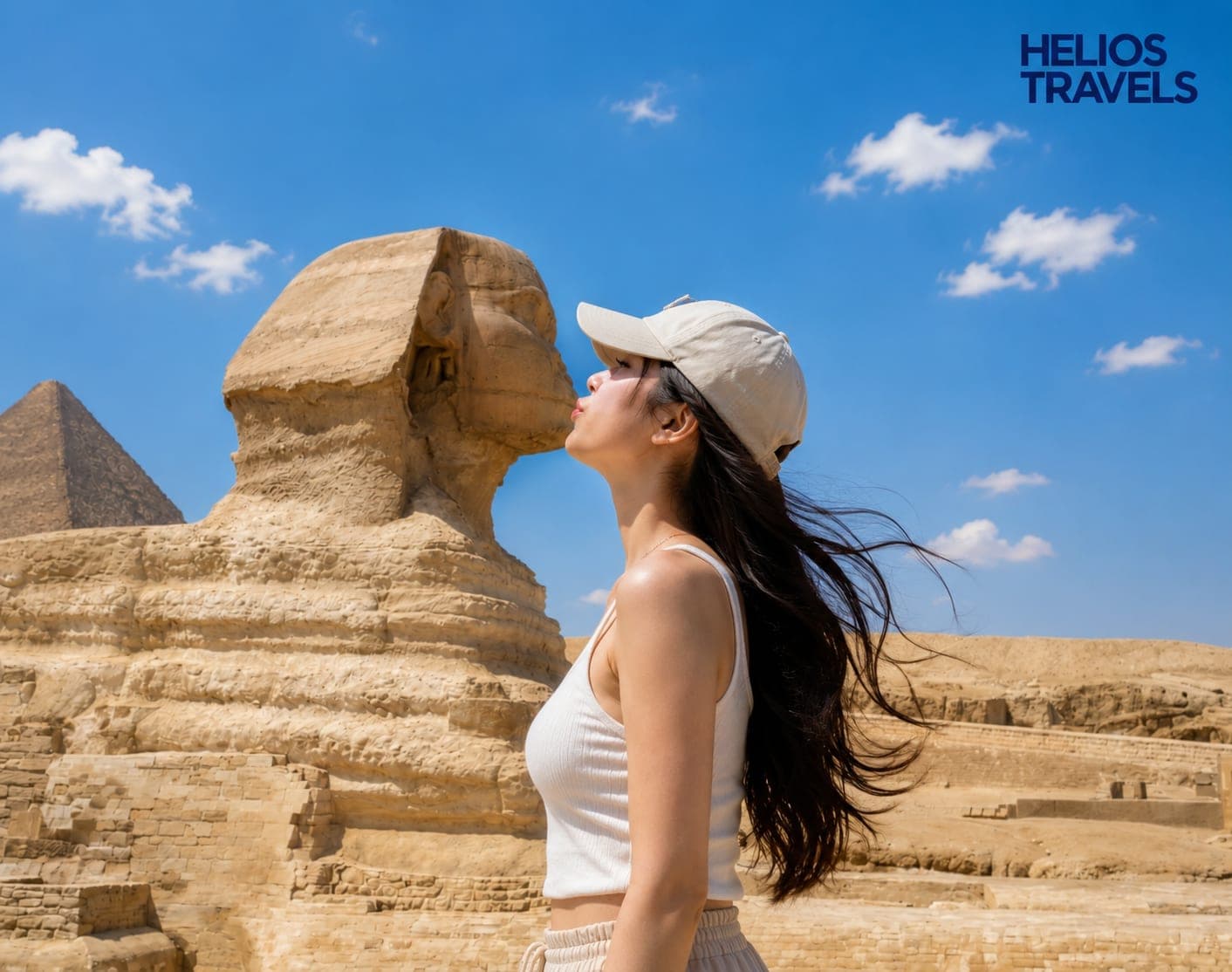
2500 BC · Old Kingdom
248 km away
Book a ready-made tour or use the designer above to build your own plan.
Hand-picked tours our guests love — top quality at reasonable prices, curated by Helios for your trip.