


Egypt in 16 Days · special
From $4,323 / person16 daysIncludes 1 h 30 m at this sight
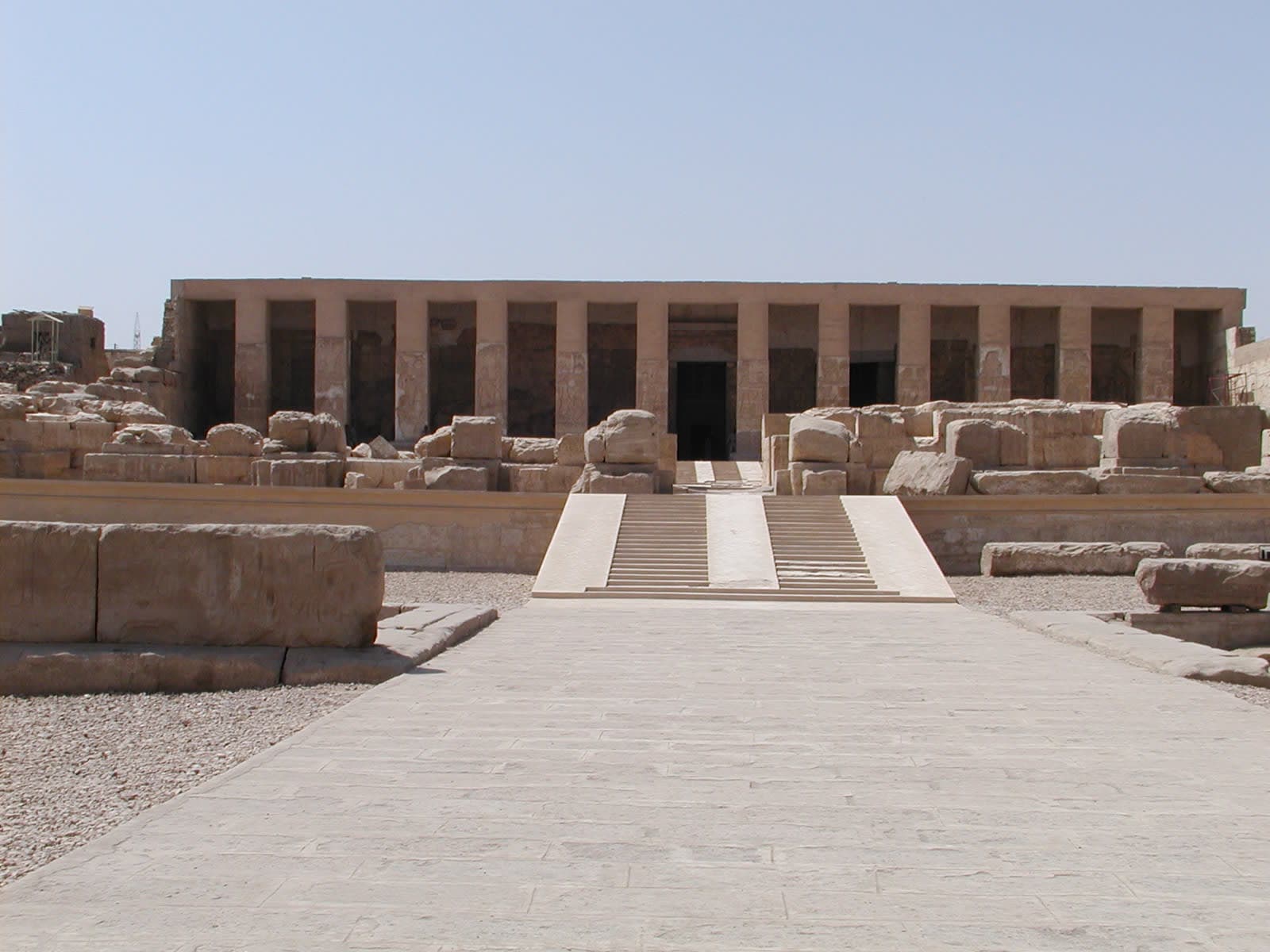
Sacred temple with the Abydos King List
Typical visit: 1 h 30 m
Period: 1290 BC · New Kingdom
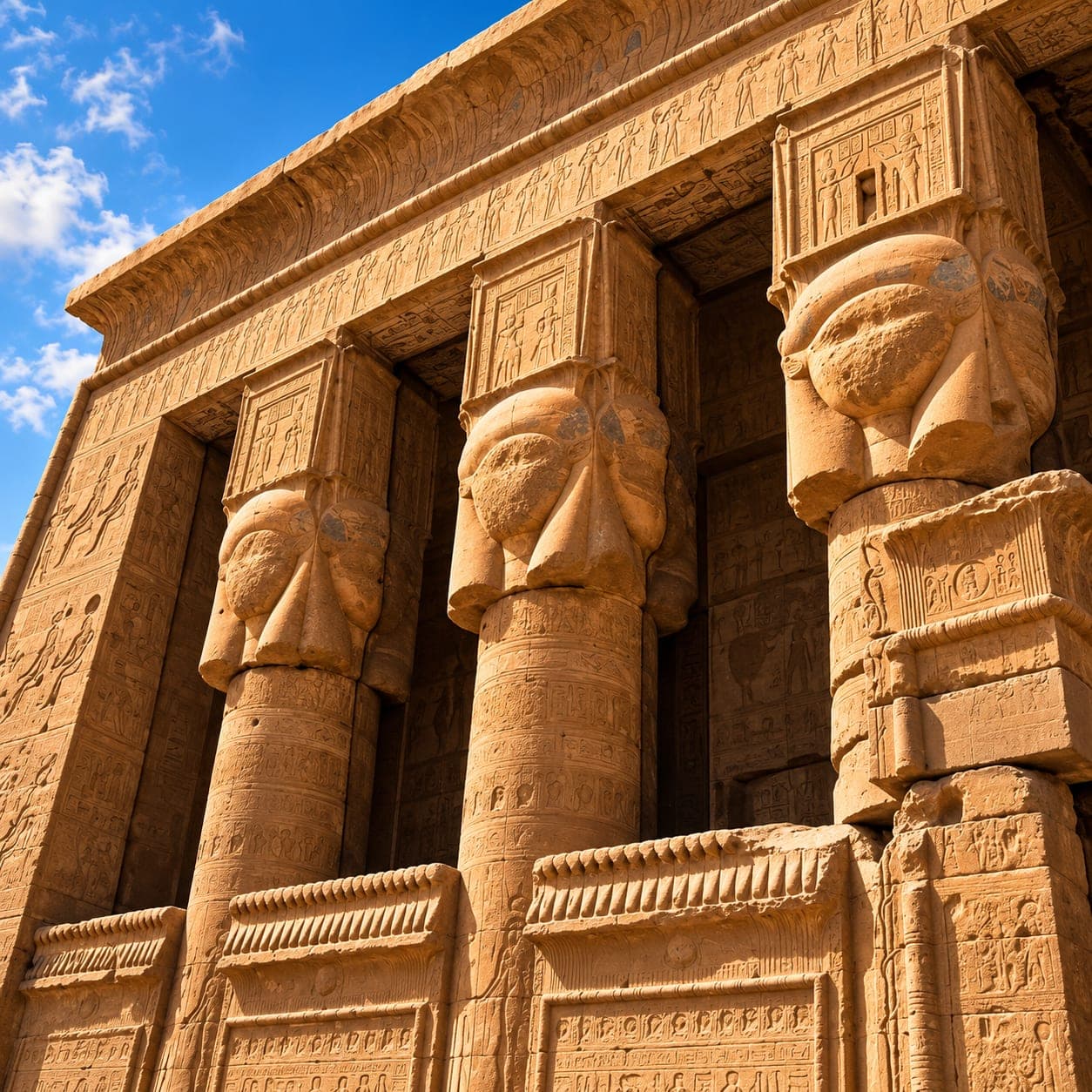
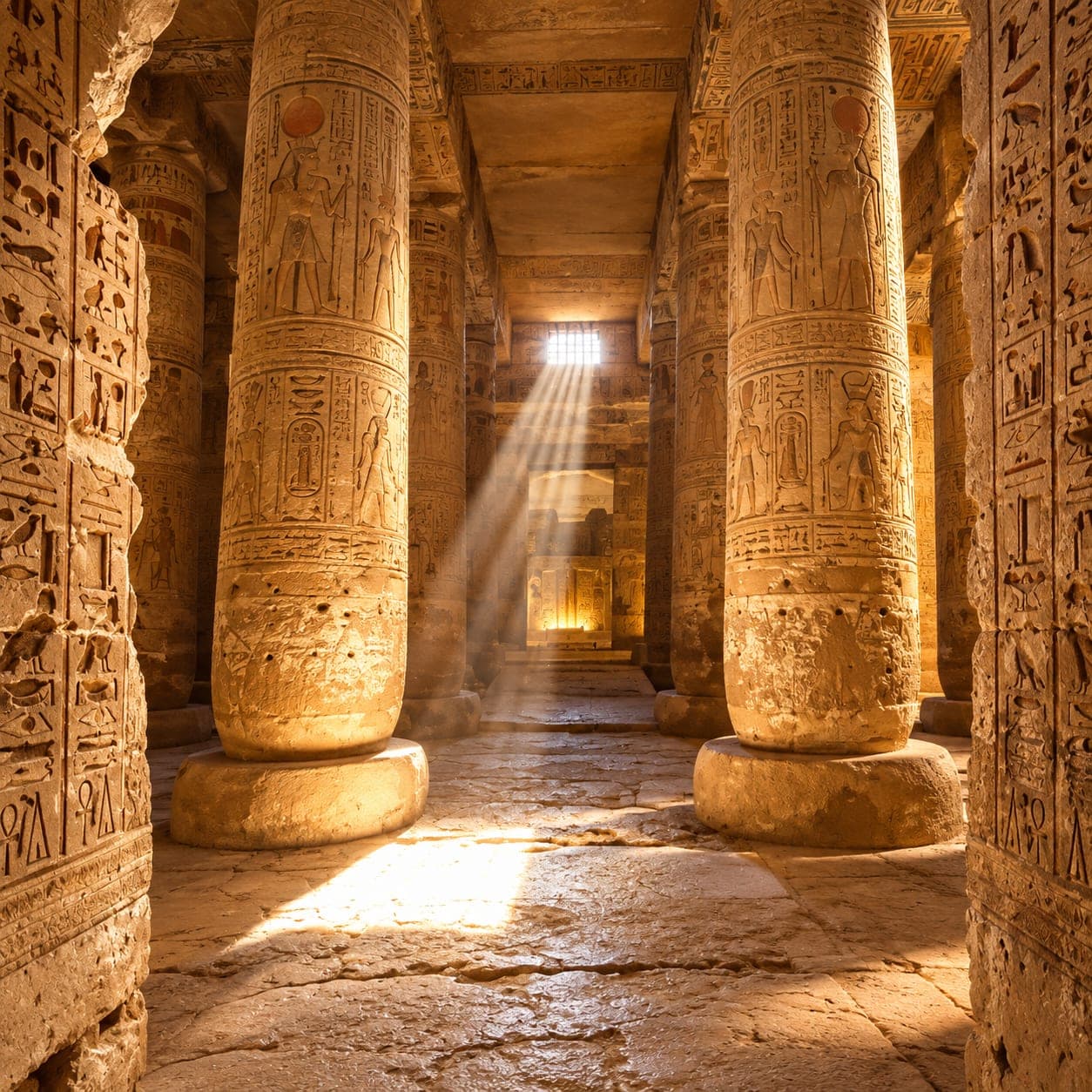
A beautifully carved temple at Egypt's holiest ancient city, home to the famous Abydos King List.


Three hours north of Luxor, and the detour is the point — Abydos is off the standard circuit, and the temple of Seti I inside it holds what many Egyptologists consider the finest carved relief in Egypt.
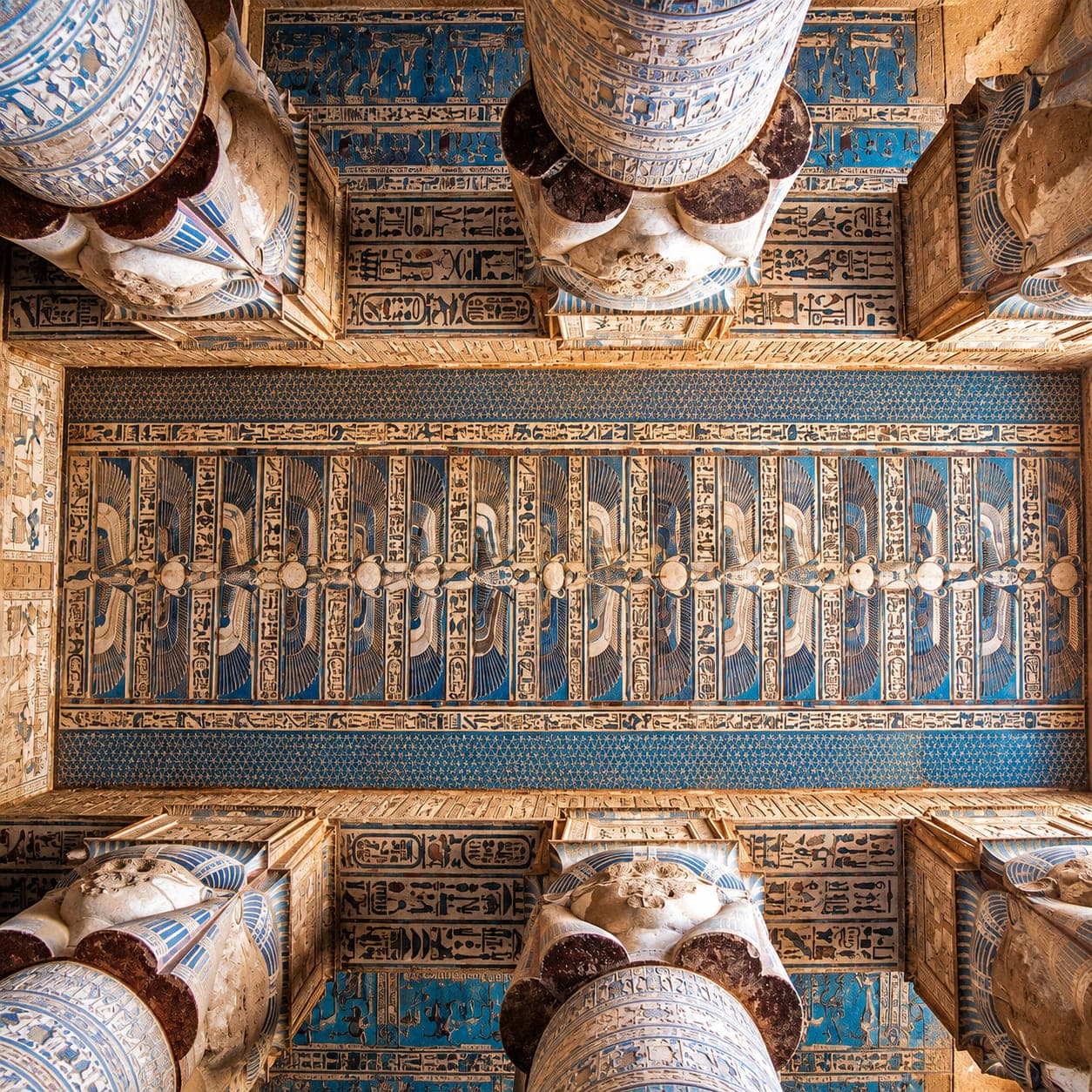
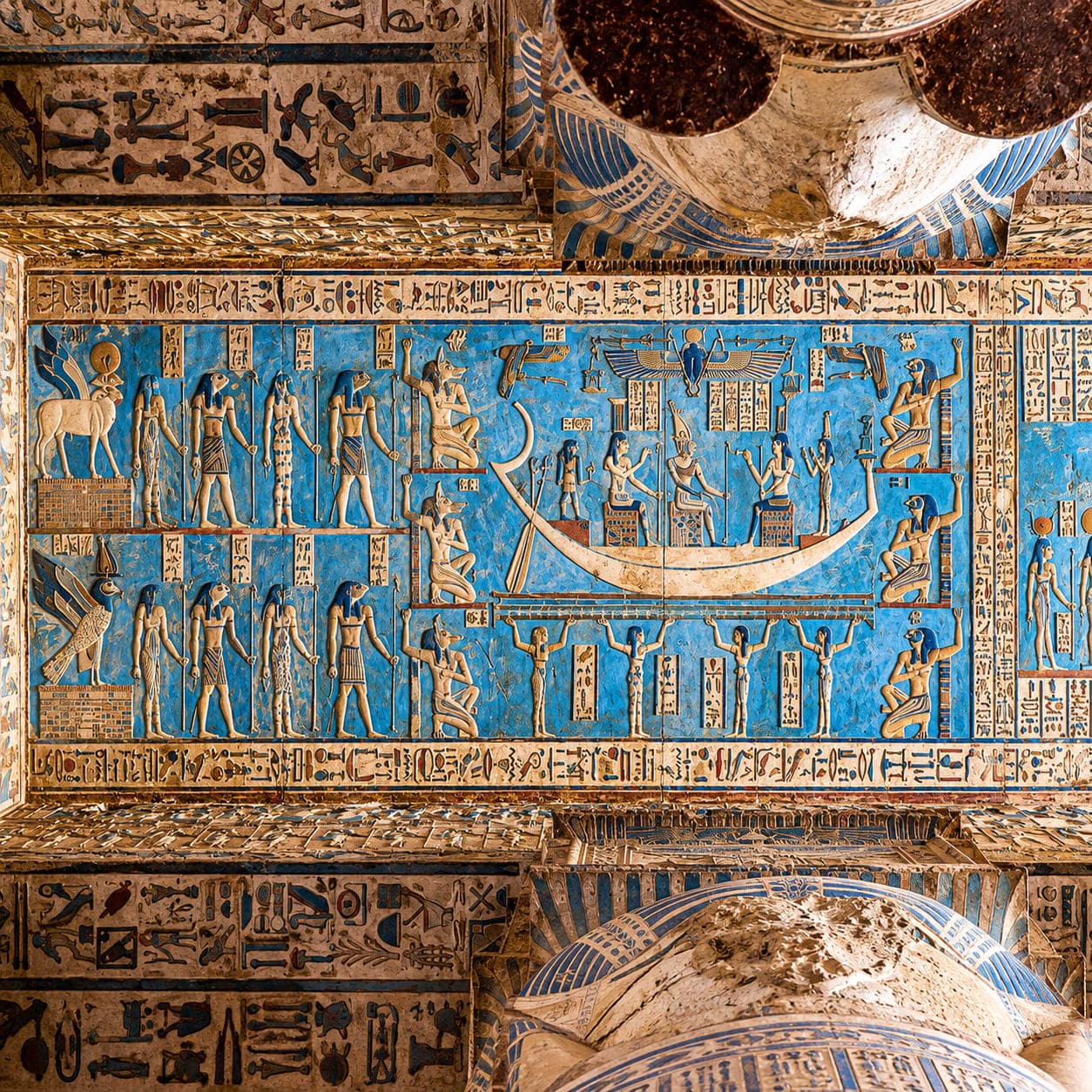
The difference is technique. Most temple decoration is sunk relief, cut into the surface, which is quick and reads well in harsh sun. Seti's craftsmen used raised relief — cutting the background away so the figures stand out — which is slower, far more difficult, and here executed with a delicacy that is genuinely startling. Much of the original colour survives in the inner chapels.
Abydos was the cult centre of Osiris, god of the dead and of resurrection, and Egyptians believed his head was buried here. For two thousand years it was the most important pilgrimage site in the country: people came to leave offerings, and those who could afford it had memorial stelae set up so they could share in the annual festival for eternity. The desert here is layered with them.
The King List is a remarkable document and a dishonest one. It runs from Menes, the first king, down to Seti himself — but four names are absent. Hatshepsut, Akhenaten, Tutankhamun and Ay are all omitted, the Amarna rulers erased as heretics and Hatshepsut as an irregularity.
It is history written by the winners, carved in stone, and it tells you as much by its gaps as by its contents.
One lintel here is famous online for appearing to show a helicopter, a submarine and an aircraft. The explanation is mundane and rather satisfying: it is a palimpsest. Seti I's titles were carved, then plastered over and recarved with Ramesses II's titles on top. The plaster fell away over the centuries, leaving both inscriptions superimposed, and the overlap produces shapes that look like machines to a modern eye.
A short distance away at Umm el-Qa'ab lie the tombs of the very first pharaohs — 1st Dynasty, around 3000 BCE, a thousand years before the temple. Some of the earliest writing in Egypt was found in them.
Pick how many days you have, add attractions per day, and see average activity and travel times between cities.
Places that carry the same story forward, or sit close enough to take in the same day.
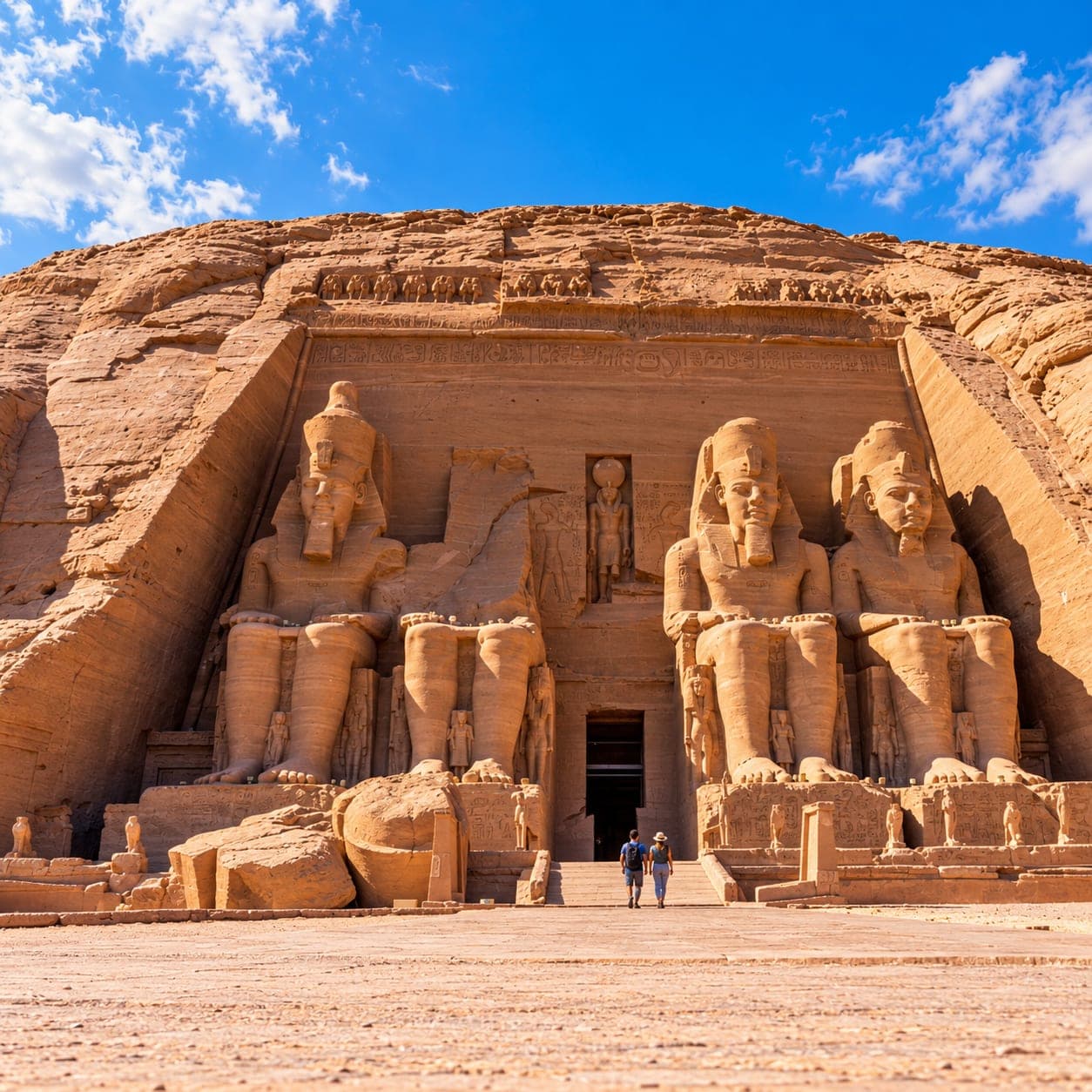
1264 BC · New Kingdom
429 km away

1255 BC · New Kingdom
429 km away
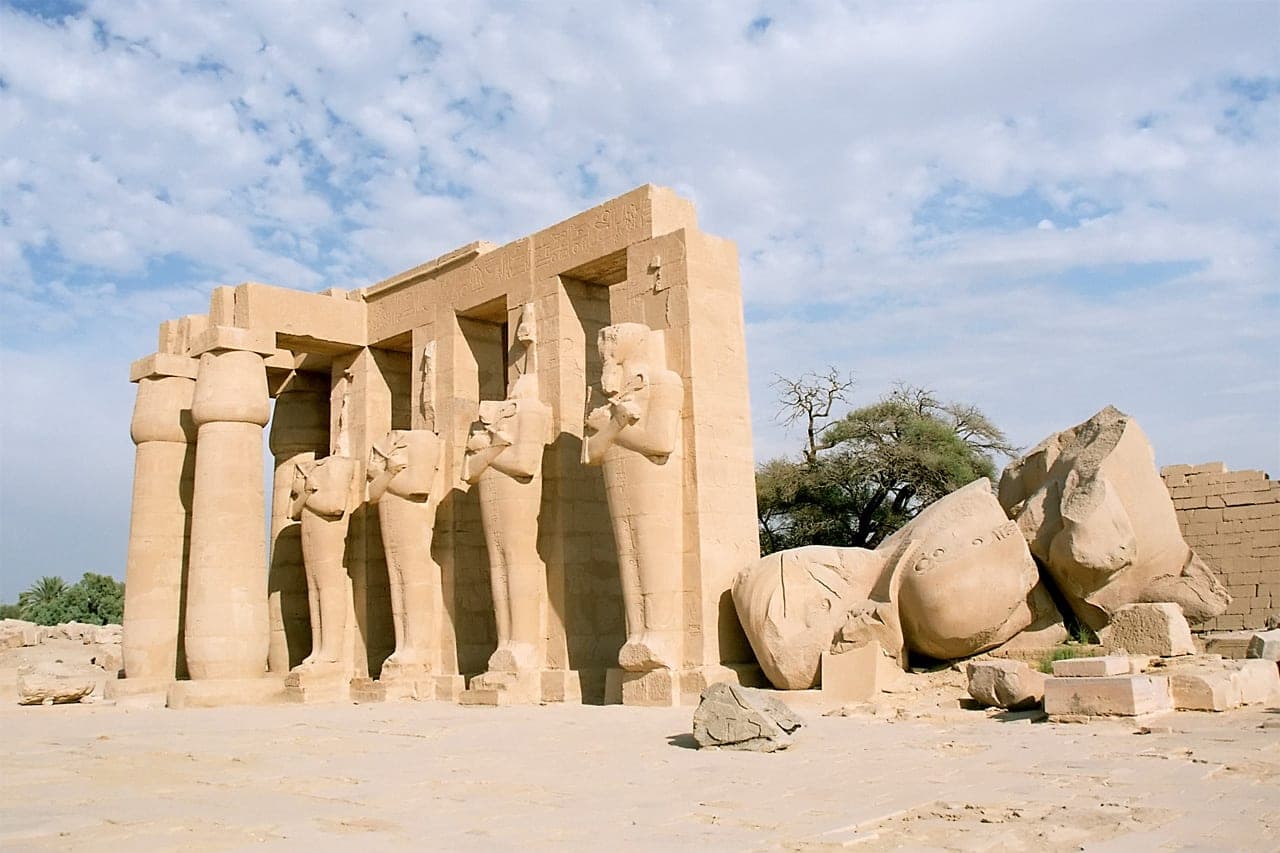
1250 BC · New Kingdom
86 km away
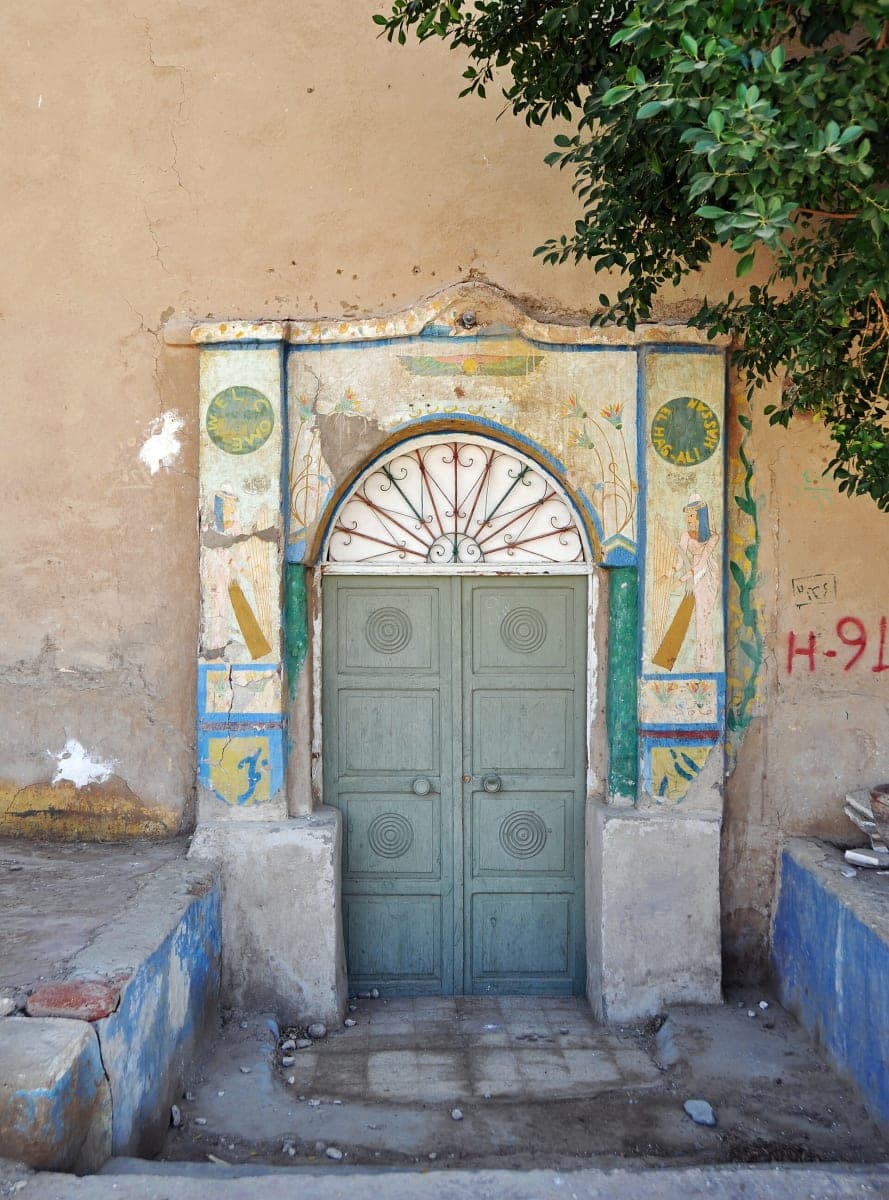
1180 BC · New Kingdom
86 km away
3000 BC · Early Dynastic
253 km away

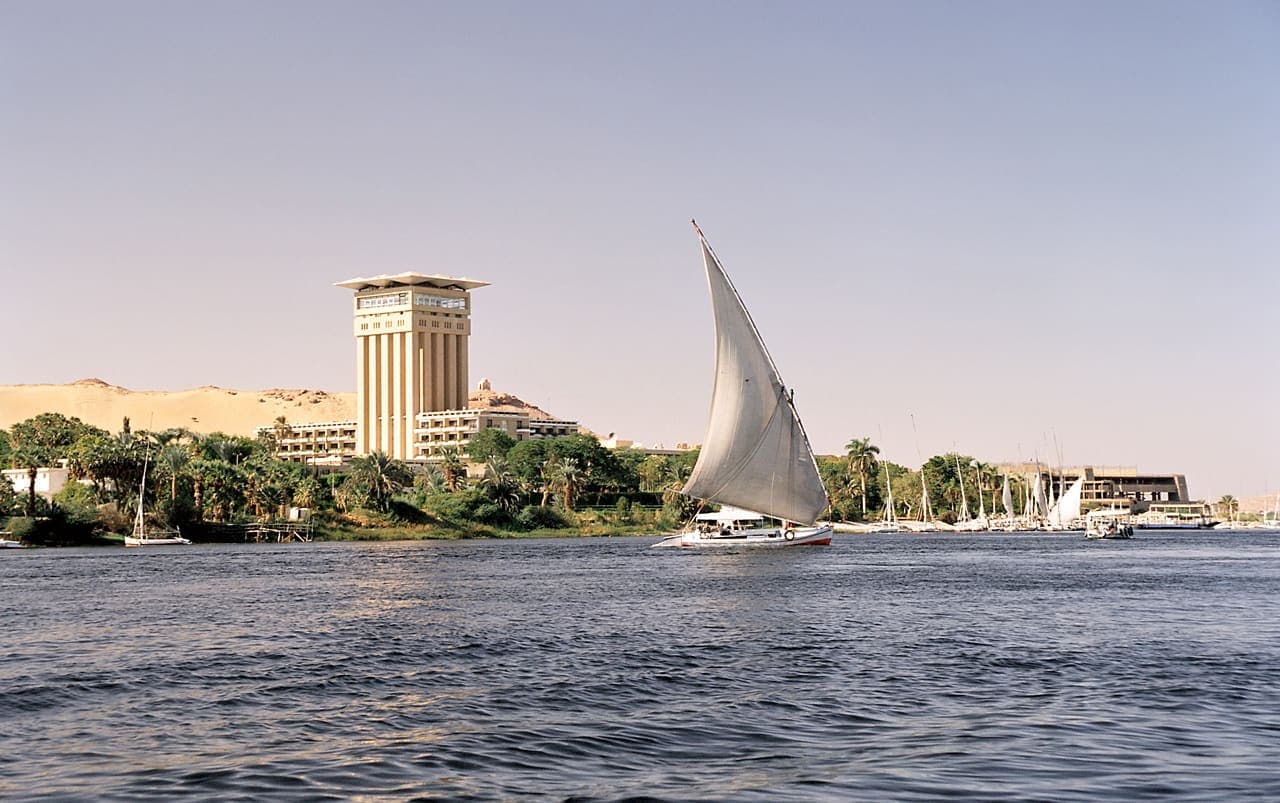
1975 · Modern Egypt
90 km away
Book a ready-made tour or use the designer above to build your own plan.
Hand-picked tours our guests love — top quality at reasonable prices, curated by Helios for your trip.