


Egypt in 16 Days · special
From $4,323 / person16 daysIncludes 1 h 30 m at this sight
Middle Kingdom rock tombs with lively wall scenes
Typical visit: 1 h 30 m
Period: 2000 BC · Middle Kingdom
A row of cliff-cut tombs above the Nile, painted with unusually vivid scenes of daily life.


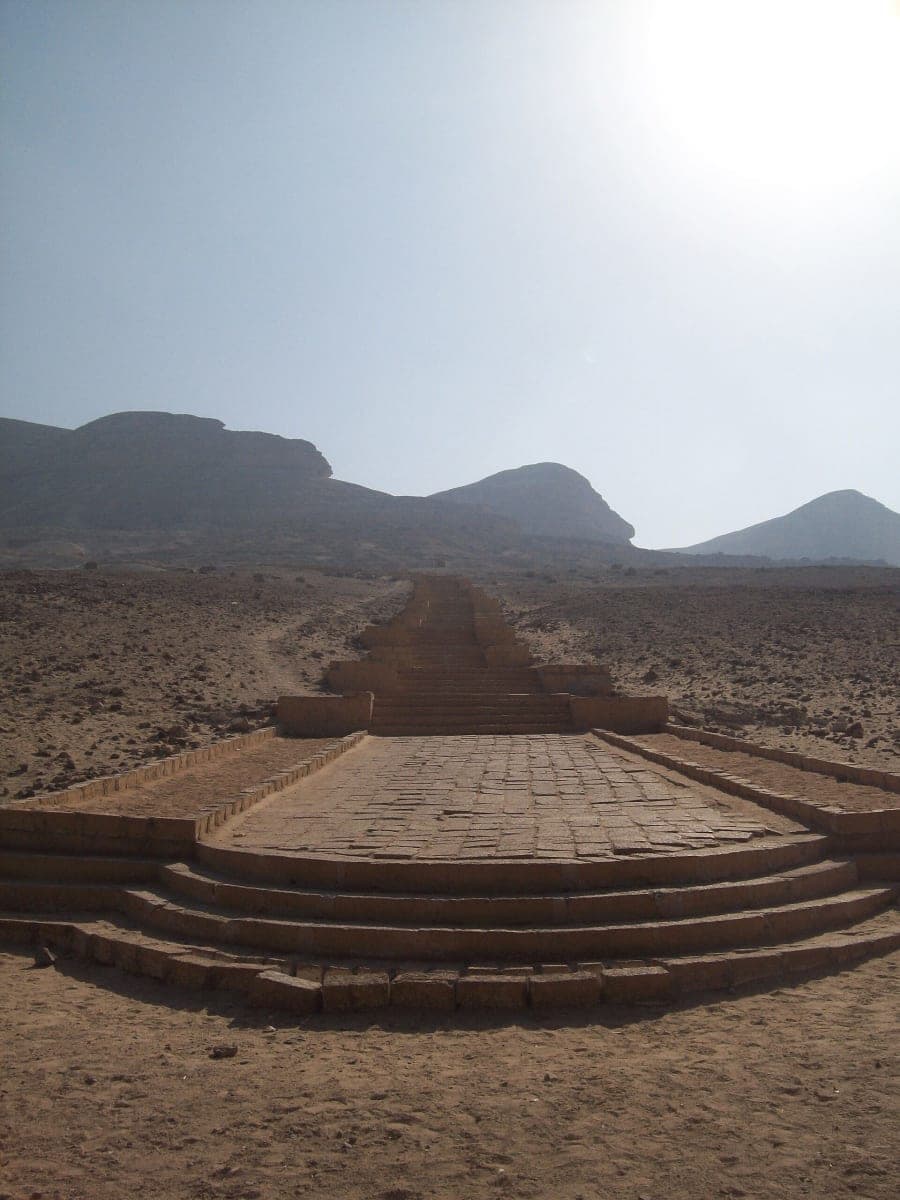
A terrace of rock-cut tombs high in the cliffs on the east bank near Minya, with a long view over the Nile valley. Thirty-nine tombs were cut here for the provincial governors of the Middle Kingdom; twelve are decorated, and four are usually open.
These are not royal tombs, and that is the appeal. The paintings show what people actually did — and because provincial nobles were not bound by the conventions of the court, the scenes are unusually varied and observant.
The site is quiet, the climb up is a few hundred steps, and the view from the terrace is worth the effort on its own.
The tombs belong to the nomarchs — hereditary governors of the Oryx nome — who ran this stretch of the Nile in the 11th and 12th Dynasties, around 2000 BCE. It was a period when provincial families held real independent power, and the scale of these tombs is a measure of it. Within a century or two the crown had curtailed that autonomy, and nobody in the provinces built like this again.
The single most-discussed image at Beni Hasan is in the tomb of Khnumhotep II. It shows a group of thirty-seven foreigners arriving in Egypt — men, women and children, in brightly patterned woollen clothing quite unlike Egyptian linen, bringing donkeys, a lyre, weapons and eye paint. A scribe records them; their leader is named as Abisha, and they are labelled Aamu, the Egyptian term for people from the Levant.
It is one of the earliest detailed depictions of Semitic-speaking people anywhere, painted around 1890 BCE, and it has been argued over for a century and a half — for what it shows about trade and migration between Egypt and Canaan, and, more contentiously, for whether it illuminates the biblical accounts of the same period. The painting itself is careful, curious and entirely without hostility: a record of visitors, made by someone who looked closely at them.
The tombs have suffered from earthquakes, from 19th-century visitors, and from smoke. Conservation work has stabilised several, but the colour is markedly weaker than early copies made by 19th-century expeditions — which are now, in places, the better record.
Pick how many days you have, add attractions per day, and see average activity and travel times between cities.
Places that carry the same story forward, or sit close enough to take in the same day.
1346 BC · New Kingdom
32 km away

300 BC · Ptolemaic
22 km away
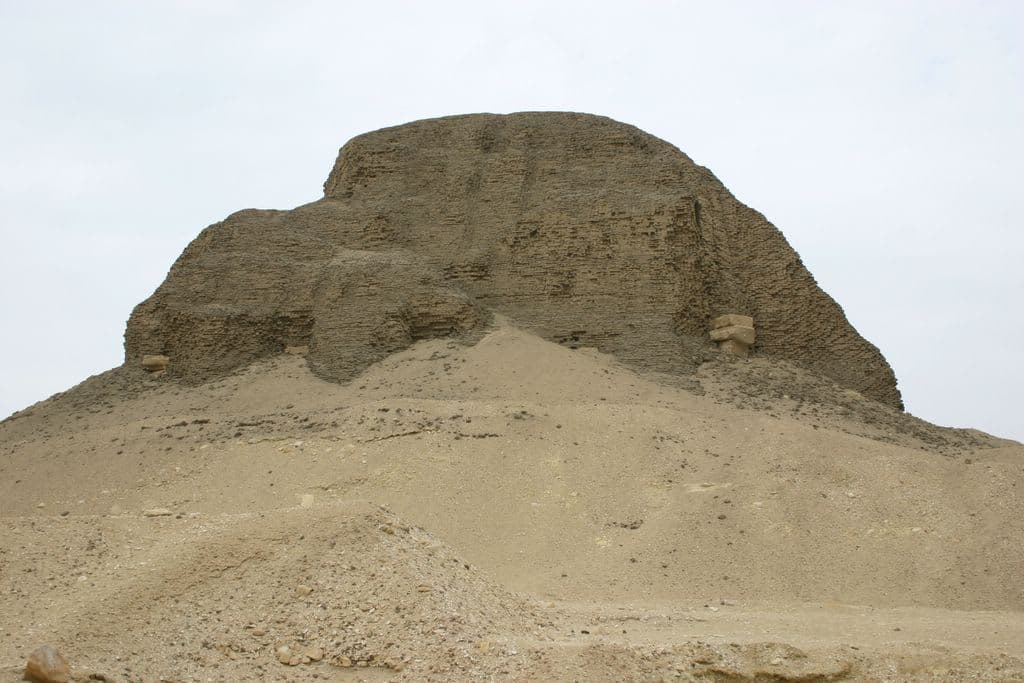
1880 BC · Middle Kingdom
145 km away
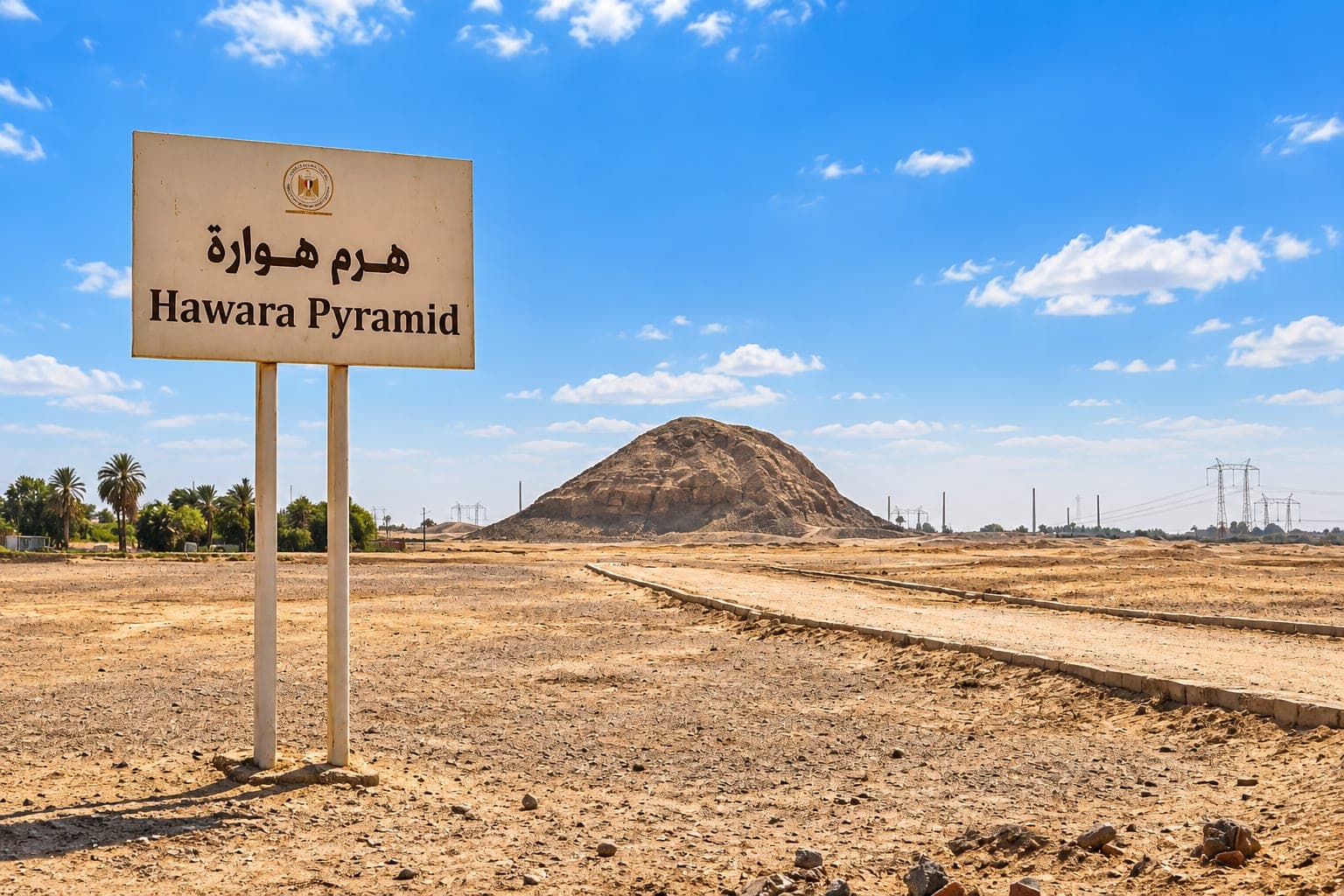
1850 BC · Middle Kingdom
149 km away
1902 · Khedivial
238 km away
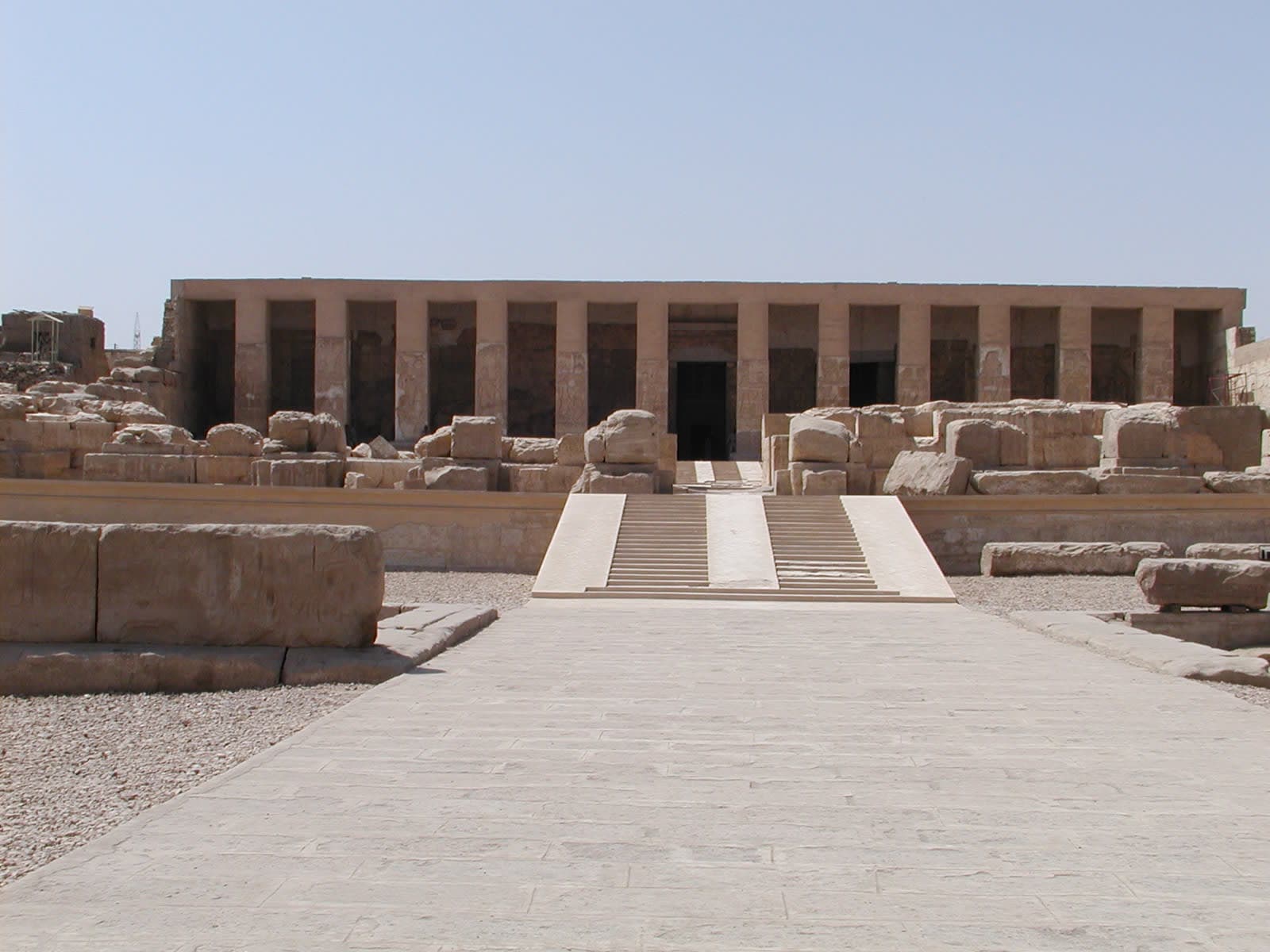
1290 BC · New Kingdom
220 km away
Book a ready-made tour or use the designer above to build your own plan.
Hand-picked tours our guests love — top quality at reasonable prices, curated by Helios for your trip.