


Egypt in 16 Days · special
From $4,323 / person16 daysIncludes 1 h 30 m at this sight
Tombs of royal wives and princes
Typical visit: 1 h 30 m
Period: 1500 BC · New Kingdom
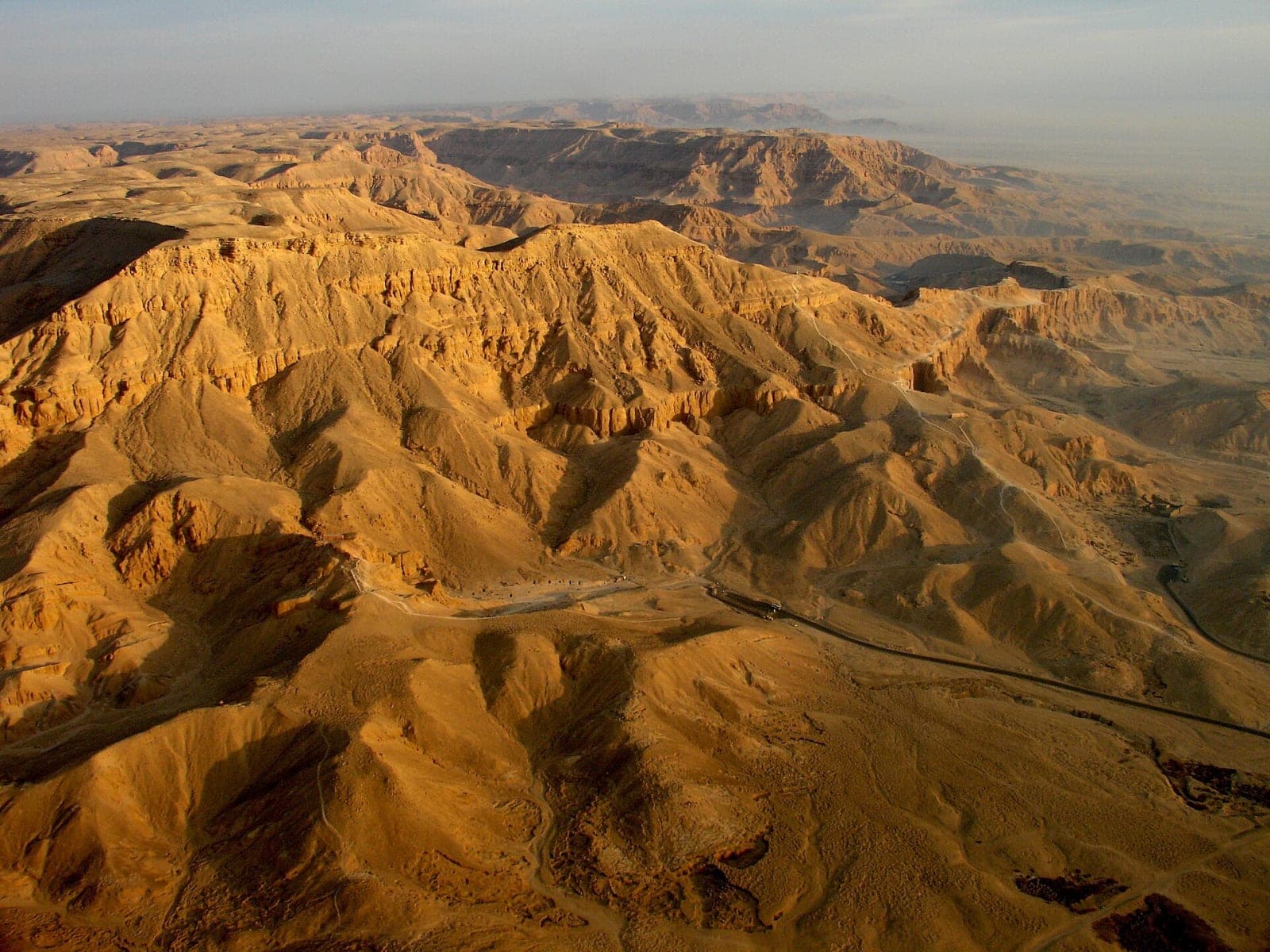
The west-bank valley where queens and royal children were laid to rest, including the exquisite tomb of Nefertari.


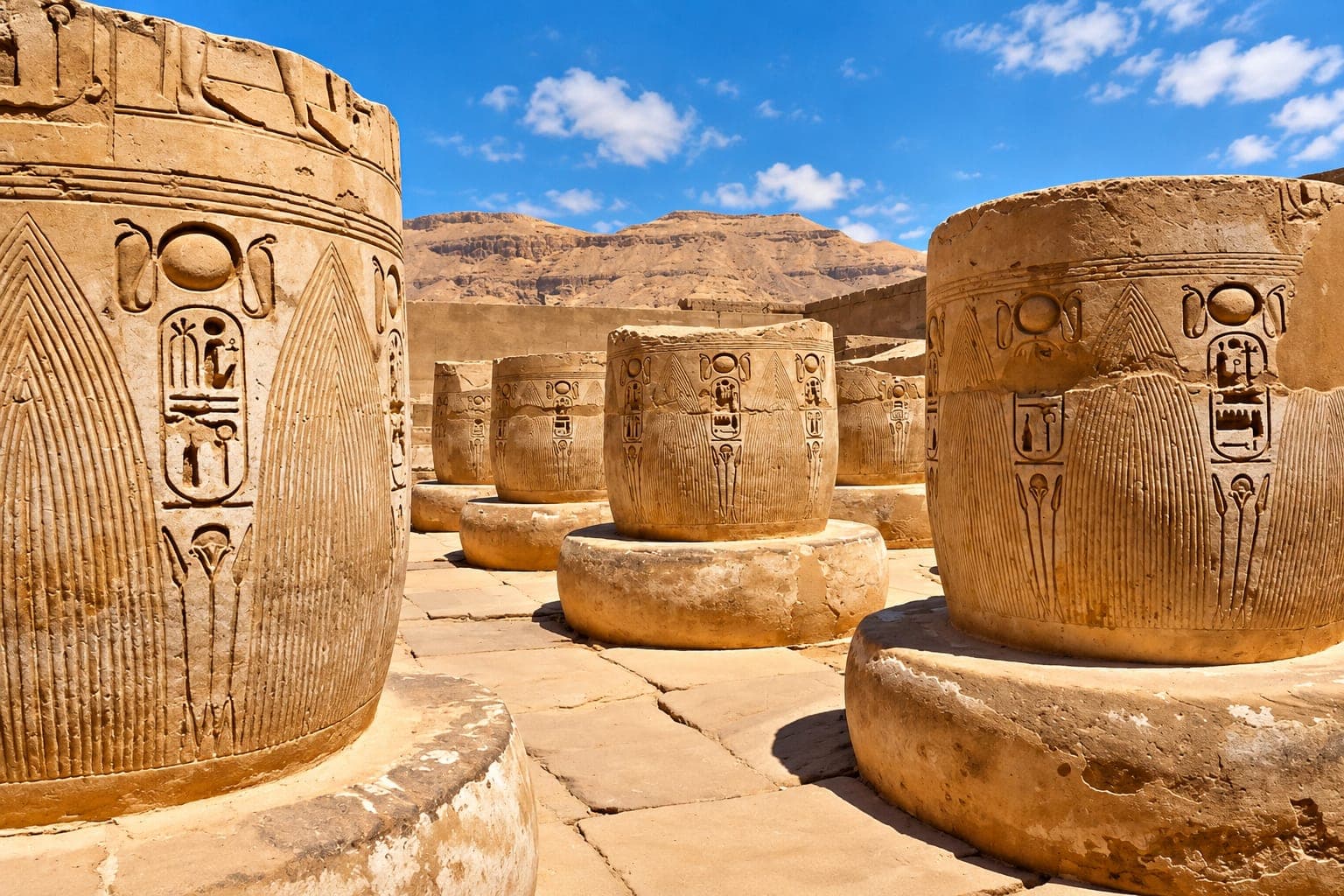
A quieter valley south of the Valley of the Kings, holding some ninety tombs cut for queens, princesses and royal children of the New Kingdom. The ancient name was Ta-Set-Neferu — "the place of beauty".
Fewer tombs are open than in the kings' valley, and the site takes under an hour, but two of them are among the most affecting in Egypt.
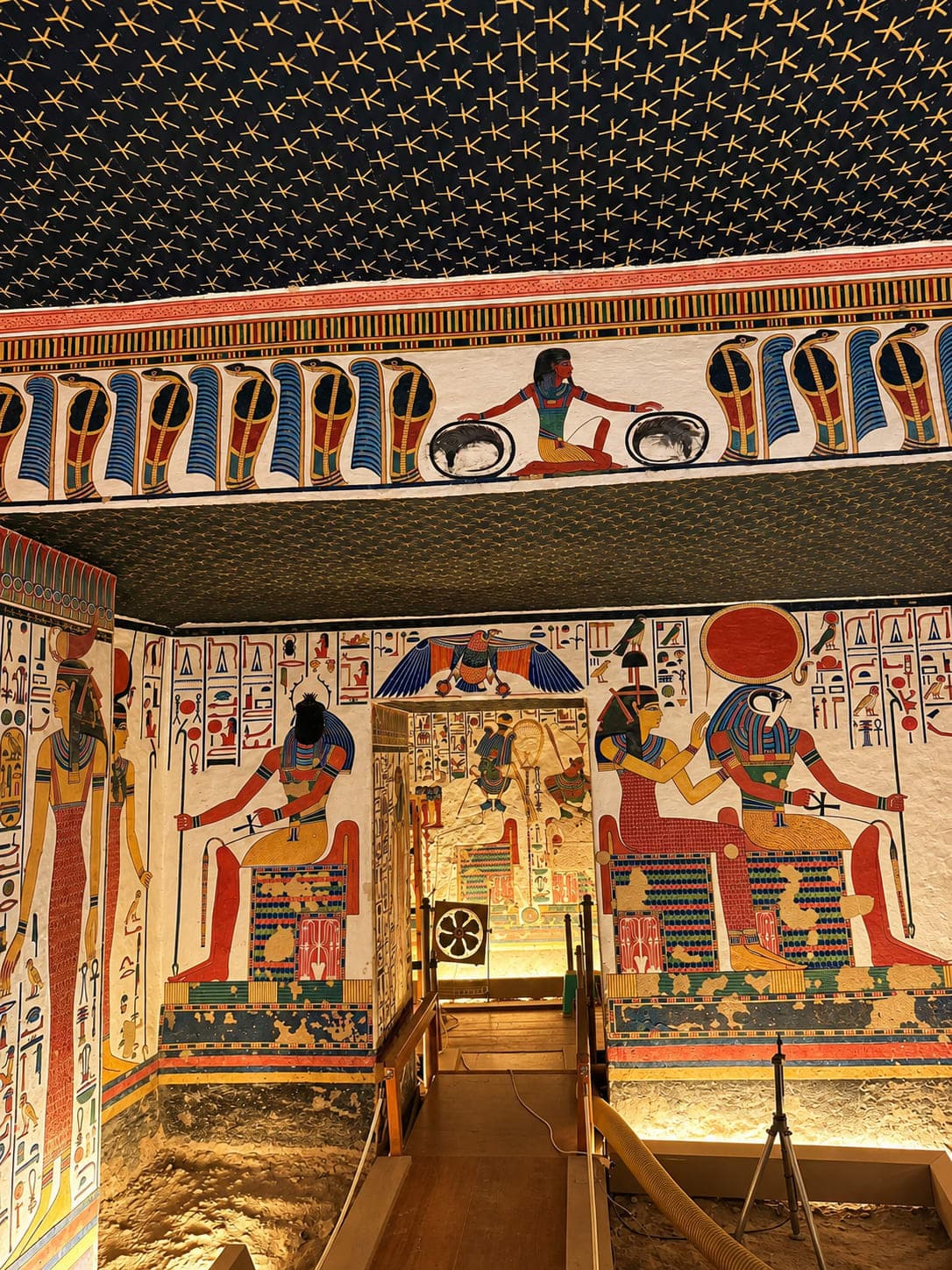
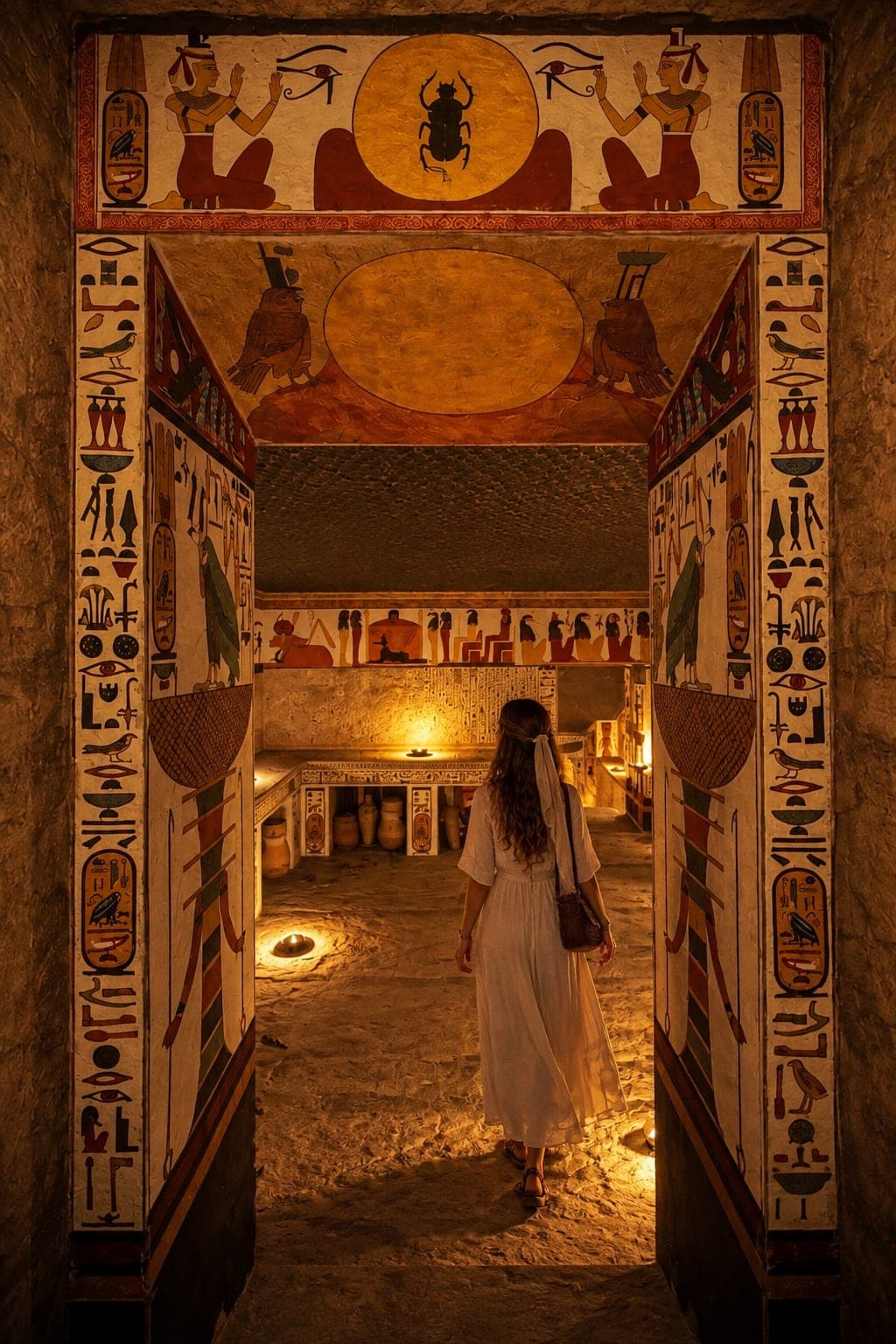
The princes' tombs are small and the paintwork is close enough to touch. They are also, unusually for Egyptian royal art, unmistakably tender.
The valley came into use in the 18th Dynasty and was reserved for the royal family rather than the king himself. The workmen who cut and painted these tombs were the same community at Deir el-Medina that served the Valley of the Kings, working the two valleys in parallel.
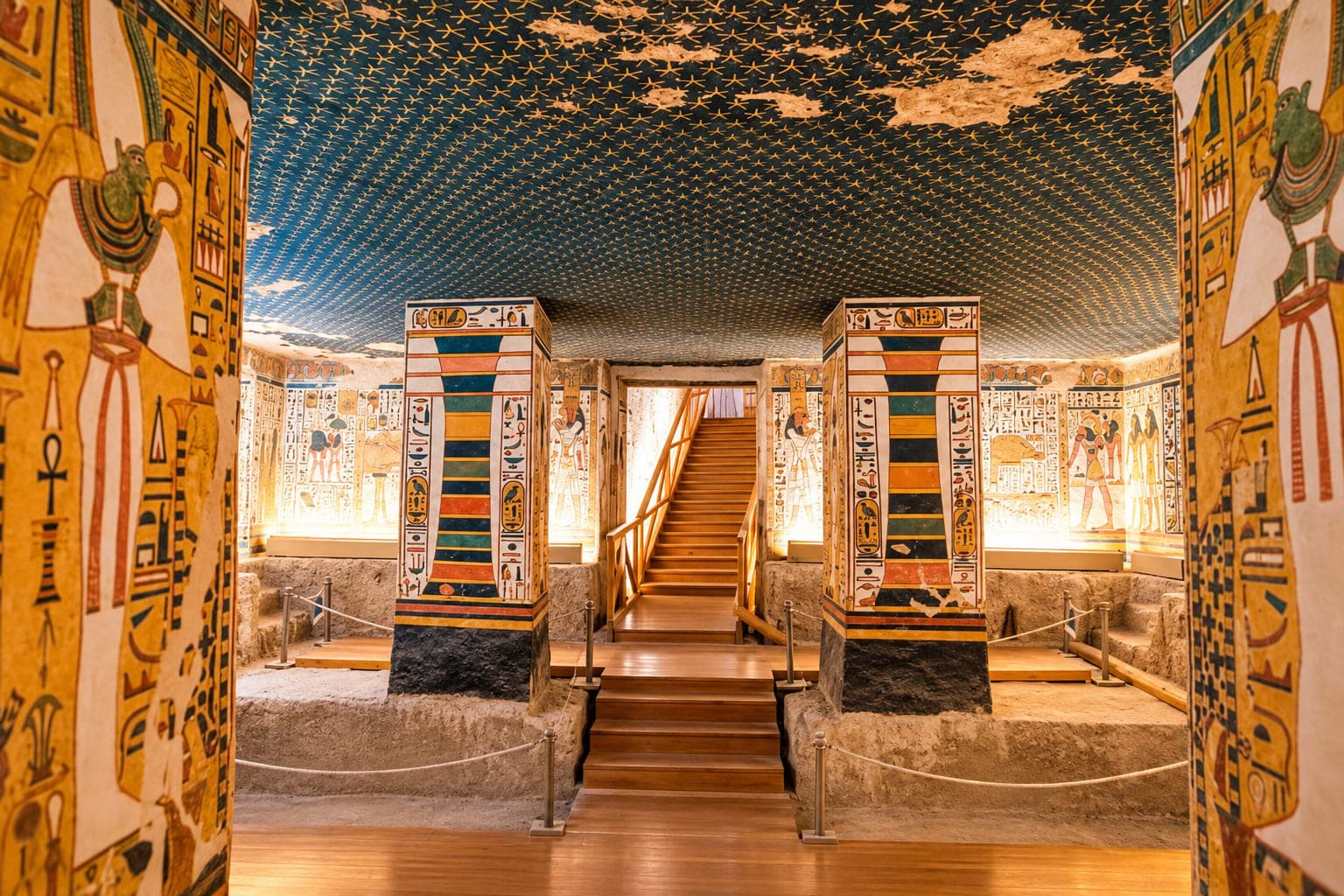
Found by Ernesto Schiaparelli in 1904 and already emptied in antiquity — the robbers left fragments of a granite sarcophagus lid and a pair of sandals — but the painting survived nearly complete. It is done in a technique rarely used at this scale: the figures are modelled in plaster relief and then painted, so they catch the light and stand slightly proud of the wall.
Salt crystallising out of the limestone behind the plaster nearly destroyed it. A joint Egyptian and Getty Conservation Institute project through the late 1980s and early 1990s stabilised the surface without repainting a single figure — a deliberate decision to conserve rather than restore. Visitor numbers have been capped ever since.
The boys buried here died during the reign of Ramesses III, which ended badly: the king was assassinated in a palace conspiracy, and the surviving trial documents name the wives, officials and harem staff who were tried for it. The tombs of his sons, painted with such care, belong to the years just before that.
Pick how many days you have, add attractions per day, and see average activity and travel times between cities.
Places that carry the same story forward, or sit close enough to take in the same day.
1470 BC · New Kingdom
2 km away

1400 BC · New Kingdom
6 km away

1350 BC · New Kingdom
2 km away
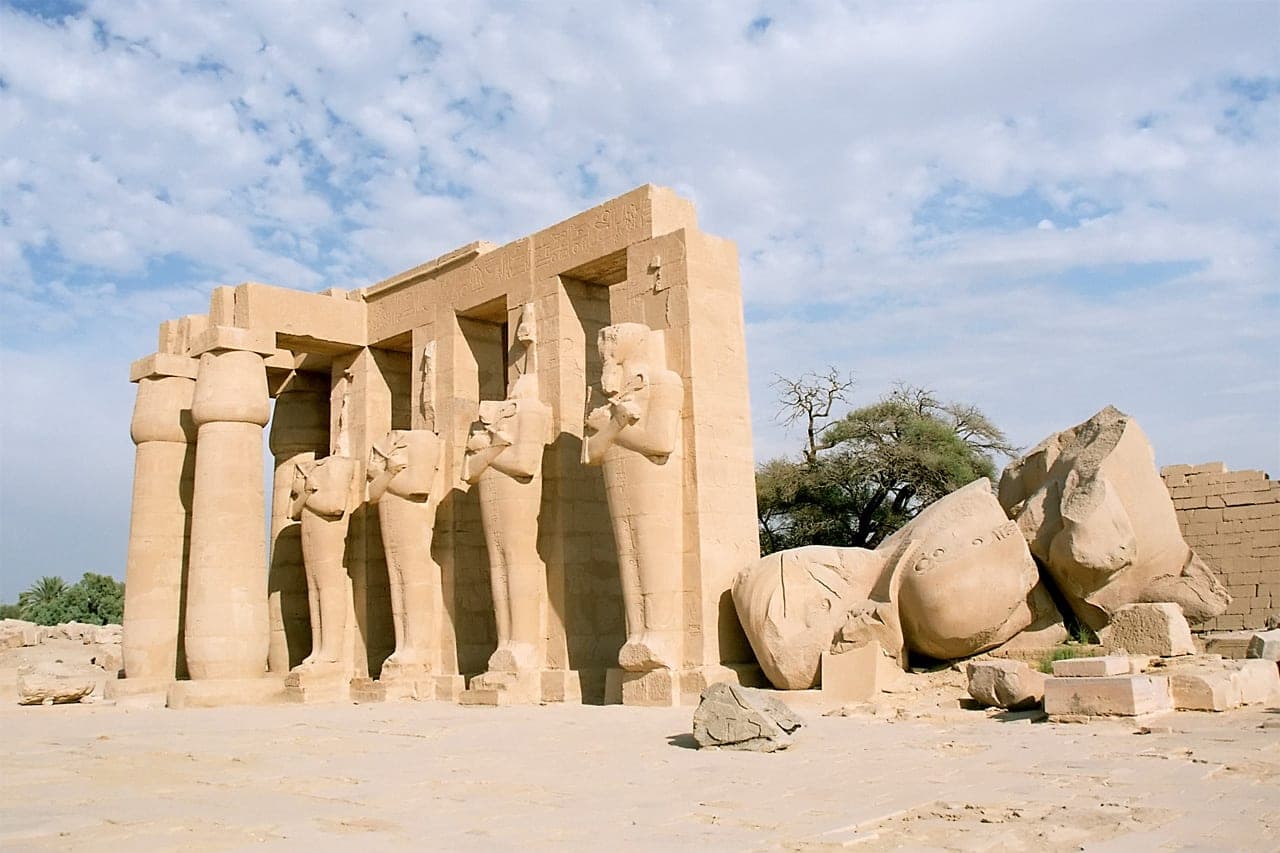
1250 BC · New Kingdom
2 km away
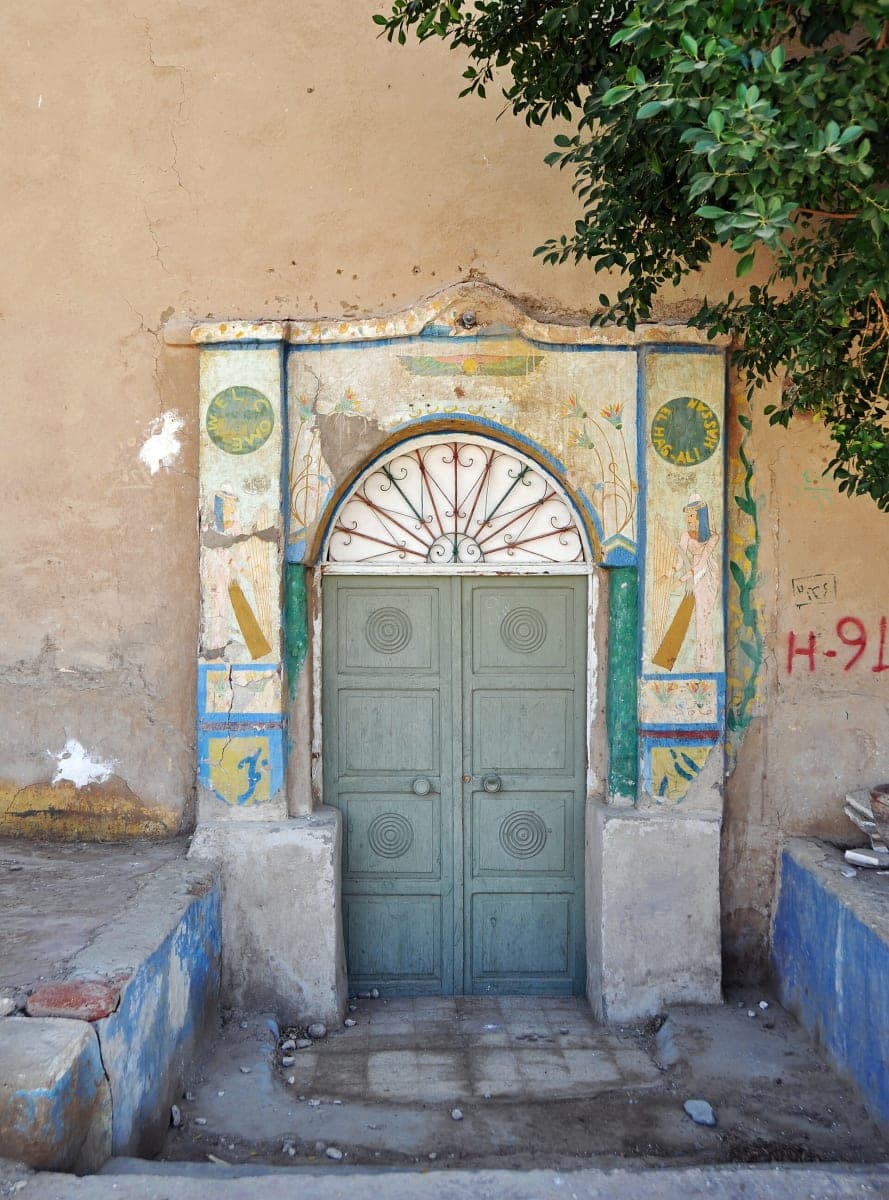
1180 BC · New Kingdom
1 km away

1975 · Modern Egypt
5 km away
Book a ready-made tour or use the designer above to build your own plan.
Hand-picked tours our guests love — top quality at reasonable prices, curated by Helios for your trip.