


Egypt in 16 Days · special
From $4,323 / person16 daysIncludes 30 min at this sight

Twin colossal statues of Amenhotep III
Typical visit: 30 min
Period: 1350 BC · New Kingdom
Two 18-metre stone statues that have guarded the Theban plain for over 3,400 years.


Two quartzite figures of Amenhotep III, each about eighteen metres high and weighing something like 720 tonnes, sitting alone in a field beside the road to the Theban west bank. Almost everyone stops here, because they are the first thing you reach — and because there is nothing else standing anywhere near them.
That emptiness is the point. The colossi were not built to stand in a field; they were the gateway figures of the largest mortuary temple ever built in Egypt, and everything behind them is gone.
Walk round to the sides and look at the thrones: small figures of the king's mother and of Queen Tiye stand beside his legs, and the side panels carry Nile gods binding the papyrus and lotus of the two lands.
Amenhotep III's temple covered some 35 hectares — larger than Karnak. It stood too close to the floodplain, and the annual inundation undermined it; later kings then quarried the ruins for their own building projects. Within a few centuries almost nothing was left but the two guardians at the entrance. Excavation continues on the site today, and more of it is slowly reappearing.
An earthquake around 27 BCE cracked the northern colossus. Afterwards, at sunrise, it began to make a sound — described by ancient visitors as a lyre string breaking, or a faint whistling, probably caused by dew evaporating in the fractured stone as the temperature climbed.
It became one of the great tourist attractions of the Roman world. Greeks decided the singing figure must be Memnon, the Ethiopian hero killed at Troy, greeting his mother Eos, goddess of the dawn — which is why two statues of an Egyptian pharaoh are named after a character from the Iliad.
Visitors carved their names and their disappointment into the legs, and more than a hundred of these inscriptions survive. The emperor Hadrian came in 130 CE with his wife Sabina, and one of the poems left by a woman in his party records that they had to wait an extra morning before the statue obliged.
Around 199 CE Septimius Severus repaired the cracked stone, apparently as an act of piety. The statue never sang again.
Pick how many days you have, add attractions per day, and see average activity and travel times between cities.
Places that carry the same story forward, or sit close enough to take in the same day.
1250 BC · New Kingdom
1 km away
1180 BC · New Kingdom
1 km away

1975 · Modern Egypt
3 km away
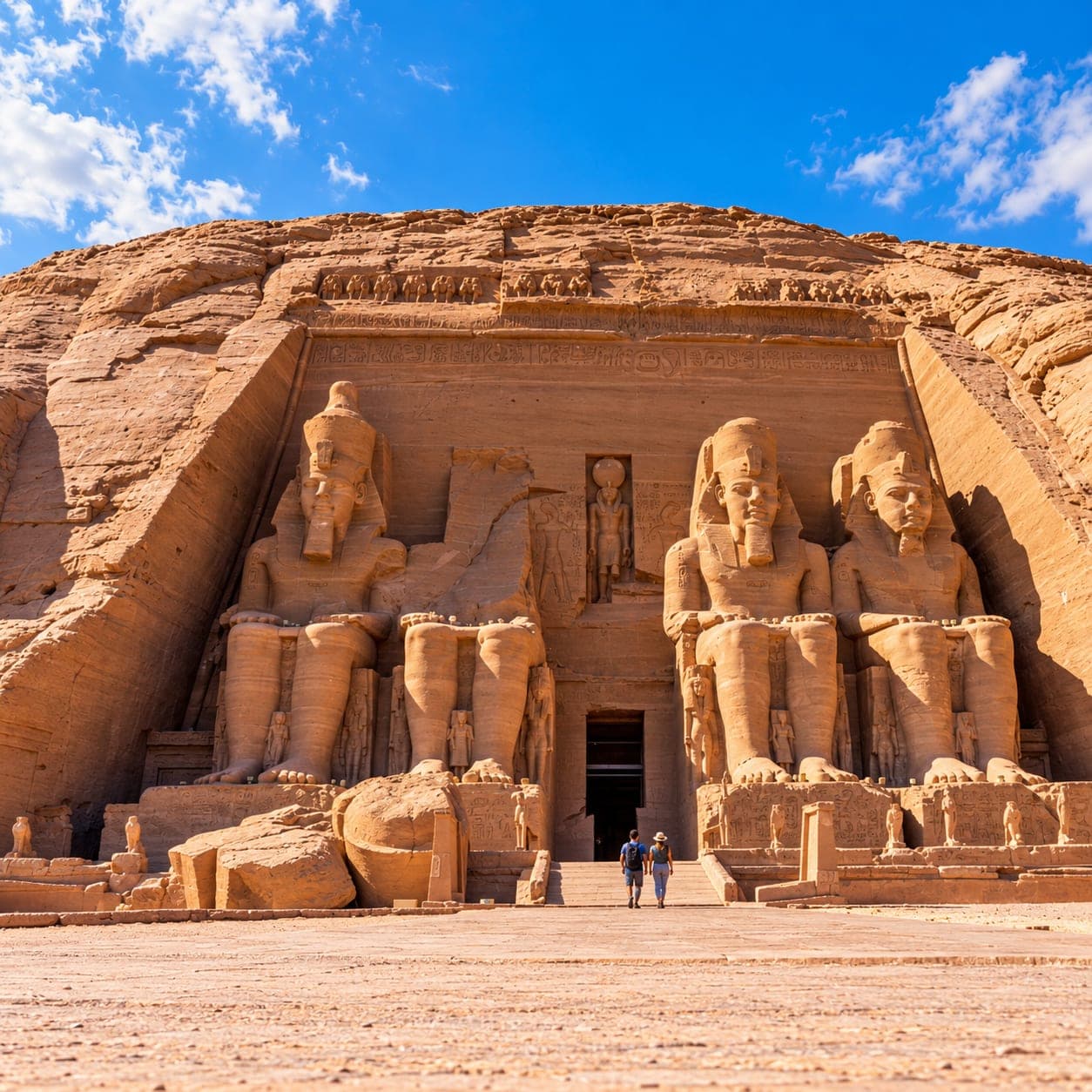
1264 BC · New Kingdom
389 km away
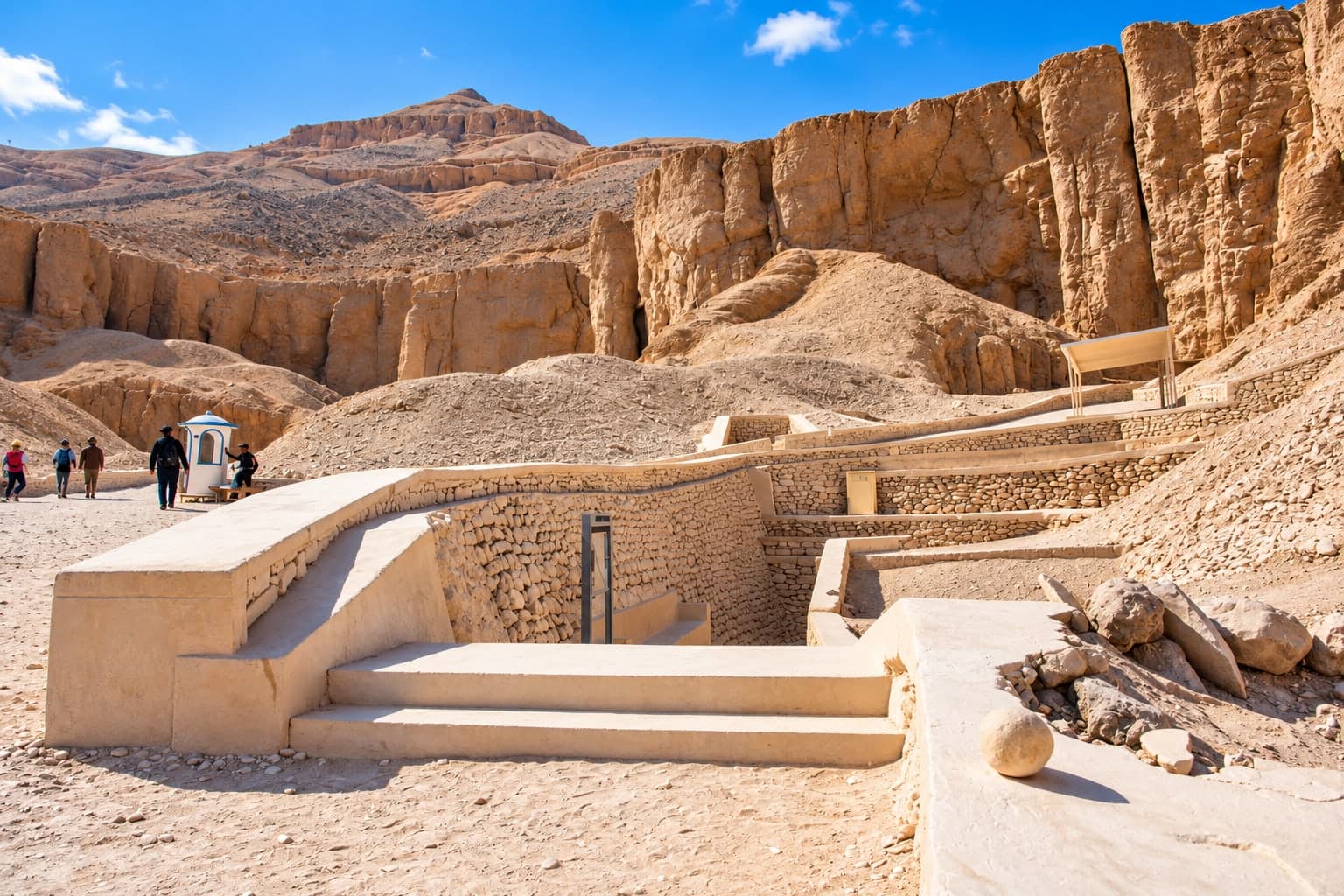
1539 BC · New Kingdom
2 km away
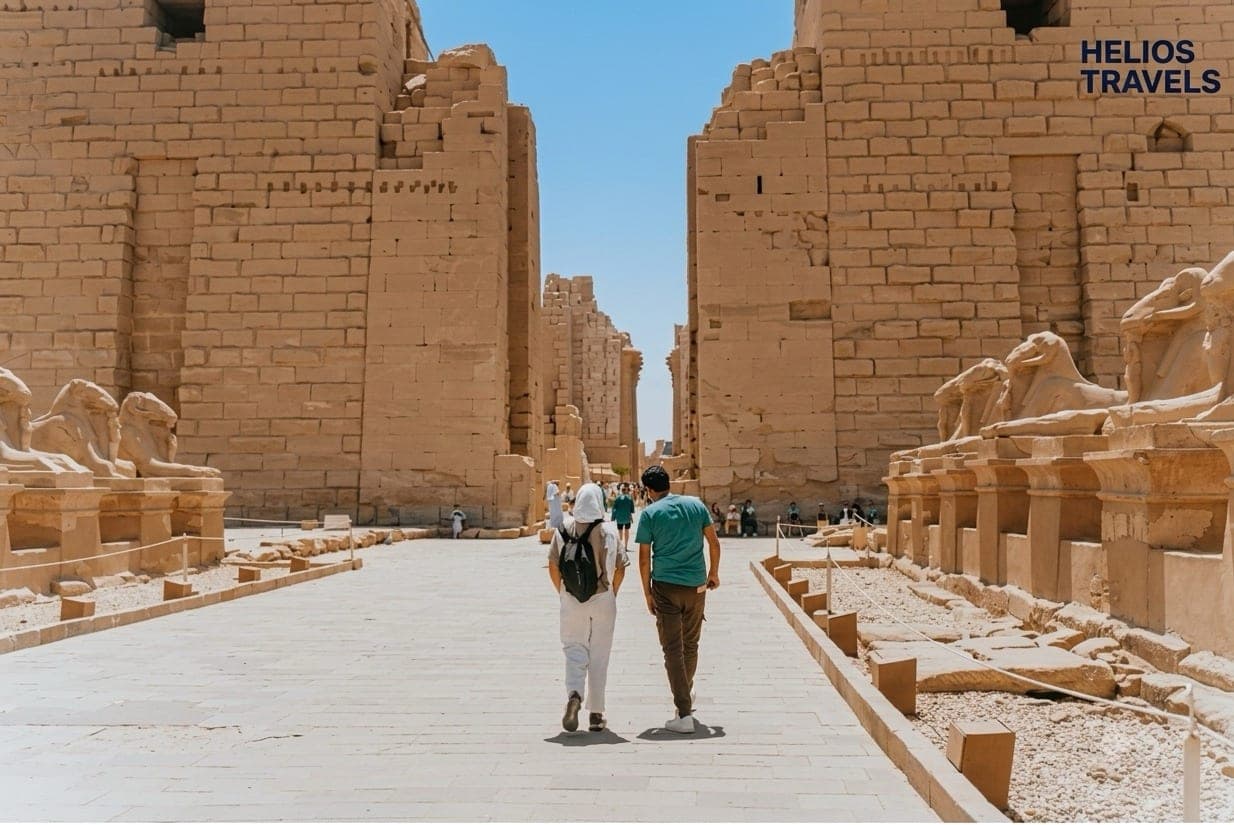
2000 BC · Middle Kingdom
5 km away
Book a ready-made tour or use the designer above to build your own plan.













Hand-picked tours our guests love — top quality at reasonable prices, curated by Helios for your trip.