

Elegant museum of Theban treasures
Luxor Museum
Typical visit: 1 h 30 m
Period: 1975 · Modern Egypt
A refined, well-curated museum showcasing masterpieces found in and around ancient Thebes.
Photos


About
Small, dark, superbly lit and ruthlessly selective — the opposite of the great crowded collections in Cairo. Luxor Museum shows a few hundred objects rather than thousands, each given space and a spotlight, and most visitors leave saying they enjoyed it more than they expected.
Ninety minutes is enough, and it is the best possible thing to do in the middle of a hot afternoon between temples.
What not to miss
- Statues from the Luxor Cachette, including a quartzite Amenhotep III of astonishing quality — arguably the finest single sculpture on display anywhere in Egypt
- A reconstructed wall of talatat — hundreds of small painted blocks from Akhenaten's dismantled temple at Karnak, reassembled into a complete scene
- Two royal mummies displayed without wrappings: Ahmose I, who expelled the Hyksos, and a second thought to be Ramesses I
- Objects from Tutankhamun's tomb that stayed in Luxor
- Military equipment and chariot fittings from the New Kingdom
History & background
The museum opened in 1975 with a deliberate philosophy: rather than storing everything found locally, display a small number of outstanding pieces properly. That was unusual at the time and it has aged very well.
The cachette under the courtyard
In 1989 workmen resurfacing the courtyard of Luxor Temple struck stone. Below the paving lay a pit containing twenty-six statues, buried in antiquity — the same practice as the Karnak Cachette, where superseded temple sculpture was retired into consecrated ground rather than destroyed.
They had been underground for perhaps two thousand years, protected from weather, salt and iconoclasts. Several came out essentially as they went in, with polished surfaces and crisp detail. The best of them are the core of this museum, and the Amenhotep III in particular is in a condition almost nothing else of that age can match.
Akhenaten, reassembled
The talatat wall has its own story. Akhenaten built a temple to the Aten at Karnak; his successors demolished it and used the blocks as rubble fill inside the ninth pylon. When that pylon was dismantled for repair in the 20th century, tens of thousands of small decorated blocks poured out — a whole temple, in pieces, preserved by the act that destroyed it.
Matching them back together is a decades-long puzzle. The wall here is one solved section of it.
Design your own day-by-day schedule
Pick how many days you have, add attractions per day, and see average activity and travel times between cities.
See it with
Places that carry the same story forward, or sit close enough to take in the same day.
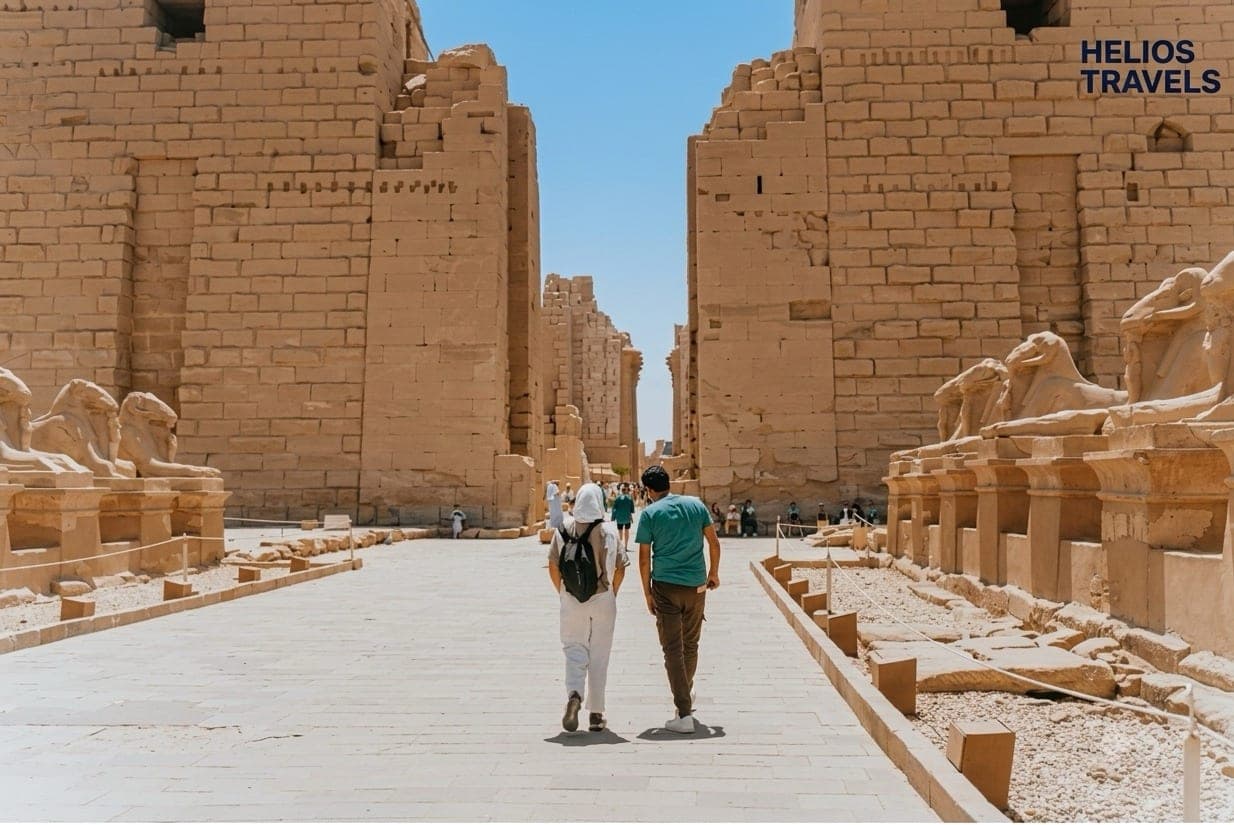 Same period
Karnak Temple
2000 BC · Middle Kingdom
2 km away
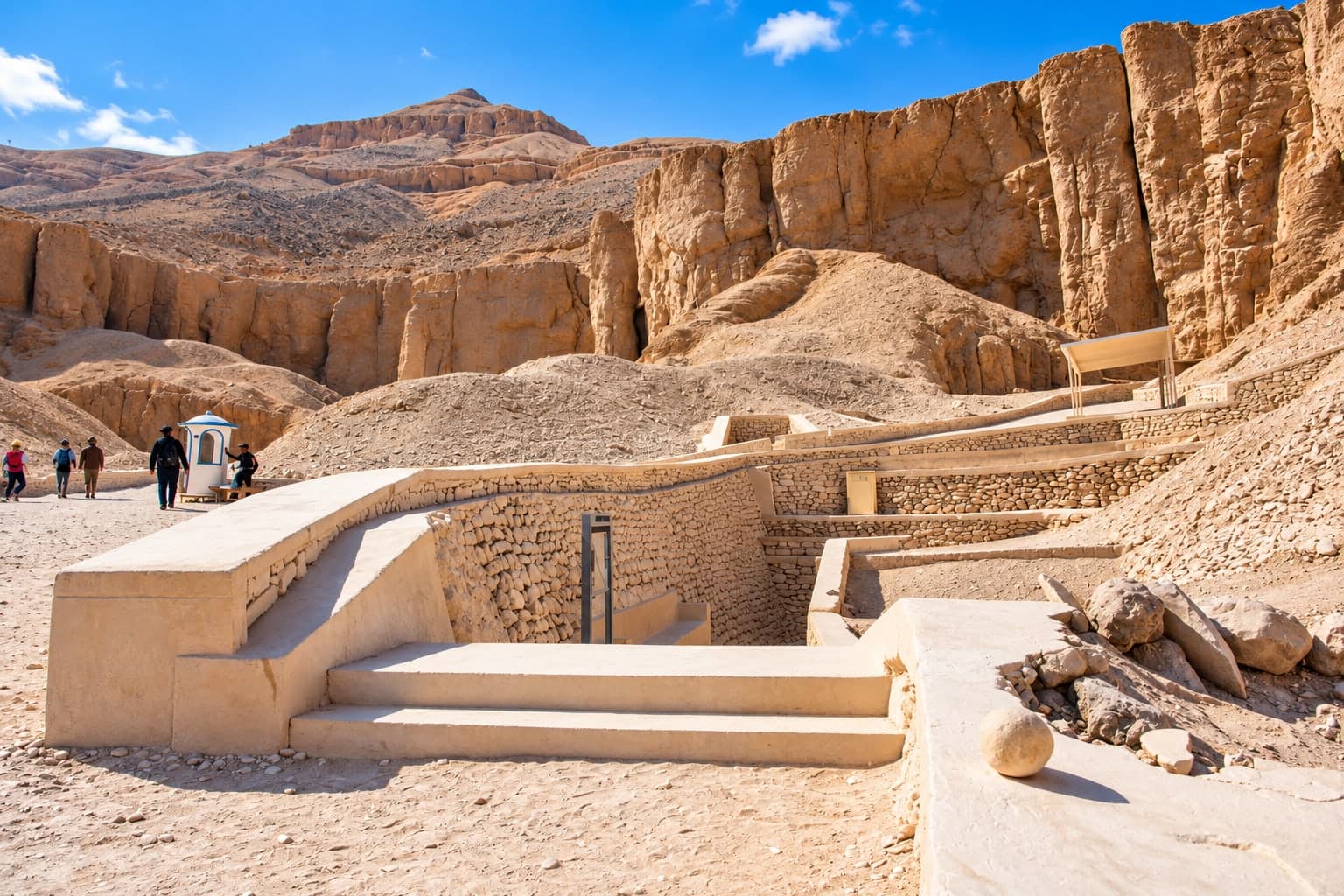 Same period
Valley of the Kings
1539 BC · New Kingdom
5 km away
 Same period
Luxor Temple
1400 BC · New Kingdom
1 km away
 Same period
Colossi of Memnon
1350 BC · New Kingdom
3 km away
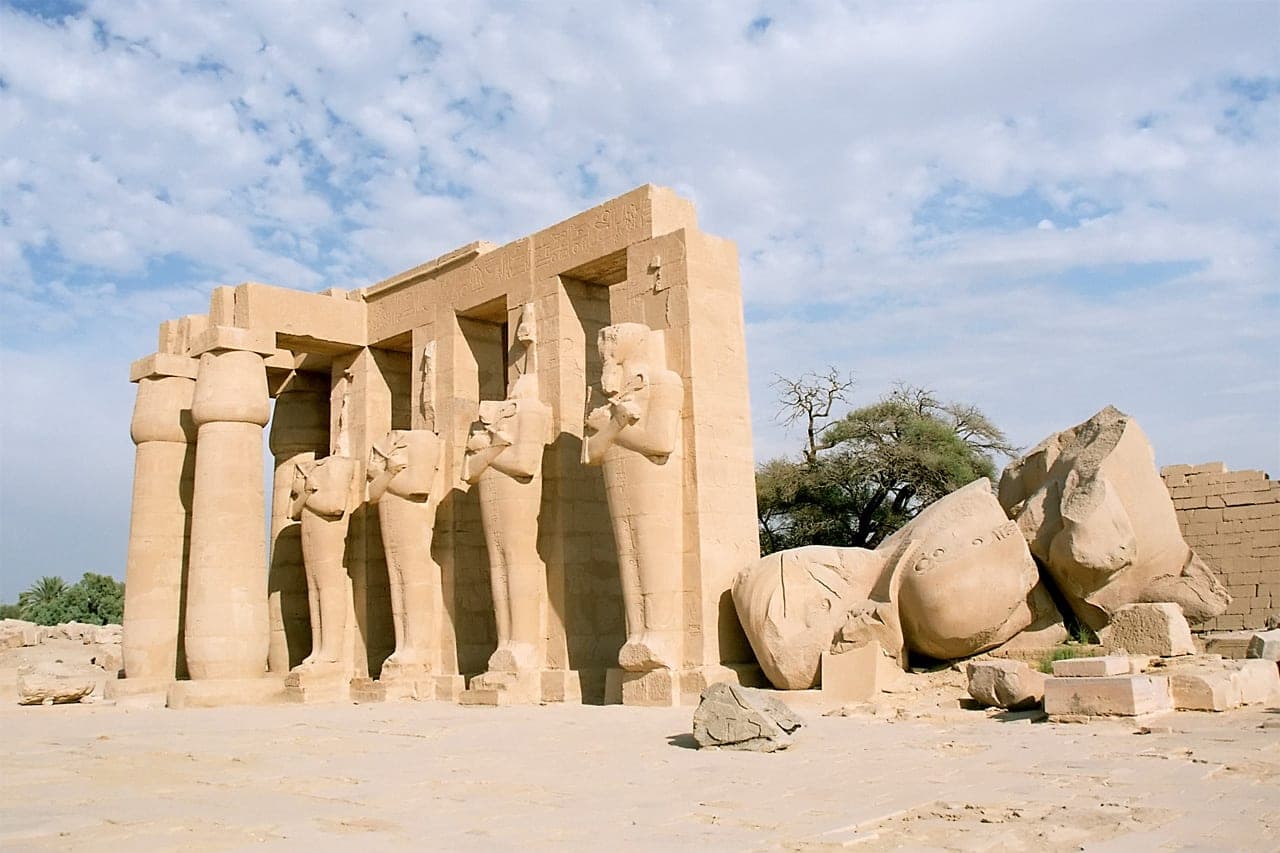 Same period
The Ramesseum
1250 BC · New Kingdom
4 km away
 Same period
Medinet Habu
1180 BC · New Kingdom
4 km away
Tours that include this attraction
Book a ready-made tour or use the designer above to build your own plan.
No matching tours yet — contact us for a custom itinerary.