Culture · Oct 23, 2026
UAE Food Markets and Regional Dishes: Five Emirates Compared
Where to eat, what to order and how to behave in the markets of Dubai, Abu Dhabi, Sharjah, Ras Al Khaimah and Al Ain.
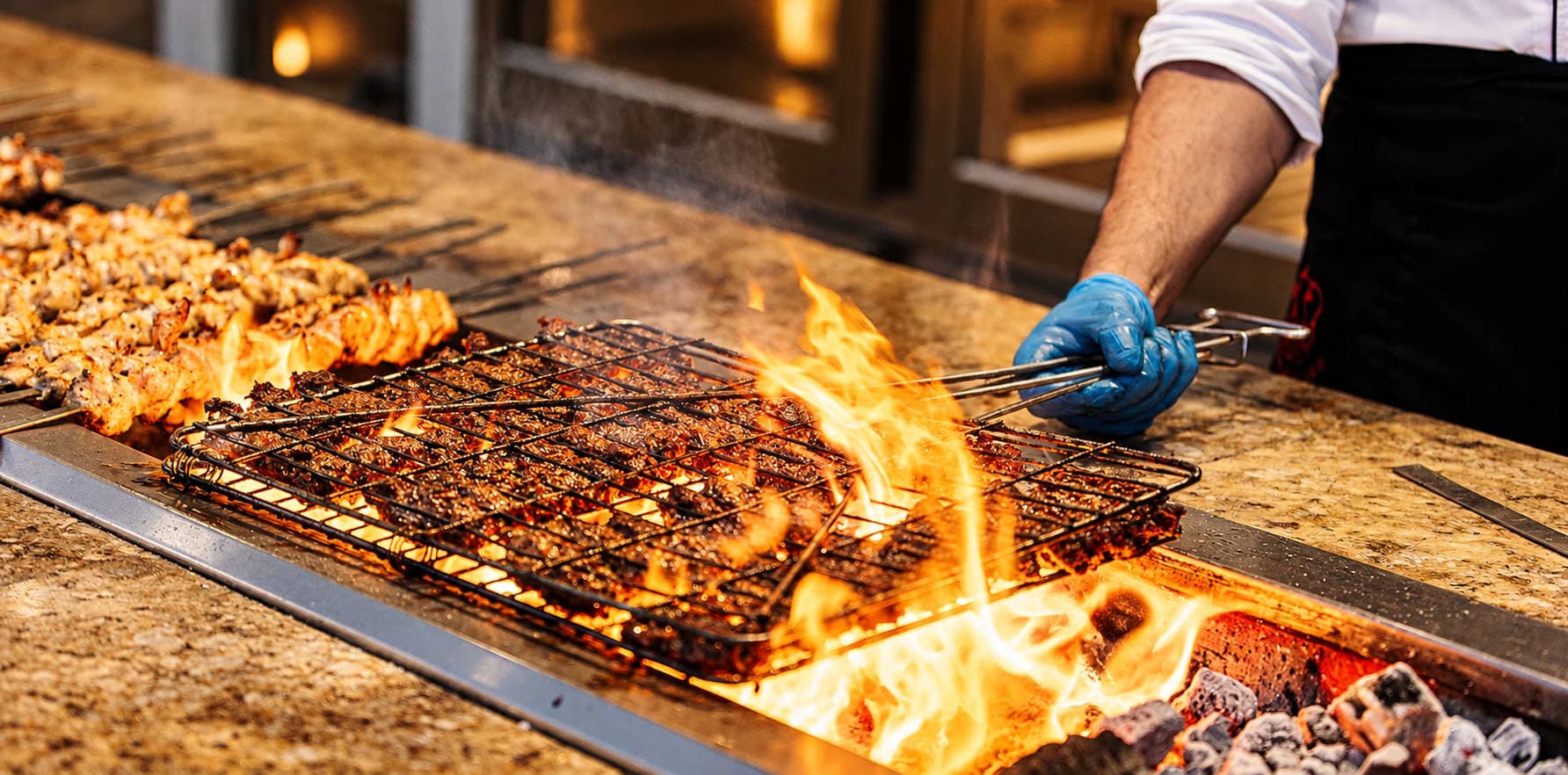
If you only have a few days, base yourself in Dubai for range, add Abu Dhabi for fish, dates and heritage cooking, and add Sharjah or Al Ain if you want quieter, more local-feeling markets. Ras Al Khaimah is worth it only if you are already heading to the mountains or coast. Go to markets in the morning. By midday in most months the heat makes them hard work, and fresh produce and fish stalls are at their best early.
This guide is for first-time visitors who want to eat beyond the hotel buffet without turning the trip into a research project. It does not recommend specific restaurants. Names, locations and hours change, and we would rather send you to the right kind of place than to a stale address.
The emirates compared
Dubai: the widest choice
Dubai is where every cuisine in the Gulf and South Asia meets. The old Deira side of the Creek is the traditional starting point, with spice and dried-goods souks and the short abra boat crossing. Fish and produce markets here have moved in recent years, so check where they are now before you set out. Dubai is also the easiest place to taste Emirati food in a gentle, visitor-friendly format.
Abu Dhabi: fish, dates and heritage
Abu Dhabi's food identity leans on the sea and the date palm. The port area around Mina has traditionally been the centre for fish, and the capital's heritage sites and festivals often put home-style Emirati dishes on show. If you are visiting from Dubai, our Abu Dhabi day trip guide covers how to fit it in, and the Sheikh Zayed Grand Mosque guide covers the dress code.
Sharjah: more conservative, more traditional
Sharjah is the emirate for a slower, older-feeling market day. Souq Al Jubail by the Khalid Lagoon is the working market for fish, meat, fruit, vegetables and dates. Sharjah is stricter on dress and does not sell alcohol, so plan accordingly.
Ras Al Khaimah: coast and mountain produce
Ras Al Khaimah has fishing, farming and mountain traditions, but fewer visitor-oriented food markets than Dubai or Sharjah. Ask your hotel what is currently running rather than relying on an old listing.
Al Ain: the oasis
Al Ain is the date-palm emirate, with shaded oasis walks and farm produce. It is calmer and often a little cooler in the evening than the coast. Our Al Ain guide explains the oasis and Jebel Hafeet.
Dishes worth looking for
- Machboos: spiced rice with meat or fish.
- Harees: slow-cooked wheat and meat, strongly associated with Ramadan.
- Balaleet: sweet vermicelli with an egg on top, usually breakfast.
- Luqaimat: fried dumplings with date syrup.
- Regag: thin bread, often eaten with cheese or egg.
- Gahwa and karak: cardamom-scented Arabic coffee served with dates, and strong milky spiced tea.
Timing and transport
Dubai to Abu Dhabi is roughly an hour and a half by road in light traffic, and Abu Dhabi to Al Ain is similar. Dubai to Sharjah is short on the map but can be very slow at rush hour. Ras Al Khaimah is a longer drive north. A hired driver or organised transport saves effort in summer heat; our best time to visit Dubai guide explains why November to March is the comfortable window, and the Dubai packing list covers what to wear.
Exploring respectfully
- Dress modestly in markets, especially in Sharjah. Cover shoulders and knees.
- Ask before photographing people or their stalls.
- Take coffee and dates with your right hand. If you want no more coffee, gently shake the small cup.
- During Ramadan, avoid eating, drinking or smoking openly in daylight, and expect changed opening hours.
- Fish markets are working places, so step aside for trolleys and buyers.
Where Helios fits in
Be clear about what these trips are. They are not market tours. The seven-day trip from Abu Dhabi to Dubai is a small group tour with a guide, up to 15 guests, with 6 breakfasts and 4 dinners included. Lunches are not, so midday meals are yours to arrange. Its programme as supplied does not list a market stop, so ask before booking if that matters to you.
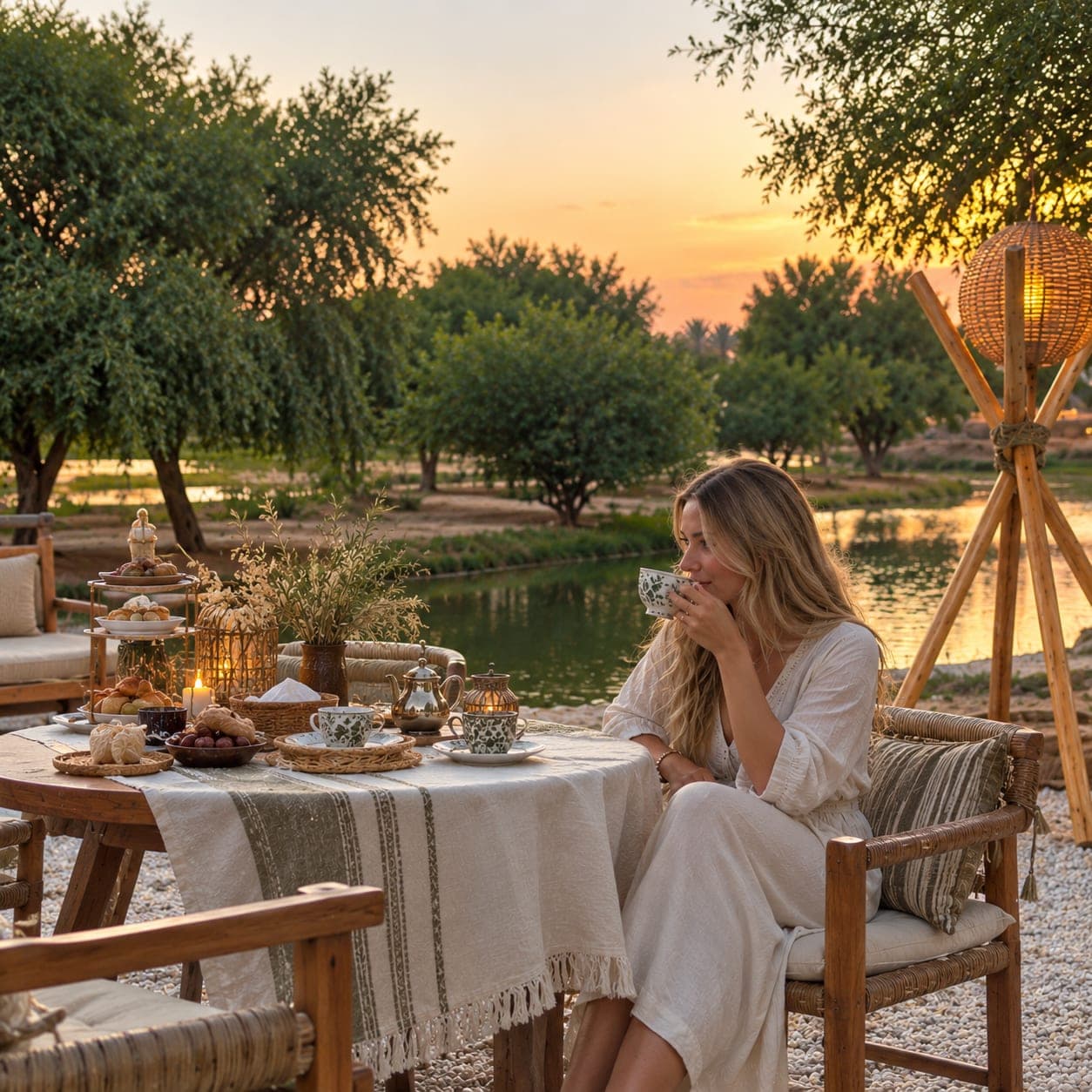
For a taste of Emirati sweets and tea, the desert high tea at an oasis is a shared three-hour outing. The traditional set includes luqaimat, regag with cheese, Um Ali, dates and Omani halwa, served with karak and red tea. You meet at the oasis, as hotel transfers are not included. The desert camp BBQ dinner is a shared four-hour evening with a buffet of Emirati, Moroccan and Arabian dishes. Treat it as a sampler, not a regional survey. Afterwards you can look at the stars, and our desert stargazing guide explains what to expect.
What to check before you go
Confirm market locations, opening days and Ramadan hours on official tourism or municipality pages. Friday and holiday hours differ; our UAE National Day guide covers one of the busiest dates. Check food festival dates the same way, as they are seasonal and can change.
FAQ
Which emirate has the best food markets?
Dubai has the widest variety, but Sharjah and Al Ain feel more traditional. Abu Dhabi suits fish and dates. The best choice depends on whether you want range or atmosphere.
Can I try Emirati food without going to a market?
Yes. The desert high tea at an oasis serves a traditional Emirati set with luqaimat, regag, dates and Omani halwa, and the camp dinner includes Emirati dishes within a mixed buffet.
Is it acceptable to photograph market stalls?
Ask first, especially when people are in the frame. Many vendors are happy to agree, but a polite request matters.
Do the Helios trips include lunch?
The seven-day trip includes 6 breakfasts and 4 dinners, not lunches. The high tea and BBQ dinner are built around their own food, as described in each trip's inclusions.
Book what you just read about
Explore related tours and check each trip for available booking options and inclusions.