Clothes for the desert
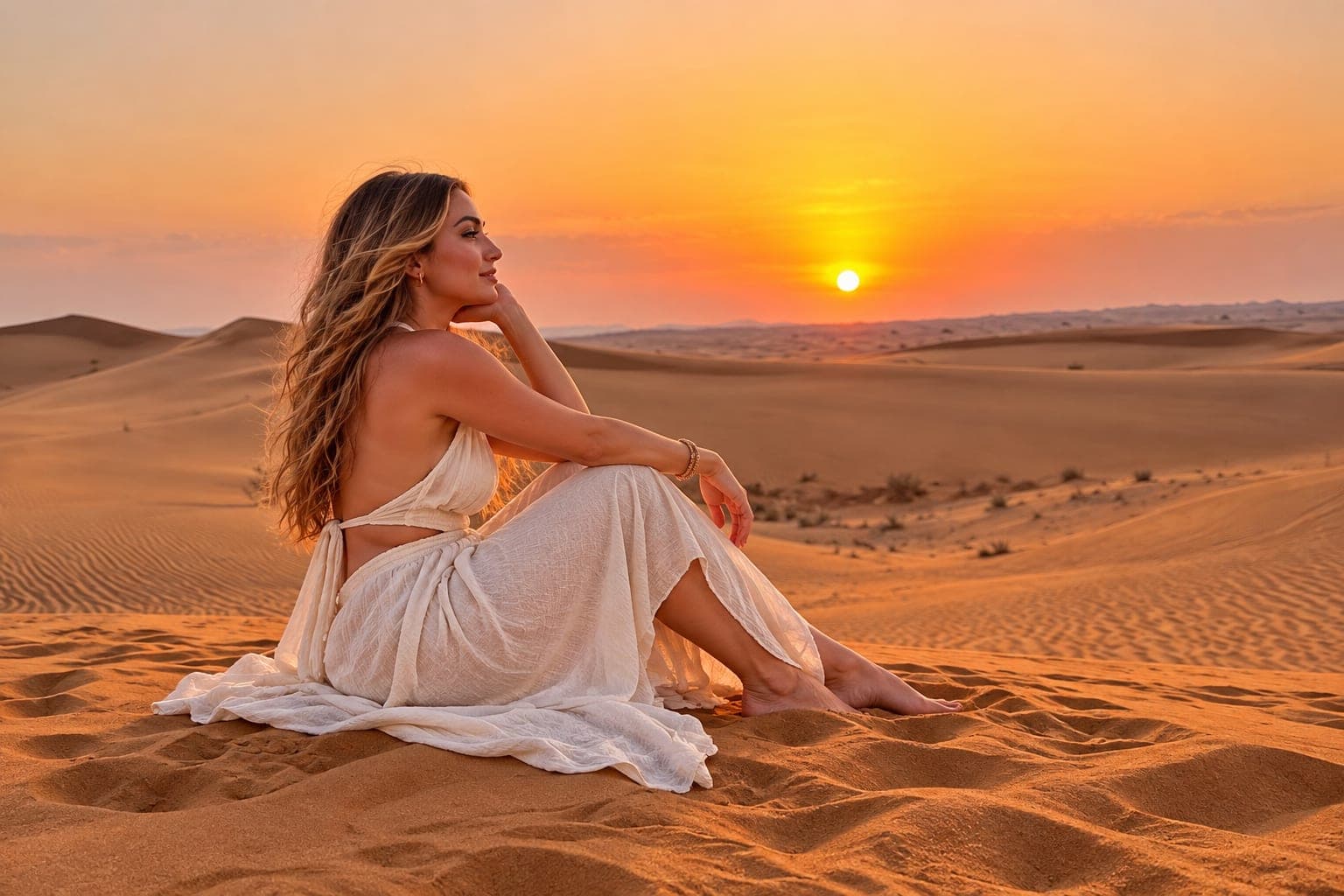
The desert asks for something different again. Your clothes will meet sand, wind and dust, and in winter a big drop in temperature after sunset.
- Light, loose clothes that you do not mind getting sandy. Long, light trousers protect your legs from the sun and from sand while sandboarding.
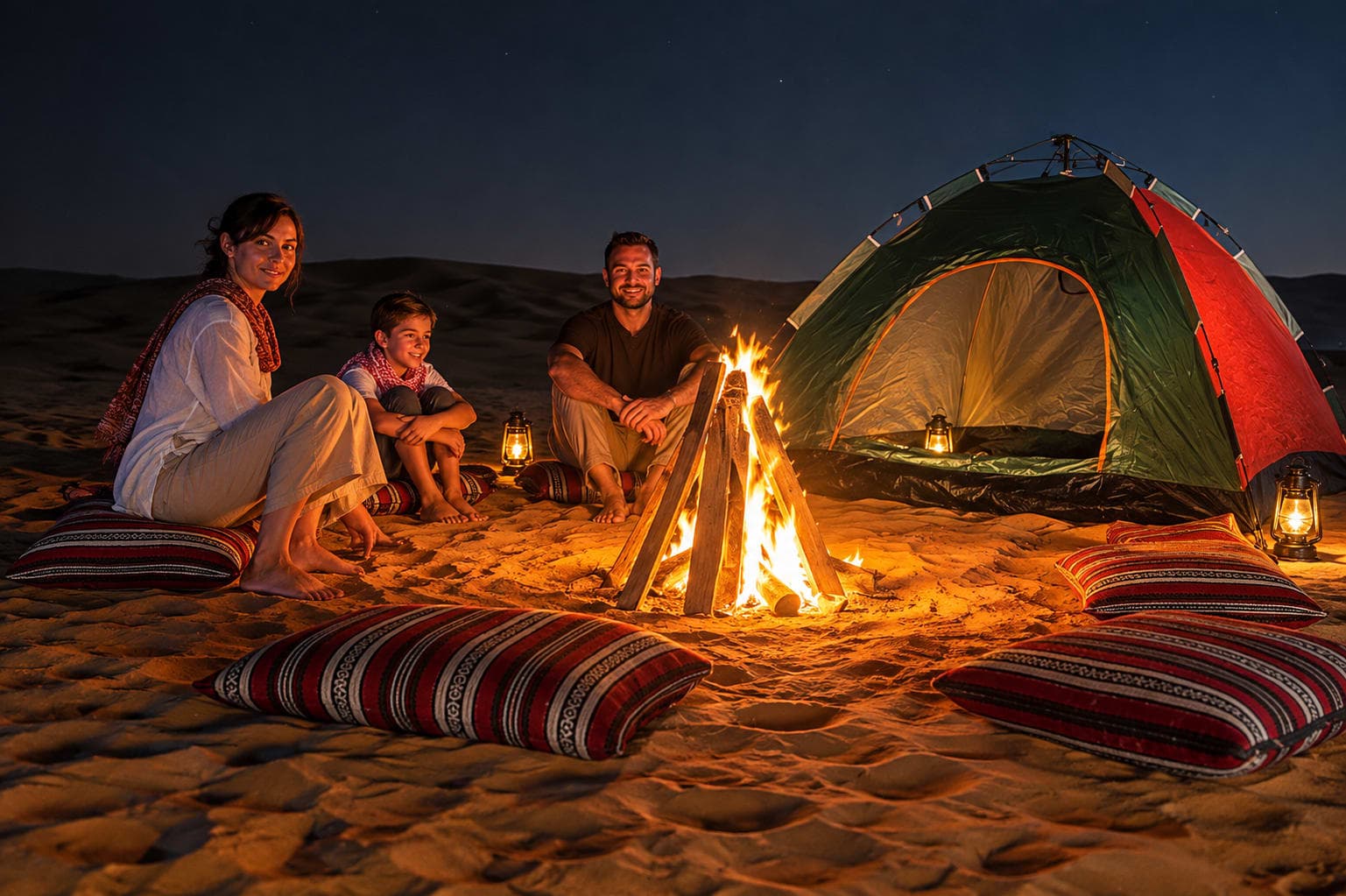
- A warm layer such as a fleece or a light jacket from roughly November to March. The desert cools quickly once the sun has gone, and evenings at camp can feel cold.
- A hat, sunglasses and sunscreen for the afternoon part of the trip.
- A scarf or buff that you can pull over your mouth and nose if the wind picks up sand.
On our Dubai Red Dunes Safari and BBQ Evening we recommend light, loose clothes, closed shoes, sunglasses, a hat and sunscreen, and a jacket in winter. Leave luggage and large bags at your hotel. The dune drive is bumpy, so keep the meal before pickup light.
If you stay out overnight on the Dubai Overnight Desert Camp and Sunrise, you will need a copy of your passport (residents: ID card). Bring comfortable clothes, a warm layer for the night in winter, sunglasses, a hat and sunscreen. Towels, toiletries and slippers are provided in the private air-conditioned tent, so a small bag is enough and the large luggage stays at your hotel. Alcohol is not permitted at the camp, so there is no point packing any.
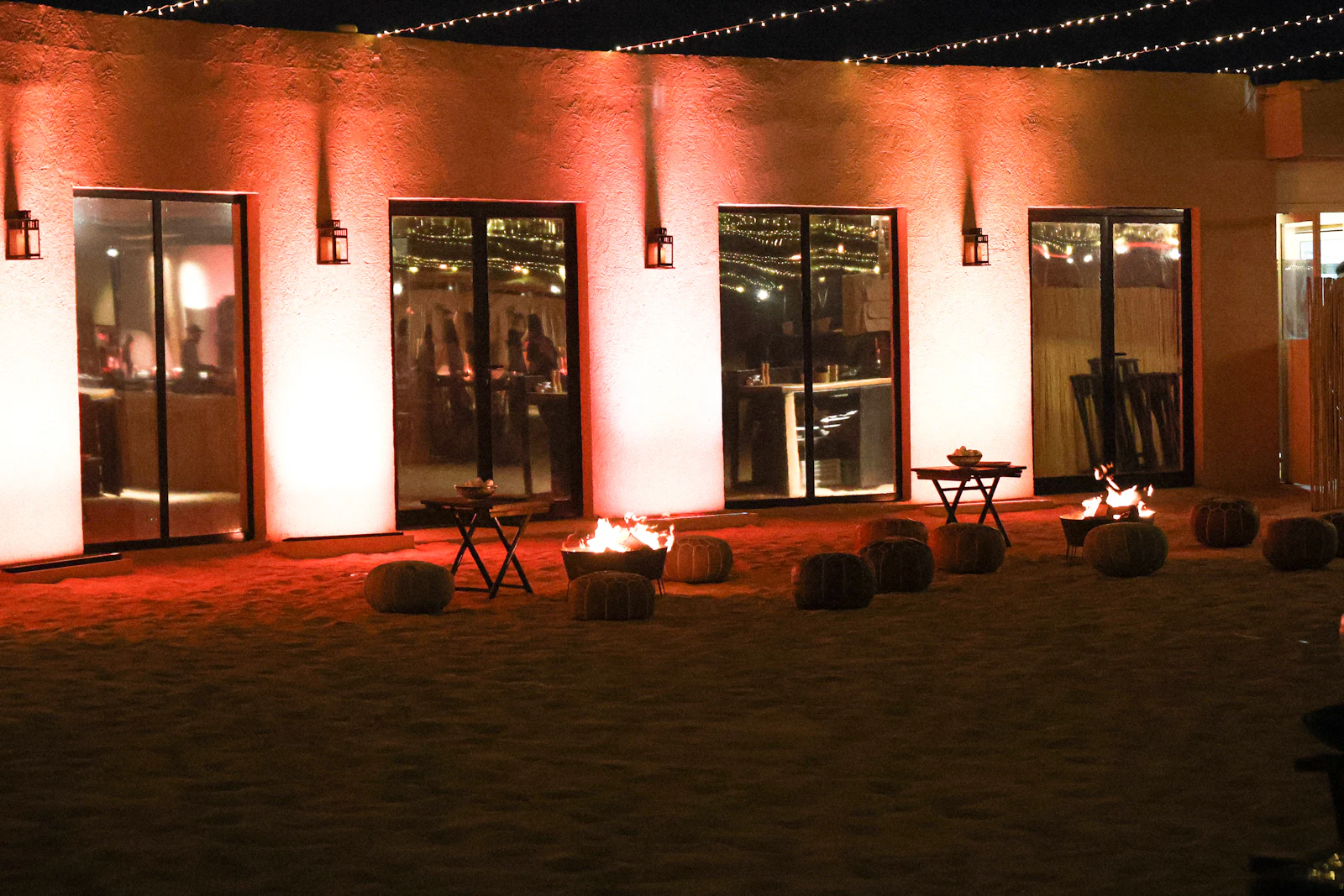
A desert camp outside Dubai lit up after dark — Photo: Unsplash
Shoes for sand and city
Shoes are where most people get it wrong. Flip-flops seem logical in a hot country, but in the desert sand gets everywhere, slides off easily and, in the warmer months, the surface of the dunes can be hot enough to be uncomfortable on bare feet. Closed shoes work much better for the desert and for sandboarding: light trainers or walking shoes you do not mind filling with sand. Shake them out before you get back into the car.
For the city, you need shoes you can walk in for hours. Dubai's malls and attractions involve more walking than people expect, often on hard, polished floors. A pair of comfortable trainers or walking sandals for daytime and something smarter for the evening is plenty. If you visit the Grand Mosque, add easy slip-on shoes to the list.
Sun and heat
The UAE sun is strong all year, not only in summer. Even on a mild January day you can burn on the beach or out on the water. Pack:
- high-factor sunscreen, and reapply it after swimming
- a hat with a brim or a cap
- sunglasses, ideally with a strap if you plan water sports
- a refillable water bottle; it is easy to drink too little when you move between air-conditioned spaces
- lip balm with sun protection
In summer, light-coloured, loose clothing that covers more skin is often cooler than less clothing, because it keeps the sun off you. Plan outdoor activities for the morning and from late afternoon, and use the middle of the day for something indoors.
A layer for cold air-conditioning
This is the item visitors most often forget. Malls, hotels, restaurants, cinemas, the metro, taxis and tour vehicles are cooled hard, and stepping from 40 °C outside into a heavily air-conditioned building can feel like walking into a fridge. People who spend the whole day indoors in shorts and a T-shirt often end it with a sore throat.
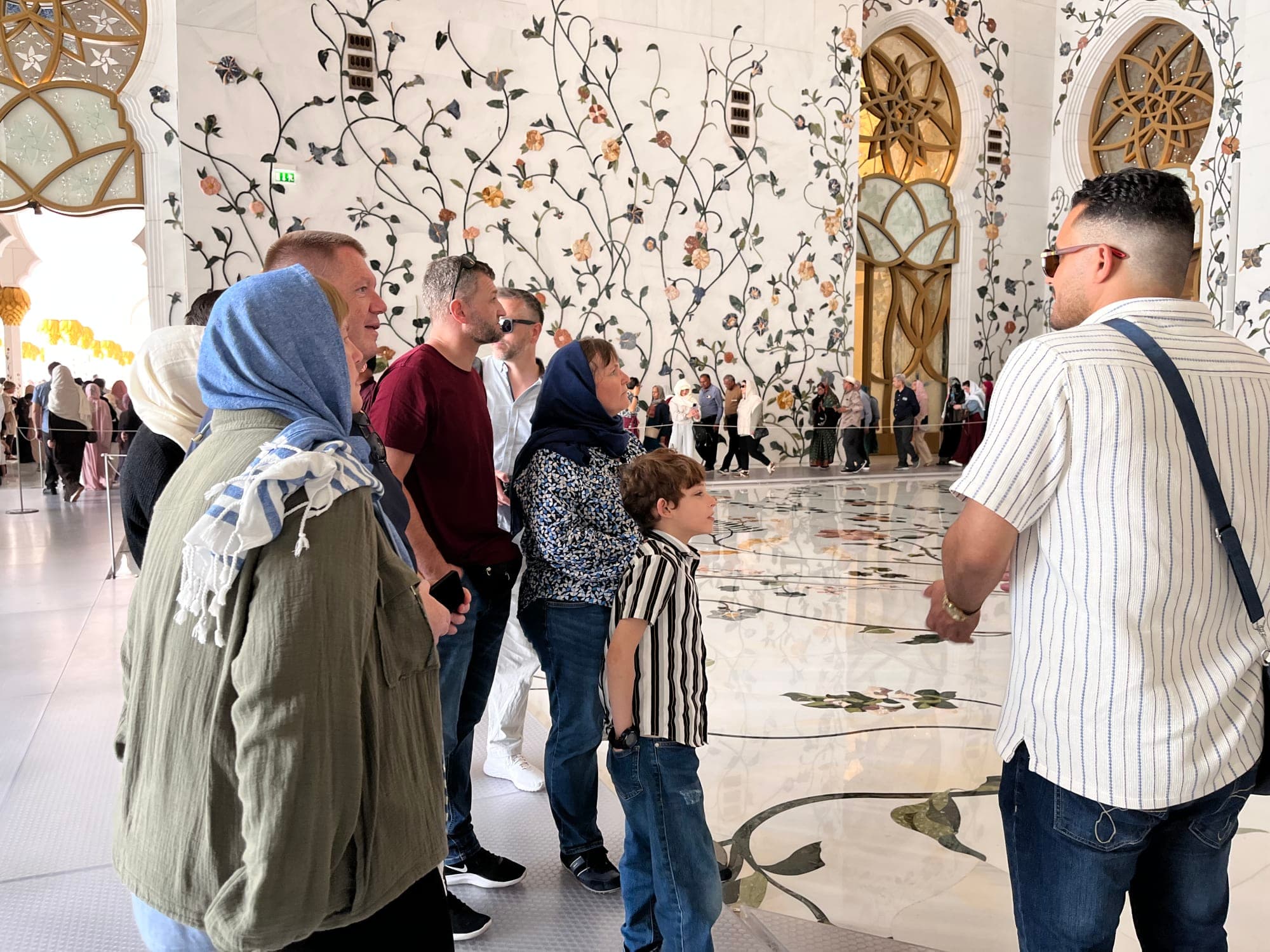
A light cardigan, a thin long-sleeved shirt, a pashmina or a light scarf solves the problem and takes up almost no space. For women, a large scarf has a second use: it can serve as a headscarf for a mosque visit, a cover-up after the beach or protection against wind and dust in the desert. Keep it in your day bag rather than in the hotel room.
Documents
- Passport. Entry rules and visa requirements depend on your nationality and change from time to time. Many visitors need a passport that is valid for at least six months when they arrive. Check the current rules for your passport on the official UAE government portal or with your airline before you fly.
- A copy of your passport, on paper and on your phone. Some trips need one: the overnight desert camp, for example, requires a passport copy.
- Travel insurance details, with the emergency number saved on your phone.
- Booking confirmations for hotels, transfers and trips, ideally offline, so you can show them without a signal.
- Prescriptions and a medical report for any medicines you bring (see below).
- A credit or debit card that works abroad. Cards are widely accepted in Dubai.
Medicines: check the UAE rules before you fly
The UAE is strict about medicines, and some products sold over the counter in other countries count as controlled substances there. This is the one part of your packing list that can cause real trouble, so take it seriously.
- Narcotic, psychotropic and other controlled medicines are allowed for personal use in a quantity that does not exceed your need for a maximum of three months. You can apply in advance for approval through the UAE Ministry of Health and Prevention (MOHAP) online service for importing medicines for personal use. If you do not get approval in advance, you must declare these medicines on arrival and show the prescription and a medical report.
- The prescription should show your full name, the medicine with its dose and form, the length of treatment, the date of issue and the doctor's name, should be recent and stamped by the clinic or hospital that treats you.
- Regular medicines that are not controlled do not need approval, but carry them in their original packaging with the prescription.
Which medicines count as controlled is decided by the UAE authorities, not by the rules in your home country. Before you travel, check every medicine you plan to bring against the official information on the MOHAP website, or ask the UAE embassy in your country. Apply well before your departure date rather than the week before.
What to leave at home
- Anything containing CBD or cannabis, including oils, creams, cosmetics and e-cigarette refills. They are illegal in the UAE whatever their legal status at home, and even small amounts can lead to arrest. Check the ingredients of skincare products too.
- Controlled medicines without the paperwork described above.
- Clothing with offensive slogans or images, which can cause problems in public.
- Heavy winter clothes. Even in January one warm layer is enough.
- Large bags on tours. On desert trips and the overnight camp, luggage stays at the hotel.
- Too many shoes. One pair of closed shoes, one pair of comfortable city shoes or sandals and one smarter pair cover almost everything.
Electronics and small extras
The UAE uses the British-style three-pin plug (type G) at 230 volts and 50 hertz. Travellers from most of continental Europe, Russia and many other countries need an adapter; most phone and laptop chargers handle the voltage without a converter, but check the label. A small power bank is useful for long days out, especially on desert trips where charging points are limited.
For the desert at night, a small torch or the light on your phone helps once it is fully dark. A zip-lock bag protects your phone and camera from fine sand. Wet wipes and a small pack of tissues are useful everywhere.

A sand dune under the night sky in the desert outside Dubai — Photo: Unsplash
Packing by season
November to March: the main season. Pack light clothes for the day, a warm layer or light jacket for evenings outdoors and the desert, and swimwear: the sea is cooler in January and February, but many visitors still swim.
April, May and October: pack as for summer, with one light layer for air-conditioned spaces and an evening outdoors.
June to September: the lightest, most breathable clothes you own, extra sunscreen, a hat you will actually wear and the layer for air-conditioning. You will spend more time indoors, so the cardigan matters more, not less.
If your trip falls during Ramadan, add a little more covering to your city outfits; clothing that covers shoulders and knees is the respectful choice in public during that month.
A last check before you close the case
Lay out what you plan to wear for each type of day: a city day, a beach day, a mosque visit and a desert evening. If each of those has an outfit, if you have one layer for cold rooms and one for desert nights in winter, and if your documents and medicines are in order, you are ready. Anything you have forgotten, from sunscreen to a scarf, is easy to buy in Dubai. The paperwork for medicines is the one thing you cannot sort out after you land.