


Egypt in 16 Days · special
From $4,323 / person16 daysIncludes 1 h 15 m at this sight
Unique double temple by the Nile
Typical visit: 1 h 15 m
Period: 180 BC · Ptolemaic
An unusual symmetrical temple honouring two gods at once, right on the Nile's edge.


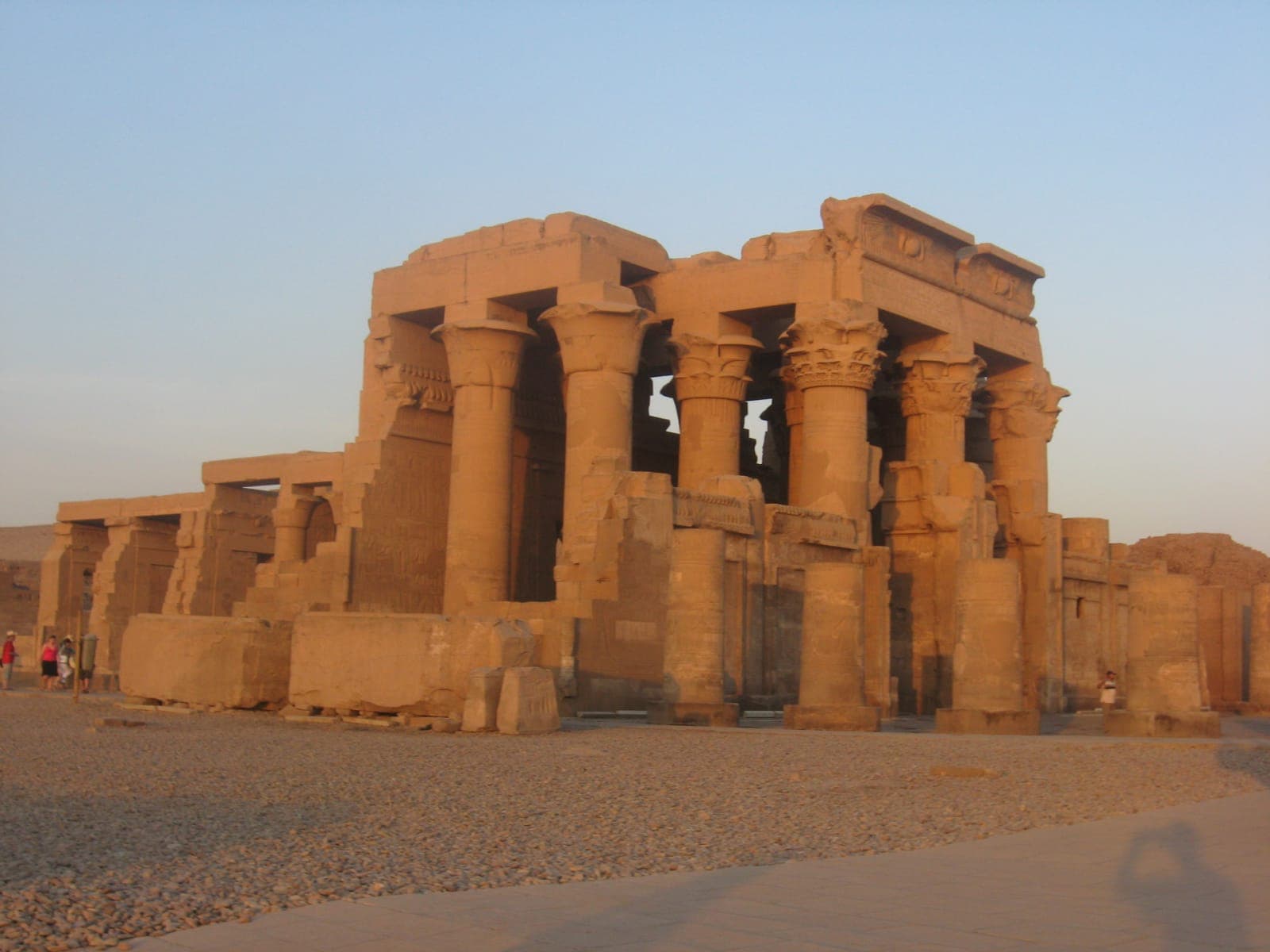
Kom Ombo stands on a bend of the Nile where the bank rises just enough to make the temple visible from a long way off — which is why almost every cruise boat ties up beneath it at dusk, and why it is one of the few sites in Egypt best seen at the end of the day.
It is unique in Egypt for being a double temple: two complete temples built side by side under one roof, sharing a central axis wall, perfectly mirrored. The southern half belongs to Sobek, the crocodile god; the northern half to Haroeris, Horus the Elder. Two entrances, two hypostyle halls, two sanctuaries — everything doubled, so that neither god outranked the other.
The temple you see is Ptolemaic, begun in the early 2nd century BCE and finished under the Romans, though the site was sacred long before that. Its double plan reflects a genuine local situation rather than an architect's conceit: this stretch of river had two cults with two constituencies, and the compromise was built into the stone.
The sandbanks here were a favourite basking place for Nile crocodiles, and a god who embodied the animal was a god worth keeping happy. Sobek was fed, housed and, at death, mummified with real care — wrapped, decorated, and buried in dedicated cemeteries. The museum next door displays a row of them, and the effect of seeing thirty crocodiles laid out in order is memorably strange.
Much of the temple is missing. The Nile ate the western side of the site, earthquakes brought down parts of the rest, and later builders quarried the stone for lime. What survives is essentially the back half — which is why the columns end abruptly above the water and the whole building feels like a fragment of something considerably larger.
Pick how many days you have, add attractions per day, and see average activity and travel times between cities.
Places that carry the same story forward, or sit close enough to take in the same day.
54 BC · Ptolemaic
190 km away
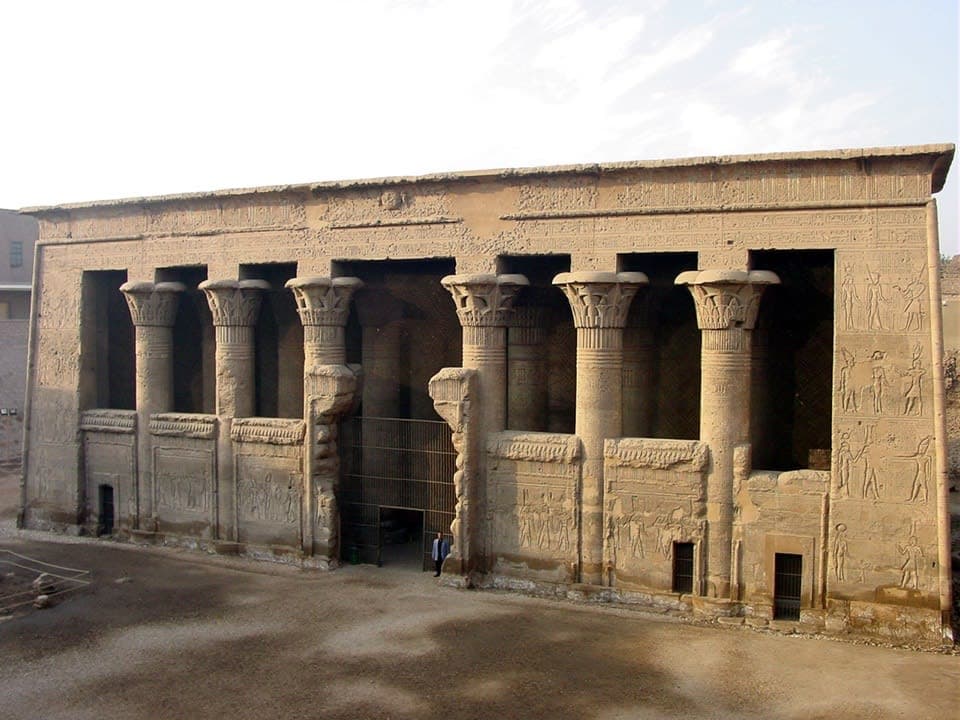
AD 50 · Roman
101 km away
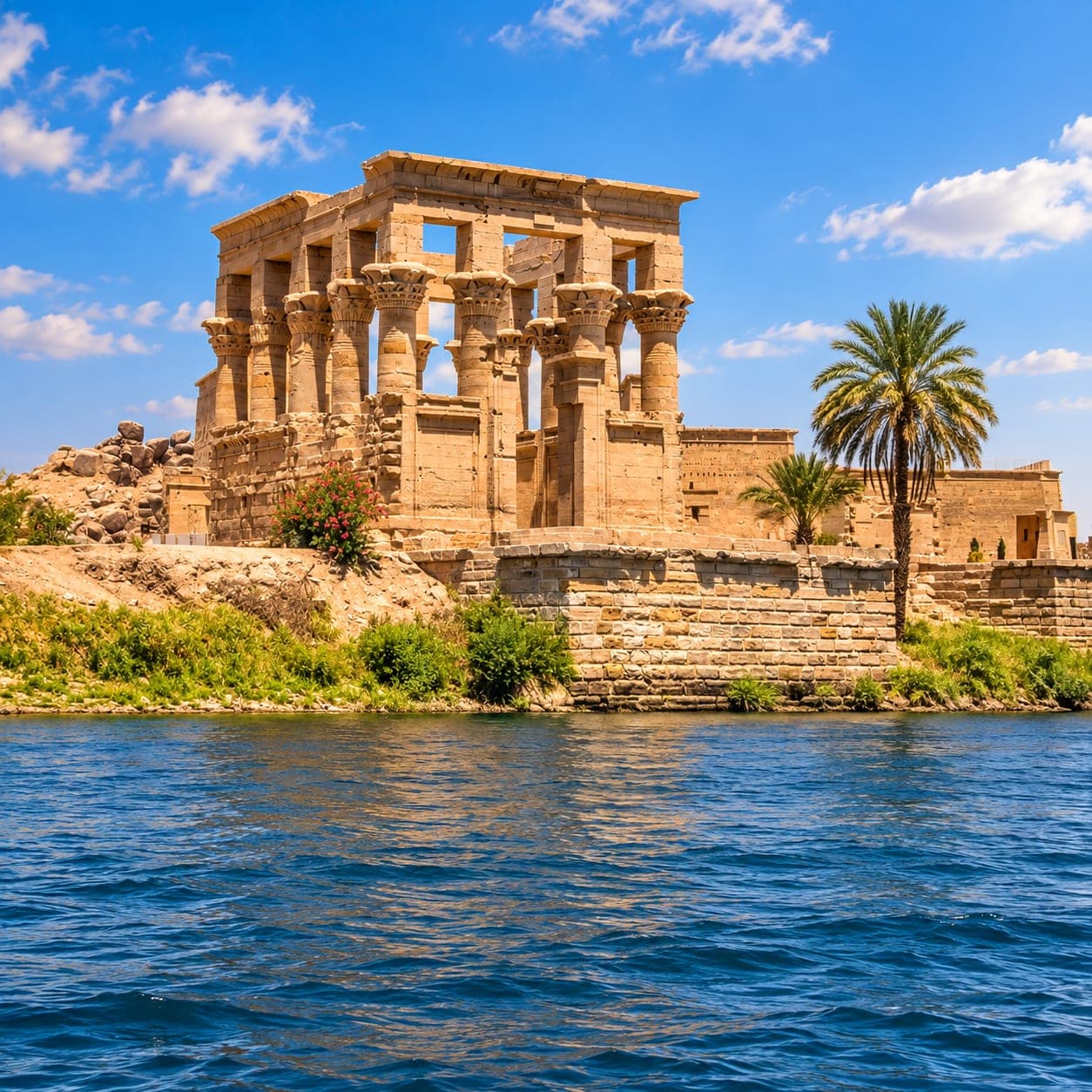
280 BC · Ptolemaic
48 km away
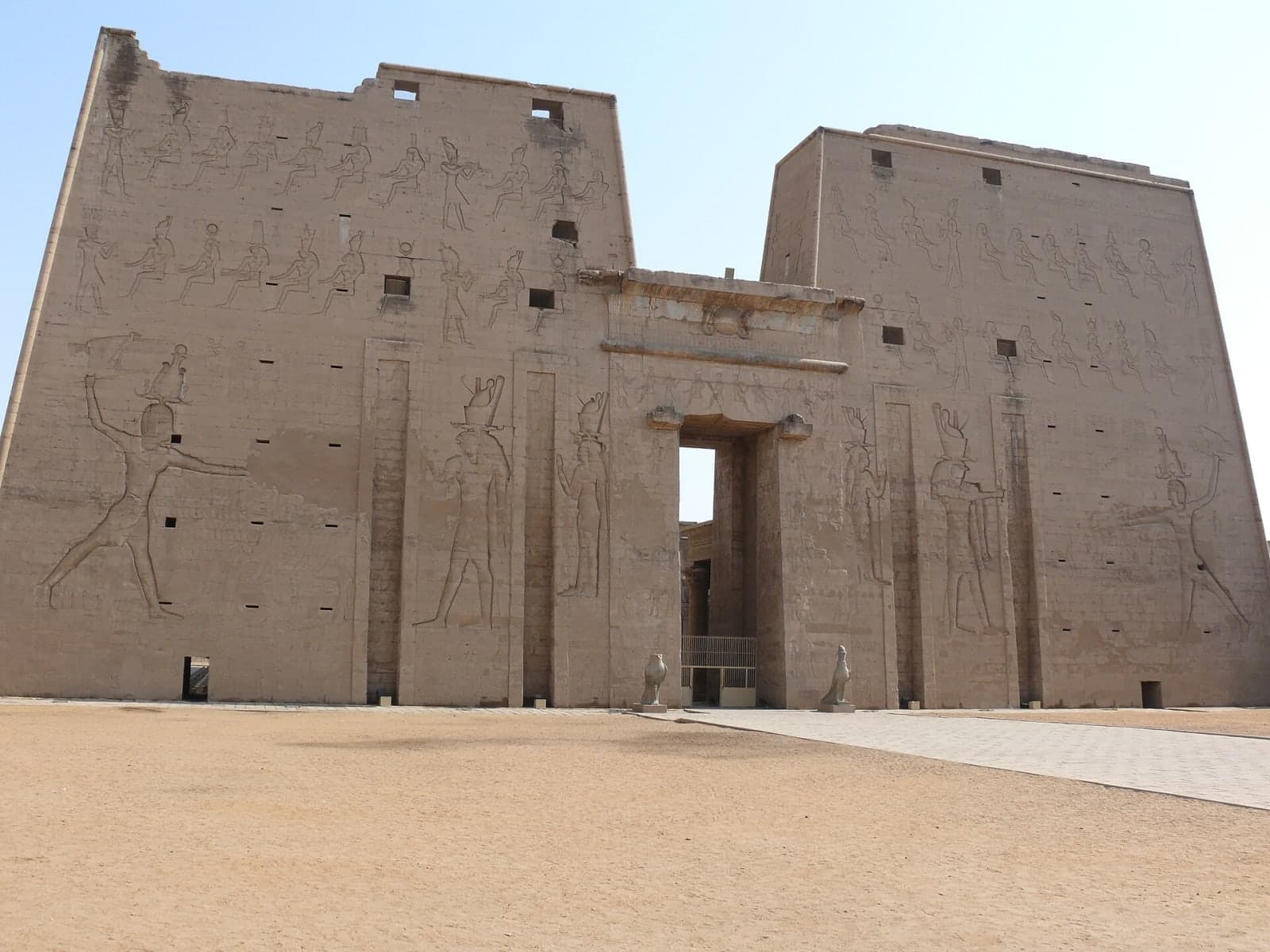
237 BC · Ptolemaic
59 km away
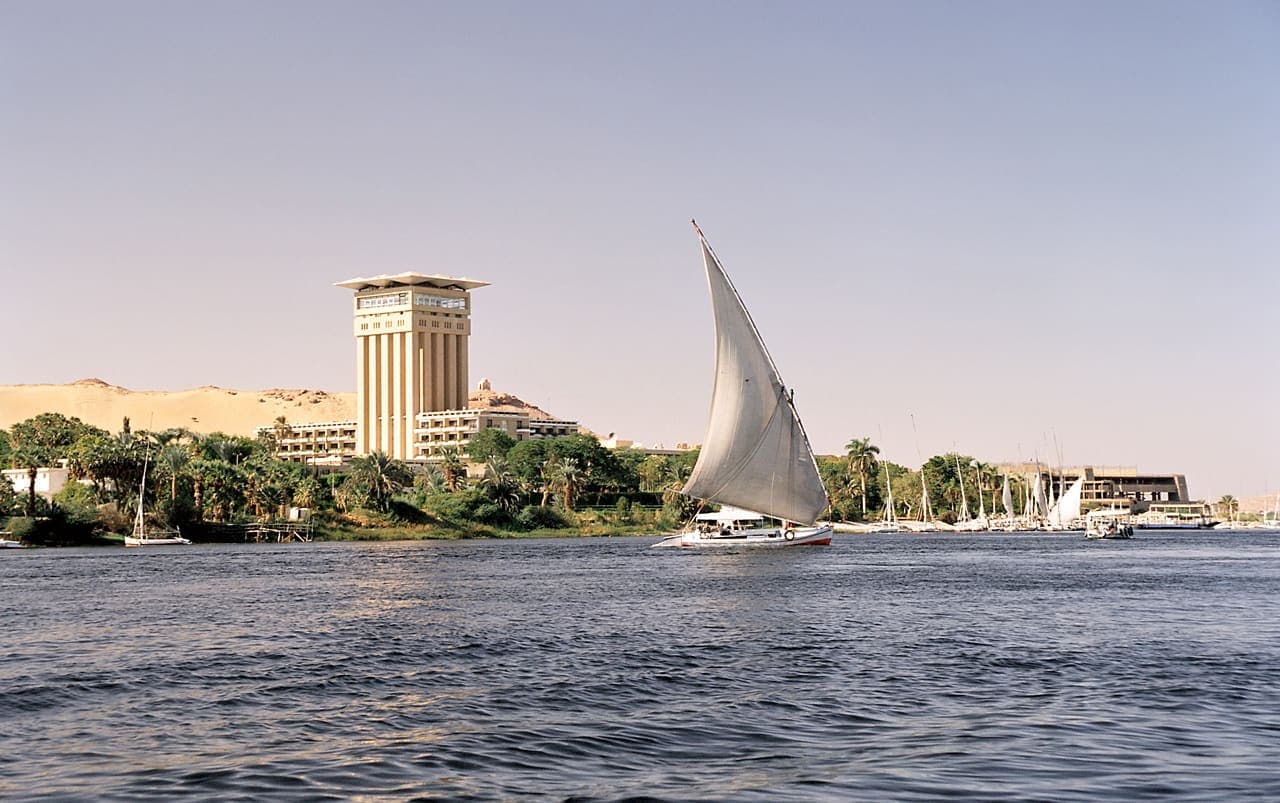
3000 BC · Early Dynastic
41 km away
1500 BC · New Kingdom
42 km away
Book a ready-made tour or use the designer above to build your own plan.







Hand-picked tours our guests love — top quality at reasonable prices, curated by Helios for your trip.