
Planning · Oct 16, 2026
Italy in October and November: Rome and Florence Weather and Crowds
Cooler walking weather and shorter midday waits are the real gains, but the cities stay busy and showers are common.

The short answer: yes, October is a very good month for Rome and Florence, and early November is still workable if you accept more rain. The gain is not empty streets. Both cities stay busy through October. What you get is walking weather that no longer punishes you at midday, and queues that are shorter in the hours when summer queues are at their worst. What you give up is long evenings and any promise of a dry week.
Plan for pleasant, mild days in the first half of October, a clear turn towards cooler and wetter conditions by November, and a clock change on Sunday 25 October 2026 that pulls sunset back to roughly five in the afternoon. If you are a German or French traveller booking the autumn school holidays, this article is the planning overview. It covers temperatures, rain, daylight, crowds, a sensible split between the two cities, and how to switch to an indoor-first plan in November. Helios runs tours in Italy, but no specific trip is featured here, so treat this as a planning guide rather than a sales page.
Italy in October at a glance
| Factor | October | November |
|---|---|---|
| Daytime feel | Mild to warm in Rome, pleasantly cool in Florence, T-shirt weather on a good afternoon | Cool; a jacket all day, gloves not usually needed |
| Mornings and evenings | Fresh, especially in Florence | Properly cold in Florence, chilly in Rome |
| Rain | Showers common, often short, occasionally a wet day | Among the wettest months of the year; longer spells are likely |
| Daylight | Long until the clocks change, then dusk around five | Dusk around or just after five, earlier by the end of the month |
| Crowds | Busy, easing as the month goes on | Noticeably calmer, apart from the All Saints' long weekend |
These are typical patterns, not forecasts. Italian autumn can deliver a week of sunshine or a week of grey, and the only honest advice is to pack for both.
Weather: what October and November actually feel like
Rome
Rome is the warmer of the two. In early and mid October, afternoons in the sun are comfortable and sometimes properly warm, which is why Romans talk about the autumn spell of soft light and mild days as the ottobrata. It is walking weather: the Forum and Palatine, which have almost no shade, become something you can do without watching the clock for heatstroke. By November, Rome is cooler and wetter, and you will want a proper coat in the evenings.
Florence
Florence sits in a basin along the Arno and cools down faster. October days are pleasant, but mornings and evenings are fresh and a layer is essential. In November the city can feel damp and chilly, and grey, foggy mornings are not unusual. Stone buildings hold the cold, so churches and museums can feel cooler than the street.
Rain: be realistic
Showers are common in both cities in October, and November is when the rain settles in more seriously. Most October showers are short, but a few days can be properly wet, and heavy downpours sometimes arrive suddenly. This does not ruin a trip. It does mean you should not stack your whole itinerary with outdoor sights on one day.
- Carry a compact umbrella or a light waterproof. Cobbles and polished marble are slippery when wet.
- Pick shoes with grip. Rome's sampietrini cobbles and Florence's worn paving are unkind to smooth soles.
- Keep one flexible half-day in your plan so you can swap an outdoor morning for a museum if the weather turns.
Shorter daylight and the clocks going back on 25 October
Italy moves back to winter time on the last Sunday of October, which in 2026 is 25 October. Before that, sunset in Rome is around six in the evening in the last week and still pleasant for an aperitivo outdoors. After the change, the sun sets roughly an hour earlier, around five, and Florence loses the light slightly sooner than Rome. Mornings gain an hour, but in practice most visitors lose more than they gain.
What this changes in practice:
- Do the outdoor sights early. Piazzale Michelangelo for the view over Florence, the Roman Forum, the Appian Way and any walk across the Oltrarno work best in morning and early afternoon light.
- Move museums to the late afternoon. Once dusk arrives around five, an indoor slot from three onwards is a sensible use of the dark hours.
- Check your transfer times. If you are travelling between Rome and Florence on 25 October, make sure your phone and alarm have updated, and double-check train and flight times against the new schedule.
Crowds: easing, not empty
Be clear-eyed about this. October is still high season in Rome and Florence. The Colosseum, the Vatican Museums, the Uffizi, the Accademia and the Duomo area in Florence are busy all month, and school holidays in France and in several German states bring extra visitors around the end of October and the start of November. If a guidebook promised you an empty Trevi Fountain, it was not written in October.
What does change is the shape of the day. In summer, the hours around midday mean heat, long outdoor queues and exhausted crowds. In October, queues at the most popular entrances are still there, but they are more bearable and tend to be shorter in the middle of the day. In November, they thin further. Mid-week visits are better than weekends in both cities.
Two calendar quirks to know about:
- All Saints' Day, 1 November, is a public holiday in Italy. In 2026 it falls on a Sunday, so many Italian families will be travelling around that weekend. Expect busy trains and busy sights, and check opening hours for shops and smaller venues.
- Free-entry Sundays. Many state museums and the Vatican Museums offer free entry on one Sunday a month. The Vatican's falls on the last Sunday, which this year is 25 October, the same day the clocks change. Free entry draws very large crowds, so most visitors are better off paying for a timed slot on another day. Rules change, so check the current arrangements on the official sites before you plan around them.
Whatever the month, book timed tickets for the big sights ahead of your trip, including the Colosseum area, the Vatican Museums, the Borghese Gallery, the Uffizi and the Accademia. Walk-up queues are the thing October does not fix.
How to plan Rome
Rome rewards a loose structure of one big sight per half-day, with wandering in between.
- Morning one: Colosseum, Roman Forum and Palatine Hill, ideally from opening time. Dress in layers; the stone warms up fast once the sun clears the buildings.
- Afternoon one: Pantheon, Piazza Navona and the streets around Campo de' Fiori. This area is crowded all day, but October light makes the walking pleasant.
- Day two: Vatican Museums and St Peter's. This is the one day in Rome that needs real stamina: a long indoor visit, then a large square. A rain jacket matters here.
- Day three: Borghese Gallery (timed entry, book early), then the park, then Trastevere in the evening.
Rome in October is also easier to eat in. Outdoor tables are still comfortable at lunch, and heated terraces appear as the evenings cool.
How to plan Florence
Florence is compact, which makes it forgiving in bad weather and exhausting in good weather if you do too much.
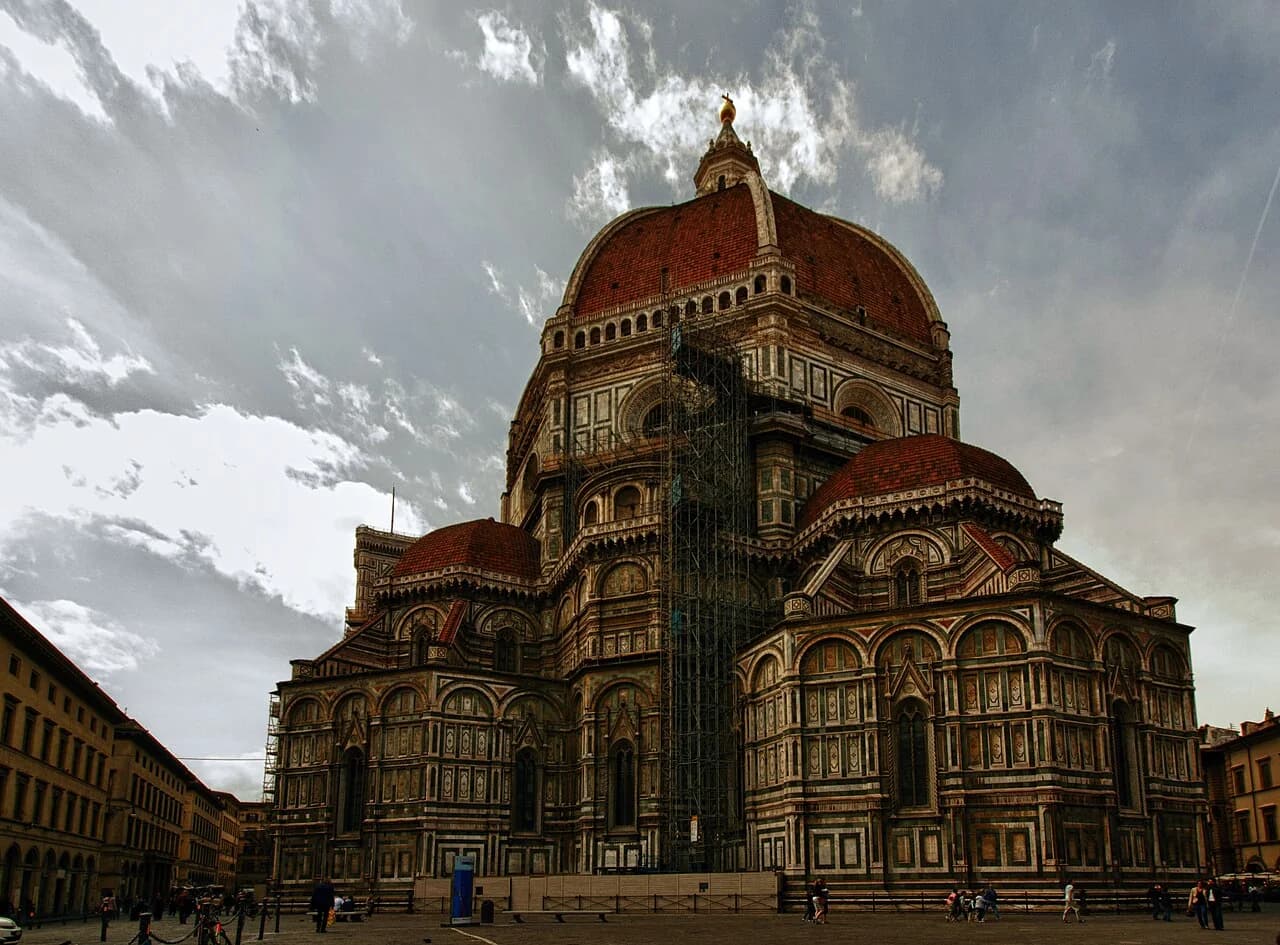
- Morning: the Duomo complex and the climb or the baptistery, then the Uffizi at a timed slot. The Uffizi is a sensible wet-weather anchor.
- Afternoon: the Accademia for Michelangelo's David, then the Ponte Vecchio and the Oltrarno workshops.
- Late afternoon, dry day only: Piazzale Michelangelo or San Miniato al Monte for the view, timed so you are down before it gets dark.
- Second day: Palazzo Pitti and the Boboli Gardens if the weather holds, or Santa Croce and the Bargello if it doesn't.
Autumn is a good season for Tuscan food: hearty soups like ribollita, mushrooms, chestnuts and the new olive oil are all part of the late-October and November table.
Rome and Florence in one trip
The two cities are linked by a high-speed train that takes a little under two hours between the city-centre stations, which makes combining them easy. A realistic split for four to six nights is two or three nights in Rome and two in Florence. Resist adding more places in October and November: shorter days and weather delays cost you more than they would in summer.
Packing for Italy in October
- Layers: a light jumper, a warmer mid-layer for November and a waterproof shell.
- Comfortable, waterproof or water-resistant shoes with proper soles.
- A compact umbrella and a small day bag that fits museum cloakroom rules.
- Covered shoulders and knees for churches, including St Peter's, where entry rules are enforced.
November: shift to indoor-first planning
By November, plan each day around an indoor anchor and treat outdoor time as a bonus. Rome has an enormous supply of covered sights: the Vatican Museums, the Borghese Gallery, the Capitoline Museums, the Baths of Diocletian, and dozens of churches with major art. Florence's list is just as strong: the Uffizi, the Accademia, the Bargello, Palazzo Pitti, Santa Croce and the Duomo museum.
A good pattern is to book your timed indoor visit for the late morning or early afternoon, keep a loose outdoor walk either side, and head back inside before dusk. In November you are likely to have more of each museum to yourself, though the All Saints' weekend and the Italian bridge holidays are exceptions. In return you get lower crowds, cold-weather food and cities that feel more like themselves than in July. What you do not get is reliable sunshine.
Comparing Italy with other autumn city breaks
If you are weighing Italy against other autumn options, a few of our other planning pieces use the same honest approach: Paris in October for another daylight-and-showers city break, Nice in October and November if you want to know how far into autumn the Riviera stays mild, and Spain in October for a warmer comparison. If a warm sea is the priority rather than art and architecture, Egypt in October is a very different, much hotter proposition.
Italy in October FAQ
Is October a good time to visit Rome and Florence?
Yes. It is one of the most comfortable months for sightseeing, with mild days, cooler mornings and none of the midsummer heat. It is not quiet, and showers are common, so book timed tickets and pack for rain.
Will it be warm enough for short sleeves?
On a good day in early or mid October, often yes in Rome, especially in the sun. Florence is cooler and evenings are fresh in both cities. Bring layers rather than relying on a warm afternoon.
When do the clocks change in Italy in 2026?
Italy goes back to winter time on Sunday 25 October 2026. Sunset moves back by an hour, to roughly five in the afternoon, so plan outdoor sights for the morning and early afternoon and museums for later.
Are Rome and Florence crowded in October and November?
They are busy through October and quieter in November, with the main exceptions being school holiday weeks and the All Saints' weekend around 1 November. The difference from summer is less heat and shorter midday waits, not empty streets.
Should I plan differently for November?
Yes. Build each day around an indoor anchor such as the Vatican Museums or the Uffizi, keep outdoor walks flexible, and expect dusk around five. Pack a proper coat and waterproof shoes.
Book what you just read about
Explore related tours and check each trip for available booking options and inclusions.
Florence Walking Tour: Duomo, Piazza della Signoria and Ponte Vecchio
2 hours · Florence
€29/ person
See the tour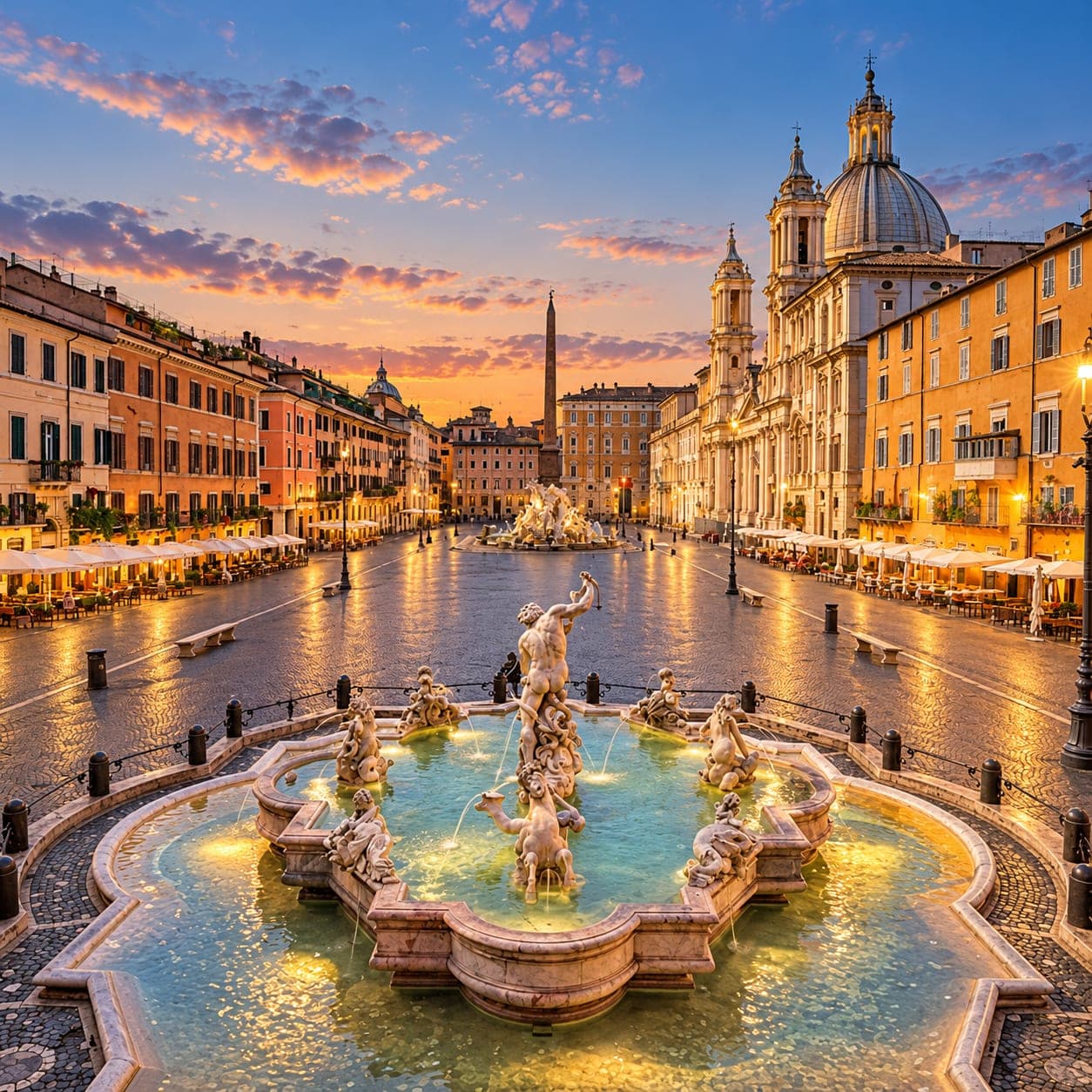
Rome Historic Centre Walk: Trevi Fountain, Pantheon and Piazza Navona
3 hours · Rome
€29/ person
See the tour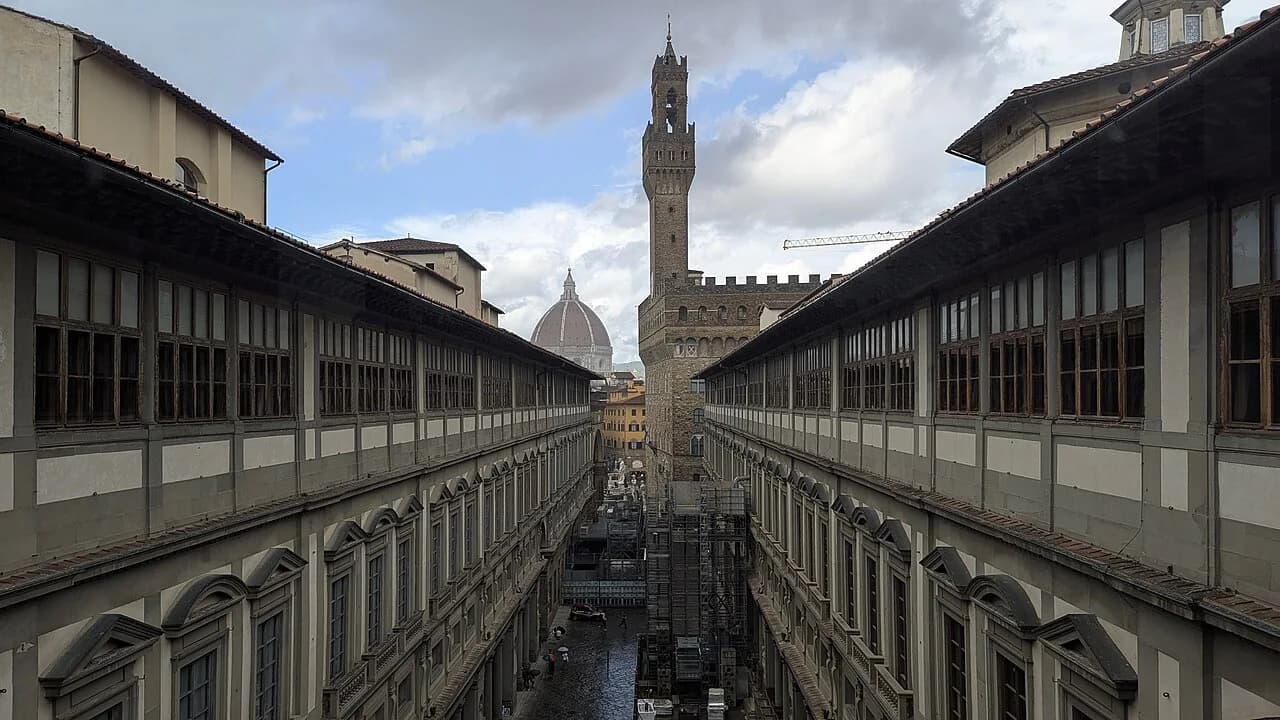
Uffizi Gallery Guided Tour with Entry Ticket
2 hours · Florence
€69/ person
See the tour