Planning · Oct 16, 2026
Paris in October: Weather, Daylight, Crowds and What to Plan
October is a good month for Paris if you accept mild days, a real chance of rain and evenings that close in early.

The short answer: yes, Paris in October is worth it for most travellers, provided you want a city of museums, cafés, long walks and autumn colour rather than a guaranteed sunny terrace. Days are usually mild and often grey. Rain is a genuine possibility on any day, though rarely a week-long washout. Evenings shorten quickly through the month, and in 2026 the clocks go back on Sunday 25 October, so the last week feels like winter's first draft. Crowds are lighter than in high summer, but Paris is never empty, and the late-October school holidays bring families back.
If you are weighing it up, here is the decision in one line. Choose October if you will happily spend a wet afternoon inside the Musée d'Orsay or under a café awning. Choose another month if your Paris is picnics on the Seine until ten at night.
What the weather is really like
October is a month of transition, and the weather shows it. Early in the month you can still get warm, bright afternoons, enough for a light jacket or even a T-shirt in the sun. By the end of the month, daytime temperatures are typically in the low-to-mid teens Celsius, and mornings and evenings are properly cold. A cold, damp wind off the Seine can make it feel colder than the number suggests.
- Early October: often the best stretch. Highs are commonly in the high teens Celsius, with a fair chance of dry, bright days. Trees in the parks have only begun to turn.
- Mid-October: the most variable. Expect a mix of sunny spells, cloud and showers, sometimes all in one day. Autumn colour in the Luxembourg Gardens and Tuileries is usually at its best around now.
- Late October: cooler, darker and more often overcast. Leaves are falling, and wet pavements and low light are the norm rather than the exception.
Rain in Paris tends to come as repeated showers rather than prolonged downpours, but you should plan as though some of your days will be wet. Forecasts here change quickly, so check the morning outlook rather than trusting one made a week ahead.
Daylight and the clocks going back
The shortening day is the thing visitors most often underestimate. At the start of October the sun sets at roughly seven in the evening. By the last days of the month, after the clocks change, it sets around half past five. Sunrise moves the other way in the middle of the month, so mornings get a little brighter as evenings get darker.
| Part of the month | Roughly what to expect |
|---|---|
| First week | Sunset around seven; still room for an evening stroll in daylight |
| Mid-month | Sunset noticeably earlier each week; lights on by the end of dinner |
| After Sunday 25 October (2026) | Clocks go back one hour; dusk falls around half past five |
Europe changes its clocks on the last Sunday of October, which is 25 October in 2026. The change is an hour back, so that Sunday has an extra hour in bed, and the evening gets darker at once. The United States changes its clocks a week later, so for a few days the time difference with Paris is an hour different from usual. Allow for this if you are calling home or joining a video meeting.
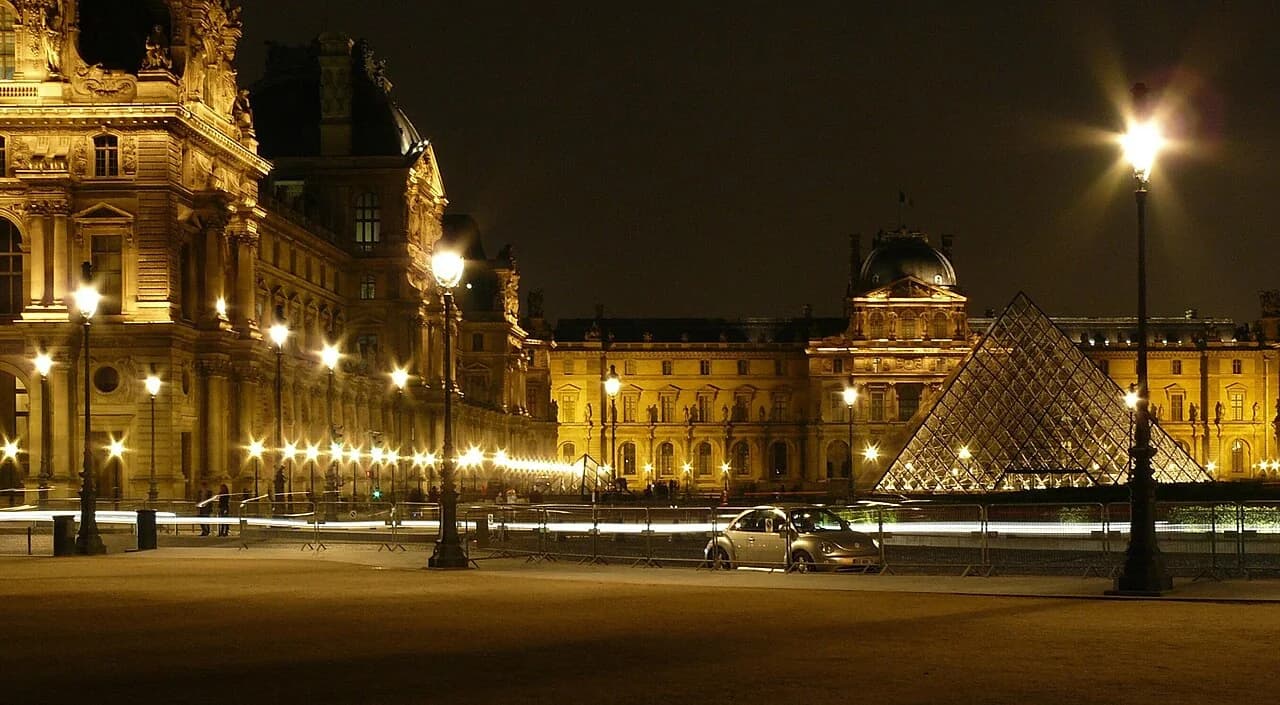
The practical effect is that you should do your outdoor sightseeing in the middle of the day and save museums, covered passages and long dinners for the evening. The upside is real: the city lit up at dusk, with the Eiffel Tower sparkling on the hour after dark, arrives early enough that you don't have to stay up late to see it.
Crowds compared with summer
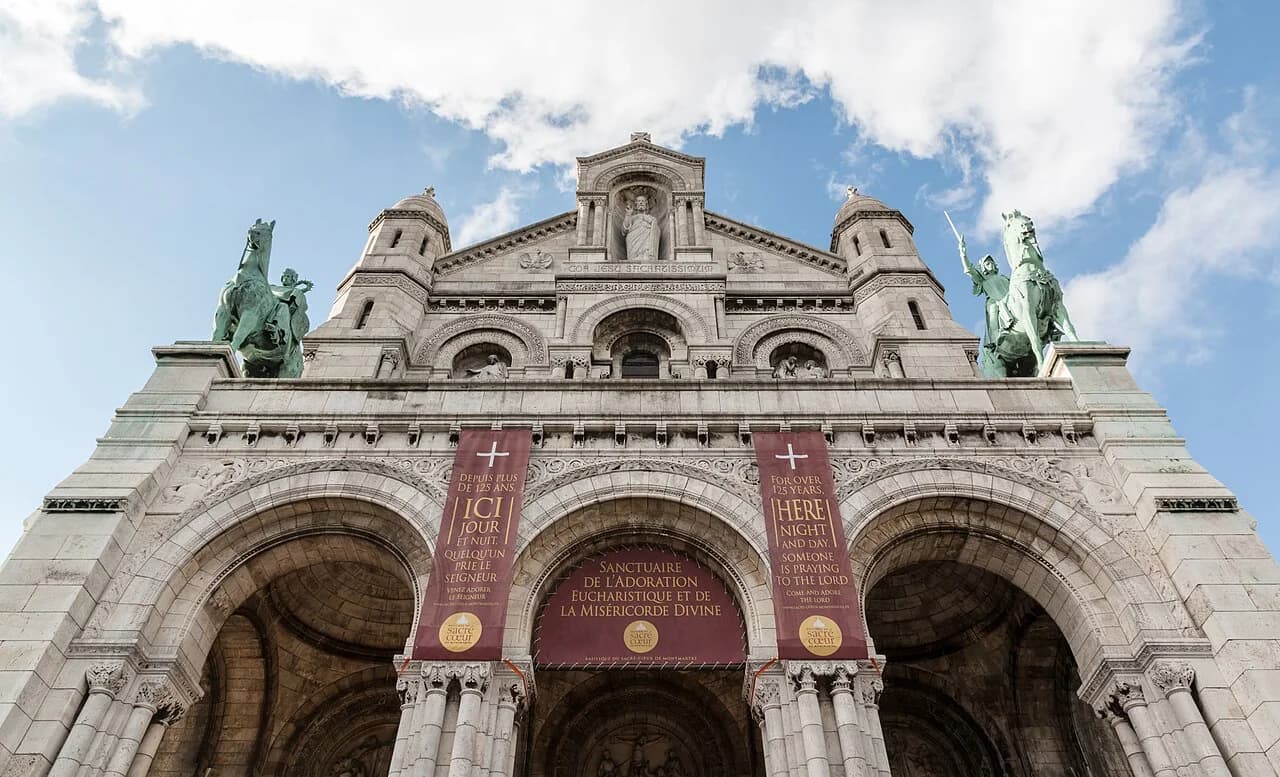
October is quieter than July and August, but that comparison needs care. Paris draws visitors all year, and the big sights, the Louvre, Notre-Dame's surroundings, Sacré-Cœur and the Eiffel Tower, are busy on most days. What changes is the intensity: queues are generally shorter, the heat is gone, and the pavement terraces are less packed.
There is one counterintuitive point. In August many Parisians leave, and some small restaurants and shops close for their holidays. In October everyone is back, the city's cultural and business calendar is in full swing, and trade fairs can fill hotels midweek. It feels like a working city rather than a resort.
Timing within the month matters. The first three weeks are the calmest. The French autumn school holiday around All Saints' Day (1 November) falls partly in late October, and it overlaps with half-term breaks in some other countries, so the last week and a half can be noticeably busier at the major museums and at Versailles. Weekends are busier than weekdays everywhere. Book timed entry for the biggest museums in advance, whatever the month.
What is on in October
Dates for events shift from year to year, so treat the following as a guide to what usually happens and confirm the exact dates before you book anything around them.
- Nuit Blanche: an all-night arts event with installations across the city, usually held on a Saturday night in early October. It is free to wander, can be crowded, and is a good reason to be out after dark.
- Montmartre grape harvest festival: the neighbourhood marks the harvest from its small vineyard with a parade, stalls and tastings, usually in the first half of the month. The wine itself is a curiosity rather than a reason to come.
- Contemporary art week: a large international art fair has recently been held in Paris in October, and galleries and museums often time shows around it. Expect busier hotels at that time.
- Autumn exhibitions: the major museums tend to open their big shows for the season in the autumn, which makes October a good month for a rainy-day museum plan.
Also expect that Sunday 25 October is a normal French Sunday: many shops are closed, though museums, markets and most restaurants are open. 1 November, All Saints' Day, is a public holiday, and some places close or change hours around it.
A layers-and-umbrella plan that works
The right kit for Paris in October is simple, and it is more about flexibility than warmth.
- Layers: a thin base layer or T-shirt, a sweater or fleece, and a jacket. You will peel off and add back as you move between sun, shade and heated museums.
- A light waterproof jacket with a hood: better than a heavy coat for most of the month. If you run cold, pack a warmer mid-layer rather than a bulky coat.
- A compact umbrella: Paris is breezy, and cheap umbrellas turn inside out quickly. A sturdy small one is worth carrying, and a hood still helps on gusty days.
- Comfortable, closed shoes with grip: you will walk for hours on cobbles and smooth stone that gets slick in the rain. Leave the white trainers at home if you care about them.
- A scarf: small, light and useful on the river and in the evening.
Avoid packing for the wettest case in your day bag. A hooded jacket plus umbrella covers most showers, and a café stop covers the rest.
Planning around the rain
Paris is one of the easiest big cities in which to lose a wet afternoon pleasantly. Keep a shortlist of indoor options and a loose outdoor plan, and swap them as the weather decides.
If it is dry and bright
Use it. Walk the Seine between the Île de la Cité and the Musée d'Orsay, spend an hour in the Luxembourg Gardens for the autumn colour, or climb to Montmartre in the morning before the crowds. The Canal Saint-Martin is pleasant on a mild afternoon, and open-air markets are at their best on a clear morning.
If it is wet or grey
Go indoors, in order of how much you will enjoy it. The Orsay and the Orangerie suit a damp day, with Impressionism and Monet's water lilies. The Louvre is huge enough to fill a whole wet day, but choose a few wings rather than trying to cover it. Sainte-Chapelle's stained glass is better on a bright day, so save it if you can. The nineteenth-century covered passages, such as Galerie Vivienne and Passage des Panoramas, are a good wet-weather walk with shops and tea rooms. Then there is the café: a long lunch is part of the plan, not a failure of it.
Day trips
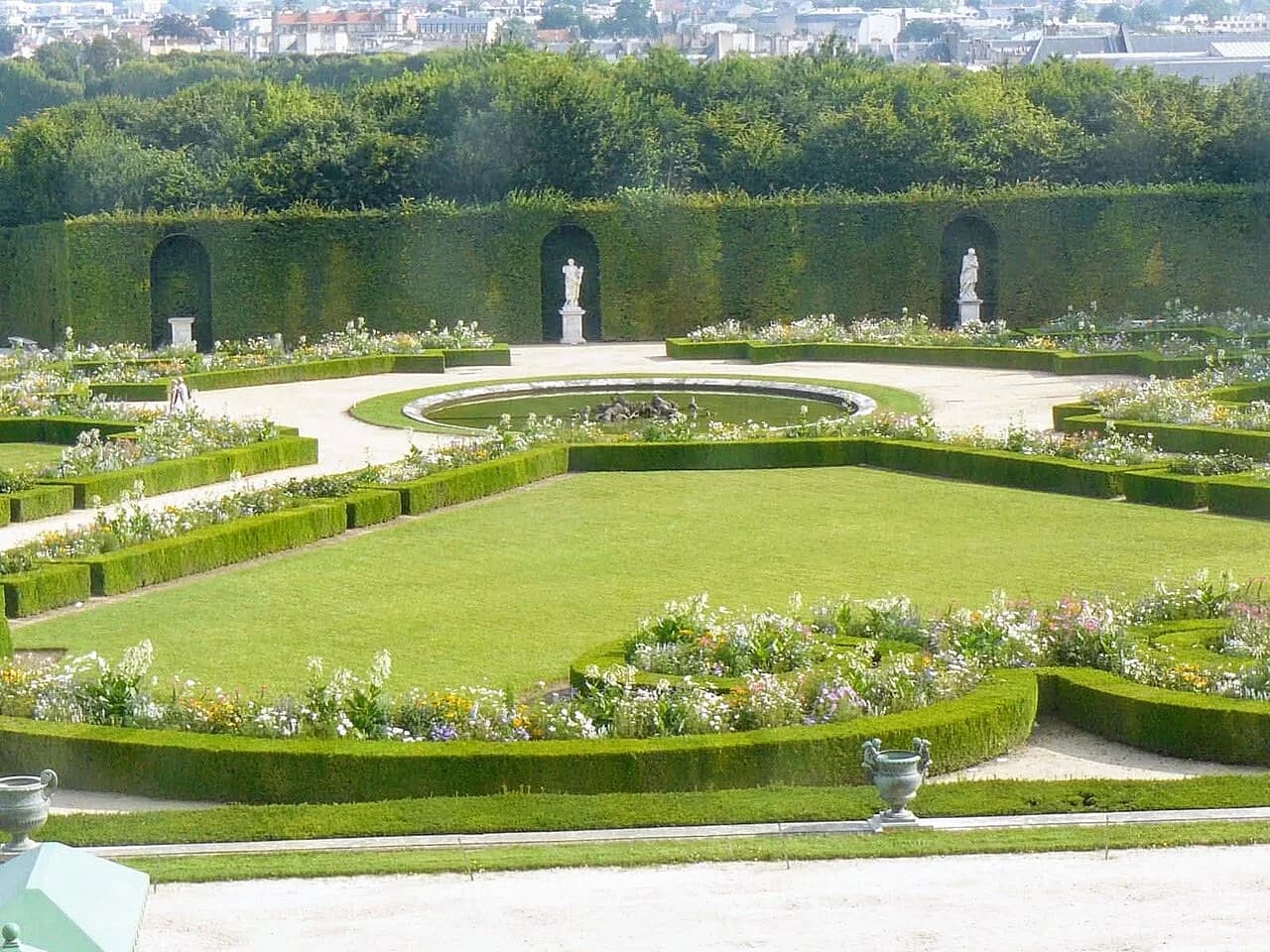
Versailles is still beautiful in October, and the gardens can be lovely in autumn light, but the grounds are large and exposed, so be ready for wind and wet grass. Monet's garden at Giverny typically closes for the season around the start of November, so late October is close to the end of the flowering season and the colours are more muted. Choose a day trip on the morning forecast rather than booking it long in advance if your schedule allows.
Who should skip October
Be honest with yourself about what you want. October is probably the wrong month if you need reliable sunshine for photos, if you want to eat outdoors every evening, or if you are travelling with small children who need to run around outdoors for long periods. It is also a less rewarding time for people who dislike being out after dark in cold weather, since the day ends early. If your dates are flexible, May, June and September offer longer days with more settled weather, at the cost of bigger crowds.
If none of that bothers you, October gives you a quieter, atmospheric Paris with excellent museum weather, autumn colour and a strong cultural calendar.
Paris in October FAQ
Is October a good month to visit Paris?
Yes, for most visitors. Expect mild days, a real chance of rain, shorter evenings and fewer crowds than in summer. It suits travellers who plan around museums, cafés and walks rather than relying on guaranteed sunshine.
What should I pack for Paris in October?
Pack layers: a T-shirt or thin top, a sweater or fleece and a hooded waterproof jacket. Add a sturdy compact umbrella, a scarf and comfortable closed shoes with good grip for wet cobbles. Late in the month, add a warmer mid-layer for the evenings.
When do the clocks change in Paris in October?
France changes its clocks on the last Sunday of October, which is 25 October in 2026. Clocks go back one hour, so sunset moves to roughly half past five and evenings get dark much sooner.
Is Paris crowded in October?
Less than in July and August, but still busy at the major sights. The first three weeks are calmer. The last week and a half can be busier because of school holidays in France and half-term in some other countries, so book timed tickets for big museums in advance.
Does it rain a lot in Paris in October?
Rain is common but usually comes as showers rather than long downpours. Plan for some wet hours in any week, keep an indoor option ready for each day, and check the morning forecast rather than relying on a long-range one.
Book what you just read about
Explore related tours and check each trip for available booking options and inclusions.