
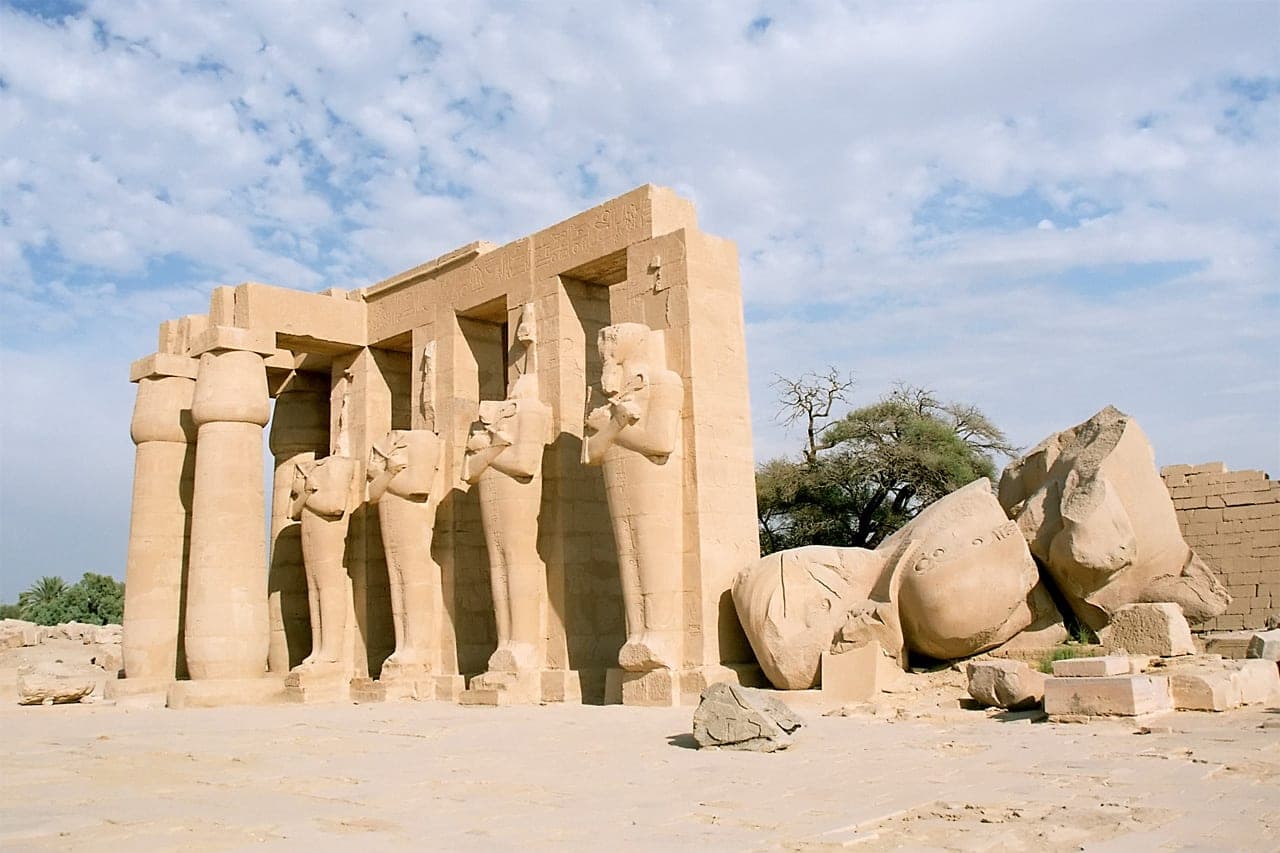
Mortuary temple of Ramesses the Great
The Ramesseum
Typical visit: 1 h
Period: 1250 BC · New Kingdom
The romantic ruins of Ramesses II's memorial temple, with a toppled colossus that inspired the poem 'Ozymandias'.
Photos


About
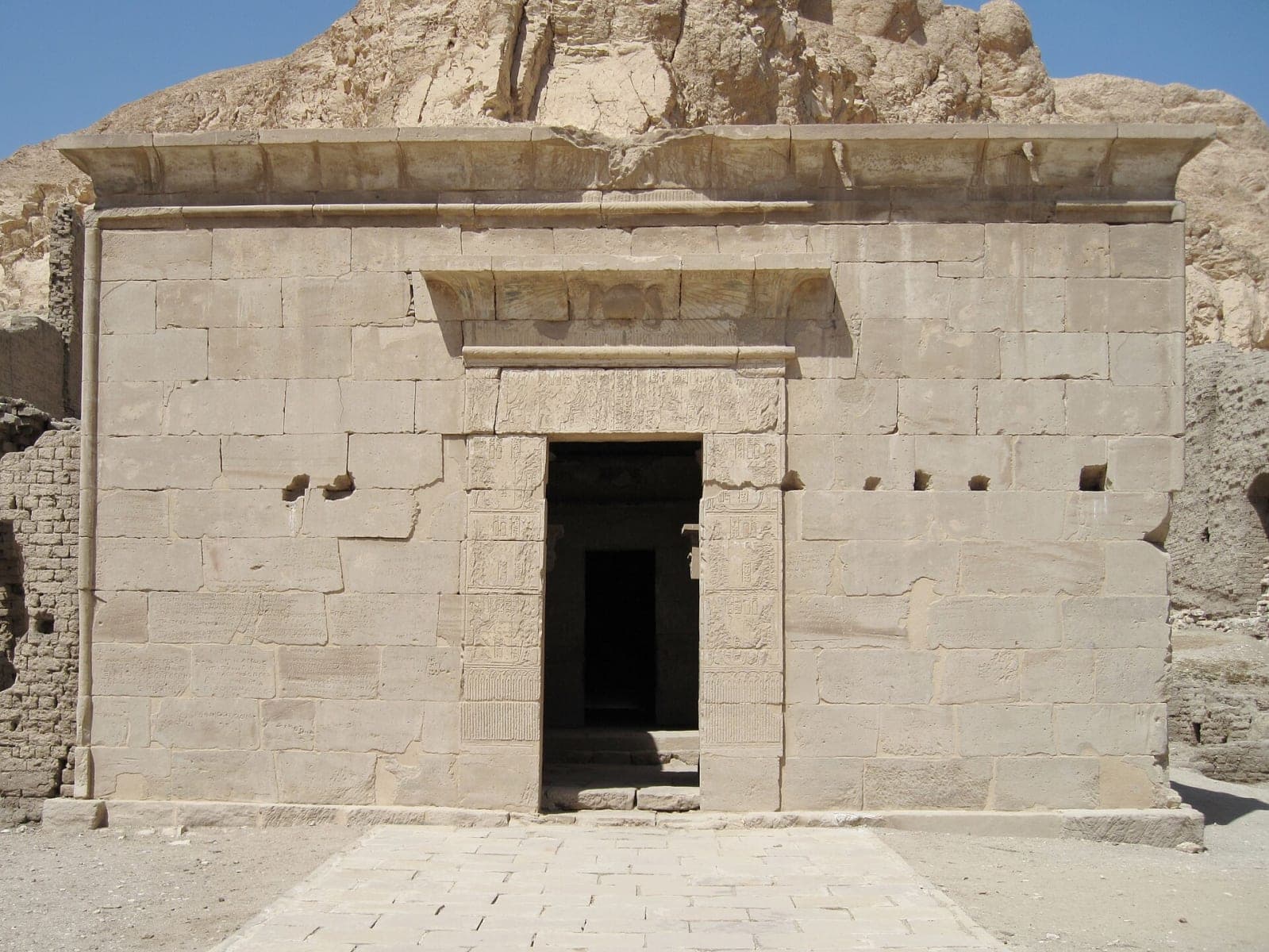
The memorial temple of Ramesses II on the Theban west bank — half-ruined, rarely busy, and for many people the most atmospheric site in Luxor precisely because it has been left as it fell.
The centrepiece is the wreck of a seated colossus of the king in granite, originally somewhere around eighteen metres and perhaps a thousand tonnes, now lying broken across the second court with its head and torso separated. Around it stand rows of Osiride pillars, a partly roofed hypostyle hall, and reliefs of the Battle of Kadesh.
Behind the temple
Do not skip the mudbrick storerooms at the rear. Long vaulted magazines run in ranks behind the temple proper, many still roofed with their original brick barrel vaults after three thousand years — an ordinary building technique that has outlasted the monumental stonework in front of it.
History & background
In the 1st century BCE the Greek historian Diodorus Siculus described a colossal fallen statue at a temple he called the tomb of Ozymandias — a Greek rendering of Ramesses' throne name, User-maat-re — and recorded the inscription he was told it bore: King of Kings am I. If any would know how great I am and where I lie, let him surpass one of my works.
In 1817 Percy Bysshe Shelley, who had never been to Egypt, read that passage while a colossal head from this temple was being shipped to the British Museum. He wrote a sonnet about a shattered statue in an empty desert whose boastful inscription is contradicted by its own ruin. Ozymandias is now among the most quoted poems in English, and the wreck in front of you is what it is about.
A temple as an economy
The storerooms explain what these buildings actually were. A royal memorial temple was not only a place of worship — it was an endowed institution with land, herds and income, employing hundreds, storing grain and paying the workers who cut the royal tombs. The Ramesseum's magazines could hold enough grain to feed thousands for a year.
When Ramesses III's tomb workers went on strike, it was to temple storerooms like these that they marched.
Why it fell
The temple was built too close to the floodplain. Annual inundation undermined the foundations, the colossus came down, and later builders took the loose stone. What remains is roughly the back half of a much larger complex — which is why the ruins begin abruptly and the scale is hard to read.
Design your own day-by-day schedule
Pick how many days you have, add attractions per day, and see average activity and travel times between cities.
See it with
Places that carry the same story forward, or sit close enough to take in the same day.
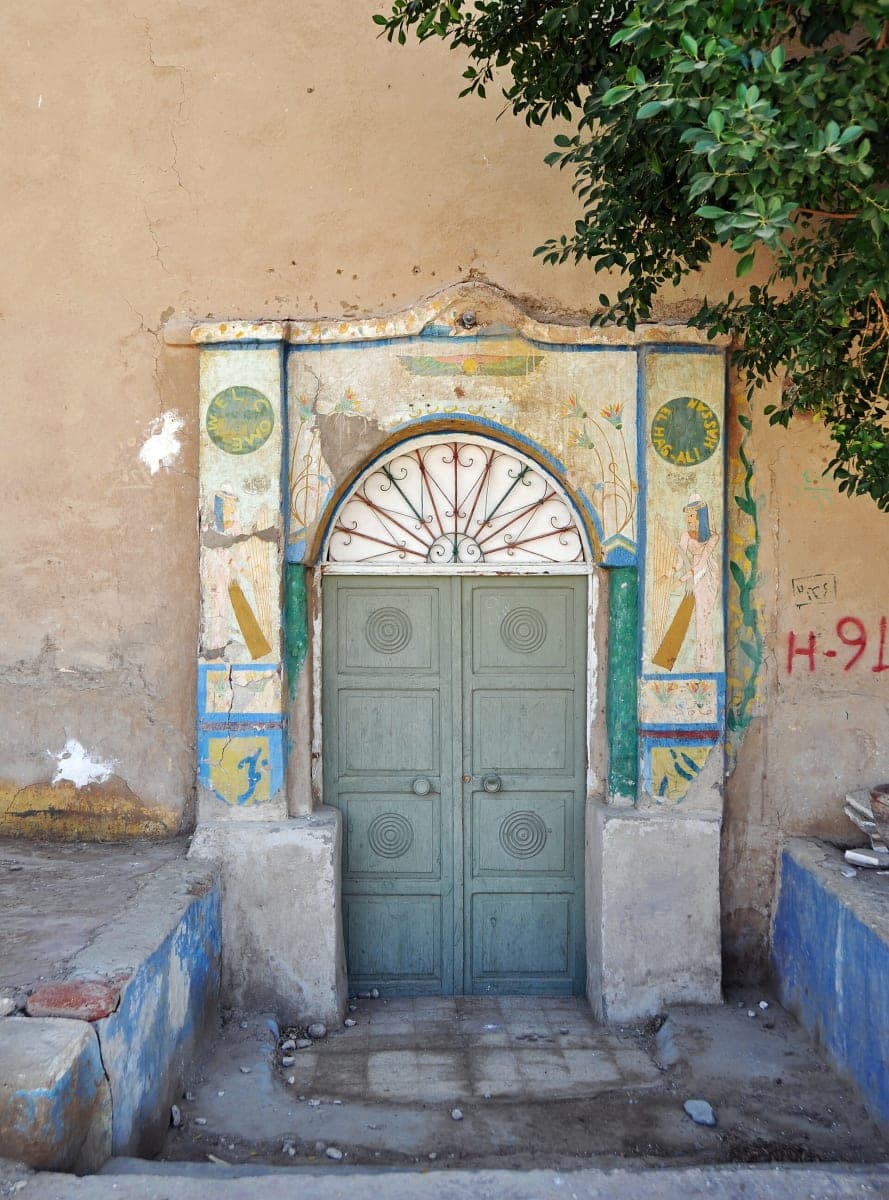 What came next
Medinet Habu
1180 BC · New Kingdom
1 km away
 Same period
Luxor Museum
1975 · Modern Egypt
4 km away
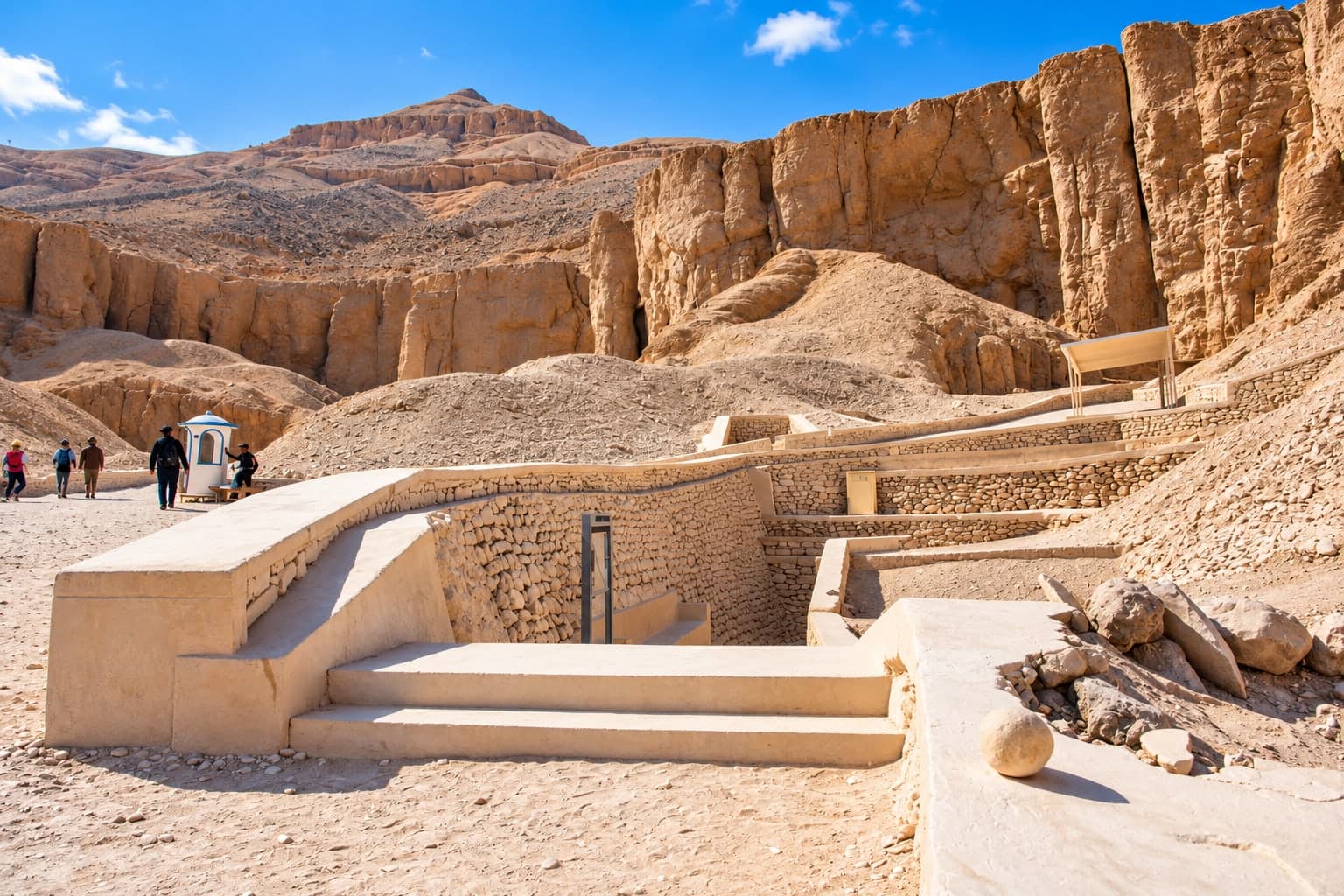 Same period
Valley of the Kings
1539 BC · New Kingdom
2 km away
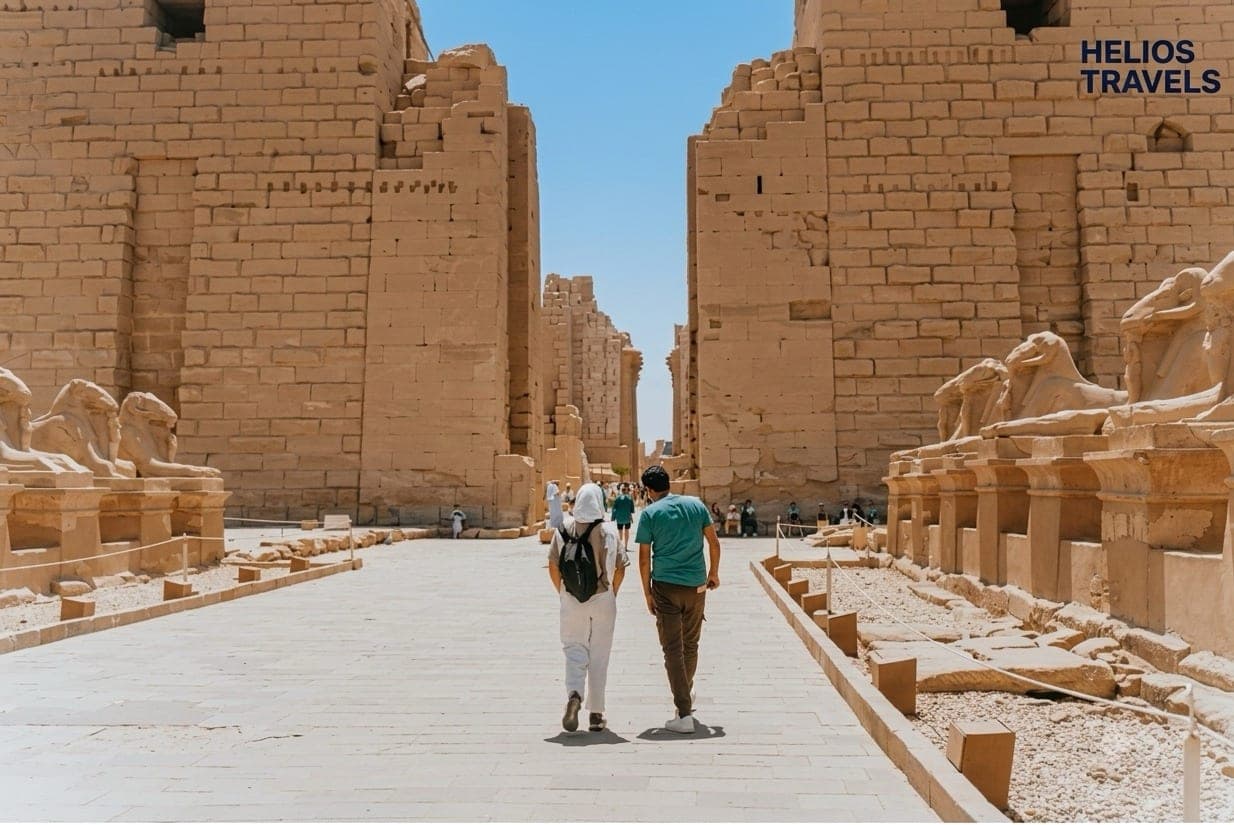 Same period
Karnak Temple
2000 BC · Middle Kingdom
5 km away
 Same period
Colossi of Memnon
1350 BC · New Kingdom
1 km away
 Same period
Deir el-Medina
1550 BC · New Kingdom
1 km away
Tours that include this attraction
Book a ready-made tour or use the designer above to build your own plan.
No matching tours yet — contact us for a custom itinerary.