
White Desert & Nile · 10 days
From $2,412 / person10 daysIncludes 5 h at this sight
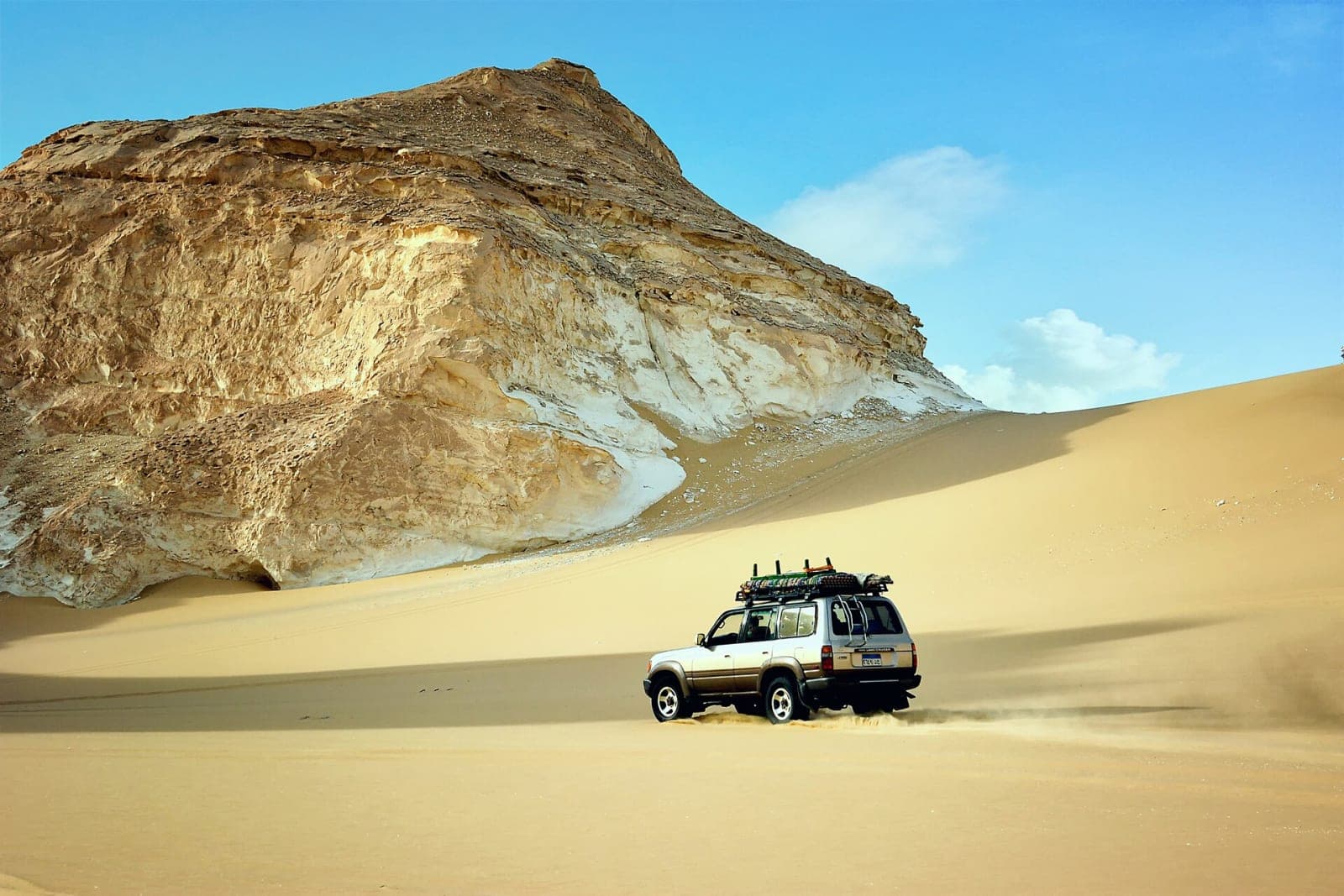
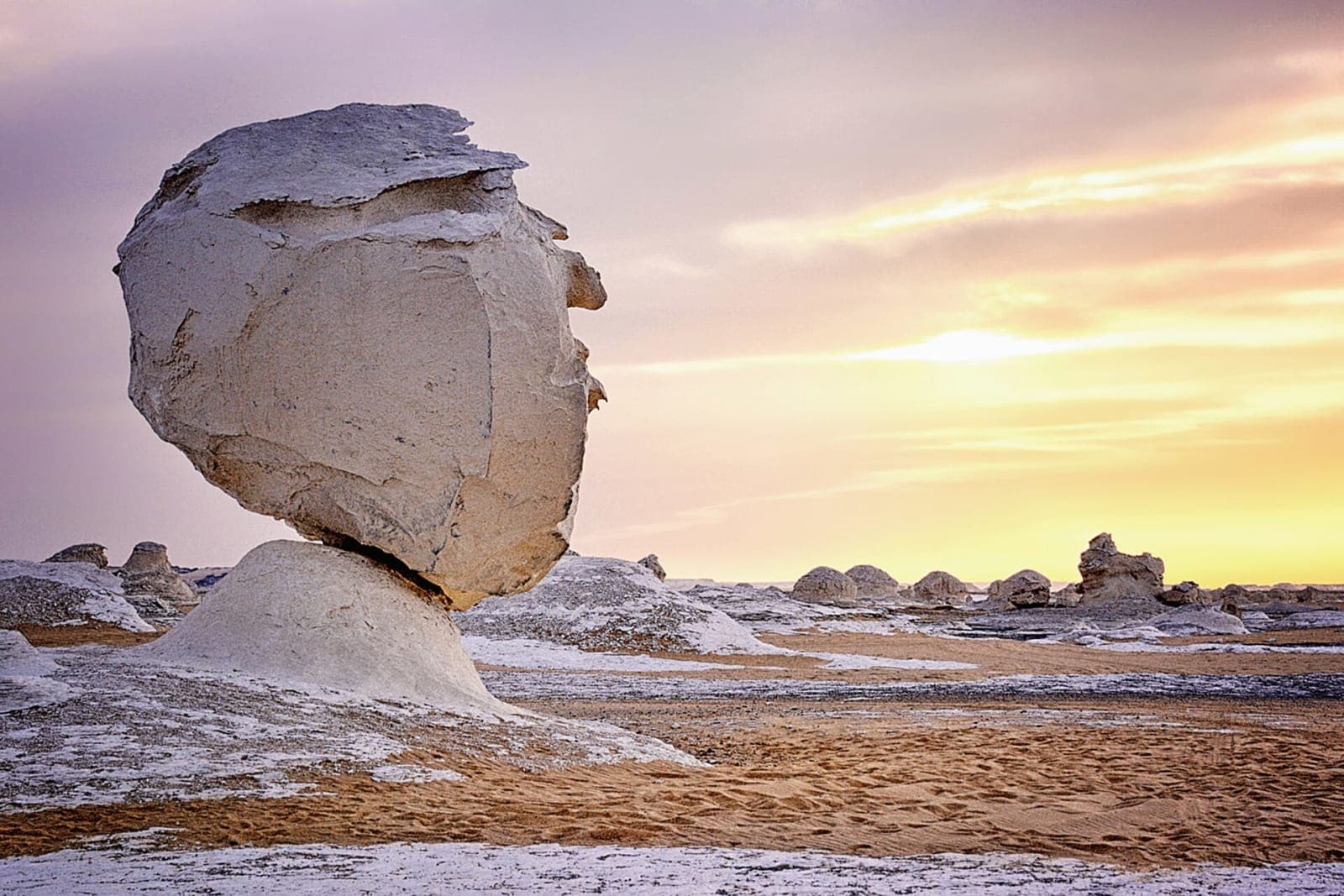
Surreal chalk rock formations
Typical visit: 5 h
A dreamlike national park of wind-sculpted white chalk formations rising from golden sand.
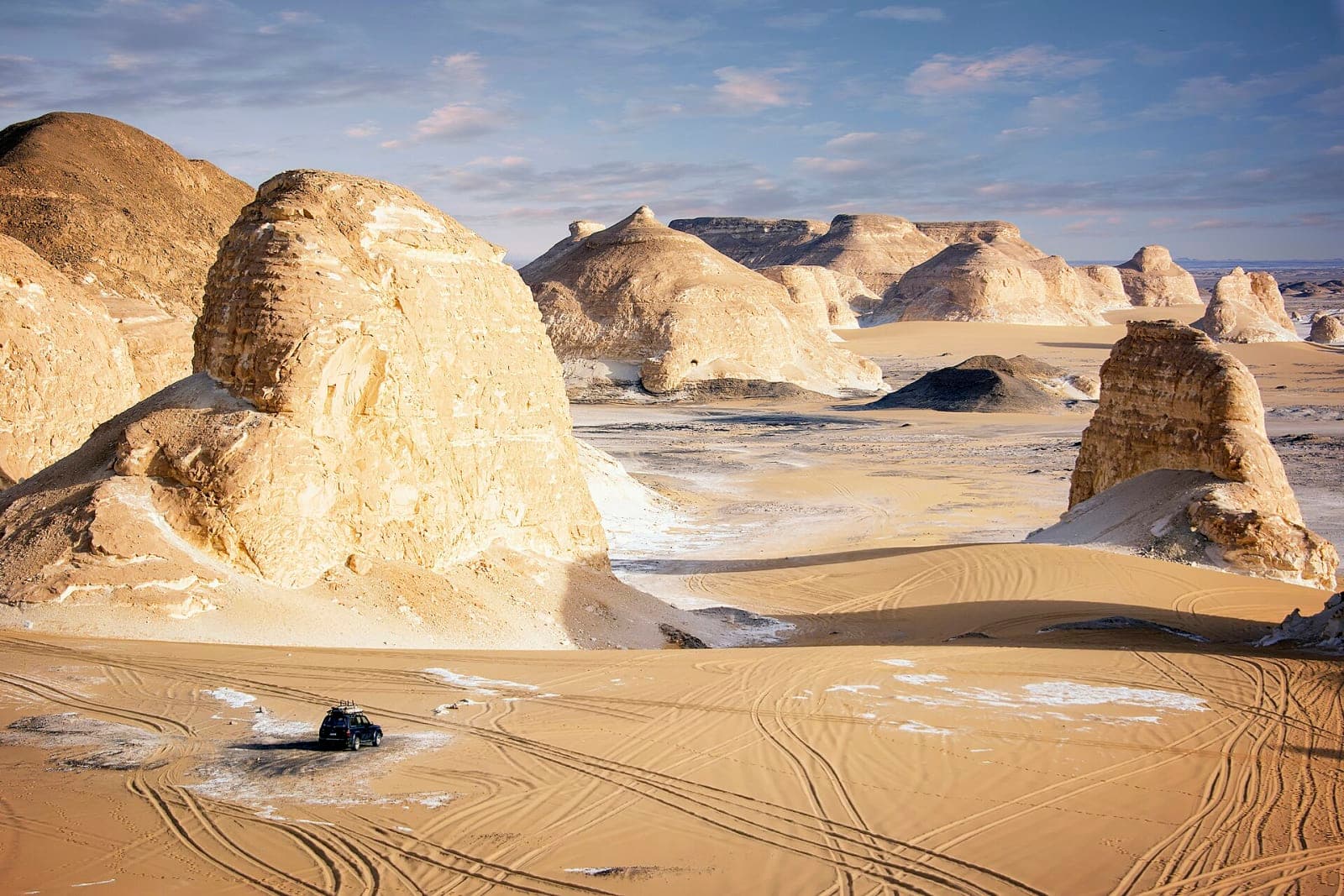
A chalk plateau two hundred kilometres into the Western Desert where wind has carved the ground into freestanding white formations — mushrooms, towers, mounds and shapes people name as they pass: the Chicken, the Rabbit, the Sphinx. They stand on a floor of pale sand that, in full sun, reads as snowfield.
Almost everyone comes overnight. That is the point: at dusk the chalk turns apricot and then rose, and after dark, with no settlement within an hour in any direction, the sky is as good as it gets anywhere on earth.
Desert nights are cold — near freezing in December and January — and the daytime difference can exceed 20 °C. Bring a proper jacket, a hat, more water than you think, and a head torch.
All of this was seabed. Around eighty million years ago, in the Cretaceous, a shallow sea covered northern Africa, and the chalk you are walking on is the compacted remains of what lived and died in it — microscopic plankton shells, laid down over millions of years.
When the sea withdrew the chalk was left exposed, capped in places by harder rock. Wind-blown sand has been scouring it ever since, cutting away the soft material faster than the hard, which is what produces the mushroom shapes: a resistant cap sheltering a slowly narrowing neck.
Look at the ground and you will find fossils — sea urchins, shells, occasionally shark teeth — lying loose on the sand. Leave them where they are; it is a protected area and the fossils are why.
Far more recently — between roughly 11,000 and 5,000 years ago — this desert was grassland. Monsoon rains reached much further north, and lakes, cattle herders, hippos and elephants existed where there is now nothing at all. Rock art elsewhere in the Western Desert shows people swimming.
The drying that ended that period pushed those populations towards the one place with reliable water. The Nile valley filled up, and the Egyptian state took shape not long afterwards — so the emptiness around you is, in a real sense, part of why Egypt happened.
The White Desert became a national park in 2002 after years of unmanaged camping and driving. The formations are chalk: soft enough to carve with a fingernail, and a vehicle track across the open floor lasts for years.
Pick how many days you have, add attractions per day, and see average activity and travel times between cities.
Places that carry the same story forward, or sit close enough to take in the same day.
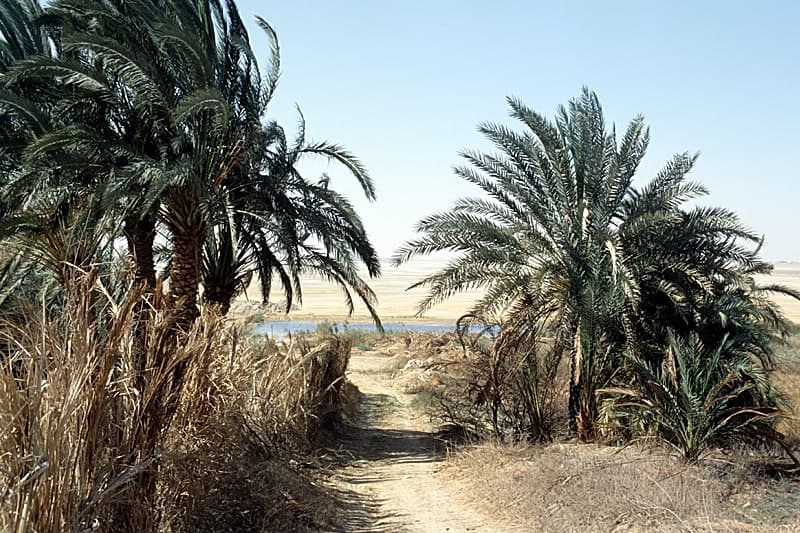
Sleepy oasis and gateway to the White Desert
33 km away
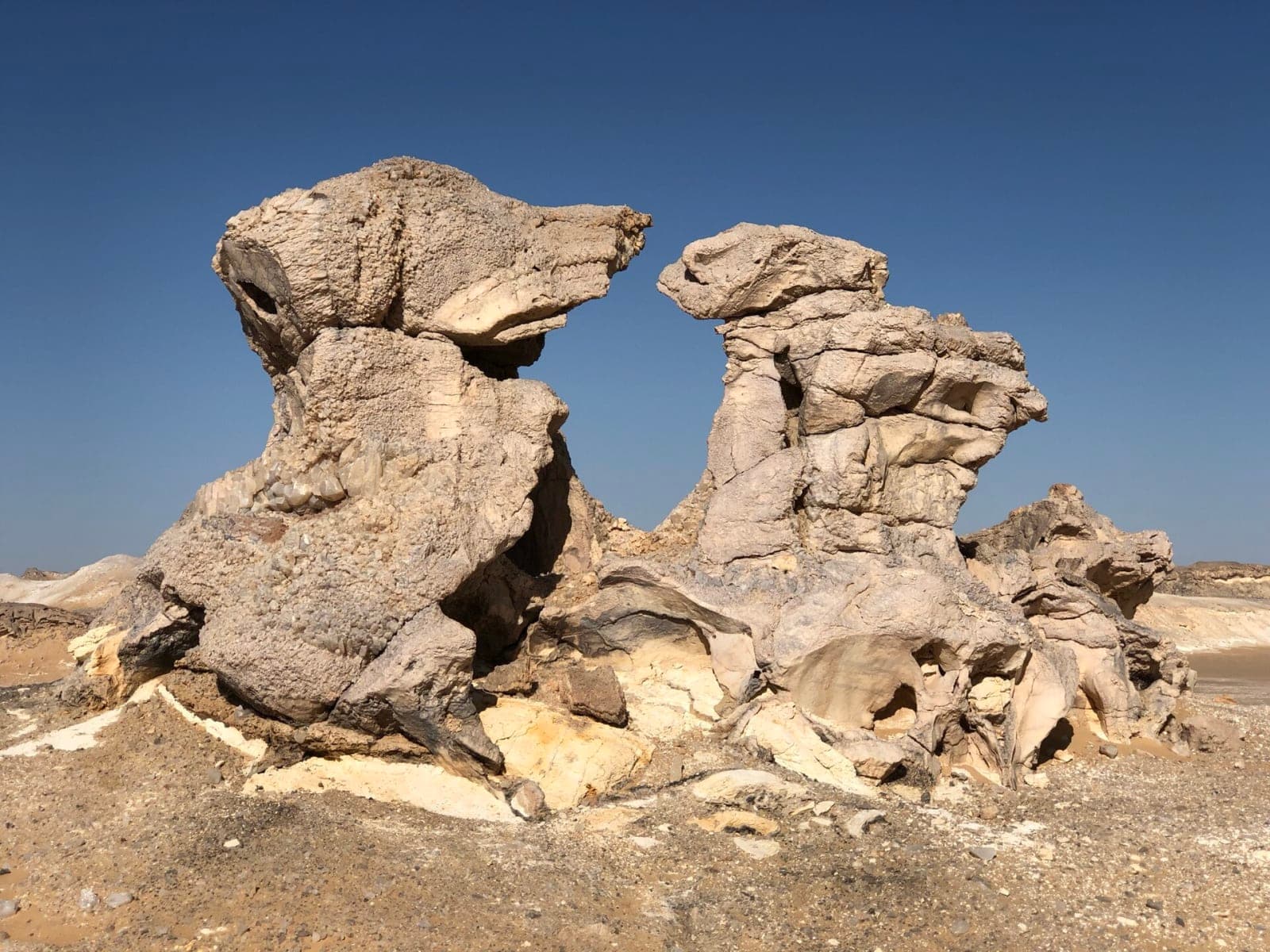
Glittering ridge of natural quartz crystals
48 km away
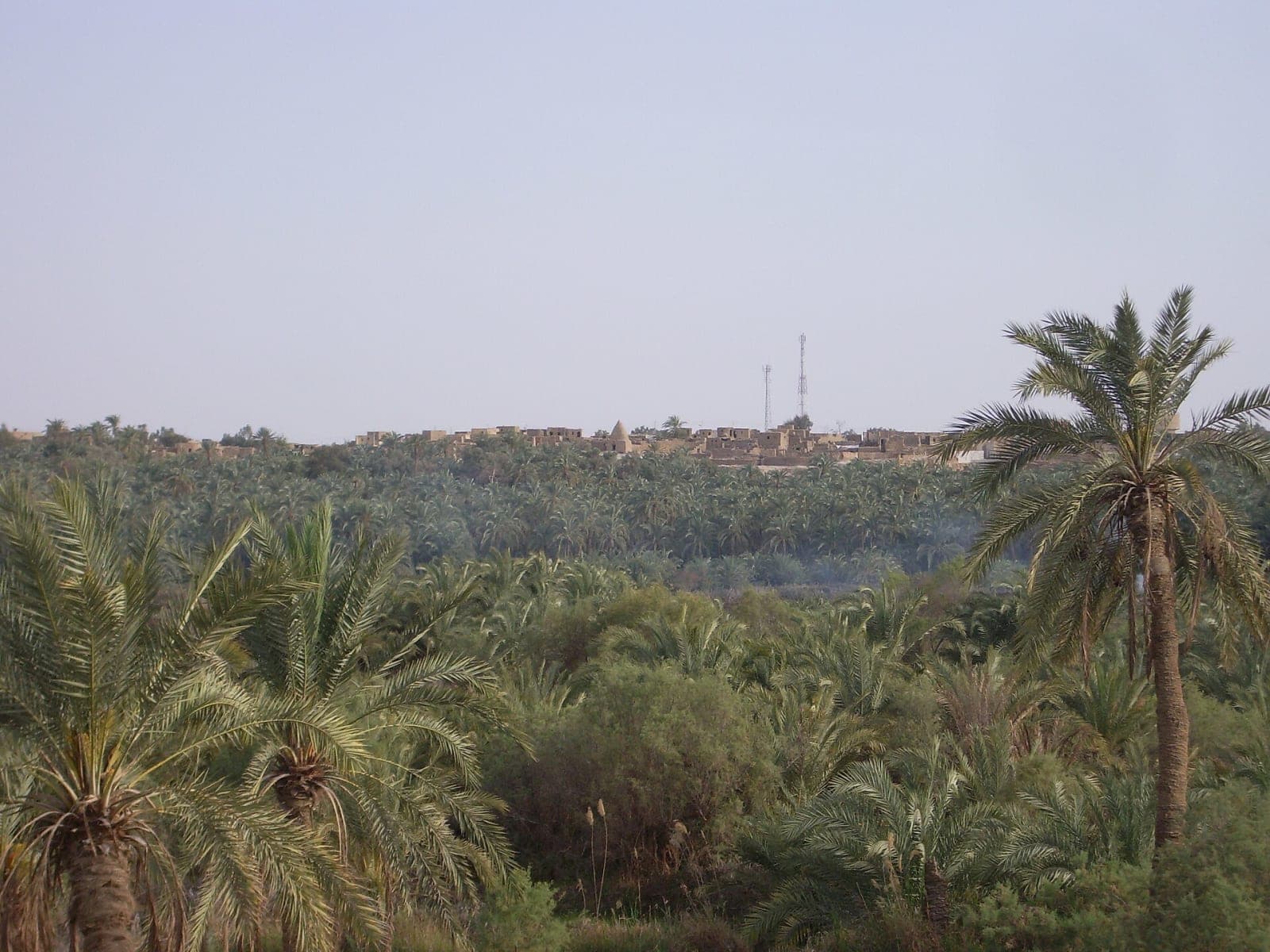
Green desert oasis and gateway to the sands
136 km away
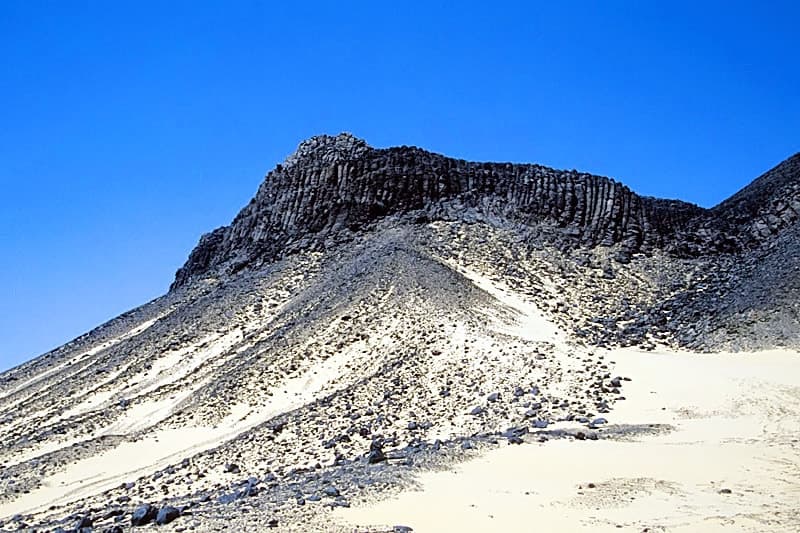
Volcanic hills capped with black stone
110 km away
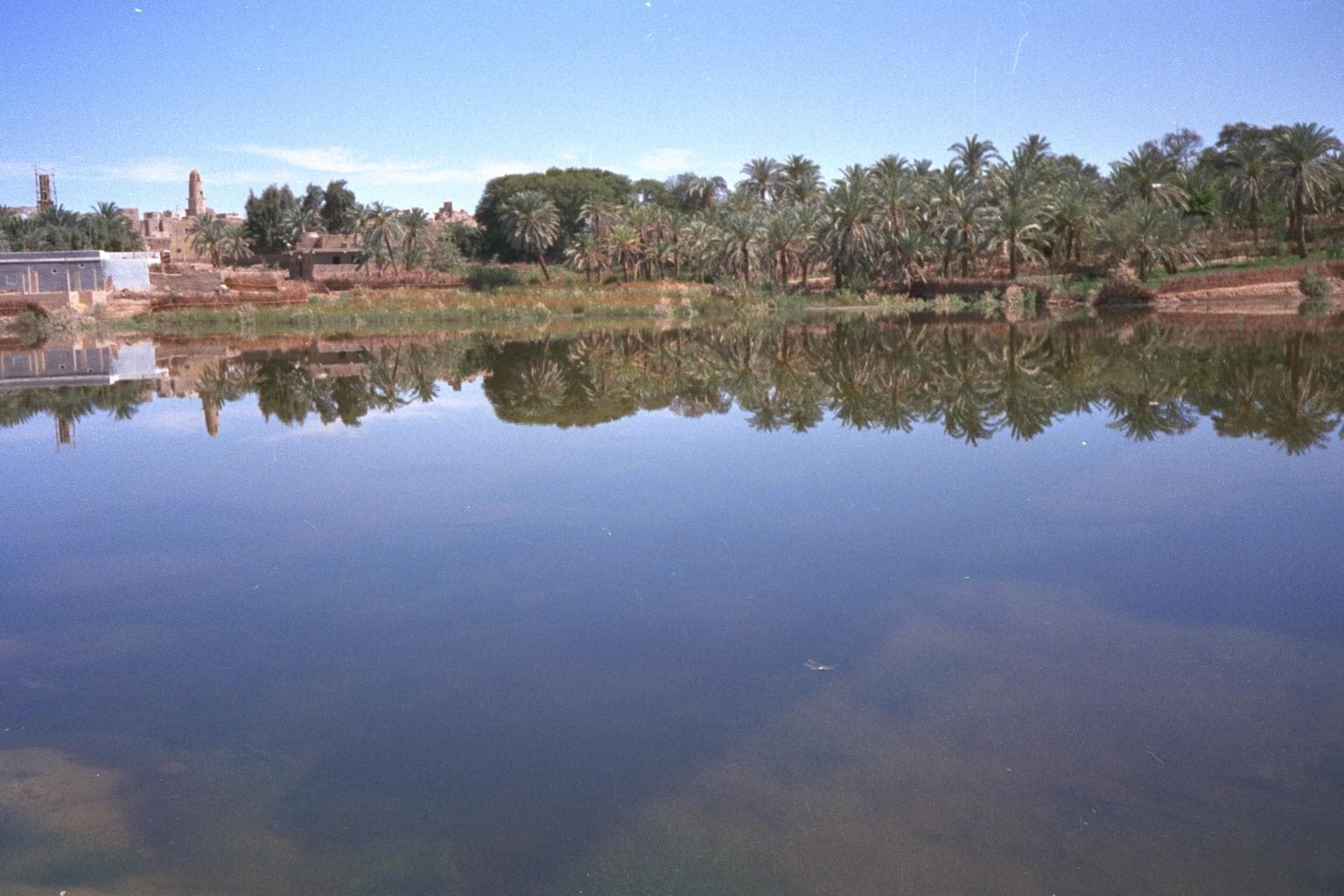
Green oasis with a medieval Islamic town
213 km away
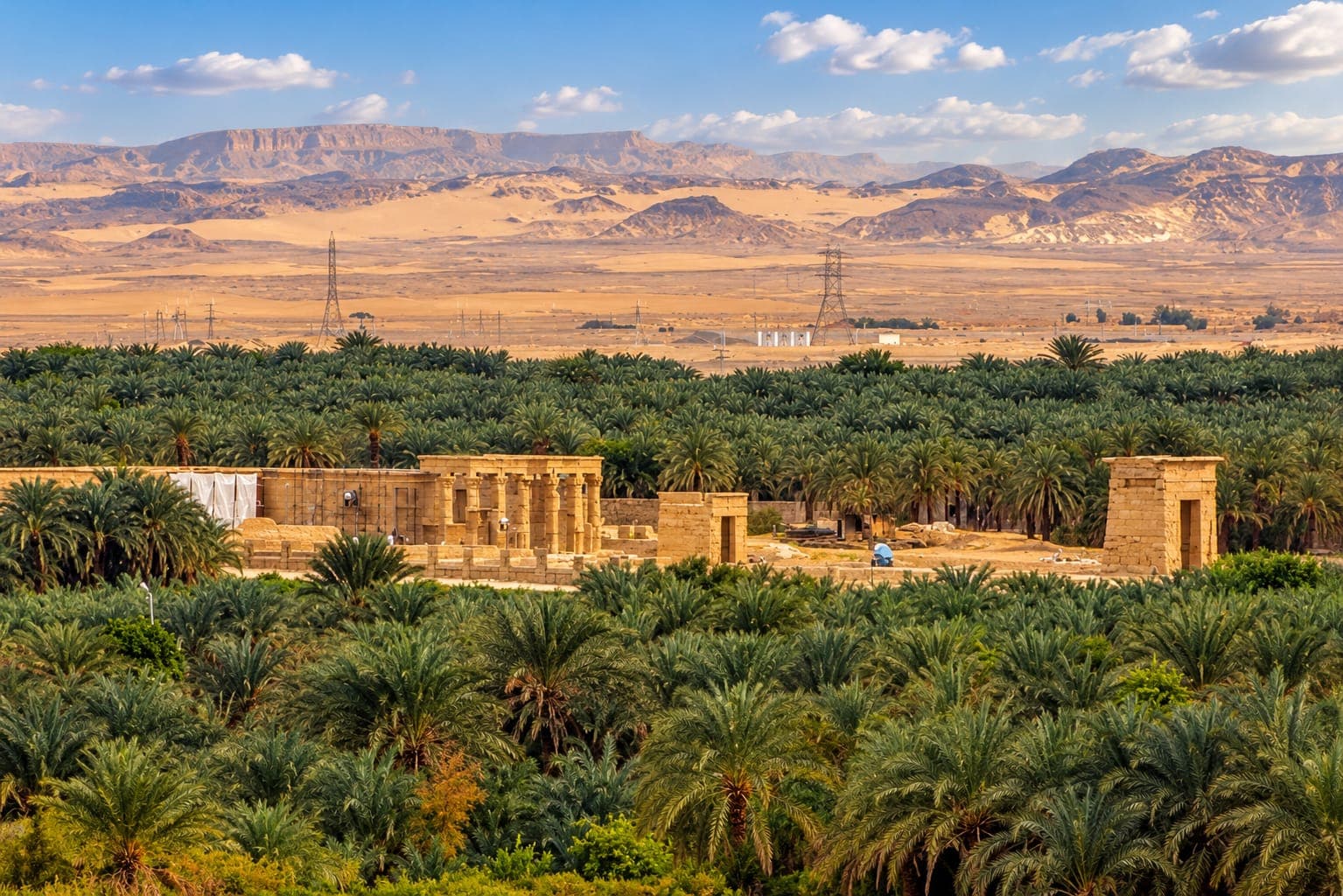
Desert oasis with temples and ancient forts
309 km away
Book a ready-made tour or use the designer above to build your own plan.





Hand-picked tours our guests love — top quality at reasonable prices, curated by Helios for your trip.