
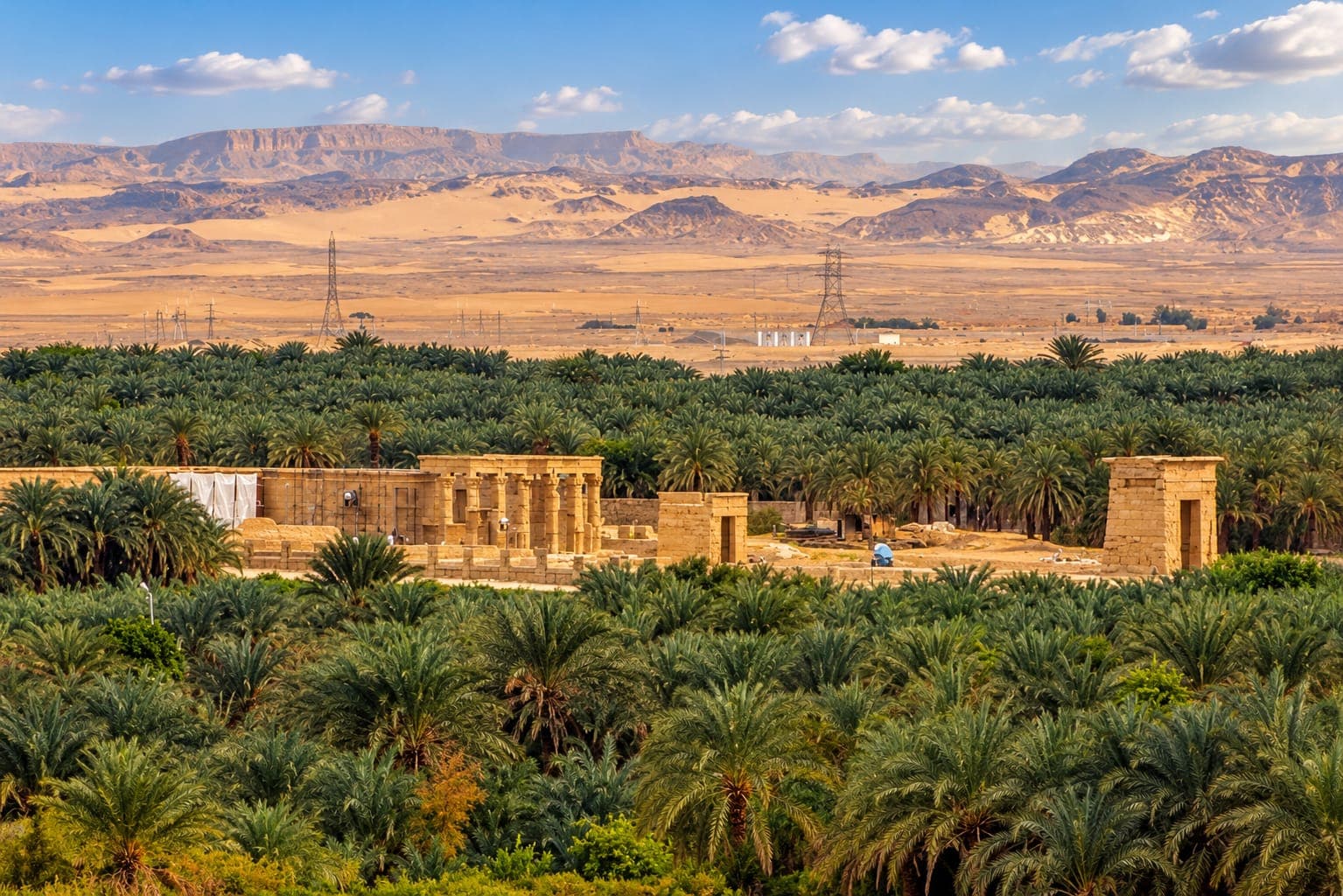
Desert oasis with temples and ancient forts
Kharga Oasis
Typical visit: 2 h 30 m
The largest of the Western Desert oases, dotted with Persian-era temples and Roman forts.
Photos
About
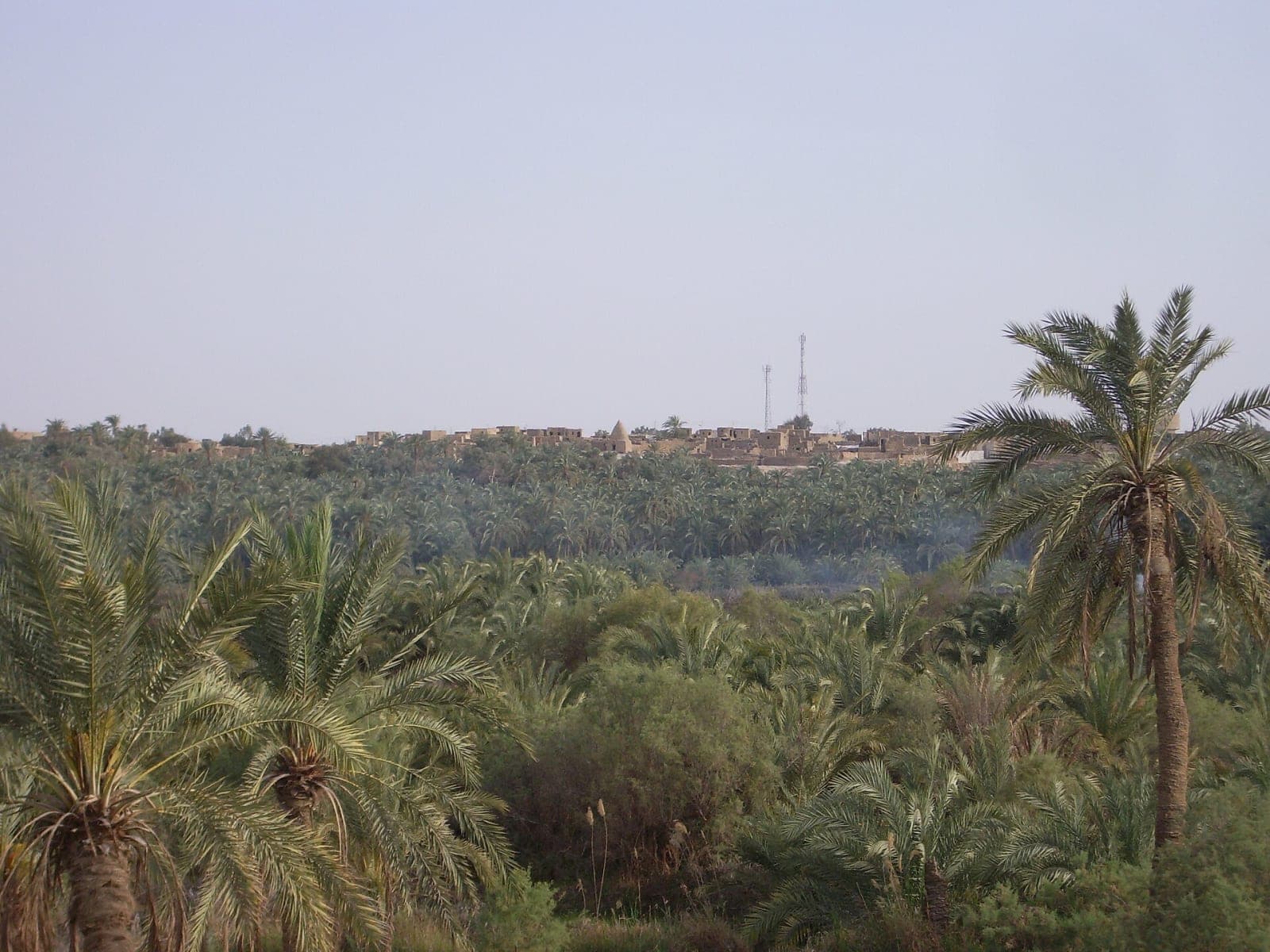
The largest and southernmost of the New Valley oases, and the administrative centre of the region. Kharga town itself is modern and functional; the reason to come is what lies scattered around it in the desert.
The two major sites
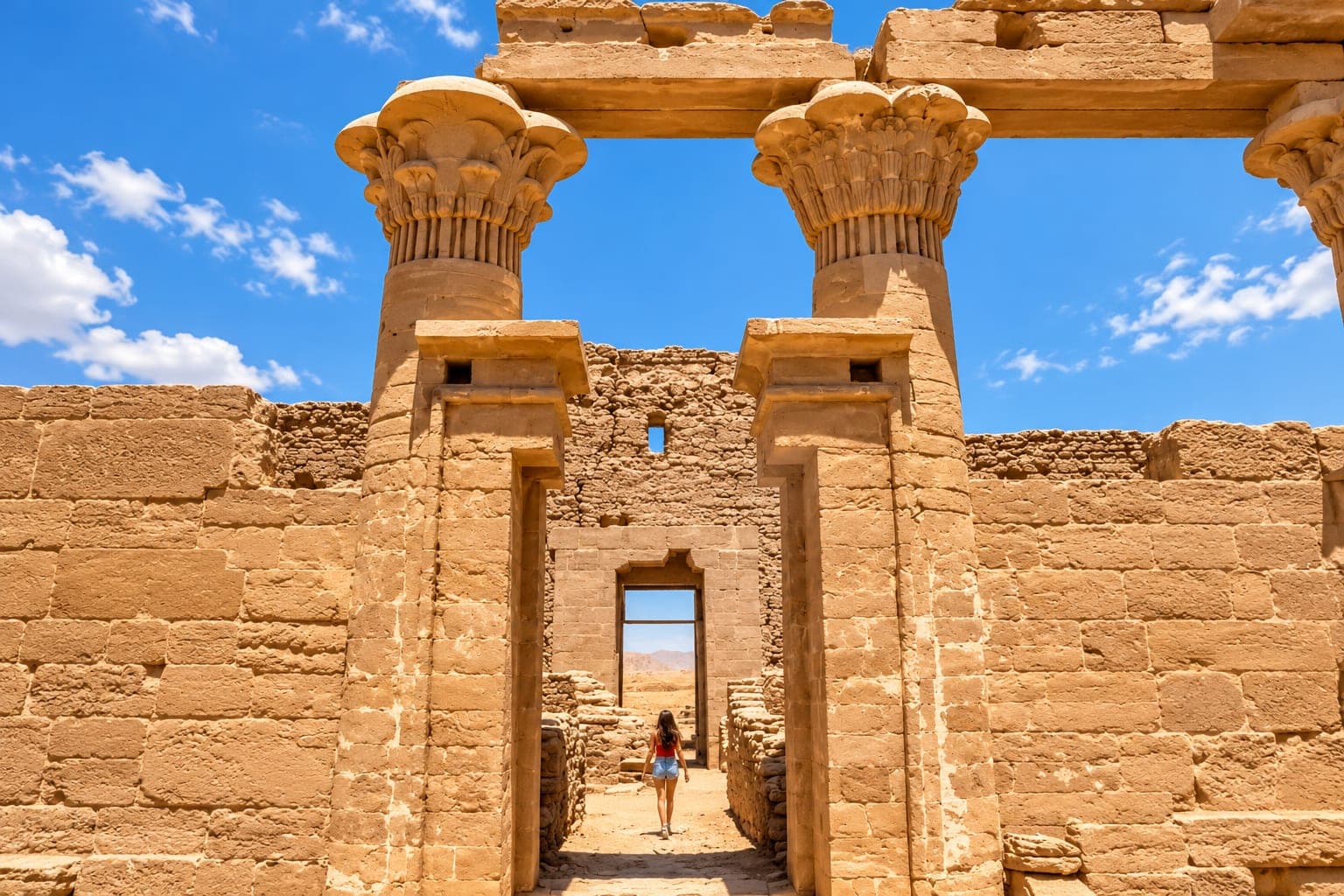
- The Temple of Hibis — the best-preserved temple in Egypt from the Persian period, built under Darius I in the 6th century BCE. Egyptian in every respect, raised by a Persian king who ruled Egypt as pharaoh
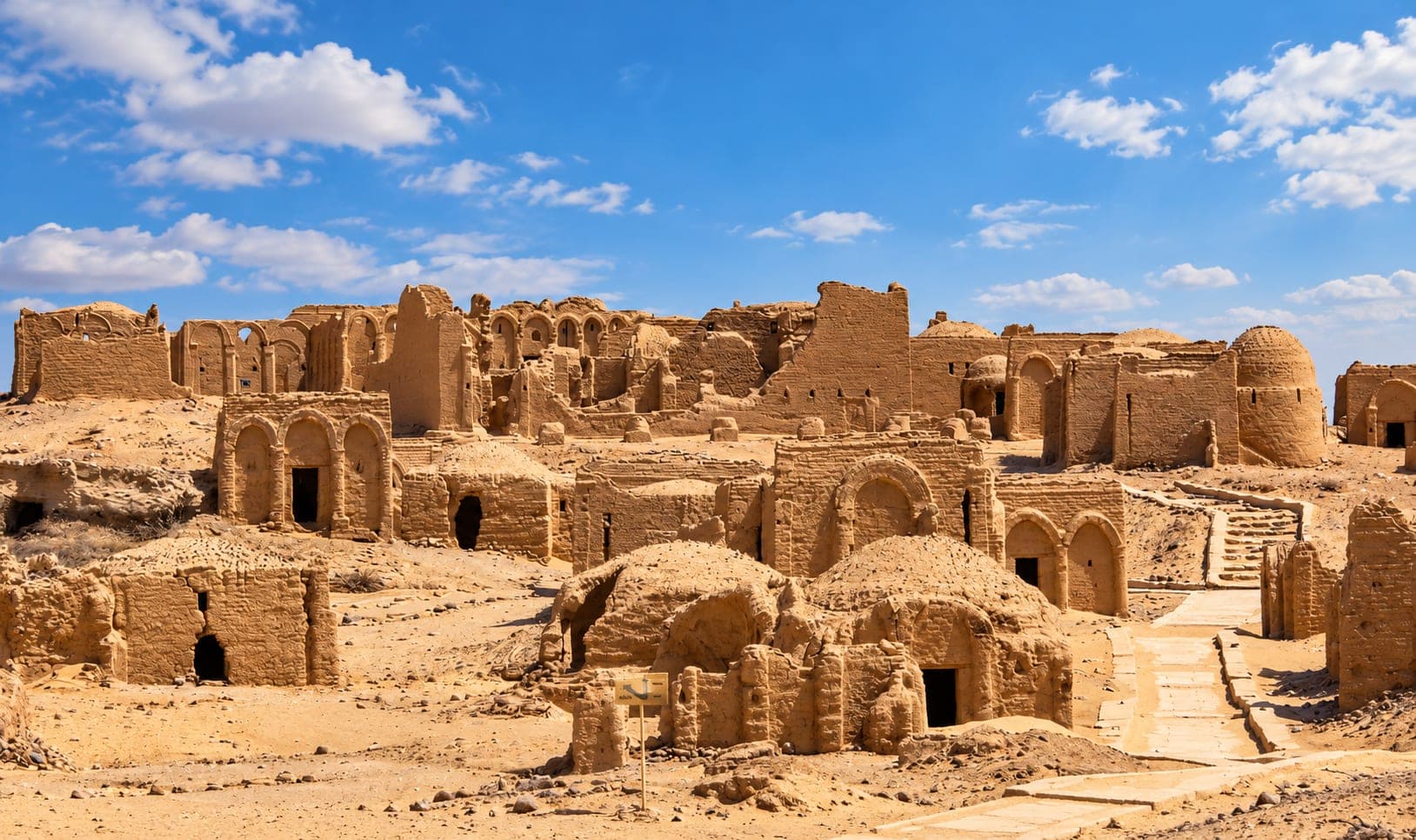
- The Bagawat necropolis — several hundred mudbrick chapels on a hillside, one of the oldest Christian cemeteries in the world, with interiors painted in biblical scenes
Also here
A chain of mudbrick fortresses runs through the oasis — Qasr el-Ghueita, Qasr el-Zayyan, Qasr el-Labekha and others — built to guard the caravan road. Several are dramatic, and almost nobody visits them.
History & background
Kharga sat on the Darb al-Arba'in, the Forty Days Road, which ran from Darfur in Sudan through the western oases to Asyut on the Nile. It was one of the longest and most heavily used caravan routes in Africa, carrying camels, ivory, ostrich feathers, gum and — for many centuries — enslaved people northwards.
The oasis was a compulsory stop on that road, and the forts strung across it exist to control and tax the traffic. Everything about Kharga's ancient importance follows from being the place where a desert crossing had to stop for water.
The Christian chapels
Bagawat is the site's most remarkable survival. Its chapels were built between roughly the 3rd and 7th centuries CE, when this remote oasis held a substantial Christian community — partly because Kharga was where the Roman and Byzantine authorities sent people they wanted out of the way. Bishops exiled during doctrinal disputes were despatched here, including, at one point, Nestorius.
Two chapels retain painted interiors. The Chapel of the Exodus shows the Israelites leaving Egypt, painted in an oasis on the edge of nothing; the Chapel of Peace has Adam and Eve, Noah's ark, Daniel, and a personification of Peace itself. They are unpolished, provincial and completely charming, and they are among the earliest Christian paintings anywhere.
The New Valley
In the 1950s and 60s Egypt attempted to resettle population from the crowded Nile valley into the oases, drilling deep wells into the fossil aquifer beneath the desert. The scheme gave the region its modern name and its towns. The aquifer, however, is not recharging — the water fell as rain thousands of years ago, and it is being spent.
Design your own day-by-day schedule
Pick how many days you have, add attractions per day, and see average activity and travel times between cities.
See it with
Places that carry the same story forward, or sit close enough to take in the same day.
 Same period
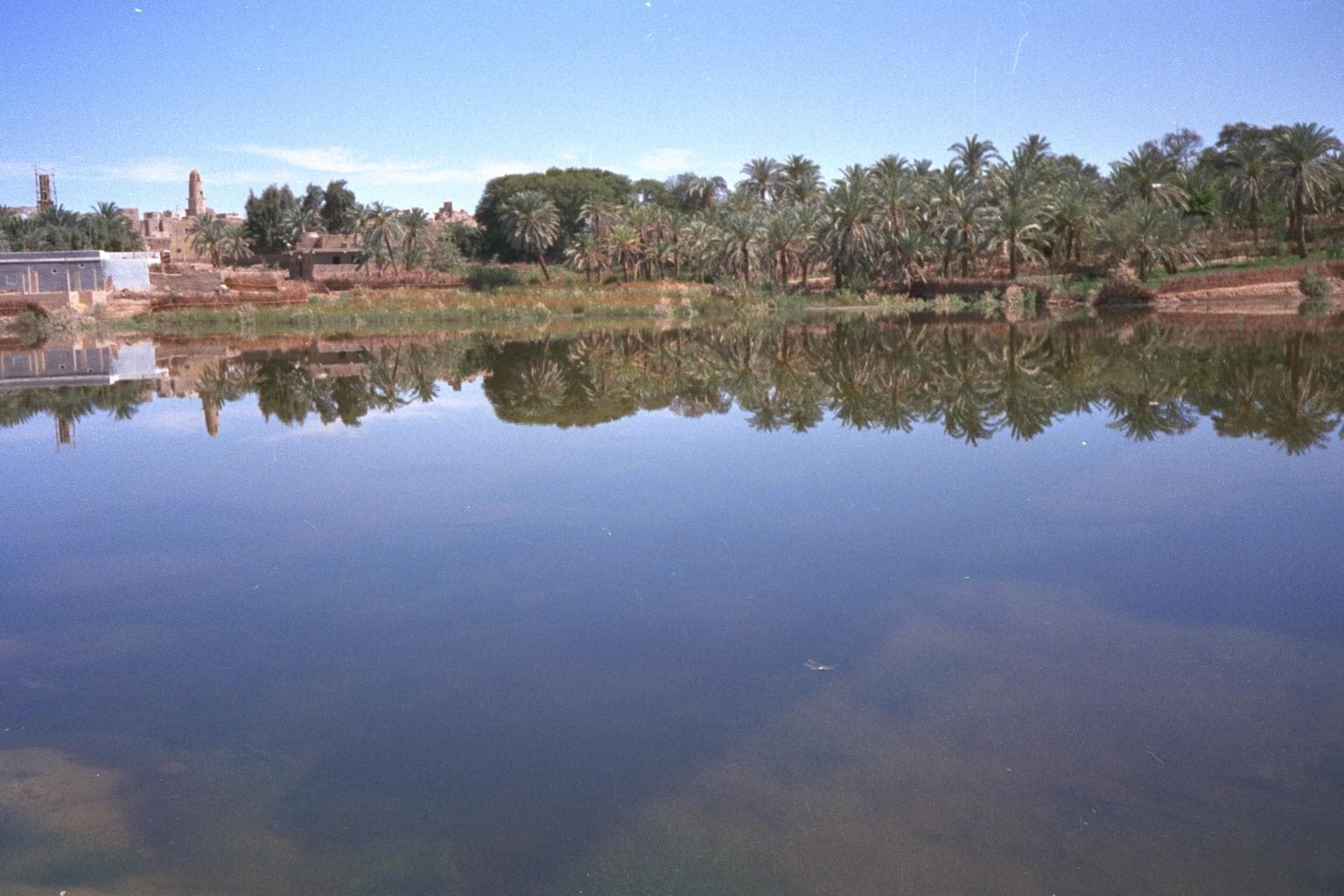
Bahariya Oasis
Green desert oasis and gateway to the sands
363 km away
 Same period
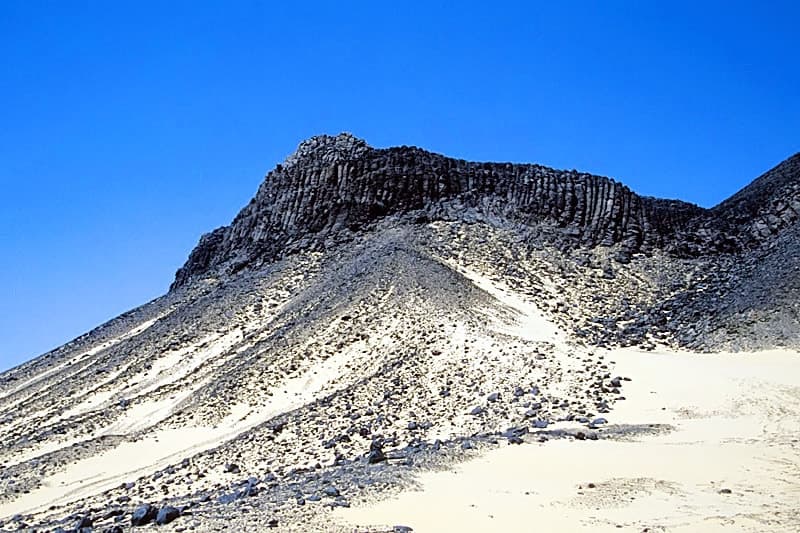
Black Desert
Volcanic hills capped with black stone
350 km away
 Same period
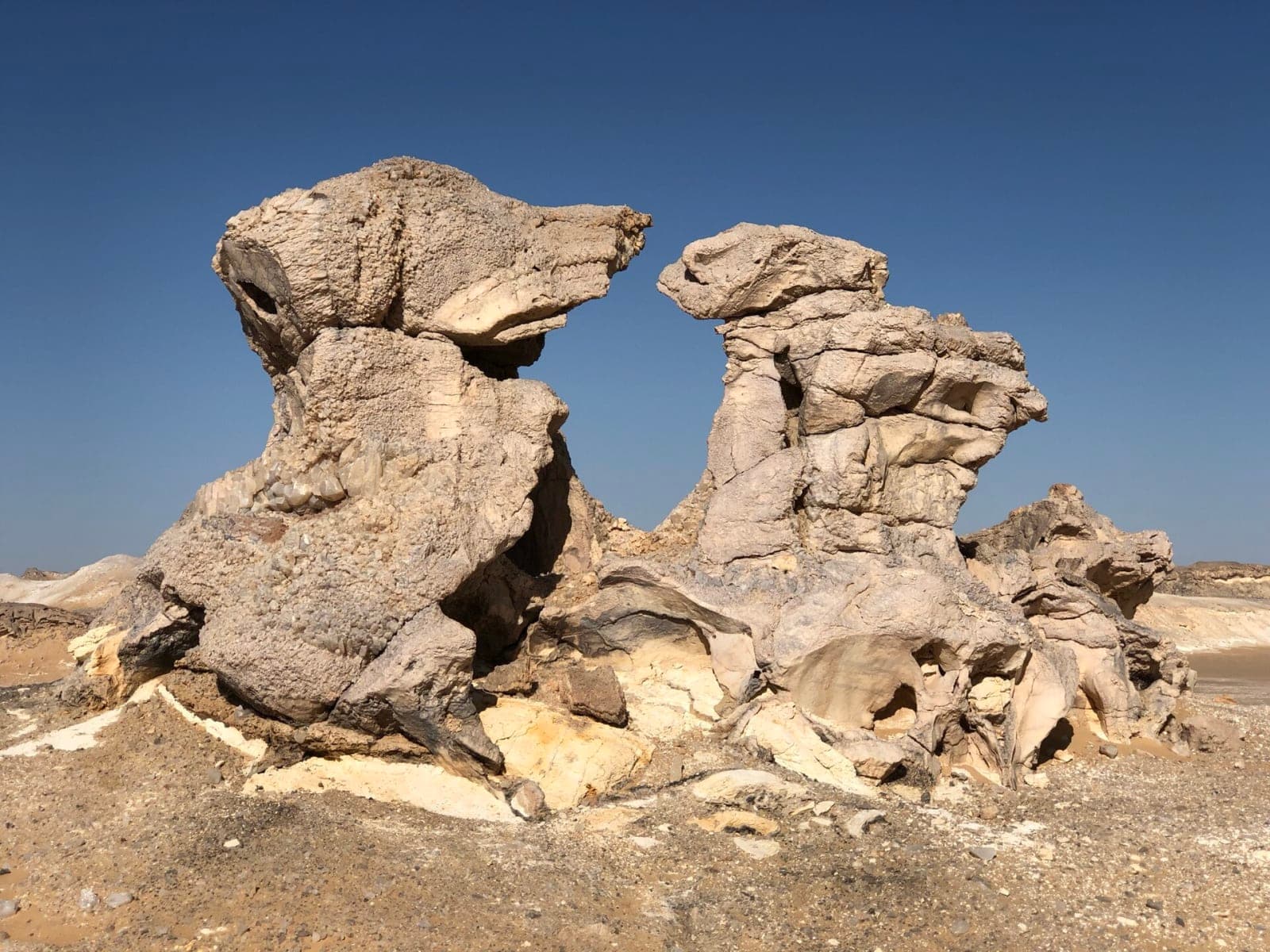
Crystal Mountain
Glittering ridge of natural quartz crystals
323 km away
 Same period
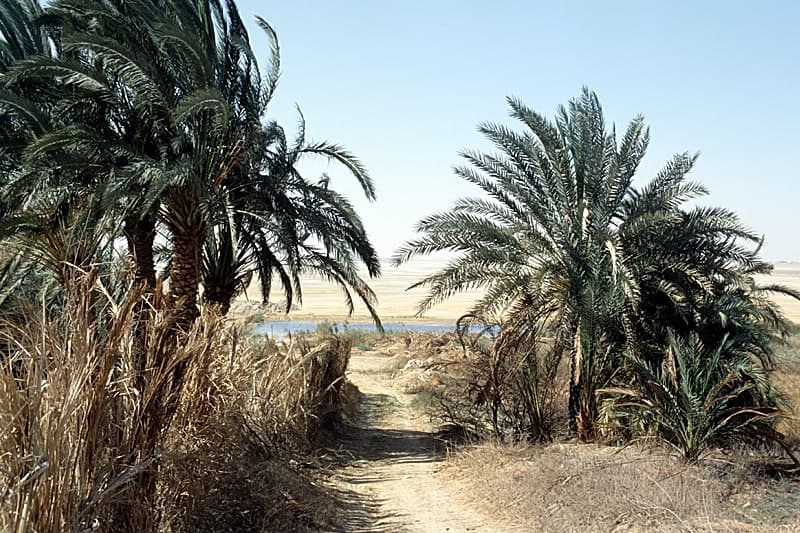
Dakhla Oasis
Green oasis with a medieval Islamic town
157 km away
 Same period
Farafra Oasis
Sleepy oasis and gateway to the White Desert
313 km away
 Same period
White Desert
Surreal chalk rock formations
309 km away
Tours that include this attraction
Book a ready-made tour or use the designer above to build your own plan.
No matching tours yet — contact us for a custom itinerary.