


Egypt in 12 Days
From $2,700 / person12 daysIncludes 2 h at this sight
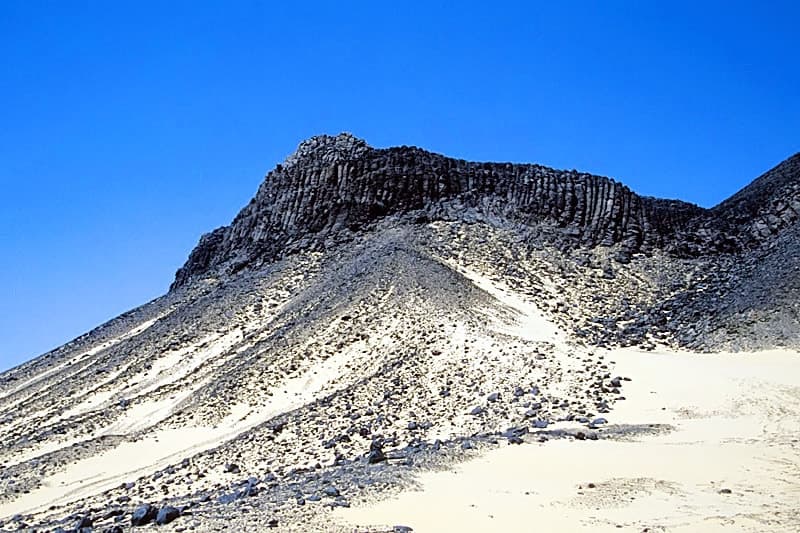
Volcanic hills capped with black stone
Typical visit: 2 h
A stark expanse of orange sand studded with black, volcano-shaped hills near Bahariya.
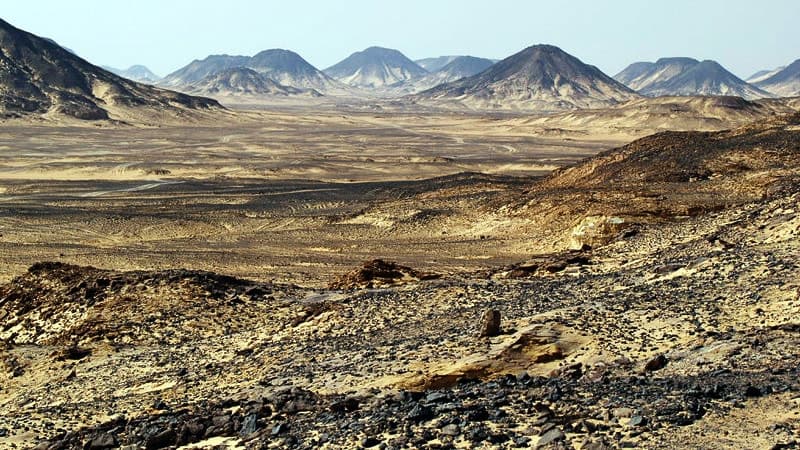
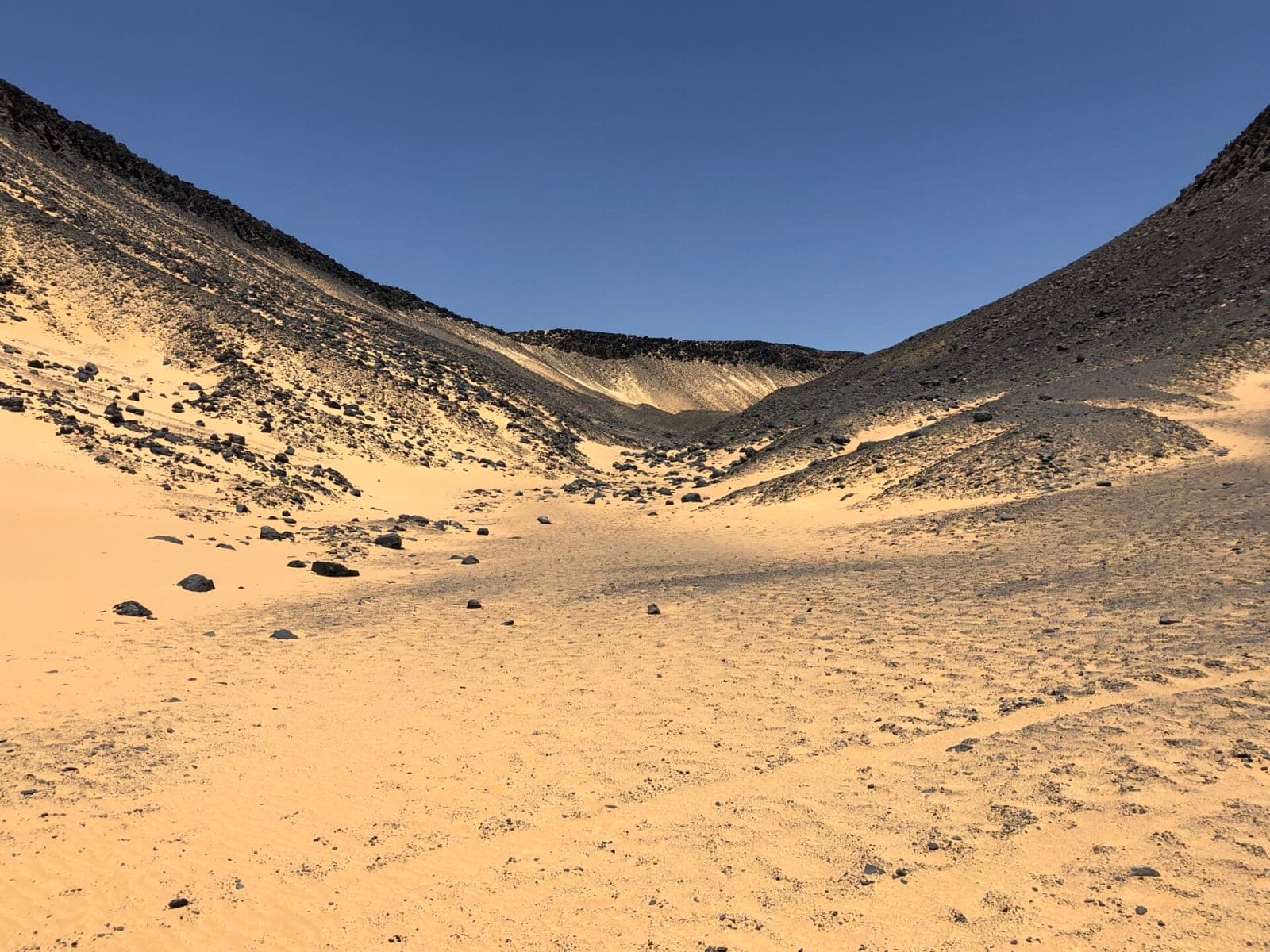
An hour south of Bahariya the pale desert turns dark. Low, flat-topped hills stand scattered across an orange-brown plain, each one dusted and streaked with black — a scatter of dark volcanic gravel lying over softer sandstone underneath.
It is a stop rather than a destination: most trips pause here for half an hour on the way to the White Desert, climb one of the cones for the view, and move on. It is worth the climb. From the top the pattern is obvious — dozens of dark caps stretching to the horizon, with pale sand running between them.
Nearby, Crystal Mountain is a small ridge of quartz and calcite that glitters in low sun, with a natural arch you can walk through. Do not collect the crystals; the site is visibly poorer than it was.
The black is basalt — the remains of volcanic activity roughly 180 million years ago, when magma pushed up through the sandstone and spread out in sheets. Those sheets were harder than everything around them. As wind and the occasional flash flood stripped the softer rock away over millions of years, the basalt caps stayed, protecting the material directly beneath them and leaving the flat-topped hills you see.
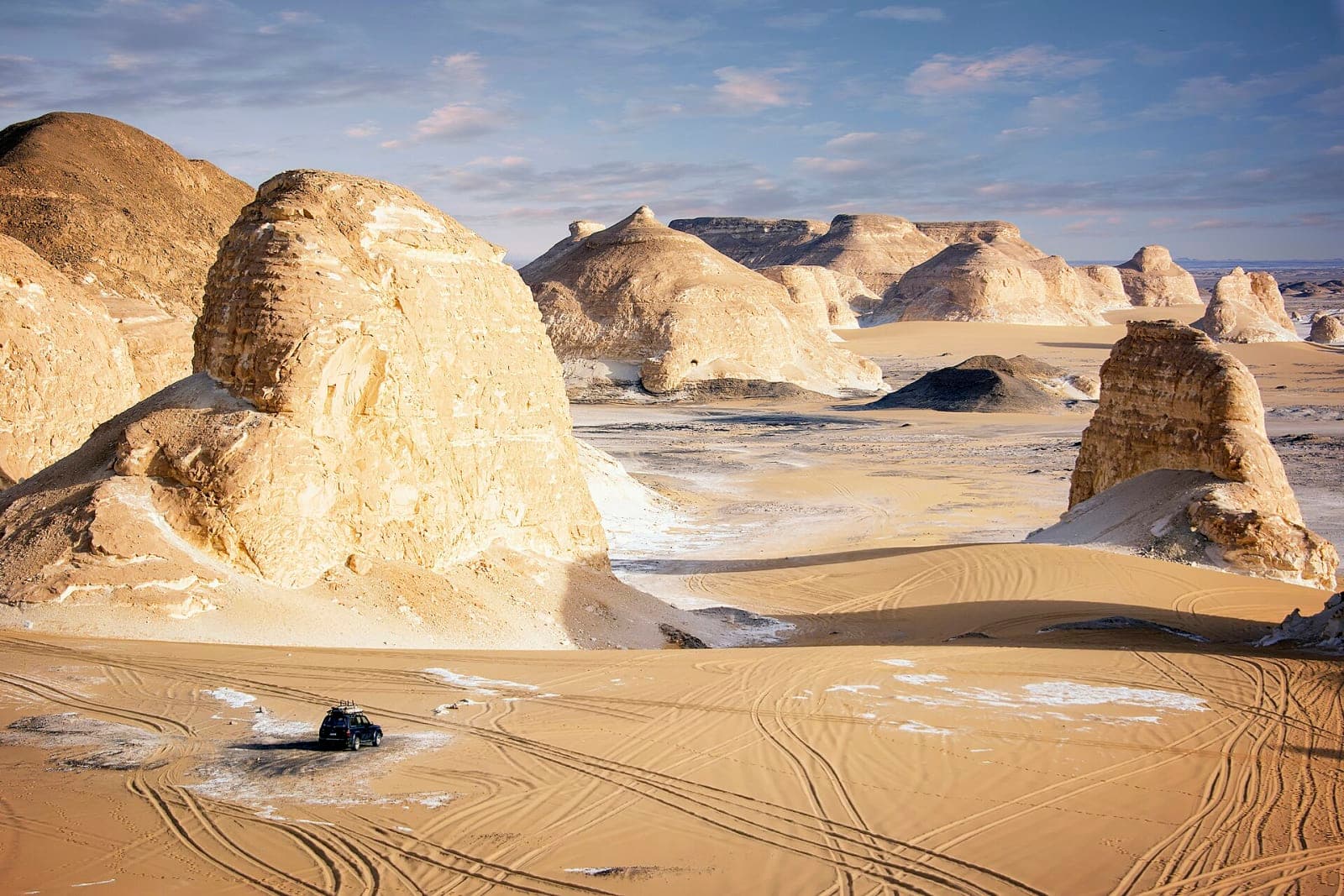
It is the same process that shaped the White Desert forty kilometres north, running on different material — hard cap, soft body, and a very long time.
This route is not new. The Darb al-Arba'in, the Forty Days Road, ran from Darfur through the western oases to Asyut on the Nile, and was one of the longest caravan routes in Africa — a trade in camels, ivory, ostrich feathers and, for centuries, enslaved people. Bahariya sat on a branch of that network, and the oases were the only reason any of it was survivable.
The oasis behind you has been inhabited continuously since antiquity, and in 1996 a donkey stumbled into a hole near a temple there. The hole led to what became known as the Valley of the Golden Mummies — a Greco-Roman cemetery holding, by some estimates, ten thousand burials, many gilded and painted. Only a fraction has been excavated.
Pick how many days you have, add attractions per day, and see average activity and travel times between cities.
Places that carry the same story forward, or sit close enough to take in the same day.
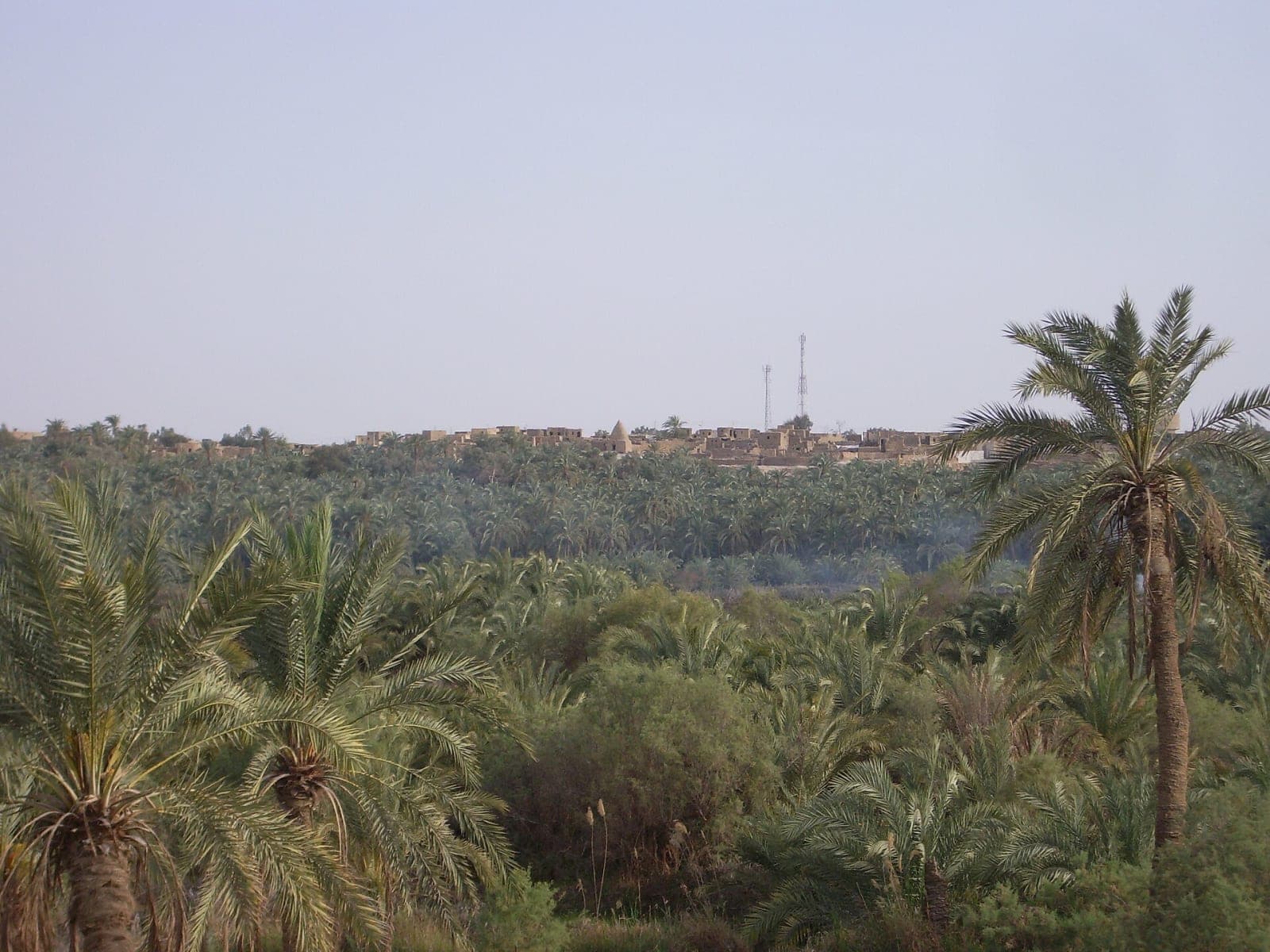
Green desert oasis and gateway to the sands
26 km away
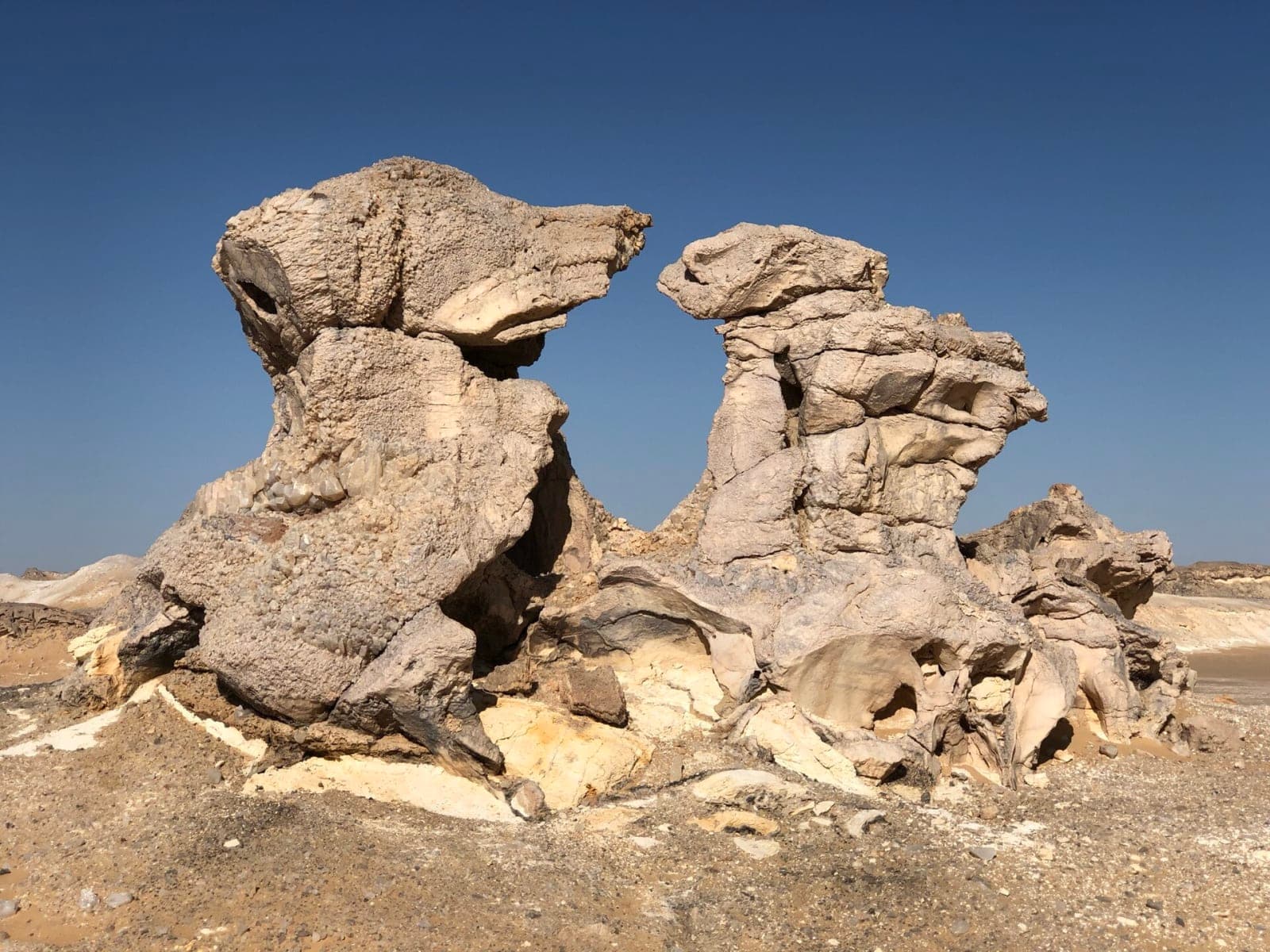
Glittering ridge of natural quartz crystals
62 km away
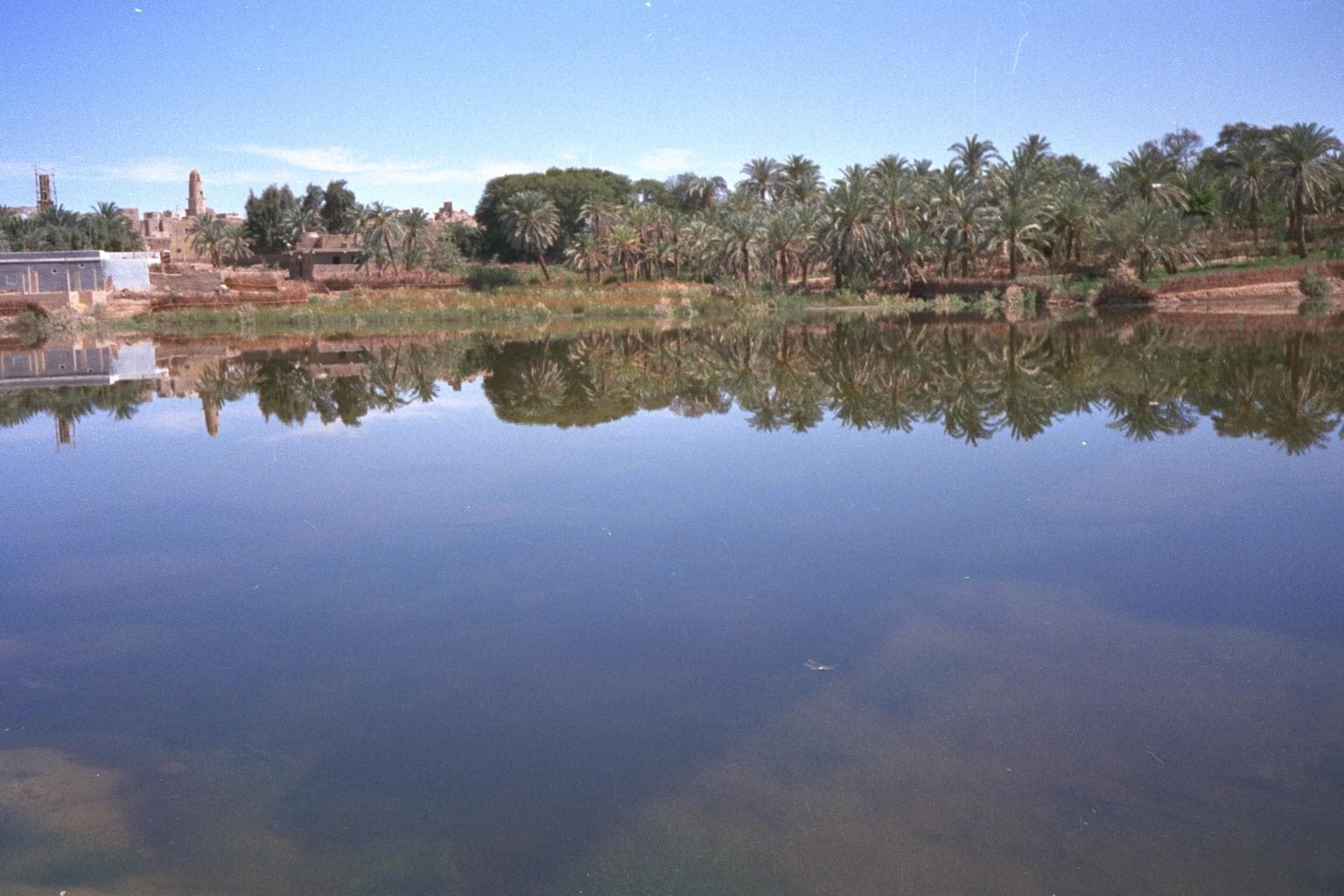
Green oasis with a medieval Islamic town
297 km away
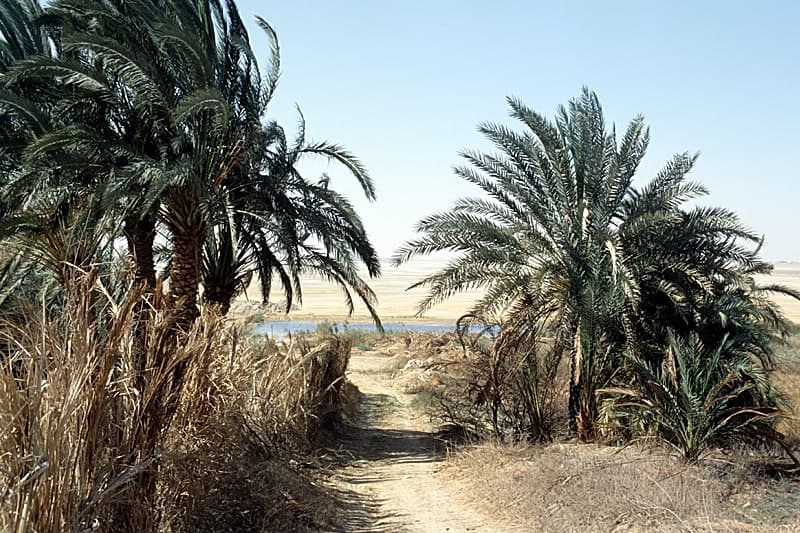
Sleepy oasis and gateway to the White Desert
143 km away
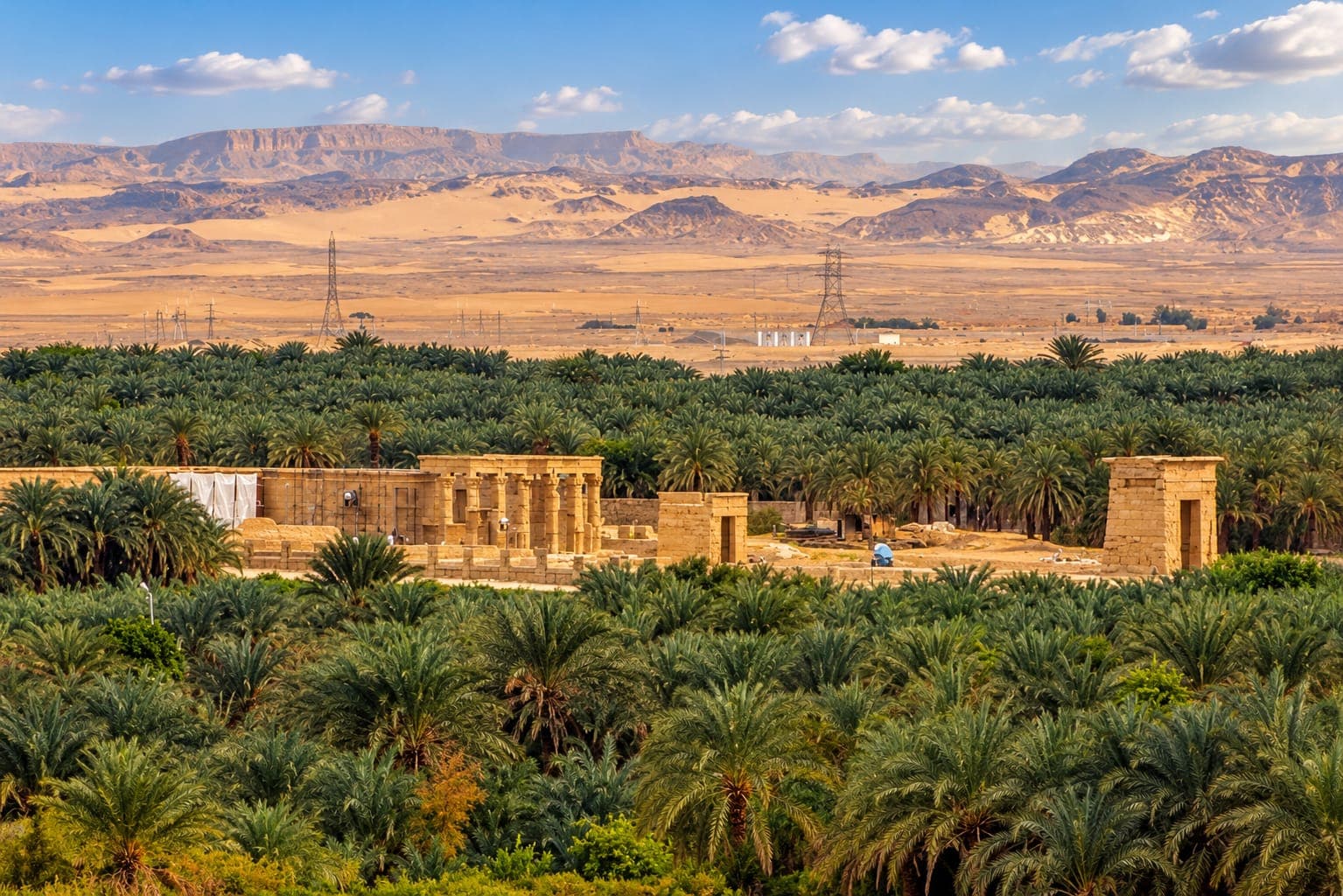
Desert oasis with temples and ancient forts
350 km away
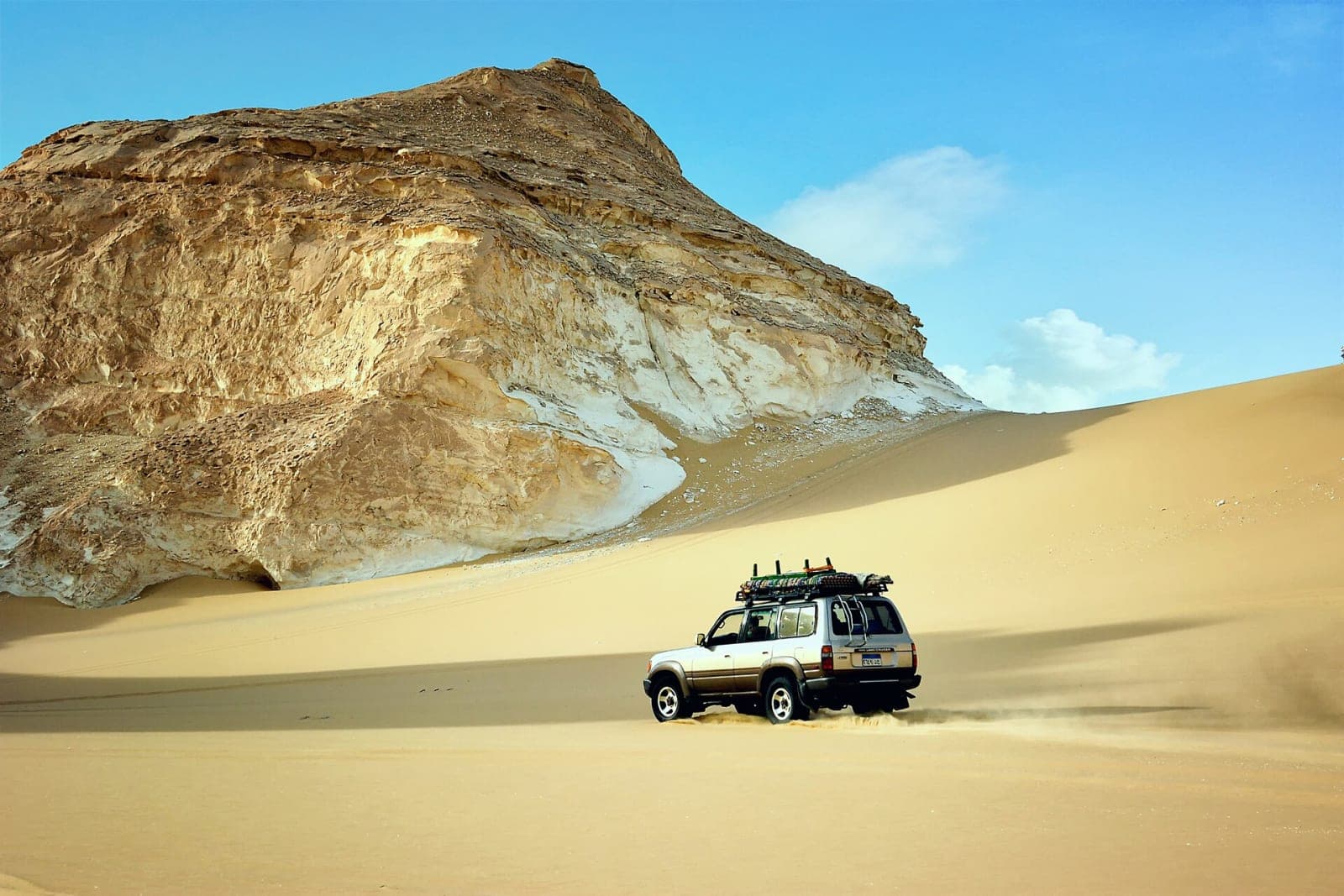
Surreal chalk rock formations
110 km away
Book a ready-made tour or use the designer above to build your own plan.

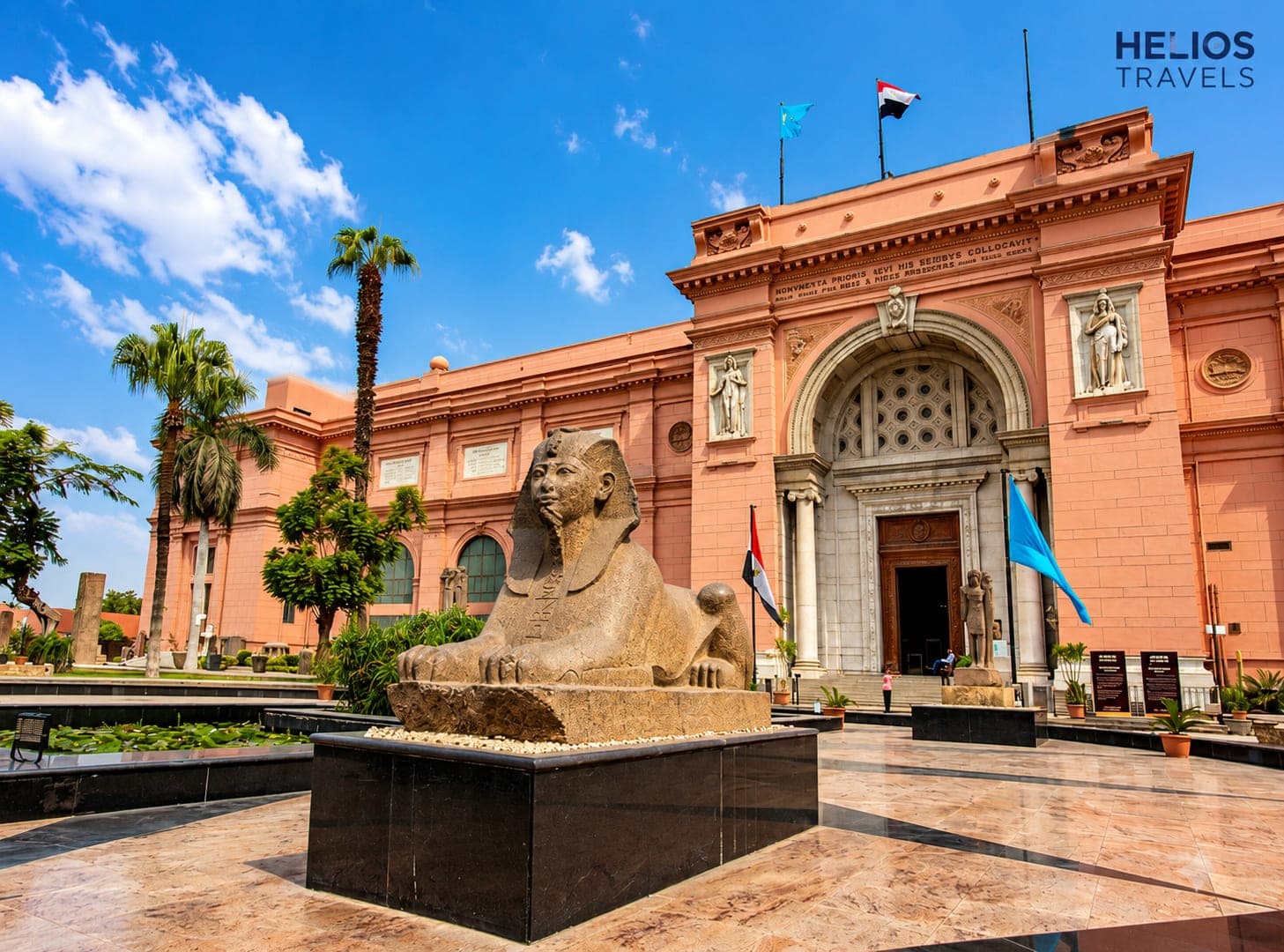

Hand-picked tours our guests love — top quality at reasonable prices, curated by Helios for your trip.