

Egypt in 16 Days · special
From $4,323 / person16 daysIncludes 1 h at this sight
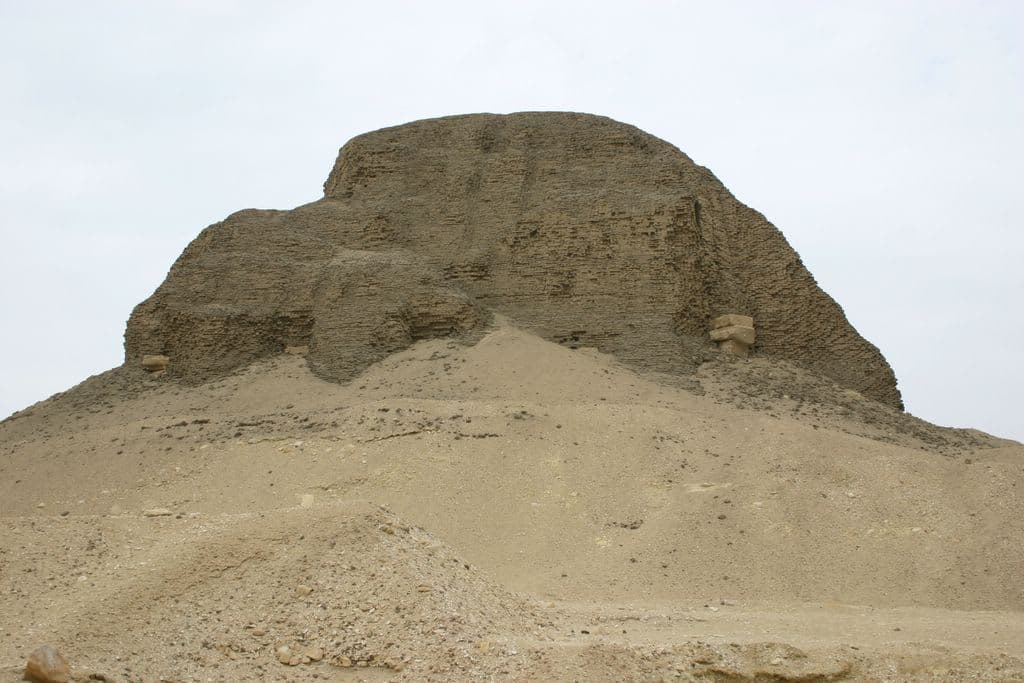
Mudbrick pyramid of Senusret II
Typical visit: 1 h
Period: 1880 BC · Middle Kingdom
A ruined mudbrick pyramid at the entrance to the Fayoum, built for the 12th-Dynasty king Senusret II.


A weathered mudbrick pyramid at the mouth of the Fayoum, built for Senusret II in the 12th Dynasty. Its limestone casing was stripped long ago, leaving the eroded brick core standing on a knoll of natural rock — from a distance it reads more as a hill than a monument.
It is a quiet, rarely visited site, and the interest is technical rather than scenic. Around the base are the remains of the enclosure, subsidiary tombs and shafts, and to the east lies the ground of a lost town.
By the Middle Kingdom, every pyramid ever built had been robbed, and the architects knew exactly how it had been done. Lahun is the response.
The entrance is not on the north face, where two thousand years of custom said it should be and where every robber looked first. Instead, access was through concealed shafts on the southern side, outside the pyramid proper, leading into a complex of passages and a burial chamber lined in granite. The builders also cut a rock-hewn core into the natural knoll so less brick was needed and the structure sat on solid ground.
It did not save the burial, but it made a genuine difference: when Flinders Petrie worked here he took a long time to find the way in, and it is one of the more ingenious anti-theft designs in Egyptian architecture.
In 1914 his team found, in a flooded side chamber that had been overlooked, the jewellery of Princess Sithathoriunet — a crown, pectorals, bracelets and cosmetic vessels in gold, carnelian, turquoise and lapis, of a workmanship that stands with anything from Tutankhamun's tomb. It is now split between Cairo and the Metropolitan Museum in New York.
East of the pyramid stood Kahun, a planned settlement built to house the workforce and then the priests of the funerary cult. Petrie excavated it, and it remains one of the very few Middle Kingdom towns ever properly dug — a grid of streets, larger houses on one side and workers' rows on the other. Its rubbish produced the Kahun papyri, including a gynaecological text and a veterinary manual, both among the oldest medical documents in existence.
Pick how many days you have, add attractions per day, and see average activity and travel times between cities.
Places that carry the same story forward, or sit close enough to take in the same day.
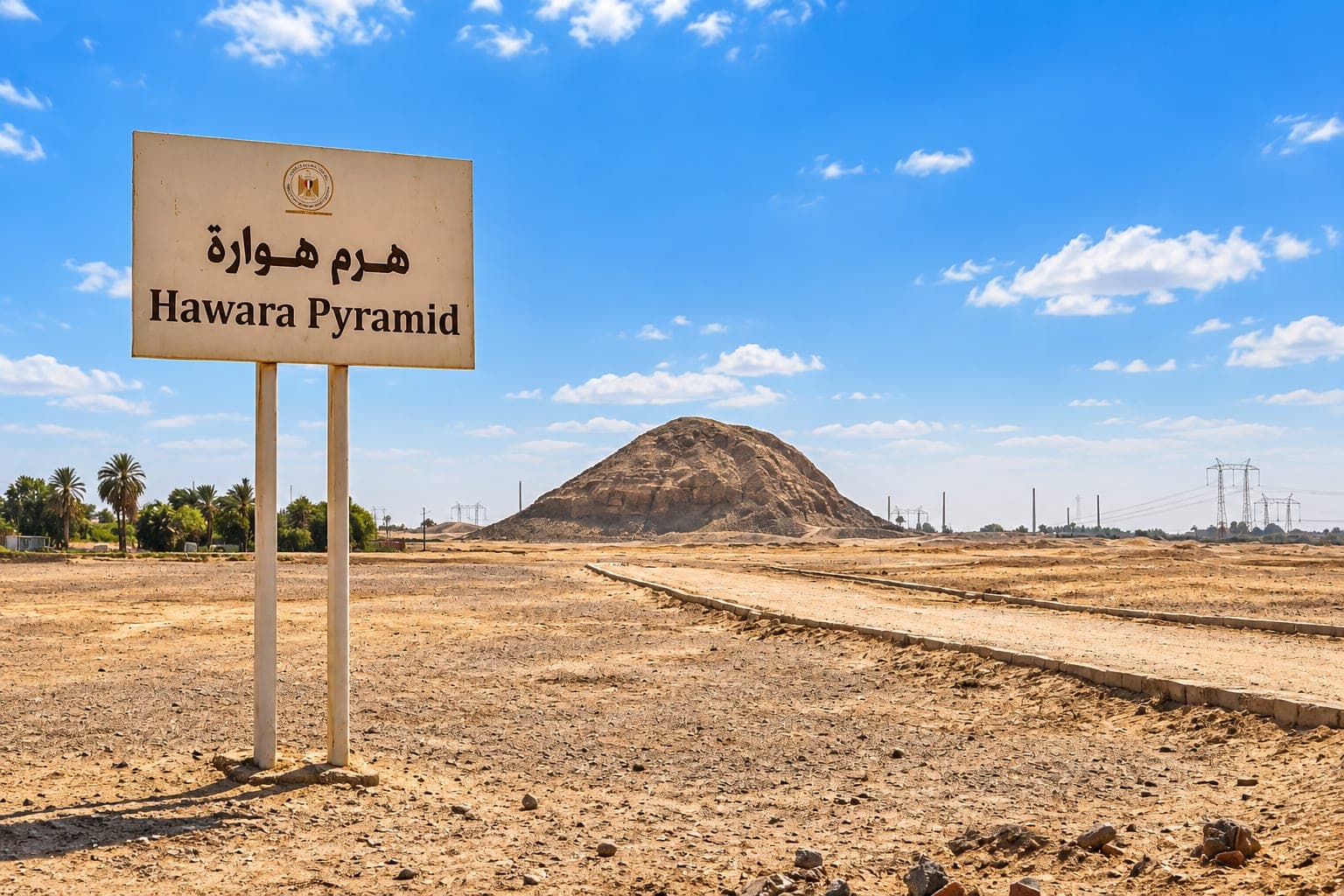
1850 BC · Middle Kingdom
8 km away
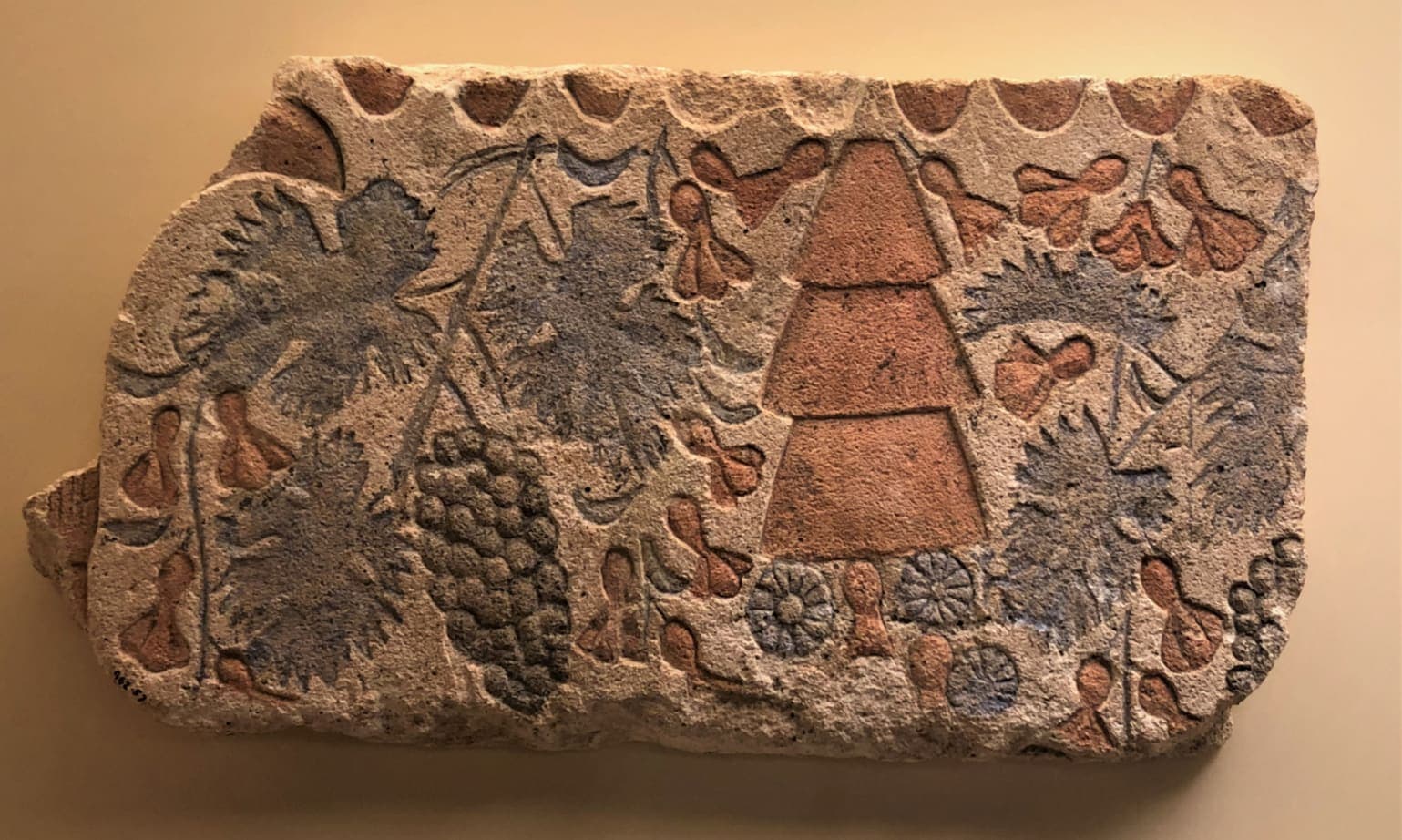
1346 BC · New Kingdom
177 km away
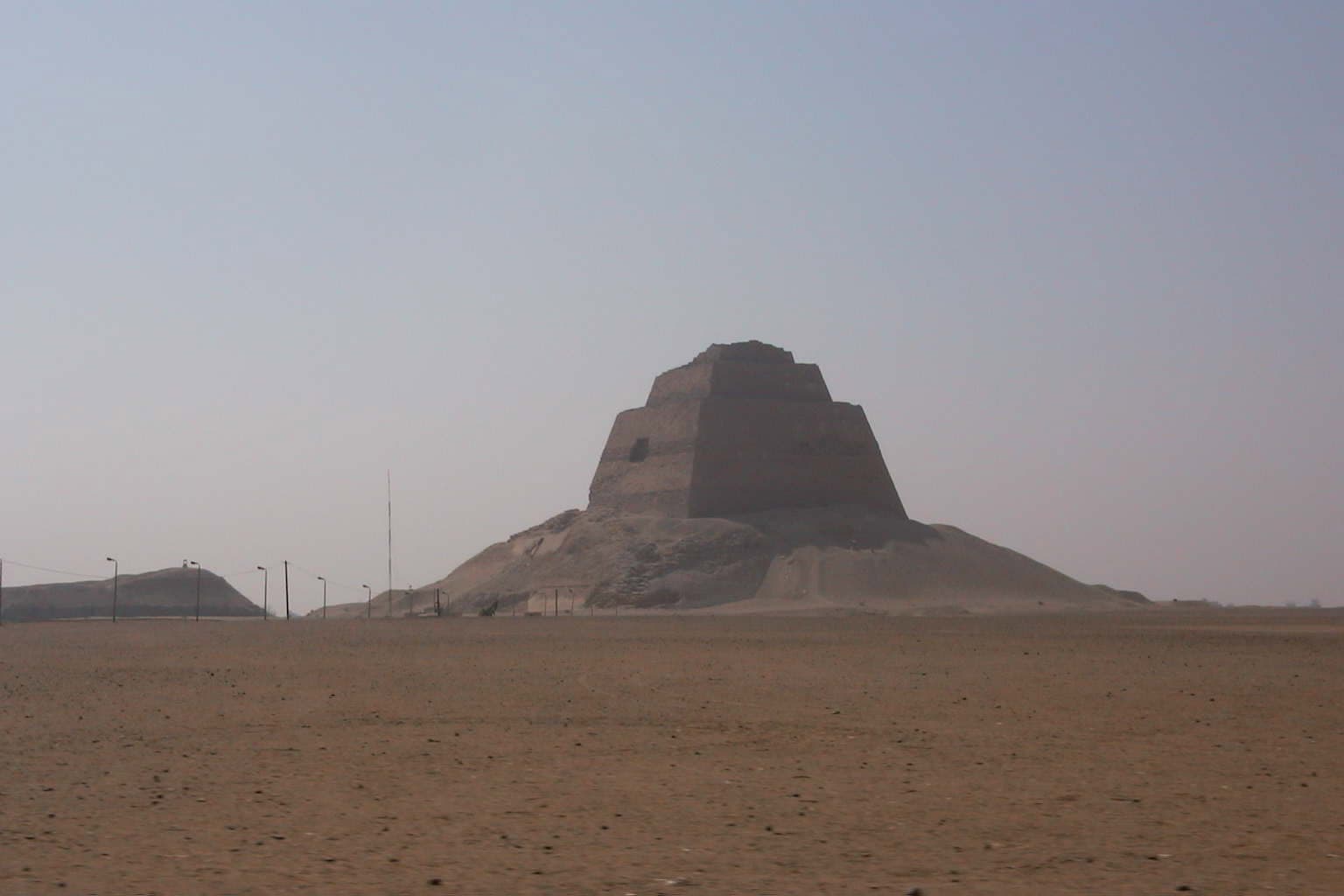
2600 BC · Old Kingdom
25 km away
1902 · Khedivial
94 km away
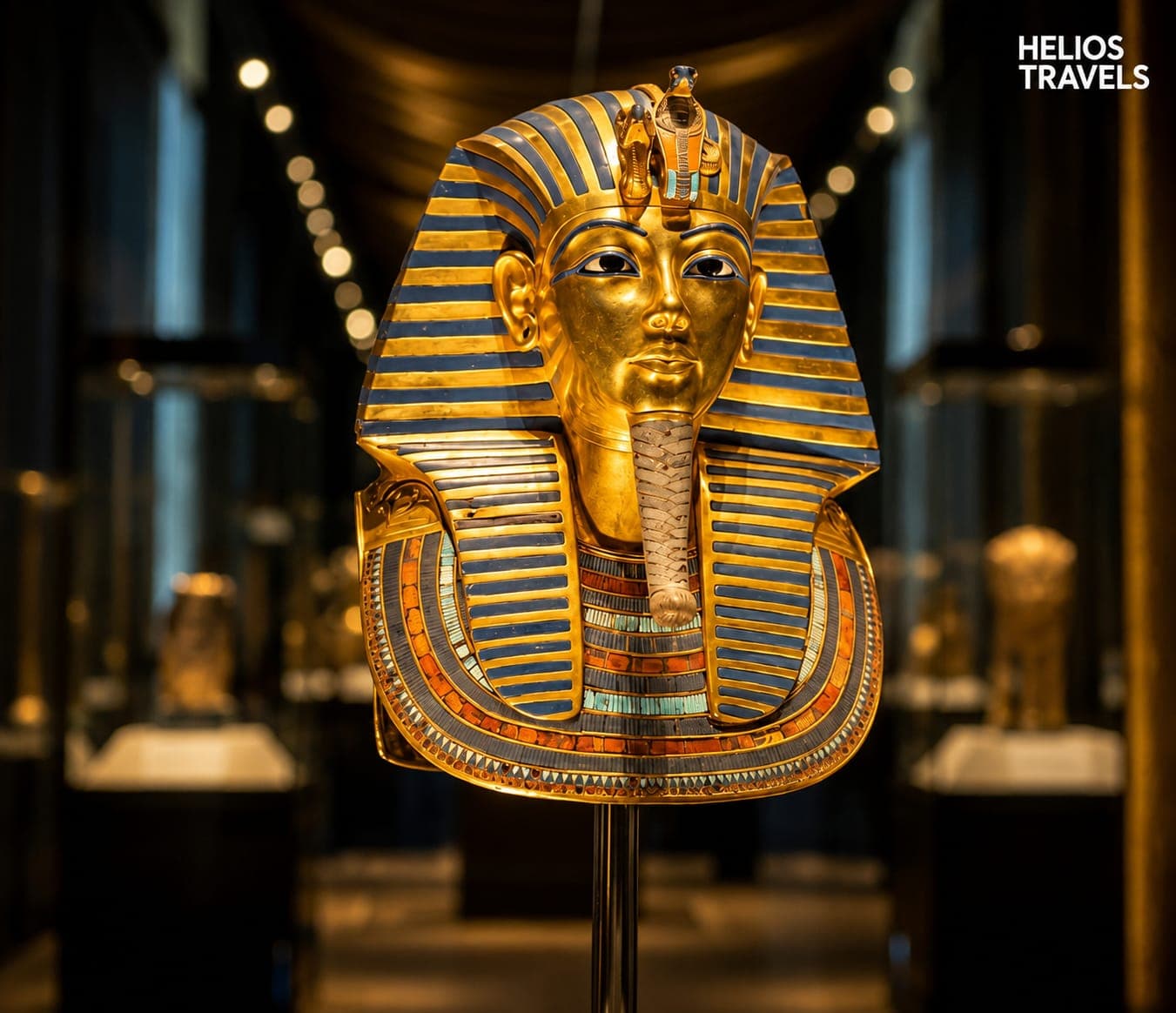
2023 · Contemporary
86 km away
2021 · Opened 2021
90 km away
Book a ready-made tour or use the designer above to build your own plan.
Hand-picked tours our guests love — top quality at reasonable prices, curated by Helios for your trip.