
Egypt in 16 Days · special
$2,690From $2,152 / person-20% Summer16 daysIncludes 1 h at this sight
Amenemhat III's pyramid and the lost Labyrinth
Typical visit: 1 h
Period: 1850 BC · Middle Kingdom
A weathered mudbrick pyramid in the Fayoum, once fronted by the legendary Labyrinth of antiquity.


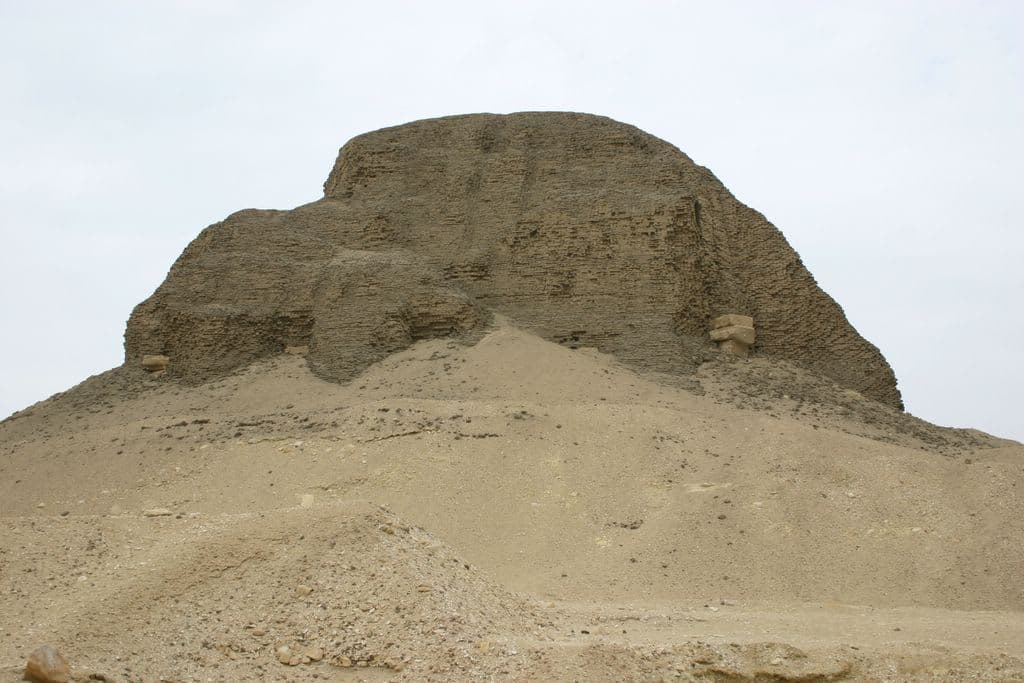
A slumped mudbrick mound in the Fayoum, badly eroded and easy to drive past. It was the pyramid of Amenemhat III, and the ruin beside it — a low field of limestone chips and depressions — was once, by the account of every ancient writer who saw it, more impressive than the pyramids themselves.
There is little to look at now. Come for what is documented rather than what is standing, and pair it with Lahun and Lake Qarun.
Herodotus visited in the 5th century BCE and described a building he called the Labyrinth: a mortuary temple of twelve roofed courts and three thousand rooms, half above ground and half below, its passages so confusing that a guide was essential. He wrote that it surpassed even the pyramids, and that the underground level — which he was not allowed to enter — held the tombs of kings and of sacred crocodiles. Strabo and Pliny described it too.
It is essentially gone. Later builders quarried the site down to its foundations for stone, and the Labyrinth survives only as a scatter of chips over several hectares, plus the ancient accounts. Geophysical surveys have detected substantial structures still under the ground, and it remains one of the great unexcavated sites in Egypt.
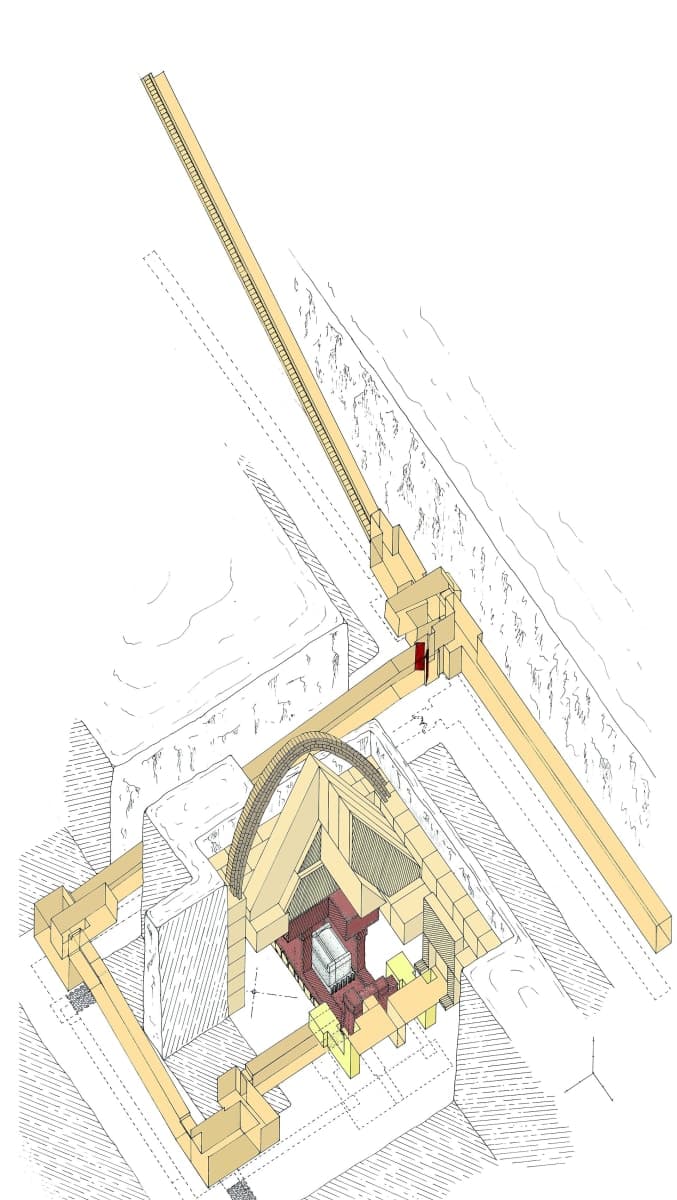
The burial chamber is a feat in itself: a single hollowed block of quartzite weighing around 110 tonnes, lowered into place and closed with a sliding slab that could be dropped into position from inside — an arrangement designed so the last workmen could seal the tomb and leave by another route.
It was robbed anyway. Petrie reached it in 1889 by tunnelling, and found it flooded.
The cemetery here produced a large share of the Fayoum mummy portraits — painted wooden panels laid over the faces of the dead in the Roman period, in encaustic wax. They are startling: individual, direct, painted from life in a naturalistic Greco-Roman style, and then bound into an Egyptian mummy. They are among the only surviving painted portraits from the ancient world, and they look at you like photographs.
Pick how many days you have, add attractions per day, and see average activity and travel times between cities.
Places that carry the same story forward, or sit close enough to take in the same day.
1880 BC · Middle Kingdom
8 km away
1346 BC · New Kingdom
181 km away
2600 BC · Old Kingdom
28 km away
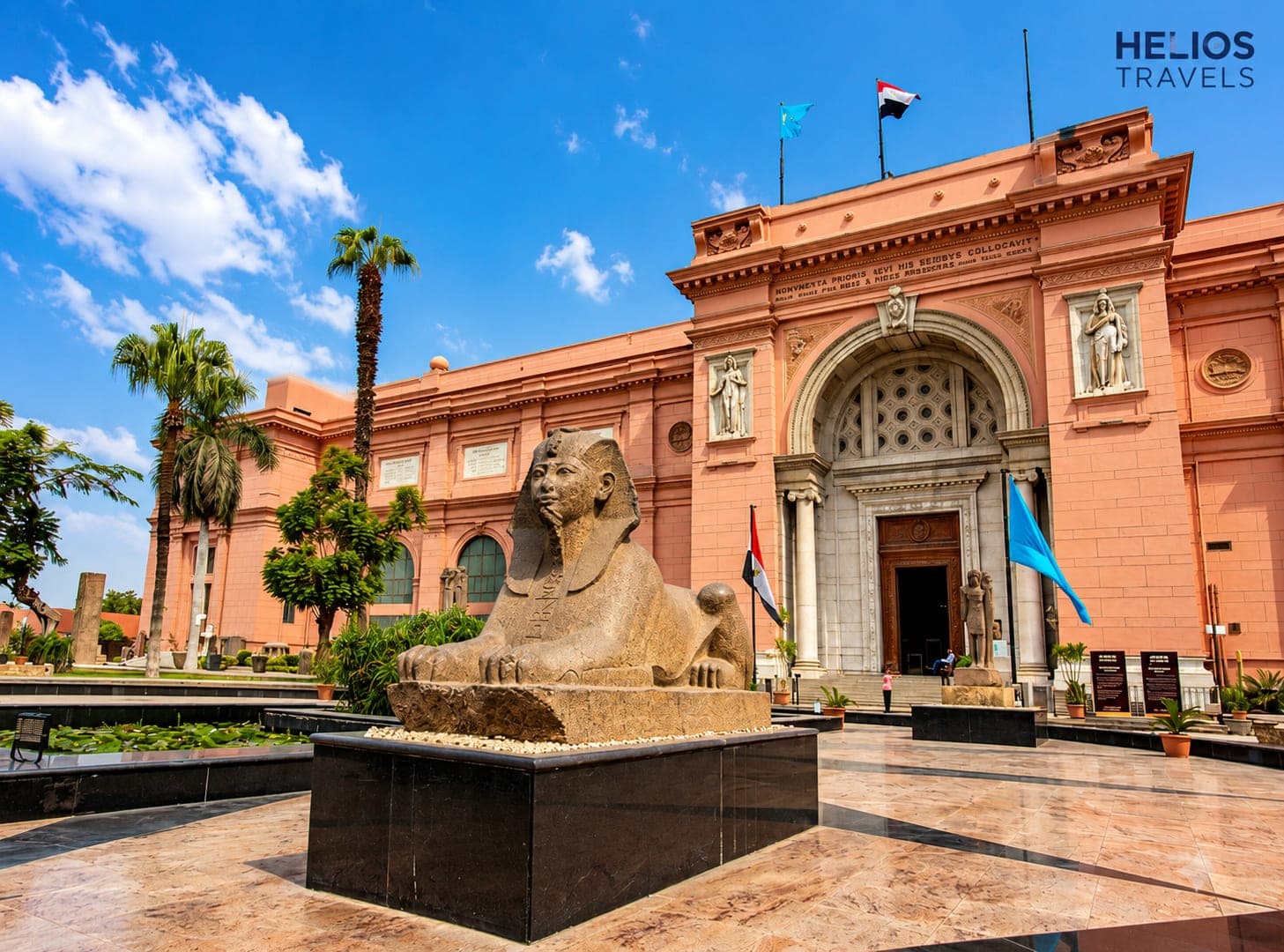
1902 · Khedivial
92 km away
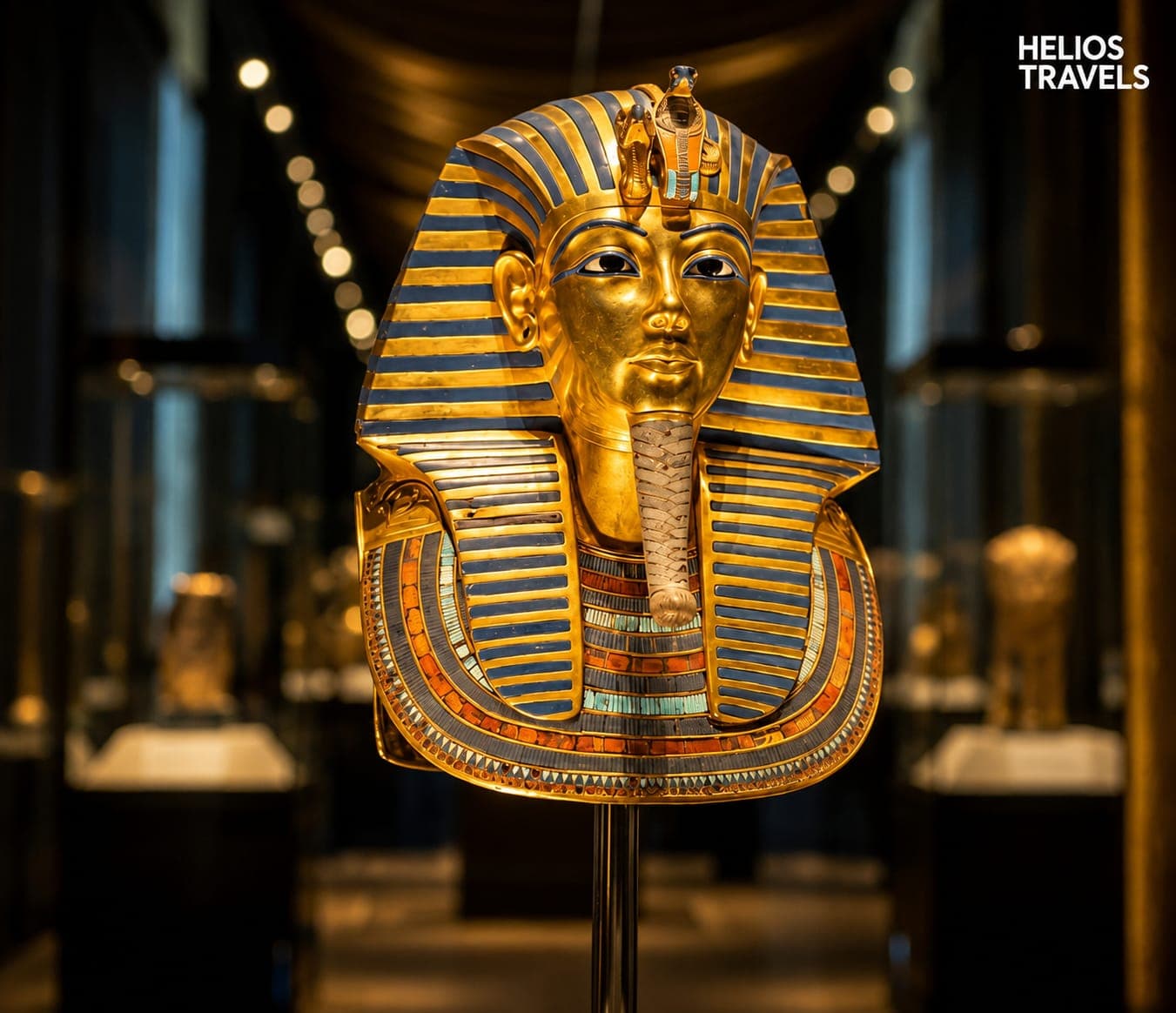
2023 · Contemporary
83 km away
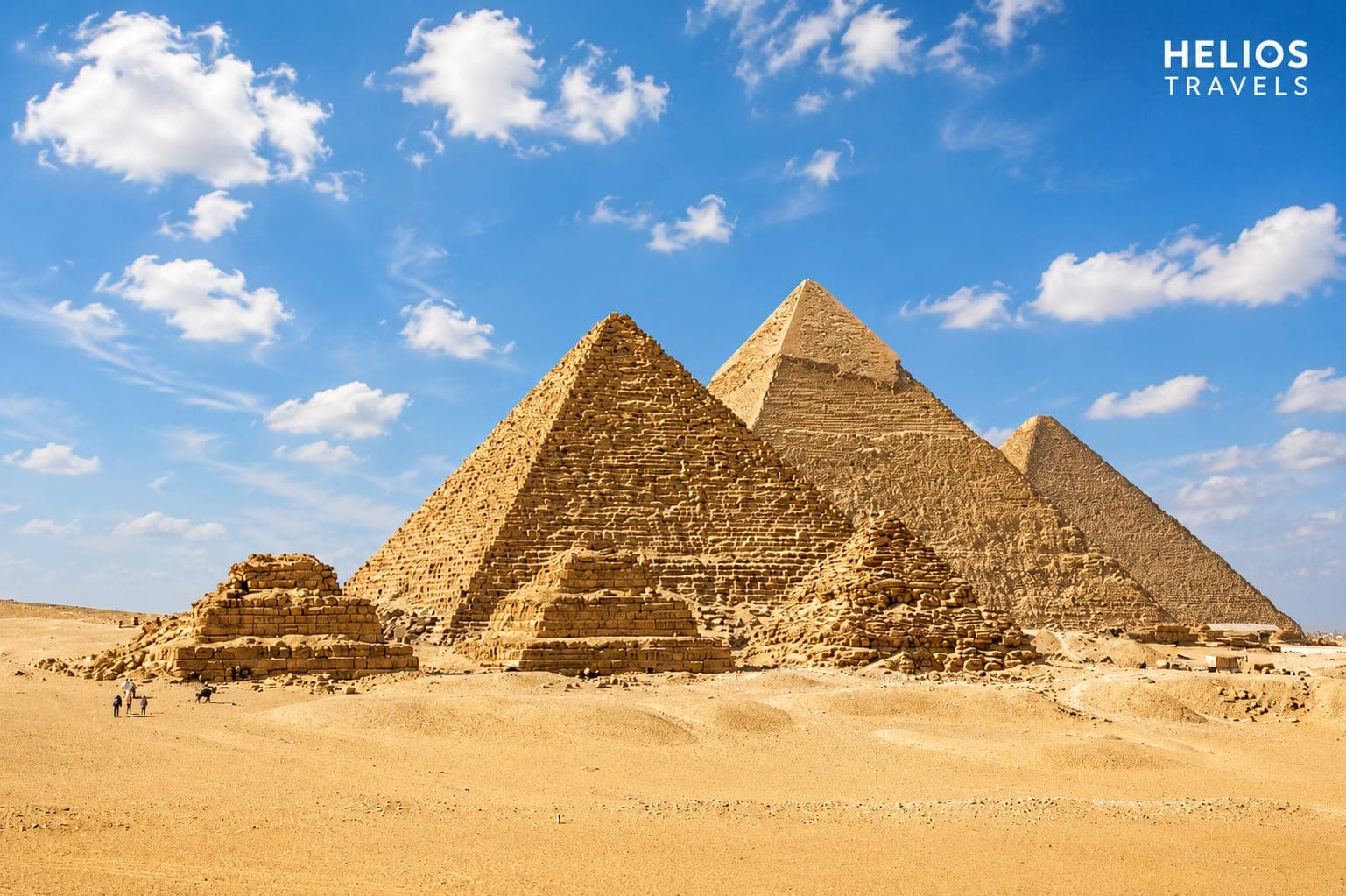
2560 BC · Old Kingdom
82 km away
Book a ready-made tour or use the designer above to build your own plan.
Hand-picked tours our guests love — top quality at reasonable prices, curated by Helios for your Egypt trip.