
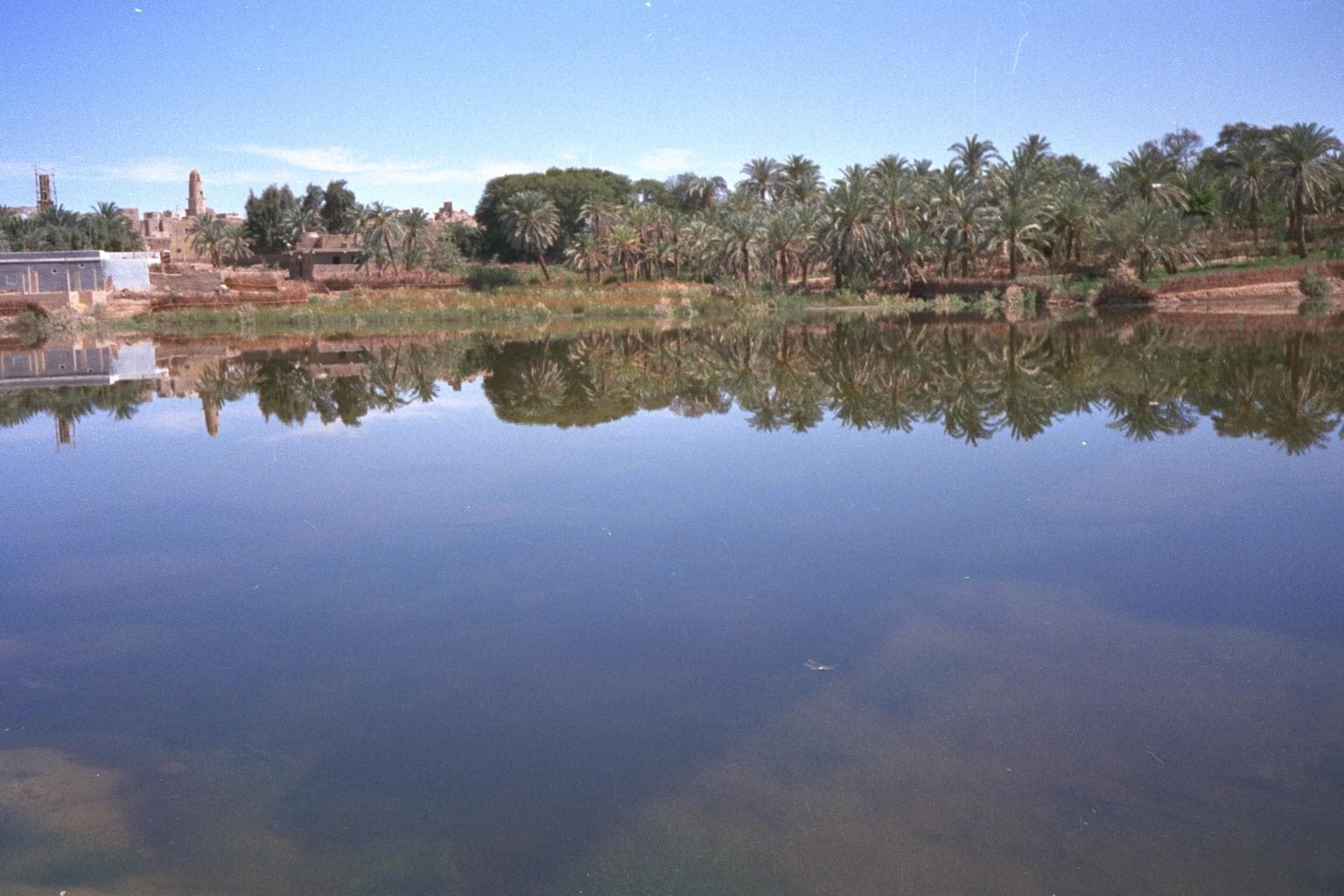
Green oasis with a medieval Islamic town
Dakhla Oasis
Typical visit: 3 h
A lush chain of villages and lakes centred on the beautifully preserved medieval town of Al-Qasr.
Photos


About
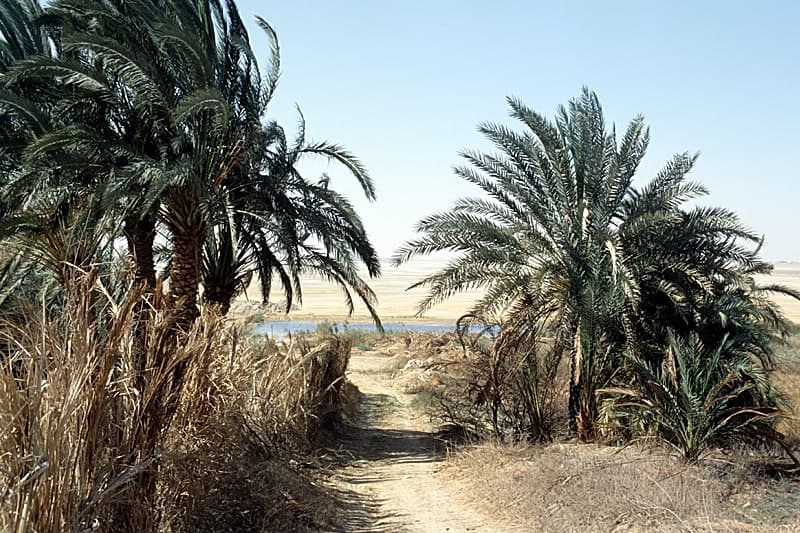
Widely considered the prettiest of the Western Desert oases: a long green strip of palm groves and fields running below a wall of pink and orange cliffs, with hot springs and small villages strung along it.
Al-Qasr
The reason most people come. Al-Qasr is a medieval Islamic town of mudbrick, built tightly around covered alleys narrow enough to stay shaded all day — an intentional climate strategy. Parts are still inhabited, parts have been restored, and parts are collapsing.
Look above the doorways for carved acacia lintels, many inscribed with the owner's name, the date and a line of Qur'an. Some are over five hundred years old and still in place above the door they were cut for.
Around the oasis
- Deir el-Hagar, a compact Roman-period temple, restored, with the graffiti of 19th-century desert explorers on its walls
- The Muzawaka tombs, with brightly painted Greco-Roman interiors
- Hot springs across the oasis, several suitable for bathing
- The pink cliffs above Mut, best in late afternoon
History & background
Dakhla has been inhabited for a very long time — far longer than the pharaonic period. Prehistoric sites around the oasis document human occupation through the wet Sahara of eight to ten thousand years ago, when the depression held lakes and the surrounding desert was grassland.
When the rains failed, most of the population moved to the Nile. Dakhla did not empty, because the springs kept flowing.
An Old Kingdom outpost
At Balat, in the east of the oasis, excavation has uncovered a settlement and the mastaba tombs of Old Kingdom governors — administrators posted here around 2200 BCE to manage the desert routes on behalf of Memphis, six hundred kilometres away.
It is a striking piece of evidence for how far the early Egyptian state actually reached. This was not a frontier that stopped at the valley edge; there was a resident governor, a bureaucracy and a courier system running across open desert.
Living in mud
Al-Qasr is a lesson in vernacular architecture. Mudbrick is an excellent insulator, cheap, and infinitely repairable; the covered alleys keep sun off the walls; the buildings shade each other. In summer temperatures above 45 °C the old town stays markedly cooler than the concrete houses built beside it in the last few decades.
The trade-off is maintenance. Mudbrick needs constant attention, and when a family moves to a concrete house the old one begins to dissolve within a few years — which is why parts of Al-Qasr are disappearing.
Design your own day-by-day schedule
Pick how many days you have, add attractions per day, and see average activity and travel times between cities.
See it with
Places that carry the same story forward, or sit close enough to take in the same day.
 Same period
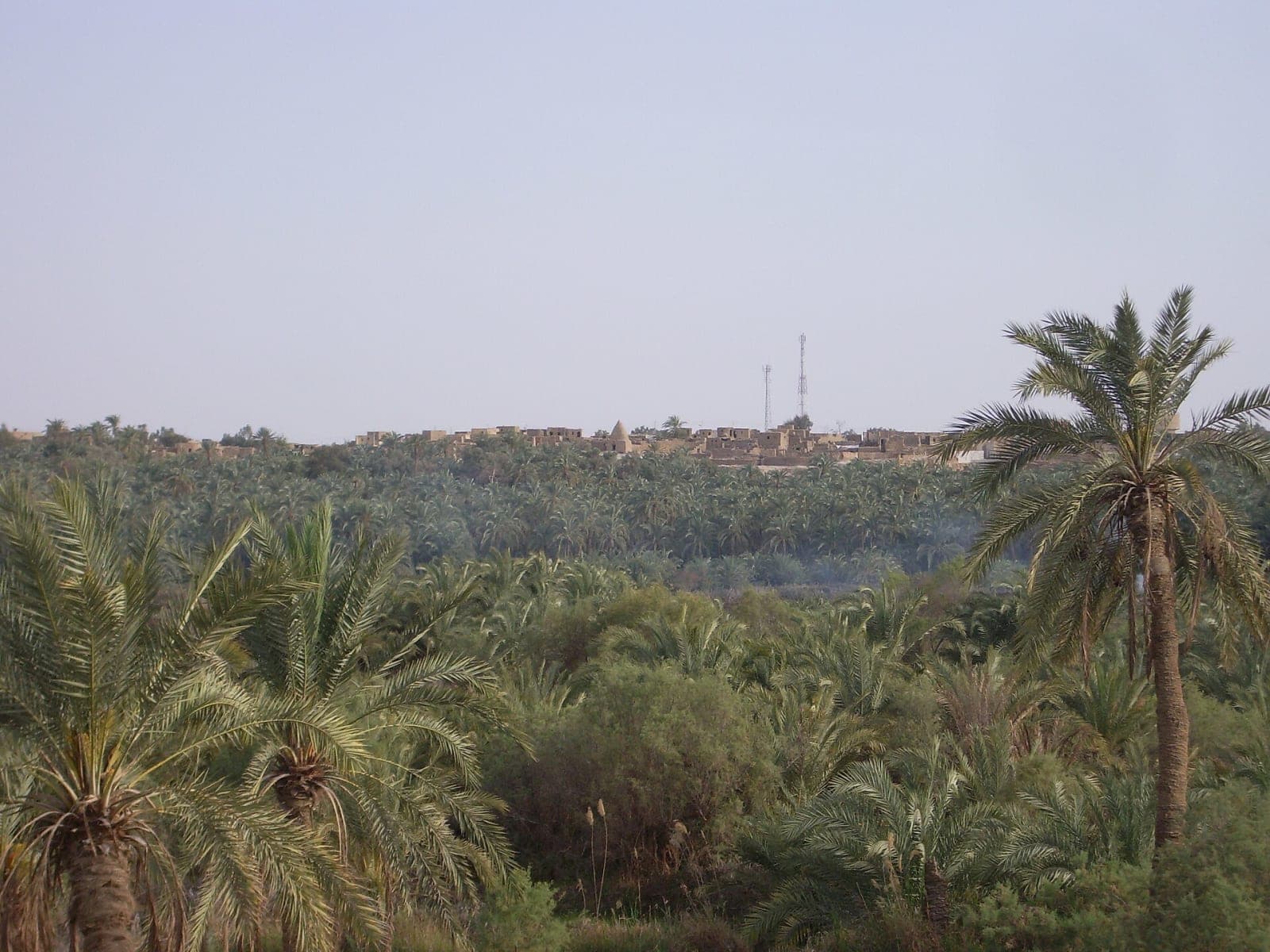
Bahariya Oasis
Green desert oasis and gateway to the sands
318 km away
 Same period
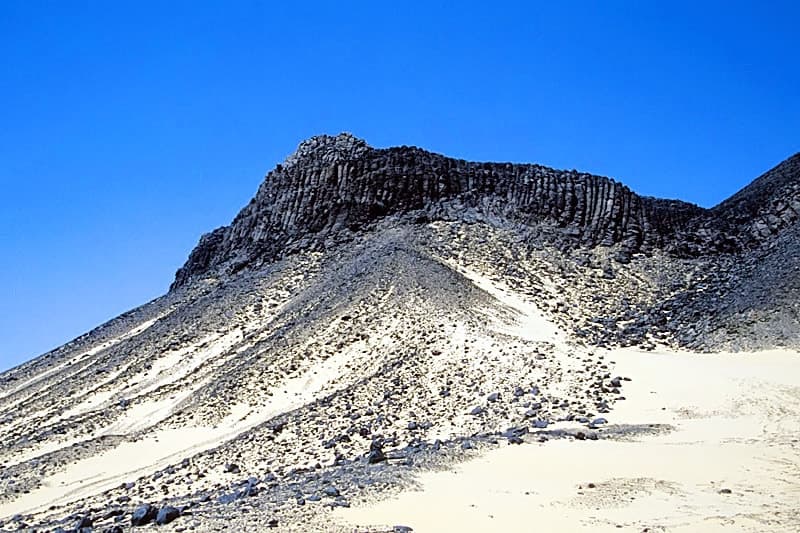
Black Desert
Volcanic hills capped with black stone
297 km away
 Same period
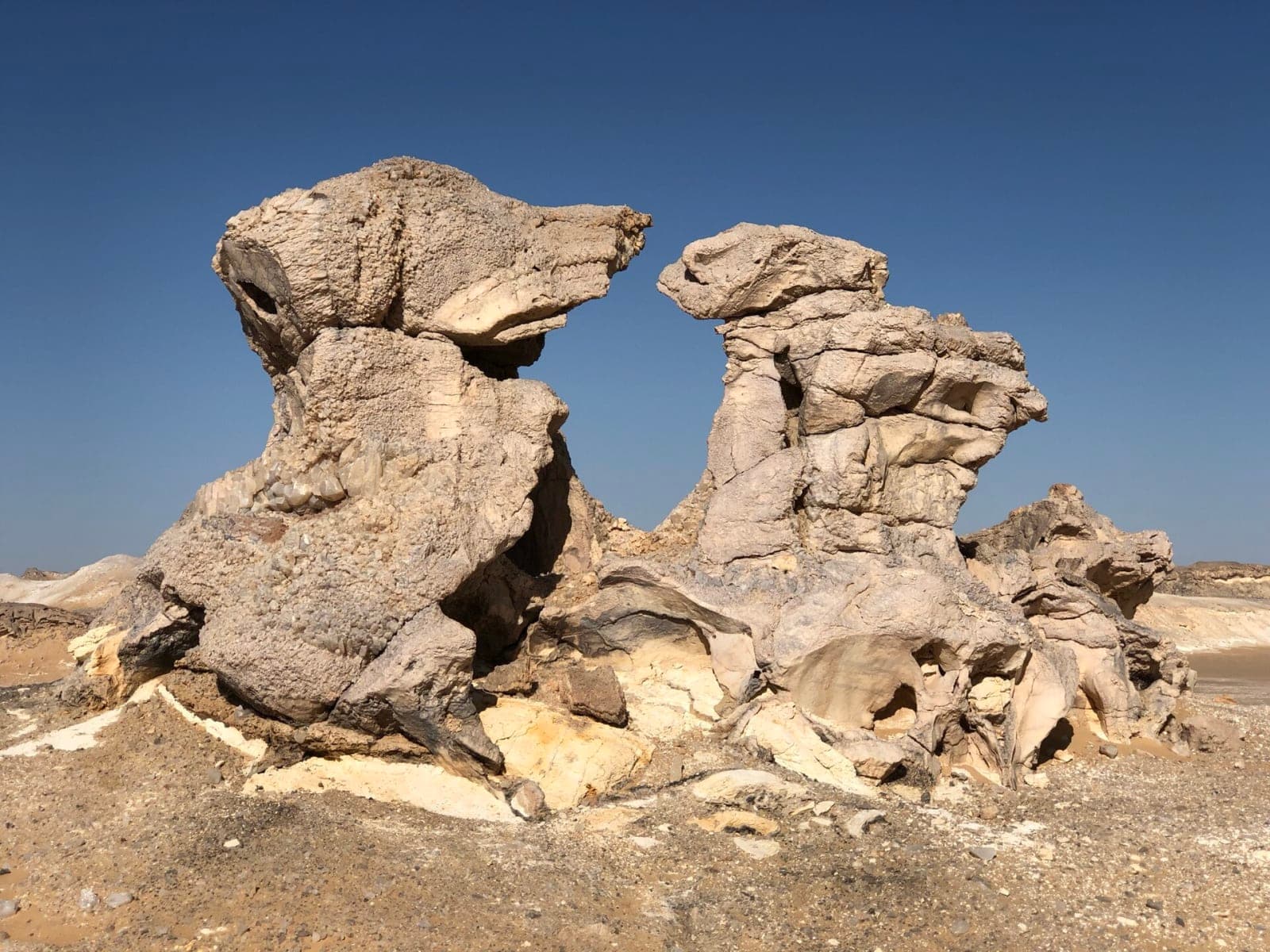
Crystal Mountain
Glittering ridge of natural quartz crystals
247 km away
 Same period
Farafra Oasis
Sleepy oasis and gateway to the White Desert
201 km away
 Same period
Kharga Oasis
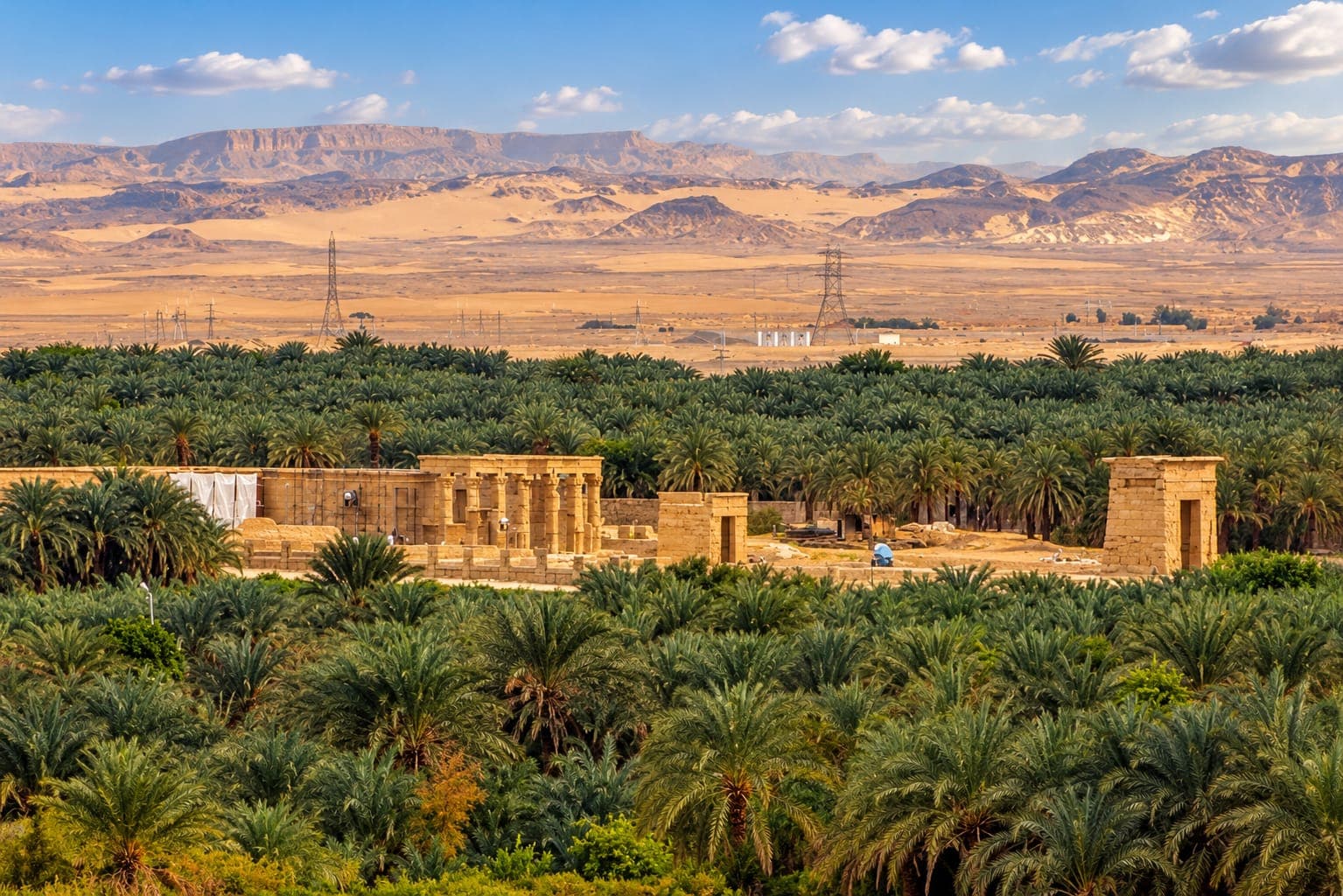
Desert oasis with temples and ancient forts
157 km away
 Same period
White Desert
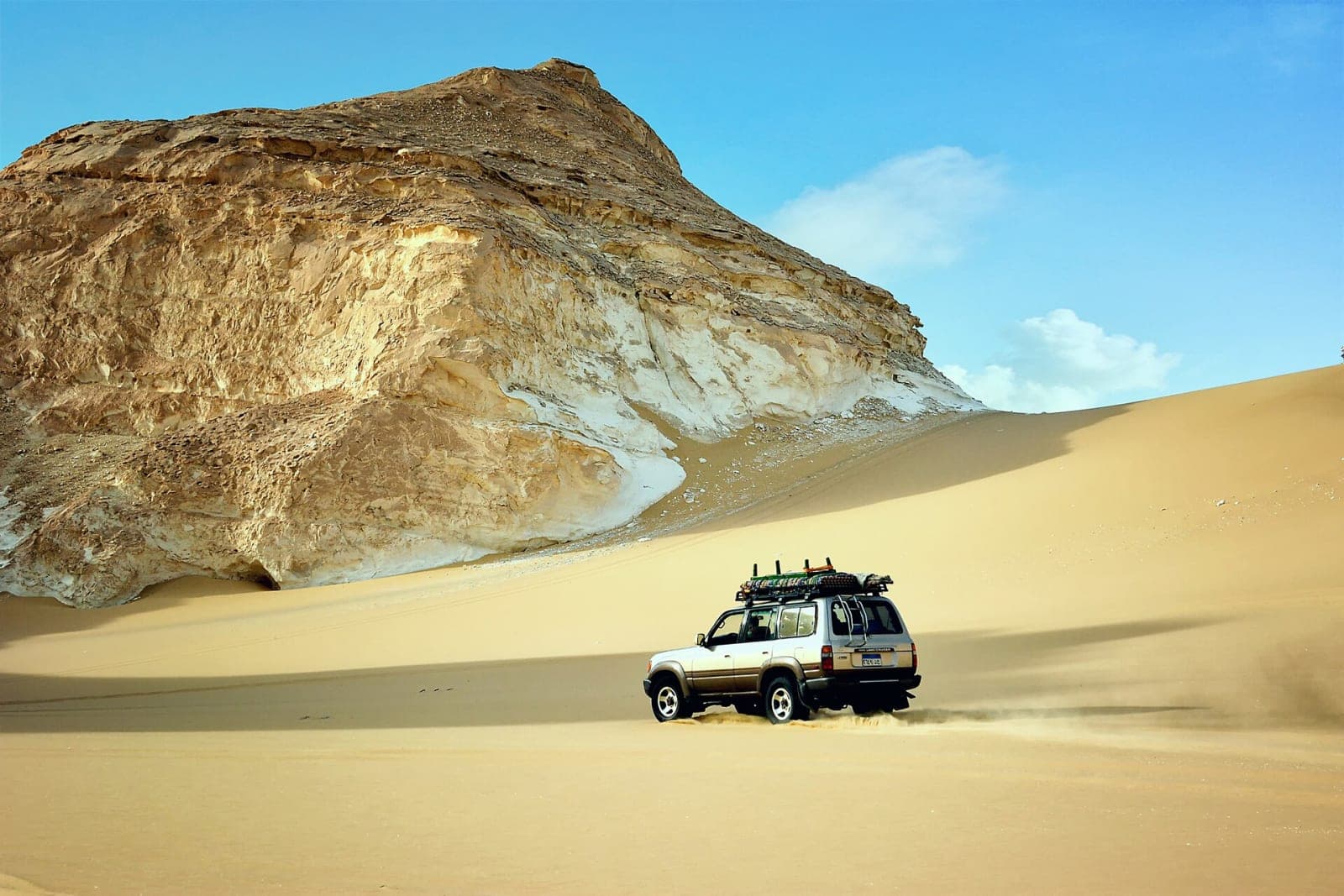
Surreal chalk rock formations
213 km away
Tours that include this attraction
Book a ready-made tour or use the designer above to build your own plan.
No matching tours yet — contact us for a custom itinerary.