Culture · Oct 23, 2026
Spain Regional Food Markets: Madrid to Valencia Compared
How eating differs in Madrid, Barcelona, Seville, Granada and Valencia, and how to plan a trip around it.
Spain does not have one national cuisine, and trying to taste it all in a single trip leads to rushed meals. The practical decision: use markets in the morning to see produce and local habits, and bars in the evening to eat. Choose two or three cities, not five. Madrid and Seville suit bar-hopping, Valencia suits a long lunch, Barcelona suits market mornings, and Granada suits a relaxed drink-and-small-plate evening.
Who this is for
This is for travellers who want to eat the way locals do, not just photograph stalls. It is not a restaurant list. Names change, kitchens close, and we would rather you learn the pattern of each city than follow our pick of one bar.
Madrid: bar to bar, not one big dinner
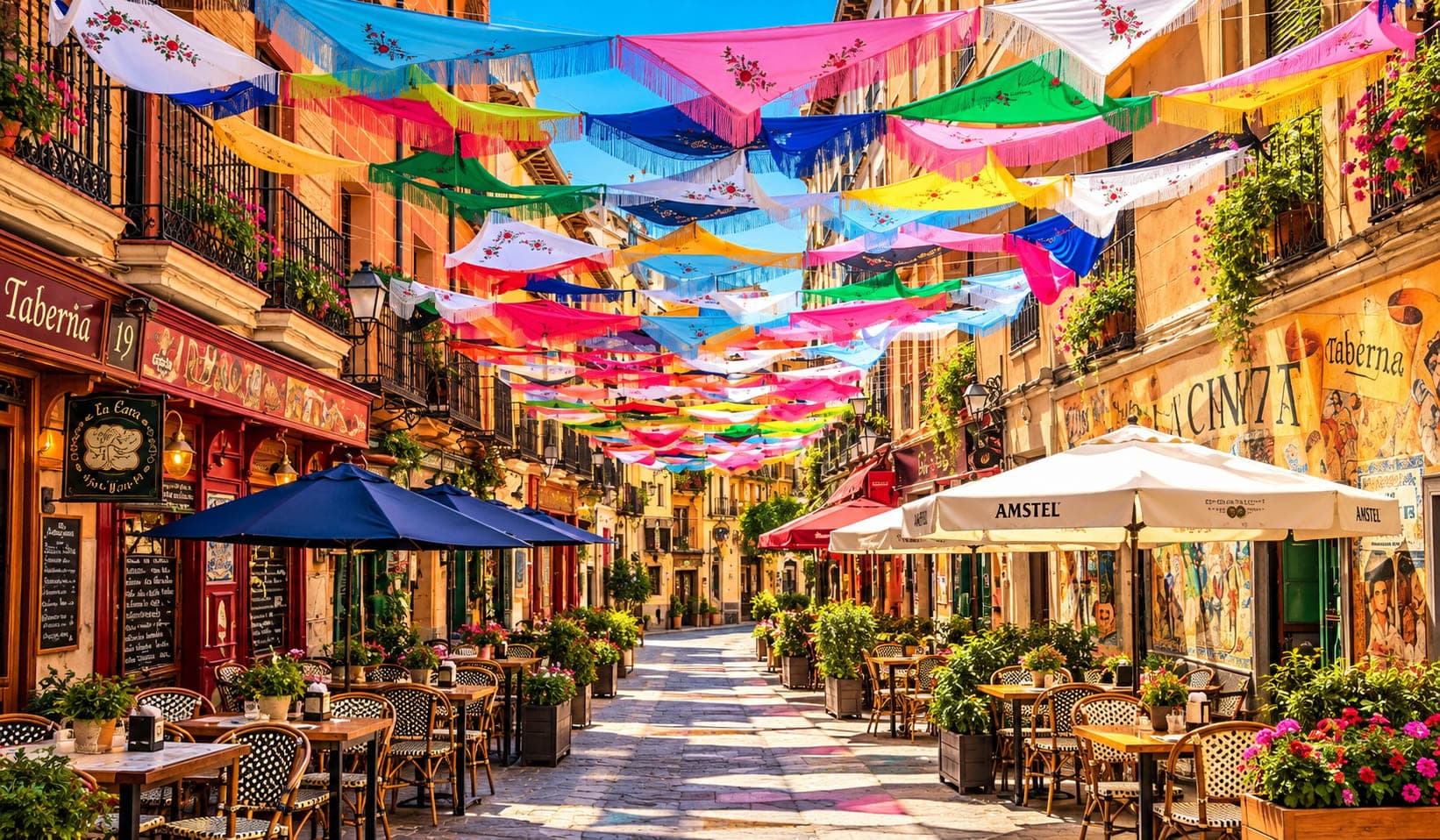
Madrid eats on its feet. People move between bars, taking a small plate and a drink at each: tortilla, croquettes, Iberian ham, patatas bravas, garlic prawns. The old streets around the Plaza Mayor and the Cava Baja in La Latina are where this habit is strongest. Madrid's covered markets are worth a look, but the best-known central one is crowded and priced for visitors, so treat it as a browse, not a meal.
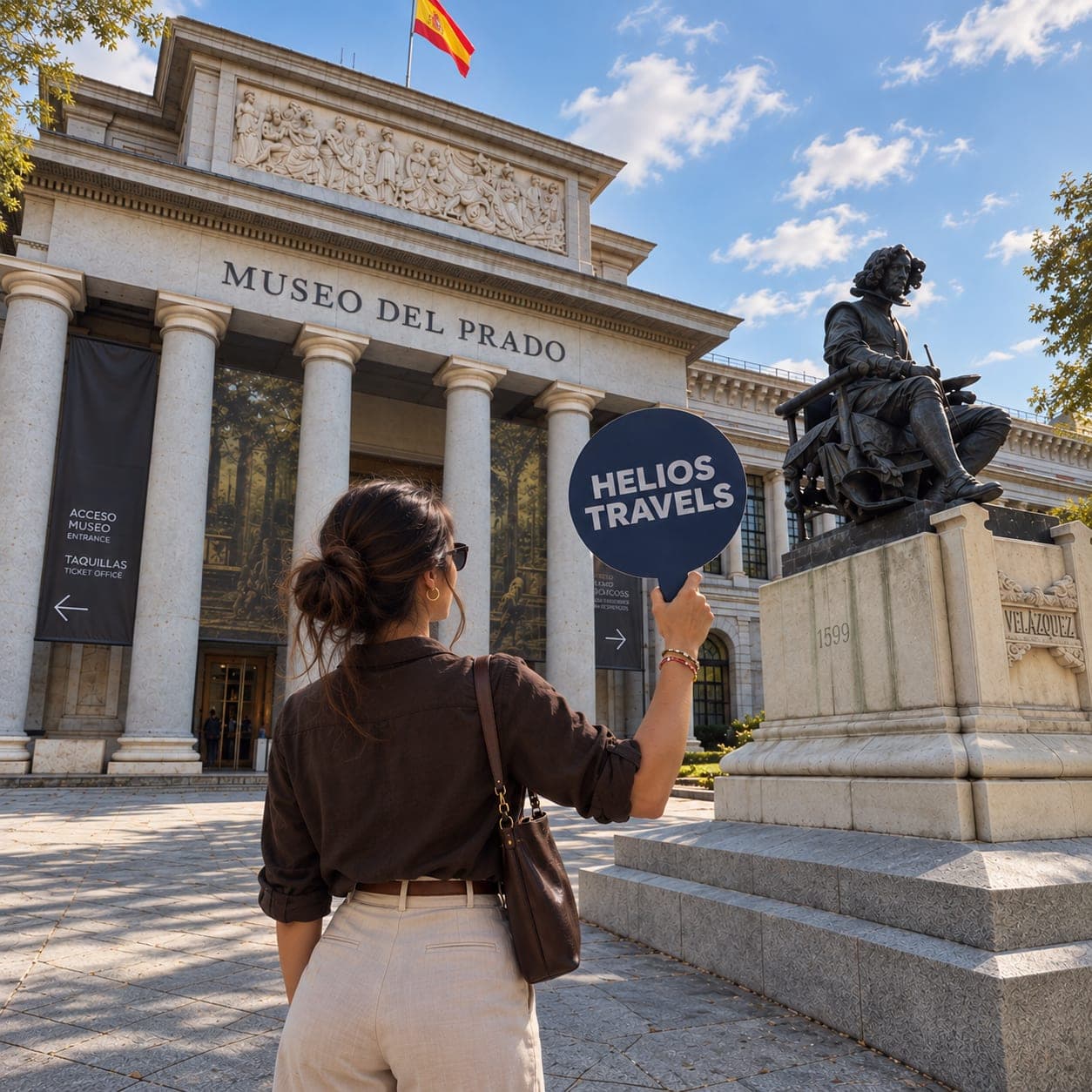
If you want a guide to explain how to order, the Madrid Tapas Walk through La Latina starts at 18:30 and lasts three hours. It is a shared small-group tour of up to 15 guests, with four family-run bars and a drink at each stop (alcohol-free on request). Hotel pickup, extra drinks and tips are not included. For a morning contrast, the Prado Museum Masterpieces Tour starts at 10:00 and runs two hours.
Barcelona: market mornings, late tables
Catalan cooking leans on pa amb tomàquet (bread rubbed with tomato), escalivada, fideuà and crema catalana. The famous central market on the Rambla is magnificent but busy, with the front stalls aimed at tourists and pickpockets drawn to the crowds. Go early, then look at the neighbourhood markets for a calmer picture of daily shopping. Dinner is late, so do not expect most kitchens to be in full swing early in the evening.
Food is not the only reason to come. The Sagrada Família Guided Tour with Entry Ticket is a two-hour shared small-group tour, also up to 15 guests, with the ticket included. The towers are not part of it.
Seville: small plates in the south
Andalusian tapas are lighter and more fried-and-cold: fried fish, salmorejo (a thick cold tomato soup), spinach with chickpeas, cured ham. Across the river, the Triana market gives a sense of everyday shopping. Summer heat shapes the day: lunch is late, evenings are long, and midday is better spent indoors.
Granada: the drink that brings the food
In many Granada bars a small plate arrives with each drink. The custom varies from bar to bar and is not universal, so watch what locals do before assuming. It makes bar-hopping cheap and sociable, but it is also easy to over-order. The market near the cathedral is a pleasant morning stop.
Valencia: paella at its source
Valencia is where paella comes from, and the traditional version is a lunchtime dish, with rabbit, chicken and beans rather than seafood. Be wary of a laminated picture menu and paella offered at night; ask whether it is made to order. Valencia's central market is a fine place to see produce, and horchata and fartons are the classic sweet stop.
Timing and transport
- High-speed trains link Madrid with Barcelona, Seville and Valencia, usually in a few hours. Granada is reached by train or bus, typically with a connection.
- Markets mostly work mornings and many close on Sundays and part of the week. Stalls thin out after lunch.
- Dinner often starts after 21:00; lunch is the main meal in many cities.
- National and local holidays close shops; see Spain public holidays in October and November.
Deciding where to base yourself first? Read Madrid or Barcelona: which city first, and for autumn weather, Spain in October.
Eating respectfully
- Greet staff, and buy something if you take up space at a stall.
- Ask before photographing vendors or their stock.
- Do not sample without being offered.
- Learn the local order: tapa first, then another round, not a table full at once.
- Tell staff about allergies early and clearly, and ask what is in a dish.
- Leave a few coins if service was good; tipping is modest.
Check before you go
Opening days, hours and seasonal closures change. Confirm them on each market's official website or the city tourism site before you travel. Check the booking page of any Helios tour for current dates, availability and language options.
FAQ
Which city is best for first-time tapas?
Madrid is the easiest, because bar-hopping is the normal way to eat in the old centre and La Latina. Seville and Granada are strong alternatives.
Are Spain's famous markets worth visiting?
Yes, but go early and expect crowds at the best-known ones. Neighbourhood markets show more of daily life.
Is the Madrid tapas walk private?
No. It is a shared small-group tour for up to 15 guests.
Can I eat vegetarian in Spain?
Yes, with some effort. Tortilla, vegetable dishes and patatas bravas help, but many dishes contain ham or meat stock, so ask.
Book what you just read about
Explore related tours and check each trip for available booking options and inclusions.