Planning · Oct 16, 2026
Spain Public Holidays in October and November: What Closes
Two fixed national holidays, 12 October and 1 November, can turn an ordinary trip into a crowded puente weekend.

The short answer
Spain has two national public holidays in autumn, and both apply in every region: 12 October (Fiesta Nacional de España) and 1 November (Todos los Santos, All Saints' Day). On those days, banks, offices, most small shops and many supermarkets are closed, public transport runs on reduced holiday timetables, and the country behaves like a Sunday. Restaurants, bars, hotels and the main tourist sights mostly carry on.
You should not avoid Spain on these dates, but you should plan around them. The real problem is not the holiday itself; it is the puente (bridge), the long weekend that appears when a holiday sits next to a weekend. Trains sell out, hotels in popular spots fill, and the roads out of big cities clog. If your trip overlaps one, book trains and rooms early, buy anything you need the day before, and check each venue's own website for its holiday schedule. I will not quote opening hours here, because they change from year to year and from venue to venue.
12 October: Fiesta Nacional de España
The date marks Columbus's 1492 landfall in the Americas and is also the feast of the Virgen del Pilar, patron of Zaragoza and of the Guardia Civil. In Zaragoza it means a week of Pilar festivities. In Madrid it means a military parade, which is the part that affects visitors most.
The parade takes place in the centre, in the area of the Paseo de la Castellana and the Paseo del Prado, with the royal family and government in attendance and an air display overhead. It is free to watch, and it is a spectacle if you like uniforms and flypasts. But it comes with practical costs:
- Roads in the central axis are closed for hours, so taxis and buses are rerouted and journeys take longer.
- The pavements along the route fill with spectators, and you will need to arrive early for a decent view.
- Metro stations near the route are busy, and some entrances may be restricted.
- Politics are part of the day. Spaniards' feelings about the occasion differ, and you may see protests or counter-events elsewhere. It is usually peaceful, but it is not a neutral folklore show.
If parades do not interest you, simply keep the morning free for walking in other parts of the city, such as Malasaña, Lavapiés or the Retiro, and leave the Castellana and Prado corridor alone. For weather and sea temperatures around this date, our guide to Spain in October covers what to expect.
1 November: Todos los Santos
All Saints' Day is quiet and family-oriented rather than festive. Spaniards visit cemeteries, bring flowers (chrysanthemums are the classic), and eat seasonal sweets such as huesos de santo (marzipan "saints' bones") and buñuelos. The theatre tradition of Don Juan Tenorio is staged around this date in many cities. Halloween on 31 October has grown as a night out, so expect costumes and busy bars the evening before, and slower mornings on the day.
For visitors, 1 November feels like a Sunday with churches and cemeteries busier than usual. Large cemeteries can have traffic and parking trouble in the surrounding streets. Be respectful if you visit one: this is a day of private remembrance, not a photo stop.
What closes and what stays open
The pattern is consistent, though details vary by city and region.
- Usually closed: banks, public offices, post-office counters, most independent shops, many supermarkets and markets, and a lot of small family-run businesses.
- Often open: restaurants, cafés and bars (especially in tourist areas), hotels, petrol stations on main roads, pharmacies on a rota (look for the farmacia de guardia sign), and tourist-oriented shops in city centres.
- It depends: shopping centres and department stores. Rules on trading on public holidays are set by each region, so one city may have them open while another does not. Check before you plan a shopping stop.
Practical habit: on the evening before a holiday, buy water, snacks, medicine and anything you need for a self-catering stay. Cash machines work normally, so you will not be stranded, but a bank counter will not be available.
Transport on a holiday
Metro, local buses and commuter trains (Cercanías) generally run a holiday timetable, similar to Sunday: fewer services, longer waits, especially early and late. Long-distance trains and flights keep operating, but that is where the pressure shows. On puente weekends, high-speed services between Madrid, Barcelona, Valencia, Seville and Málaga are in heavy demand, and good fares and seats go early.
Driving needs particular care. On the afternoon before a long weekend and on the evening of the last day, the roads out of and back into Madrid and Barcelona fill with returning traffic, and a normal journey can take much longer. If you are collecting a hire car, pick it up before the rush, and avoid the main exit and return windows if you can.
Museums and sights
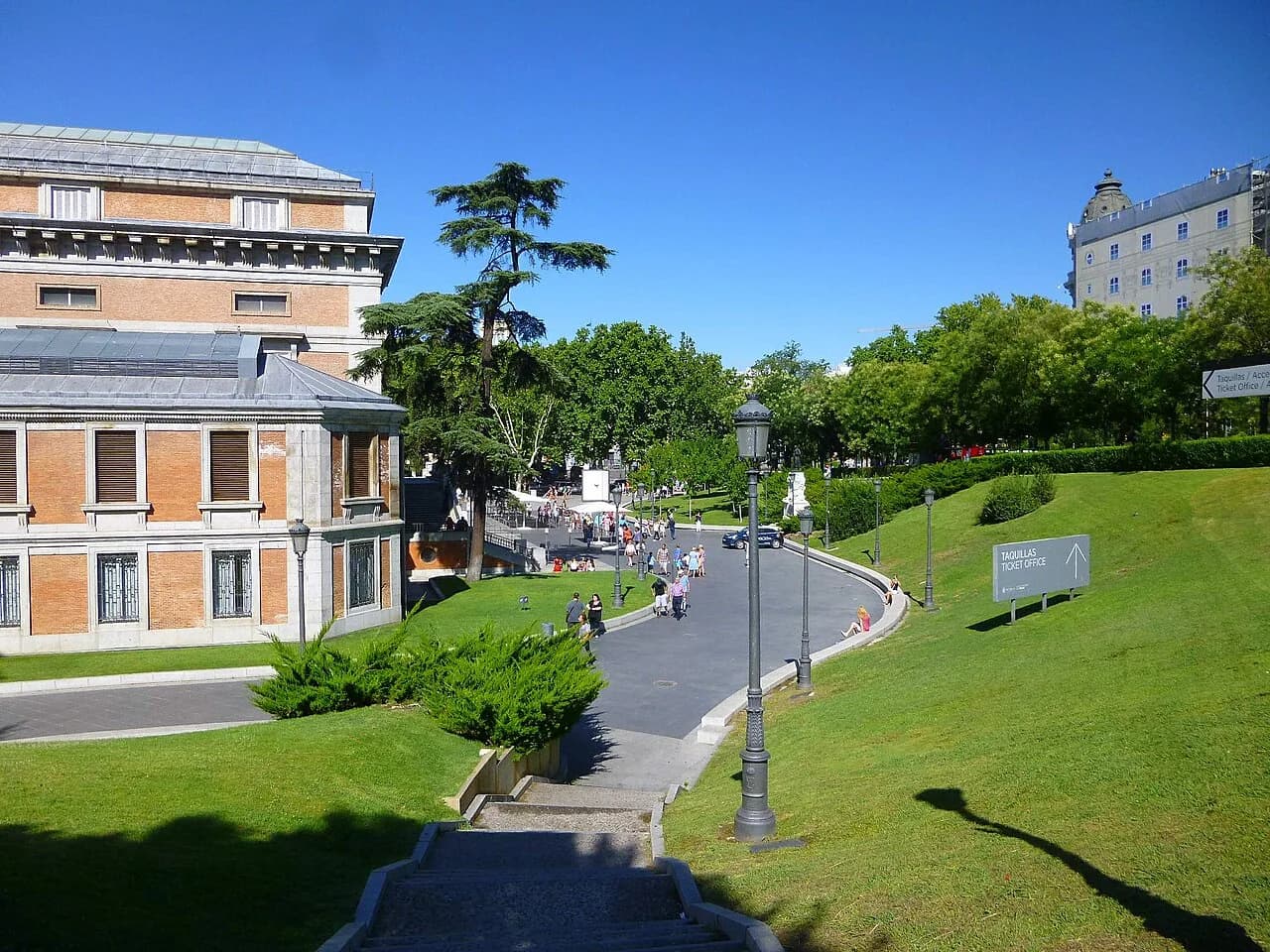
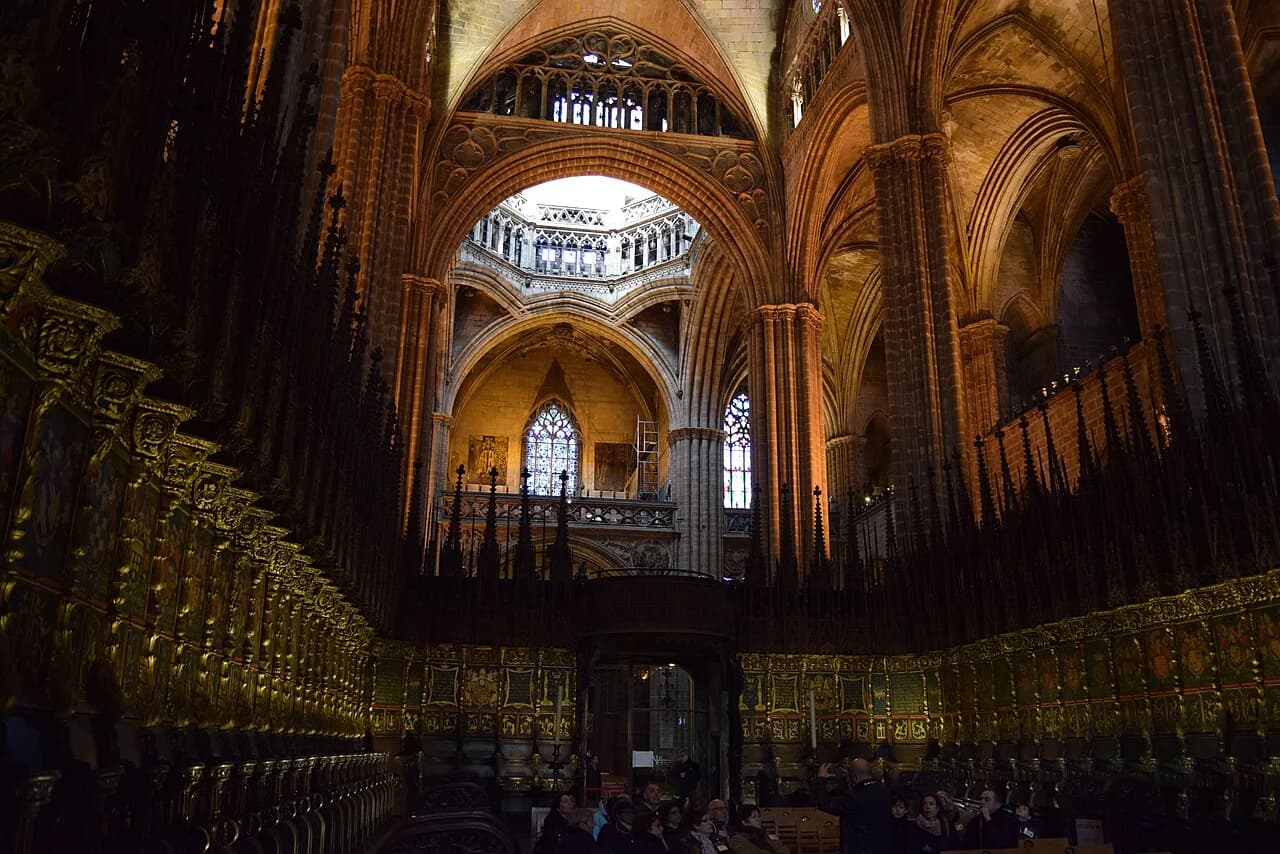
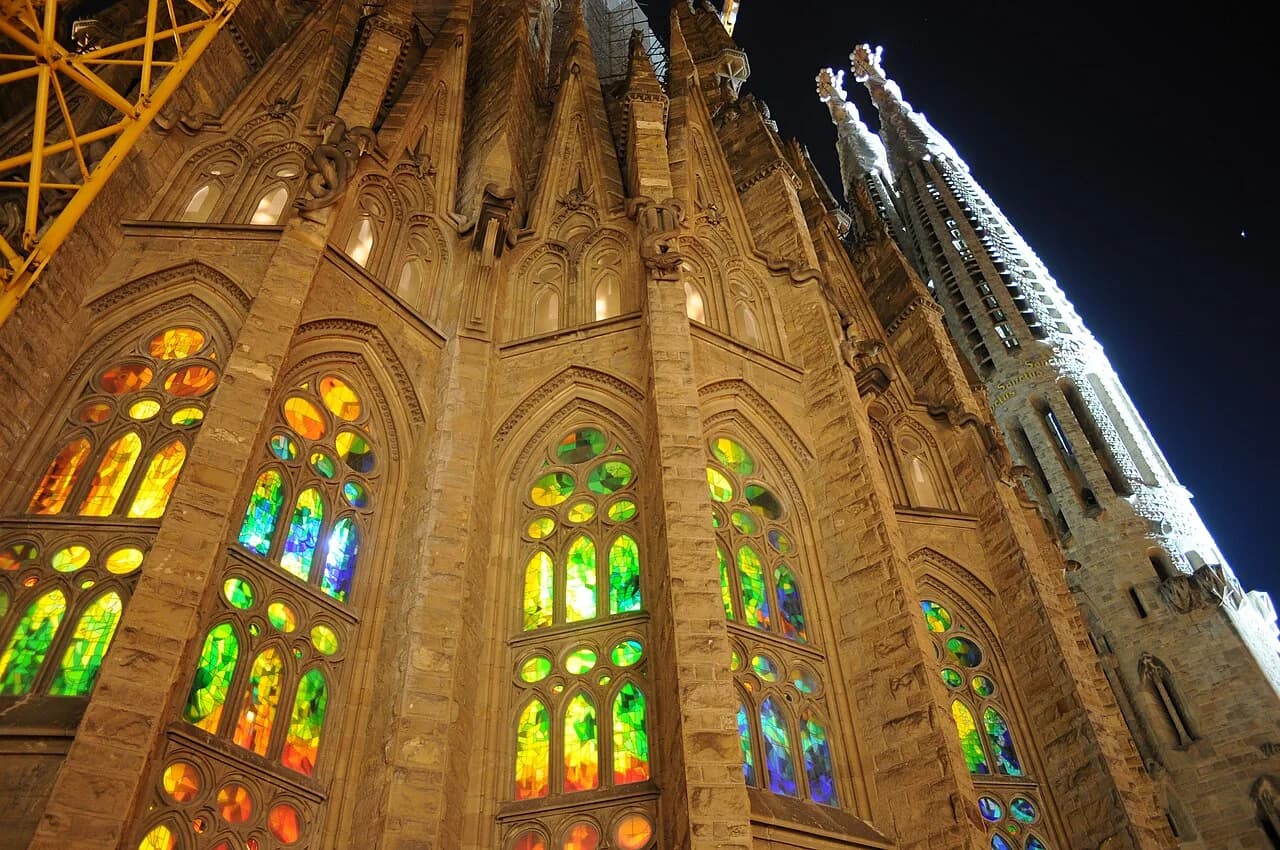
The big museums, such as the Prado, Reina Sofía and Thyssen in Madrid, or the major sights of Barcelona, are used to holiday visitors, and many open on public holidays. Some run reduced or Sunday-style hours, and a few close on particular days. I cannot tell you a reliable schedule, so please open each venue's own website and look at the calendar for the exact date. Three things are worth doing in any case:
- Book timed tickets ahead for the headline attractions. Holidays and puentes bring domestic visitors on top of international ones.
- Go early or late and leave the middle of the day for lunch. Spanish lunch is later than in Germany or France, so restaurants fill later too.
- Have a second plan. If your first choice is shut or sold out, a neighbourhood walk, a market stroll (where open) or a park is a sound fallback.
The puente: why the date matters more than the holiday
A puente is the bridge day between a holiday and the weekend. A holiday on a Thursday makes Friday a popular day off, and a holiday on a Tuesday does the same for Monday. Spaniards take the extra day, and millions of them travel at once. Hotels on the coast and in small historic towns fill, restaurant tables disappear, and attractions get crowded.
Whether a holiday falls on a weekend affects the calendar too. Spain does not shift every holiday automatically, but regions may move a Sunday holiday to the Monday, so check the official regional calendar for the year you travel. Here is how the two dates fall in the next two years:
| Year | 12 October | 1 November | What it means |
|---|---|---|---|
| 2026 | Monday | Sunday | A three-day weekend from 10 to 12 October. The 1 November holiday falls on a Sunday, and some regions may move it to Monday 2 November. |
| 2027 | Tuesday | Monday | 12 October invites a bridge on Monday 11 October for a four-day break, and 1 November makes a three-day weekend. |
Always confirm against the official regional calendar for the year you travel, because regions publish their final lists late in the preceding year.
Regional differences: Madrid and Catalonia
12 October and 1 November are national, so they apply in Madrid, Catalonia and everywhere else. The differences come from the extra holidays each region and town adds, which is why you should not assume a neighbouring city has the same calendar.
- Madrid: the city traditionally has local holidays in May and on 9 November (the Virgen de la Almudena, the city's patron). Local days are set annually, so check the calendar. The parade on 12 October is the main autumn event.
- Catalonia: its regional days, such as 11 September (La Diada) and 26 December (Sant Esteve), fall outside October and November. Barcelona's big local festival, La Mercè, is in late September. In October and November the Catalan calendar follows the national one, plus any local day your specific town adds.
- Valencian Community: 9 October is its regional day, so if you are in Valencia, Alicante or Castellón in early October, expect a closure and a long weekend feel just before 12 October.
If you are deciding where to base yourself, our comparison of Madrid or Barcelona may help, since the two cities feel different on a holiday weekend.
Planning notes for German and French travellers
If you were searching for Feiertage Spanien Oktober or the French equivalent, the key point is that your own school and bank holidays overlap with Spain's busiest dates. Many German states have autumn school holidays, and 1 November is a public holiday in several states as well (Allerheiligen). French families have the Toussaint school break in late October and early November, and 11 November (Armistice) is a holiday in France but not in Spain. So you may travel when the Spanish are also travelling, and the competition for trains, rooms and cars is real.
Three adjustments help:
- Book travel and the first and last night of accommodation early, and check whether your flight lands on the same day as the return rush.
- Do not schedule a bank errand, a car collection or an important purchase for a holiday or the day after a puente.
- Spread the trip. Spend the holiday itself in a city with a lot to do indoors and outdoors, and travel between cities on a quieter weekday.
A quick checklist
- Look up the exact weekday for 12 October and 1 November in your travel year, then check for a puente.
- Check your region's and city's own holiday calendar for local days.
- Book long-distance trains, timed tickets and hotels before the weekend fills.
- Buy supplies the evening before.
- Check each museum's and restaurant's own site for holiday hours rather than trusting a general list.
- In Madrid on 12 October, keep clear of the parade route unless you want to see it.
Spain public holidays October FAQ
Is 12 October a public holiday across all of Spain?
Yes. The Fiesta Nacional de España is a national holiday observed in every region, so shops, banks and offices are closed everywhere. Tourist-focused businesses, restaurants and hotels mostly stay open.
Is everything closed on 1 November?
No. Todos los Santos is a national holiday, and offices, banks and many shops are closed, but restaurants, hotels and major attractions are generally open, often with holiday schedules. Check the venue's own website.
Will the Madrid parade on 12 October disrupt my plans?
It can. Roads on the central axis are closed for hours, buses are rerouted and spectators crowd the pavements. You can avoid the disruption by spending the morning in other districts, or you can arrive early to watch.
What is a puente and how does it affect travel?
A puente is a bridge day that creates a long weekend when a holiday falls near a weekend. It brings packed trains, full hotels in popular destinations and heavy traffic on the roads out of and back into big cities, so book ahead.
Do Madrid and Catalonia have different holidays in October and November?
Both observe the national holidays on 12 October and 1 November. Differences come from local and regional extras, such as Madrid's local holiday around 9 November and the Valencian Community's 9 October, so check the official calendar for your city and year.
Book what you just read about
Explore related tours and check each trip for available booking options and inclusions.