Destinations · Oct 16, 2026
Madrid or Barcelona: Which City Should You Visit First?
A plain comparison of art, architecture, beaches, food, day trips and crowds, ending with a verdict by traveller type.

If you have time for one city and this is your first trip to Spain, choose Barcelona. In a few days it gives you Gaudí, a medieval old town, a city beach and good food, all in one place. Choose Madrid instead if museums are the point of your trip, if you want Spain at its least staged, or if you are travelling at a time of year when beach weather does not matter.
That is the short answer, but it comes with costs. Barcelona is the more crowded and more pickpocket-prone of the two, and its best-known sights need booking ahead. Madrid has no beach and gets very hot in high summer, but it is easier to enjoy without a plan. The rest of this article explains the trade-offs so you can decide for yourself.
Art and museums: Madrid wins
Madrid is one of the great museum cities of Europe, and its best collections sit within a short walk of each other. The Prado holds the core of the Spanish royal collection: Velázquez (including Las Meninas), Goya, El Greco and a great deal of Flemish and Italian painting. The Reina Sofía is the modern art museum, and the reason most people go is Picasso's Guernica. The Thyssen-Bornemisza fills the gaps between them, from early Renaissance to the twentieth century. Together they make up the so-called Golden Triangle of Art.
Barcelona's museums are good but more scattered. The Picasso Museum in the El Born district focuses on his early years. The Fundació Joan Miró and the national art museum (MNAC) are both on the hill of Montjuïc, and MACBA covers contemporary art. If you love Spanish painting, Barcelona is a pleasant addition but not a substitute for the Prado.
The honest part: you can easily spend a whole day in the Prado alone, and a three-museum plan in two days is tiring. Pick one or two and do them properly.
Architecture: Barcelona wins, with a caveat
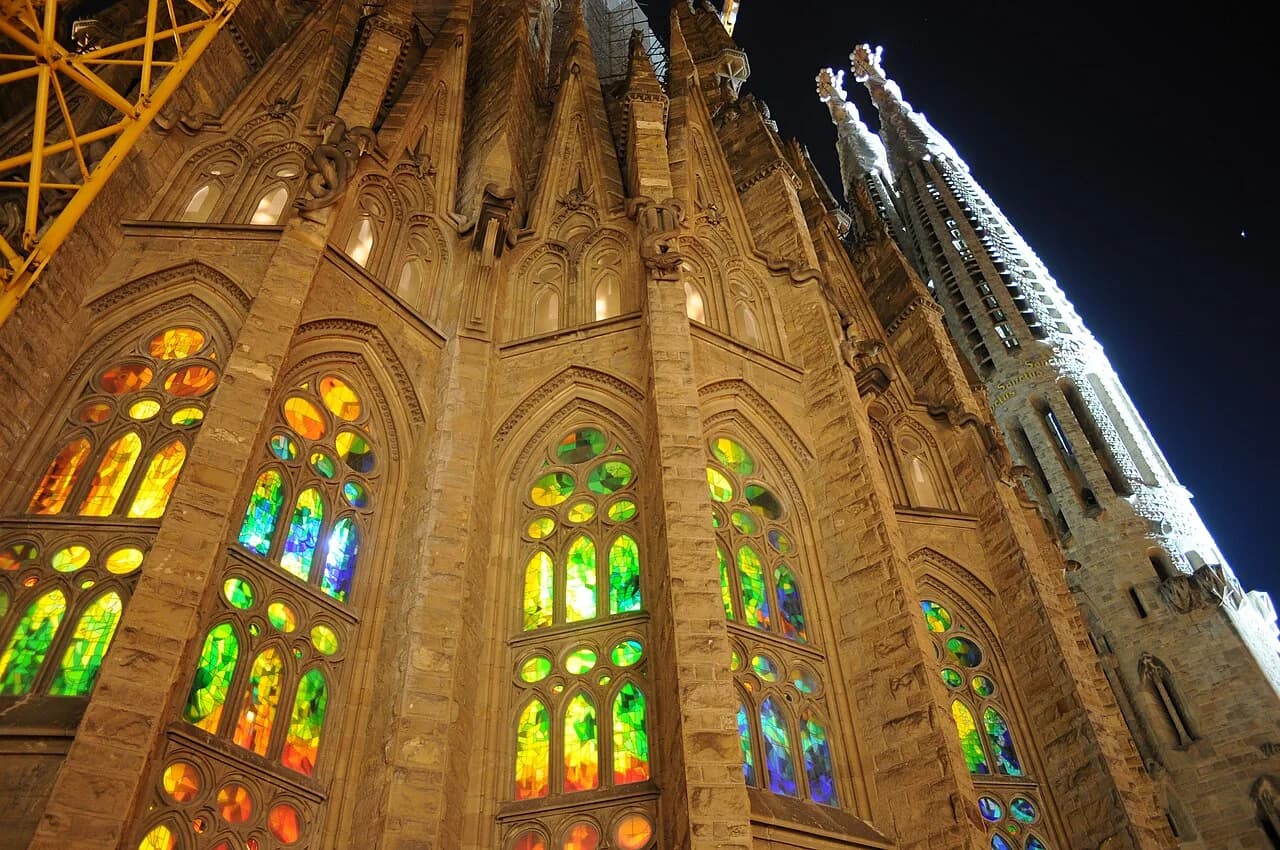
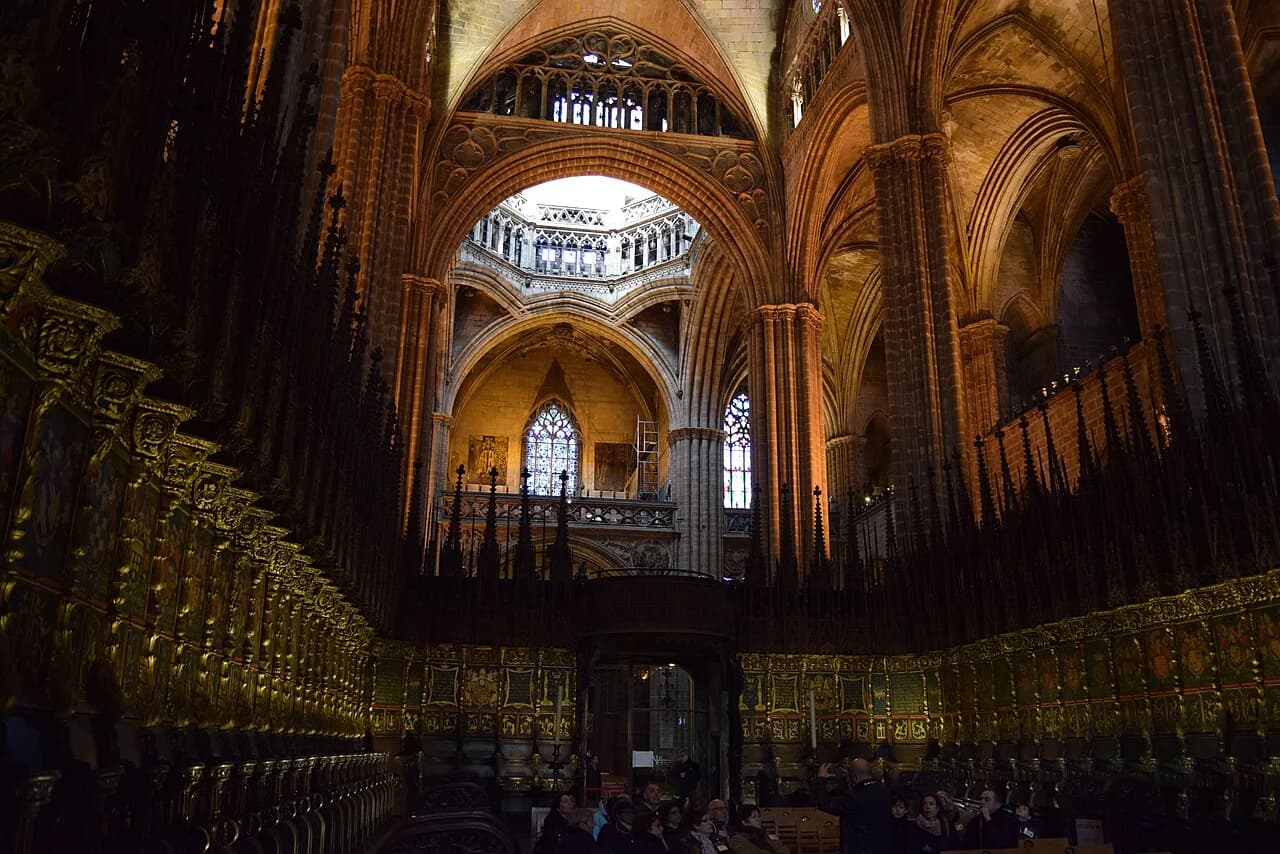
Barcelona's skyline of the imagination is Antoni Gaudí's. The Sagrada Família, begun in 1882 and still being built, is the one building in Spain that people cross the world to see, and the interior is as striking as the outside. Around it come Casa Batlló, La Pedrera and Park Güell, plus the Modernista Palau de la Música Catalana and the hospital complex of Sant Pau. Beneath all that is the Gothic Quarter, a tangle of medieval lanes, and the tall, spare church of Santa Maria del Mar in El Born.
Madrid's architecture is grander and more formal: the Royal Palace, Plaza Mayor, the Almudena Cathedral, the early twentieth-century towers along the Gran Vía, and the glass Crystal Palace in Retiro Park. There is even an ancient Egyptian temple, the Temple of Debod, rebuilt in a park near the palace and a popular place to watch the sunset. It is a handsome city, but nothing in it is as unmistakable as Gaudí.
The caveat: Barcelona's headline buildings use timed entry and sell out in busy seasons. If the Sagrada Família is the reason you are going, book it before anything else.
Beaches: Barcelona has one, Madrid does not
Madrid sits on a high inland plateau, hours from the sea. It has a river park, public pools in summer and the lake and lawns of Retiro, but no beach and no sea breeze. If you picture a swim after sightseeing, that rules it out.
Barcelona has a real city coastline. Barceloneta is the famous beach, and the beaches further up the coast, such as Bogatell, are usually calmer. Be realistic: these are city beaches. They are busy in summer, the sand and water are not Caribbean, and nobody goes there for solitude. But being able to walk from a museum to a swim is a genuine advantage, and in the warm months it is a big part of the city's appeal. If you want proper beach time, Sitges and the Costa Brava are the next step.
Food culture
Both cities eat very well, in different ways.
- Madrid is the capital of Spanish classics from across the country: tortilla, croquetas, jamón, a bocadillo de calamares, cocido madrileño in the cooler months, and churros with thick hot chocolate. The tapas culture is strong in La Latina and around Plaza de Santa Ana, and it is easy to build a whole evening from one small stop to the next.
- Barcelona is Catalan: pa amb tomàquet (bread rubbed with tomato), escalivada, fideuà, seafood from the coast, crema catalana and vermouth at midday. It has strong modern restaurants as well as old tavernas.
One warning for both: the places on the main tourist streets, including the Ramblas in Barcelona and the streets around Madrid's Puerta del Sol, tend to be overpriced and mediocre. Walk a few streets away. Also adjust to Spanish hours: lunch is usually in the middle of the afternoon and dinner rarely starts before nine, and kitchens often close between the two.
Crowds and pickpocketing
Barcelona is a victim of its own popularity. The Sagrada Família, Park Güell, the Gothic Quarter and the Ramblas are crowded for much of the year, and local frustration with mass tourism is well known. The Ramblas themselves are a tourist corridor rather than a highlight. Walk down them once, if at all, and eat somewhere else.
Pickpocketing is a real, widely reported problem in Barcelona, particularly on the Ramblas, in the metro, around Barceloneta and near the main sights. It is a risk in Madrid too, around Sol, on the metro and at the Sunday El Rastro flea market. Neither city is dangerous in the violent sense, but both punish carelessness. Keep your phone out of back pockets and off café tables, use a zipped bag worn in front on public transport and in crowds, and leave your passport at your hotel unless you need it.
Overall, Madrid feels less crowded and less on guard. It has tourists, but they are spread across a bigger city that is clearly lived in by its own residents.
Walkability and getting around
Madrid's historic centre is compact: the Royal Palace, Plaza Mayor, Sol, the Prado and Retiro can all be linked on foot, and the metro covers the rest. The streets are fairly flat in the middle, but the summer heat is the limiting factor.
Barcelona is also very walkable, but its sights are more spread out. The Gothic Quarter and El Born are close together, while the Sagrada Família, Park Güell and Montjuïc each need a metro ride or a long walk, some of it uphill. Plan by neighbourhood rather than trying to do three districts in a morning. Both cities have good public transport, and you do not need a car in either.
Day trips
Madrid is the better base for history. Toledo, the walled former capital, and Segovia, with its Roman aqueduct and fairy-tale alcázar, are both about half an hour from the capital by fast train. El Escorial, Ávila with its medieval walls, and Aranjuez with its palace gardens are also possible. Toledo in particular is crowded at midday, so it is best before the tour groups arrive or in the evening.
Barcelona's day trips are more varied in landscape: the serrated mountain and monastery of Montserrat, the beach town of Sitges, the old quarter of Girona, Roman Tarragona, and the cava vineyards of the Penedès. You can add a coastal swim to a day out, which Madrid cannot offer.
The feel of each city
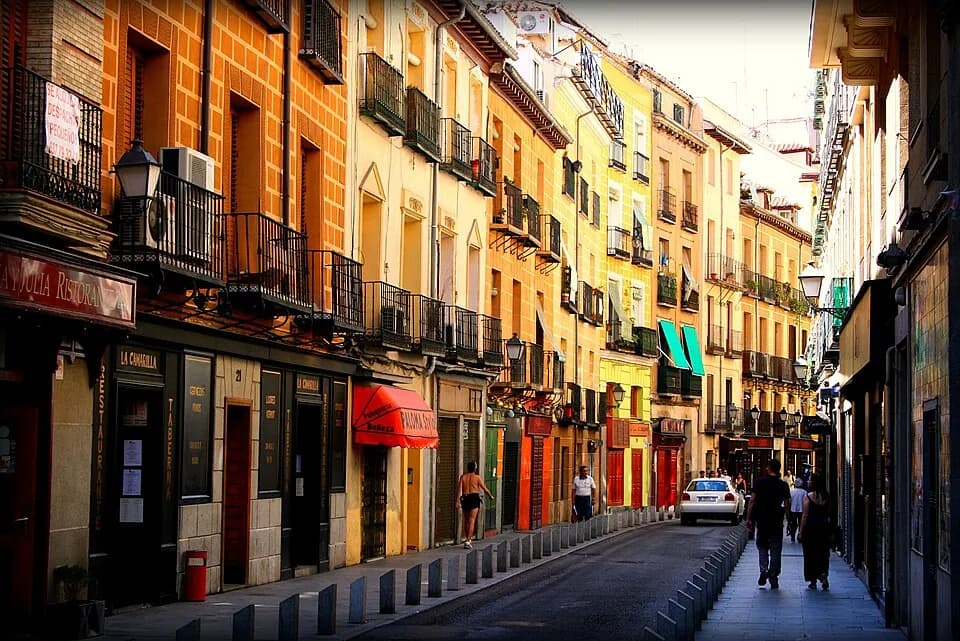
Madrid is a capital that feels like a capital: wide boulevards, grand squares, long late nights and a confident, local energy. It is a city of bars, parks and neighbourhood life, and it rewards time spent wandering rather than ticking off sights. It is less pretty at first glance and grows on you.
Barcelona is a Mediterranean port city with its own language and identity. Catalan is spoken widely alongside Spanish, and you will see it on every sign. It is more visually spectacular, more design-minded and more international, with mountains behind it and the sea in front. It is also busier and more polished for visitors, which is both its appeal and its drawback.
Side by side
| Category | Madrid | Barcelona |
|---|---|---|
| Art and museums | Outstanding, concentrated | Good, spread out |
| Architecture | Grand and formal | Gaudí and Modernisme, unique |
| Beach | None | City beaches, busy in summer |
| Food | Spanish classics, tapas | Catalan cooking, seafood |
| Crowds | Moderate | Heavy at the main sights |
| Pickpocketing | Present | Widely reported, stay alert |
| Walkability | Compact centre | Walkable but spread out |
| Day trips | Toledo, Segovia, El Escorial | Montserrat, Sitges, Girona |
Verdict by traveller type
- First-timers with one city: Barcelona. It packs the widest range into a few days. Book the Sagrada Família early and accept the crowds.
- Culture-focused travellers: Madrid. The Prado, Reina Sofía and Thyssen alone justify the trip, and the day trips add depth.
- Couples: Barcelona for a first romantic trip, with its sea views, evening walks and rooftop drinks. Madrid is better for couples who care more about long dinners and wandering than sightseeing.
- Families: Barcelona, mainly for the beach, the parks and the shorter sights. Madrid works well too, thanks to Retiro and its relaxed pace, but is hard in the hottest weeks of summer.
- Food-led travellers: Madrid for Spanish classics and tapas; Barcelona for Catalan cooking and seafood. It is close to a tie, and depends on your taste.
- People who dislike crowds: Madrid.
If you can stretch to both, the high-speed train between them takes roughly two and a half to three hours, so a split trip is practical. Start with whichever matches your first priority.
When you go matters
Season changes this decision. Madrid is very hot in July and August and cold in winter, while Barcelona is milder, though humid in summer. For autumn, our guide to Spain in October: weather, sea and plans for Madrid and Barcelona shows how the weather affects each city and whether the sea is still warm enough to swim.
FAQ: Madrid or Barcelona
Is Madrid or Barcelona better for a first trip to Spain?
For most first-time visitors with time for only one city, Barcelona, because it combines architecture, old streets, a beach and good food. Choose Madrid if art museums and a less touristy atmosphere matter more.
Does Madrid have a beach?
No. Madrid is inland, far from the coast. It has parks, a river promenade and summer swimming pools, but if you want a beach you need Barcelona or another coastal destination.
Is Barcelona really full of pickpockets?
Pickpocketing is a well-known problem there, especially on the Ramblas, on the metro and around the main sights and beaches. It is avoidable with basic care: a zipped bag, no phone on café tables, and no valuables in back pockets. Madrid has similar risks in busy areas.
How many days do I need in each city?
Three days gives you the highlights of either. Barcelona needs the extra time for its spread-out sights, and Madrid for museums. Add a day for a trip to Toledo or Segovia from Madrid, or to Montserrat or Sitges from Barcelona.
Can I see both Madrid and Barcelona in one trip?
Yes. The high-speed train between them takes roughly two and a half to three hours, so a split trip is easy. With under five days, though, picking one city will give you a calmer visit.
Book what you just read about
Explore related tours and check each trip for available booking options and inclusions.