
Planning · Oct 18, 2026
Portugal in October: Weather, Daylight and Crowds
Lisbon is still warm and bright in October, Porto and the Douro get the first real rain, and the evenings shorten quickly once the clocks go back.

Short answer: yes, October is a good month for Lisbon and Porto, with three honest caveats. Lisbon is still warm and mostly bright, with T-shirt afternoons for much of the month. Porto and the Douro Valley are where the first real autumn rain arrives, so a wet day there is likely rather than unlucky. And the daylight shrinks quickly: the clocks go back on the last Sunday of the month, and the evenings that felt generous in the first week are gone by the last. Crowds are lighter than in summer but far from absent, especially in the school-holiday weeks.
Whether you searched for Portugal Oktober Wetter, Portugal en octobre or Португалия в октябре, the plan is the same: put the dry-weather-dependent days early, leave slack for the north, and do not pack the late afternoons.
Weather: Lisbon and Porto are not the same October
Lisbon in October typically has daytime highs in the low-to-mid 20s °C, with plenty of sun and nights that are mild rather than cold. You will get some grey, showery days, particularly later in the month, but they tend to pass quickly. The Atlantic is cool by now, so beaches are for walking and sitting, not for swimming unless you are hardy.
Porto is a few degrees cooler and noticeably wetter. October is when the Atlantic weather systems start rolling in over the north, and a day of steady rain is common. It is rarely a washout for the whole week, but it is the reason you should not assume Porto will look like the postcards. The Douro Valley inland can be warmer at midday, yet mist in the morning and showers in the afternoon are both normal.
Pack a light waterproof jacket, shoes with real grip, and layers you can peel off. Lisbon's and Porto's old quarters are steep and paved in polished stone, which becomes slippery when wet.
Daylight: the clock change matters more than the calendar
In early October the sun sets a little after seven in the evening in Lisbon, a touch earlier in Porto. By the last week it is closer to a quarter to seven. Then the clocks go back on the last Sunday of the month and sunset drops to roughly a quarter to six, falling toward half past five in the first days of November. That is a full hour of usable light gone overnight.
The practical effect is that anything outdoor and view-led, such as viewpoints, riverfronts and gardens, should be scheduled for the morning or early afternoon. If you are travelling in the last week of October or the first week of November, treat 5 p.m. as the end of your sightseeing day, not the middle of it. Evenings then become about restaurants, fado houses and wine bars, which are in any case a pleasure in cooler weather.
Crowds and school-holiday weeks
October is shoulder season. Queues at the headline sights are shorter than in July and August, and the heat that makes midday visits miserable in summer has eased. But Lisbon and Sintra are popular year-round, and the autumn school breaks bring a second wave. The timing of German autumn holidays differs by state, French Toussaint holidays run from late October into early November, and Russian-speaking families often travel around the same autumn break. Expect busier streets, fuller trams and more tour groups in those weeks than in the first half of October.
Two Portuguese public holidays also fall nearby: 5 October (Republic Day) and 1 November (All Saints' Day). Shops, some museums and some restaurants may change their hours, and the long weekend pushes domestic travel up. Check opening days before you fix an itinerary. Many Lisbon monuments, including those in Belém, traditionally close on Mondays, which is a better planning constraint than the weather.
How to sequence the week
The rule is simple: the walks that suffer least from weather go early and on fixed days, and the long, view-dependent day trips go where you have a spare day on either side. Here is how the five Helios trips we run in Portugal fit that logic. All five run as a small-group tour (shared, up to 12 guests) or as a private tour for your own party, following the same route either way.
| Trip | Length | Weather sensitivity | When to place it |
|---|---|---|---|
| Alfama and Lisbon old town walk | 3 hours | Low to medium; wet cobbles | Early, fixed |
| Belém monuments and discoveries | 3 hours | Medium; open waterfront | Early, avoid Mondays |
| Sintra and Pena Palace day trip | 8 hours | High; hill mist and cloud | Flexible, spare day nearby |
| Porto old town and riverside walk | 3 hours | Medium to high; rain likely | Flexible |
| Douro Valley vineyards and viewpoints | 9 hours | High; views need clear air | Flexible, spare day nearby |
Lisbon: put the walks first
Lisbon is where October is most dependable, so use it for the fixed plans. The Alfama and Lisbon old town walk takes about three hours and runs from Praça do Comércio, the great riverside square, up to Sé Cathedral, then into the Alfama lanes and out to the Portas do Sol viewpoint. It is hilly and the stone can be slick after rain, but it works in most conditions and the best light on the rooftops is in the morning, before the end-of-month early dusk. Do it on your first full day, when you are fresh and the forecast is the most reliable.
The Belém monuments and discoveries walk, also about three hours, covers the exterior of Jerónimos Monastery, Belém Tower, the Monument to the Discoveries and the Tagus waterfront. It is largely outdoors and exposed to the river breeze, so a bright, dry day makes it much better. Note the route covers the monastery exterior, and that admission is not included unless confirmed in your quote. Plan it away from Monday, and consider the busy school-holiday weeks when the waterfront gets crowded by late morning.
Sintra: a long day that needs a spare day
The Sintra and Pena Palace day trip is about eight hours by road from Lisbon, taking in Pena Palace, Sintra old town and the Atlantic cliffs at Cabo da Roca. Sintra sits in the hills and makes its own weather: it can be in cloud when Lisbon is sunny, and the palace terraces that give the famous view are of little use in fog. The place is also among the most crowded in the country, even in October. Be honest with yourself about this: if your only free day lands on a wet, misty one, it is a lesser trip. Keep it flexible, place it in the first half of your Lisbon stay, and leave a spare day after it. Ask us before booking about your options if the forecast turns.
Porto: build around the rain
The Porto old town and riverside walk lasts about three hours and links São Bento Station, Porto Cathedral, the Ribeira riverfront and the Dom Luís I Bridge. The station, with its tiled hall, and the cathedral are fine in showers; the Ribeira and the bridge views are not. Keep this one movable within your stay, and do it on the best-looking morning.
The Douro Valley vineyards and viewpoints day is the longest at around nine hours: a drive out of Porto, Amarante, a Douro viewpoint and a winery at Pinhão. Autumn colour starts to turn the terraced vines and the harvest season is ending or just over, which can mean quiet cellars and moody light. It can also mean low cloud and drizzle over the valley. Do not put it on your last day, and do not book it for a day where a missed connection would cost you a flight. Tastings, food and admission are not included unless confirmed in your quote.
A sample order for a week
- Days 1–2 (Lisbon): Alfama walk on day one; Belém on day two, avoiding Monday.
- Day 3 (Lisbon): Sintra, with a free day after it in case you need to swap.
- Day 4: Travel north to Porto, with the afternoon open.
- Day 5 (Porto): The old town walk on the clearer morning of the next two days.
- Day 6 (Porto): Douro, or the day you moved the walk from.
- Day 7: A buffer, or the day you leave with no sightseeing attached.
If you are looking at other autumn destinations for comparison, our guides to Spain in October, Italy in October and November and Paris in October use the same honest approach to weather, daylight and crowds.
What is not worth it in October
- Swimming on the Atlantic coast. It is cool, and the wind picks up.
- Cramming a sunset viewpoint into the last week of the month. Sunset comes far earlier after the clocks change.
- Doing Sintra and Belém on the same day. Both are better with a clear head and good light.
- Treating Porto like Lisbon. It is cooler, wetter and has less slack in the forecast.
Portugal in October FAQ
Is October a good month to visit Portugal?
Yes, for Lisbon especially. It is warm, mostly sunny and less crowded than summer. In Porto and the Douro you should expect some rainy days and build in a spare day for the long day trip.
Is it warm enough for the beach in October?
The air can be pleasantly warm in Lisbon, but the Atlantic is cool and often breezy. Think of walks along the coast rather than swimming.
When do the clocks change and how much does it matter?
Portugal's clocks go back on the last Sunday of October. Sunset then falls by about an hour, to roughly a quarter to six, so outdoor sightseeing should be done in the morning and early afternoon.
Are Helios trips in Portugal private or shared?
Each of the five trips in this guide runs in two formats: a small-group tour, which is shared, with up to 12 guests, and a private tour for just your party. The route is the same in both. We confirm your guide, access, transport and final price before booking.
Should I book Sintra and the Douro early in the week?
Put them early in your stay in each city and leave a spare day afterwards. Both depend on clear views and are the most affected by mist and rain, so you want room to move them.
Book what you just read about
Explore related tours and check each trip for available booking options and inclusions.
Alfama and Lisbon old town walk
3 hours · Lisbon
€31/ person
See the tour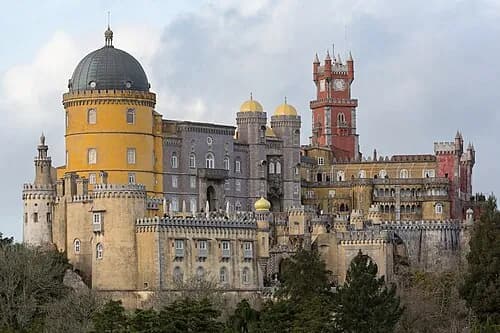
Sintra and Pena Palace day trip
8 hours · Lisbon
€76/ person
See the tour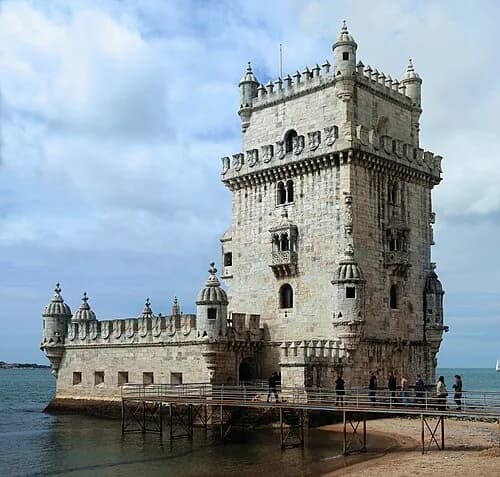
Belém monuments and discoveries
3 hours · Lisbon
€36/ person
See the tour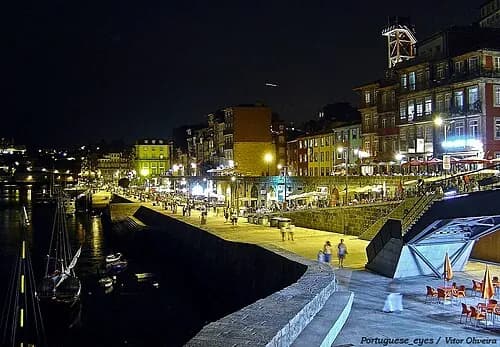
Porto old town and riverside walk
3 hours · Porto
€31/ person
See the tour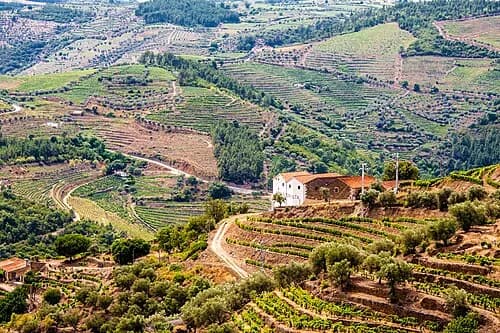
Douro Valley vineyards and viewpoints
9 hours · Porto
€93/ person
See the tour