
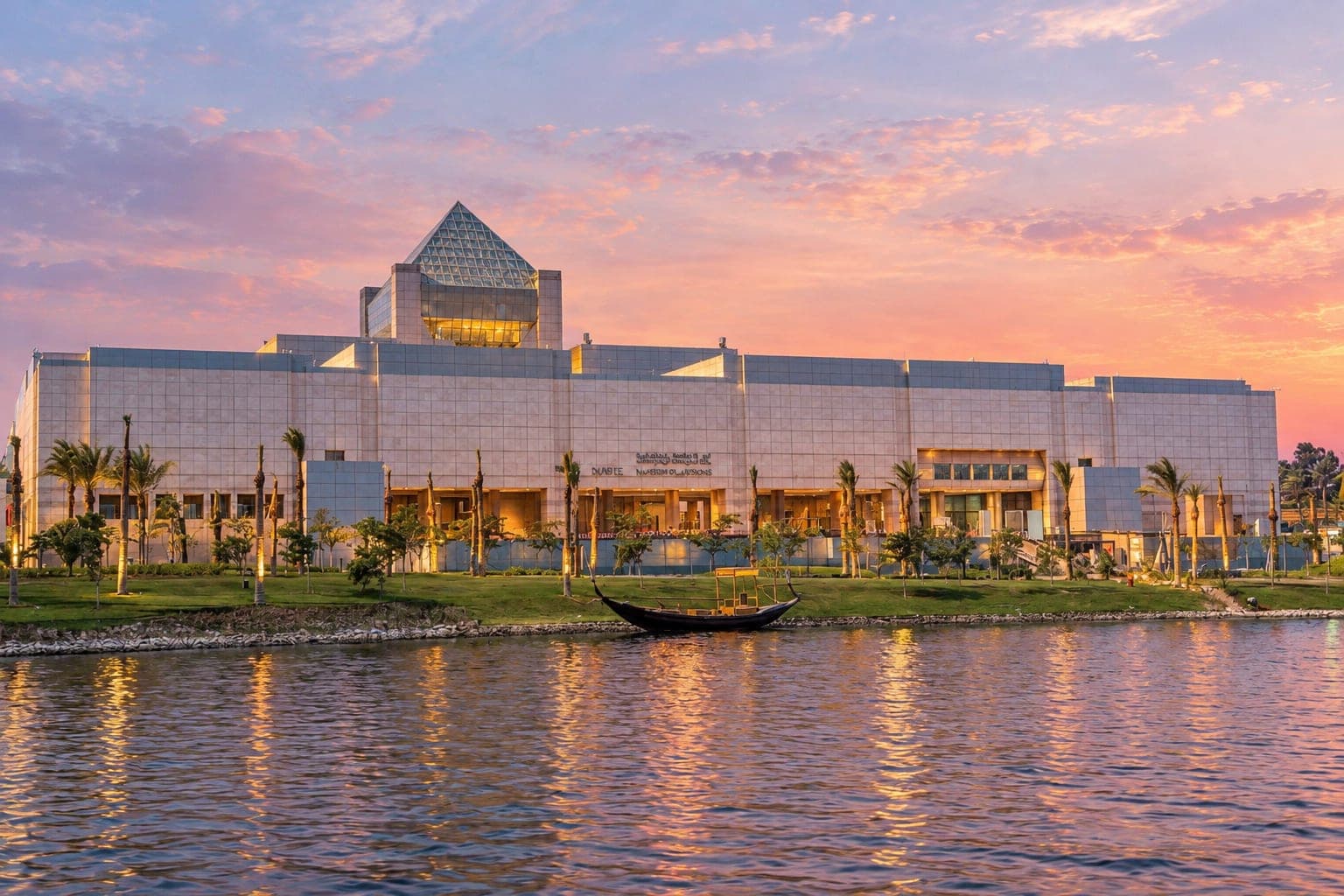
Cairo · Home of the Royal Mummies
National Museum of Egyptian Civilization (NMEC)
Typical visit: 2 h 30 m
Period: 2021 · Opened 2021
The museum that holds the royal mummies — twenty-two kings and queens in a purpose-built hall, shown as people rather than exhibits.
Photos
About
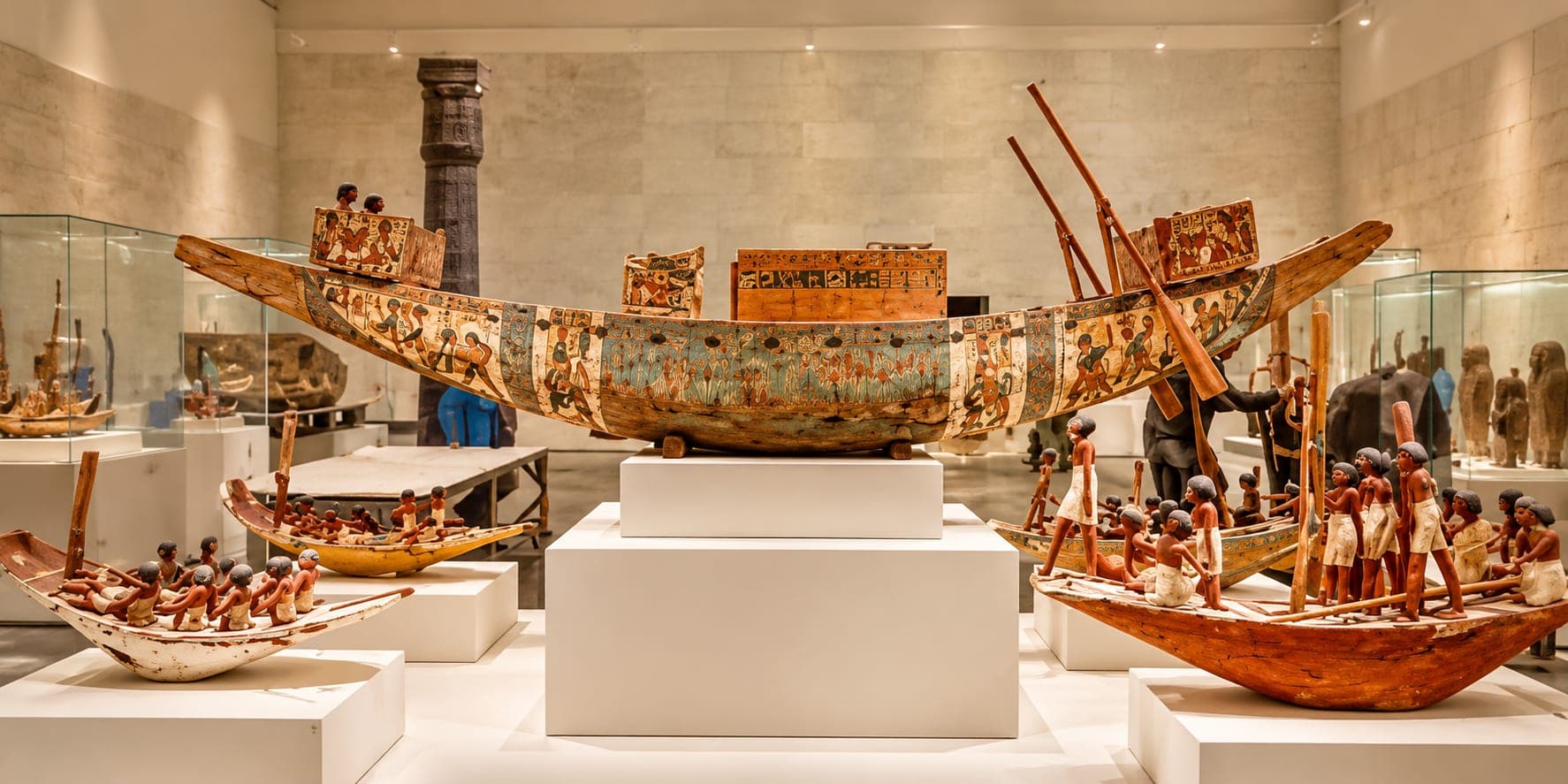
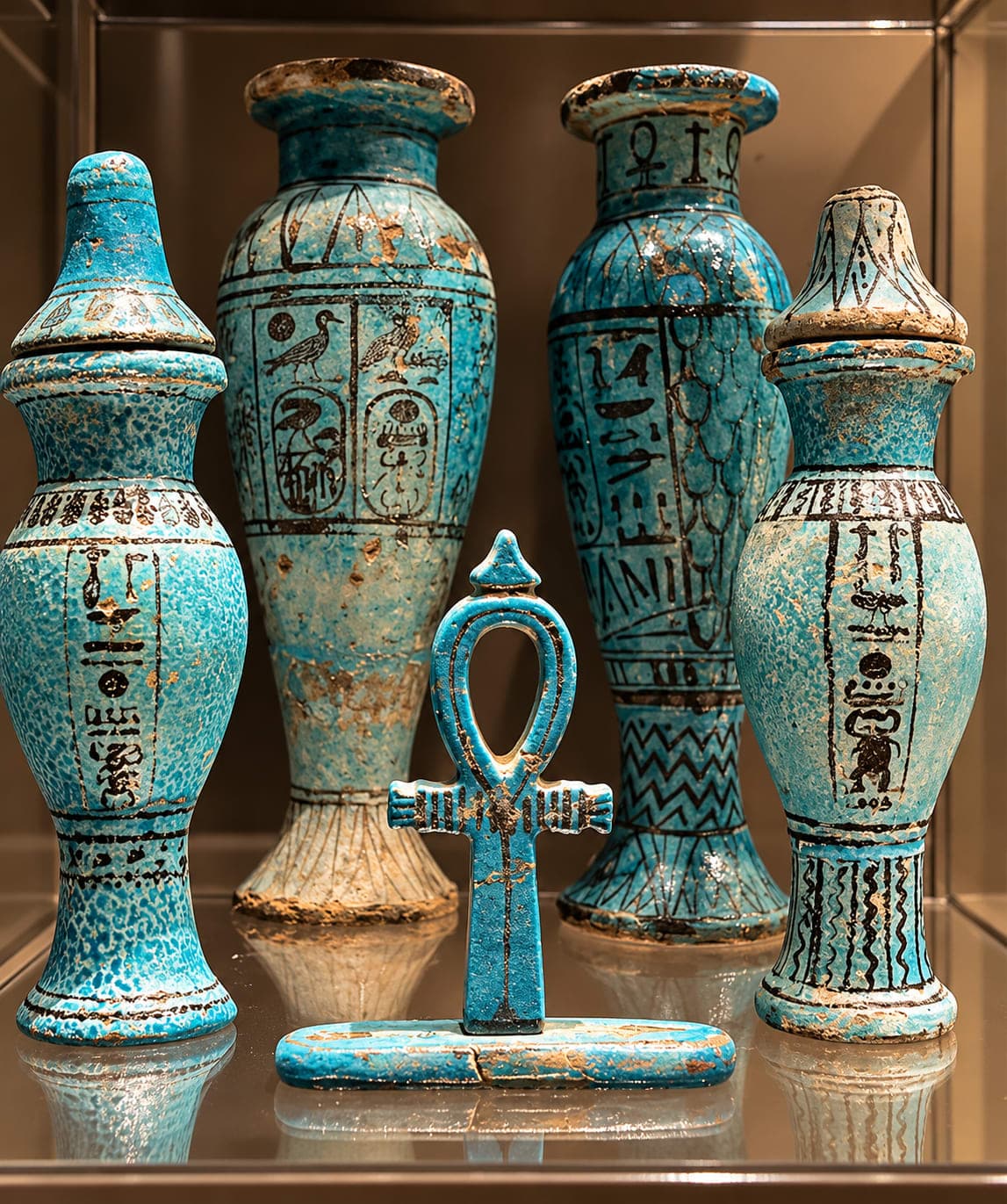
NMEC is the museum most visitors have not heard of and the one many leave talking about. It opened fully in April 2021, when twenty-two royal mummies were carried across Cairo from Tahrir in a televised procession, and it tells a single story that no other Egyptian museum attempts: the whole country, from prehistory to the present, in one building.
The Royal Mummies Hall
Down a ramp, deliberately dim and quiet. Each mummy lies alone in a low-lit case with a CT reconstruction, an age at death and a cause where one is known. Ramesses II, Seti I, Hatshepsut, Thutmose III. Photography is forbidden and the rule is enforced, which is why the room stays silent.
- Separate ticket from the main galleries — buy both at the entrance
- Allow an hour for the hall alone; most people slow right down
- The main gallery upstairs runs thematically, not chronologically
Pair it with Coptic Cairo, ten minutes away, rather than with the Grand Egyptian Museum — the two big museums on one day is more than anyone absorbs.
History & background
The museum was conceived in the 1980s with UNESCO and spent three decades in construction on a site beside the Ain el-Sira lake in Fustat, the first Islamic capital of Egypt. The location is the argument: Fustat is where the layers of this country are stacked physically, and the building sits on top of them.
The royal mummies came from the Egyptian Museum in Tahrir, where they had been displayed since the nineteenth century in conditions no modern conservator would accept. Most were found in two caches — Deir el-Bahari in 1881 and the tomb of Amenhotep II in 1898 — where New Kingdom priests had hidden them from tomb robbers, moving them repeatedly and labelling the wrappings as they went. Those labels are why we know who they are.
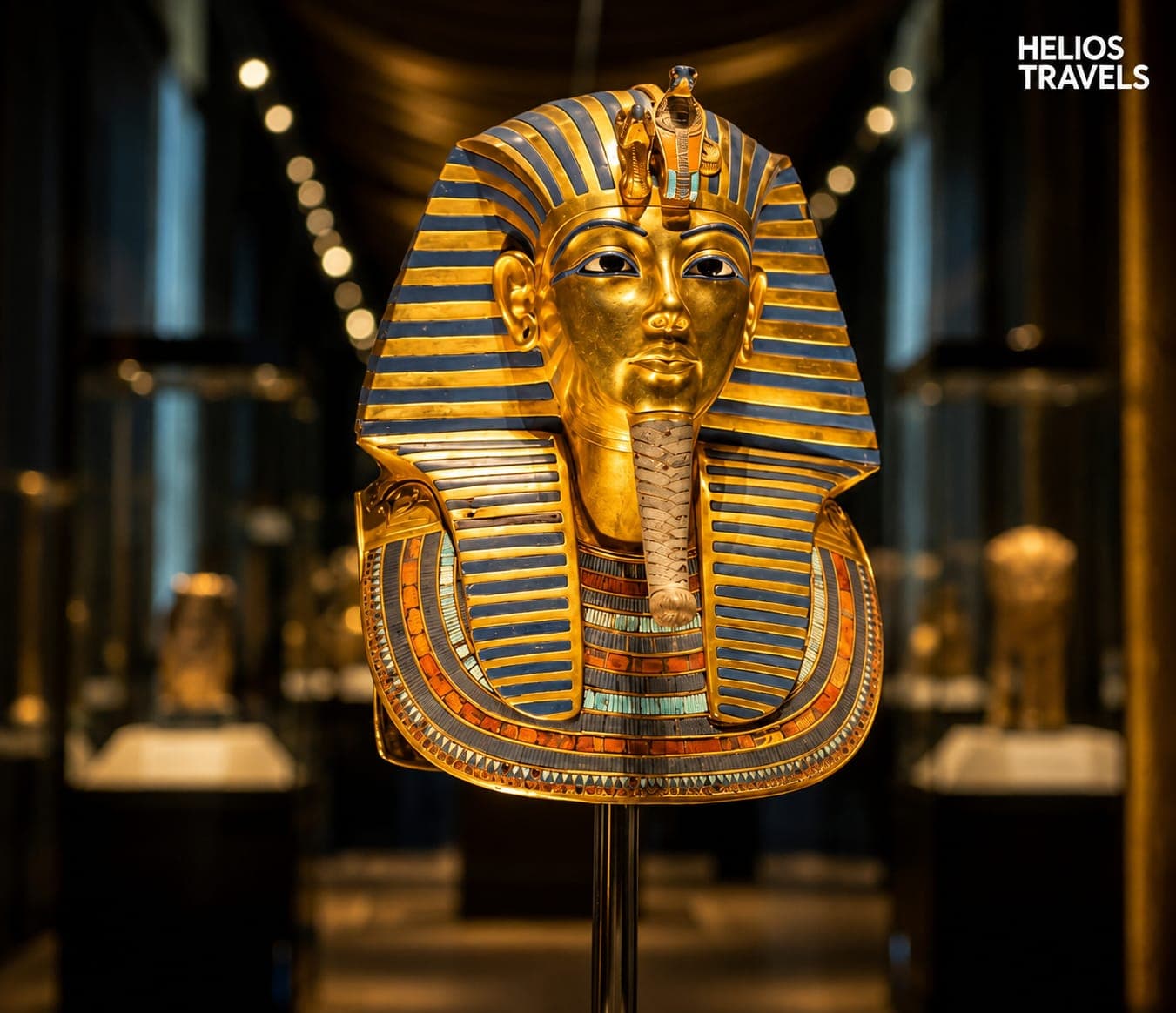
The 2021 transfer, staged as the Pharaohs' Golden Parade, was the first time the mummies had moved as a group since the priests did it three thousand years earlier.
Design your own day-by-day schedule
Pick how many days you have, add attractions per day, and see average activity and travel times between cities.
See it with
Places that carry the same story forward, or sit close enough to take in the same day.
 What came next
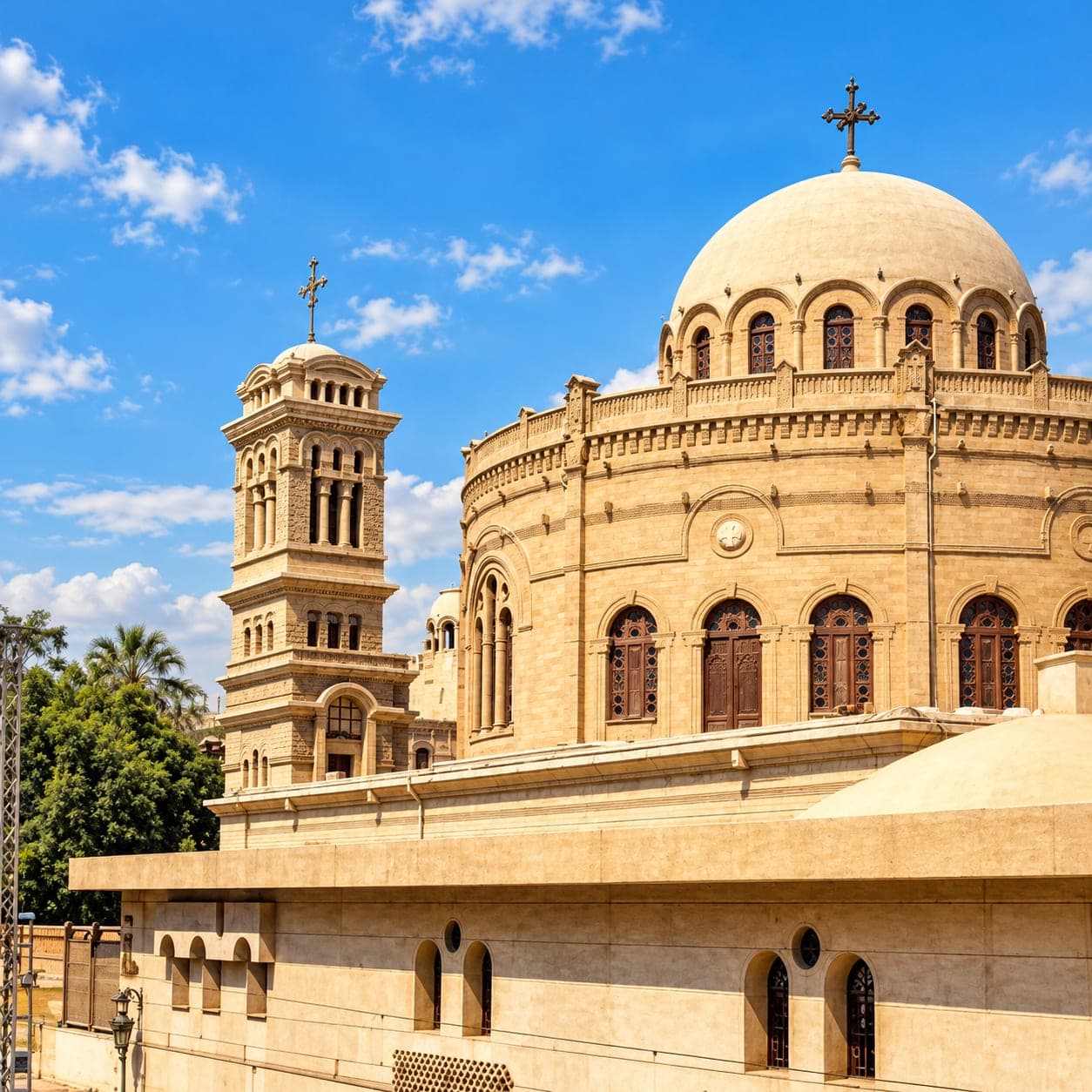
Grand Egyptian Museum
2023 · Contemporary
13 km away
 Same period
Ben Ezra Synagogue
AD 882 · Ninth century
2 km away
 Same period
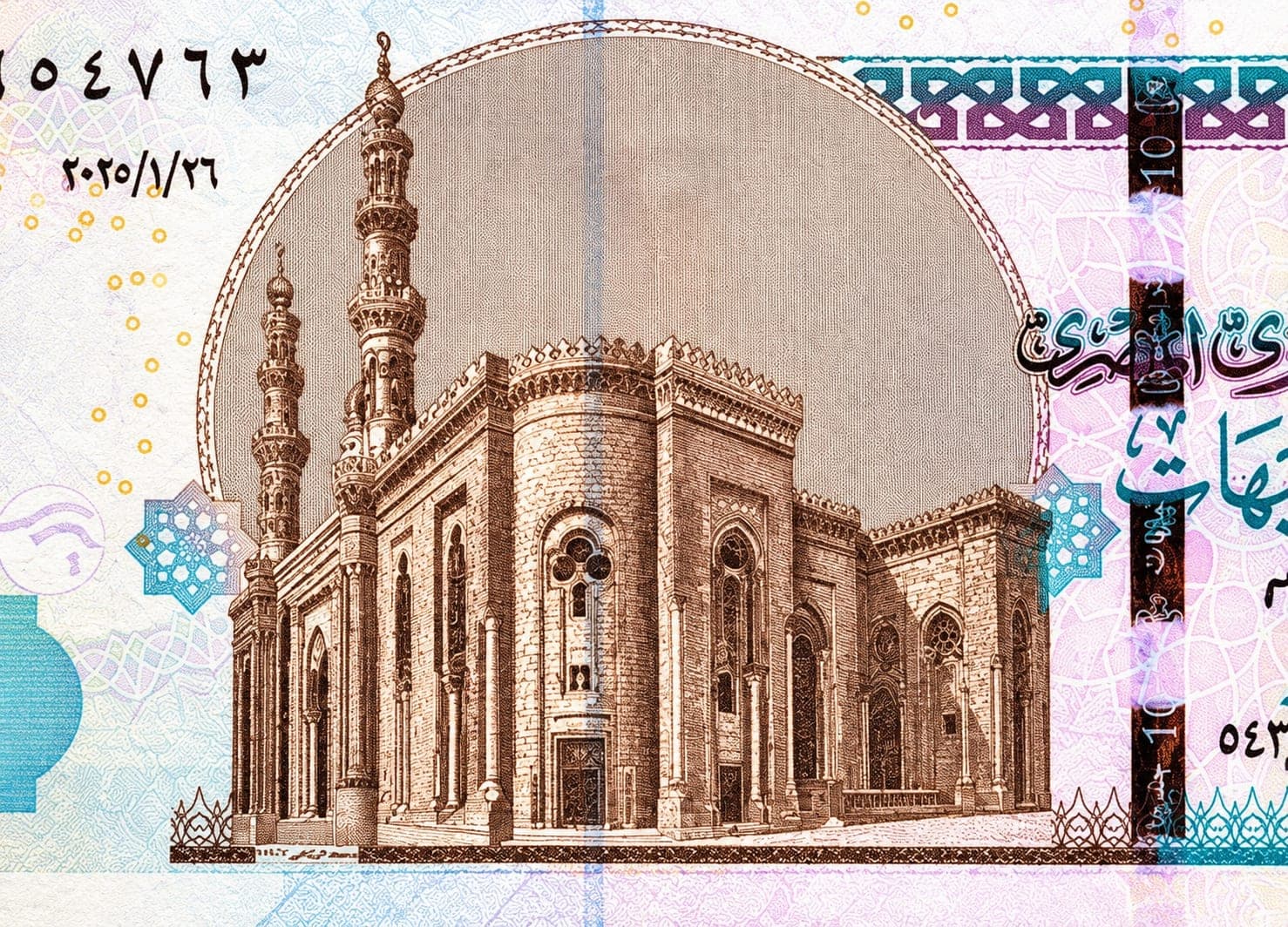
Al-Rifa'i Mosque
1869 · Completed 1912
3 km away
 Same period
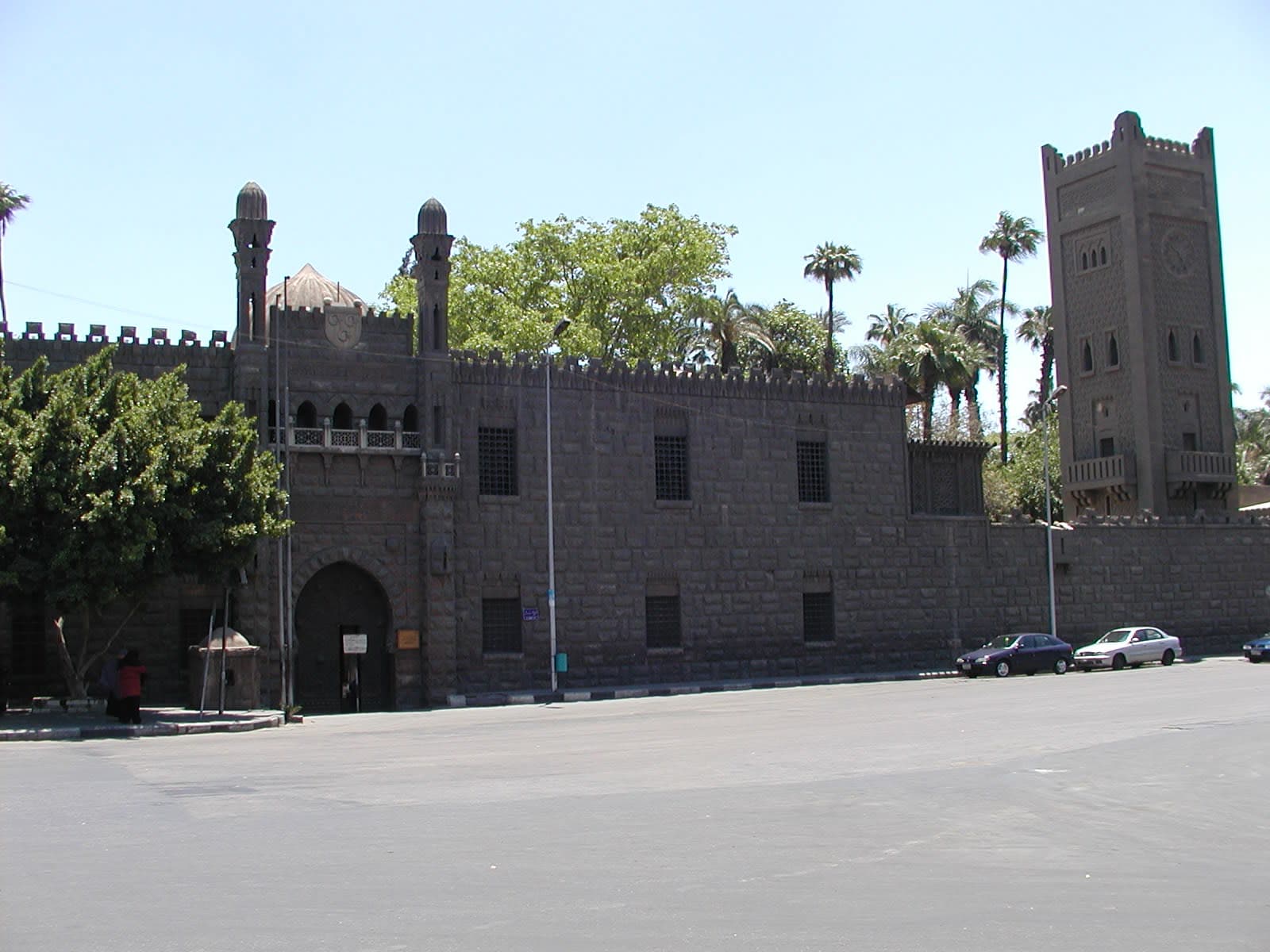
Manial Palace
1901 · Khedivial
3 km away
 Same period
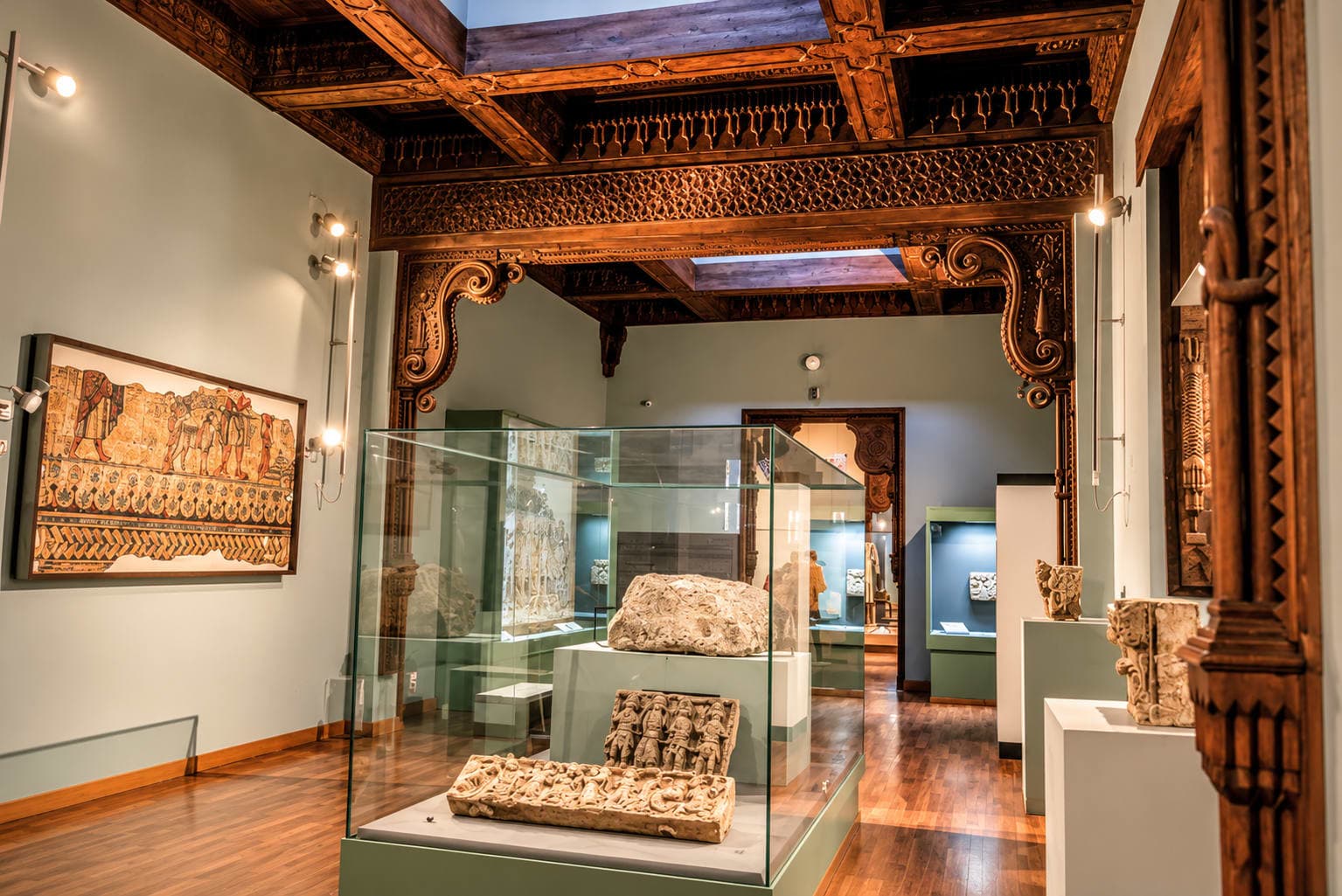
Coptic Museum
1908 · Opened 1908
2 km away
 Same period
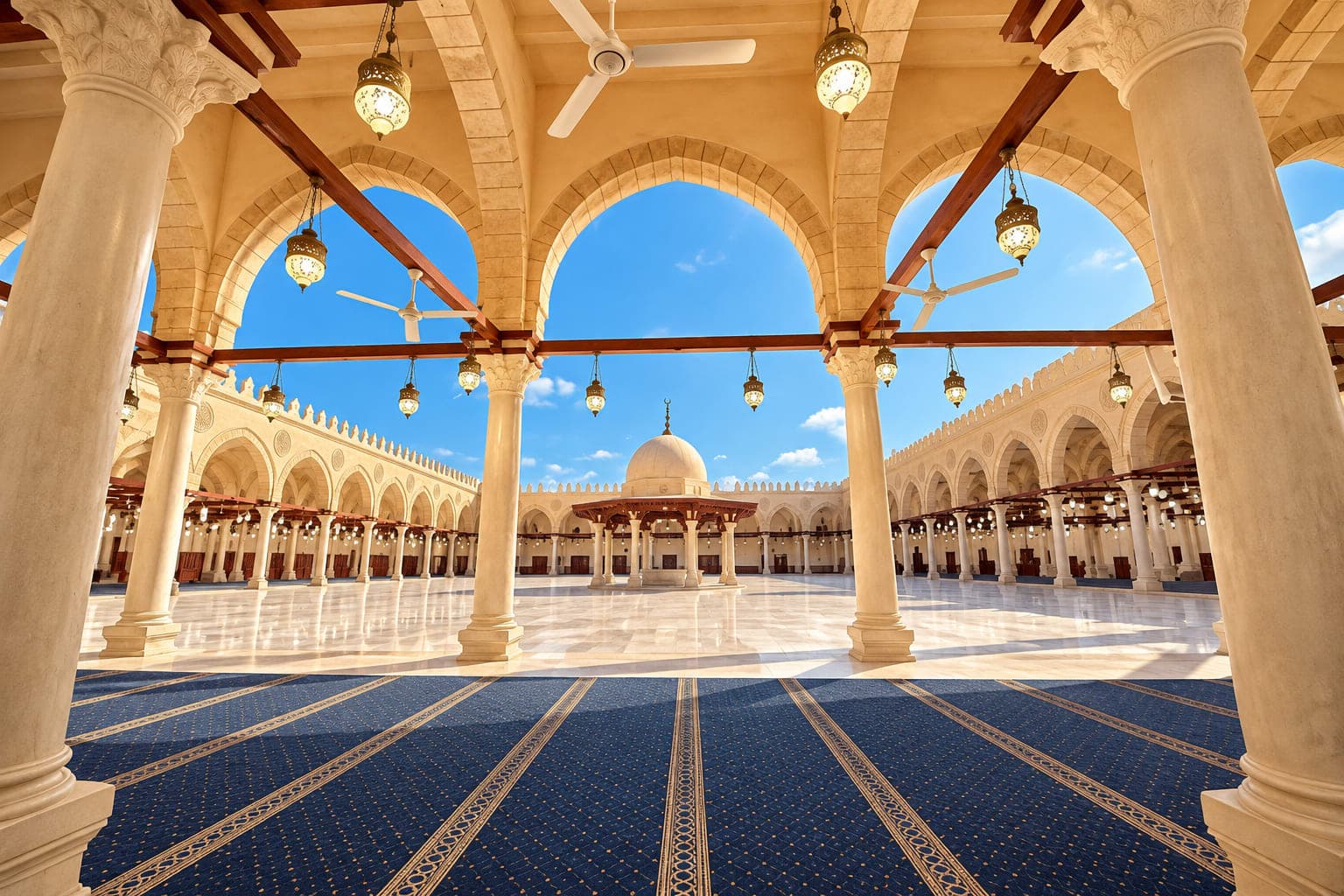
Mosque of Amr ibn al-As
AD 642 · Founded 642
2 km away
Tours that include this attraction
Book a ready-made tour or use the designer above to build your own plan.
No matching tours yet — contact us for a custom itinerary.