
Cairo · The first mosque in Africa
Mosque of Amr ibn al-As
Typical visit: 45 min
Period: AD 642 · Founded 642
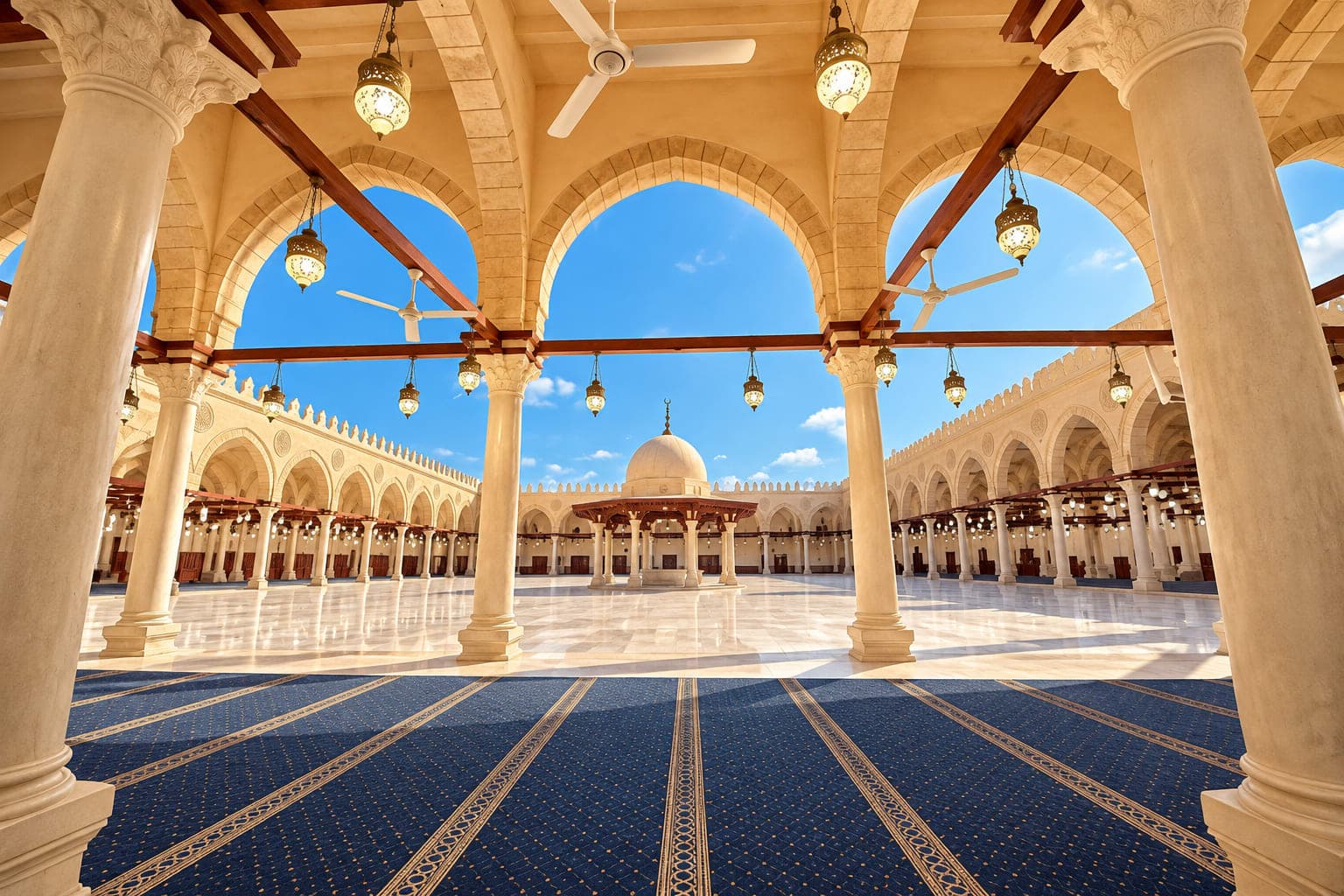
The first mosque built in Africa, founded in 642 on the spot where the conquering general pitched his tent.
Photos
About
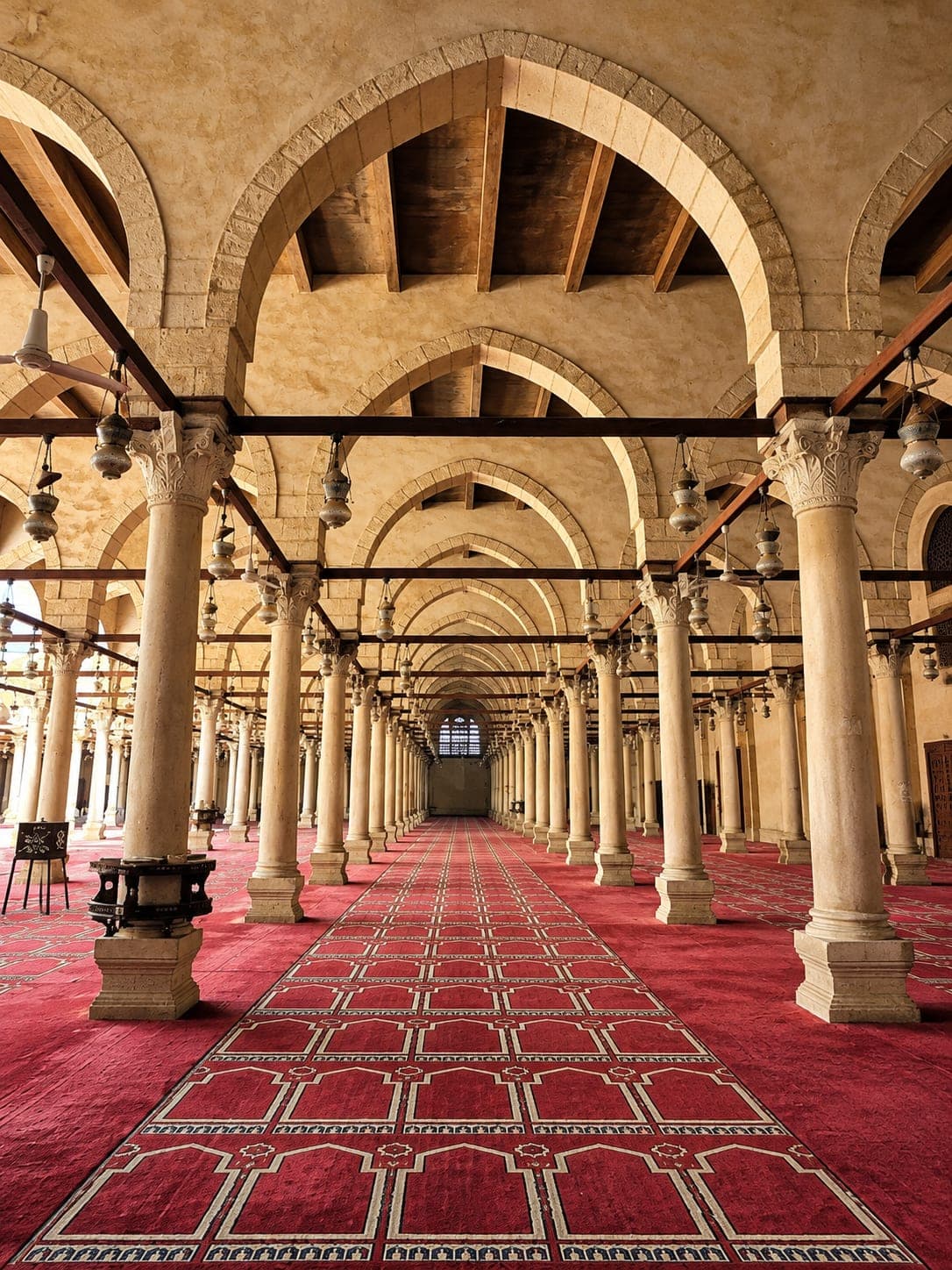
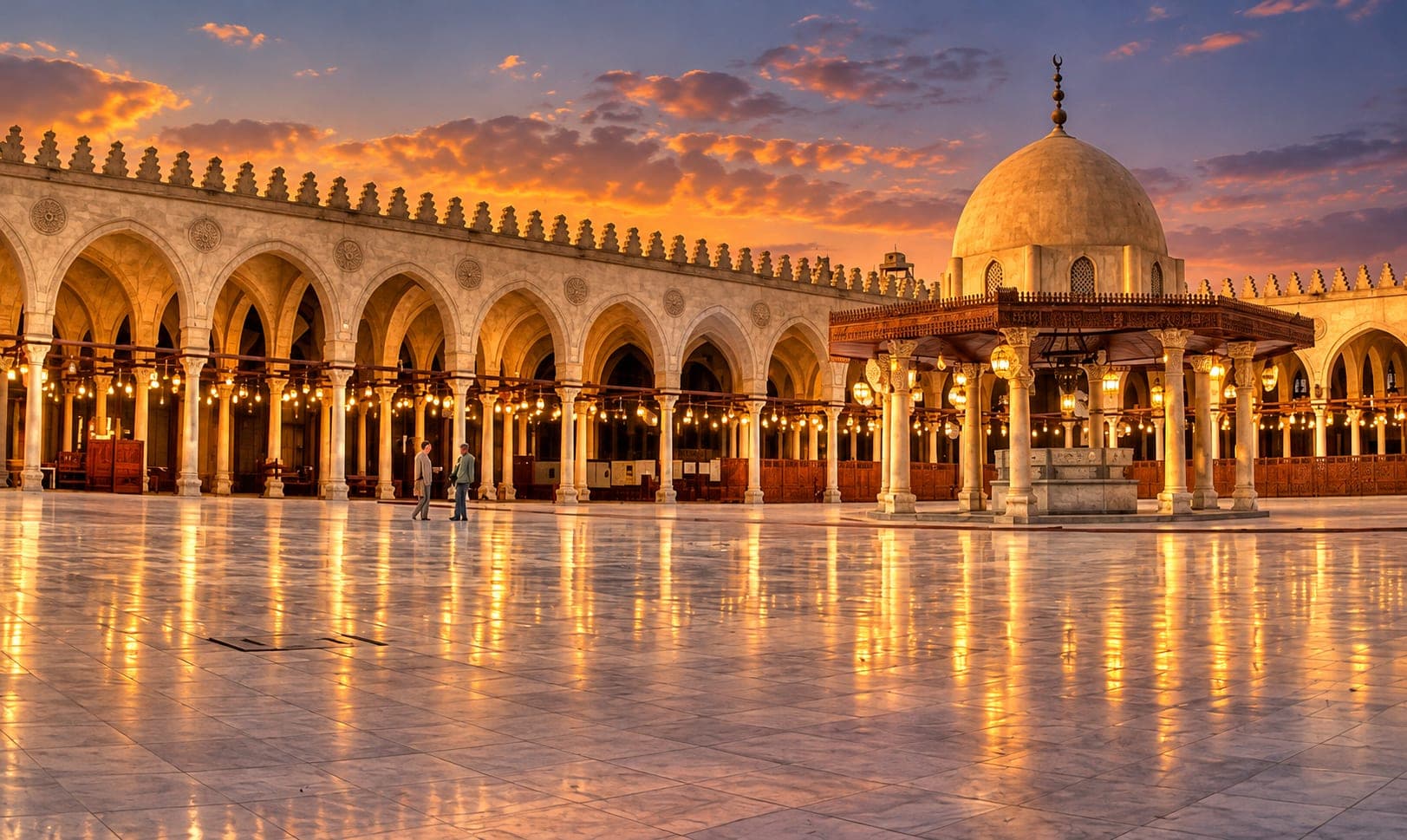
Nothing you see is from 642 — the mosque has been rebuilt so many times that the oldest fabric is Abbasid and most of what stands is eighteenth and nineteenth century. That is the point rather than a disappointment: this is a building that has been continuously in use for fourteen centuries, which almost nothing else in the Islamic world can claim.
What it is like
- A vast open courtyard, far plainer than the Mamluk mosques uptown, and much quieter
- Forest-like rows of columns, most of them Roman and Byzantine spolia taken from older buildings
- Still a working congregational mosque — busy on Fridays, near-empty on a weekday morning
It sits in Fustat, five minutes from Coptic Cairo and the Coptic Museum, and ten from NMEC. Those four together make the most coherent half-day in Cairo: Roman fortress, Coptic church, first mosque, national museum, in the order the city actually happened.
Modest dress and shoes off; women should bring a scarf.
History & background
Amr ibn al-As took Egypt from the Byzantines in 641 and founded a garrison town, Fustat, beside the Roman fortress of Babylon rather than at Alexandria. Tradition says the mosque was laid out in 642 on the ground where his tent had stood — a dove had nested on it, and he ordered the tent left undisturbed.
The original was a simple rectangle of mud brick and palm trunks with no minaret and no mihrab niche. It was enlarged in 673, again in 827, and essentially rebuilt under Sultan Murad Bey in 1798, which is the building's present shape.
Fustat itself was burned in 1168 by its own vizier to deny it to the Crusaders, and the city's centre moved north to Fatimid Cairo. The mosque survived and kept going, which is why the first mosque in Africa now stands in what is effectively a suburb rather than at the heart of the capital it founded.
Design your own day-by-day schedule
Pick how many days you have, add attractions per day, and see average activity and travel times between cities.
See it with
Places that carry the same story forward, or sit close enough to take in the same day.
 What came next
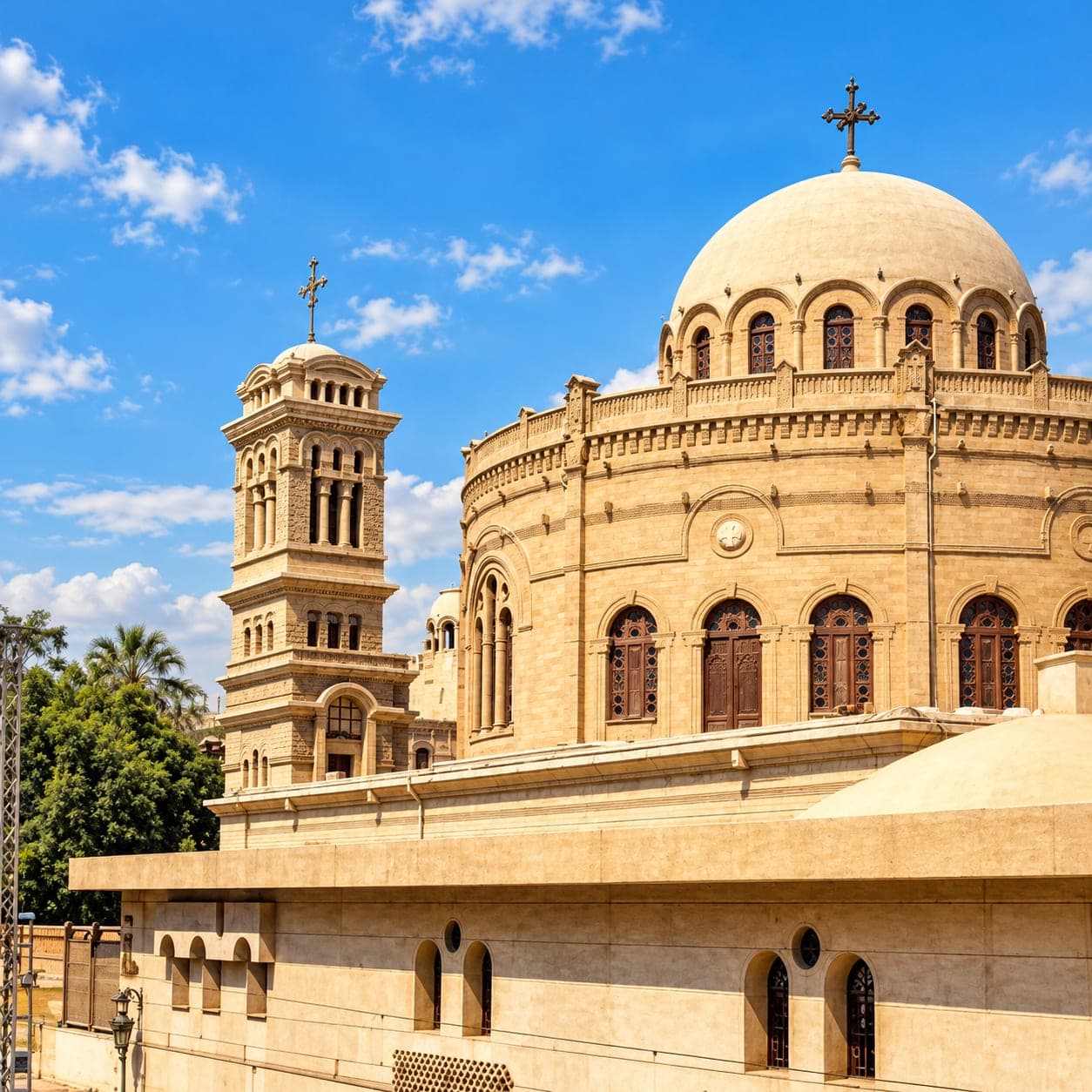
Ben Ezra Synagogue
AD 882 · Ninth century
1 km away
 What came next
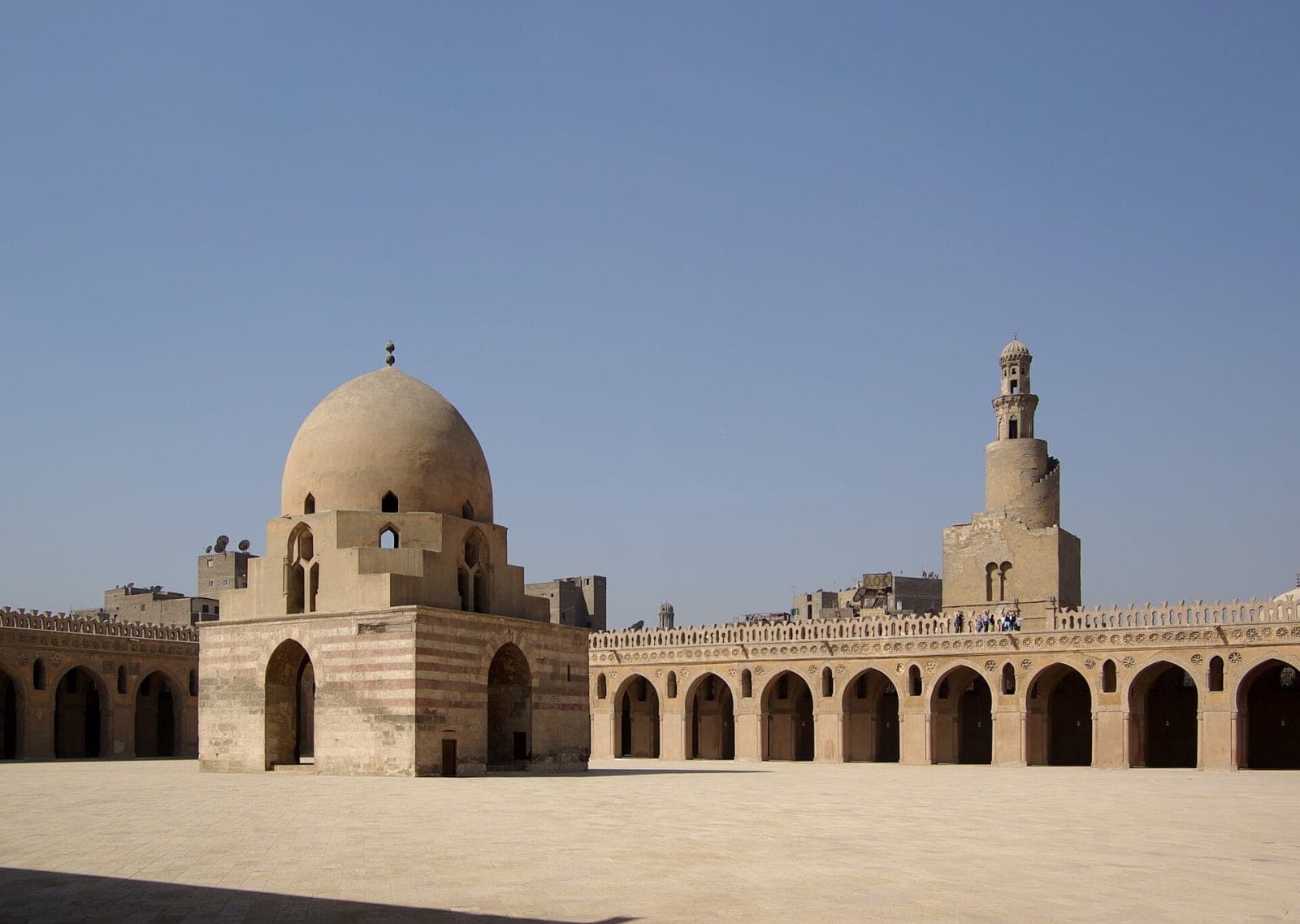
Mosque of Ibn Tulun
AD 879 · Tulunid
3 km away
 What came next
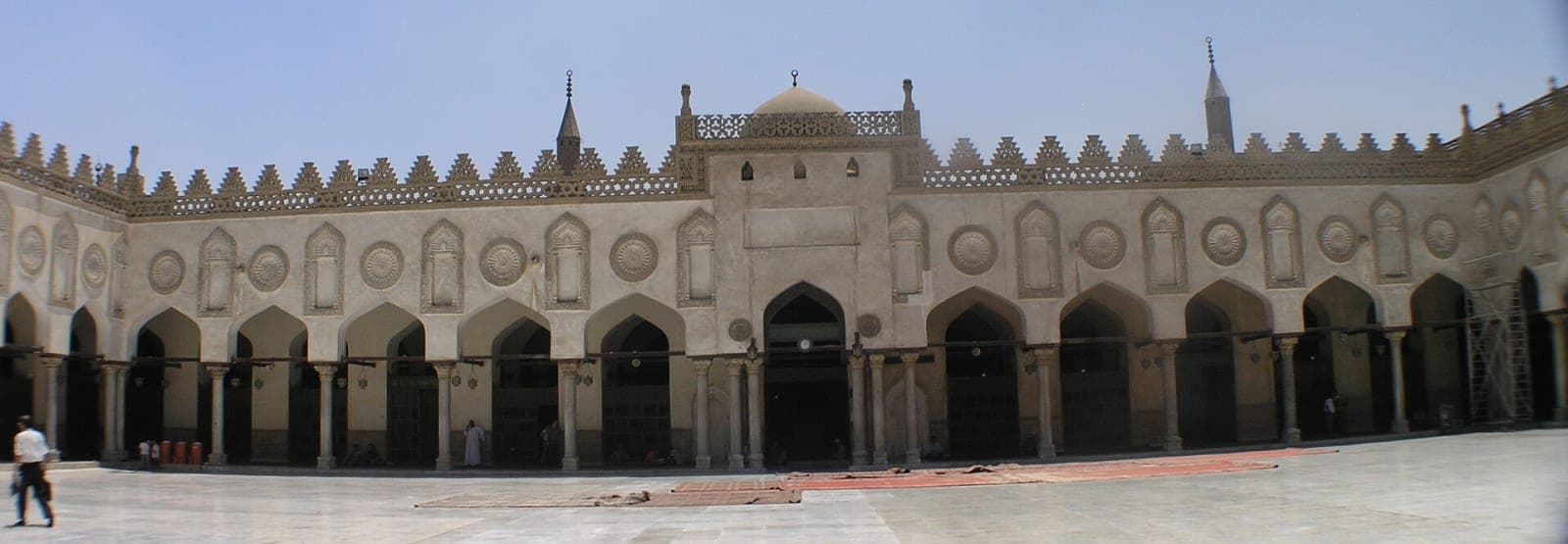
Al-Azhar Mosque
AD 970 · Fatimid
5 km away
 What came next
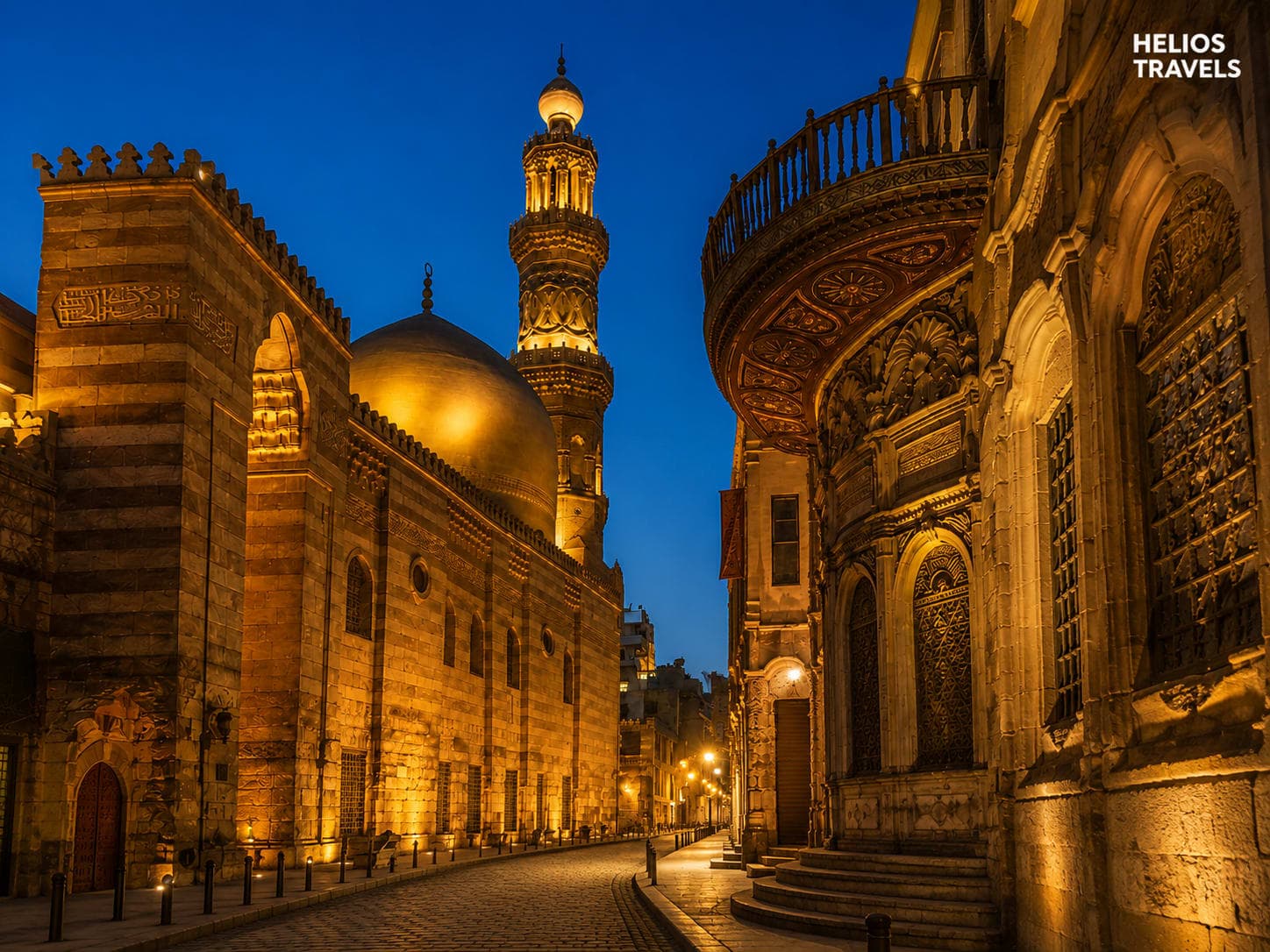
Al-Muizz Street
AD 970 · Fatimid
5 km away
 What came next
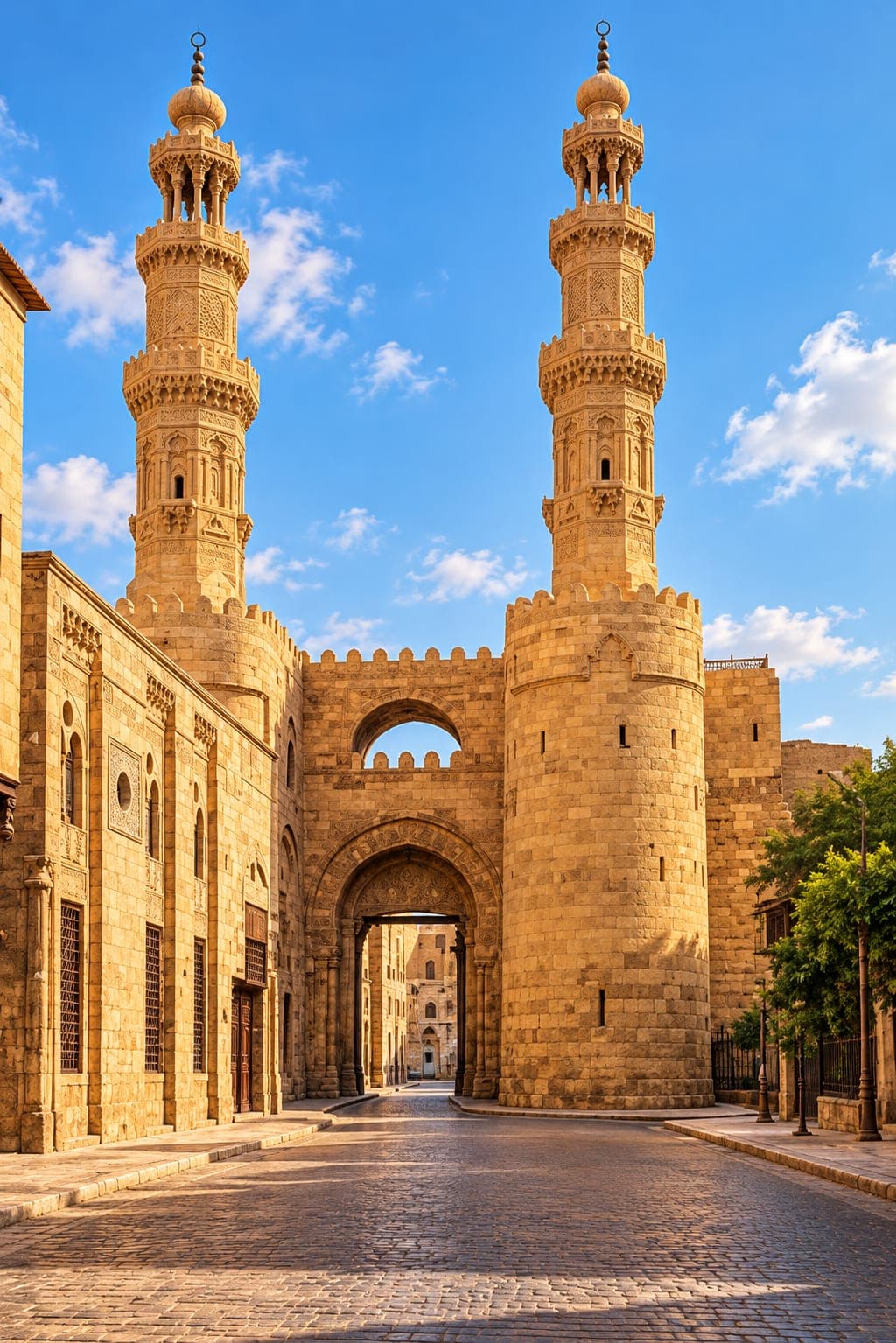
Bab Zuweila
1092 · Fatimid, 1092
4 km away
 What came next
Citadel of Saladin
1176 · Ayyubid
3 km away
Tours that include this attraction
Book a ready-made tour or use the designer above to build your own plan.
No matching tours yet — contact us for a custom itinerary.