
Cairo · Inside the Roman fortress walls
Coptic Museum
Typical visit: 1 h 30 m
Period: 1908 · Opened 1908
The world's largest collection of Coptic art, and the missing middle of Egypt's story — what happened between the pharaohs and Islam.
Photos
About
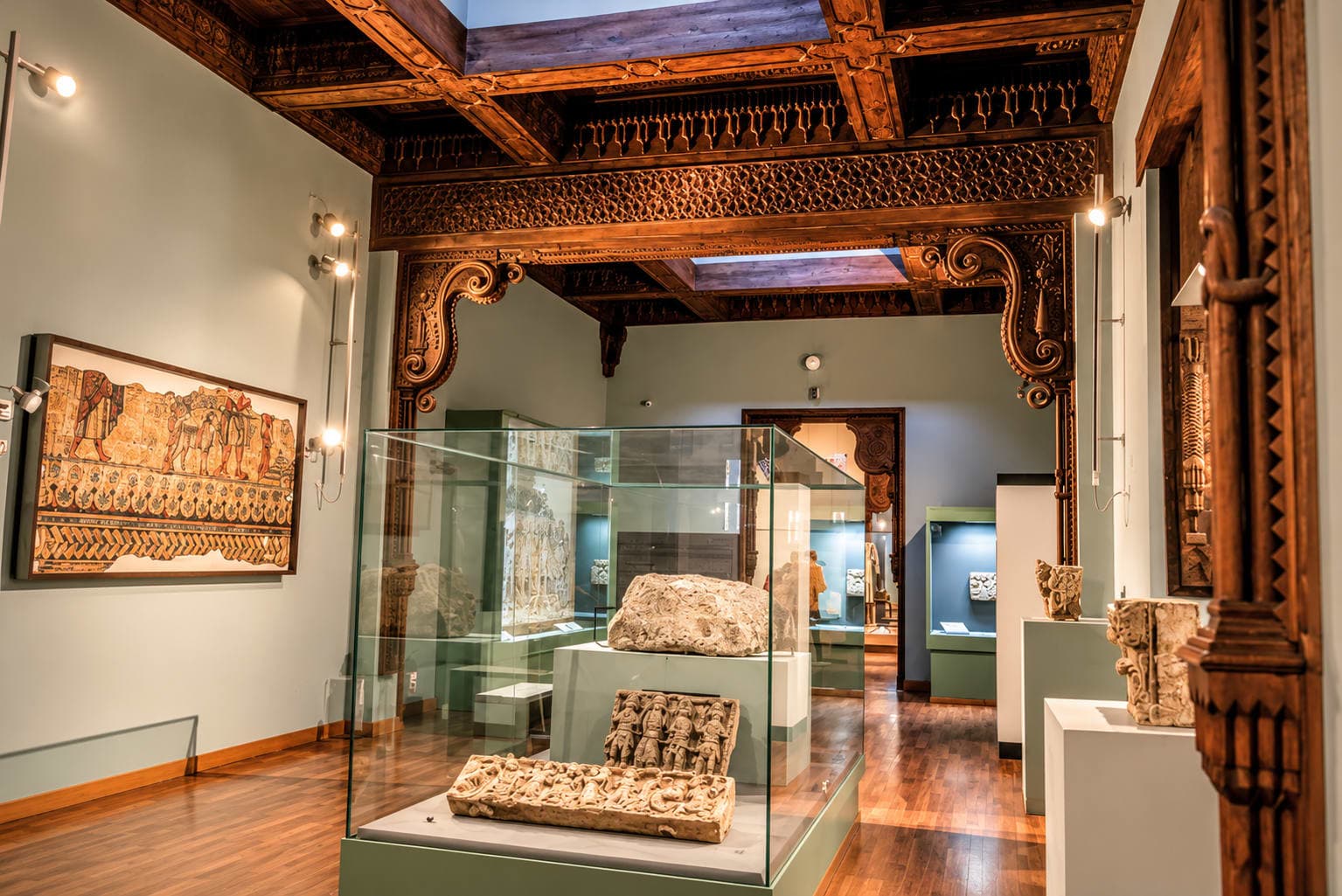
Most itineraries jump from Tutankhamun to Saladin and leave out six centuries. This museum is those centuries: the art of Egypt's Christians, from late Roman textiles to the carved stone of monasteries that were already ancient when the Arabs arrived.
What makes it worth an hour
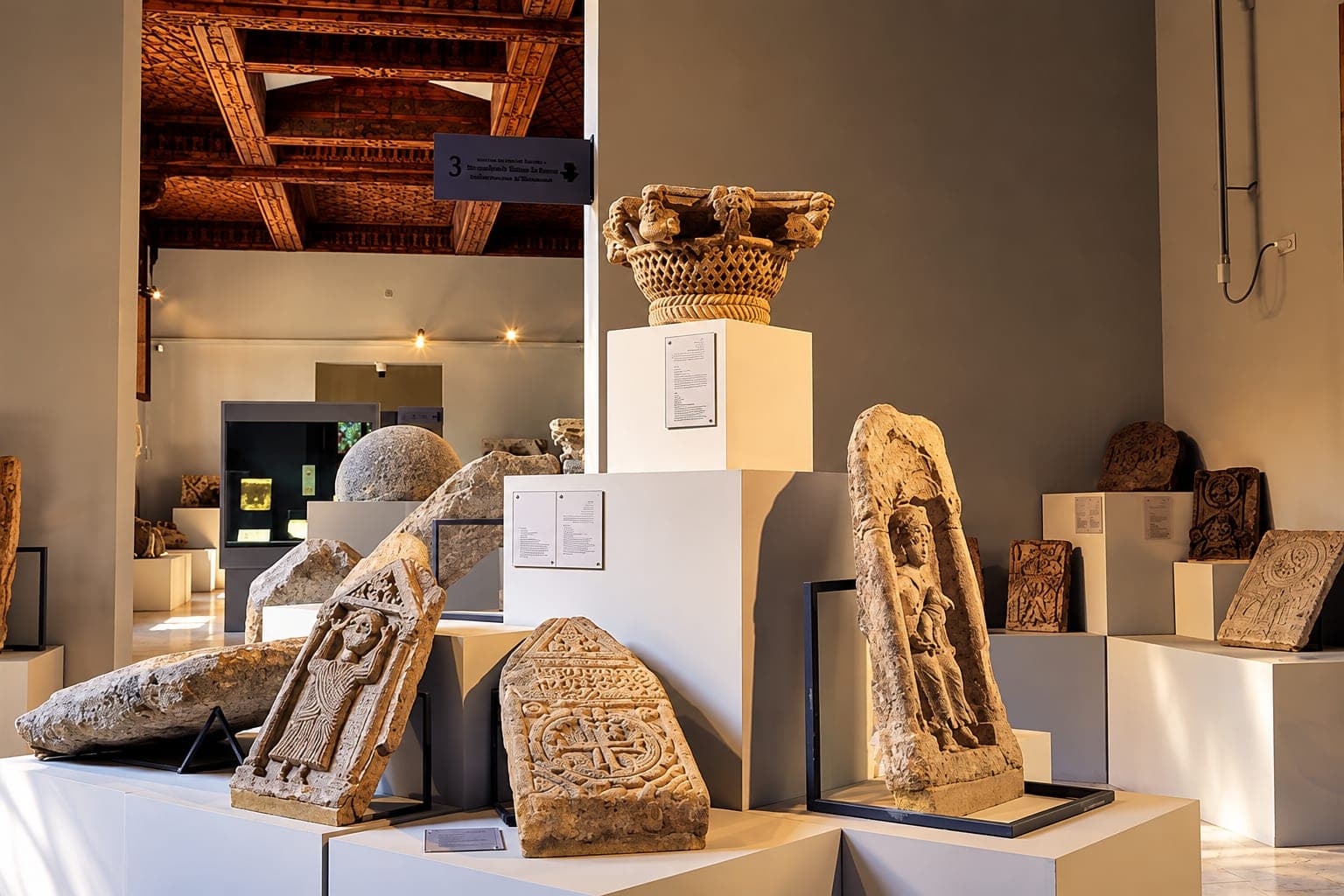
- Stone carving in which pharaonic ankhs turn into Christian crosses on the same slab — the conversion visible in the material
- Textiles, which Egypt's dryness preserved when nowhere else in the Roman world could
- Pages from the Nag Hammadi codices, the fourth-century Gnostic library found in a jar in Upper Egypt in 1945
- Woodwork and mashrabiya, the direct ancestor of what you see next door in Islamic Cairo
The building itself is half the pleasure: wooden ceilings, a courtyard garden and mashrabiya screens, wrapped inside the Roman walls of the Babylon fortress. The Hanging Church is a two-minute walk and Ben Ezra Synagogue is behind it, so this is the natural first stop of a Coptic Cairo morning rather than an add-on.
History & background
Marcus Simaika, a Coptic civil servant, founded the museum in 1908 with the support of the Coptic Church and the permission of Patriarch Cyril V, having spent years arguing that Coptic material was being treated as an afterthought by the Egyptian Museum on one side and ignored by collectors of Islamic art on the other.
He built it inside the walls of the Babylon fortress, the Roman garrison that the Arab general Amr ibn al-As besieged in 640, and furnished it with architectural salvage — doors, ceilings and screens rescued from Coptic houses being demolished across Cairo. A new wing was added in 1947, and the state took the museum over in 1931.
The Nag Hammadi codices arrived after 1945, when two brothers digging for fertiliser near Luxor broke open a sealed jar containing thirteen leather-bound papyrus books — among them the Gospel of Thomas, and the single most important find for understanding early Christian diversity.
Design your own day-by-day schedule
Pick how many days you have, add attractions per day, and see average activity and travel times between cities.
See it with
Places that carry the same story forward, or sit close enough to take in the same day.
 What came next
National Museum of Egyptian Civilization (NMEC)
2021 · Opened 2021
2 km away
 Same period
Coptic Cairo
AD 300 · Early Christian
0 km away
 Same period
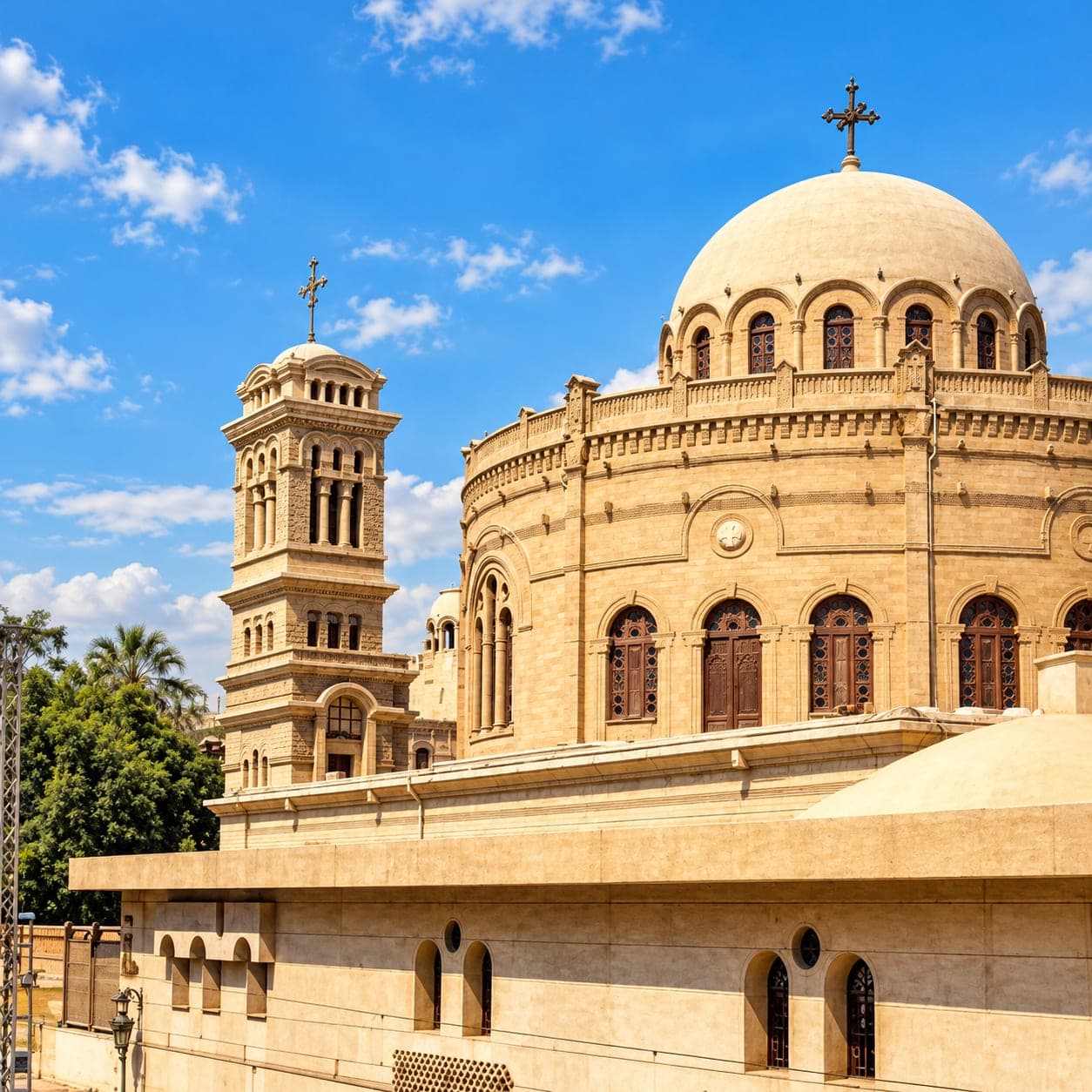
Hanging Church
AD 690 · Early Christian
0 km away
 Same period
Ben Ezra Synagogue
AD 882 · Ninth century
0 km away
 Nearby
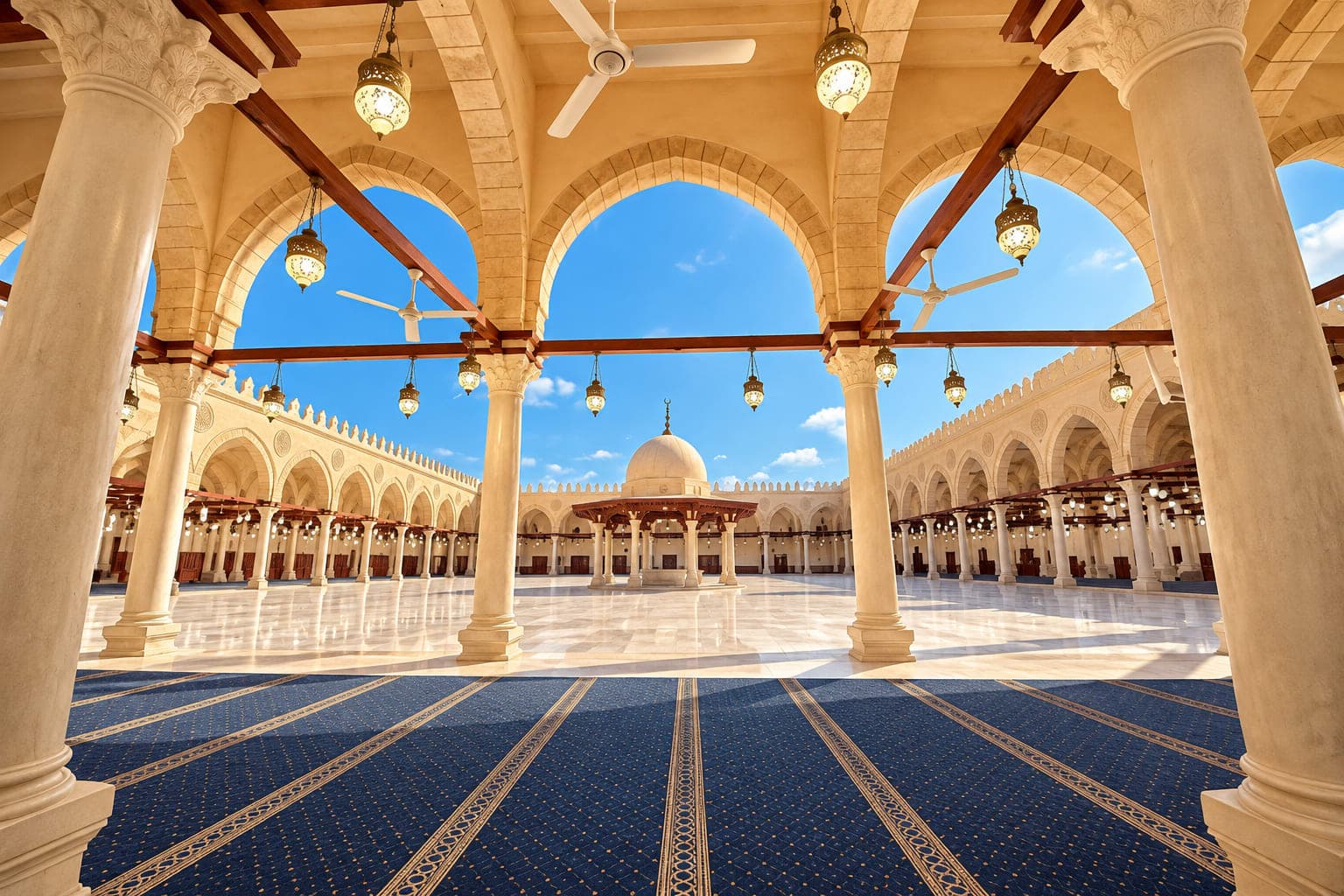
Mosque of Amr ibn al-As
AD 642 · Founded 642
1 km away
 Nearby
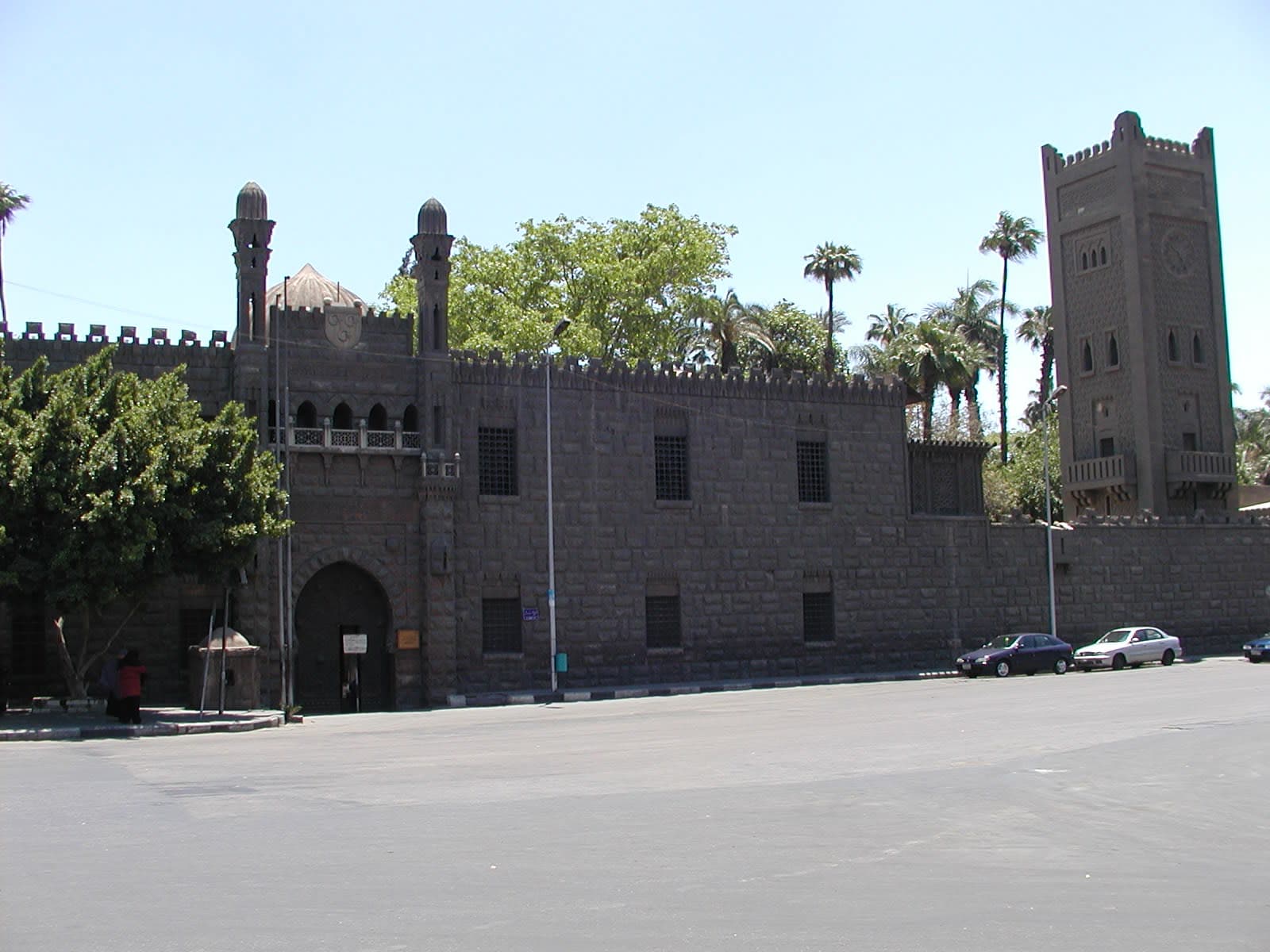
Manial Palace
1901 · Khedivial
2 km away
Tours that include this attraction
Book a ready-made tour or use the designer above to build your own plan.
No matching tours yet — contact us for a custom itinerary.