
Cairo · Bab al-Khalq
Museum of Islamic Art
Typical visit: 2 h
Period: 1903 · Opened 1903
The finest collection of Islamic art anywhere, in a building most visitors walk past — carved wood, enamelled glass and a thousand years of craft.
Photos
About
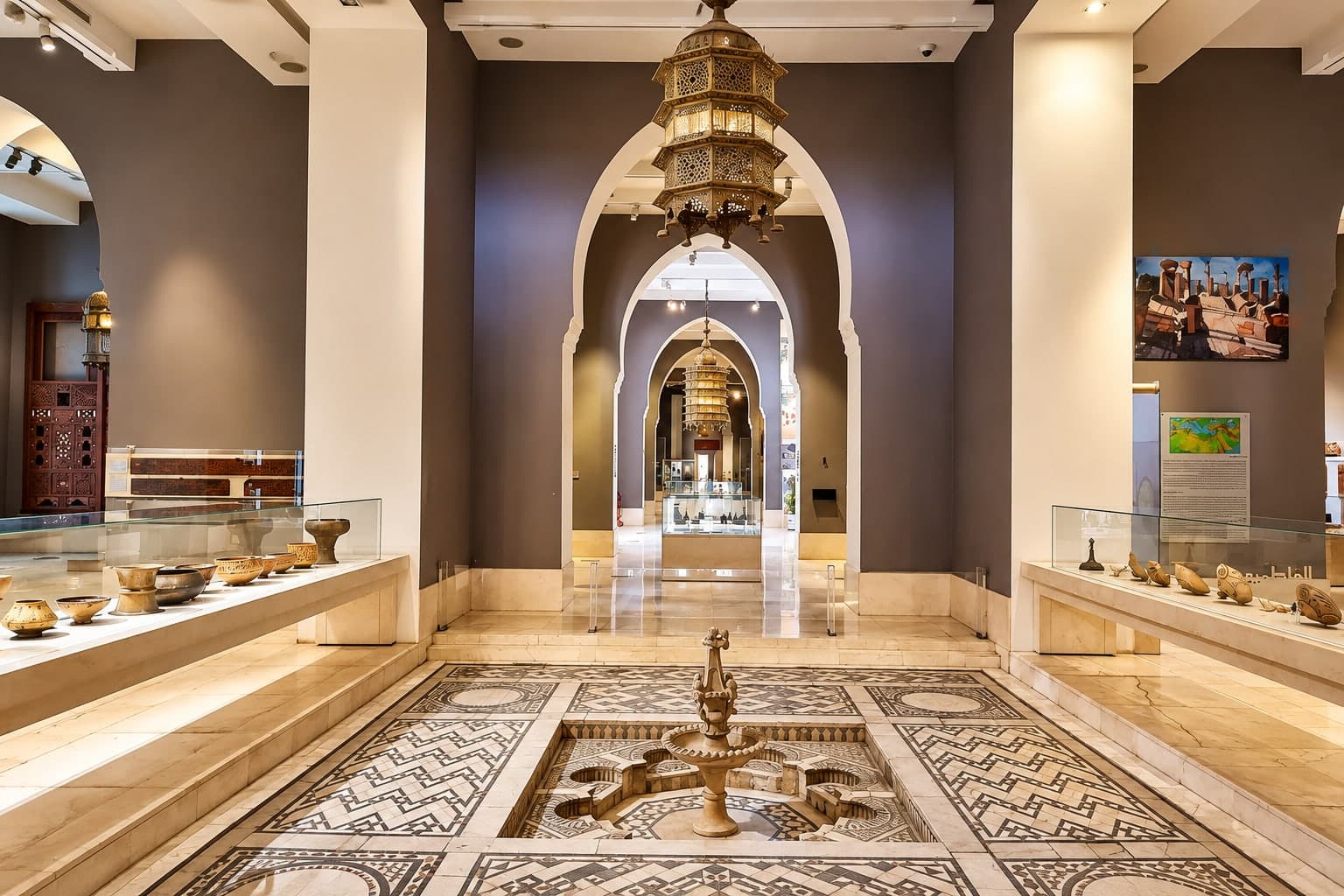
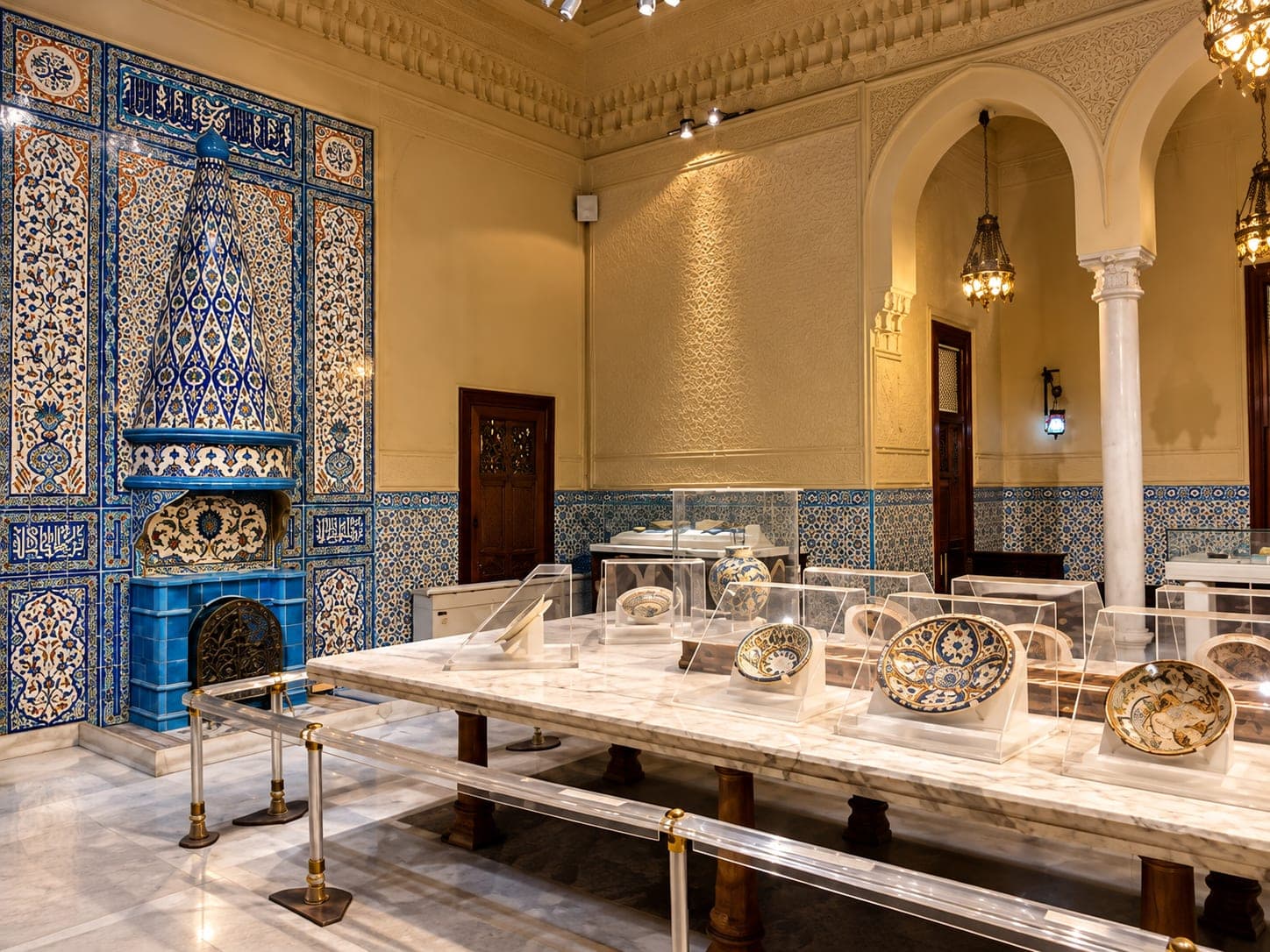
Around 100,000 objects, of which roughly 2,500 are shown, and the selection is unusually generous with the things that are hard to photograph and unforgettable in person: mashrabiya screens cut from single blocks, enamelled mosque lamps that still hold their colour, a Mamluk fountain reassembled in the middle of a gallery.
What to look for
- The Mamluk metalwork — inlaid brass so fine the inscriptions read as pattern until you step close
- Enamelled and gilded glass lamps from the mosques of Sultan Hassan and Ibn Tulun
- An early Qur'an collection spanning Kufic through Ottoman
- Carpets, ceramics and a room of Ottoman tilework
It is arranged by material rather than dynasty, which sounds academic and works well — you see how one craft changed hands across six centuries. Ninety minutes is enough; two hours if metalwork is your thing. It sits ten minutes from Bab Zuweila, and the two together make a good half-day in Islamic Cairo without a bus.
History & background
The collection began in 1881 in the arcades of the Mosque of al-Hakim, assembled largely to stop architectural fragments walking out of Cairo's crumbling monuments and into the antiquities trade. It moved into the purpose-built neo-Mamluk building at Bab al-Khalq in 1903.
On 24 January 2014 a car bomb aimed at the police headquarters across the street tore through the façade and damaged 179 objects. The museum reopened in January 2017 after a restoration funded by Egypt, the UAE, Italy and UNESCO, and the work itself became part of the story — several galleries show conservation photographs beside the pieces they saved.
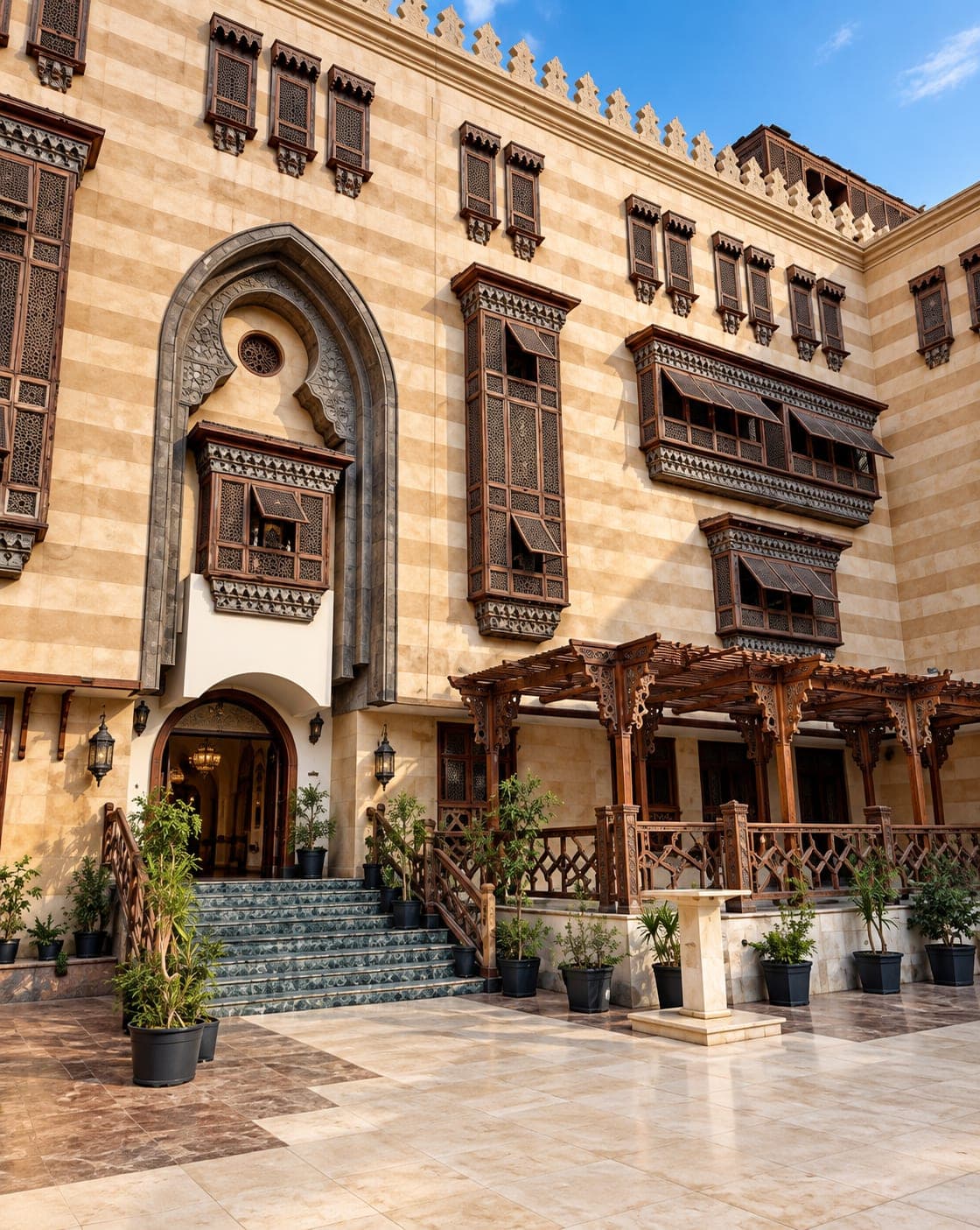
The building is worth a look on the way out: the façade is a deliberate anthology of Cairo's own Mamluk architecture, quoting doorways and window grilles from monuments a few streets away.
Design your own day-by-day schedule
Pick how many days you have, add attractions per day, and see average activity and travel times between cities.
See it with
Places that carry the same story forward, or sit close enough to take in the same day.
 What came next
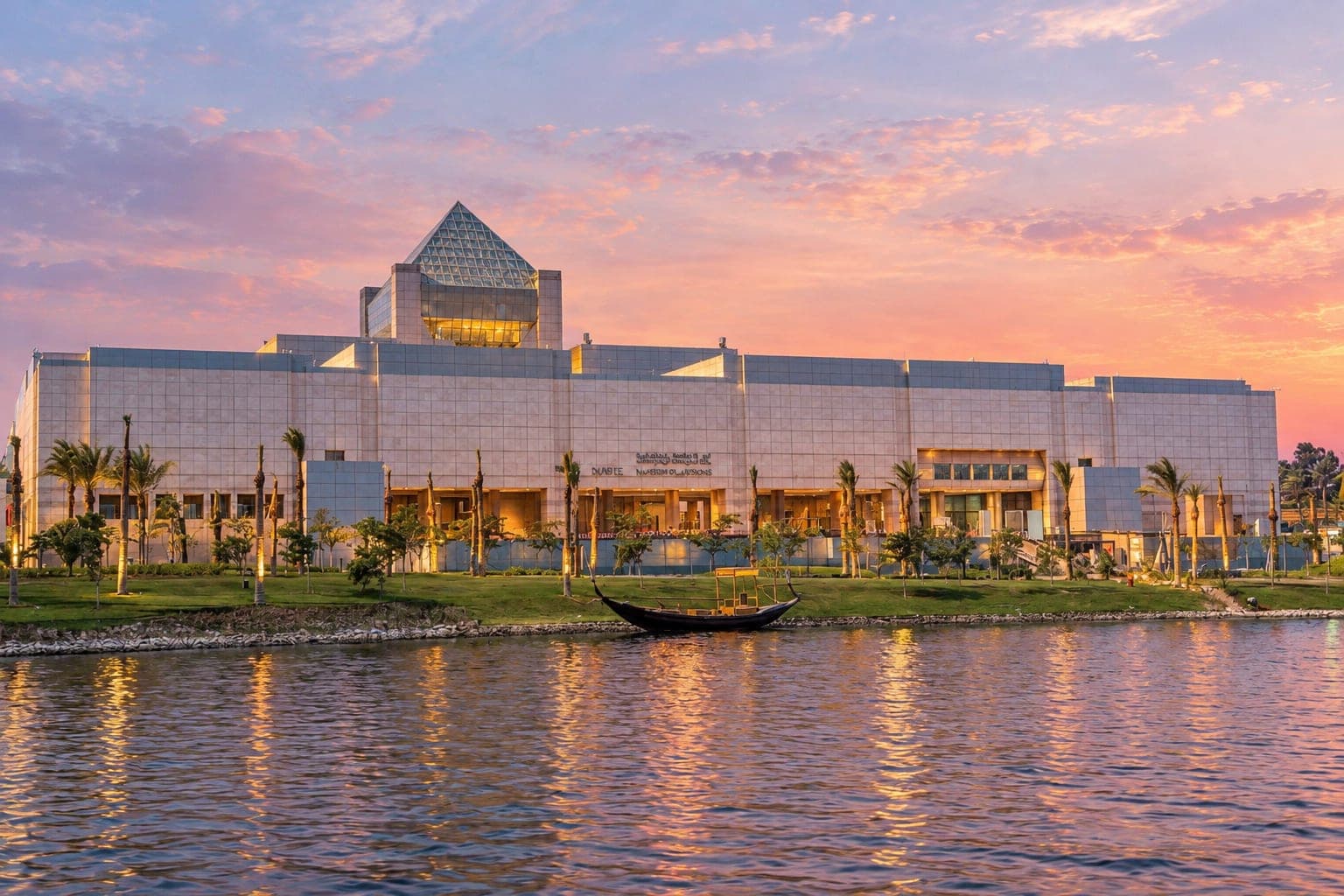
National Museum of Egyptian Civilization (NMEC)
2021 · Opened 2021
5 km away
 Same period
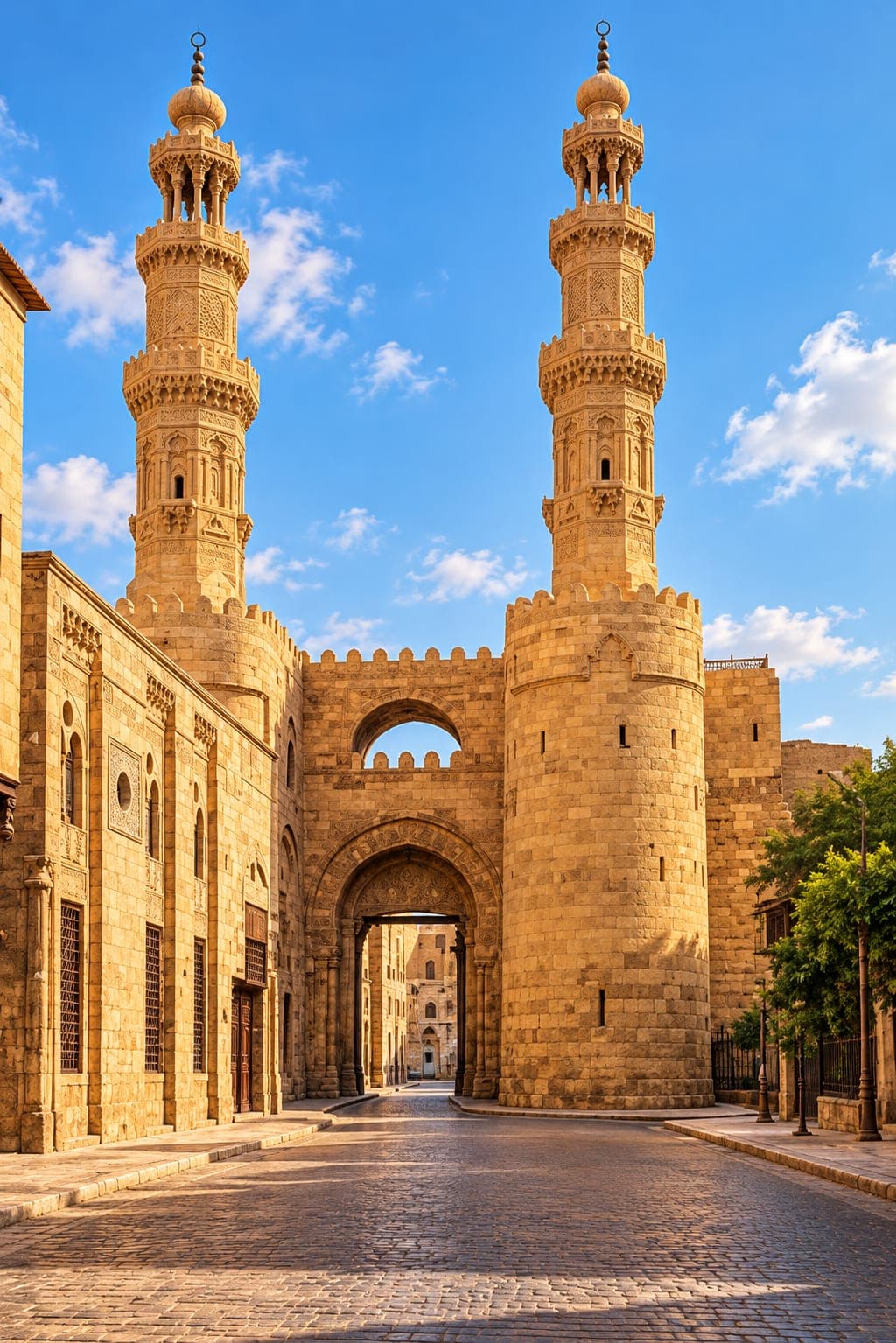
Bab Zuweila
1092 · Fatimid, 1092
1 km away
 Same period
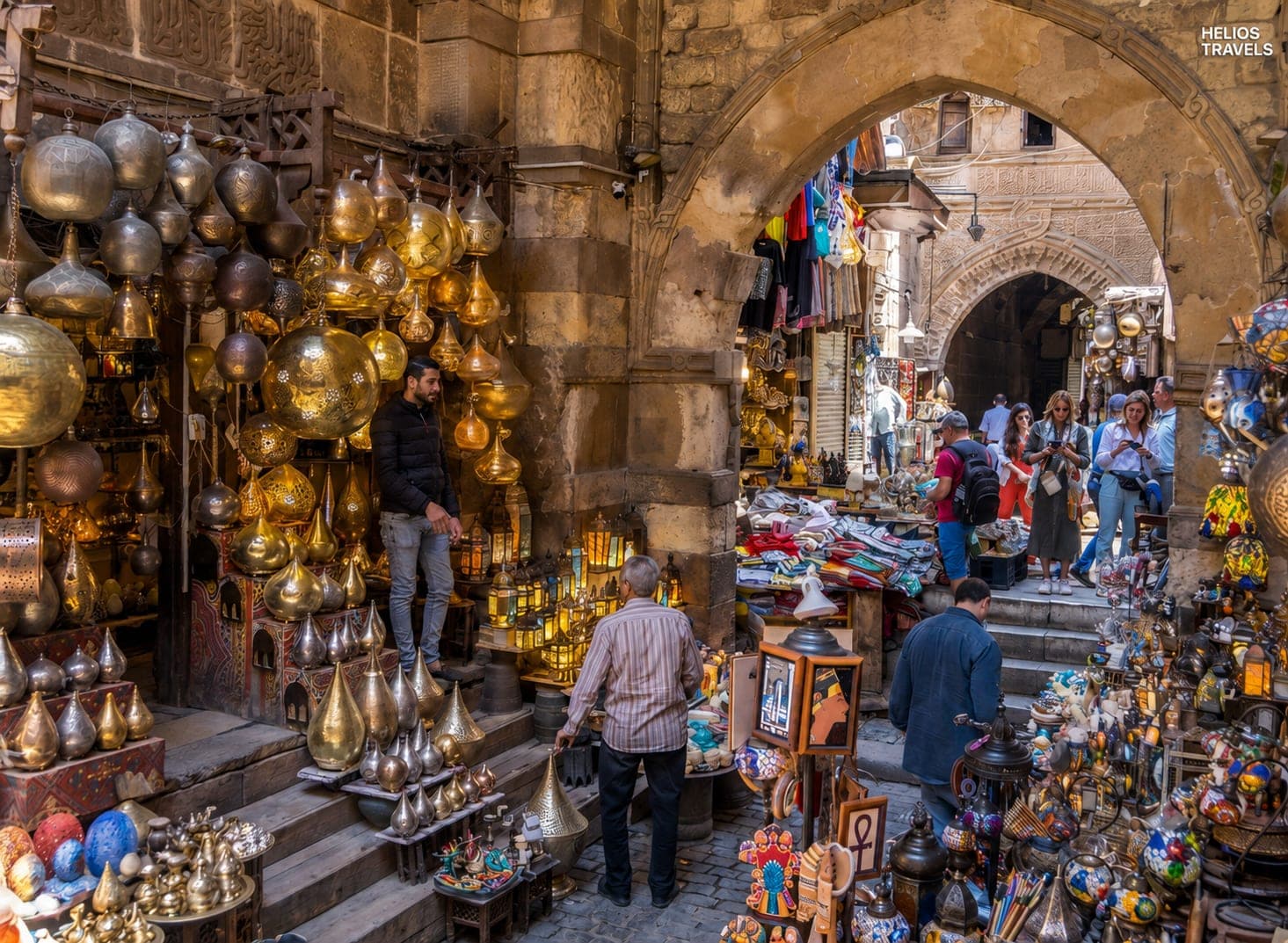
Khan el-Khalili
1382 · Mamluk
1 km away
 Same period
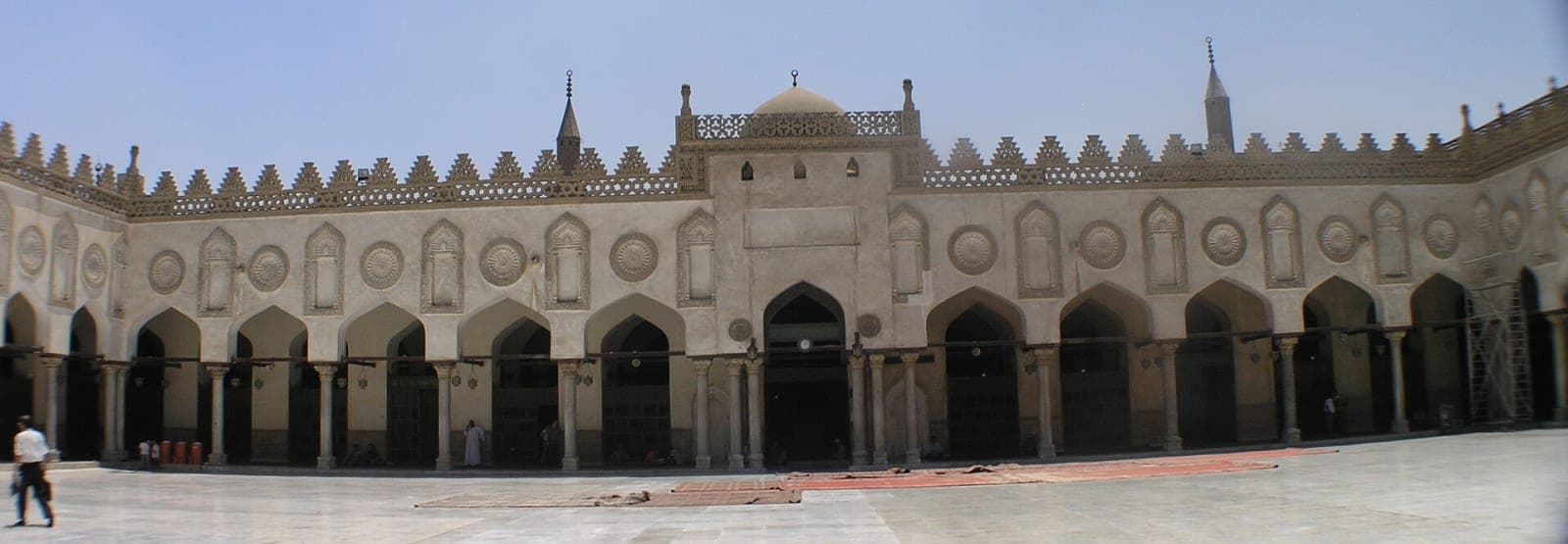
Al-Azhar Mosque
AD 970 · Fatimid
1 km away
 Same period
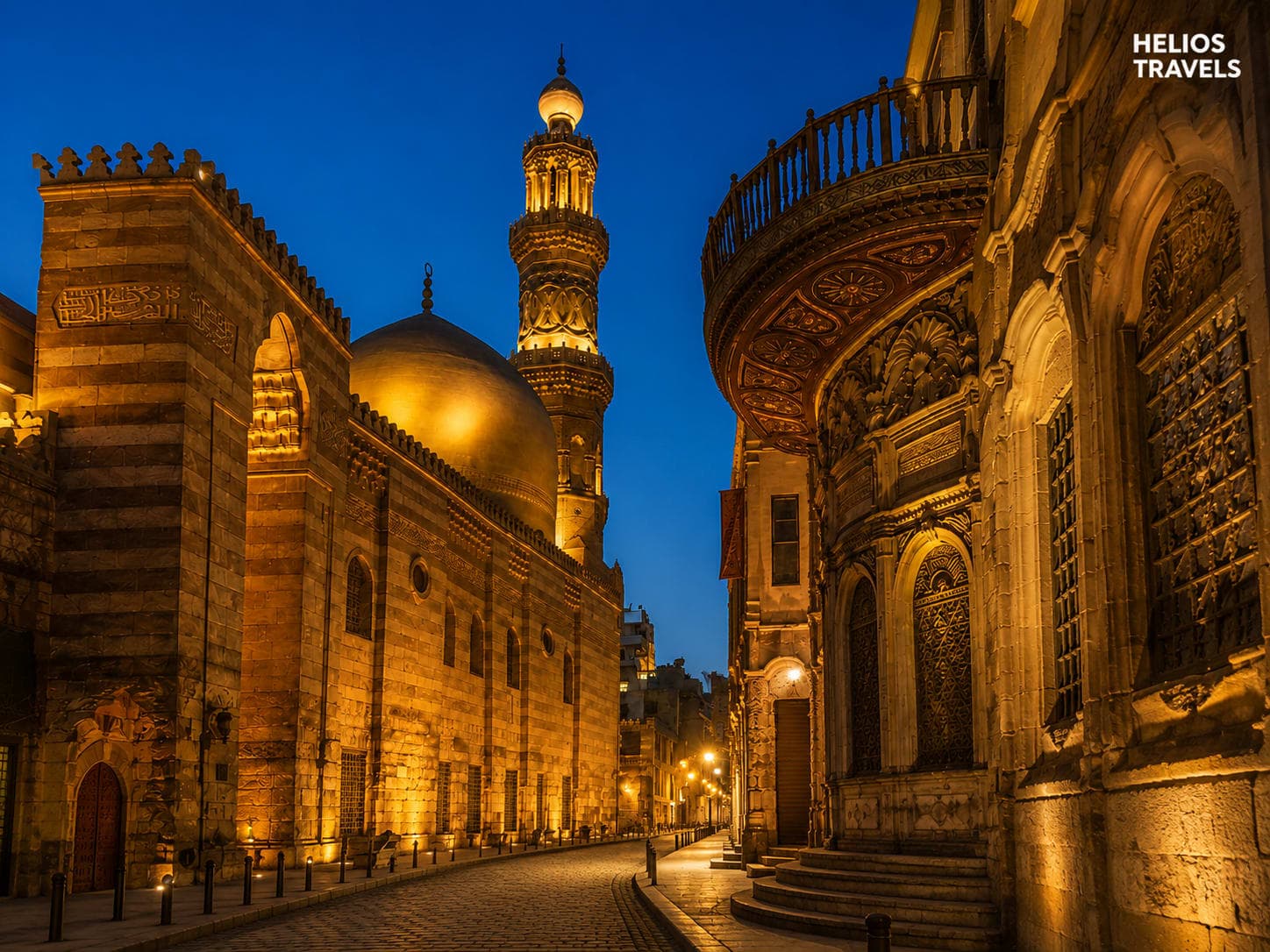
Al-Muizz Street
AD 970 · Fatimid
1 km away
 Same period
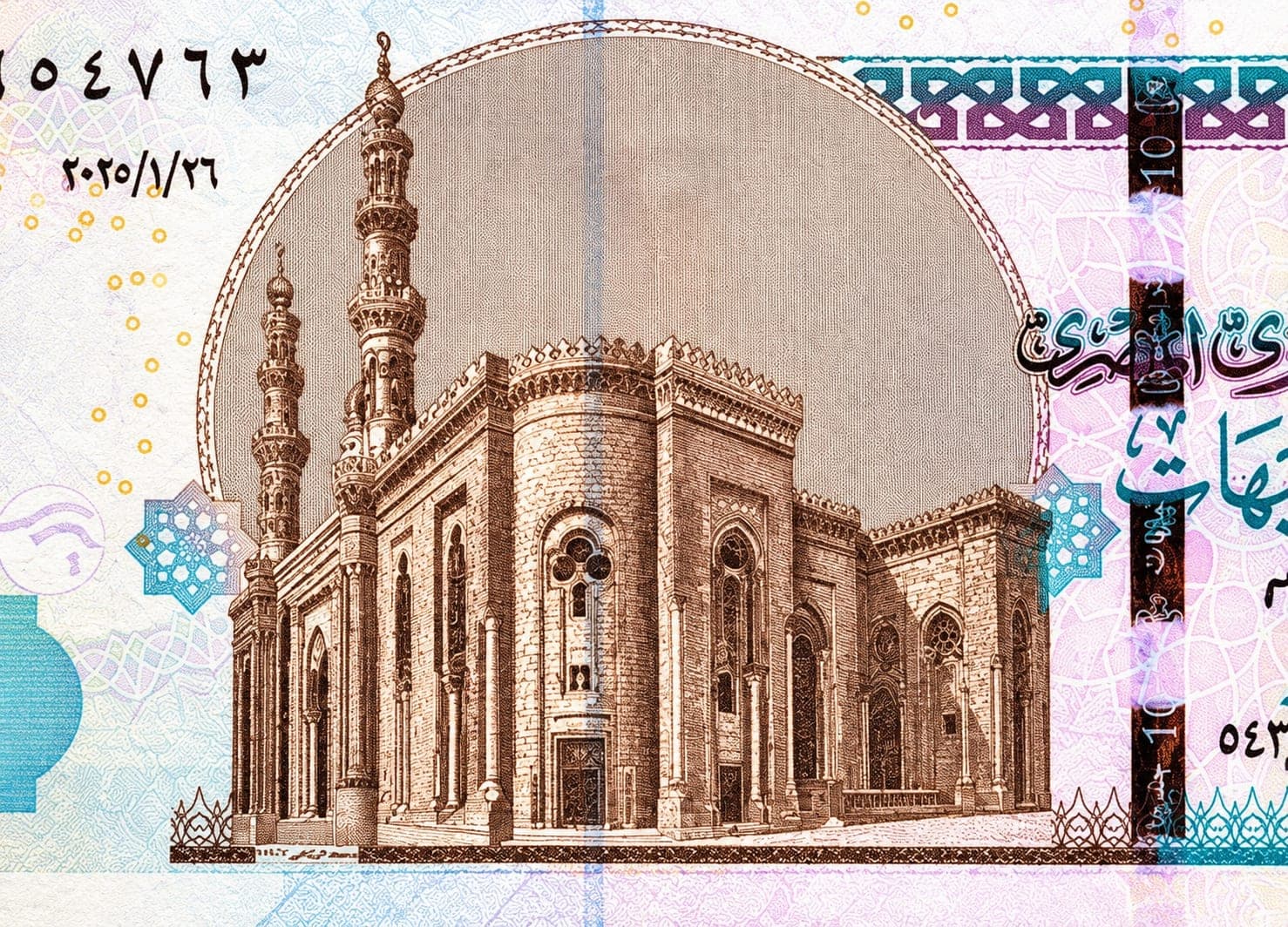
Al-Rifa'i Mosque
1869 · Completed 1912
2 km away
Tours that include this attraction
Book a ready-made tour or use the designer above to build your own plan.
No matching tours yet — contact us for a custom itinerary.