
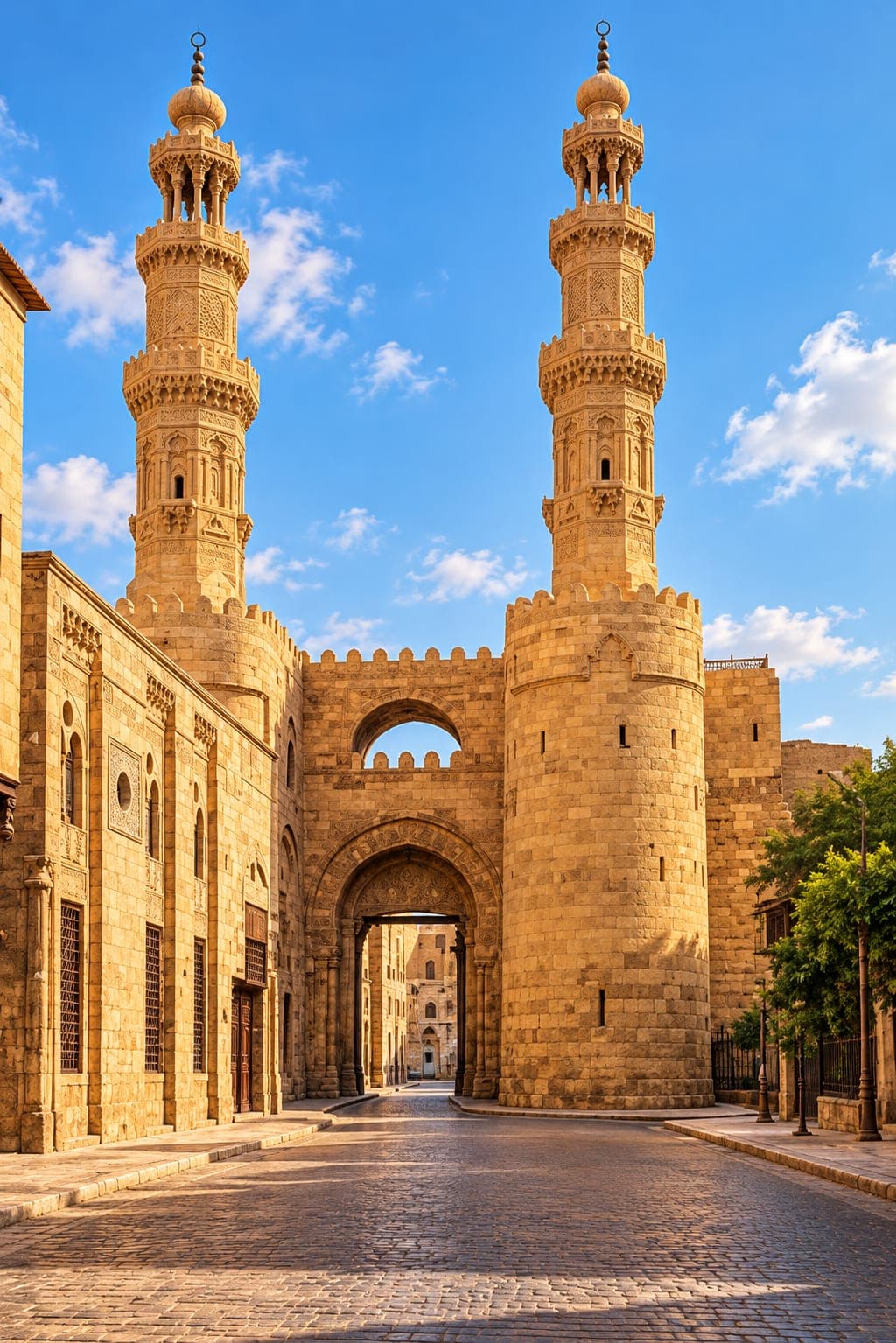
Cairo · The southern gate of the Fatimid city
Bab Zuweila
Typical visit: 1 h
Period: 1092 · Fatimid, 1092
The last surviving southern gate of medieval Cairo, with two minarets you can climb for the best rooftop view in the old city.
About
A thousand-year-old stone gate with two minarets grafted onto its towers, standing at the bottom of al-Muizz Street where the Fatimid city ended. The minarets are the reason to come: a tight spiral stair inside each, and at the top a parapet looking out over a rooftop landscape of domes, satellite dishes and washing lines that no viewpoint in Cairo matches.
Practical
- The climb is narrow, unlit in places and not for anyone uneasy on stairs — but short
- Best in the last two hours of daylight, when the stone goes orange and the call to prayer starts
- The gate is the southern end of the al-Muizz walk; start at Bab al-Futuh and finish here
- Below it, the Tentmakers' Market (Khayamiya) is the last covered medieval market in Cairo and largely tourist-free
The minarets belong to the Mosque of al-Mu'ayyad next door, built against the gate in the fifteenth century, which is why a Fatimid gate carries Mamluk towers.
History & background
Built in 1092 by the Fatimid vizier Badr al-Jamali, one of three surviving gates from the walls he raised around the caliphal city. The name comes from the Zuwayla, a Berber tribe from present-day Libya whose soldiers were quartered nearby.
It was the ceremonial gate where the sultan watched processions leave for Mecca, and the place where sentences were carried out — heads were displayed on its spikes into the nineteenth century, and the last Mamluk sultan, Tumanbay, was hanged from it in 1517 when the Ottomans took Cairo. The rope broke twice.
Sultan al-Mu'ayyad Shaykh built his mosque against the gate in 1415 and set its two minarets directly on the Fatimid towers, which is a piece of deliberate symbolism as much as economy: he had been imprisoned in the gatehouse before he came to power. A restoration completed in 2003 by the American Research Center in Egypt opened the minarets to visitors for the first time.
Design your own day-by-day schedule
Pick how many days you have, add attractions per day, and see average activity and travel times between cities.
See it with
Places that carry the same story forward, or sit close enough to take in the same day.
 What came next
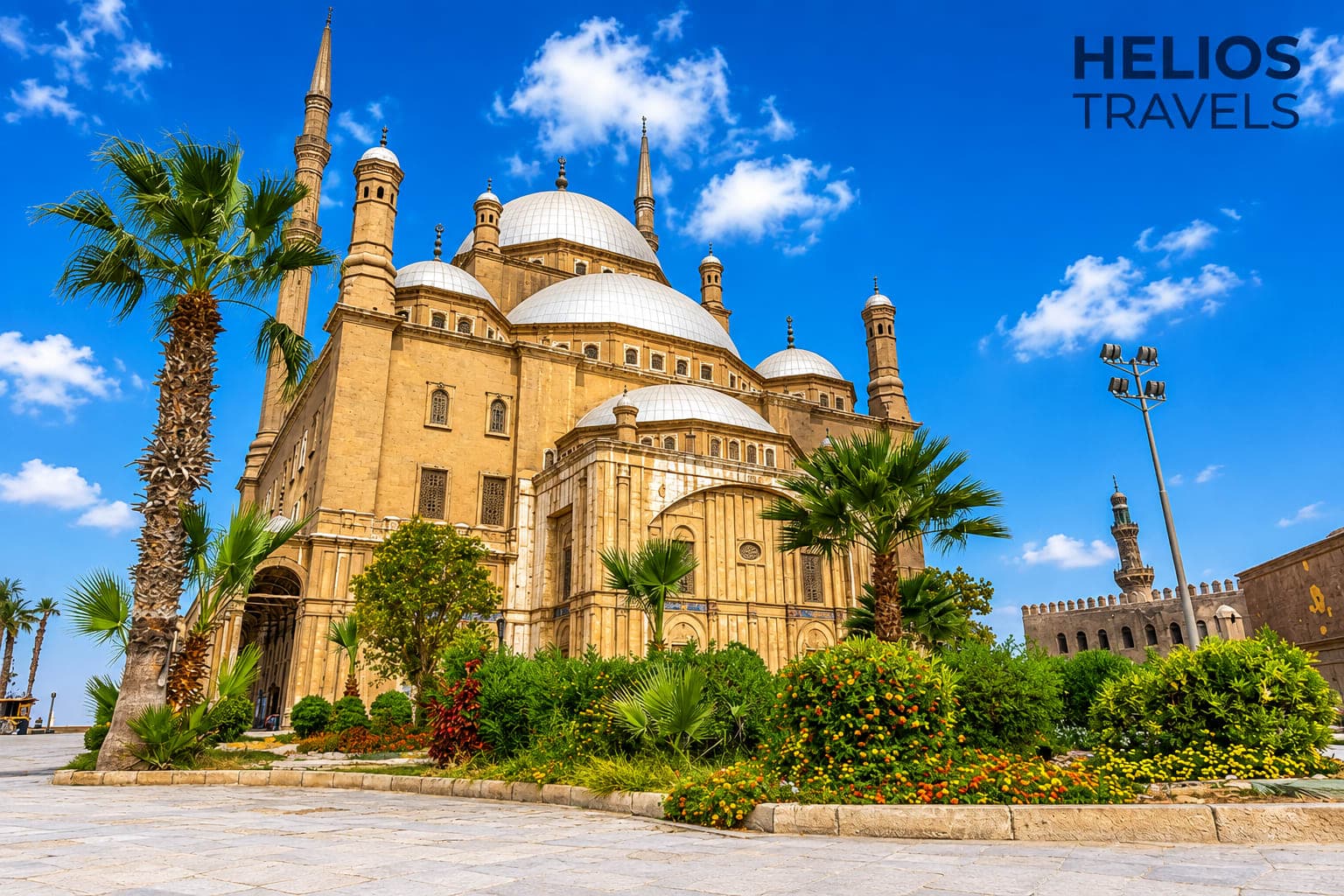
Citadel of Saladin
1176 · Ayyubid
2 km away
 What came next
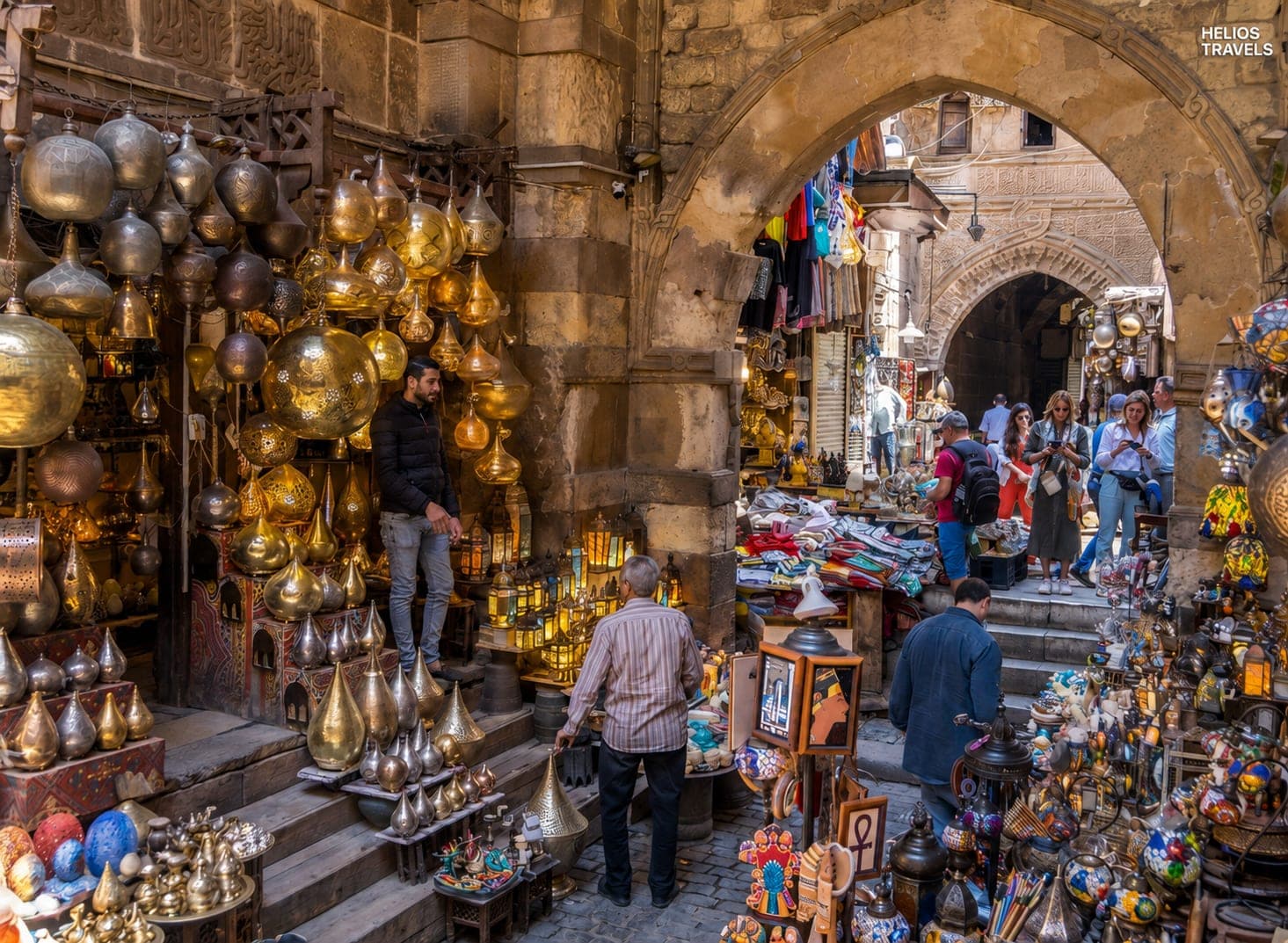
Khan el-Khalili
1382 · Mamluk
1 km away
 What came next
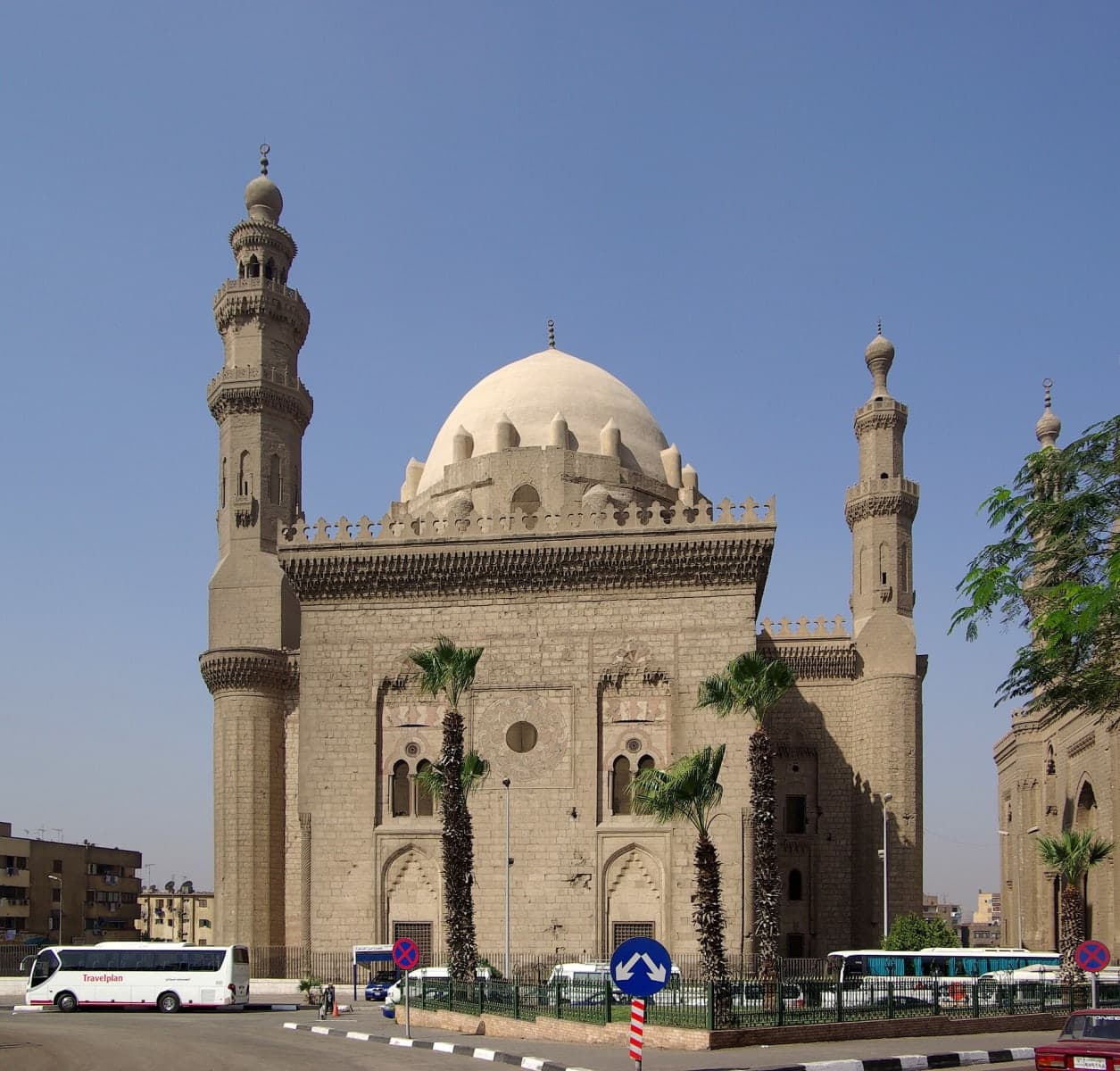
Mosque of Sultan Hassan
1356 · Mamluk
1 km away
 What came next
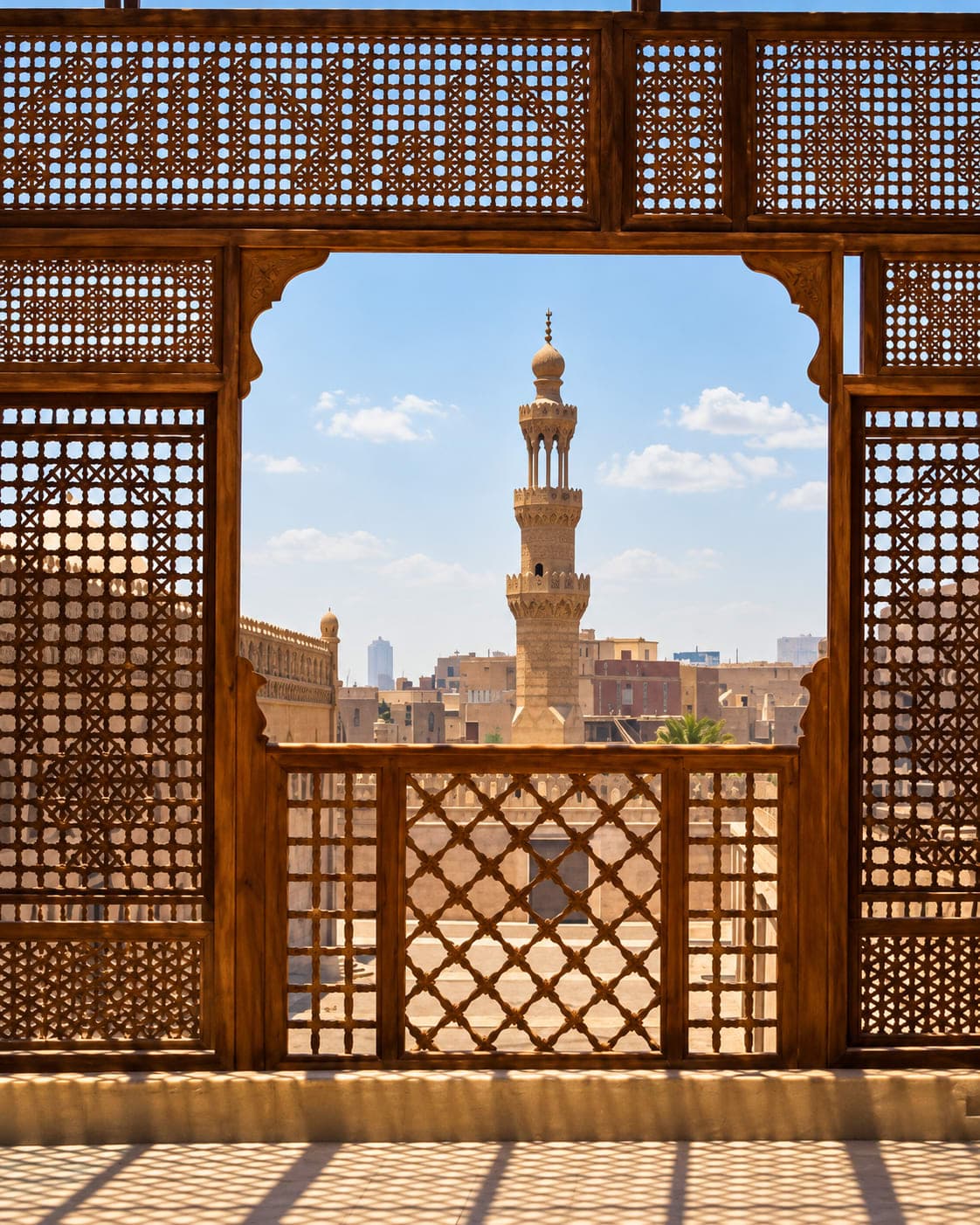
Gayer-Anderson Museum
1632 · Ottoman, 1632
2 km away
 What came next
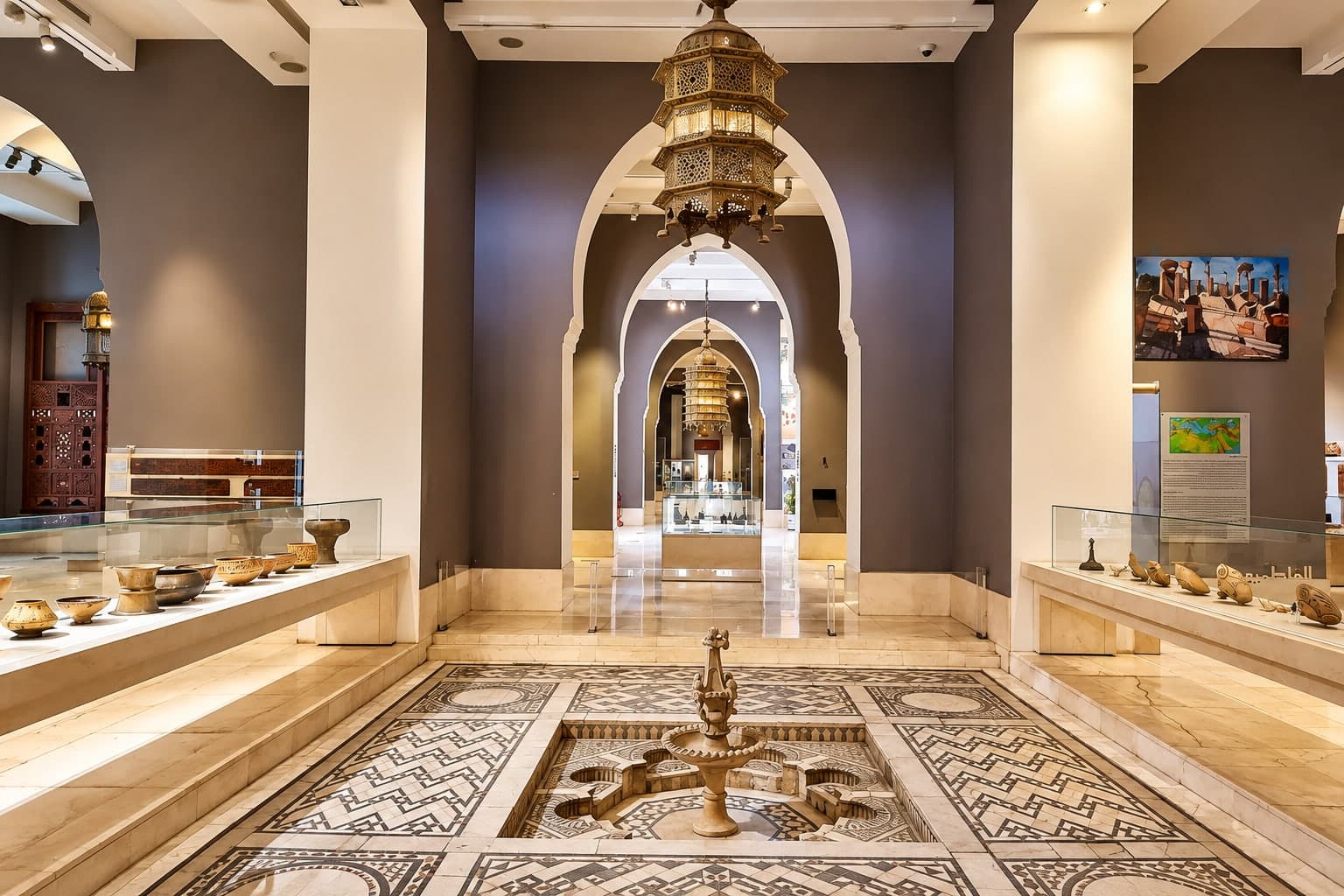
Museum of Islamic Art
1903 · Opened 1903
1 km away
 What came next
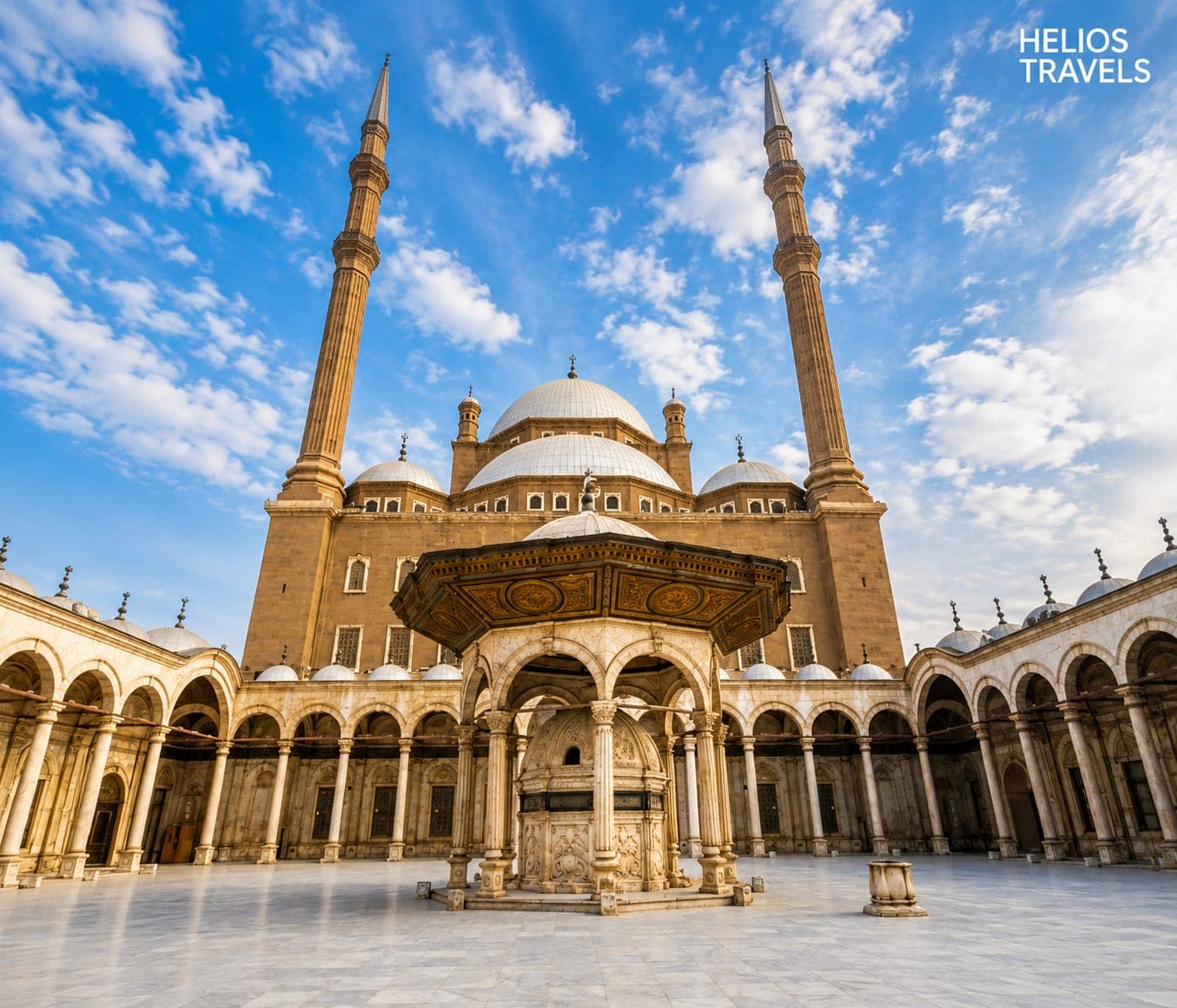
Muhammad Ali Mosque (Alabaster Mosque)
1830 · Ottoman
2 km away
Tours that include this attraction
Book a ready-made tour or use the designer above to build your own plan.
No matching tours yet — contact us for a custom itinerary.