
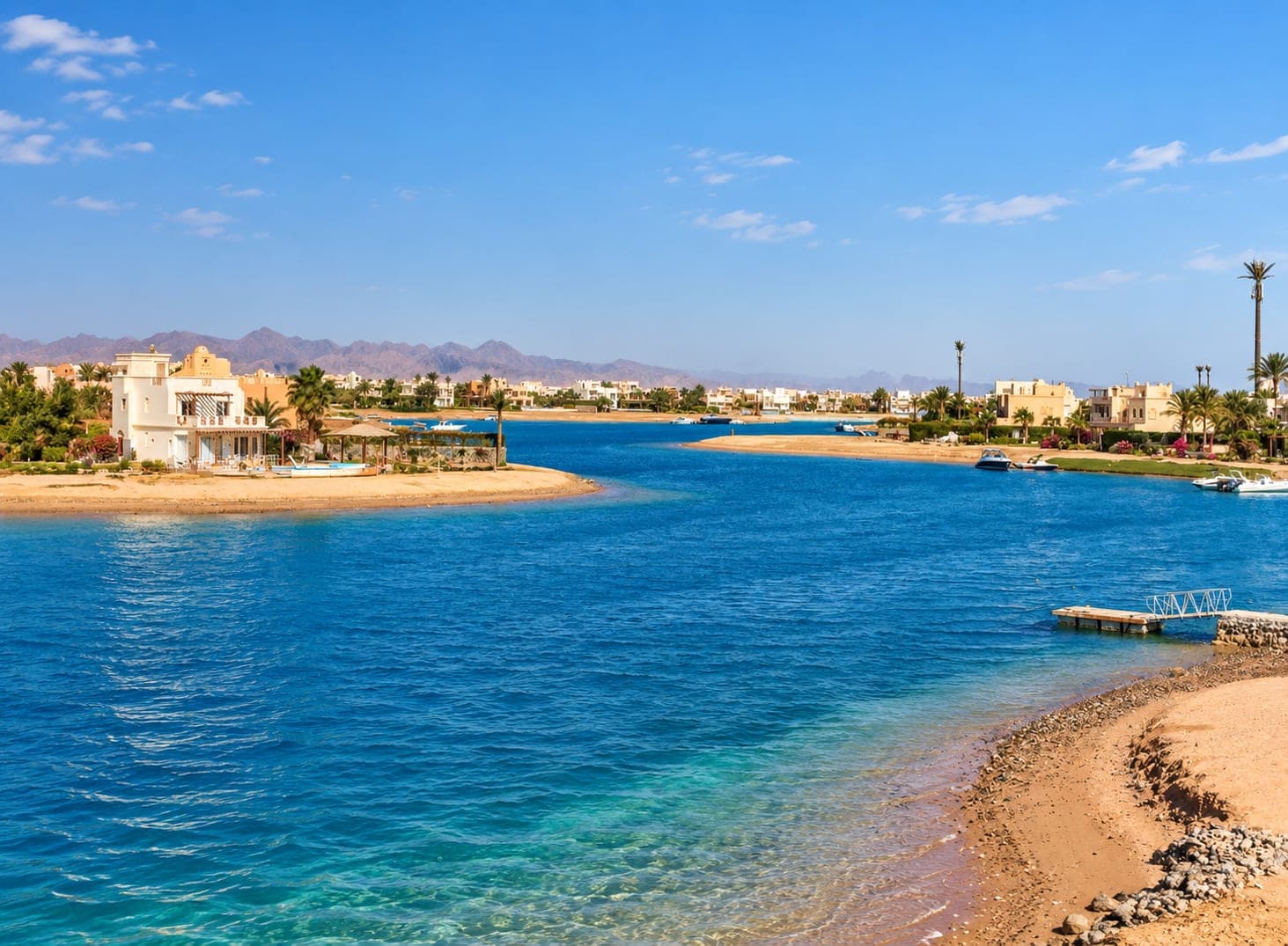
El Gouna Sailing Catamaran — Lagoon, Reefs & Dolphins
From $79 / person3 hoursHurghadaIncludes 4 h at this sight
Hurghada · Red Sea
Typical visit: 4 h
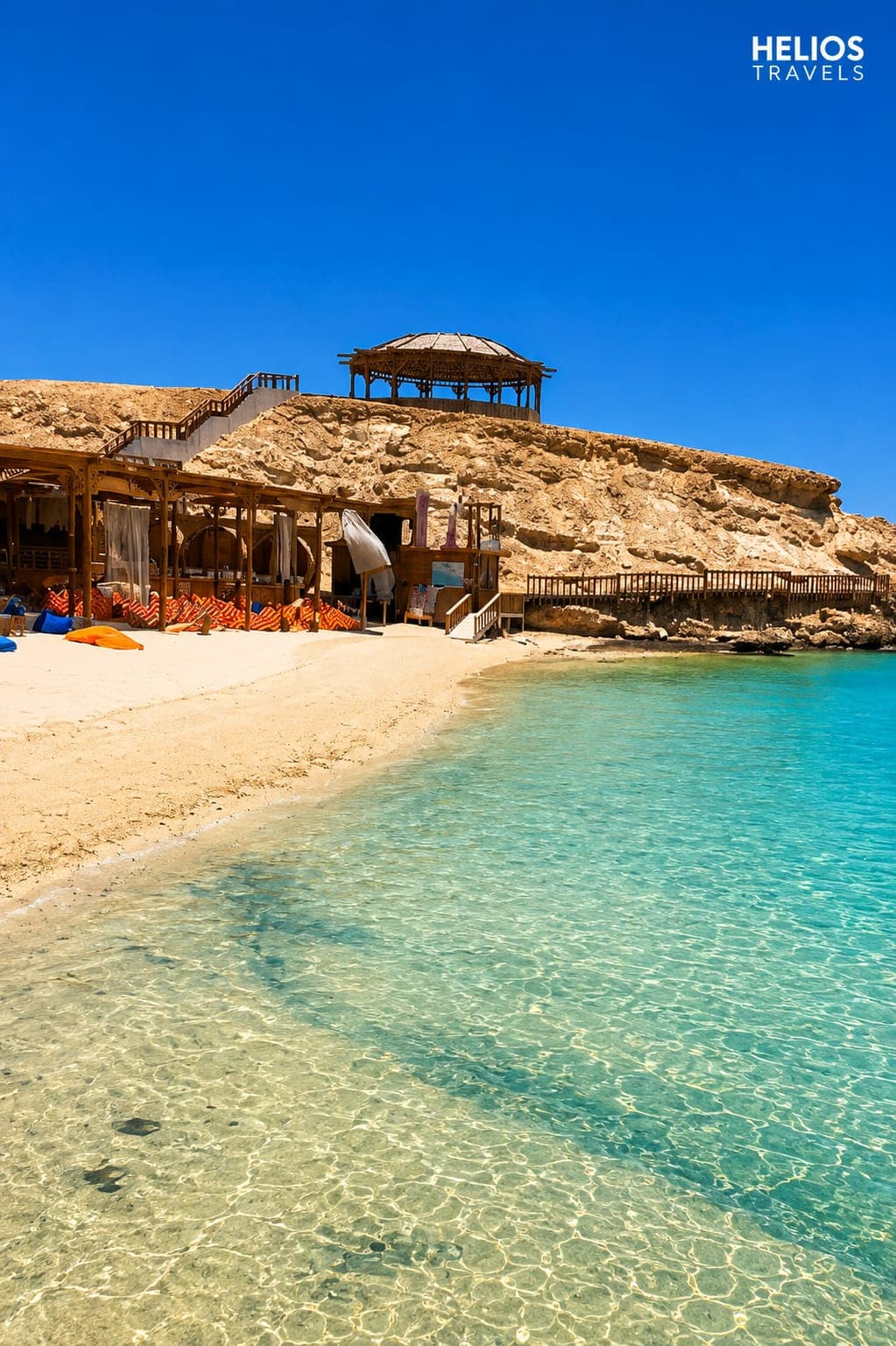
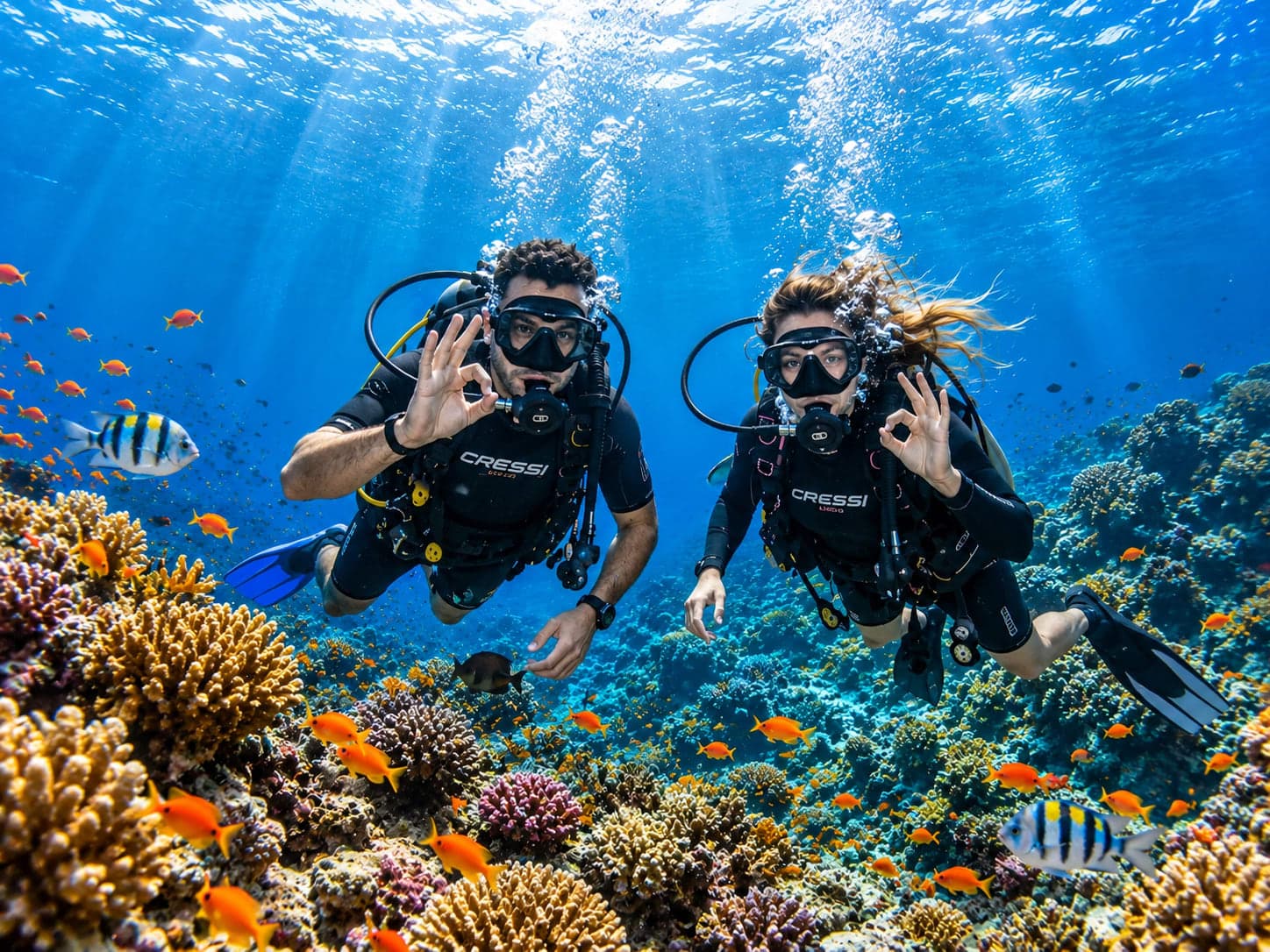
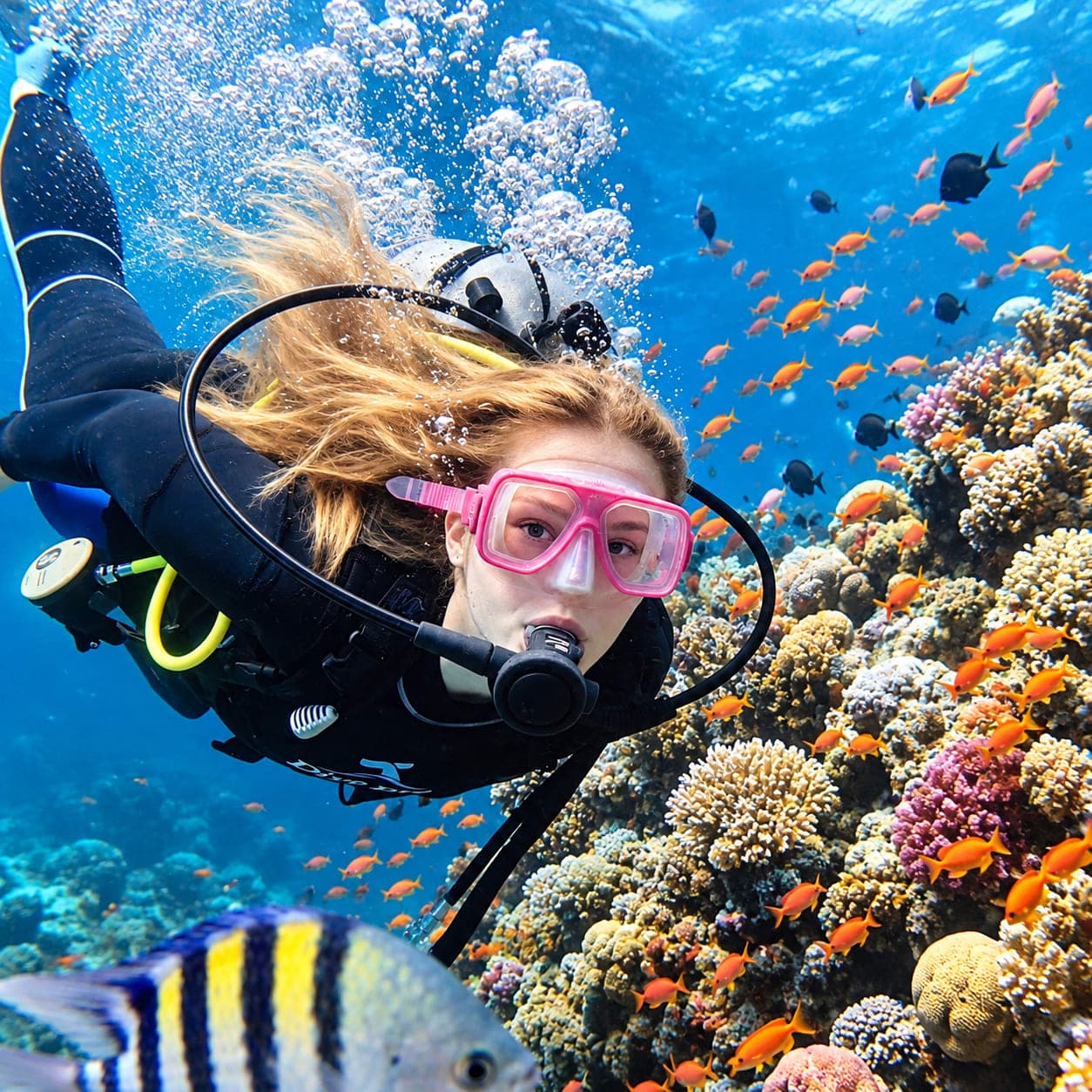
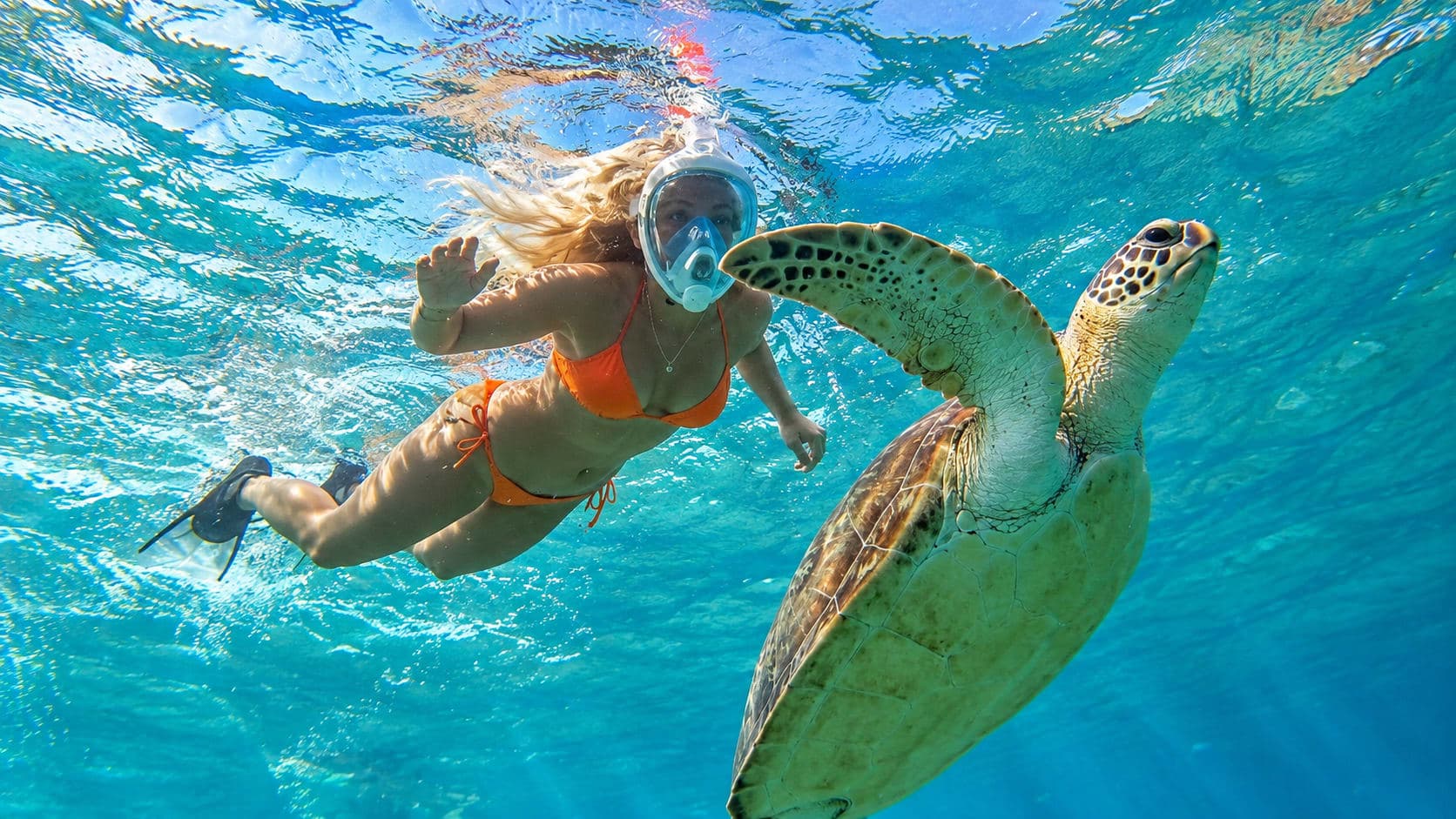
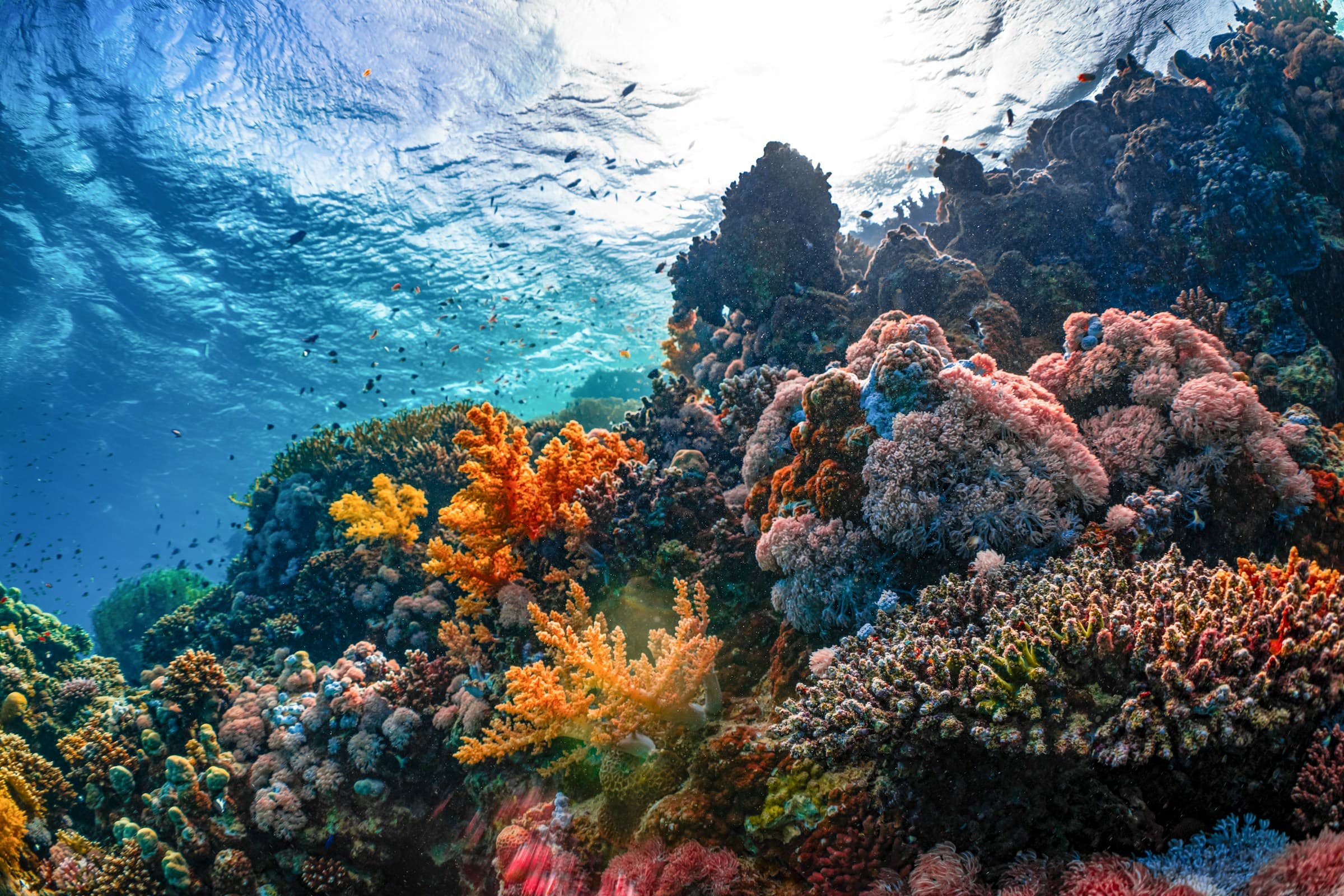
Warm, crystal-clear water and vivid coral gardens make the Red Sea off Hurghada one of the world's great snorkelling spots.

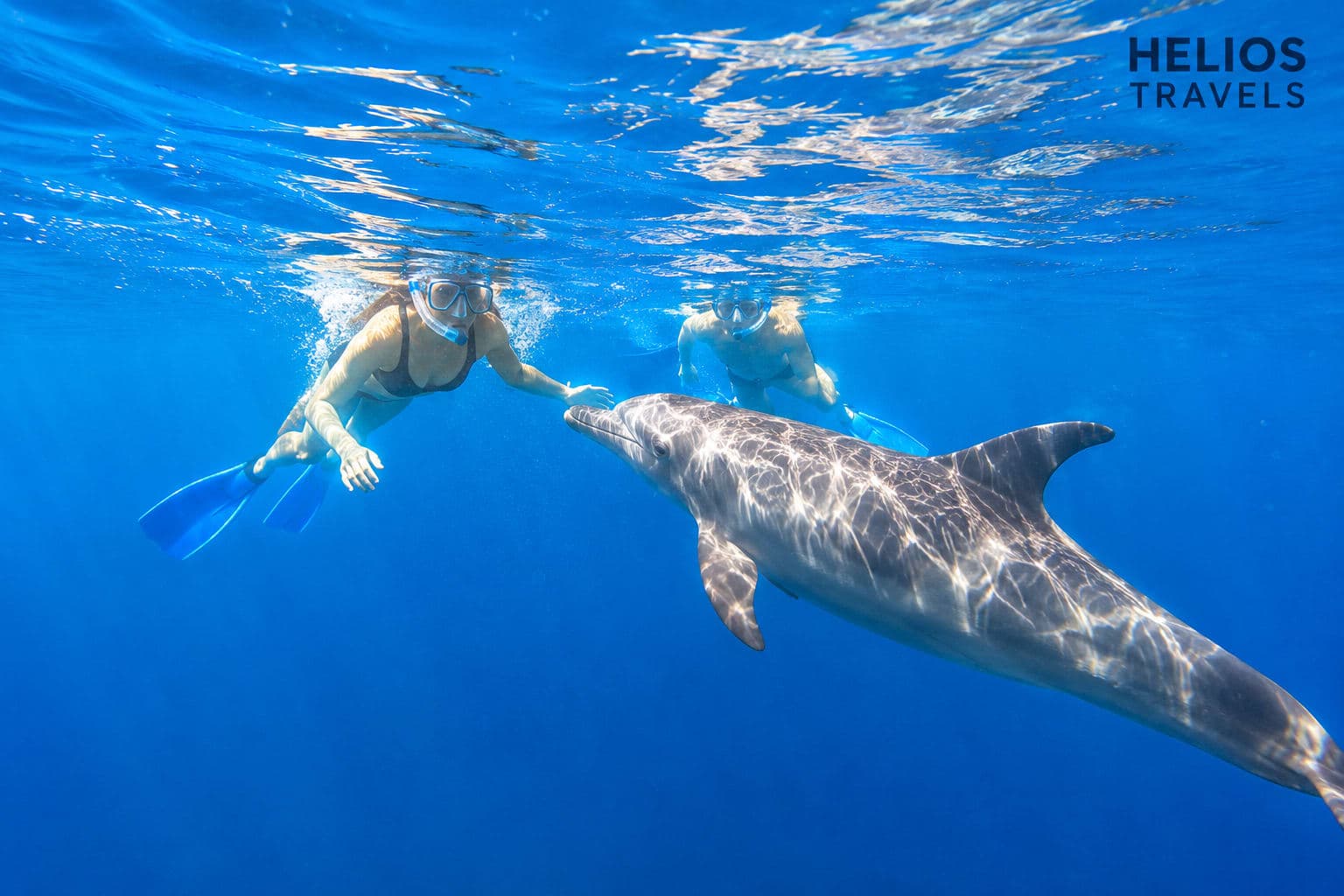
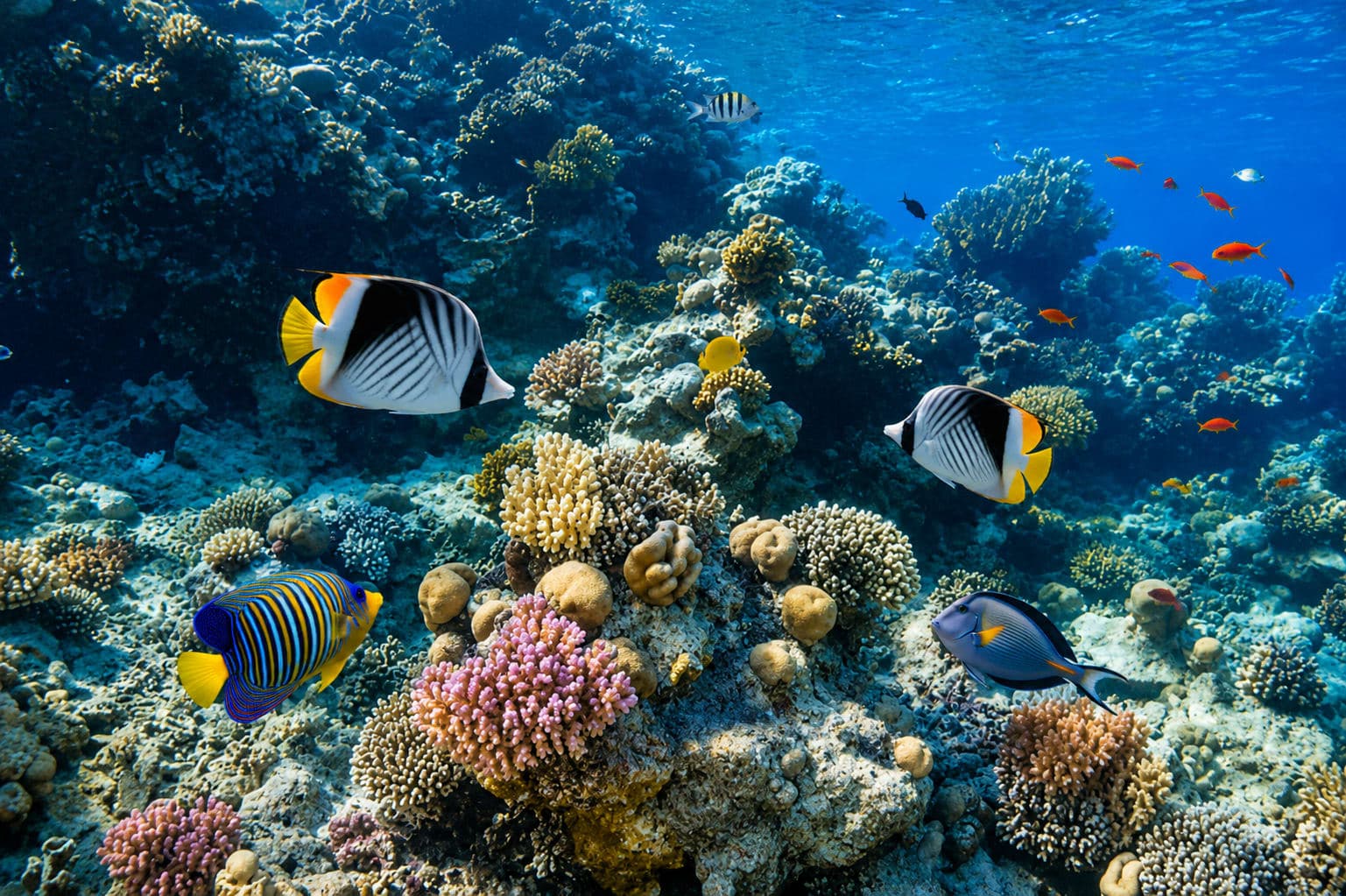

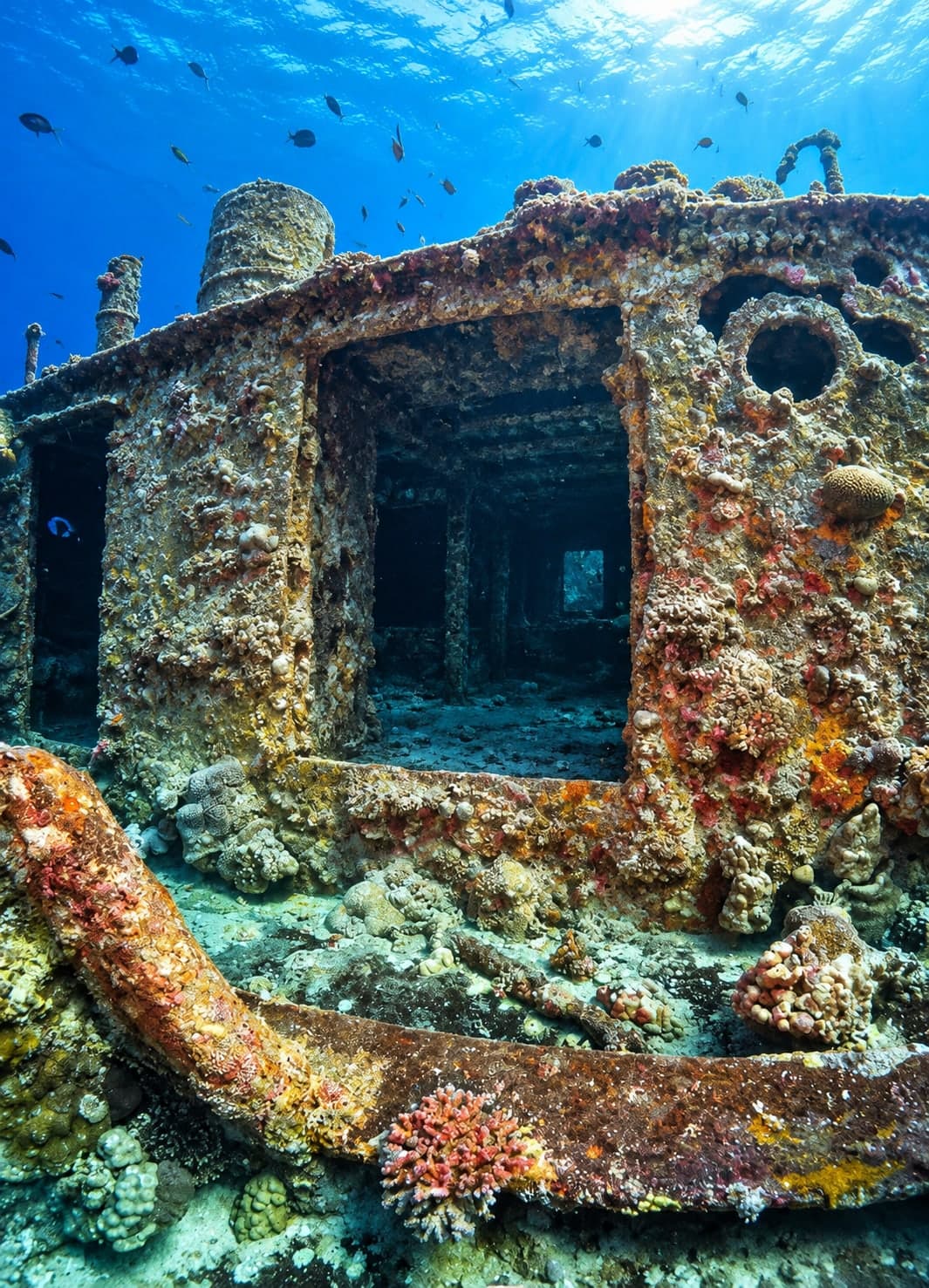
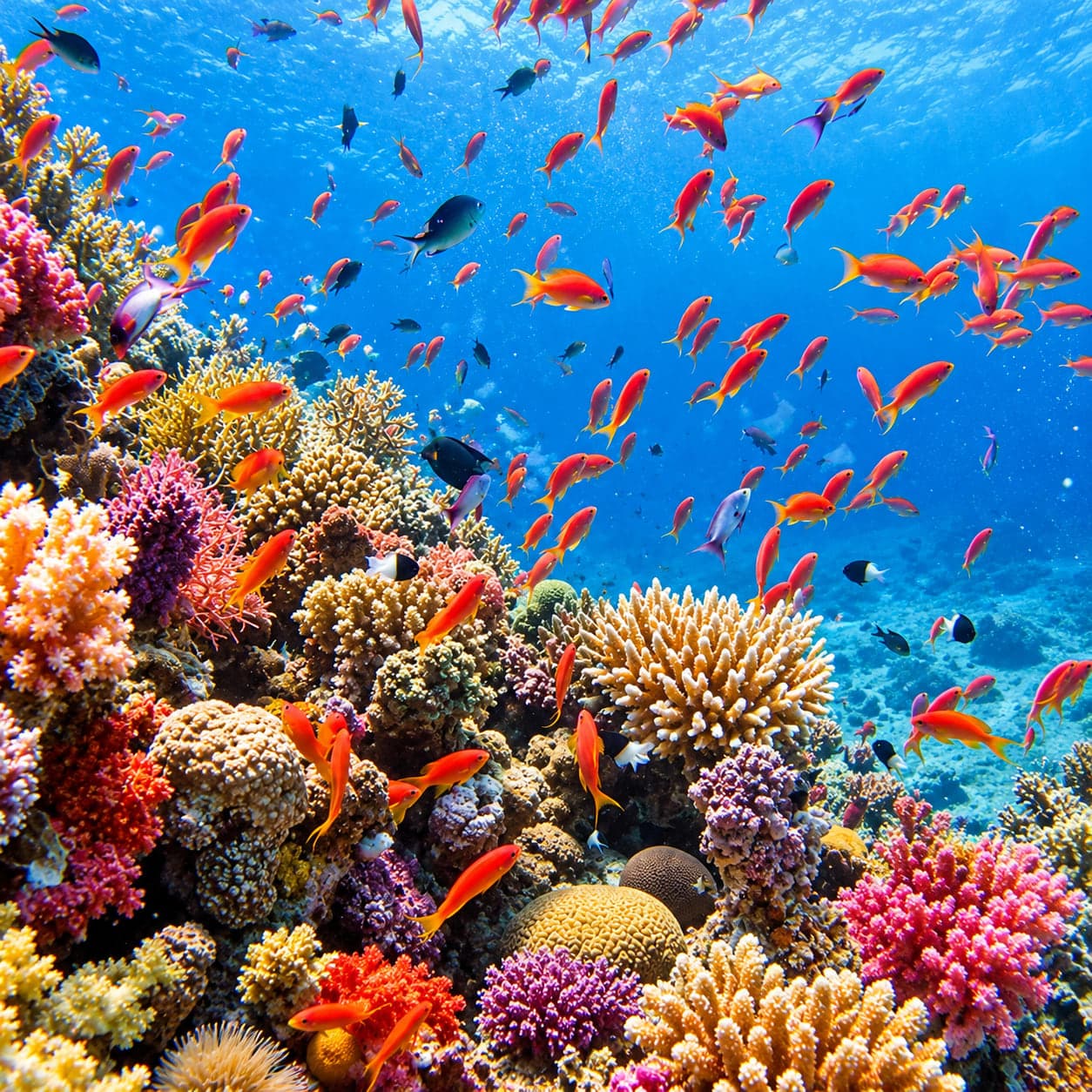
The northern Red Sea has some of the clearest water and healthiest hard coral anywhere. Visibility regularly runs 20–30 metres, the water sits around 22 °C in winter and 28 °C in late summer, and because the reefs begin in waist-deep water you do not need to dive to see the best of them — most of the colour and most of the fish are in the top five metres.
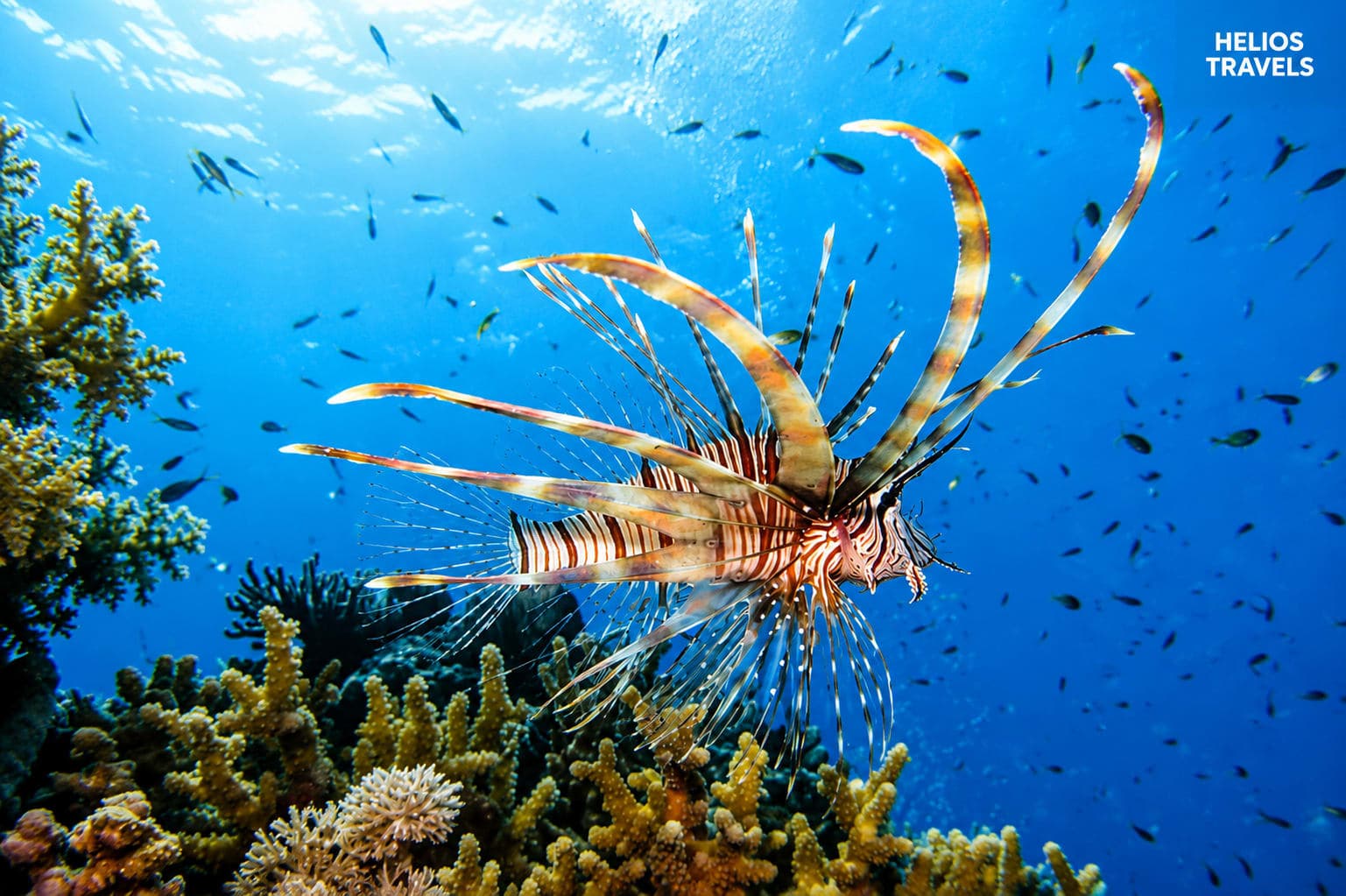
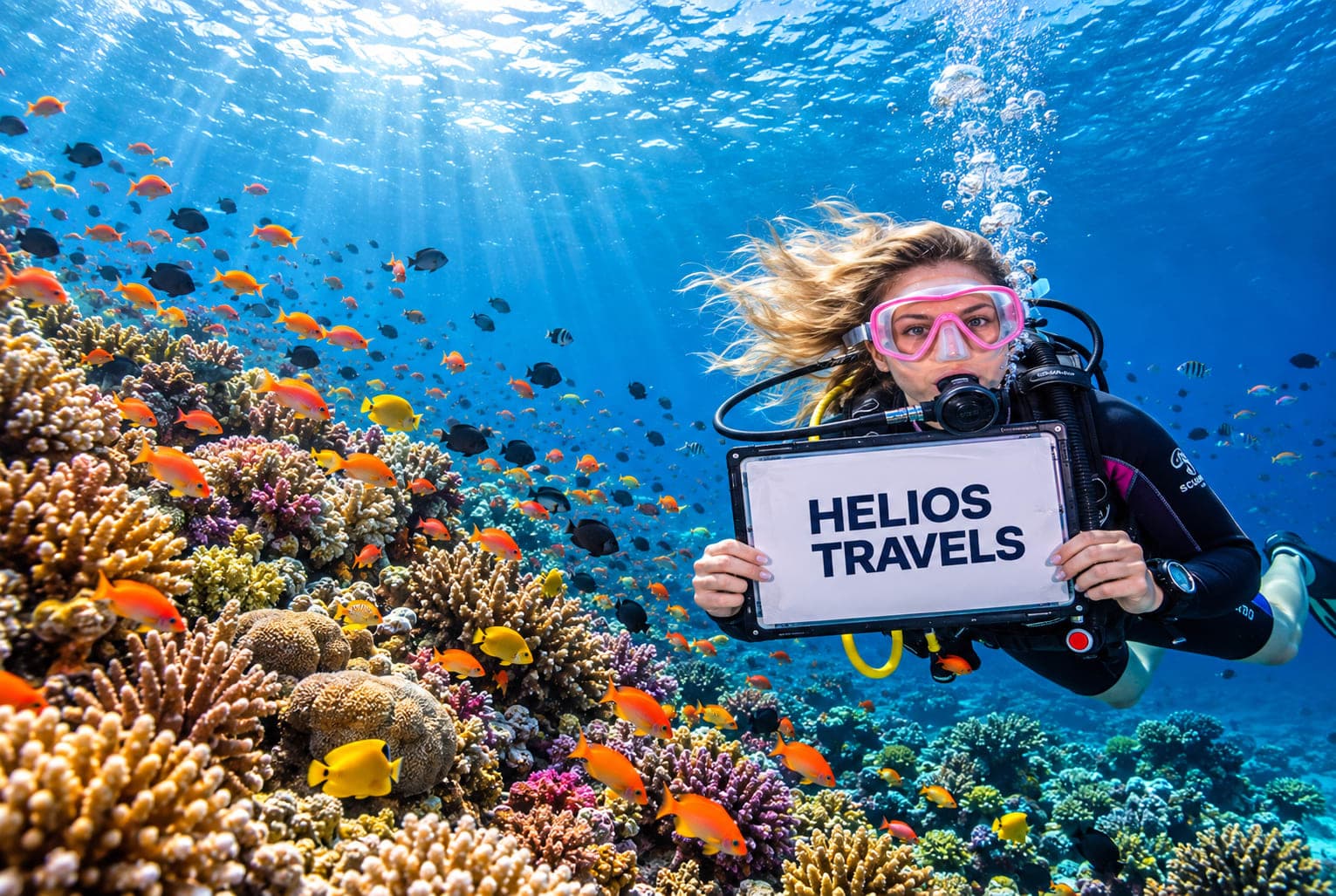
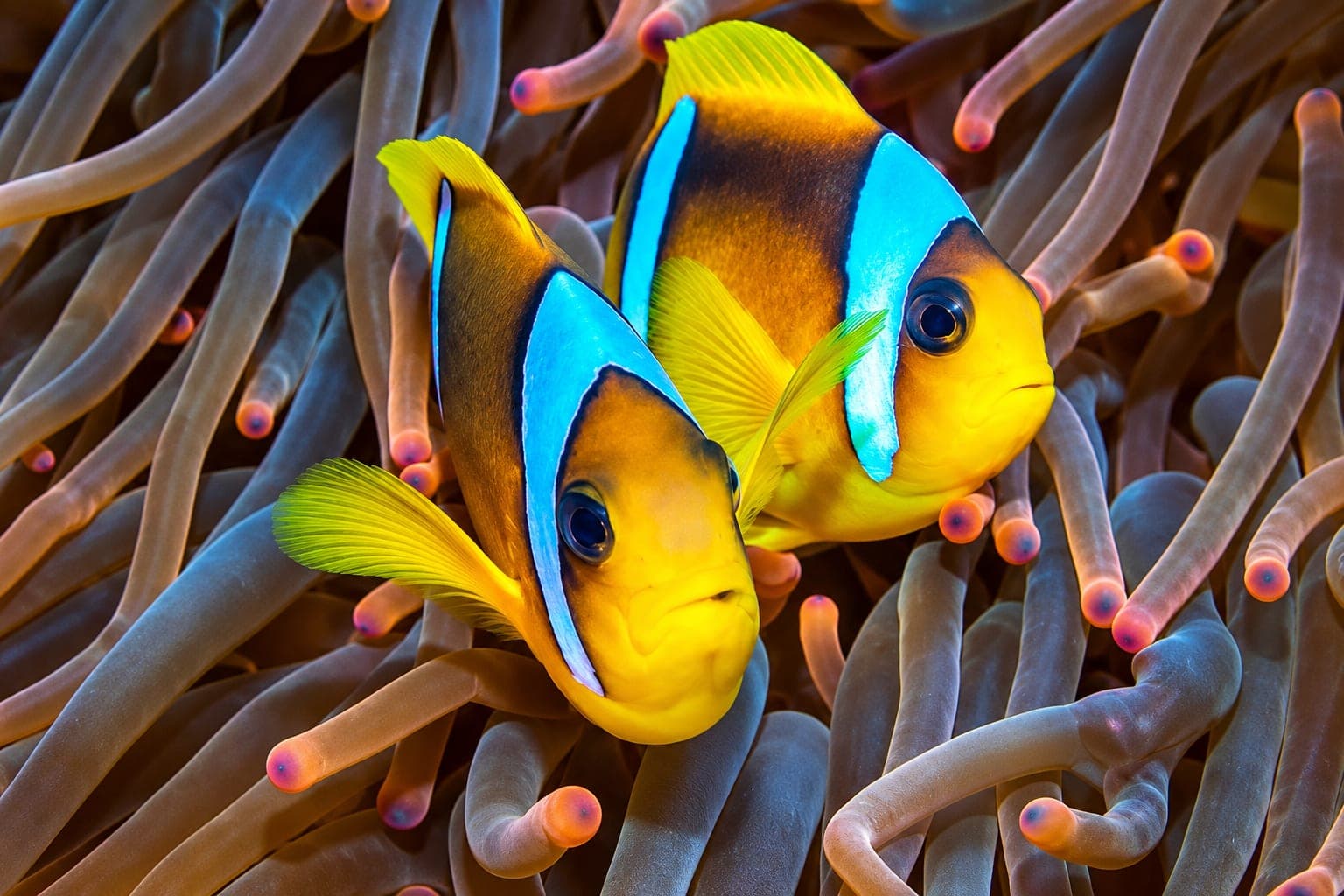
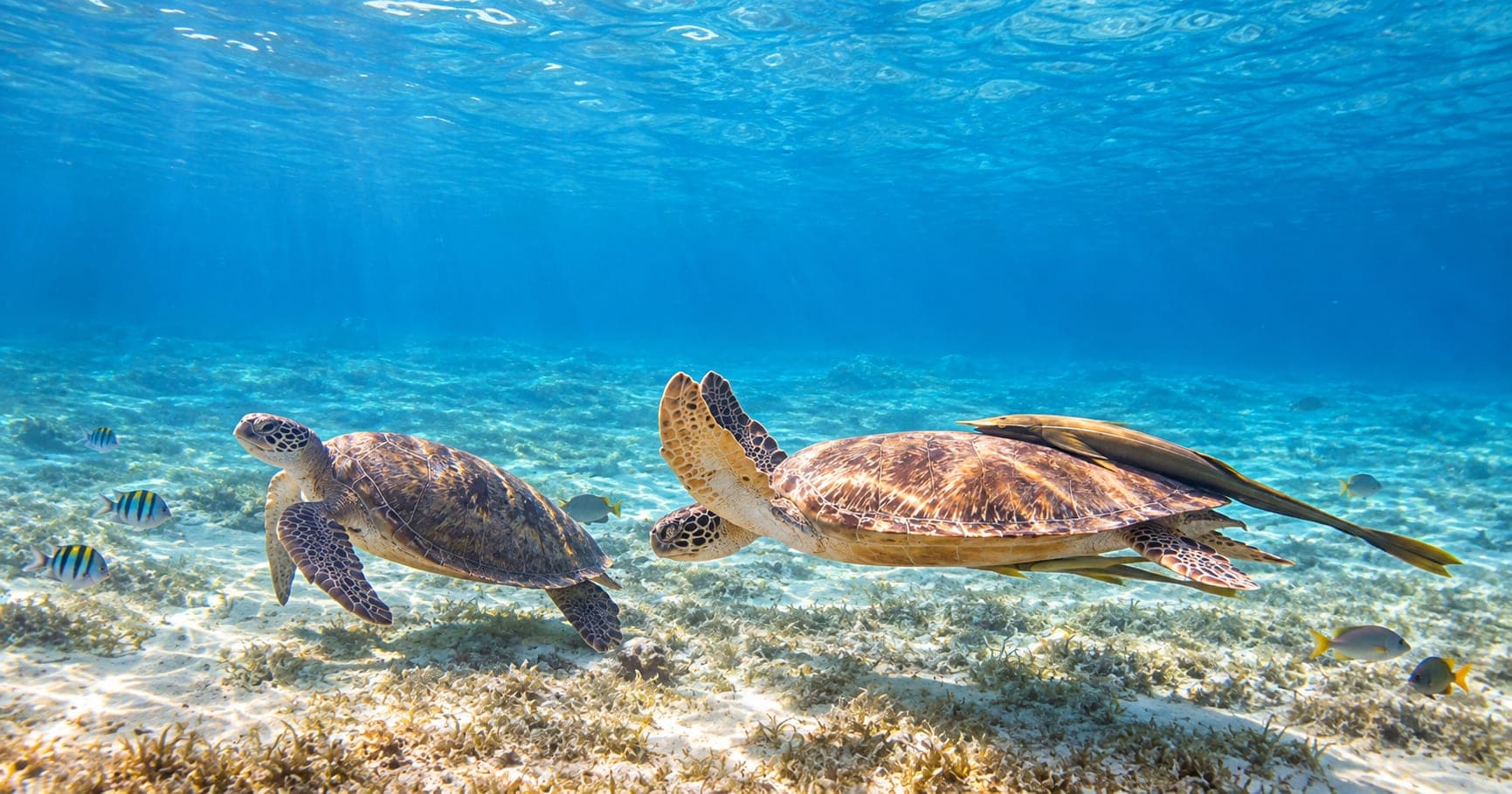
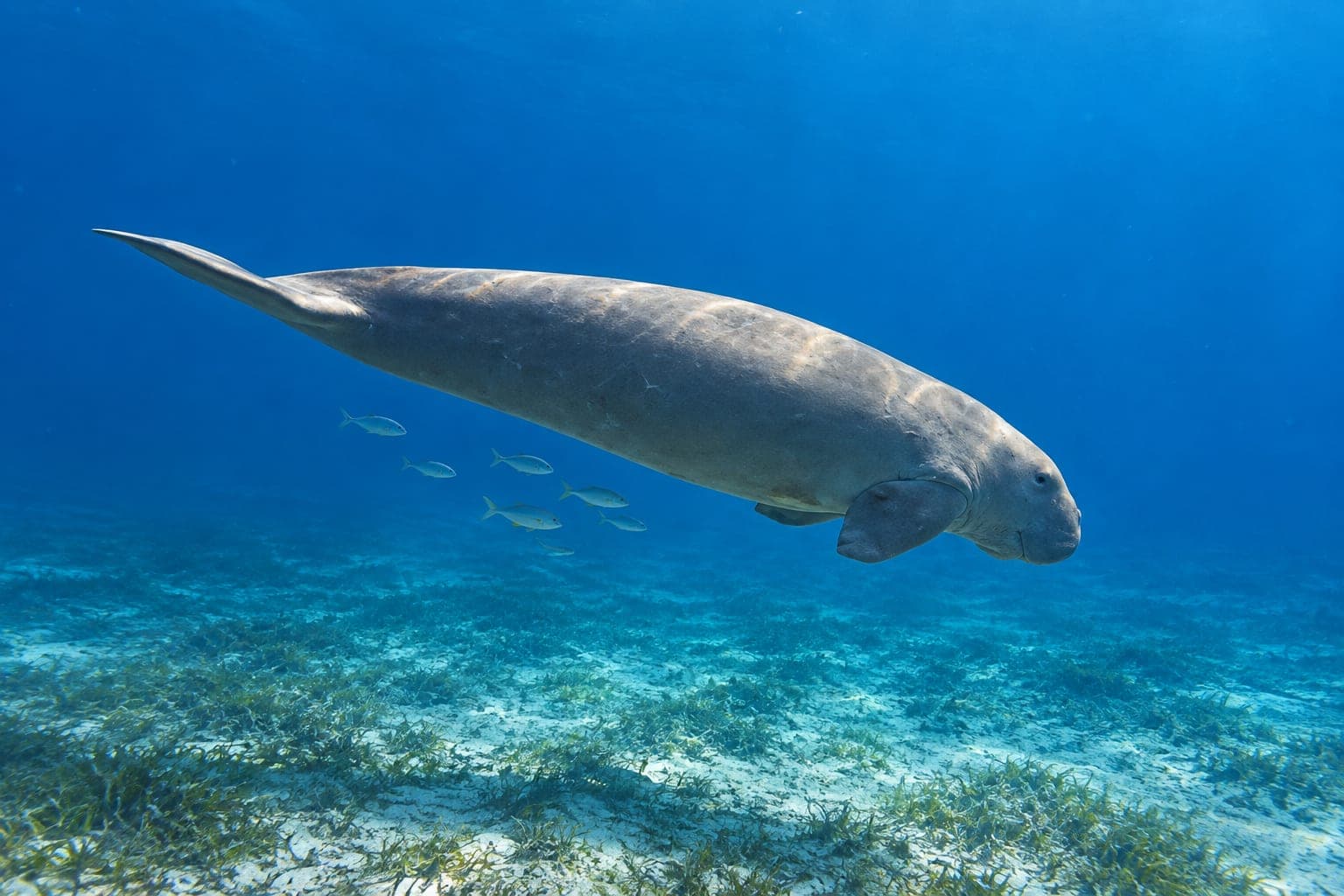
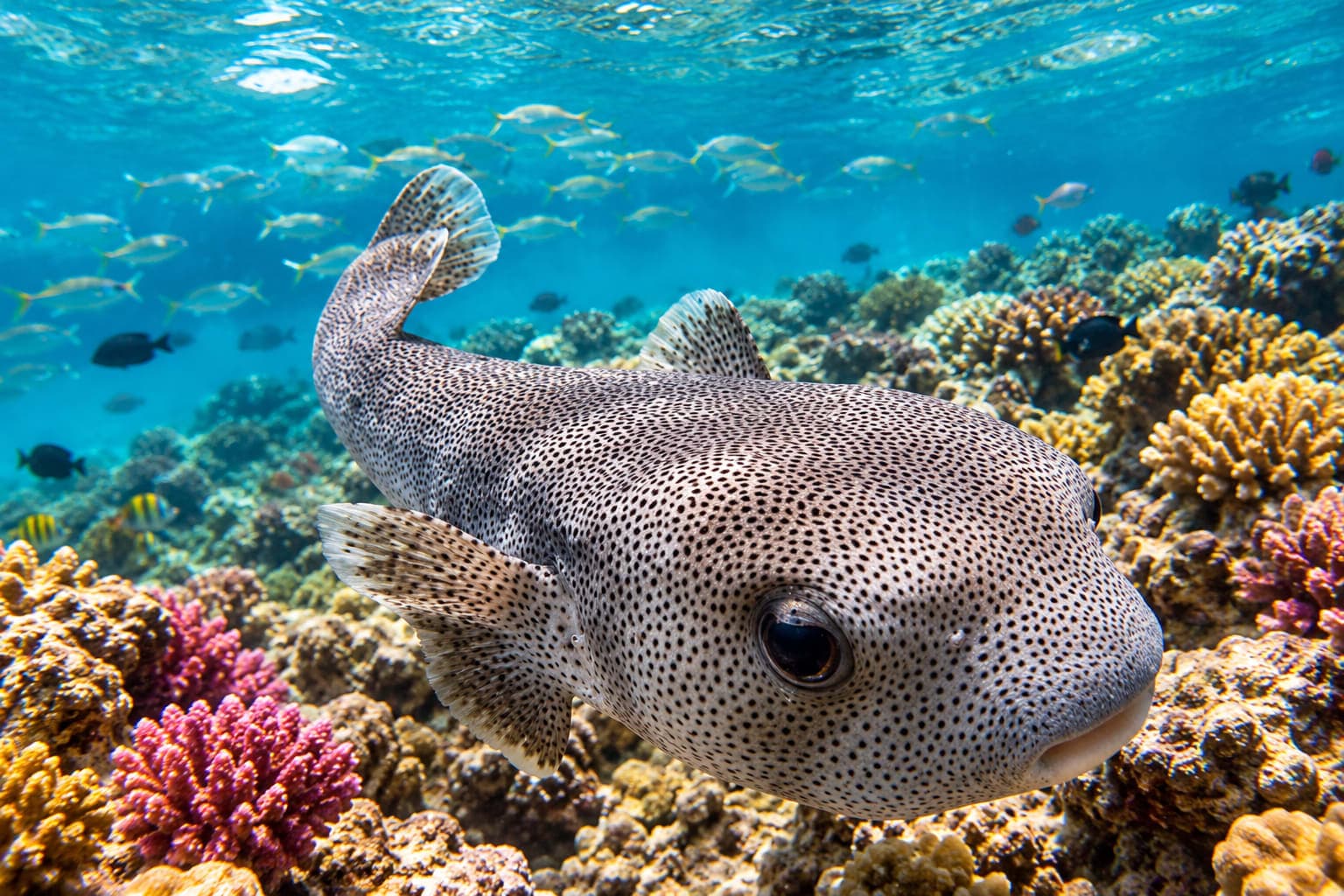
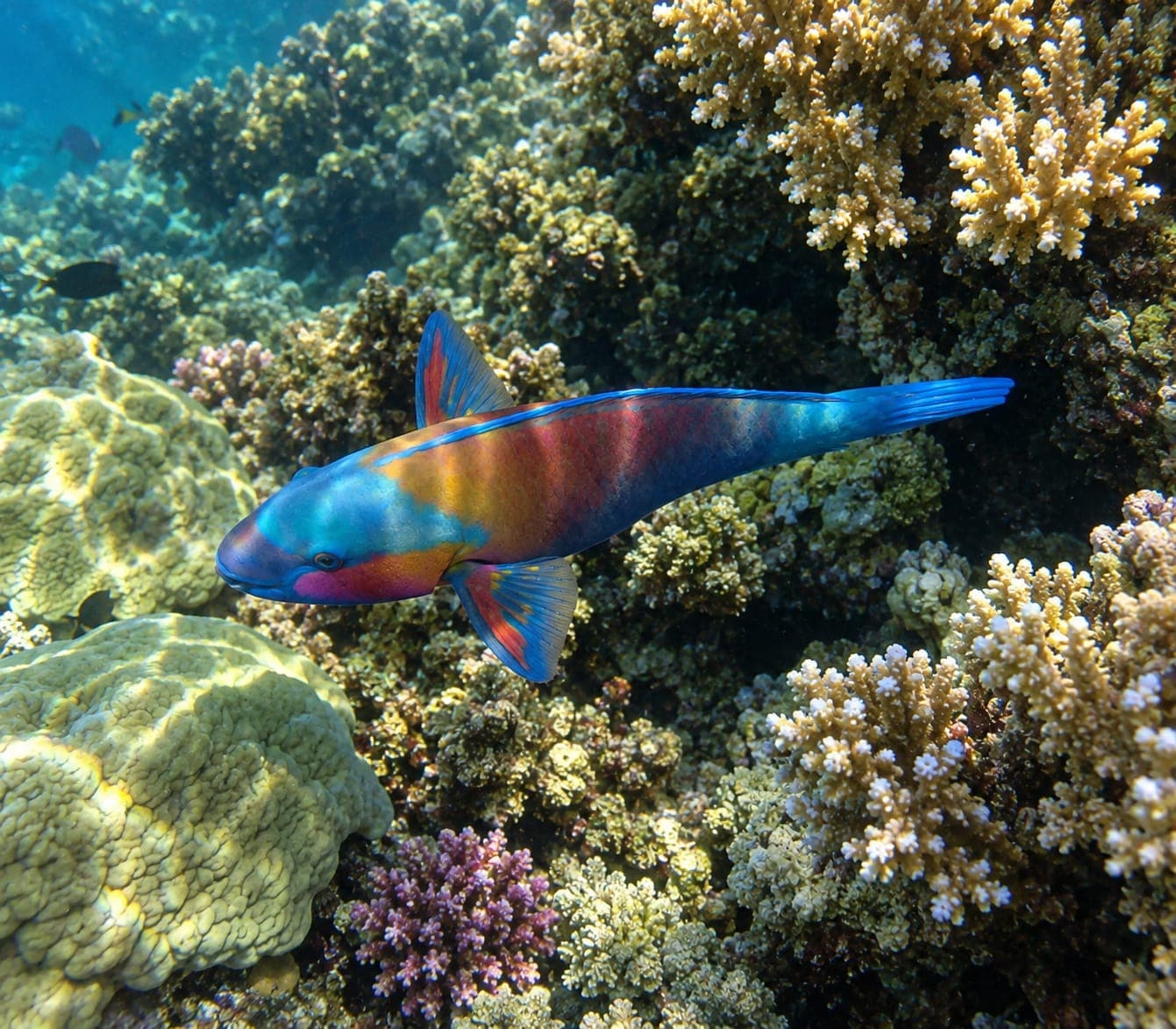
The Red Sea holds well over a thousand fish species, and roughly a tenth of them live nowhere else on earth. On a normal boat day expect clouds of orange anthias over the coral heads, butterflyfish in pairs, parrotfish audibly crunching the reef, and sergeant majors that will follow you. Look into the blue for barracuda, and along the sand for blue-spotted stingrays.
Never stand on or hold the coral — a single footprint can kill decades of growth, and fire coral stings. Reef-safe sunscreen or a rash vest is better than ordinary sun cream, which damages coral. Take nothing off the reef, shells included.
The Red Sea is a young ocean. Arabia is still pulling away from Africa at roughly a centimetre a year, and the basin between them has been filling with seawater for some five million years — geologically an infant, which is why it is so deep, so narrow and so steep-sided.
That shape is what makes the snorkelling so good. There are almost no rivers running into it, so no silt clouds the water; evaporation is high, making it unusually salty and unusually clear; and the reef drops away close to shore.
Red Sea corals have become some of the most closely studied in the world for an unexpected reason: they are remarkably resistant to bleaching. Their ancestors passed through the extremely warm southern entrance of the basin after the last ice age, and the survivors carried a heat tolerance their descendants still hold — several degrees above the temperatures that kill reefs elsewhere.
Marine biologists now describe the northern Red Sea as a potential refuge: one of the few reef systems that may still be here at the end of the century. That is worth knowing while you are floating over it.
Hurghada was a small fishing settlement founded in the early 1900s around oil exploration, with a few hundred residents into the 1980s. Diving tourism changed it within a generation, and it is now the main gateway to these reefs — which is also why the moorings, marine park fees and no-anchor rules matter as much as they do.
Pick how many days you have, add attractions per day, and see average activity and travel times between cities.
Places that carry the same story forward, or sit close enough to take in the same day.
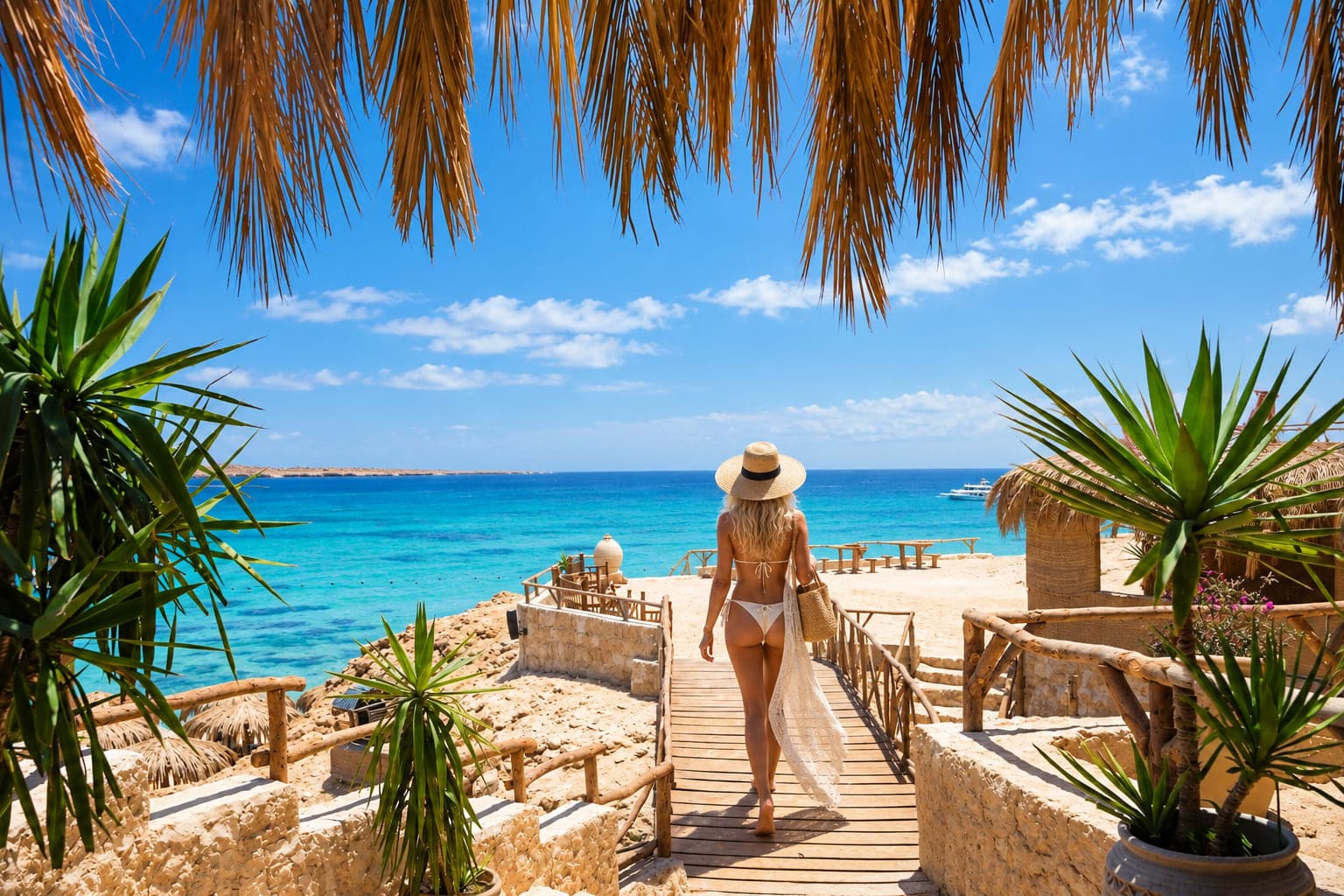
Giftun National Park · Red Sea
9 km away
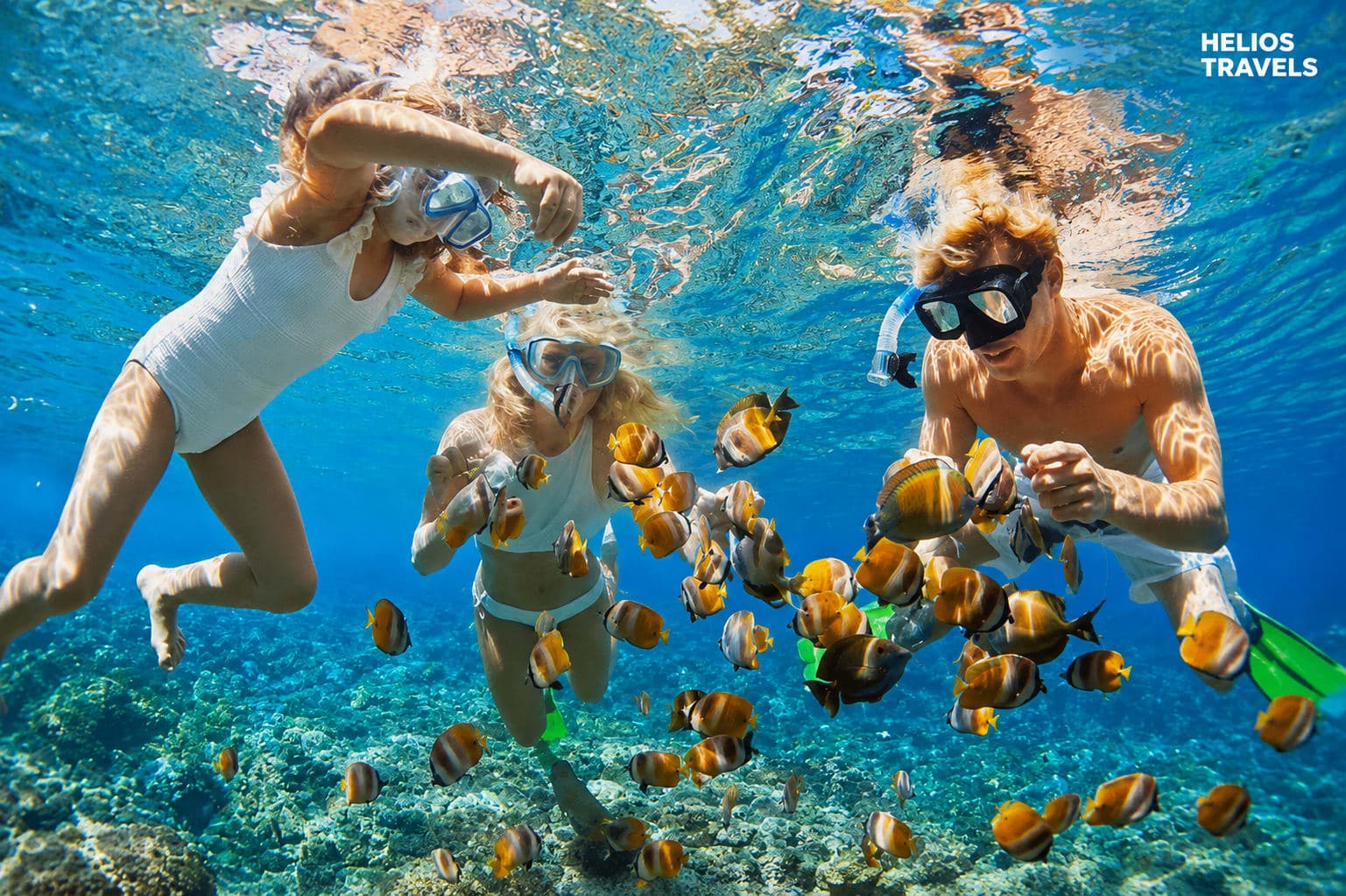
Hurghada · Red Sea
10 km away
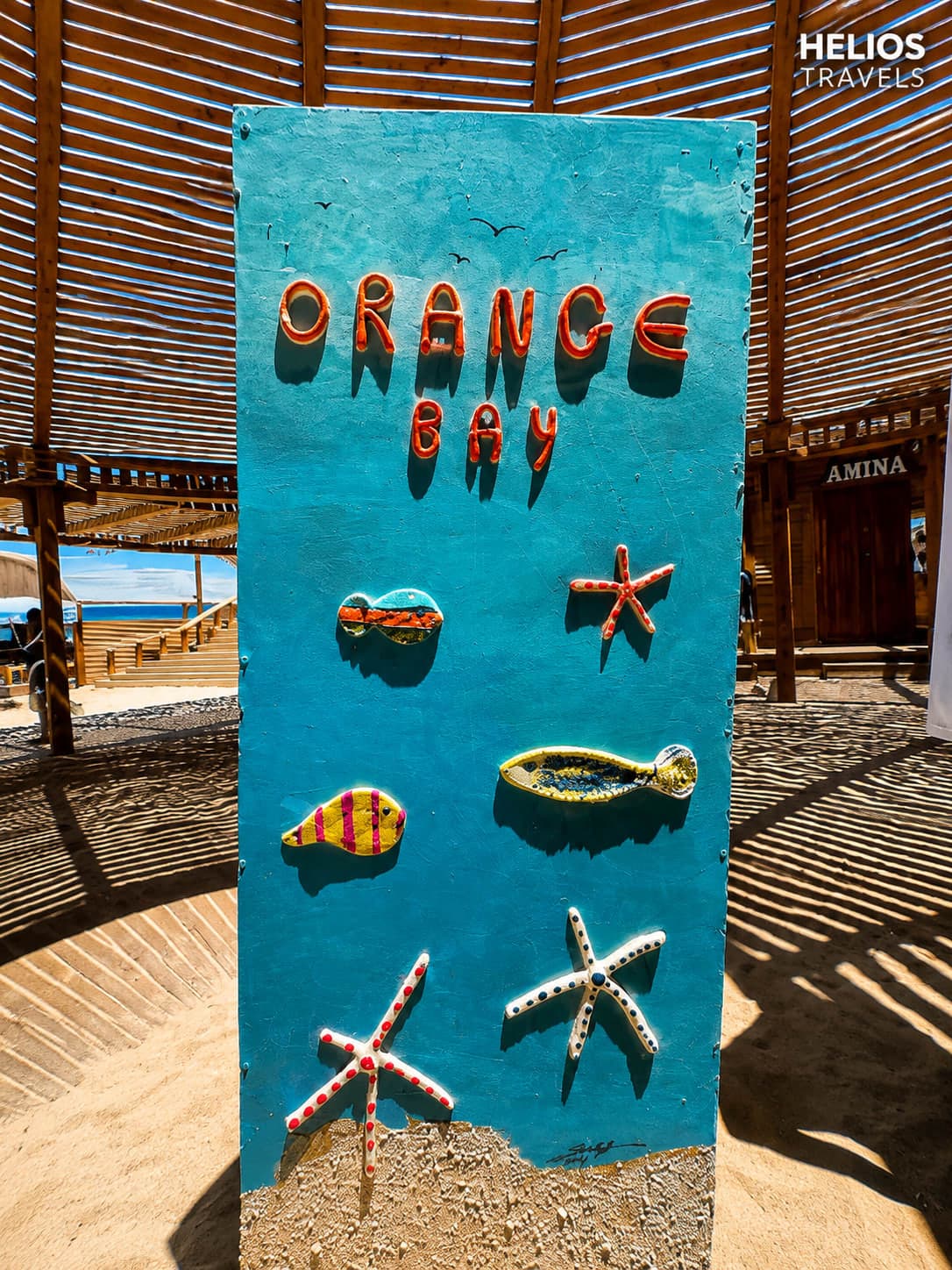
Hurghada · Red Sea
11 km away
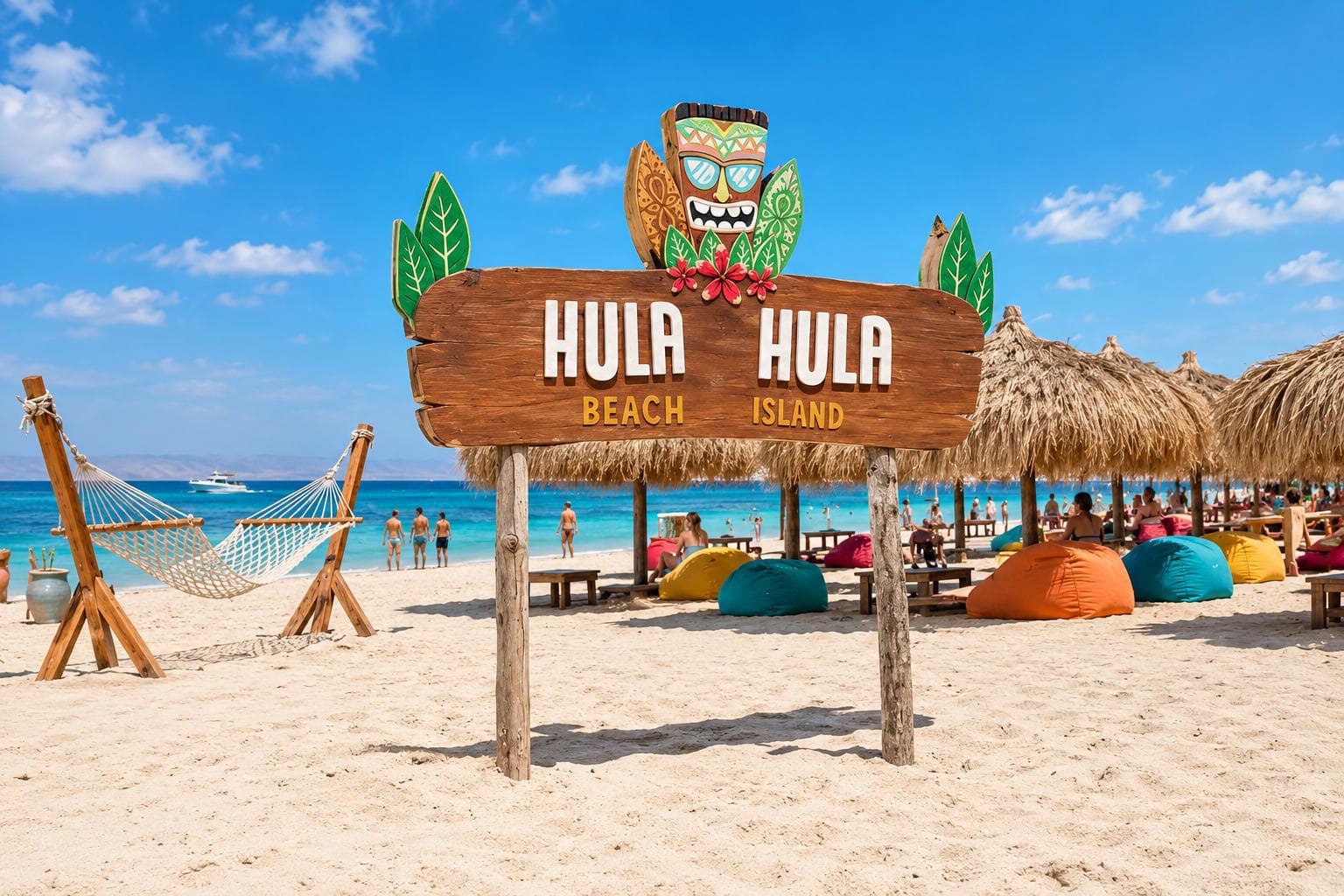
Sandbank · Red Sea
11 km away
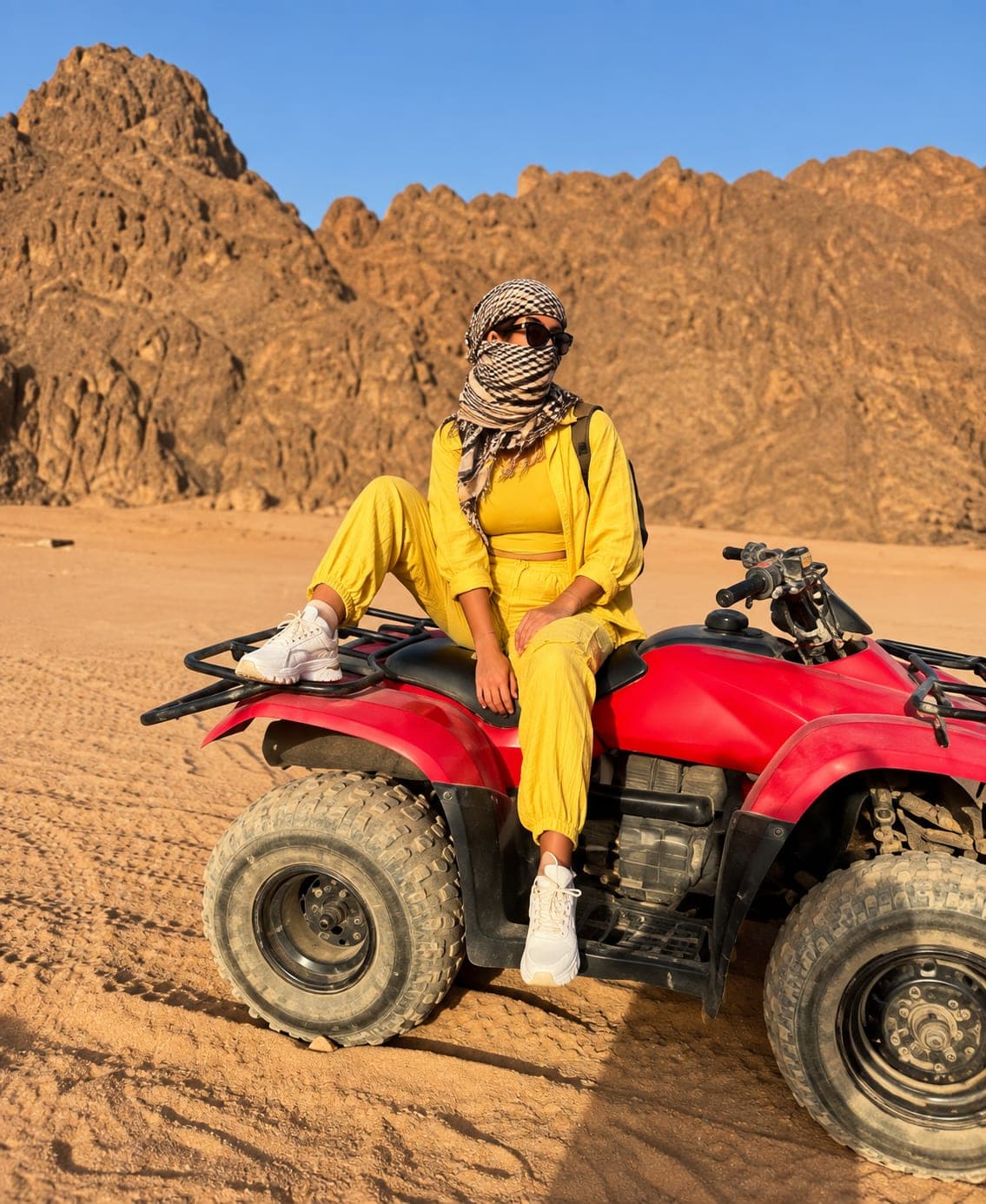
Hurghada · Eastern Desert
11 km away
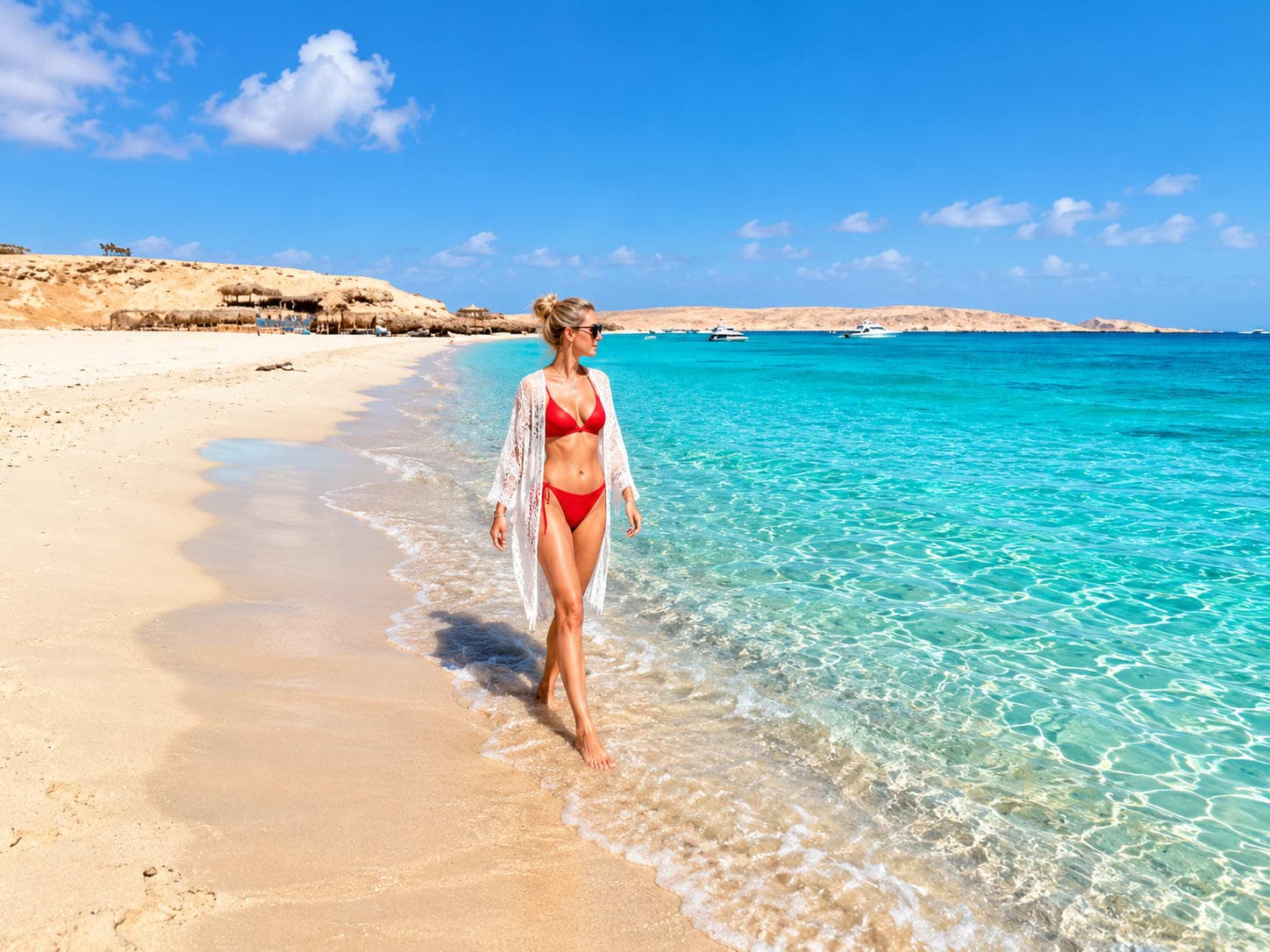
Reef & sandbar · Red Sea
12 km away
Book a ready-made tour or use the designer above to build your own plan.
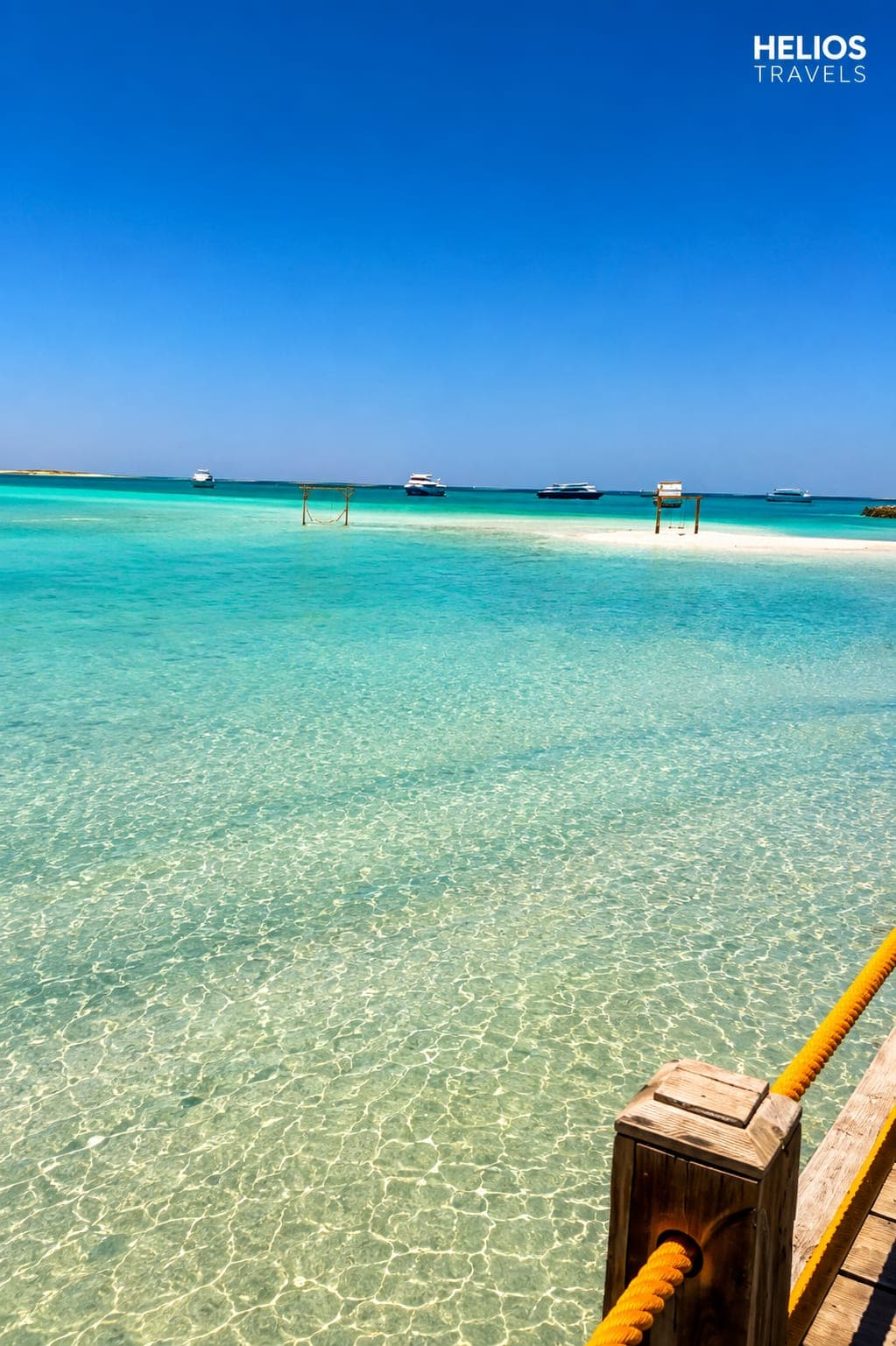
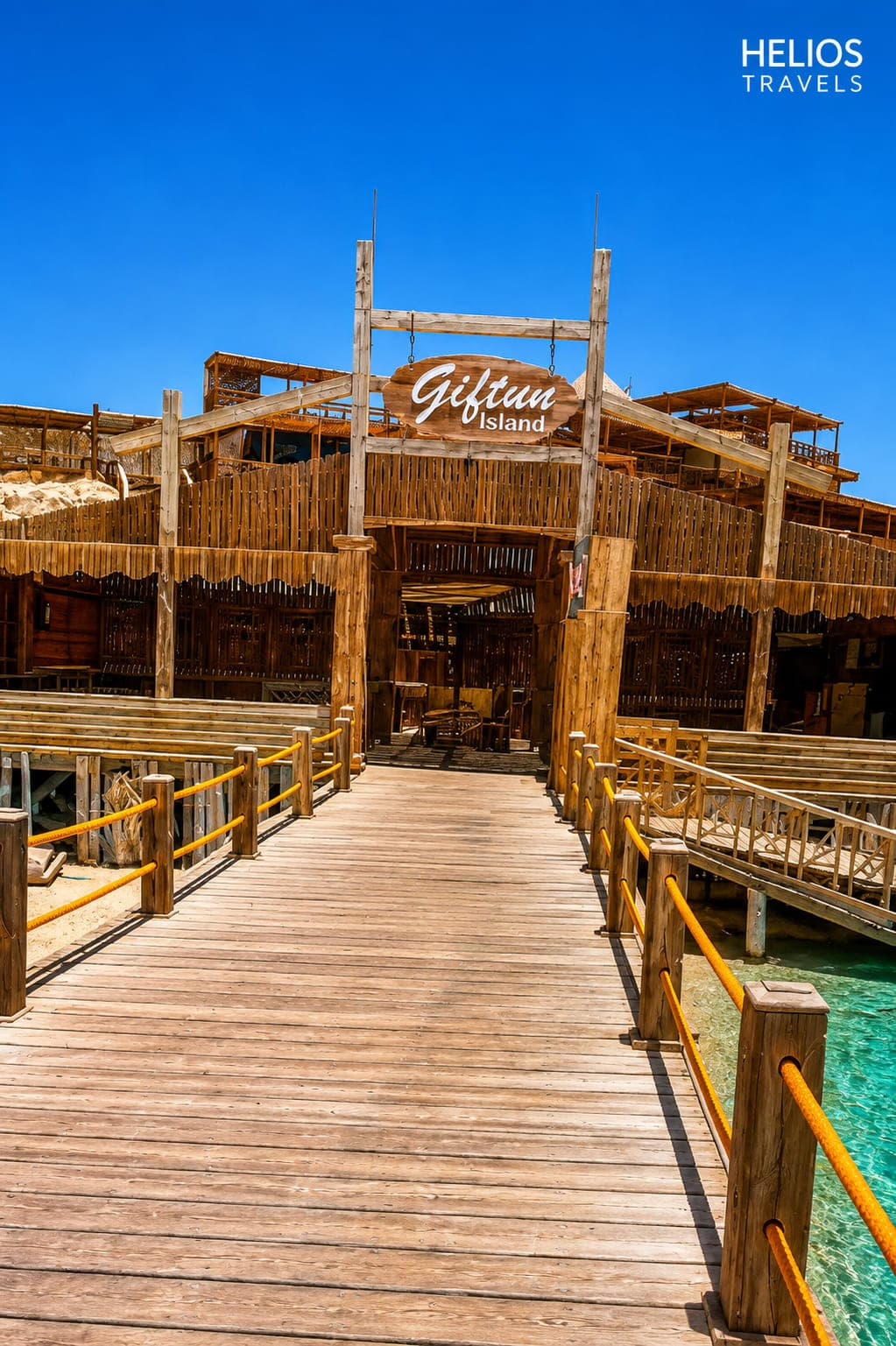
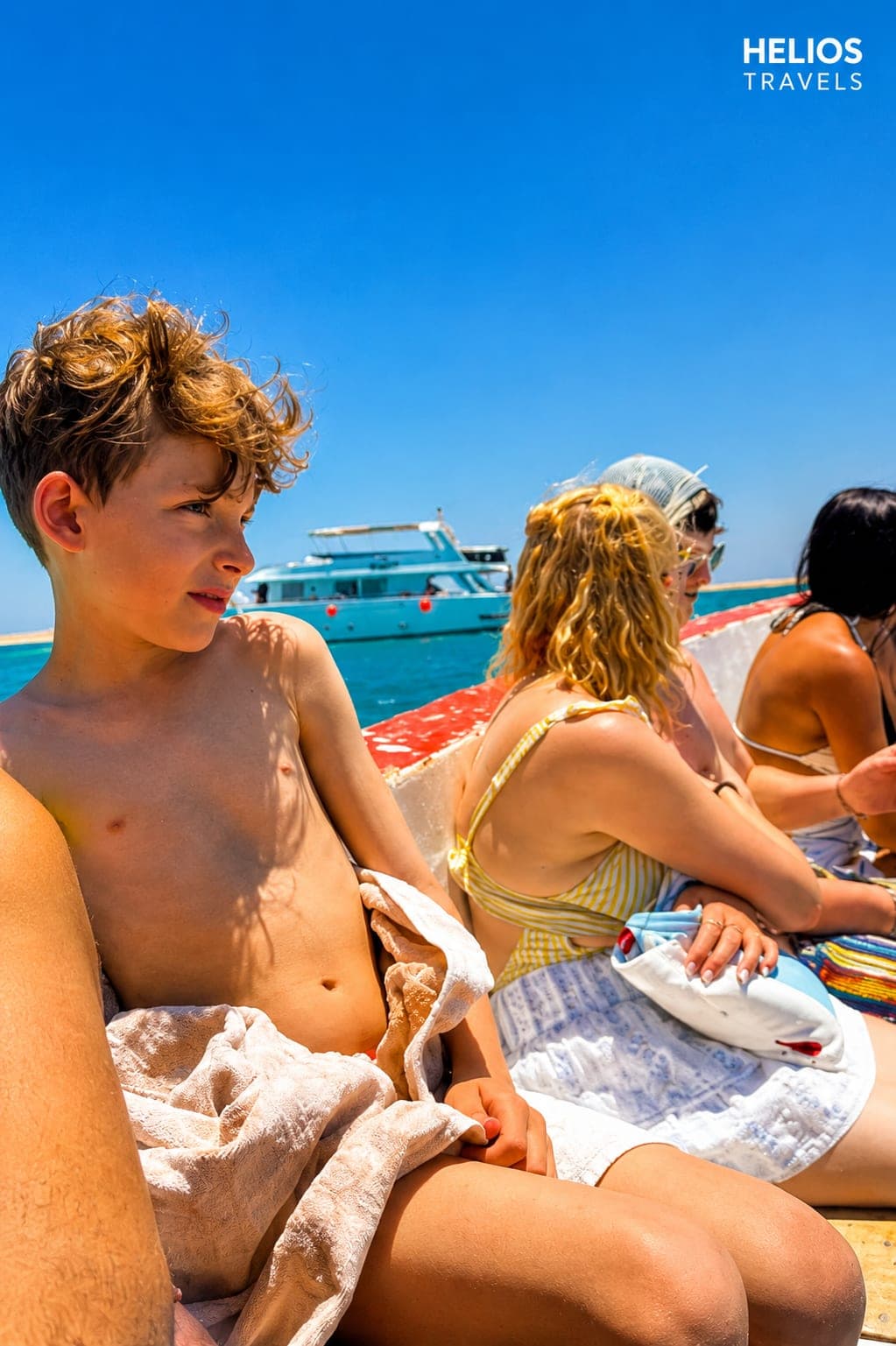
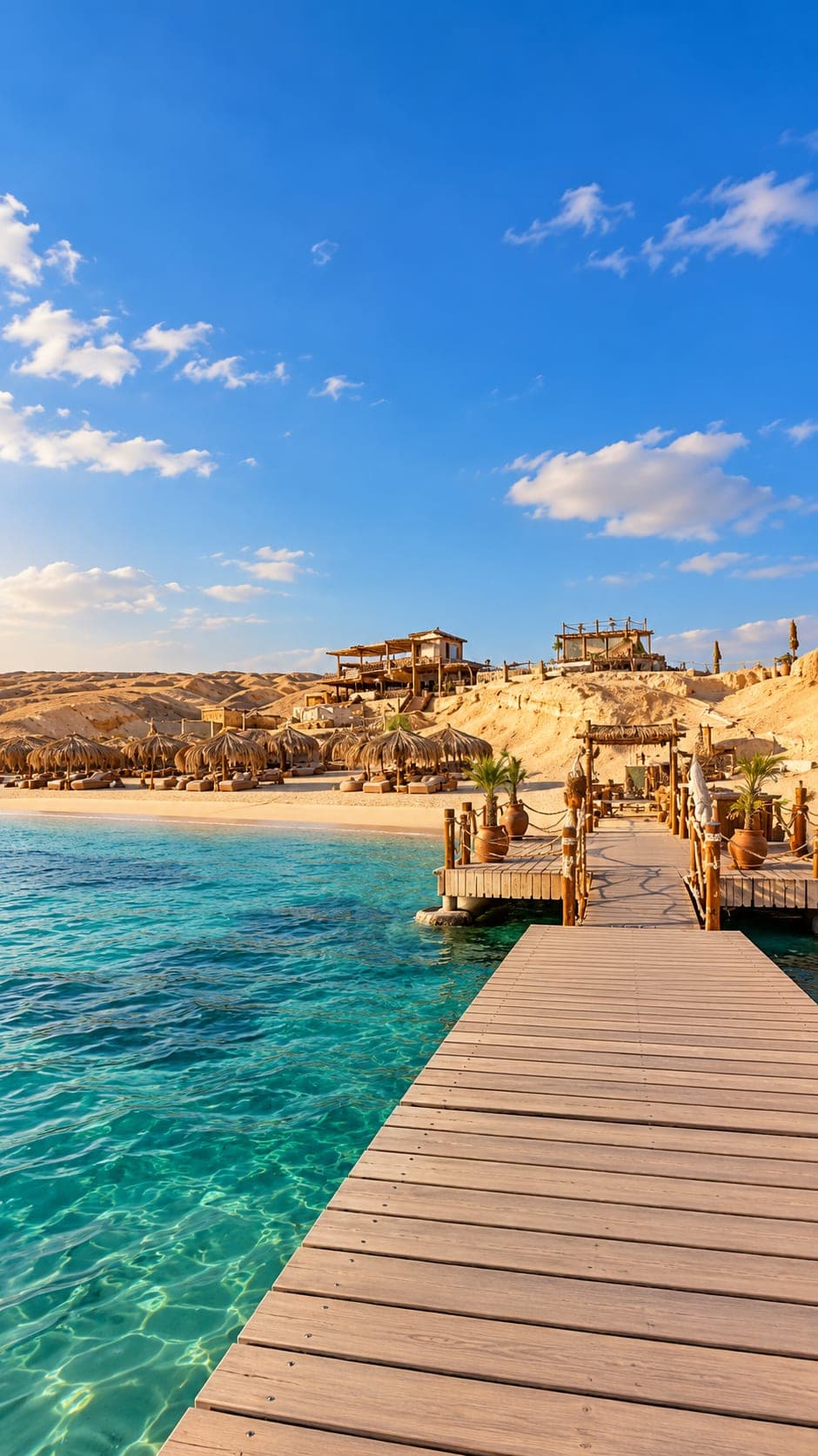
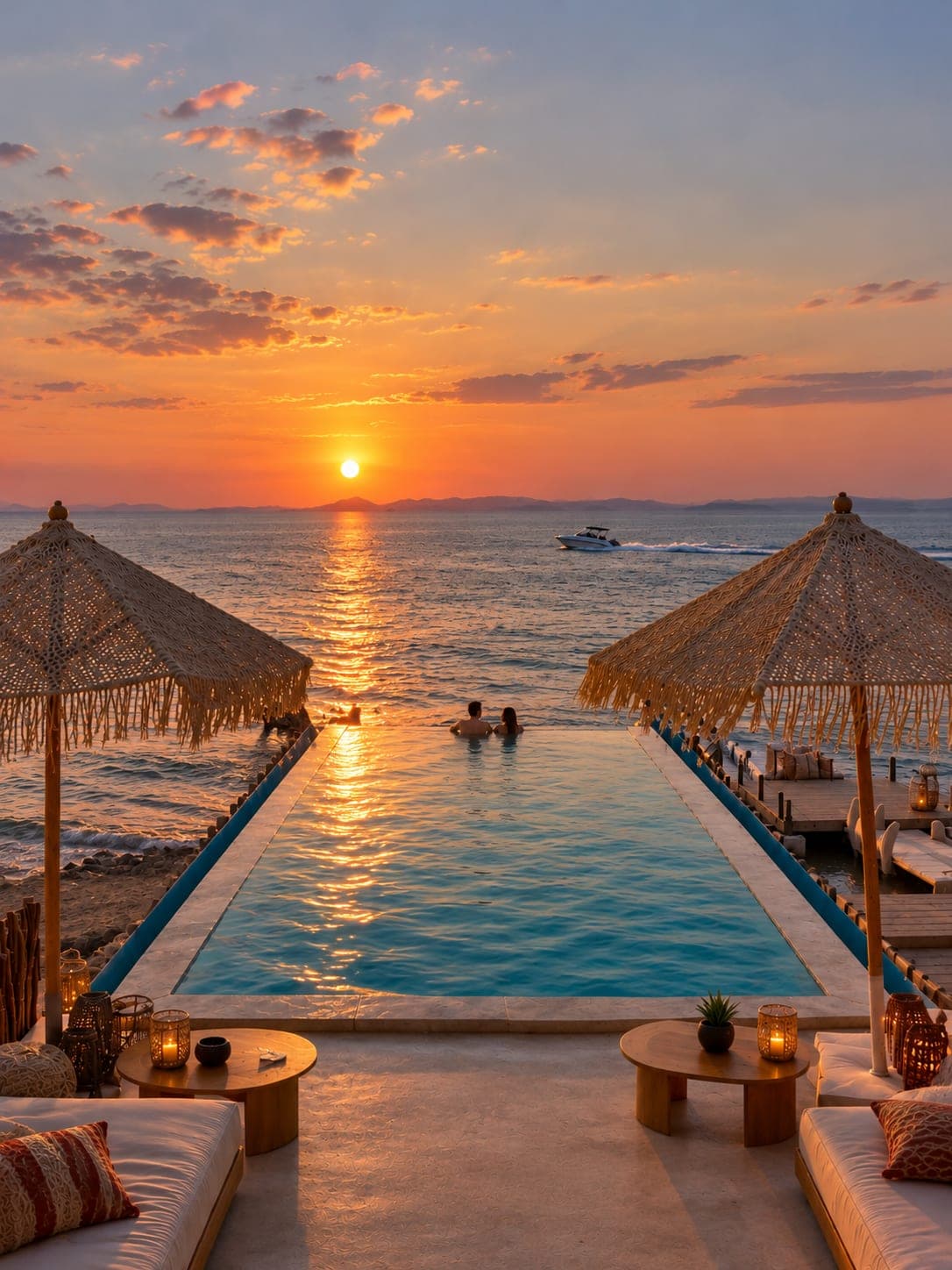
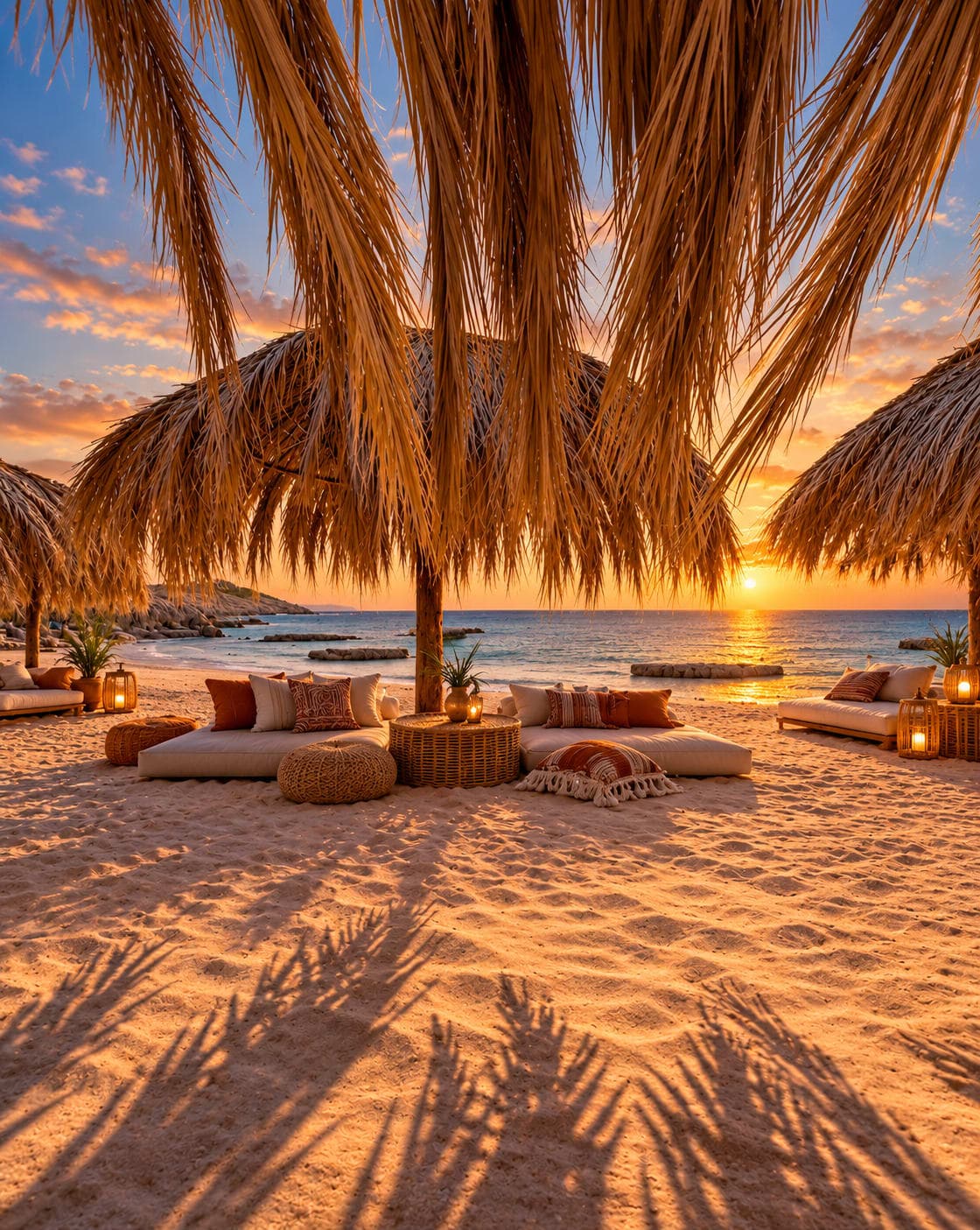












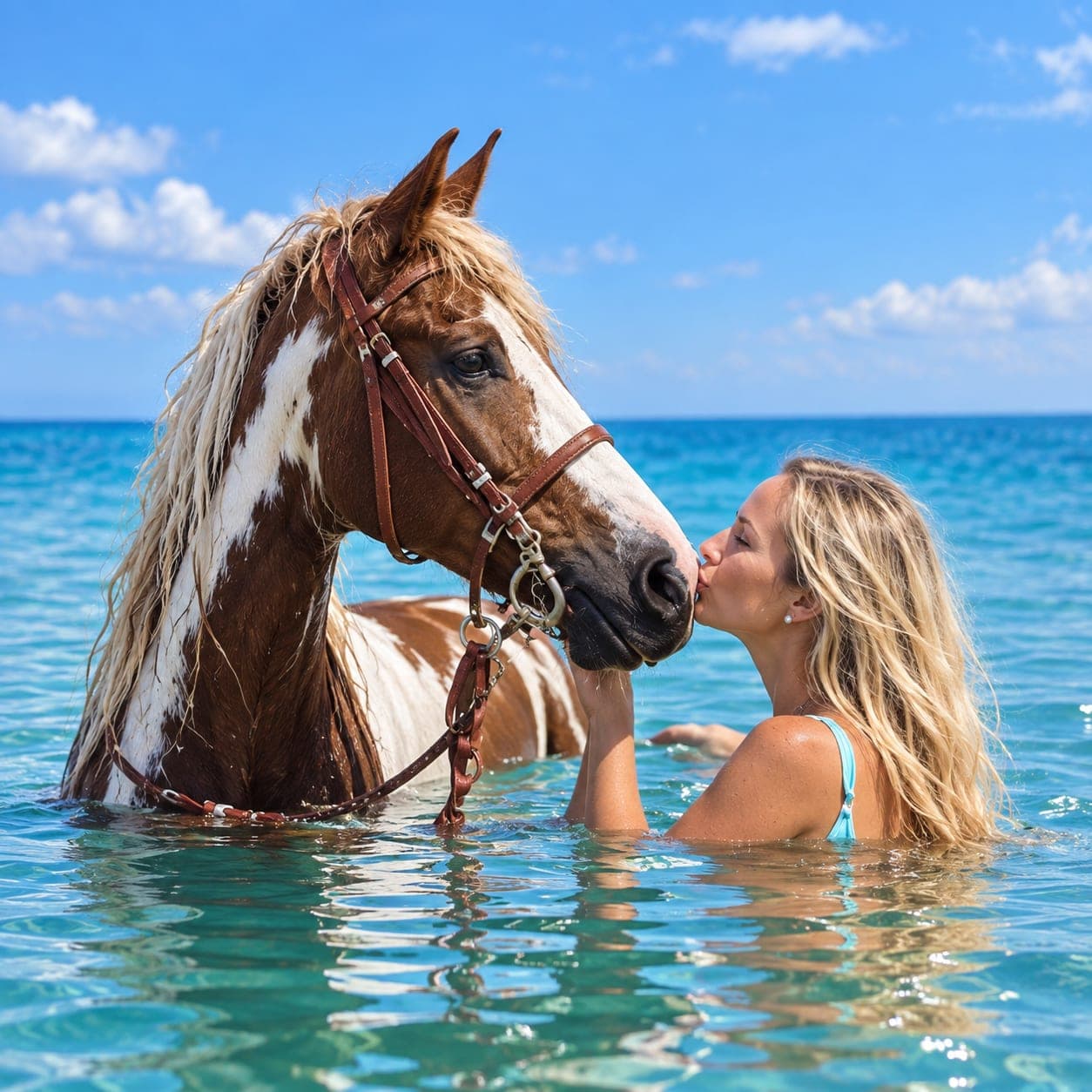
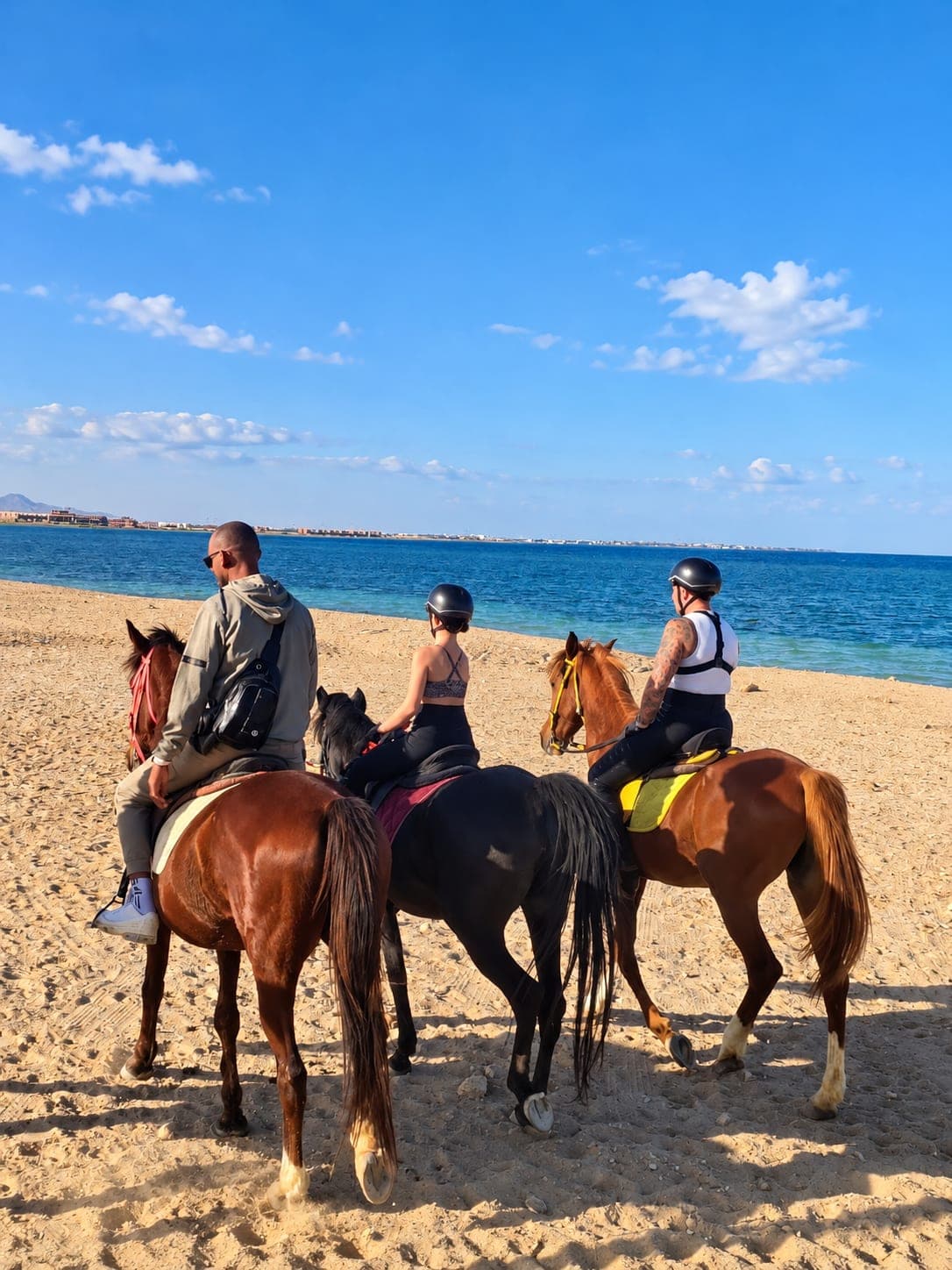
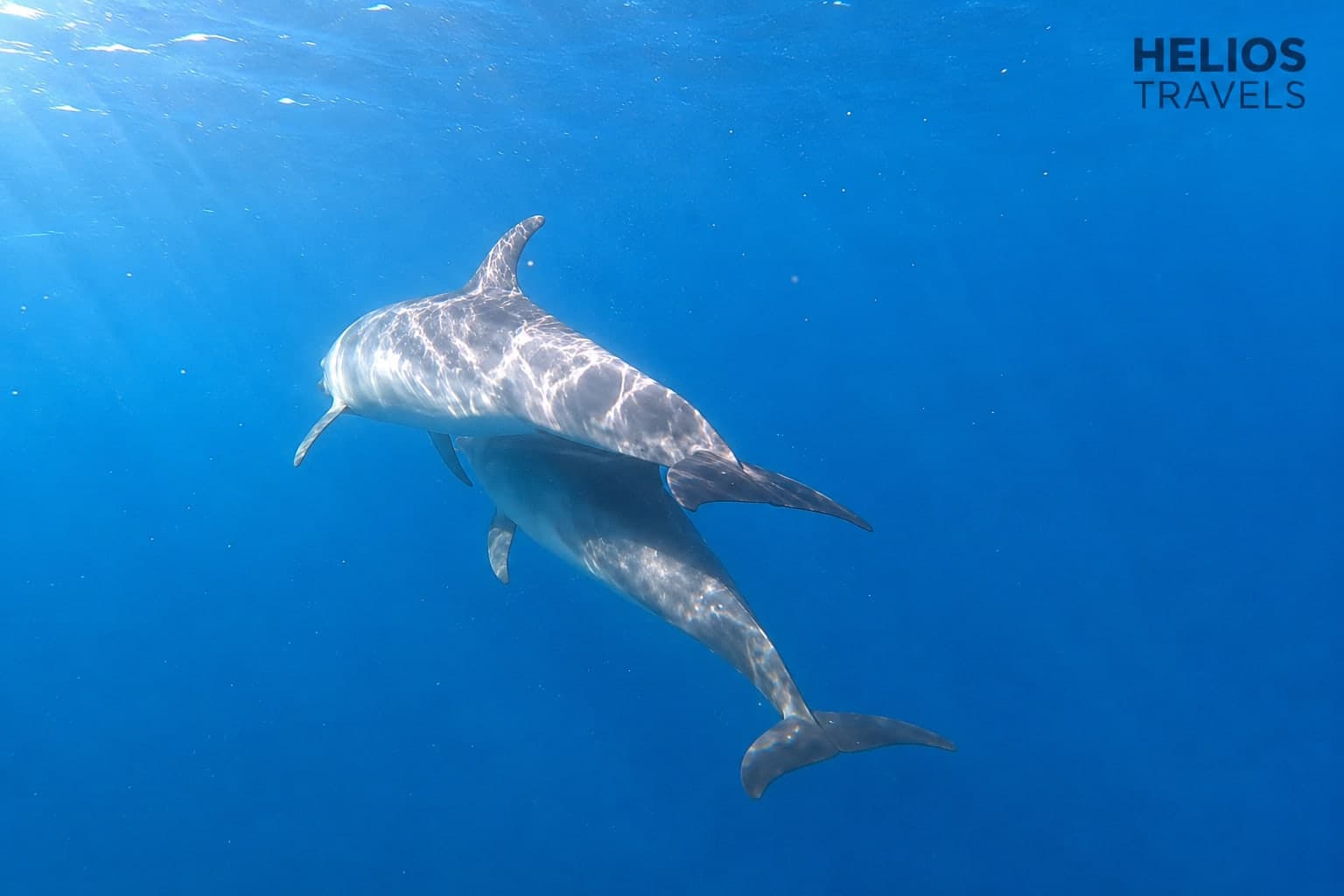

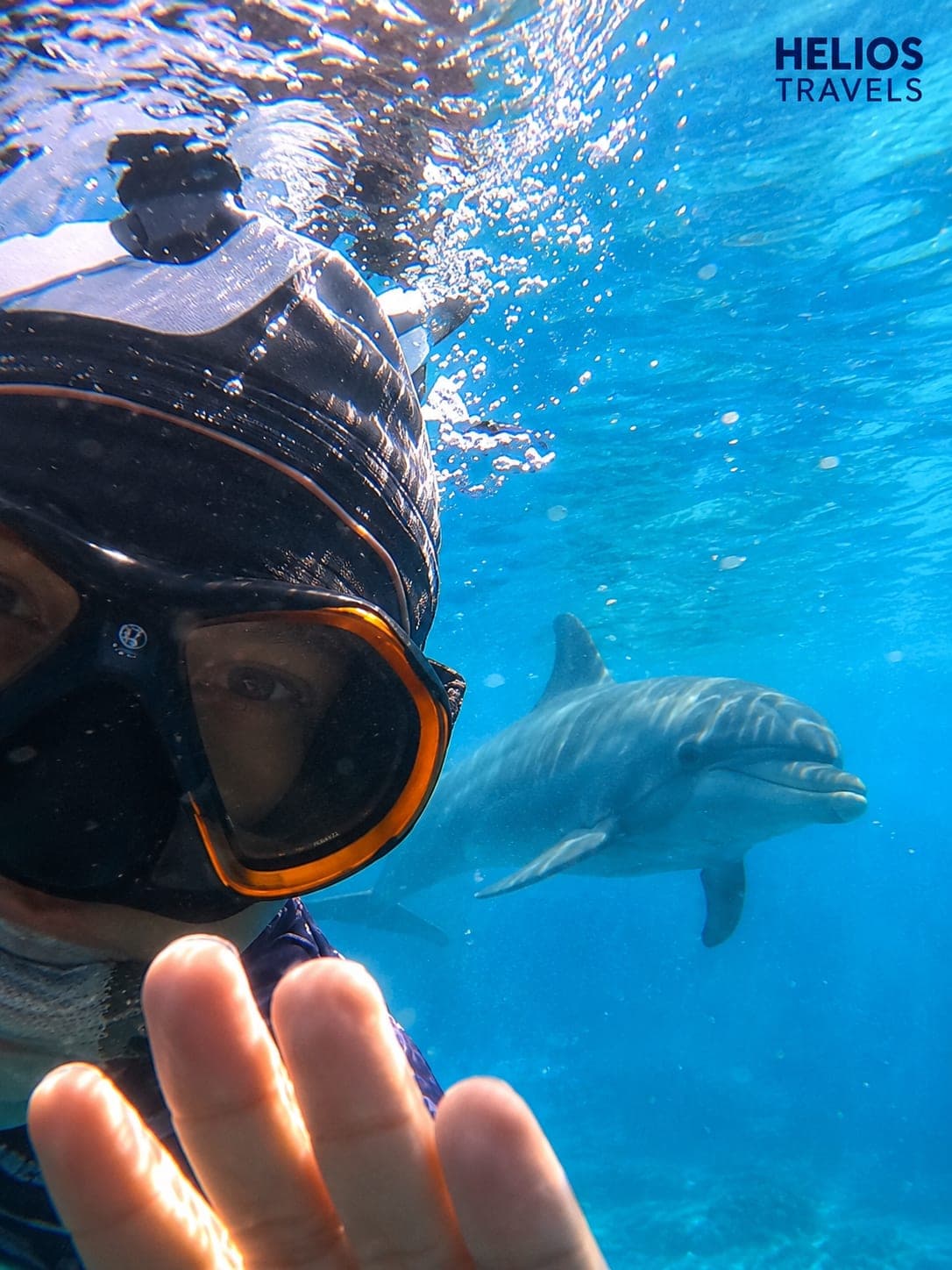


Hand-picked tours our guests love — top quality at reasonable prices, curated by Helios for your trip.