


Super Jeep Safari
From $34 / person5 hoursHurghadaIncludes 4 h at this sight
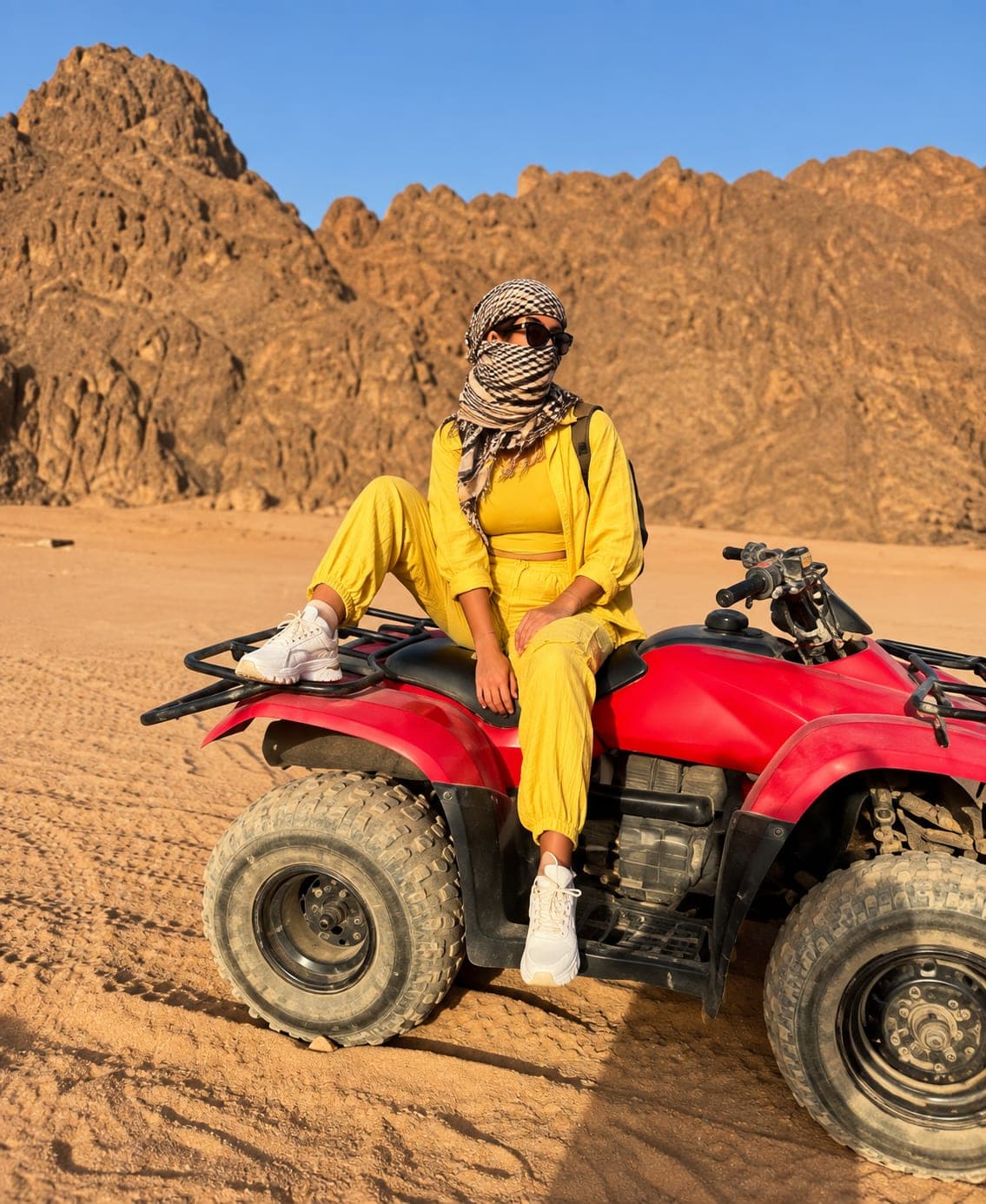
Hurghada · Eastern Desert
Typical visit: 4 h
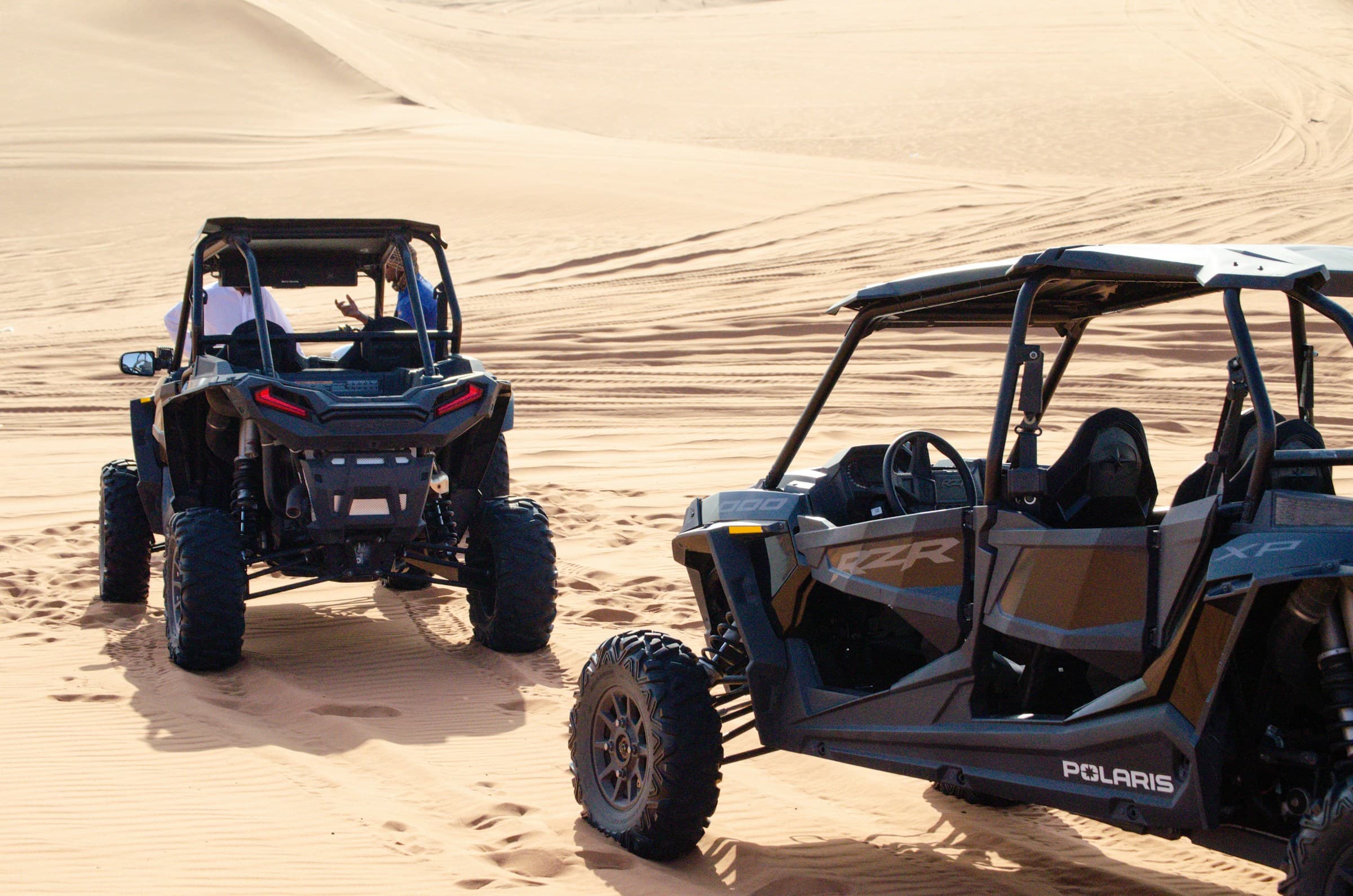
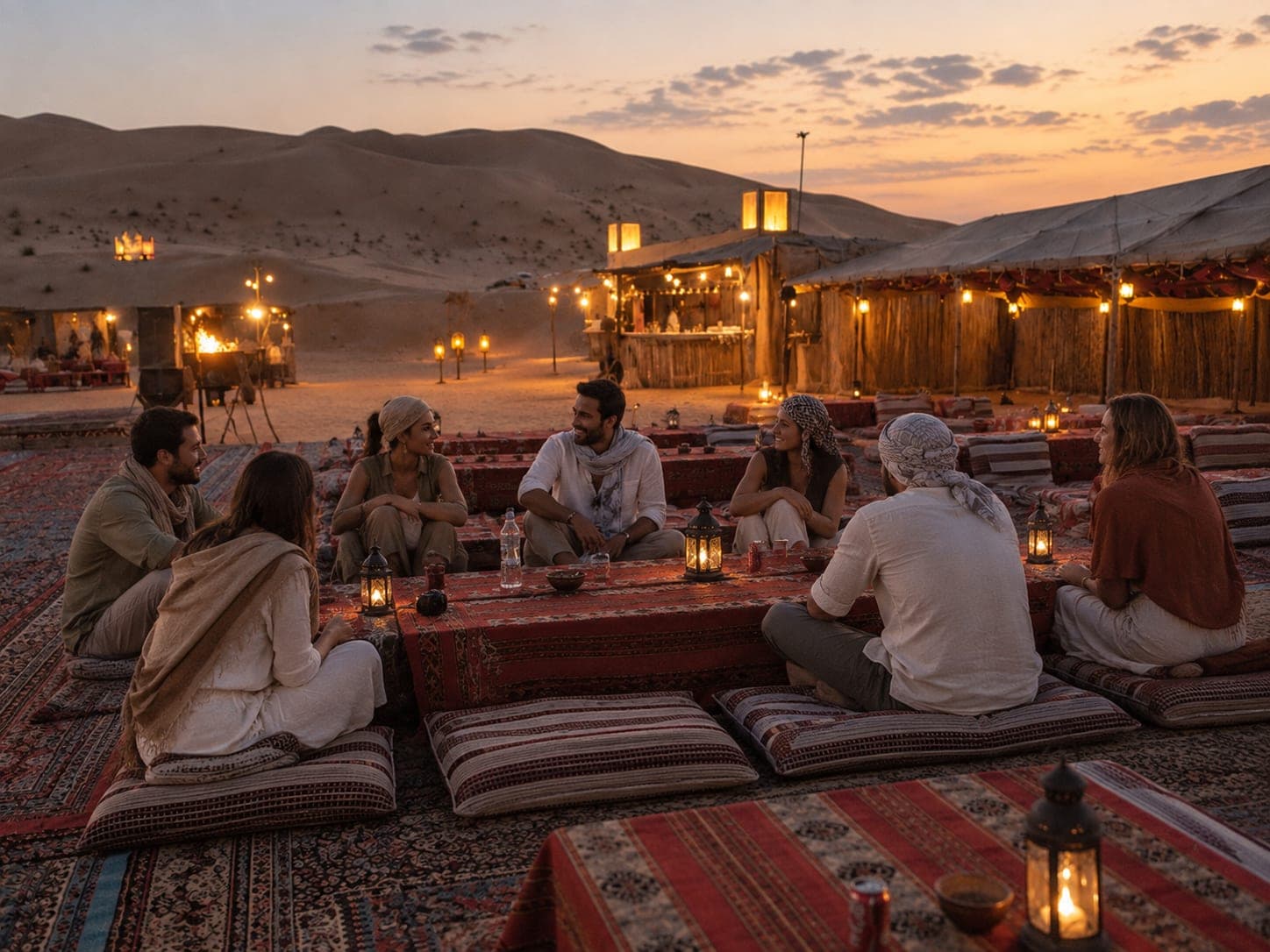
A thrilling run into the Eastern Desert by quad bike or 4x4, ending with a Bedouin dinner under the stars.

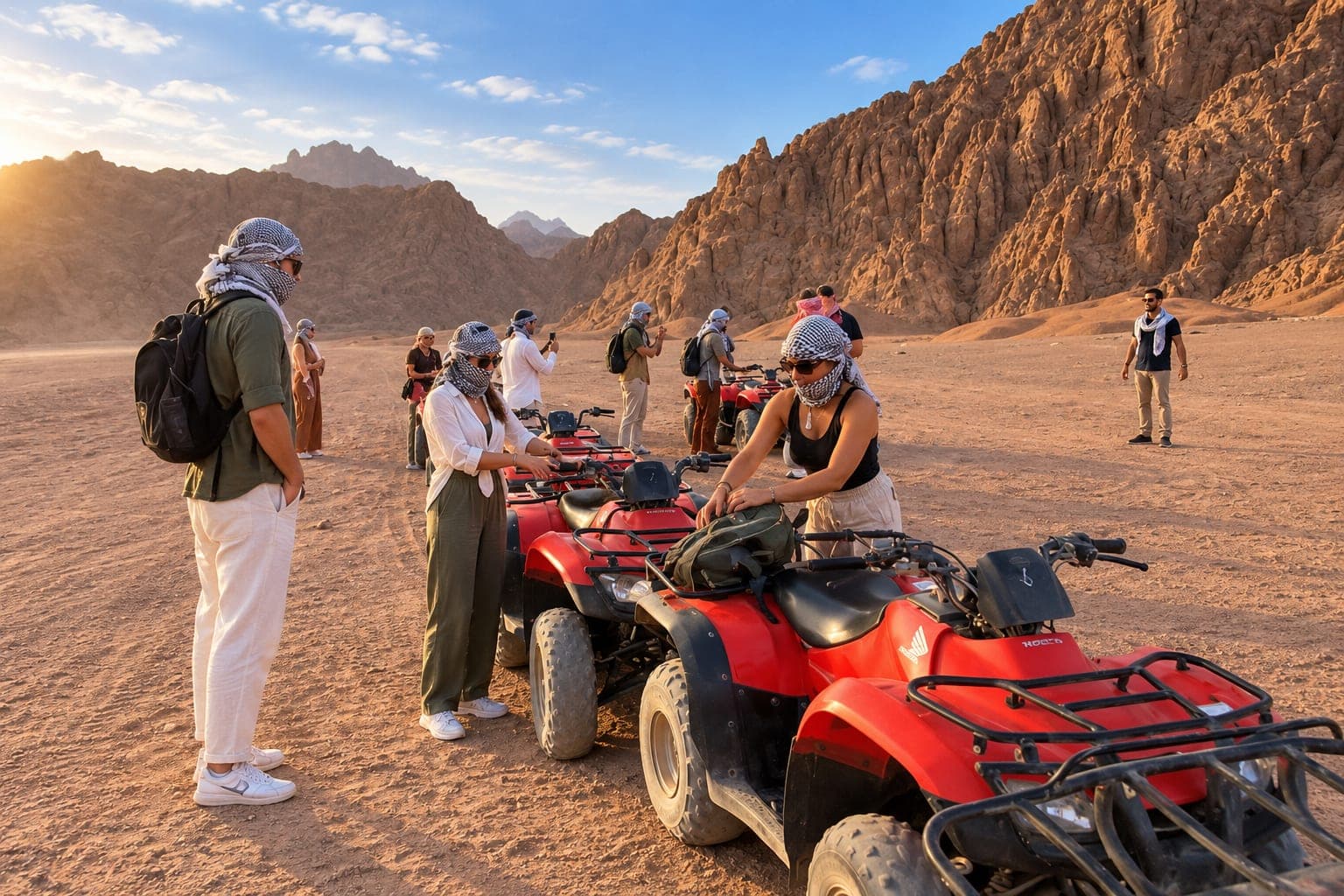
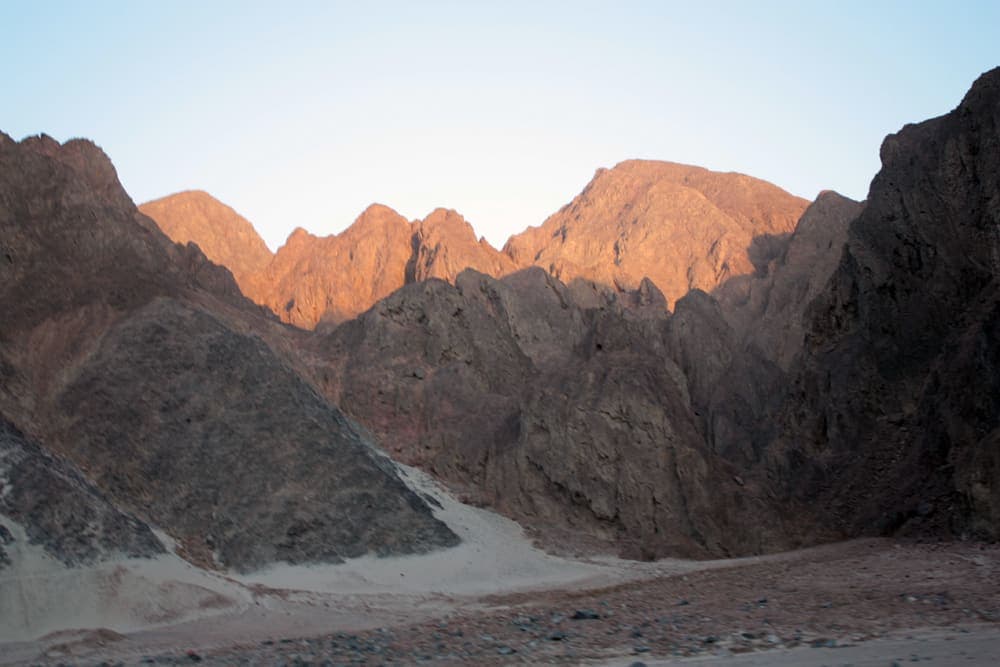
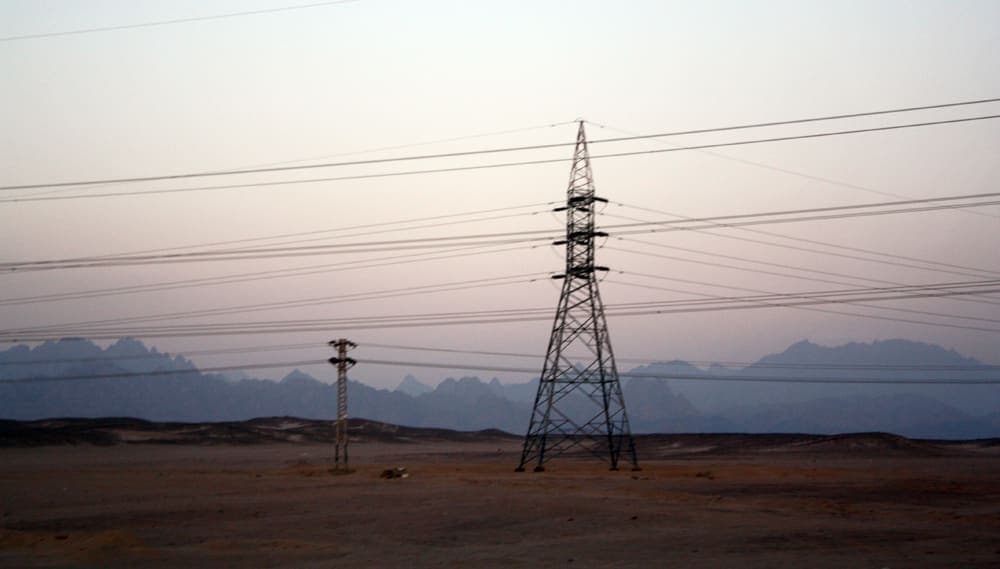
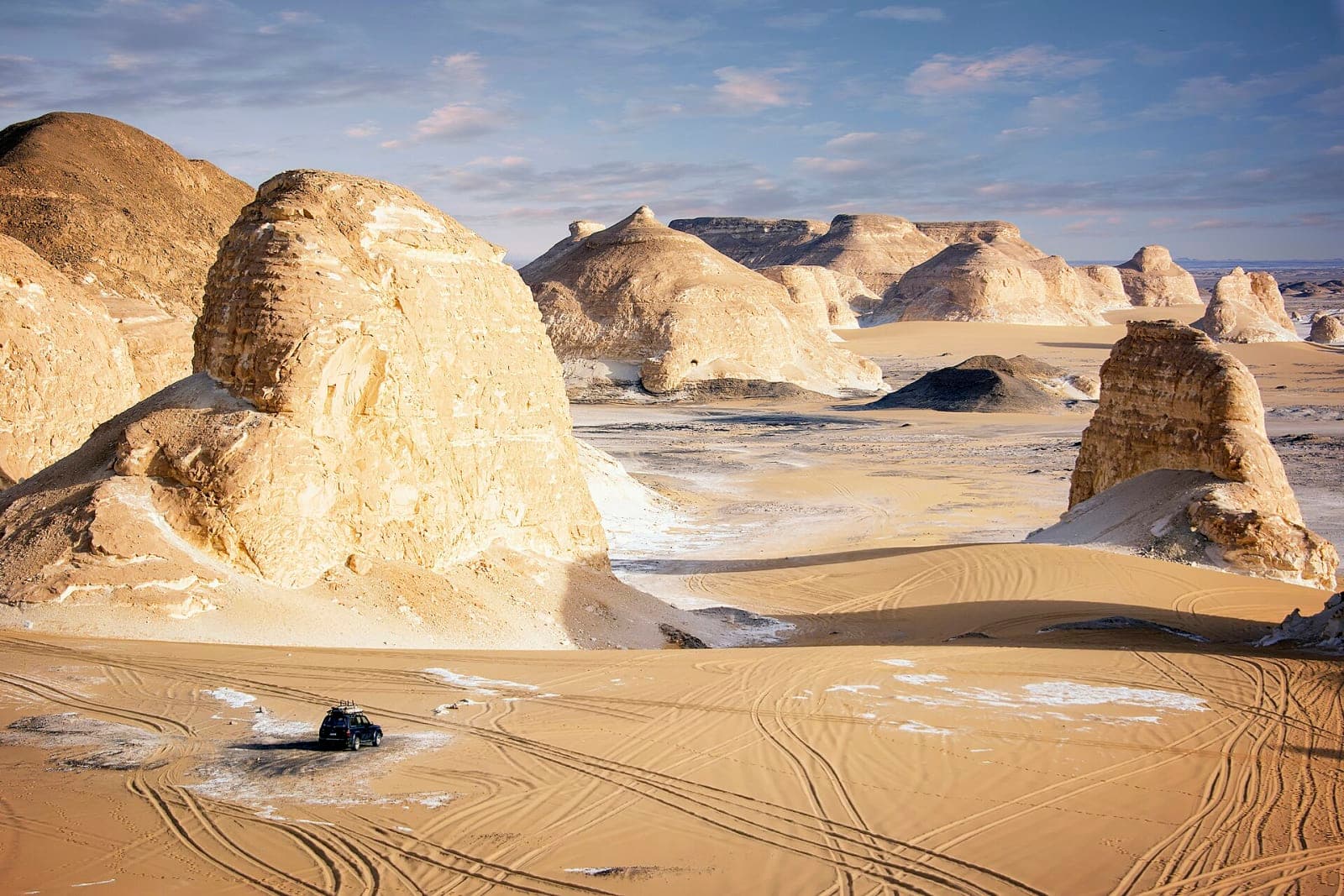
An afternoon and evening in the Eastern Desert, the range of dry mountains between the Nile and the Red Sea. Most trips run out by quad bike or 4×4 to a Bedouin camp an hour or so inland, arriving in time for sunset and staying through dinner.
It gets genuinely cold after dark from November to March — bring a jacket, however warm the afternoon was. Cover your mouth and nose on the quads, and take goggles or sunglasses. Closed shoes; the sand holds heat and the gravel is sharp.
The ride starts at the desert training station rather than in the dunes. You are shown how the quad works and given time for practice laps with an instructor watching — the machines are automatic, so there are no gears to change and no licence is needed.
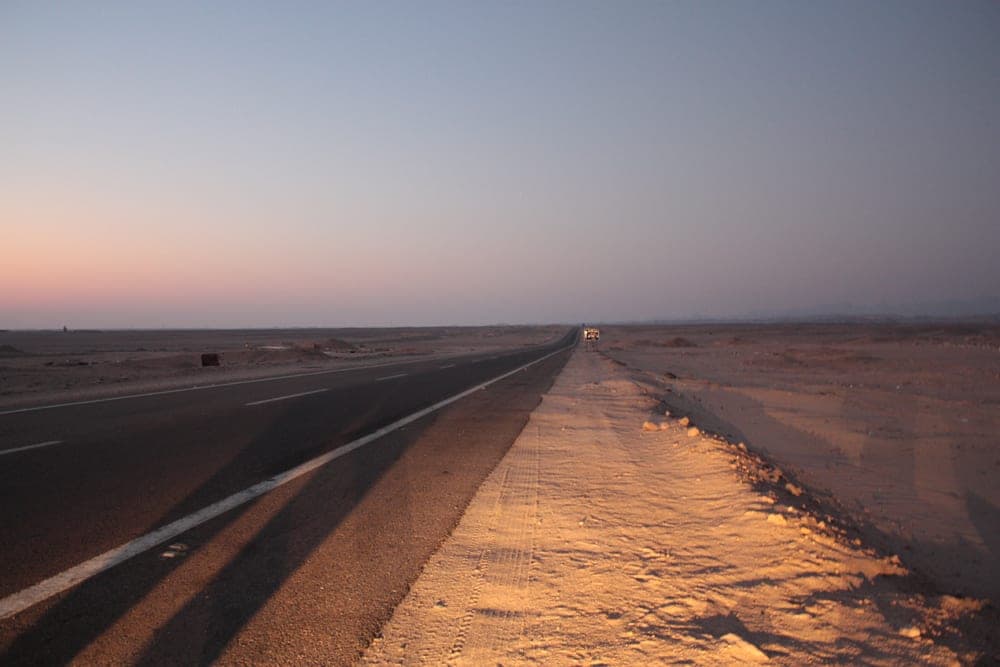
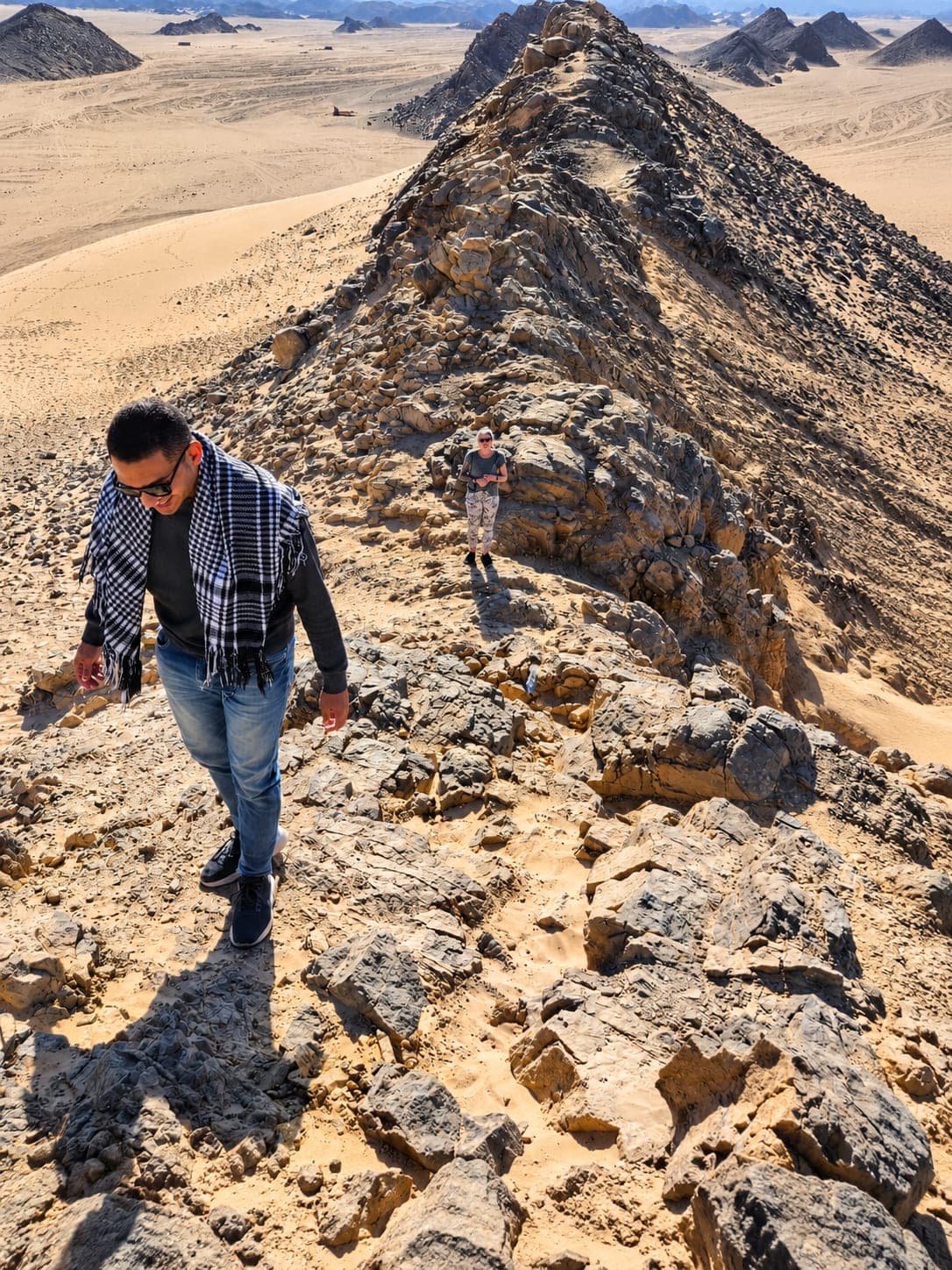
From there it is about 25 kilometres and an hour of riding across open desert to reach the Bedouin village, over sand tracks with the Red Sea hills on the horizon, and the same 25 kilometres back to the station afterwards. Drivers must be 16 or over; younger children ride along with a parent.
The Eastern Desert is not empty, and it never was. It was Egypt's mining frontier for three thousand years — the source of the gold that made the pharaohs rich, and later of stone the Romans wanted badly enough to run an empire's worth of logistics into the middle of nowhere to get it.
At Mons Porphyrites, in the mountains inland from Hurghada, the Romans quarried imperial porphyry — a deep purple stone found in usable quantity almost nowhere else on earth, reserved by law for the emperor. Columns cut here were dragged to the Nile and shipped to Rome and Constantinople, and you can still find them in St Mark's in Venice and in Istanbul. Further south, at Mons Smaragdus, they mined emeralds.
Roads, wells and small fortified way-stations were built across this desert to supply the quarries, and their ruins are still out there.
The Bedouin communities of the Eastern Desert — principally the Ababda and Bishari — have moved through this landscape for centuries, navigating by star and landmark and reading dry watercourses for grazing after rain. Camp evenings are a modern arrangement, but the bread in the sand, the tea, and the way a fire is built are not.
An hour inland the light of the coast drops away, the air is exceptionally dry, and there is no humidity to scatter what little glow remains. On a moonless night the Milky Way is plainly visible, and in winter you will pick out Orion, the Pleiades and often Andromeda with the naked eye.
Pick how many days you have, add attractions per day, and see average activity and travel times between cities.
Places that carry the same story forward, or sit close enough to take in the same day.
Hurghada · Red Sea
11 km away
Hurghada · Red Sea
12 km away
Giftun National Park · Red Sea
20 km away
Hurghada · Red Sea
21 km away
Sandbank · Red Sea
22 km away

Hurghada · Red Sea
22 km away
Book a ready-made tour or use the designer above to build your own plan.







Hand-picked tours our guests love — top quality at reasonable prices, curated by Helios for your trip.