Destinations · Oct 21, 2026
Kyoto Autumn Leaves 2026: When Colour Peaks and How to Beat the Crowds
Aim for the last week of November, expect a range rather than a date, and use the first hours of the day for the famous places.
The short answer: for Kyoto autumn leaves in 2026, plan for the last two weeks of November, and treat early December as your safety margin. Nobody can honestly name the peak day this far ahead. Colour depends on how warm September and October were and on the first cold nights. The second decision matters as much as the dates: famous spots fill by mid-morning, so go early, and keep the middle of the day for places that cope with crowds.
When does the colour actually peak?
Kyoto's leaves do not turn all at once. Altitude and shade shift the timing, so you are choosing a window, not a day.
- Early to mid-November: the hills to the north and west, such as Takao, Kurama and Ohara, start first. Expect patchy colour, with fewer people.
- Mid to late November: colour builds in the eastern hills and the big temples. This is the risky stretch for crowds.
- Late November to early December: the lower city temples and gardens are most often at their best. Warm autumns push this later.
Any site that promises one exact date is guessing. Forecasts are published from late summer and are revised often, so check one close to departure. Our Japan in October and November guide covers weather and the colour season more widely.
The honest part: crowds
Kyoto in leaf season is one of the busiest times of year anywhere in Japan. Temples such as Kiyomizu-dera and the Arashiyama bamboo and bridge area can be slow-moving crowds by mid-morning. Hotels fill early, and trains and buses are packed. Accept that you will not have the best-known views to yourself in late November. You can only choose when to be there.
The weather is kind: cool, often mild by day, cold in the early morning and evening, and light is gone soon after late afternoon. Bring layers and a rain jacket.
A low-crowd plan: Fushimi Inari, Nara, Nishiki
This plan puts each place in the part of the day when it is easiest.
Day one, early: Fushimi Inari
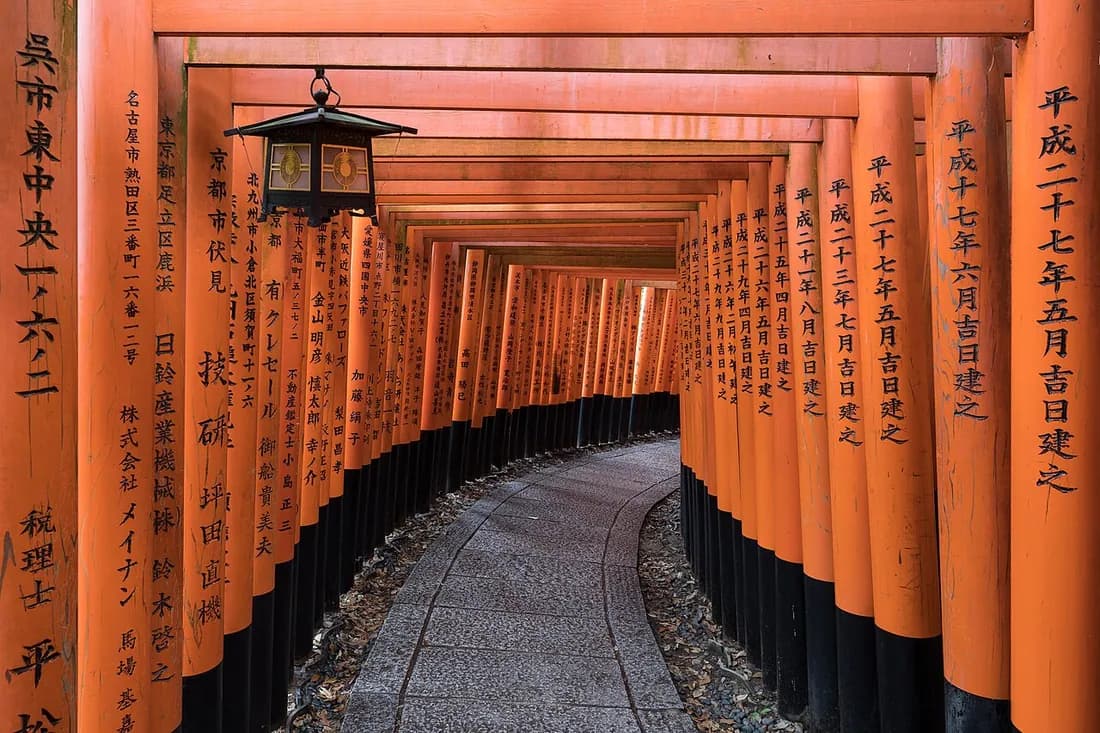
Fushimi Inari is mostly about thousands of vermilion torii gates climbing a wooded hill, not about leaves. Maples and other trees add colour along the trail, but do not expect a blaze of red everywhere. Its problem is crowds: the lower gates around Senbon Torii become a shuffle by mid-morning. Early on, the same path is calm.
The Fushimi Inari shrine walk takes 3 hours and follows the entrance, Senbon Torii, the mountain trail and a viewpoint. It runs as a small group of up to 12 guests, or as a private tour for just your party. The route is the same either way. Ask in your request whether an early start is possible; we confirm guide, access and timing in your quote.
Day one, midday: Nishiki Market lunch
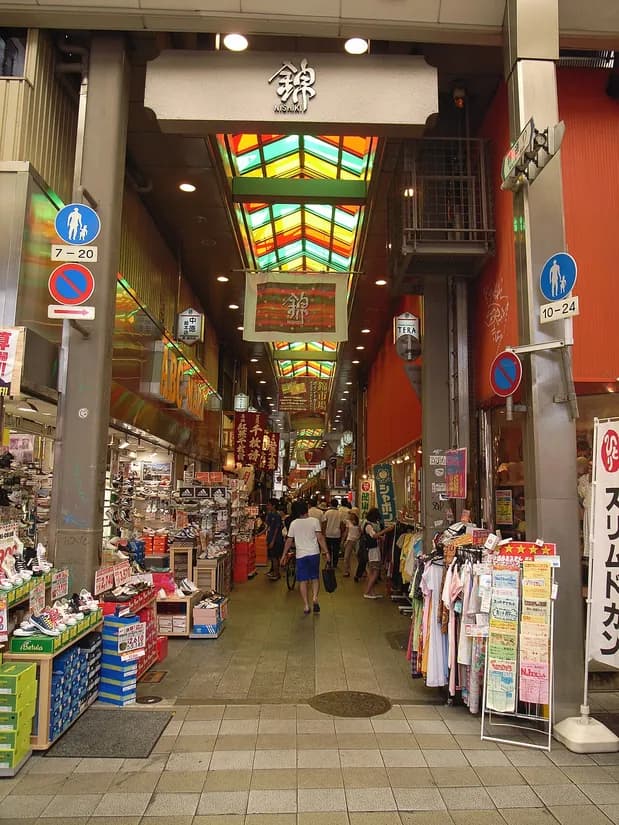
Once the shrine fills up, move indoors. Nishiki Market is a narrow covered arcade, busy at any hour, so the point is to eat well rather than to avoid people. Come hungry, and do not walk and eat; stalls generally expect you to eat at the stall.
The Nishiki Market and Kyoto flavours tour lasts 3 hours and takes in Nishiki Market, Teramachi, local tasting stops and Pontocho. It also runs as a small group or a private tour. Food and tastings are not included unless your quote confirms them. Each tour is booked separately, so ask us how to sequence the two on one day.
Day two: Nara
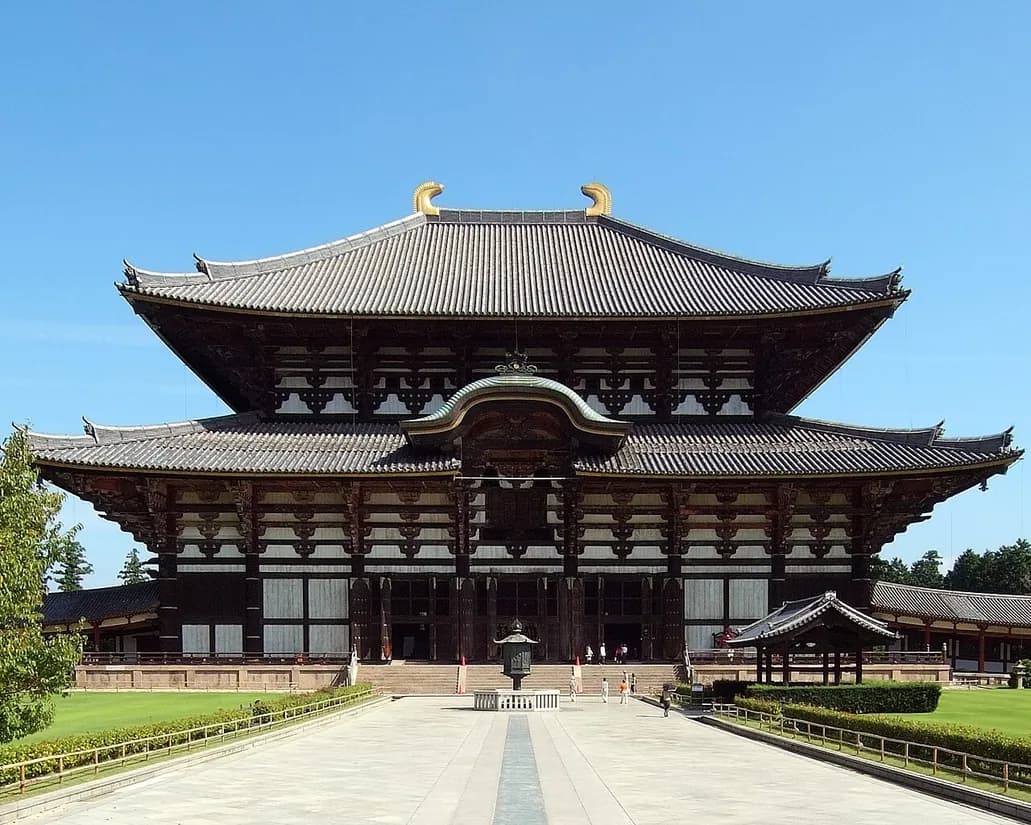
Nara Park, Todai-ji and Kasuga Taisha are a different pace from Kyoto, and the park's maples usually colour in step with Kyoto's city temples. Crowds here are real but spread over open parkland, and the deer are a draw.
The Nara deer park and temples day trip lasts 9 hours, leaves from Kyoto and goes by road. It is a long day, so do not stack another big activity on it. It runs as a small group of up to 12 guests or as a private tour. Admission, transport and food depend on your quote.
Practical rules of thumb
- Weekdays are quieter than weekends and Japanese holidays.
- Do famous sites first thing, indoor or food stops at midday, and gardens late in the day.
- If the forecast says colour is early or late, move the dates before you worry about the plan.
- Book a room early. Rooms, not leaves, are the first thing to run out.
FAQ
When is the best week for Kyoto autumn leaves in 2026?
The most likely window for central Kyoto is the last week of November, but it can slip into early December after a warm autumn. Use a close-in forecast before you commit to final days.
Is Fushimi Inari good for autumn colour?
It is good for atmosphere, with some maple colour along the trail, but it is not mainly a leaf-viewing site. Go early for the gates and calm, and see the big colour elsewhere.
Can I do Nara and Kyoto sights in the same day?
The Nara tour is a 9-hour day, so we suggest giving it a day to itself rather than adding more.
Are these tours private?
Each of the three runs in two formats: a shared small group of up to 12 guests, or a private tour for just your party. Tell us which you prefer when you ask for a plan.
Book what you just read about
Explore related tours and check each trip for available booking options and inclusions.