Planning · Oct 21, 2026
Japan in October and November: Weather, Typhoons and Leaf Colour
October gives warm, easy walking days; November gives the famous red maples, with cooler air and bigger crowds.
Short answer: choose November if the red and gold leaves are your reason for going, and choose October if you want warm, easy days and do not mind green trees. The famous colour in Tokyo, Kyoto, Nara and Osaka arrives in November, usually late in the month, not in October. October also carries a small typhoon risk early on, which November mostly does not.
Japan in October: weather and typhoon risk
October starts summery and ends autumnal. In early October, Tokyo, Osaka and Kyoto can still feel warm and humid by afternoon. By the end of the month the air is drier, days are pleasant for walking and evenings need a light layer. Many days are clear and bright, but October is not reliably dry.
Typhoon season peaks in late summer, yet a storm can still disrupt a day in early October, and occasionally later. The usual effect is a day of heavy rain and wind. Trains can be suspended or slowed, and outdoor sights are miserable or closed for a few hours. It rarely wrecks a whole trip, but do not pack a tight schedule into the first half of the month. Leave a spare day, and be ready to swap an outdoor walk for an indoor one.
November: cooler, crisper, busier
November is the stable month. Typhoon risk is low, the sky is often clear and the air is cool. Midday is comfortable in a jacket, and mornings and evenings are properly cold. Sunset comes before five o'clock, so the useful sightseeing day is shorter. Japan does not change its clocks, so there is no seasonal shift to plan around.
The cost is crowds. Kyoto in late November is one of the busiest places in the country, with long queues at famous temples and full trains. Tokyo and Nara are busy too, but they absorb people better.
When the leaves actually turn
This is the point most October itineraries get wrong. In the cities, October is green. Colour begins in the cooler mountains and the far north, not in Kyoto or Tokyo. Around Kyoto, Nara and Osaka the leaves usually peak from mid or late November into early December. Tokyo tends to follow a little later. The timing shifts from year to year with how warm the autumn has been, so a warm year can push everything later.
If leaves are the goal, aim for the last ten days of November. Early November is a poor compromise: cool, but still mostly green.
Which walks suit warm days and which suit cool ones
Every Helios walk below runs as a small group (up to 12 guests) or as a private tour, following the same route in both formats.
Better in warm October weather
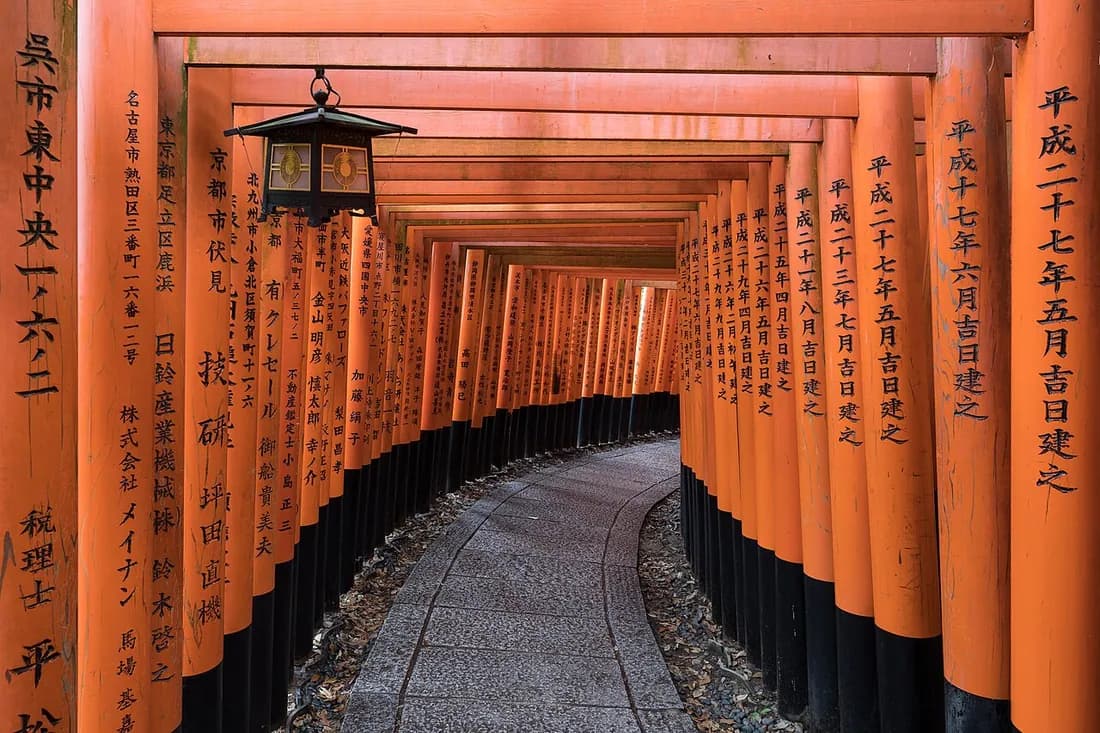
- Fushimi Inari shrine walk (3 hours): the route climbs from the entrance through Senbon Torii onto the mountain trail and up to a viewpoint. The gates give some shade, but the climb is easier in cooler air than in a humid afternoon.
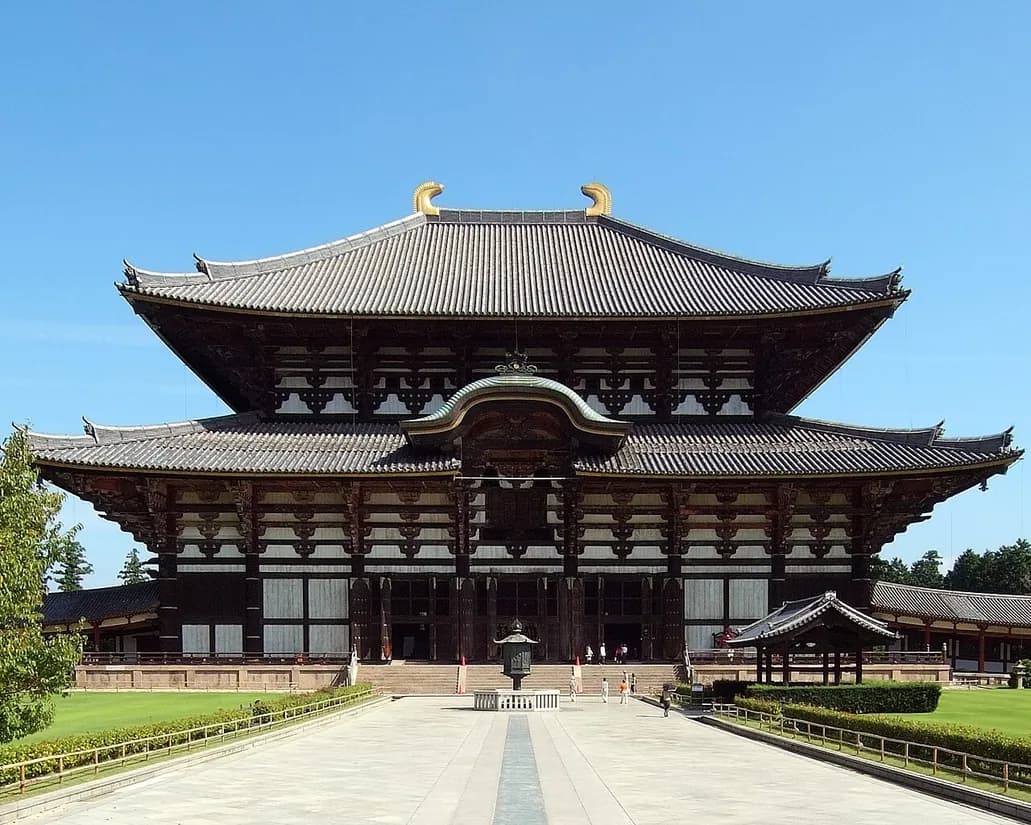
- Nara deer park and temples (9 hours, from Kyoto): a long day on foot through Nara Park, Todai-ji and Kasuga Taisha. Its length and open lawns reward mild, dry weather. It is also a long day if rain arrives.
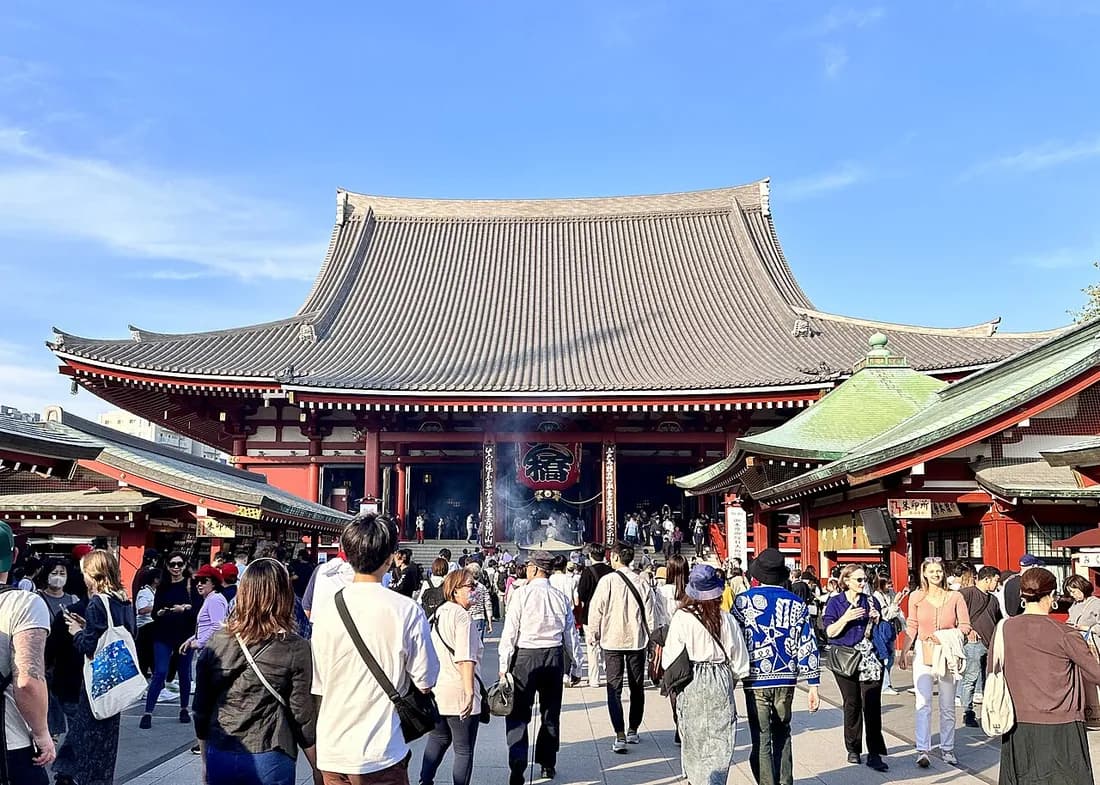
- Asakusa and Senso-ji (3 hours): Kaminarimon Gate, Nakamise Street, the temple and the Sumida riverside are mostly outdoors, and they work in either month. Warm October evenings suit the riverside best.
Better in cooler November weather
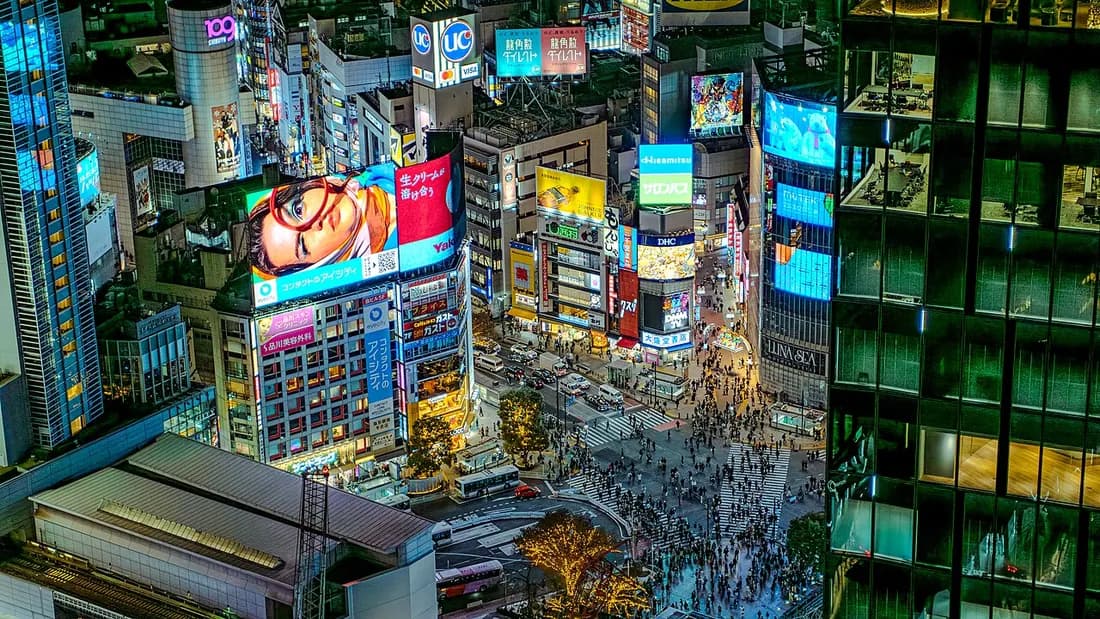
- Shibuya and Meiji Shrine (4 hours): the walk starts in the wooded grounds of Meiji Jingu, then continues through Harajuku and Omotesando to Shibuya Crossing. It is shaded and pleasant in cool air, and November weekends can bring families in formal dress for shrine visits. The street section is crowded in any month.
- Fushimi Inari and Nara also work well in late November, when the cooler air helps the climb and the long Nara day. Expect many more people, so arriving early matters more.
Quick comparison
| October | November | |
|---|---|---|
| Temperature | Warm early, mild later | Cool, cold at night |
| Typhoon risk | Small, mostly early month | Low |
| Leaf colour | Mostly green in the cities | Peak late month |
| Crowds | Moderate | Heavy, especially Kyoto |
| Daylight | Longer days | Early sunsets |
FAQ
Is Japan in October warm enough for shorts?
Early in the month, often yes for the afternoon. Later in October, light trousers and a thin layer for the evening are more comfortable. Bring a compact rain jacket in either case.
Will a typhoon cancel my trip?
Unlikely, but it can disrupt a day, particularly in early October. Build a spare day into your plan and check the forecast and train status each morning.
Can I see autumn leaves in October?
Not in Tokyo, Kyoto, Nara or Osaka, where trees are mostly green. Colour in the cities peaks in November, usually in the later part of the month.
Which is better for a first trip, October or November?
For comfort and fewer people, choose mid to late October. For the classic leaf scenery, choose late November and accept the crowds and early dusk.
Book what you just read about
Explore related tours and check each trip for available booking options and inclusions.