Culture · Oct 23, 2026
Egypt Visitor Etiquette: Dress, Manners and Guided Days
A practical guide to what to wear, how to behave at mosques and tombs, and how to prepare for a day with a guide in Egypt.
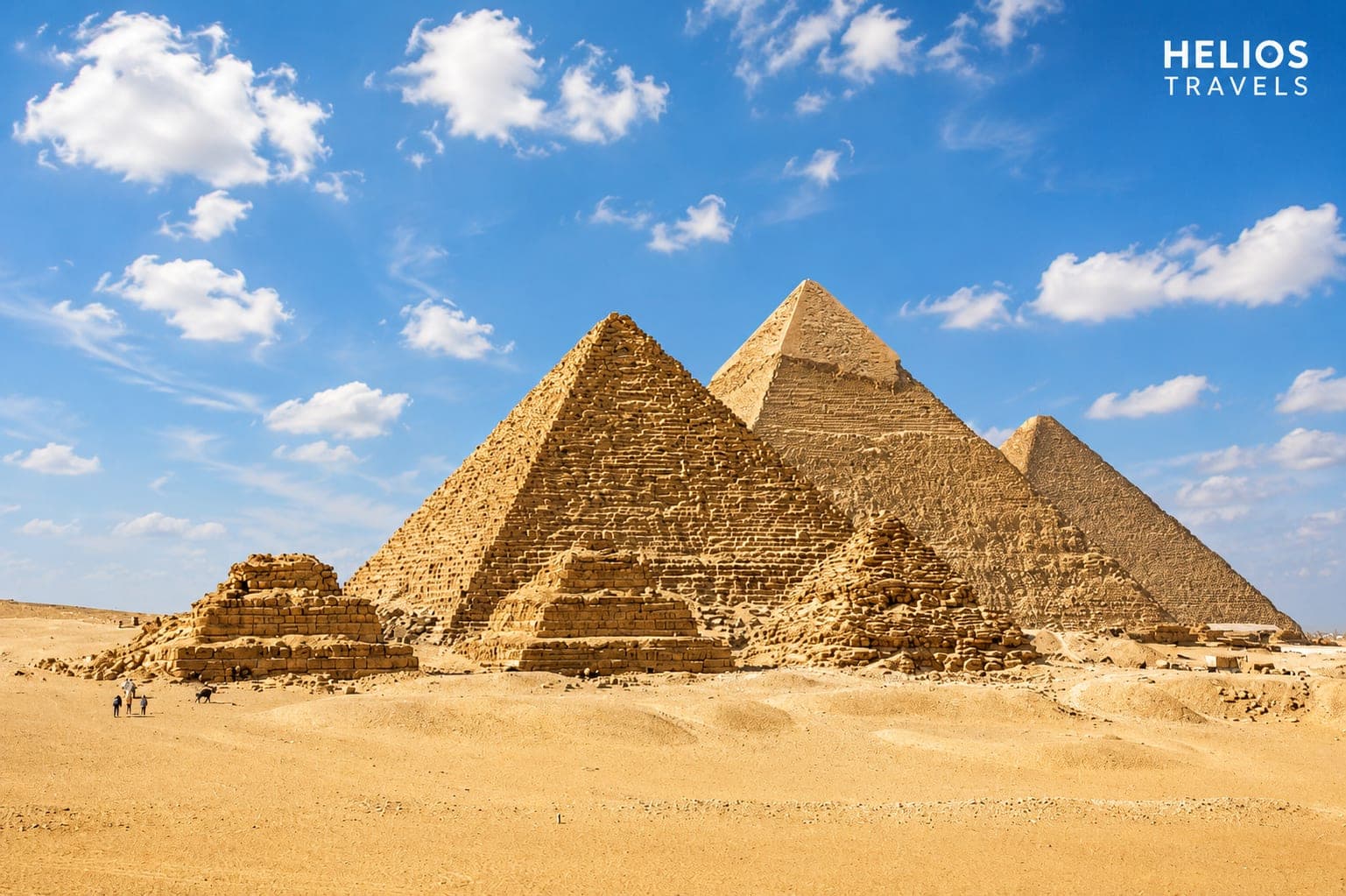
The short answer: Egypt is used to visitors, and a handful of habits cover most situations. Away from resort beaches, keep shoulders and knees covered. Carry a light scarf. Take your shoes off where people pray. Ask before photographing anyone. Say a polite, firm no to anything you do not want. Keep small notes for tips. Customs differ between venues and communities, so treat your guide as the authority for the day.
What to wear, and where it matters
Resort life in Hurghada is relaxed, and swimwear is normal on hotel beaches. Cover up when you leave the beach, though. In Cairo, Luxor and Aswan, most visitors wear light trousers or long skirts and a loose top with sleeves. Linen and thin cotton are cooler than shorts, because they also shade you from the sun.
Women do not need a headscarf everywhere, but a large scarf is useful. It covers your shoulders in a church and your hair in a mosque, and it keeps the sun off your neck at the Pyramids. The same goes for men: long trousers are expected inside mosques. Heat is a real factor in summer; our Egypt in October guide shows how conditions change through the season.
Mosques and churches
On the Islamic Cairo day of the 14-day private Egypt tour you visit the Citadel of Saladin and the Alabaster Mosque, then the Hanging Church, which is Coptic Orthodox. These are working places of worship, so the same basics apply:
- Take your shoes off at the mosque entrance. Socks are a good idea, since floors can be hot or cold.
- Speak quietly and do not walk in front of someone who is praying.
- Visiting can be limited around prayer times, so be flexible about the order of the day.
- Do not point your camera at worshippers.
Photography and ancient sites
Photography rules vary by site. Some tombs in the Valley of the Kings have restrictions on cameras or phones, and flash is never welcome near painted walls. Ask your guide before you lift a camera inside a tomb. Do not touch reliefs, however tempting; oils from hands damage ancient surfaces.
For people, always ask first, especially women, children and stallholders. A smile and a gesture works. Avoid photographing police, soldiers and security checkpoints, and expect bag scans at major sites.
Greetings, food and bargaining
Greet people warmly. Many Egyptians shake hands, but between men and women it is polite to let the other person offer first. Use your right hand to eat and to pass things. If you are offered tea, accepting is usually a kindness, and declining politely with a hand on the chest is fine too.
At Khan El-Khalili Bazaar, haggling is normal and usually good-humoured. Decide what something is worth to you, counter once or twice, and walk away if the price does not suit. Do not bargain for something you have no intention of buying. If you are not interested, la shukran (no, thank you) said calmly and without stopping works better than ignoring people.
Tips and touts
Tipping, often called baksheesh, is part of everyday life for drivers, guides, restaurant staff and attendants. Carry small notes, because change can be hard to find. On the Cairo and Luxor 2-day tour by plane, tips are not included, so budget for them separately.
Around Giza and at temple gates you may meet people offering camel rides, scarves or a free gift. Nothing is truly free, so decline early and politely, and let your guide handle negotiations. A licensed guide is the simplest buffer you can have.
Preparing for a guided day
Early starts are part of Egypt. The private Cairo day trip from Hurghada picks you up around 03:00, drives about five hours, and returns to your hotel around 20:00. That is a long day. Order a breakfast box from reception the day before, bring sunscreen, a hat, comfortable walking shoes, a passport or ID copy and a light jacket for the early pickup. Be ready on time, as the whole day depends on that first hour. If you are weighing it against Luxor, read Cairo or Luxor day trip from Hurghada.
The 2-day plane trip starts at 05:00. Pack your scarf and your small notes the night before. Ask your Egyptologist about local customs at the start of the day; a good guide would rather answer than see you caught out.
Egypt visitor etiquette FAQ
Do women have to cover their hair in Egypt?
No, not in general. Covering your hair is expected inside mosques, so carry a scarf. Shoulders and knees covered is a sensible default in cities and at religious sites.
Can I wear shorts at the Pyramids?
Usually yes, and nobody will stop you. The sun and the dust are good reasons for light long trousers anyway, and they are more comfortable on the Giza plateau.
Is it rude to say no to sellers?
No. A calm la shukran and a smile are fine. What is unhelpful is a long conversation that suggests you might buy.
Should I tip my guide and driver?
Tipping is customary. Plan for it in cash, in small notes. Check what your booking includes: on the 2-day Cairo and Luxor tour, gratuities are not included.
Is photography allowed everywhere?
No. Rules vary by site and by tomb, and photographing people requires permission. Ask your guide first.
Book what you just read about
Explore related tours and check each trip for available booking options and inclusions.