3. What the price does not include
Every quote above is for the package. The gap between the package and what actually leaves your account is where people feel misled, so here it is in full — none of it is hidden, but none of it is in the headline figure either.
- The visa — about $25, bought on arrival at the airport, per person, cash. Most nationalities can simply buy it at the desk before passport control. It is small, but it is the first thing that surprises people at six in the morning after a night flight.
- Tips — budget €5–10 a day per couple. Not because anyone will demand it, but because baksheesh is genuinely how a lot of service work here is paid. Over a week that is €35–70, and it is the line people most often forget entirely.
- Drinks outside the all-inclusive list. Local spirits and soft drinks are included almost everywhere. Imported brands, speciality coffee and bottled wine usually are not. If you drink imported gin, check the list before you assume.
- The single supplement. Travelling alone can add 30–50% to the room cost. It is the single biggest hidden multiplier in the whole table above, and it does not appear in any advertised per-person price.
- Excursions. The big one. A week with three day trips — say Luxor, a boat day and a desert evening — adds roughly €150–250 per person on top of everything else.
Put together, a realistic week is €200–350 per person above the package price. That is not a warning; it is just the number nobody quotes you. Knowing it in advance is the difference between a holiday that felt good value and one that felt like it kept asking for more.
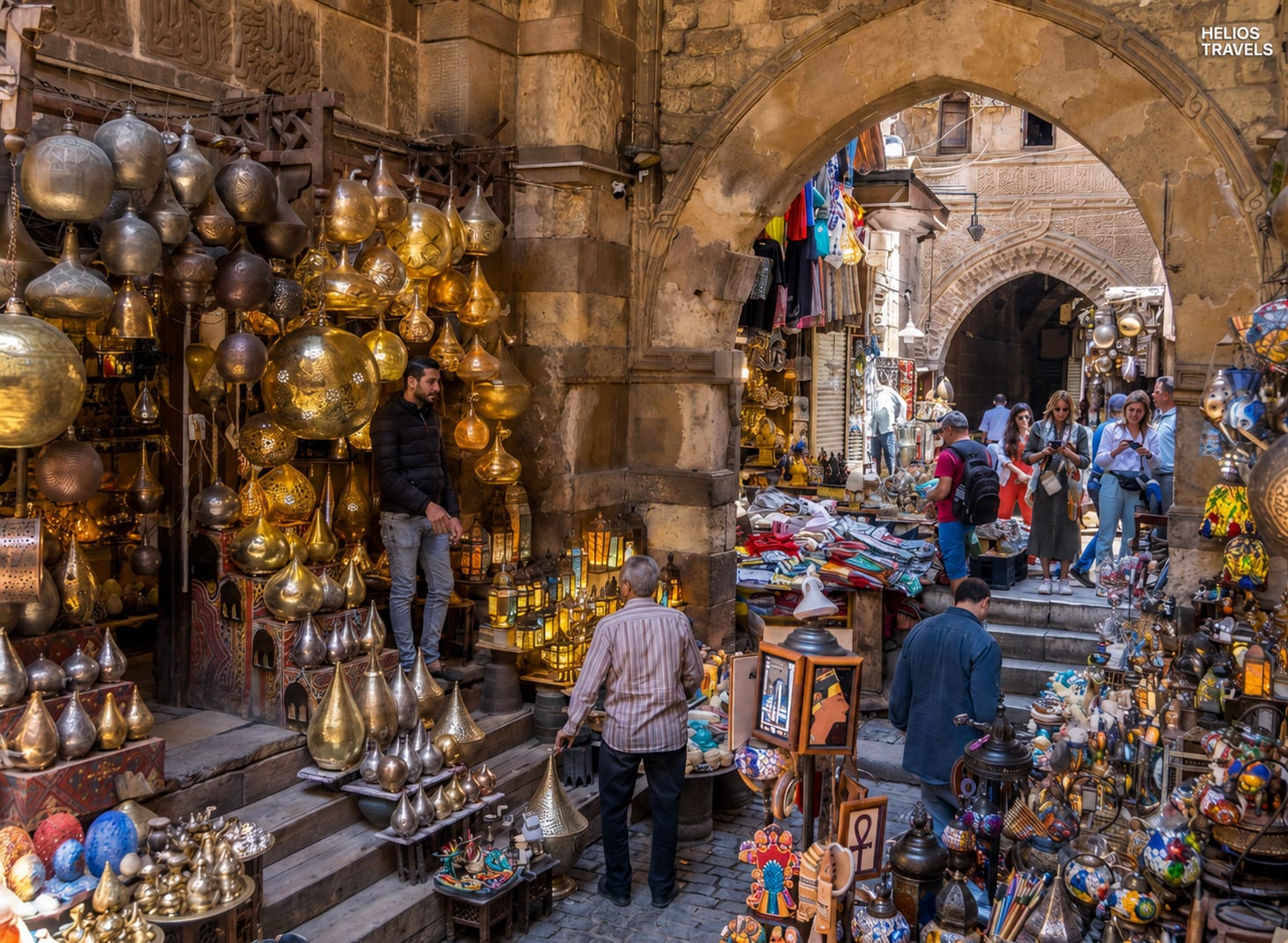
Lanterns and spice stalls in a Cairo bazaar
4. One real week, itemised
Ranges are easy to misread — everybody quietly assumes they will land at the bottom of one. So here is a single, ordinary week for two people in February, the way it actually adds up. Nothing luxurious, nothing especially frugal.
| Item | For two |
|---|
| 7 nights, 5-star all-inclusive, Hurghada, with flights | €1,500 |
| Visas on arrival | €45 |
| Airport transfers, both ways, pre-booked | €40 |
| Day trip to Luxor — Valley of the Kings and Karnak | €220 |
| Snorkelling boat day with lunch | €90 |
| Desert evening with dinner | €70 |
| Tips across the week | €60 |
| Drinks off the included list, a few coffees in the marina | €55 |
| Souvenirs, after haggling | €60 |
| Total | ≈ €2,140 — about €1,070 each |
Two things stand out when you see it laid out. The first is that the excursions are a quarter of the trip cost and most of what you will remember — cutting them is how a holiday gets cheaper and also how it gets forgettable. The second is that everything below the flight line is small individually and substantial together.
The cheapest honest way to bring that total down is not to book a worse hotel. It is to travel in a shoulder month, when the same room in the same hotel costs meaningfully less and the temples are more comfortable anyway.
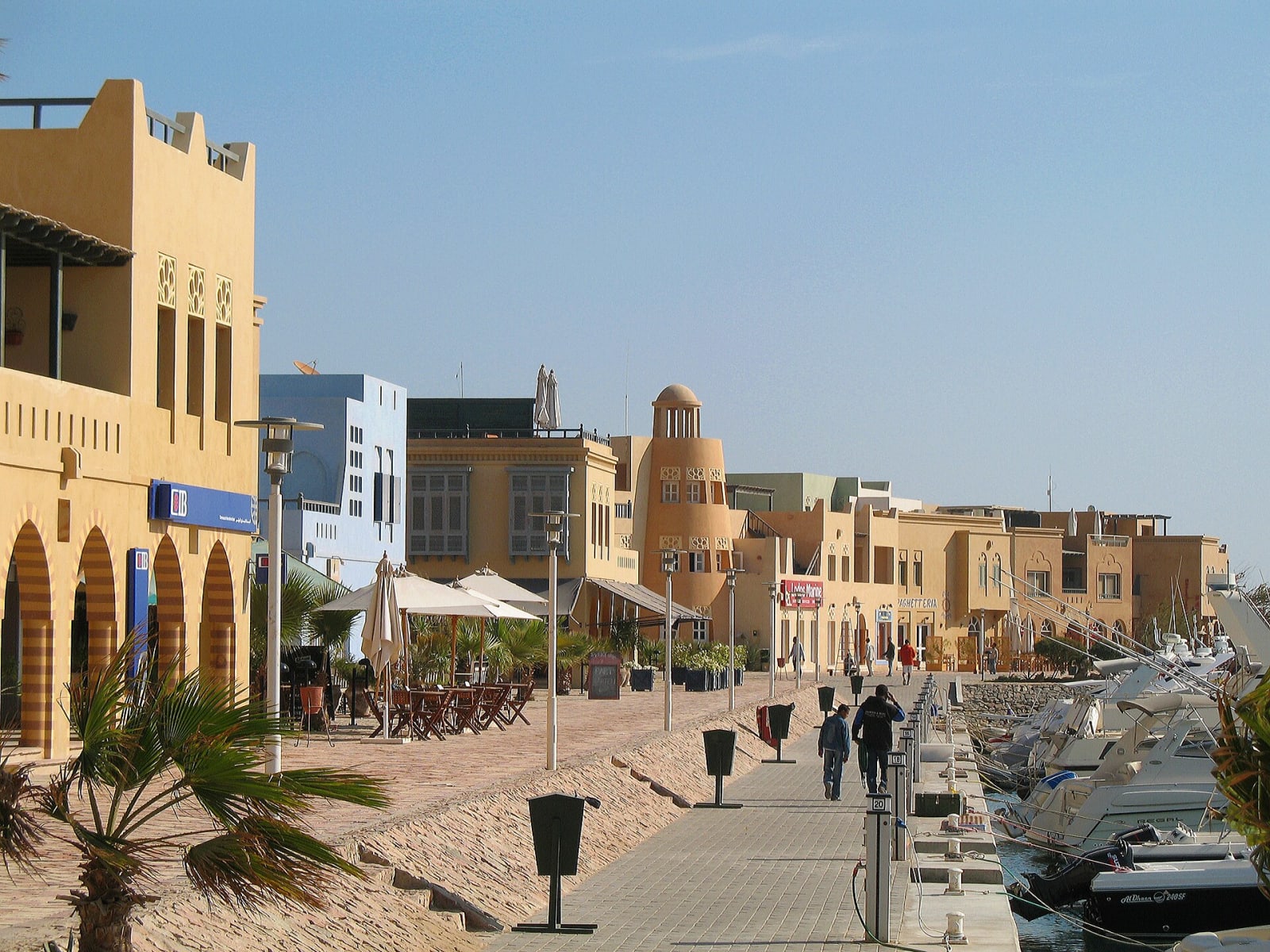
Hurghada Marina in the evening, boats and lit restaurants along the waterfront
5. Duration: how many days are ideal?
| Type of trip | Recommended length |
|---|
| Short break / 6 days | possible, but one location only — barely worth the flight time |
| Beach holiday | 7–10 days |
| Beach + excursions (Luxor or Cairo) | 10–14 days |
Our recommendation: 10 days is the sweet spot — 7 days of beach and rest plus 2 days of culture. Relaxed and memorable. Build your own version in our trip planner.
6. Flight time: how long does it take to fly to Egypt?
| From | To | Direct flight (approx.) |
|---|
| Frankfurt | Hurghada | 4 h 30 min |
| Munich | Hurghada | 4 h |
| Berlin | Hurghada | 4 h 45 min |
| Hamburg | Hurghada | 3 h 45 min |
| Vienna | Hurghada | 3 h 45 min |
| Zurich | Hurghada | 4 h 15 min |
| Frankfurt | Cairo | 4 h 10 min |
Time difference: Egypt is one hour ahead of central European time. No jet lag — ideal for children and older travellers.
7. Best time to go
- Red Sea: October to April — November is our insider tip.
- Nile Valley (Luxor/Aswan): October–November and February–March — no punishing heat while sightseeing.
- Summer (July/August): very hot inland; still fine on the Red Sea thanks to the breeze.
Which month is cheapest? November and March, when high season is just ending or beginning: same sun, same hotels — noticeably better prices. Early May and late April often have offers too.
8. What is there to do besides the pyramids?
Guests often ask: “What is there beyond the pyramids and the desert?” Plenty.
- Snorkelling and diving in the Red Sea (Giftun Island, Safaga, Marsa Alam)
- Desert safari with quad bikes, camels and a Bedouin dinner
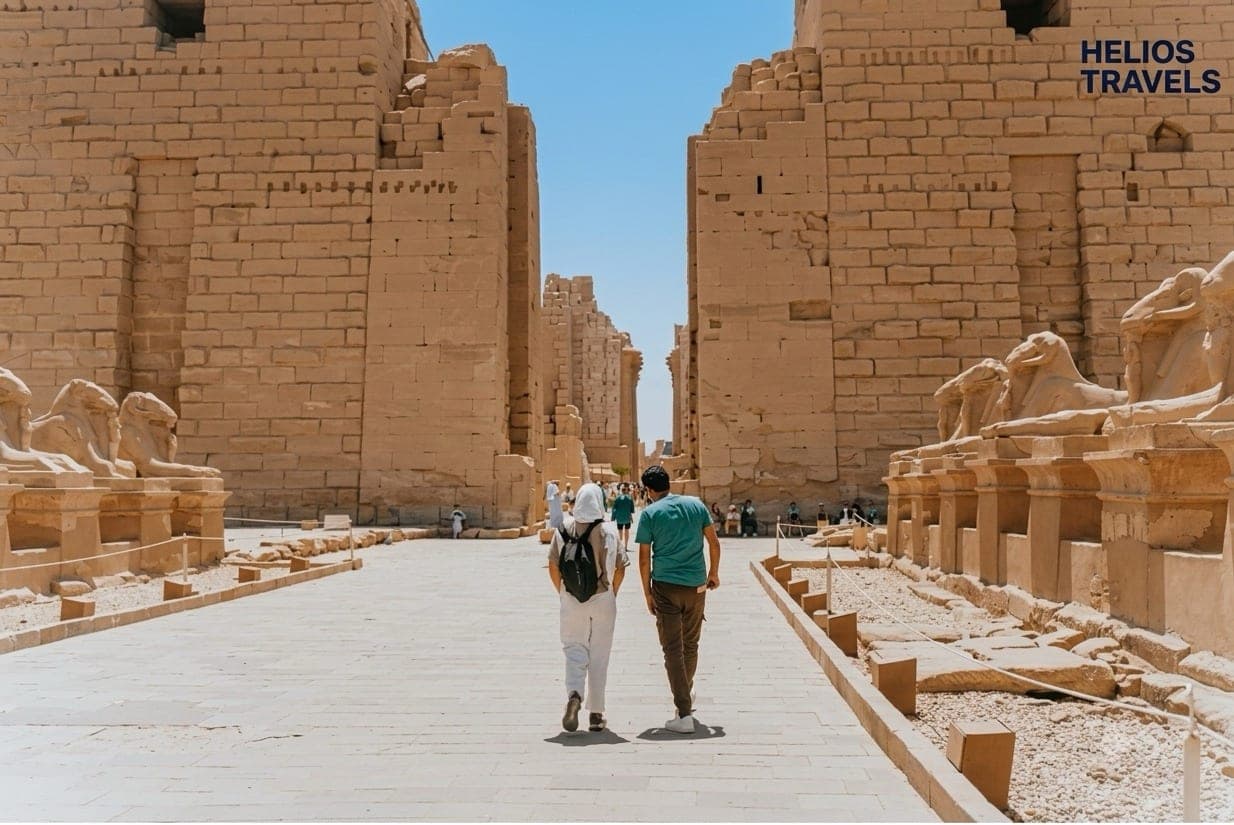
- Day trip to Luxor: Karnak Temple and the Valley of the Kings
- Nile cruise from Aswan to Luxor
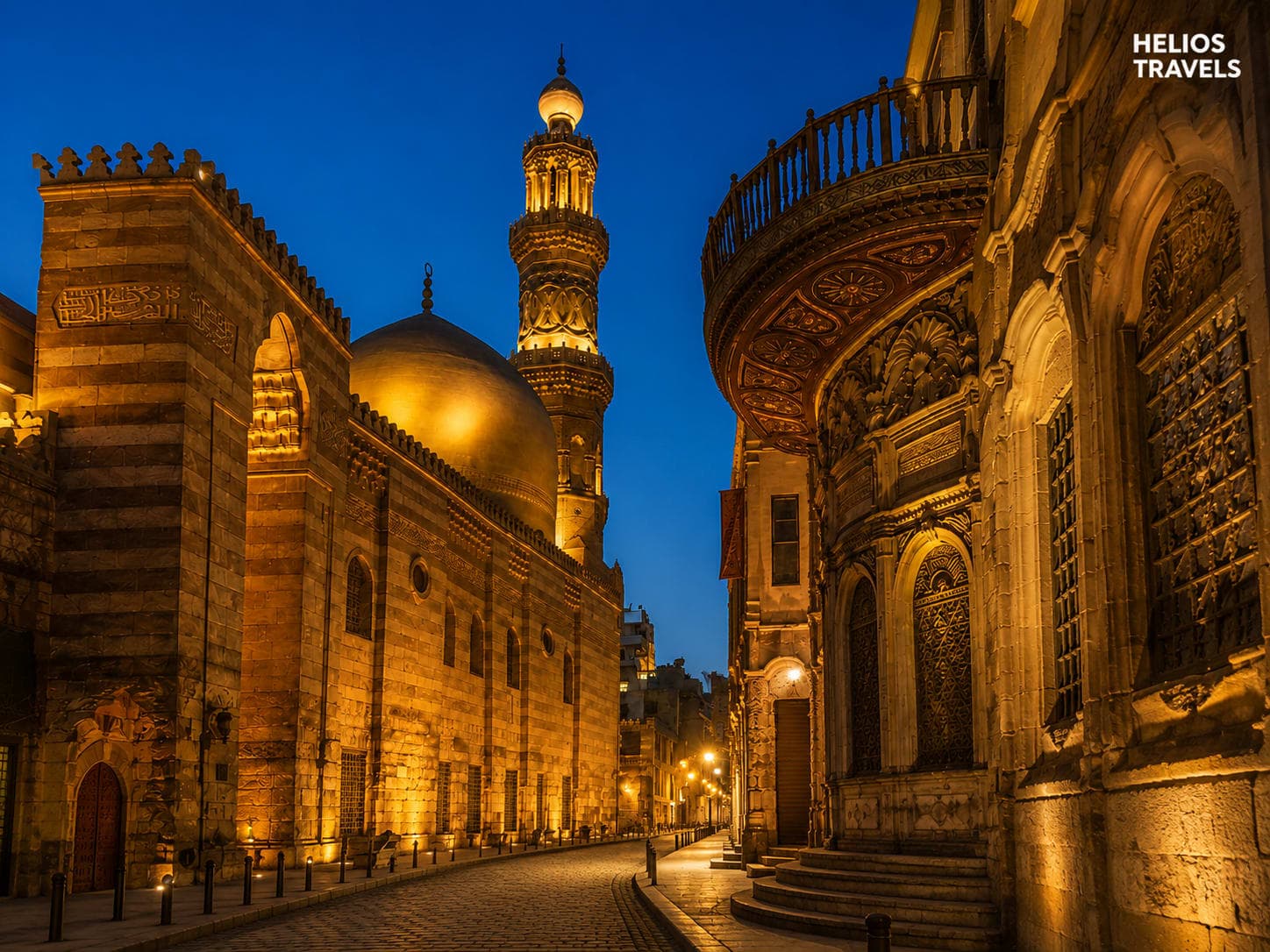
- Hurghada Marina and the El Mina Mosque in the evening
- El Gouna: cafés, lagoons and kitesurfing
- Cairo in two days: pyramids, the Sphinx and the new Grand Egyptian Museum (GEM)
9. Verdict: is Egypt worth it in 2026?
Yes — more than ever. A short flight, fair prices, a warm sea and world-class heritage. With good planning and local support, the holiday is relaxed instead of stressful.
👉 A tip from Hurghada: Helios Travels plans your Egypt trip privately and personally — with local guides, fair prices and 24/7 support on the ground. Ask us for a free quote.
FAQ
What does a week in Egypt cost including flights?
Around €650–1,000 per person for an all-inclusive week at a 4–5 star hotel with flights. Booking 3–6 months ahead puts you at the lower end.
How long is the flight to Egypt?
About 4–4.5 hours direct from German-speaking Europe.
How many days are ideal?
7–10 days for a beach holiday, 10–14 days if you add excursions.
Which month is cheapest?
November and March — the best prices with excellent weather.
Is Egypt suitable for families?
Yes — shallow beaches, pools, kids' clubs and warm hosts.
Do I need a visa?
Yes — a visa on arrival costs about USD 25.