
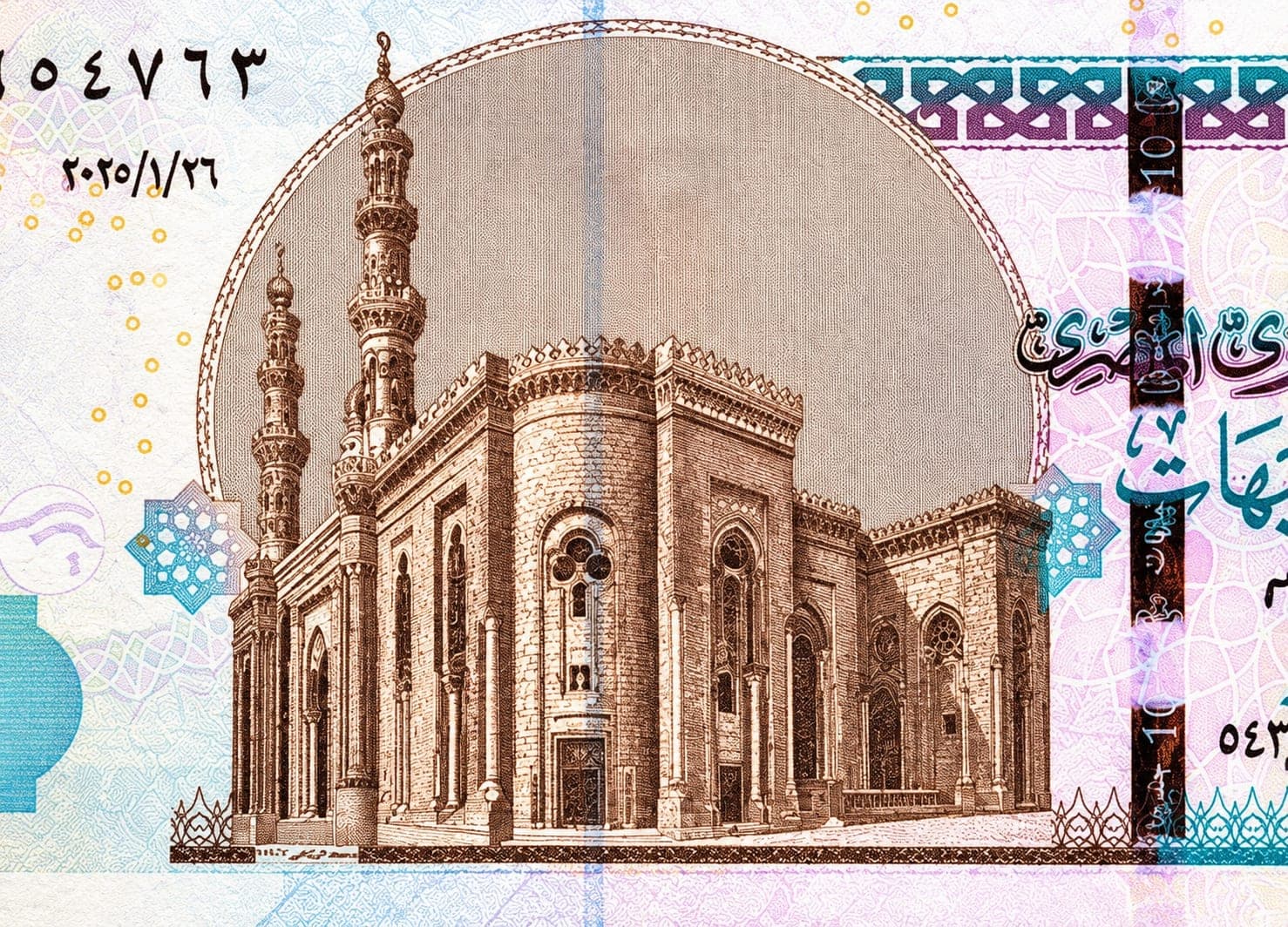
Cairo · Royal tombs facing Sultan Hassan
Al-Rifa'i Mosque
Typical visit: 45 min
Period: 1869 · Completed 1912
The royal mosque opposite Sultan Hassan, holding the tombs of Egypt's last kings — and of the last Shah of Iran.
Photos
About
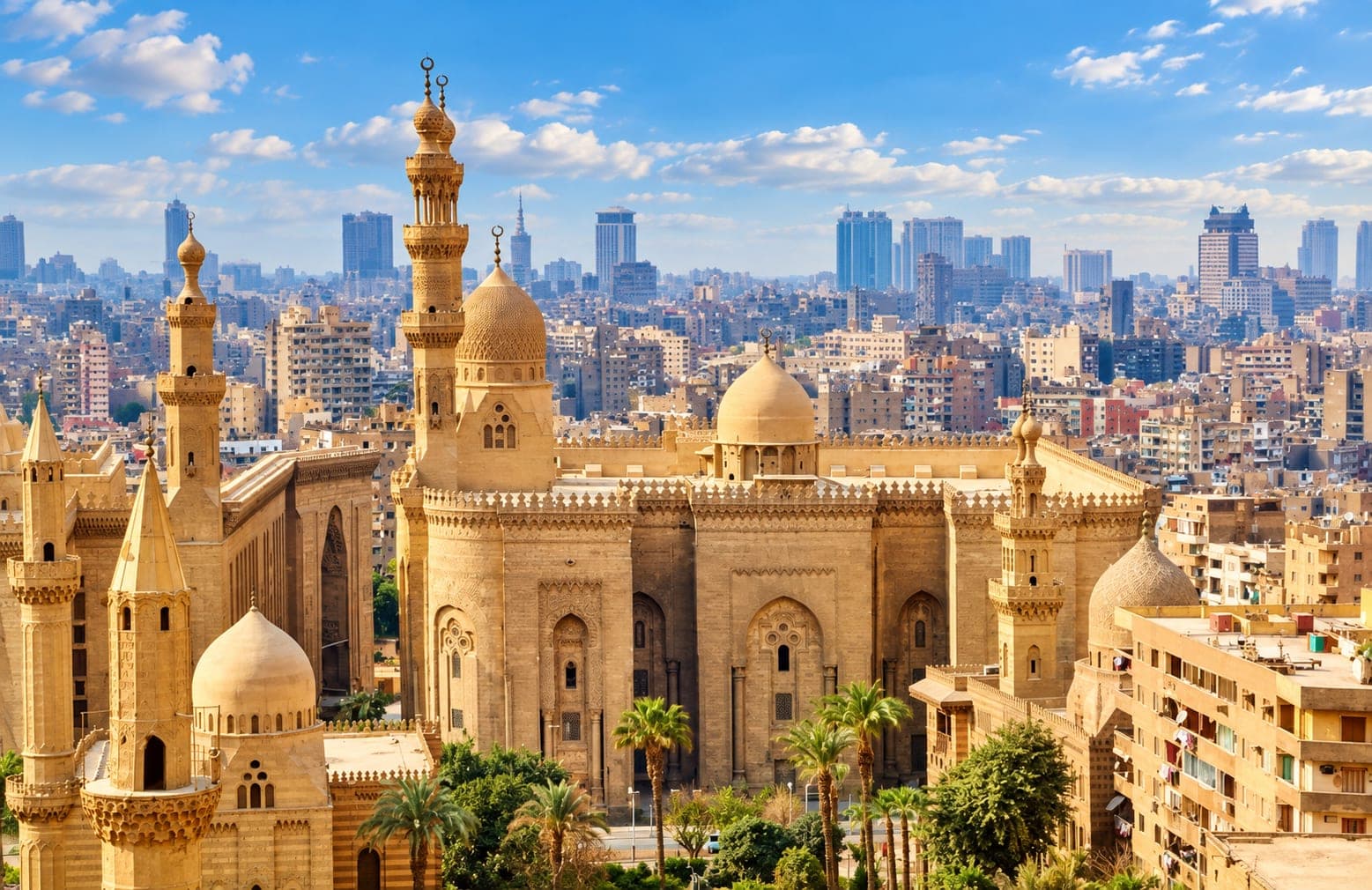
Two enormous mosques face each other across a narrow square below the Citadel, and most visitors only go into one. Sultan Hassan is the fourteenth-century masterpiece. Al-Rifa'i is its deliberate twin, built five and a half centuries later to match it in scale and outdo it in material — and it is the one with the royal dead in it.
Who is buried here
- King Farouk, Egypt's last reigning king, deposed in 1952
- King Fuad I, his father
- Khedive Isma'il, who built modern Cairo and bankrupted it
- Mohammad Reza Pahlavi, the last Shah of Iran, who died in exile in Cairo in 1980
The interior is late-Ottoman revival at full volume: forty kinds of marble, gilded ceilings, and a scale that feels imperial rather than devotional. Twenty-five minutes inside is enough, but do the two mosques together — the contrast between 1363 and 1912 is the whole point, and they are thirty metres apart.
Modest dress, shoes off, and women should bring a scarf.
History & background
Begun in 1869 for Khushyar Hanim, mother of Khedive Isma'il, who wanted a dynastic mausoleum that would also absorb the shrine of the medieval Sufi saint al-Rifa'i already on the site. Work stopped in 1880 when both she and her architect died, and the shell stood unfinished for twenty-five years.
Max Herz, the Hungarian architect who ran the committee for the conservation of Arab monuments, completed it between 1905 and 1912, deliberately quoting Mamluk detail so that the new mosque would sit against Sultan Hassan as a partner rather than an intruder.
The Shah's burial in 1980 was a political act: Anwar Sadat had given him asylum when no other country would, and put him among Egypt's own kings. Sadat was assassinated the following year. The two men's decisions are why an Iranian monarch lies in a Cairo mosque built by a Hungarian for an Ottoman-Egyptian dynasty.
Design your own day-by-day schedule
Pick how many days you have, add attractions per day, and see average activity and travel times between cities.
See it with
Places that carry the same story forward, or sit close enough to take in the same day.
 What came next
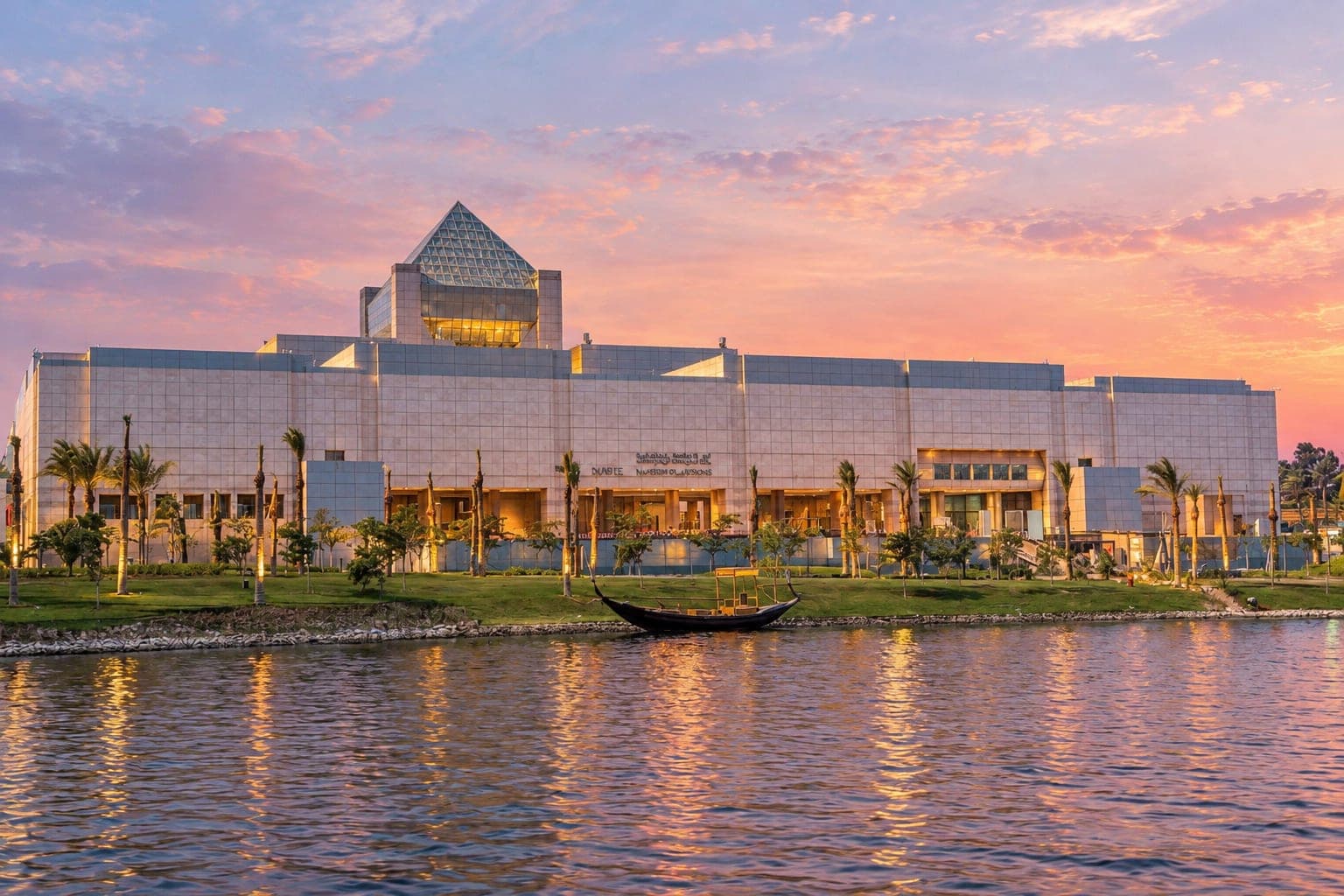
National Museum of Egyptian Civilization (NMEC)
2021 · Opened 2021
3 km away
 What came next
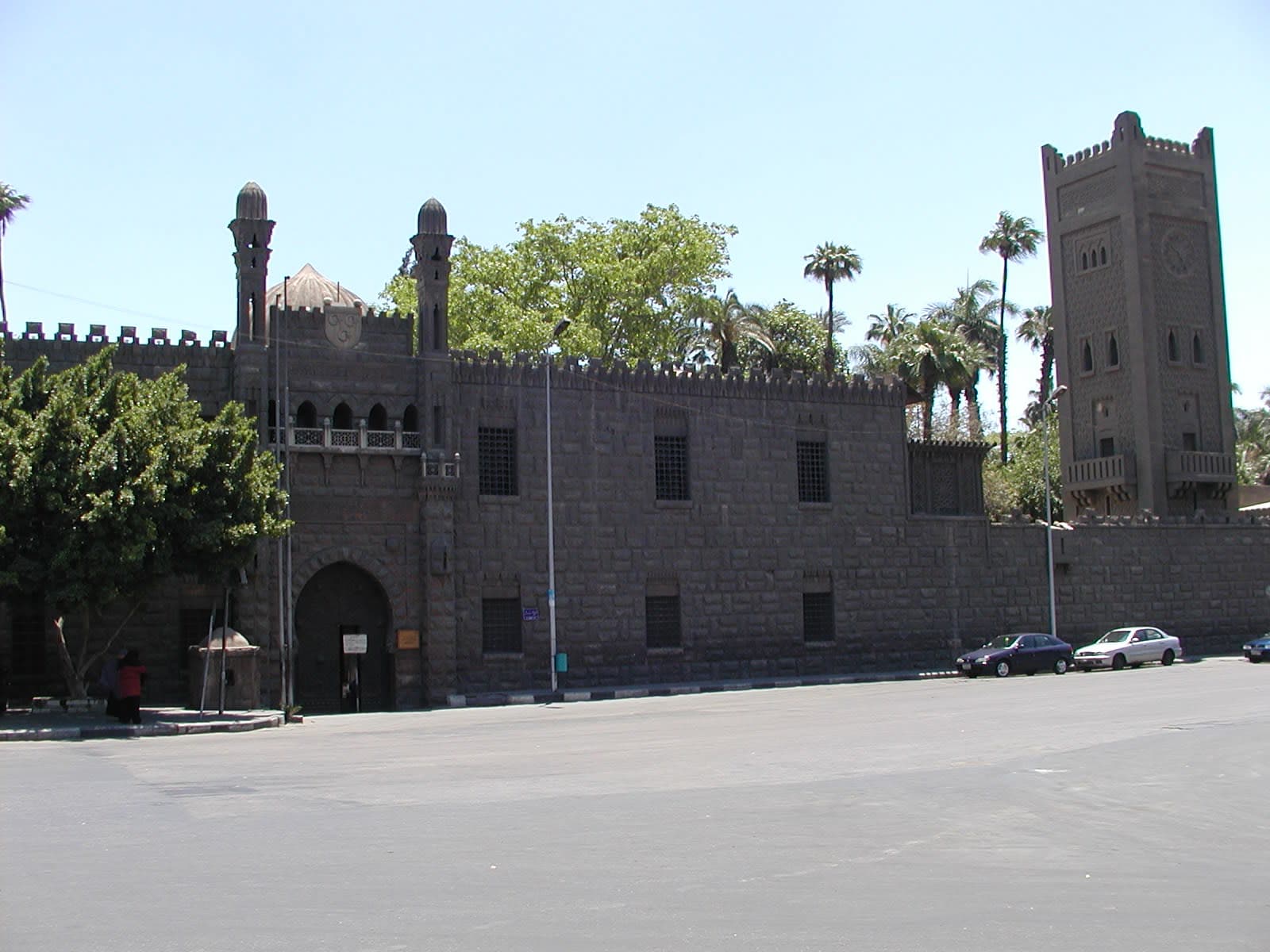
Manial Palace
1901 · Khedivial
3 km away
 What came next
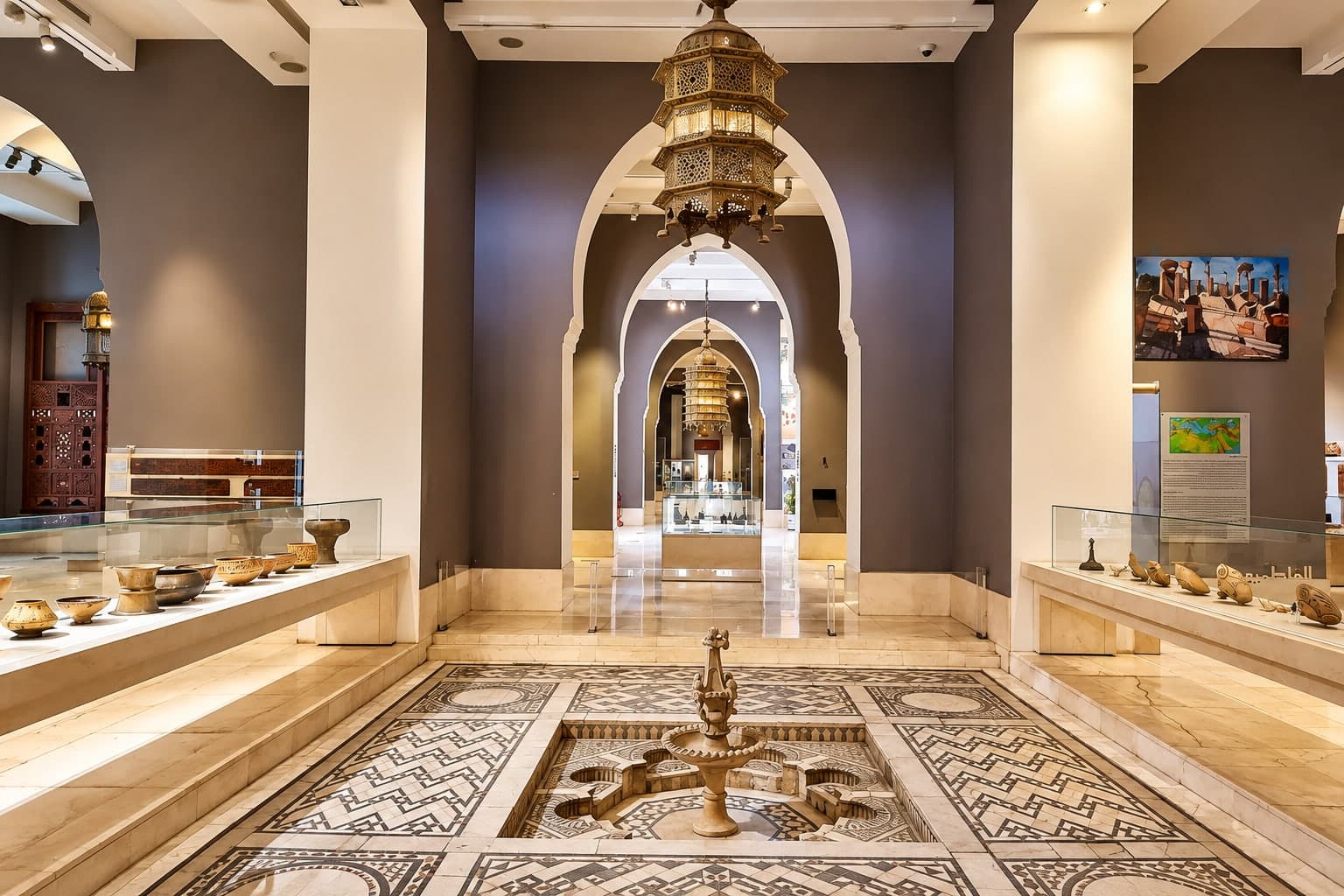
Museum of Islamic Art
1903 · Opened 1903
2 km away
 Same period
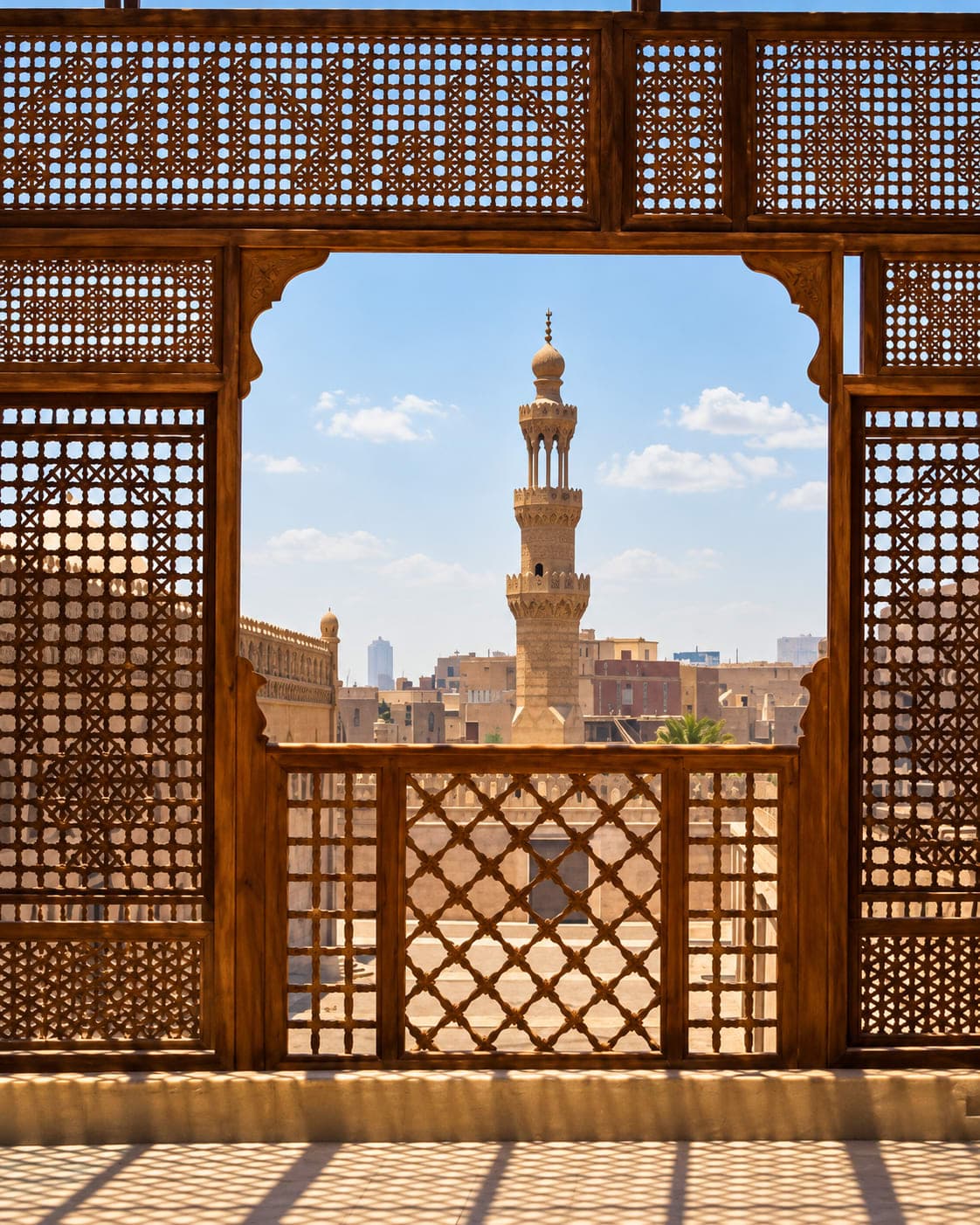
Gayer-Anderson Museum
1632 · Ottoman, 1632
1 km away
 Same period
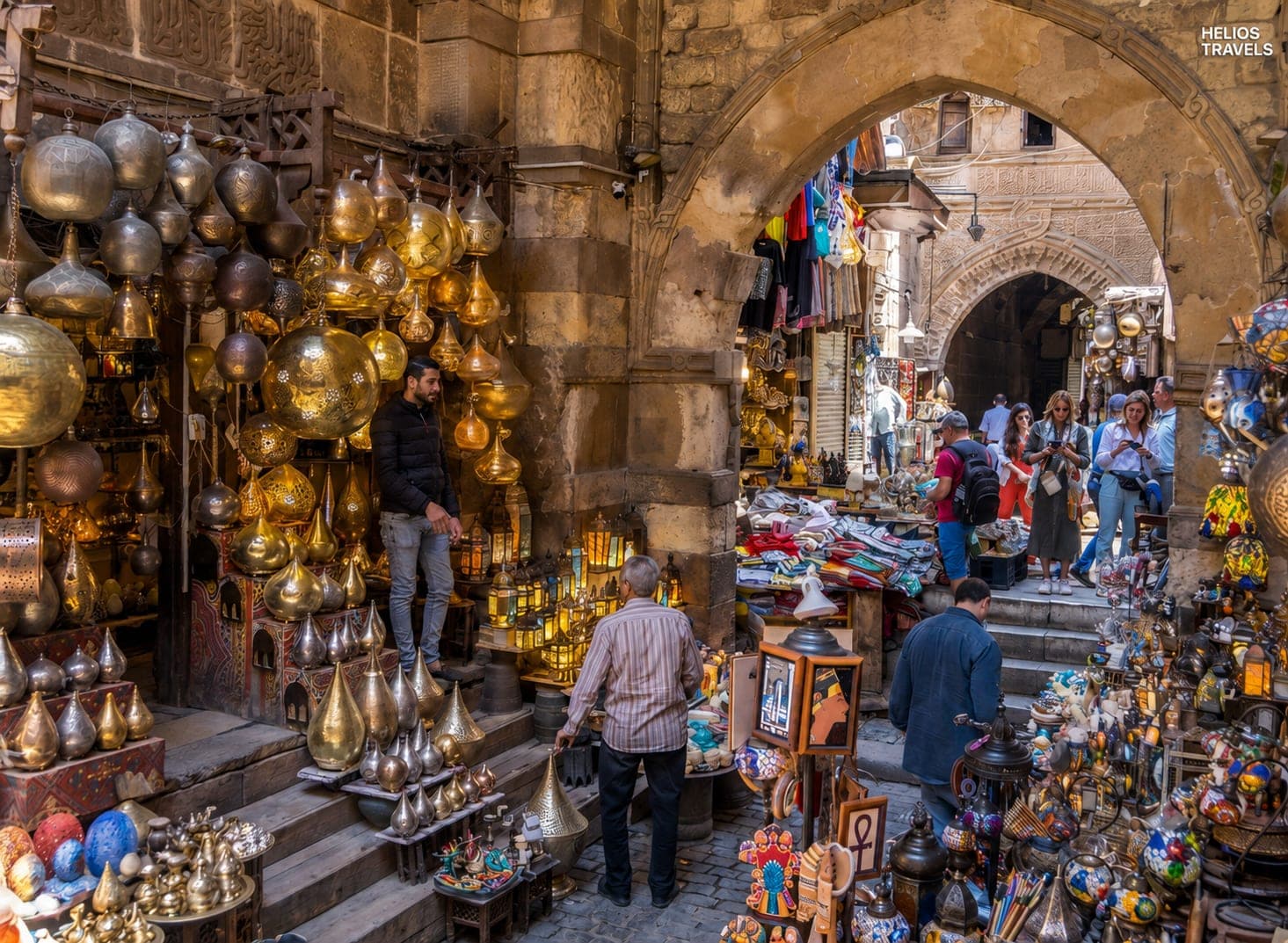
Khan el-Khalili
1382 · Mamluk
2 km away
 Same period
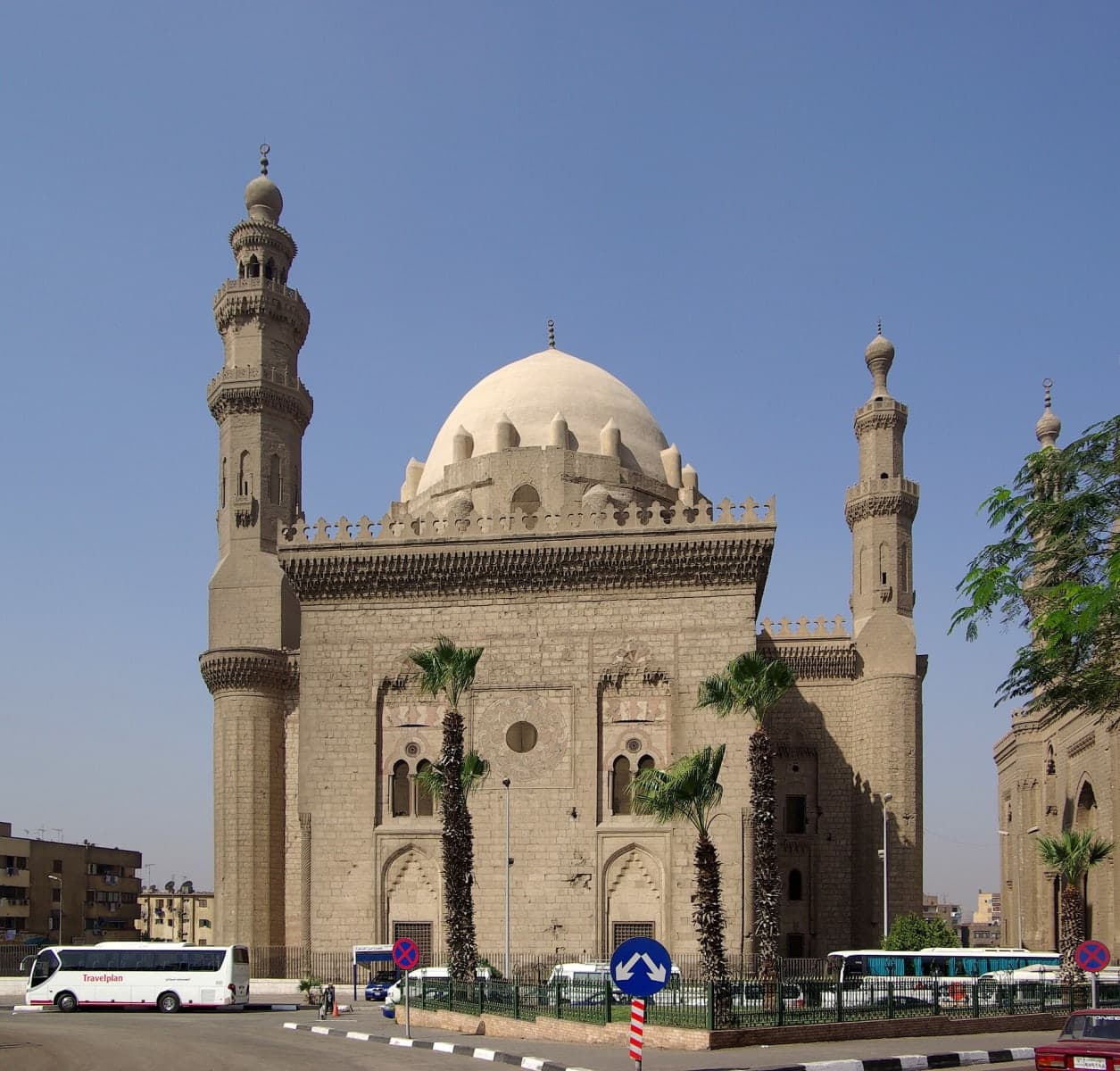
Mosque of Sultan Hassan
1356 · Mamluk
0 km away
Tours that include this attraction
Book a ready-made tour or use the designer above to build your own plan.
No matching tours yet — contact us for a custom itinerary.