Culture · Oct 11, 2026
What to Wear in Dubai: A Dress Code Guide by Place
Malls, beaches, hotels, Old Dubai, mosques, the desert and Abu Dhabi, plus Ramadan

Most of the questions we get about clothing in Dubai come from people who have read something alarming online. The reality is calmer. Dubai is home to people from all over the world, and there is no single dress code that follows a tourist around the city. What matters is the place. Swimwear belongs at the beach and the pool. Malls, souks and the old quarter expect modest clothing. Mosques have clear rules that are checked at the door. This guide goes through Dubai and Abu Dhabi place by place, so you can pack once and not think about it again.
The short answer
- Beaches, hotel pools and waterparks: normal swimwear is fine. Cover up when you leave the waterside.
- Malls, souks and Old Dubai: cover shoulders and knees, and avoid anything very tight or see-through.
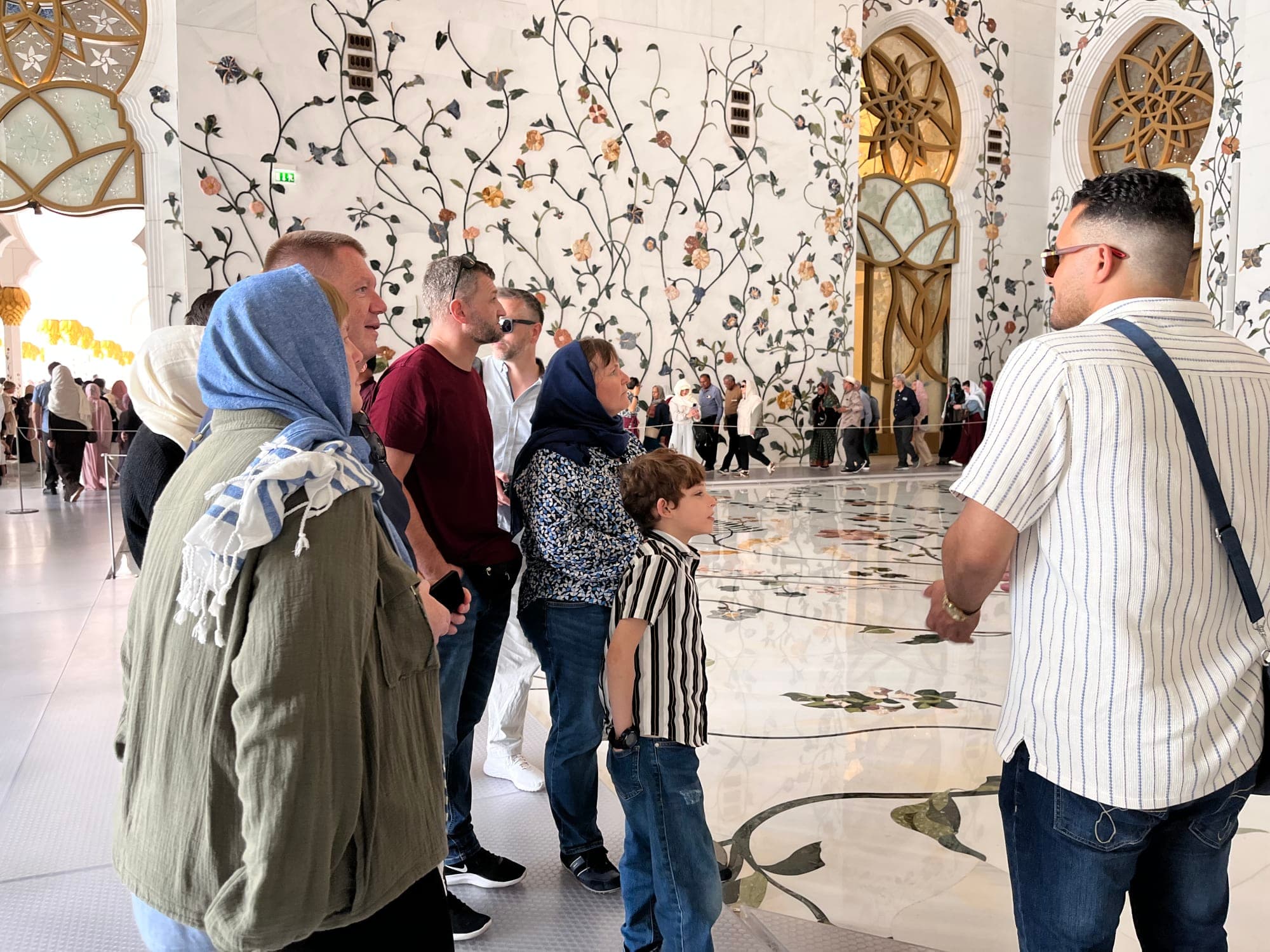
- Mosques: long, loose clothing covering arms and legs for everyone, and a headscarf for women.
- The desert: light, loose clothes, closed shoes, a hat, and a jacket for winter evenings.
- Ramadan: the same rules, applied a little more carefully.
That is most of it. The rest of this guide explains the detail and the reasons, because knowing why a rule exists makes it easier to judge the cases a list cannot cover.
Malls
Dubai's malls are where most visitors spend time indoors, and they are also where the dress code is most visible. Large malls have put up signs at their entrances asking for respectful clothing, with shoulders and knees covered as the example. Staff do not stop people at the door, but security guards in some malls have handed cards to visitors whose clothing did not fit the guidance. The same notices ask couples to avoid overt displays of affection.
In practice this is easy. T-shirts, trousers, jeans, midi or long skirts and dresses, and shorts that reach the knee are all fine, for men and women alike. What draws attention is very short shorts, crop tops, low-cut or see-through tops, and anything that looks like beachwear. A light shirt or a scarf in the bag solves most situations, and it is useful anyway, because mall air conditioning can be cold after the heat outside.
Beaches, pools and waterparks
At the beach, at hotel pools and in waterparks, normal swimwear is accepted: bikinis, swimsuits, swimming shorts, burkinis. Two things are not: topless sunbathing and nudity. Very revealing styles also draw looks on public beaches, so a regular cut is the easy choice there.
The rule that catches people out is not what you wear on the sand, but what you wear after it. Swimwear stays at the waterside. Walking through a hotel lobby, into a beach café on the street, into a mall or along a public road in swimwear is not appropriate, so bring a cover-up, a shirt or a light dress, and put it on when you leave the beach or the pool area.
The same applies on the water. Our jet ski ride near the Burj Al Arab is one of the few tours where swimwear is the right clothing, because you will get wet. Bring a change of clothes for afterwards.
Hotels, restaurants and evenings out
Inside resorts and hotels, the atmosphere is international and relaxed. Around the pool you wear what you would wear by any pool; in the lobby and corridors, normal holiday clothes are fine. Some restaurants, bars and lounges set their own dress code for the evening, usually smart casual, and may ask for long trousers and closed shoes for men. If you have a reservation somewhere that matters to you, check its website or ask when you book.
For an evening out in the city, the mall guidance is a good baseline: shoulders and knees covered, nothing see-through. Evenings in the cooler months can be fresh, especially near the water and in the desert, so a light jacket or cardigan is worth taking.



Book what you just read about
Explore related tours and check each trip for available booking options and inclusions.