Planning · Sep 9, 2026
Tipping in Egypt: who, how much, and when not to
Baksheesh is three different things, and most of the friction comes from applying the wrong one.
Tipping in Egypt confuses visitors more than any other everyday thing, and the confusion causes real friction — people either over-tip out of guilt, under-tip out of resentment, or spend the holiday anxious about both.
It is simpler than it looks once you understand that baksheesh is not one thing. It is three, and they work differently.
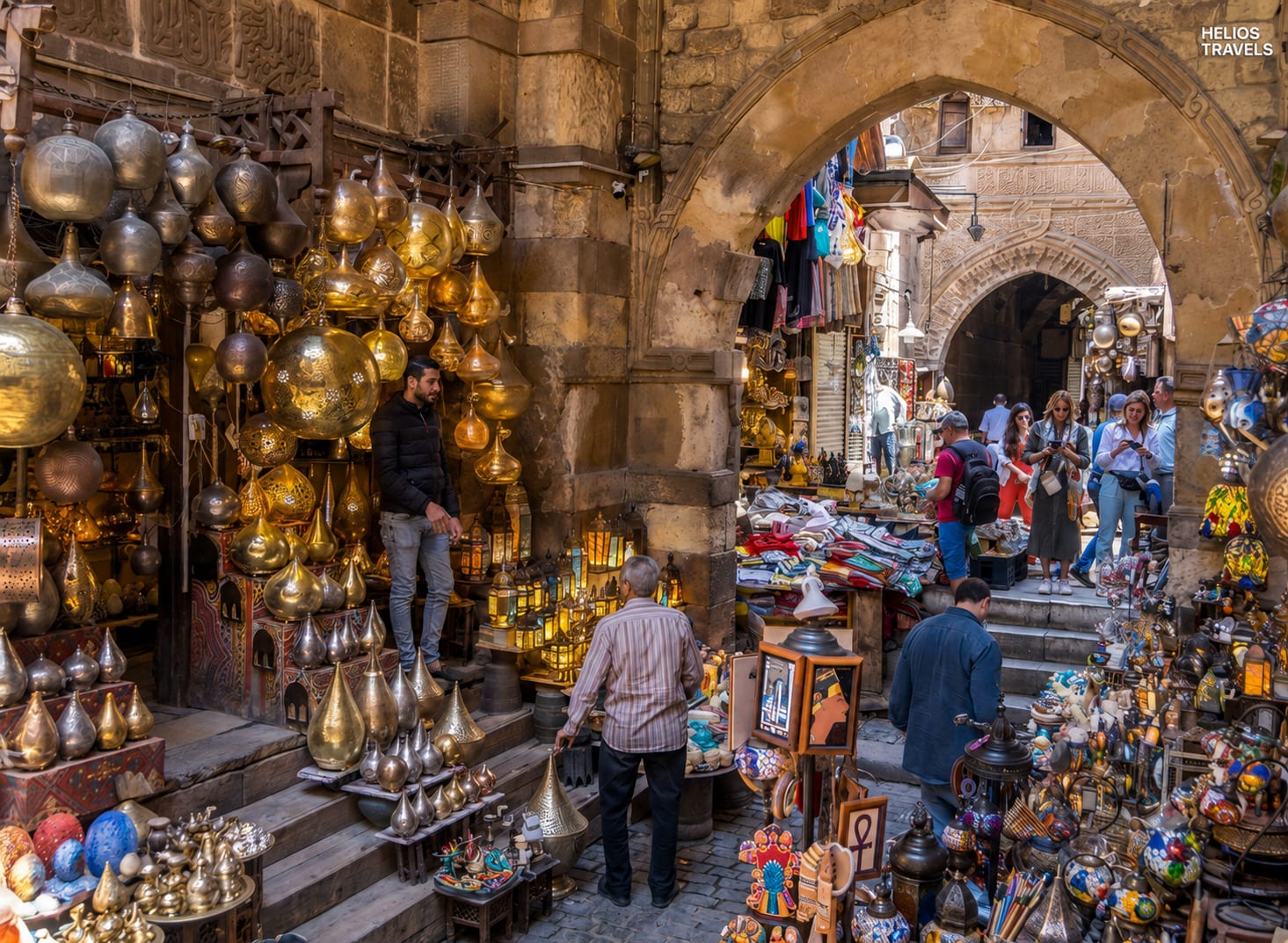
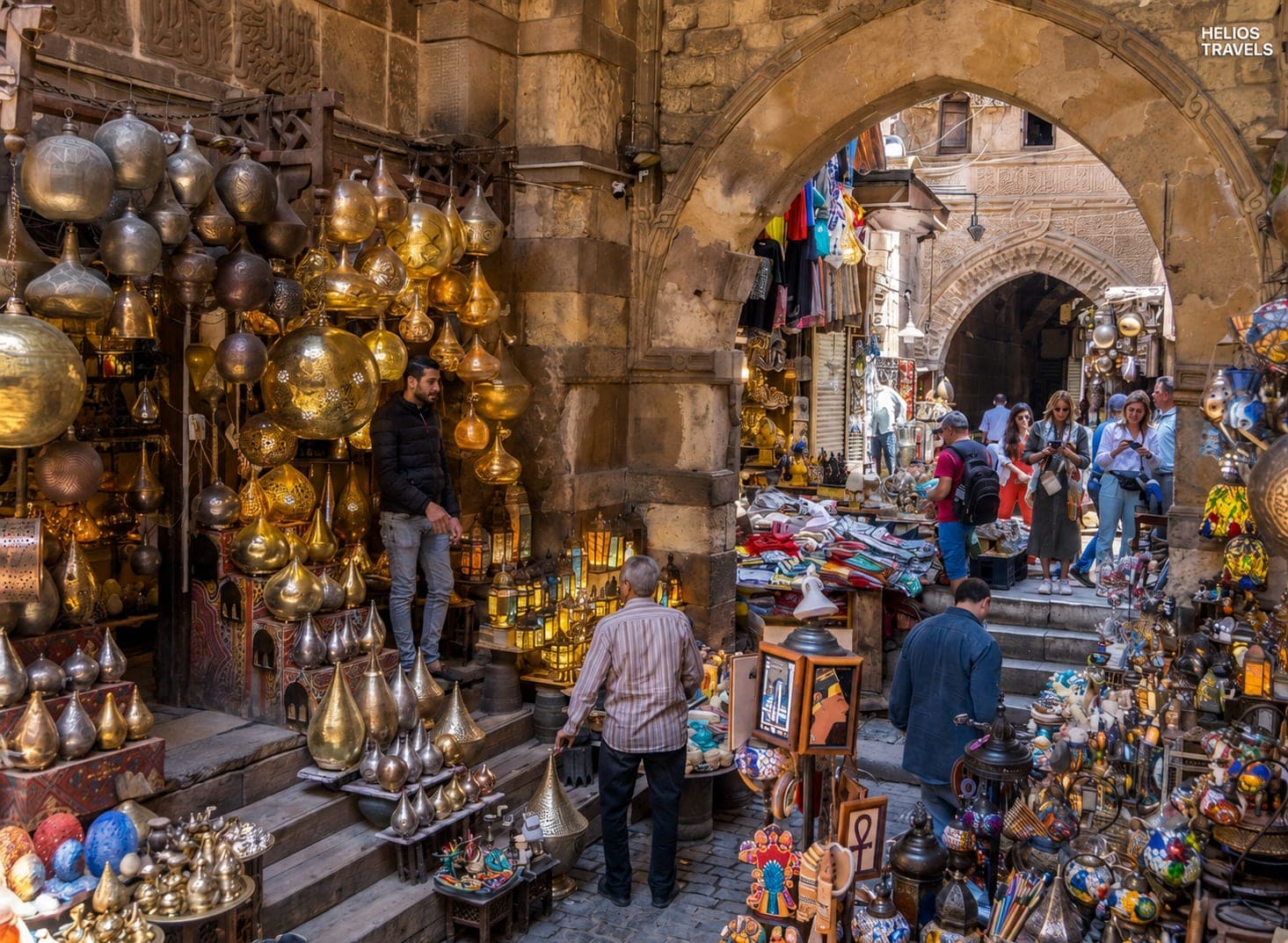
The covered lanes of Khan el-Khalili bazaar in Cairo
The three kinds, which people mix up
1. A tip for service, as you would anywhere. A waiter, a guide, a driver, a housekeeper. Same logic as home: it reflects the quality and the length of the service. This is the one visitors already understand.
2. A small payment for a small service rendered. Someone carries your bag, points you to the right doorway, watches your car, opens a gate. This is closer to a transaction than a gratuity, the amounts are small, and it is entirely normal on both sides. Refusing is fine if you did not want the service; paying something is normal if you accepted it.
3. Baksheesh as alms. Giving to someone who has asked and has no service to offer. This is a religious and social tradition rather than a commercial one, it is a matter of conscience, and it is the one where visitors feel most uncertain. It is entirely acceptable to give, and entirely acceptable not to.
The friction usually comes from applying the wrong frame — treating category 2 as begging, or category 3 as extortion. Neither is true.
Why it exists, briefly
It is worth understanding rather than merely tolerating. In much of Egyptian tourism and service work, the formal wage is low and tips are not a bonus on top of a living — they are a substantial part of how the job pays. A hotel porter, a boat crew member and a tomb guardian are all, to varying degrees, working on this basis.
That is not a reason to be shaken down, and you should decline things you did not ask for. But it does explain the persistence, and it reframes the transaction: you are not being pestered for charity, you are participating in how the sector pays people.
The single most useful thing you can do
Carry a thick stack of small notes. Genuinely — this changes the whole trip more than any advice about amounts.
Almost every awkward tipping moment in Egypt comes down to not having the right change: you want to give something modest, the smallest note you have is far too large, nobody can break it, and you end up either over-paying or giving nothing while apologising. Both feel bad.
Ask at your hotel or a bank to break larger notes early in the trip, keep the small ones in a separate pocket from your wallet, and top them up whenever you get the chance. It removes ninety per cent of the friction.
Who to tip, and roughly how much
We are not printing figures. Egyptian inflation has been rapid enough that any amount published now would be misleading within a year, and a confidently wrong number is worse than none. Here is the structure instead, and one reliable way to calibrate.
The calibration: on your first day, ask your guide or a hotel manager what is normal right now, for a porter, for a full-day driver, and for a guide. Egyptians answer this question readily and without embarrassment, and one honest local answer beats every blog post including this one.
The structure:
- Hotel housekeeping — a small note per night, left in the room. Daily rather than at the end, because staff rotate.
- Porters — a small note per bag.
- Restaurant staff — a service charge is often already on the bill, but it usually goes to the house rather than the server. A modest amount left directly is normal and appreciated.
- Drivers — scaled to the day. A transfer is small; a full-day driver who waited for you at four sites is a different matter.
- Guides — the largest single tip of a typical day, and separate from the driver.
- Boat crew — usually collected as a group at the end of the trip.
- Nile cruise — most ships put out a central envelope for the whole crew, split behind the scenes, with a suggested per-person amount. Budget for it as part of the cruise cost.
- Bathroom attendants — a small note, and have one ready before you go in.

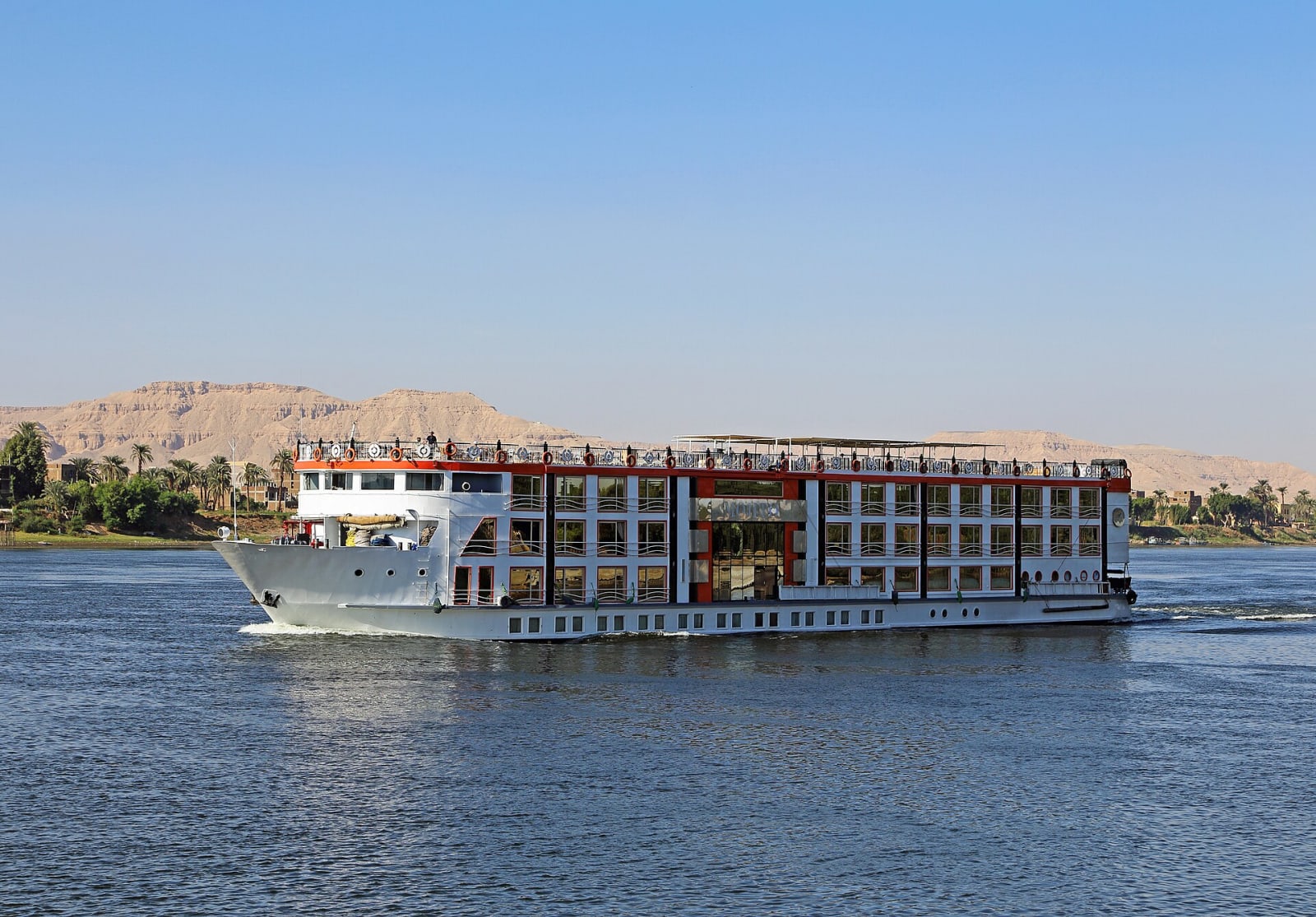
A Nile cruise boat moored on the river between Luxor and Aswan
What not to tip for
This matters as much as the rest, and it is where visitors do real if unintentional harm.
Do not pay a guardian to open a closed area or a roped-off tomb. Sites close chambers for conservation. Paying to get into one funds exactly the behaviour that damages them, and it is why some tombs need periodic rest from visitors at all. Buy the ticket for the tomb you want; if it is closed, it is closed.
Do not pay for "special access" or a photograph where photography is prohibited. Same reasoning, plus it can land you in genuine trouble.
Do not accept the free gift. A scarf placed on your shoulders, a small carving pressed into your hand, a headscarf wrapped for a photo. Nothing offered as free is free, and accepting starts a negotiation you did not choose to enter. A smile and a firm no while continuing to walk is the whole technique.
Do not tip to make someone go away. It works once and teaches the next person that persistence pays. Declining clearly is kinder to the visitor behind you.
How to do it gracefully
- Use your right hand. A small courtesy, widely noticed.
- Fold the note rather than displaying it. Discretion is normal.
- Say shukran — thank you. It is the single most useful word you will learn and it changes the temperature of the exchange.
- Give directly to the person who did the thing, where you can.
- Do not apologise for a modest tip. A modest tip given warmly is better received than a large one given awkwardly.
- Do not massively over-tip either. It feels generous and it distorts expectations for everyone arriving after you, including the next family who cannot afford it.
The situations that catch people out
Four moments account for most of the tipping anxiety we hear about, and each has a straightforward answer.
Someone photographs you without being asked, then wants paying. Common at Giza and on camels. You are not obliged. If you did not ask and do not want the photo, decline it and do not take the phone or the print — taking it is the agreement.
Someone helps with something you were managing fine. A bag you were carrying, a door you could open. Small note, no resentment, move on. It is not a con; it is a low-wage economy finding a service to render.
A guide steers you into a shop. Commission stops are built into some itineraries. On a private tour you can simply say you would rather not, and a good guide drops it immediately. If they do not, that tells you something about the operator rather than about Egypt.
You genuinely have no change. Say so, plainly and pleasantly. "Maalesh, mafeesh fakka" — sorry, no change — is understood everywhere and is far better received than pretending not to notice someone.
The short answer
Budget a daily allowance for it, in small notes, and stop thinking about each individual moment. Tip the people who did something for you, scaled to what they did. Ask a local on day one what is currently normal rather than trusting a figure printed on the internet.
And decline, clearly and without guilt, anything you did not ask for — including the gift that is not a gift. That is not meanness. It is the difference between participating in how the country works and being worn down by it.

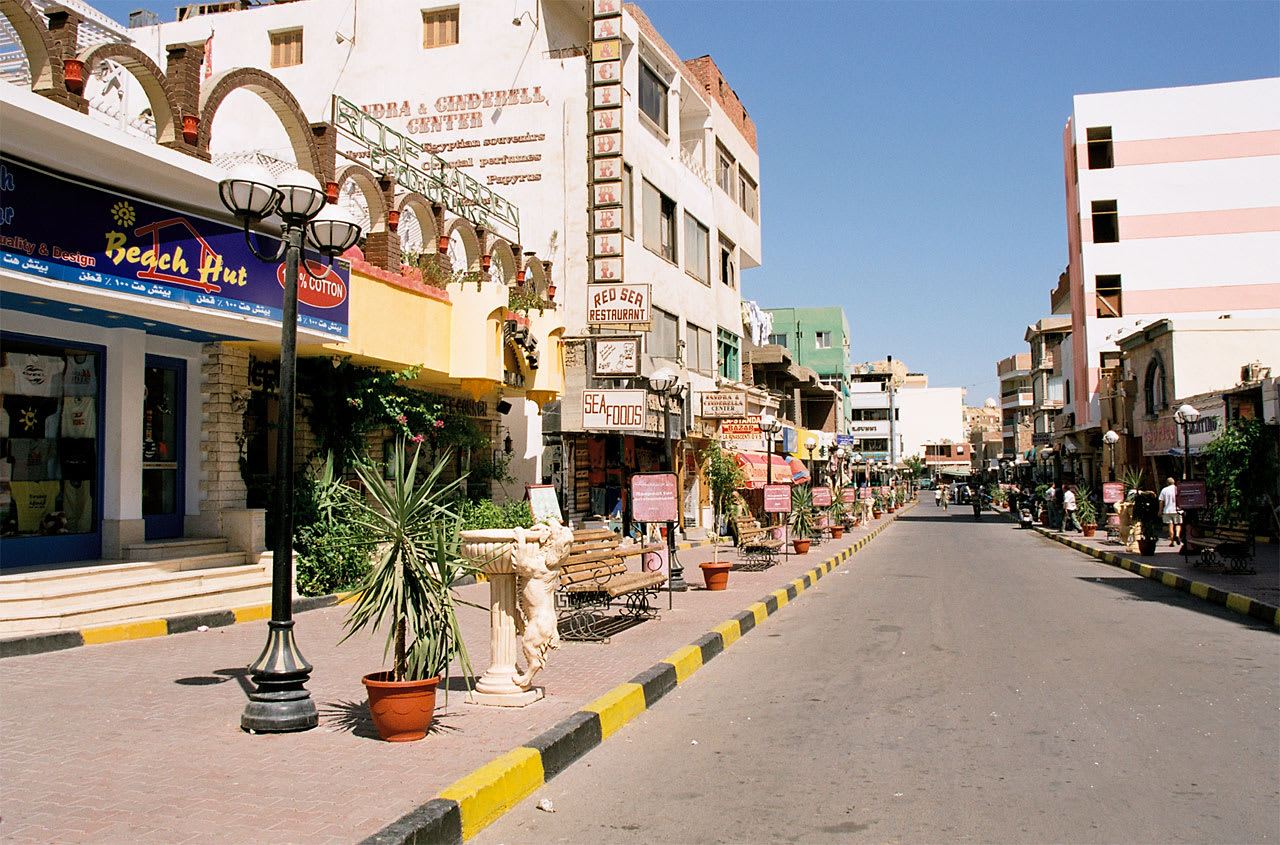
The old town district of Hurghada on the Red Sea coast
Book what you just read about
Tours from this article — private, with a licensed guide, and priced per person.