Planning · Sep 10, 2026
How to plan a private trip to Egypt
Private does not mean luxury — it means the car, the guide and the hour of departure are yours. Here is how to design one.
Most people book Egypt the way it is sold: a package, a fixed route, a coach that leaves at 5 am whether or not that suits you. It works, and it is cheap, and for a lot of travellers it is the right answer.
A private trip is the other option, and it is misunderstood. People assume it means luxury. It does not. It means the car, the driver and the guide are yours — nobody else's schedule, nobody else's stops — and that one change decides what the days actually feel like.
This is how to design one, in the order the decisions actually arrive.
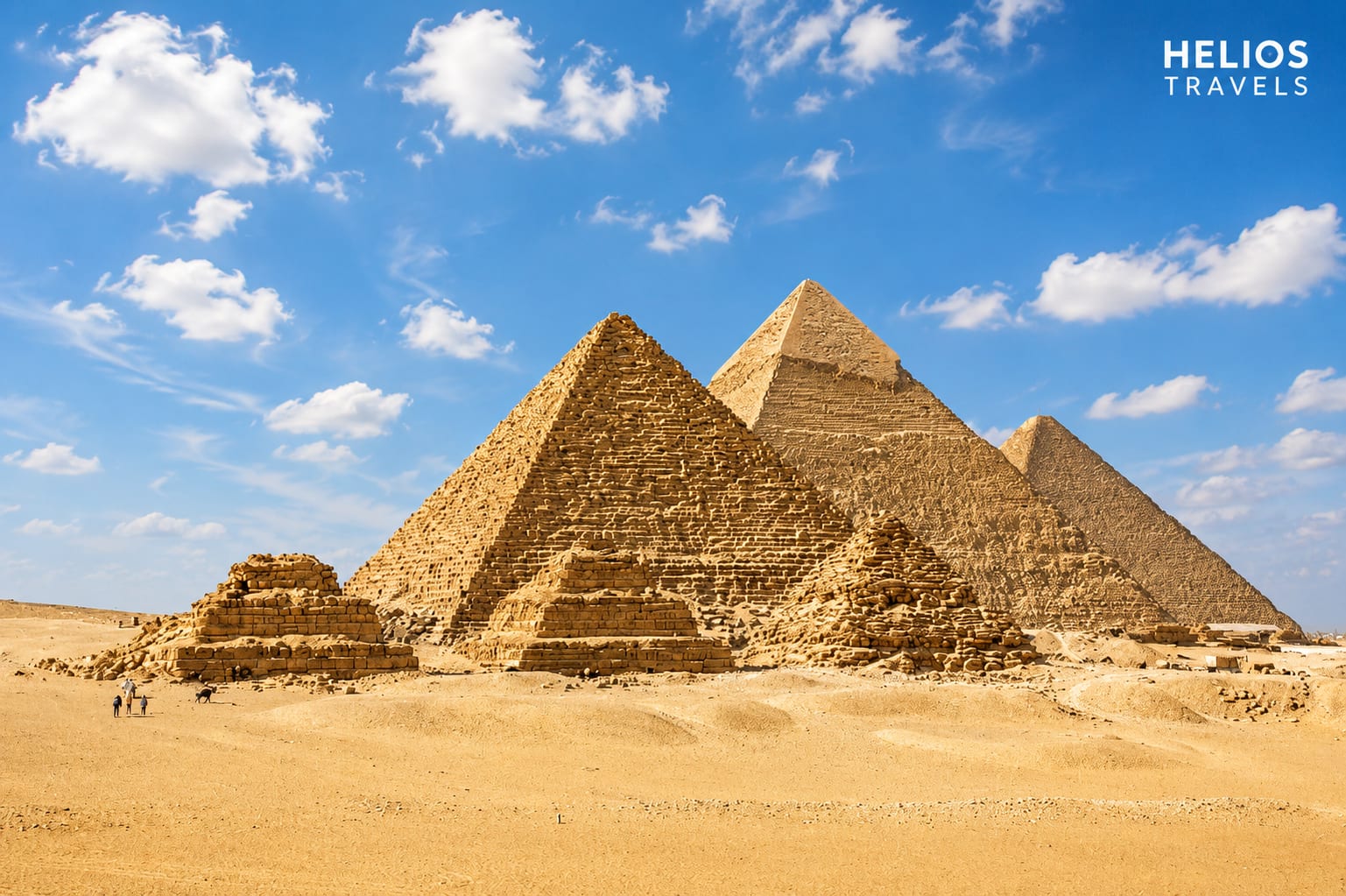
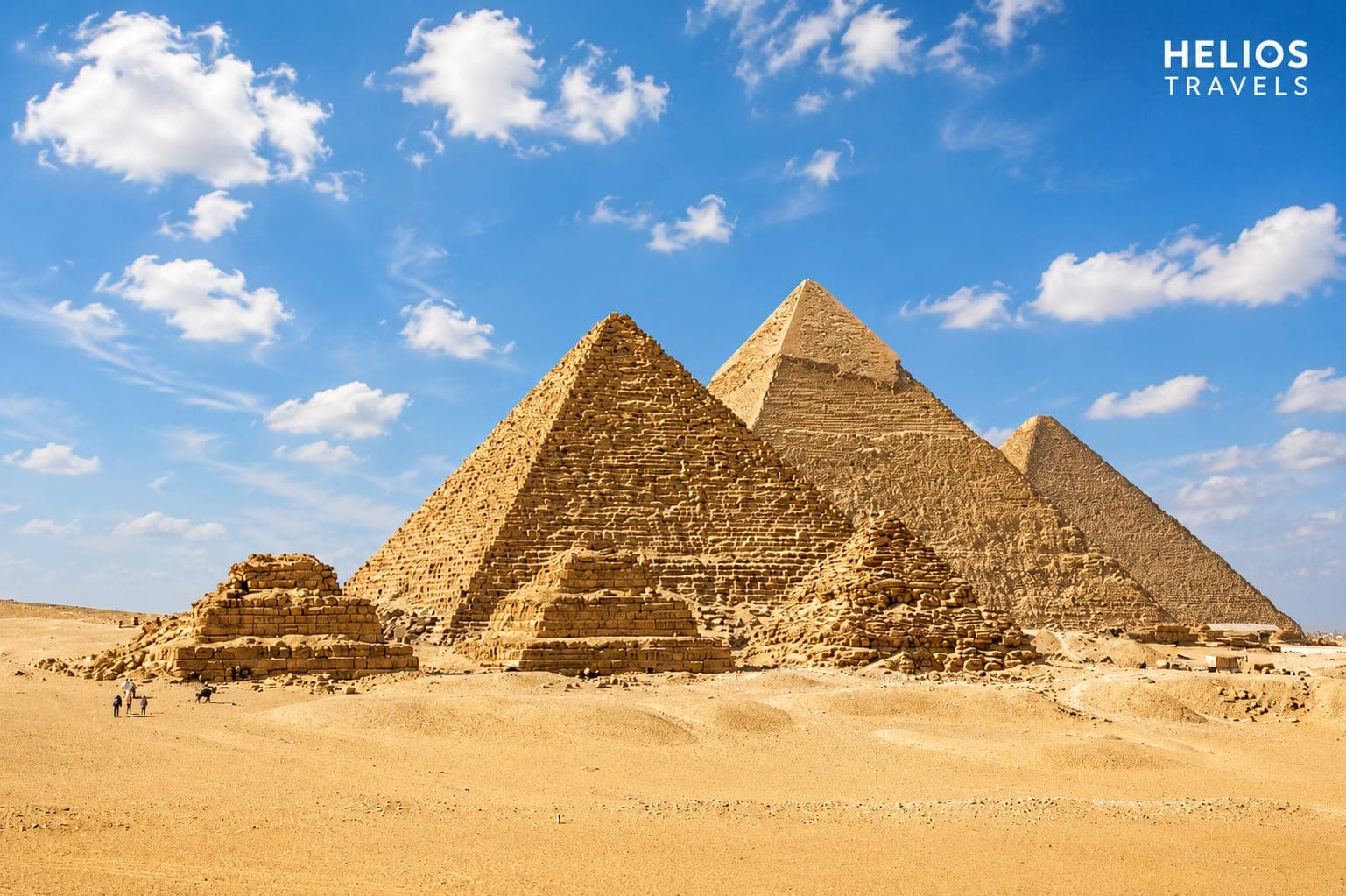
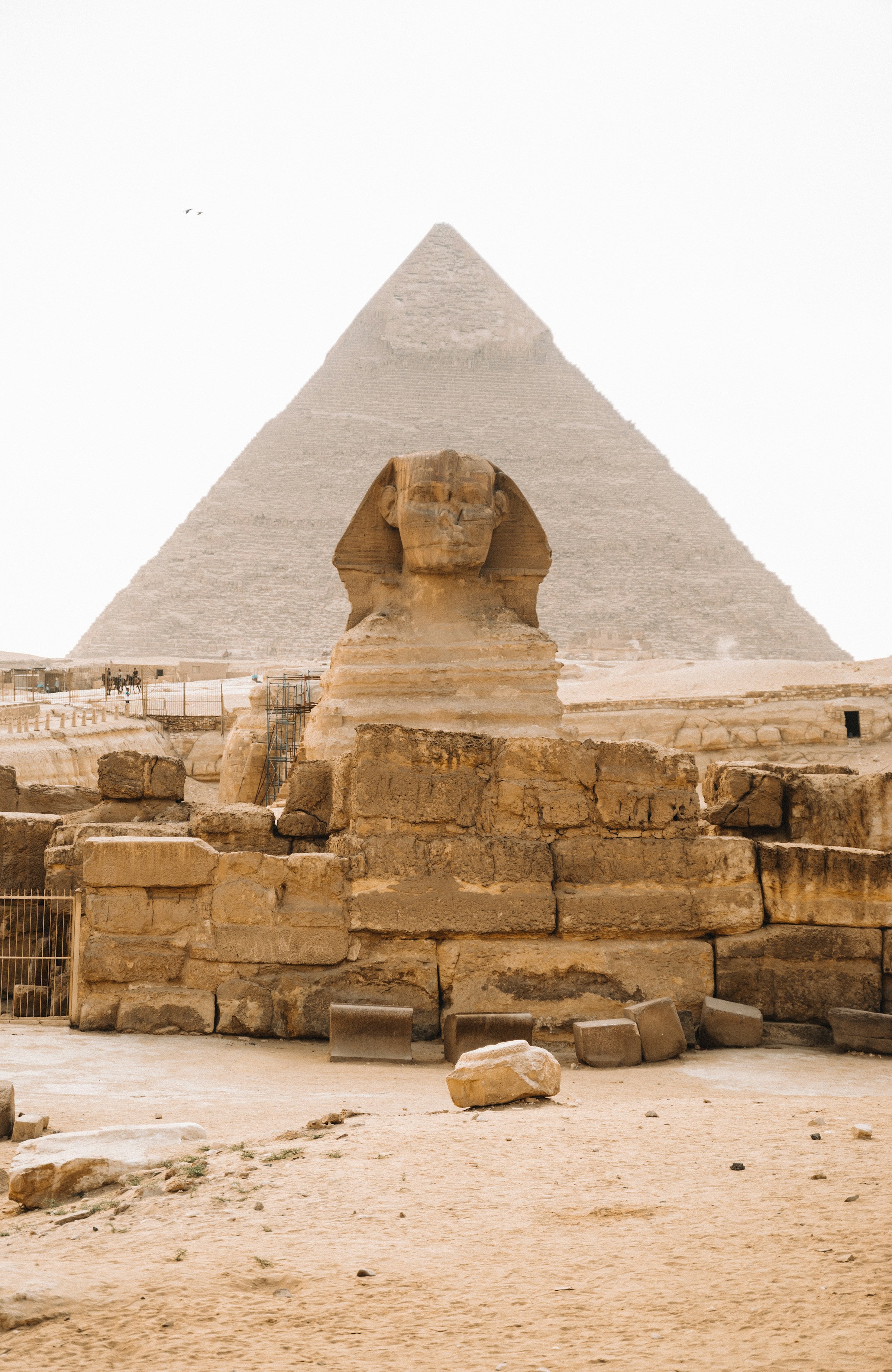
The three pyramids of Giza seen across the desert plateau
What private actually buys you
Four things, and it is worth being precise about them because they are what you are paying the difference for.
Departure time. A group coach leaves when the last hotel pickup is done. Privately, the Valley of the Kings at 7 am is a different place from the Valley of the Kings at 10 am — cooler, emptier, and the tombs are yours for a few minutes at a time. Almost every complaint about Egyptian sightseeing is really a complaint about arriving at the wrong hour.
The right to skip. The papyrus institute, the perfume factory, the alabaster workshop, the camel. On a group tour these are the itinerary. Privately you can say, in advance and in writing, no shopping stops — and be listened to.
Pace. Four temples in a day is a schedule. Two temples and a long lunch is a holiday. Both are legitimate; only one of them is available on a fixed departure.
A guide who is talking to you. With thirty people, a guide broadcasts. With four, they answer questions, and the difference between a wall of carvings and a story you remember is entirely a matter of who is standing next to you and whether they can hear you.
Start with two or three anchors, not with days
Itineraries fail when they start as a wish list. Write down the two or three things that would make you feel the trip was worth taking — the pyramids, a tomb, a night on the river, a specific reef — and build outward from those. Everything else is negotiable, and knowing which things are not is what lets a planner protect them when the days get tight.
Then place them on the map, because Egypt's sights sit in three clusters and the cluster decides the shape of the trip. Cairo and Giza in the north. Luxor and Aswan, 650 km south along the Nile. The Red Sea coast to the east, with almost no antiquities, which is exactly why people go.
The distances that decide everything
These are the numbers worth knowing before you commit to any plan. They are why some itineraries you will be offered do not work.
| Leg | By road | Other options |
|---|---|---|
| Hurghada → Luxor | about 4 hours | — |
| Hurghada → Cairo | about 6.5 hours | about 1 hour by air |
| Cairo → Luxor | not sensibly driven | about 1 hour by air, or overnight train |
| Luxor → Aswan | about 3.5 hours | 3 nights by Nile cruise |
| Cairo → Alexandria | about 3 hours | — |
| Aswan → Abu Simbel | about 3.5 hours each way | short flight |
A day trip to Cairo from the Red Sea means leaving before dawn and returning after dark, with roughly five hours on the ground between two five-hour drives. Thousands of people do it and many are glad they did. Nobody should discover the arithmetic on the morning of the tour. We wrote about the Luxor leg in detail in how far Luxor really is from Hurghada.
Once the distances are real, the shape picks itself. One week and you want everything: fly internally at least once. Ten days or more: the Nile cruise stops being an indulgence and becomes the efficient option, because it moves you while you sleep and puts Edfu and Kom Ombo on the way instead of making them separate excursions.

Book what you just read about
Explore related tours and check each trip for available booking options and inclusions.