Sun protection and water: the West Bank is the hot part
The Valley of the Kings lies in a bare limestone valley that throws heat back at you from every side. In July the average daily maximum in Luxor is above 40 °C; even in January it reaches the low twenties in the afternoon. Bring:
- a hat with a real brim, not just a cap
- sunglasses
- sunscreen, put on before you leave the bus, not at the ticket gate
- a refillable water bottle — drink before you feel thirsty
- lip balm; the air is very dry
Water is sold at the sites and we carry water on board, but take a bottle into each site with you. At the Valley of the Kings a small electric train runs from the visitor centre to the tombs, which saves the walk in the heat. Inside, the tombs are warm and still.

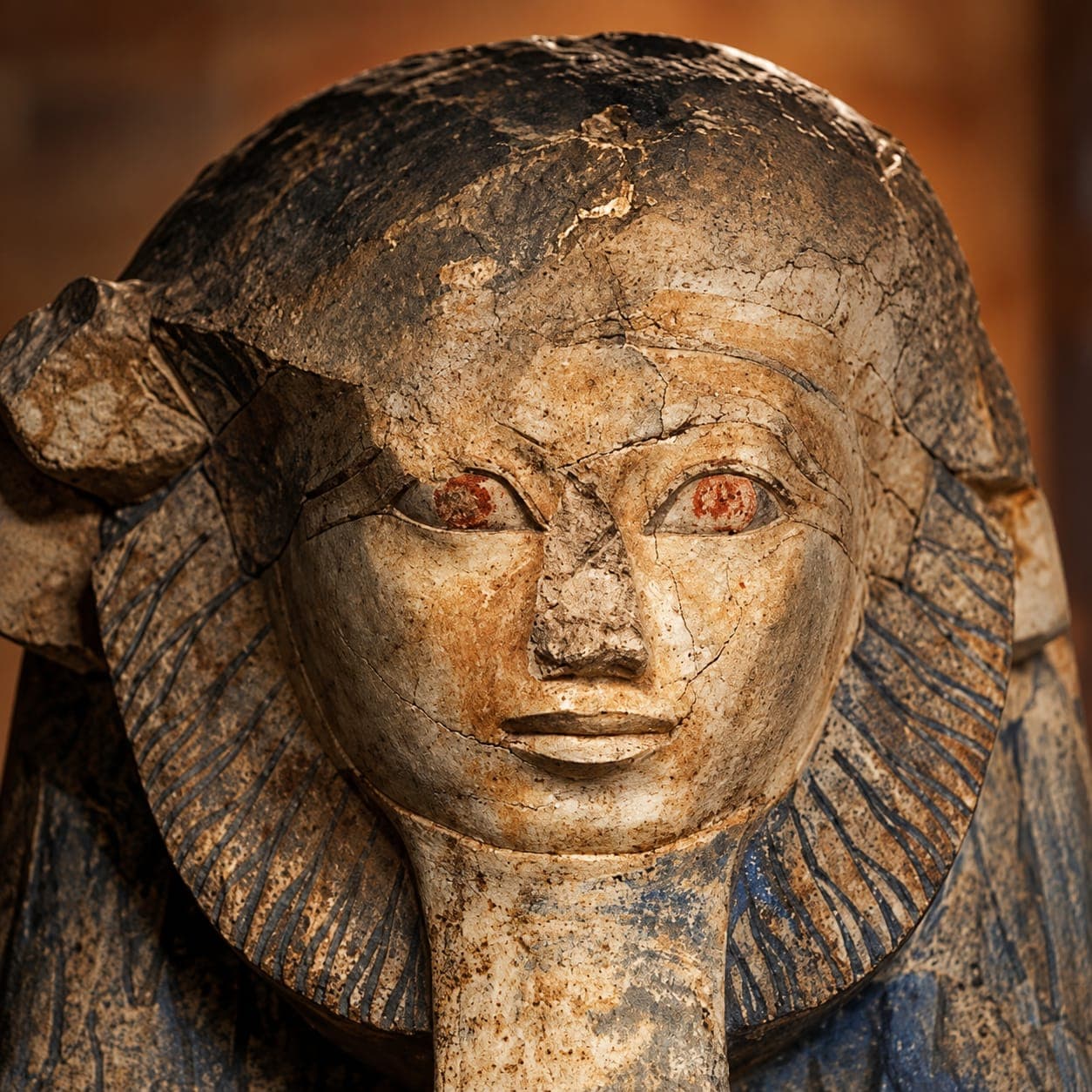
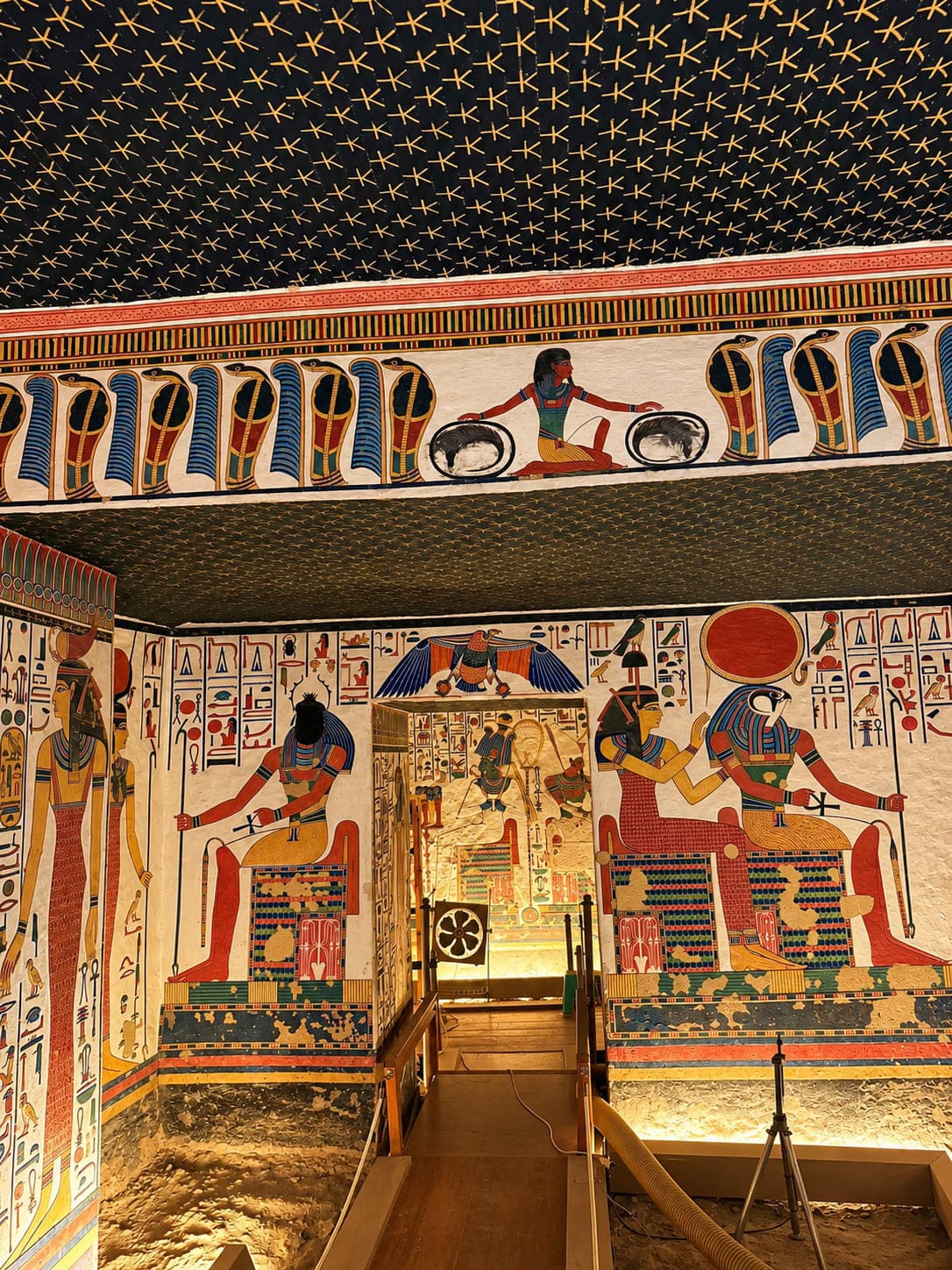
The Valley of the Kings on Luxor's West Bank — little shade, lots of reflected heat
Cold mornings, cold bus: summer versus winter
Summer (roughly May to September): hot from early morning. Wear the lightest clothes you have, take more water than you think, and consider a damp cloth or a small fan. The West Bank in the early afternoon is the hardest part of the day.
Winter (roughly December to February): deceptive. Luxor's average January minimum is around 7 °C, the record is just below freezing, and the desert at 5 am feels colder than the coast you left. Wear a warm layer and long trousers for the morning; you will take the jacket off by eleven. The afternoons are pleasant.
Spring and autumn: in between. Layers again — a light jacket for the drive, sun protection for the afternoon.
Cash: small notes for toilets and tips
Take cash in Egyptian pounds, and in small notes. Toilets at the sites and at rest stops are often looked after by an attendant who expects a small tip, and you will want small change for a cold drink, for the boat crew on the Nile crossing or for a souvenir. Cards are not accepted everywhere, and nobody has change for a large note. We do not print amounts here because prices move; ask us before your day and we will tell you what is sensible.
Entrance tickets are normally part of a guided day trip, but extras such as Tutankhamun's tomb or the tomb of Seti I are sold separately at the Valley of the Kings. Check what your trip includes before you go, so you know how much cash to carry.
Do you need your passport for Luxor?
Yes — take it, or at the very least a clear copy of the photo page and your visa. The road between the Red Sea coast and the Nile valley has police checkpoints, and Egyptian police can ask to see identification at any time; the British Foreign Office warns that people who cannot show ID and visa, or a copy, may be detained. If your hotel holds your passport, ask for it back the evening before. Keep it in a zipped inner pocket, not loose in a daypack.
Can you take photos in the Valley of the Kings?
Since August 2019 Egypt has allowed visitors to photograph museums and archaeological sites with a mobile phone free of charge. Flash is never allowed — it damages the paint, and the guards will stop you. For a separate camera, a photo ticket is sold at the entrance. The rules inside individual tombs have changed several times over the years, and a few special tombs keep stricter rules of their own, so ask at the ticket office or ask your guide before you raise a phone.
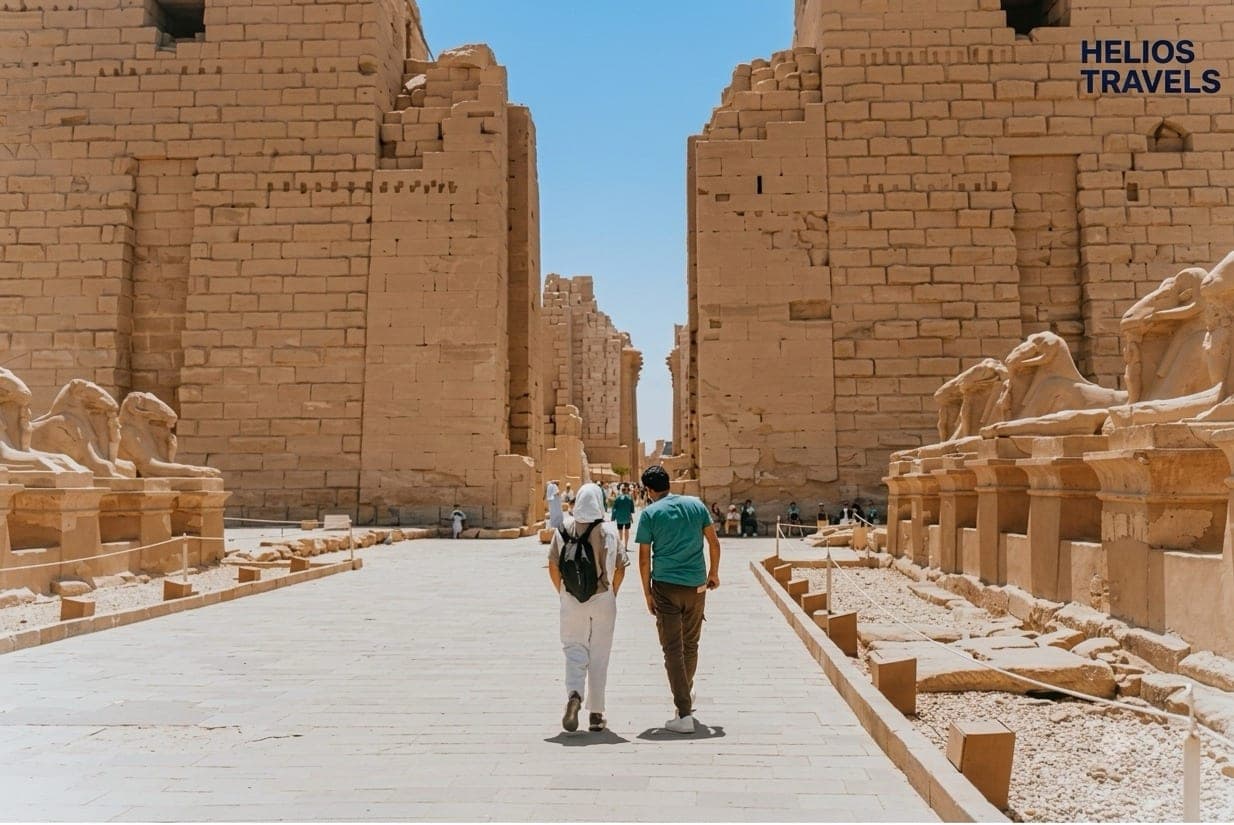
Practical points: a phone with a decent low-light mode is enough for the tomb interiors; clean the lens, because dust settles quickly in the valley; and leave space on your phone for Karnak's great hypostyle hall, where most people take more pictures than anywhere else all day.
The small things that make the day easier
- Power bank and cable — photos, maps and a long day drain a phone.
- Snacks — nuts, dried fruit, biscuits. Breakfast is early and lunch comes late.
- Wet wipes and hand sanitiser — dust and old stone get everywhere.
- Tissues — not every toilet has paper.
- Motion-sickness tablets if you need them. The desert stretch is long and straight, but the Nile valley section is busy and stop-start. Take a tablet before you board, not once you feel ill, and ask for a seat near the front.
- Your own medication for the whole day, plus plasters for blisters.
- A neck pillow or scarf to sleep through the dark first hours of the drive.
- A small zipped daypack to hold all of the above.
What not to bring
Drones. Flying a drone in Egypt without government permission is illegal, tourists are not realistically given that permission, and customs at Egyptian airports, Hurghada included, regularly confiscate drones on arrival. Leave it at home, not in your Luxor bag.
Big bags. The sites have security scanners at the entrances and you carry everything all day. A small daypack is all you need.
Tripods and professional kit. Tripods are generally stopped at the sites, and professional filming needs a separate permit. Your phone or a handheld camera will do.
Valuables you will not use: good jewellery, a second phone, all your cash. Leave them in the hotel safe.

Luxor Temple on the East Bank of the Nile
Printable checklist for your Luxor day trip
- Passport, or a copy of the photo page and visa
- Cash in Egyptian pounds, small notes
- Light, loose clothes covering shoulders and knees
- Jumper or fleece for the bus and the early morning
- Light scarf
- Closed walking shoes or strapped sandals
- Hat with a brim and sunglasses
- Sunscreen and lip balm
- Refillable water bottle
- Phone, power bank and cable
- Snacks
- Wet wipes, hand sanitiser, tissues
- Motion-sickness tablets and personal medication
- Small zipped daypack
- Left at the hotel: drone, tripod, big bag, jewellery
Who a Luxor day trip is not for
Be honest with yourself: about eight hours on the road for six or seven hours of sightseeing is a lot. The day trip is not ideal for people who get badly car-sick, for anyone who struggles with heat and long walks, or for travellers who want time rather than a highlights reel.
For them we recommend staying the night. Luxor in 2 Days splits the road and the sights over two days, and Luxor Hot Air Balloon Sunrise & West Bank adds a balloon flight at dawn. If you have seen Karnak and the Valley of the Kings before, Luxor with a Difference goes to Medinet Habu, the Valley of the Queens and the tomb of Nefertari instead.
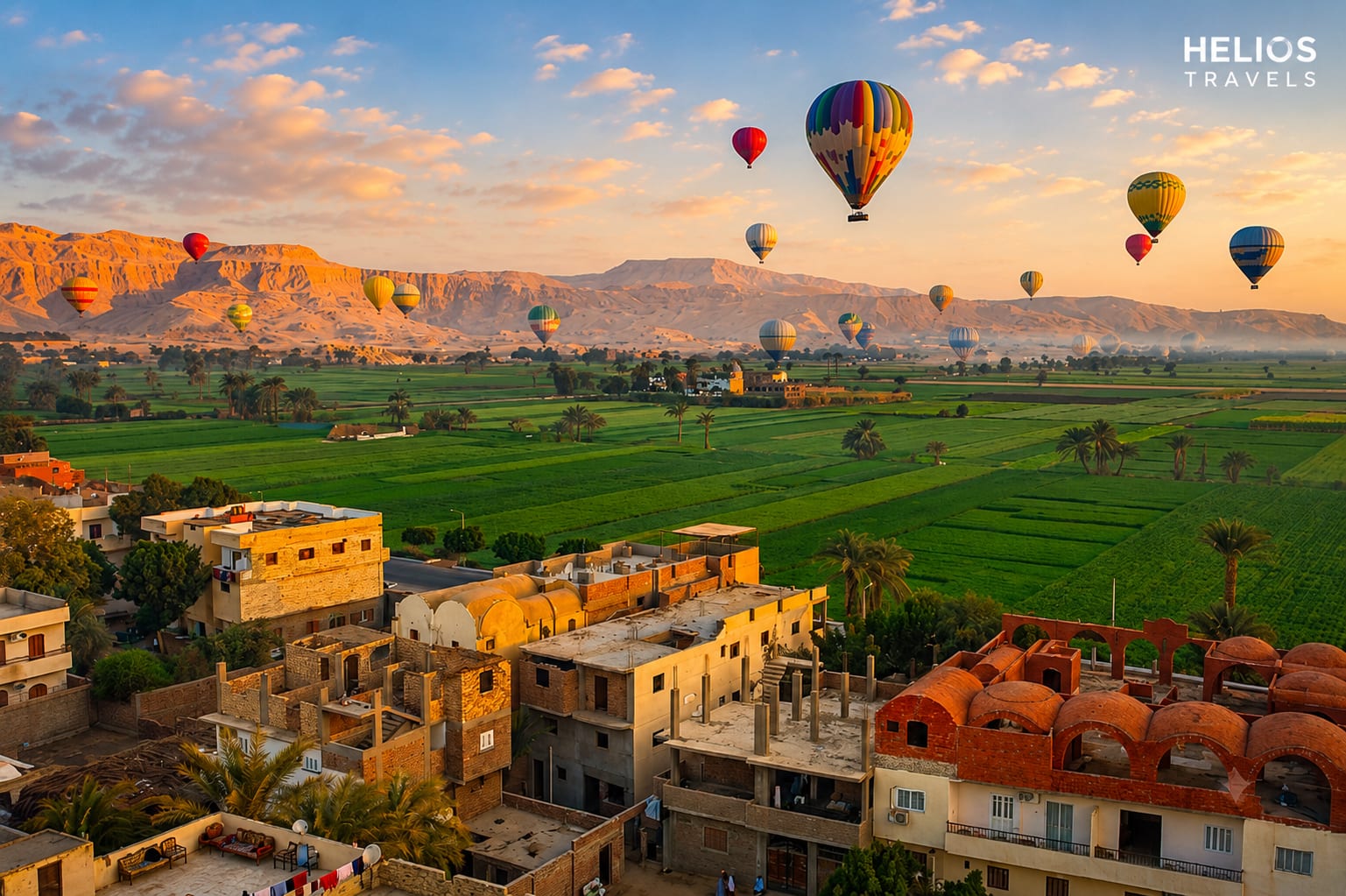
Hot-air balloons over Luxor at sunrise — the reason some guests stay the night
FAQ: Luxor day trip from Hurghada
What should women wear in Luxor?
Loose, light clothes that cover shoulders and knees, plus a scarf. It is not strictly required at the temples, but it is respectful in a conservative city, it protects you from the sun, and it is expected in mosques.
Is it cold on the way to Luxor?
Often, yes. The bus air-conditioning is cold, and from December to February the desert before sunrise can be close to single digits. Bring a warm layer you can take off later.
Do I need my passport for a day trip to Luxor?
Carry it, or at least a copy of the photo page and visa. There are police checkpoints on the route and police may ask for ID.
Can I bring a drone to Luxor?
No. Flying a drone in Egypt needs government permission that tourists do not get, and drones are routinely confiscated at the airport.
What time does the Luxor day trip leave Hurghada?
Usually between about 4 and 5 am, depending on your hotel; El Gouna, Makadi Bay, Sahl Hasheesh and Safaga pickups shift accordingly. We confirm the exact time the day before.
Questions about your own day — what your trip includes, where you will be picked up, what to wear on a particular date — message us. We answer from Hurghada.