Culture · Mar 8, 2026
Cultural etiquette: respectful travel in Egypt
Dress codes, tipping, photography, and temple visits explained simply.
Egypt is an easy country to travel in, and an easy one to get slightly wrong. None of what follows is about causing offence — Egyptians are famously forgiving of visitors. It is about the small habits that make a temple day smoother, a souk friendlier, and a guide genuinely glad to have you.
Dress: where it matters, and where it does not
Resorts, boat decks and the marina are relaxed. Swimwear at the pool, shorts in the evening — nobody minds. Everywhere else, covered shoulders and knees is the norm for men and women alike, and it is as practical as it is cultural: midday sun at a temple with no shade is not something you want on bare shoulders.
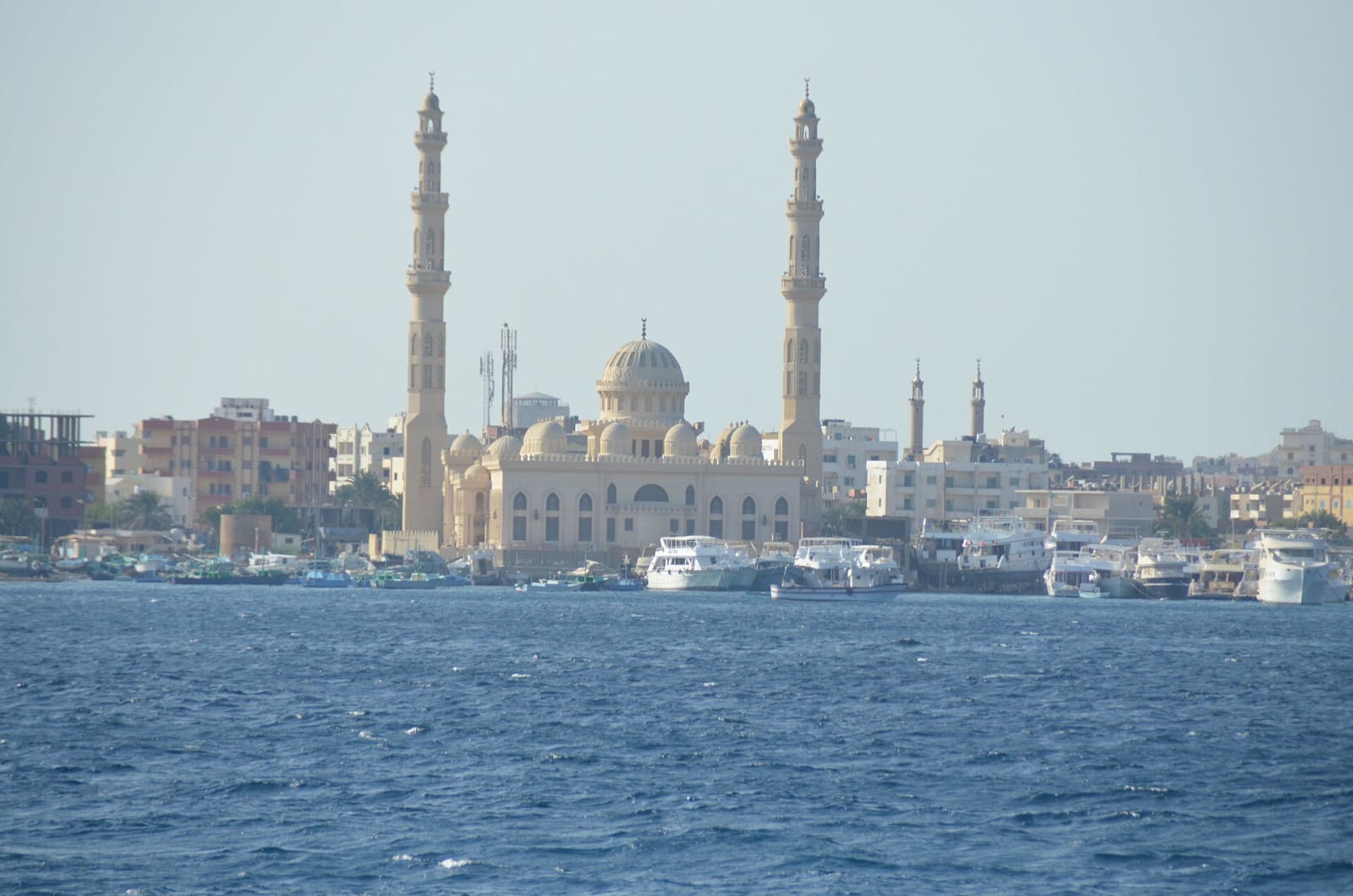
For mosques, women should carry a scarf for their hair, and everyone removes their shoes. Long, loose, light clothing is the local answer to heat, and it works better than most of the technical fabrics visitors bring.
Baksheesh, without the anxiety
Tipping is not an optional extra in Egypt; it is part of how service work is paid. The anxiety visitors feel about it usually comes from not knowing the scale — and the scale is smaller than you think.
- Porters, washroom attendants, the man steadying your camel — a small note is the whole transaction.
- Your driver on a day tour — a modest note at the end of the day.
- Your guide on a full day — meaningfully more. They are the reason the day worked.
- Boat crew — one tip to the crew as a group at the end, not person by person.
Carry small notes. The single most useful thing you can do on arrival is break your large ones at the hotel, because nobody in the tipping economy can change them and you will both feel awkward.
Photographs of people
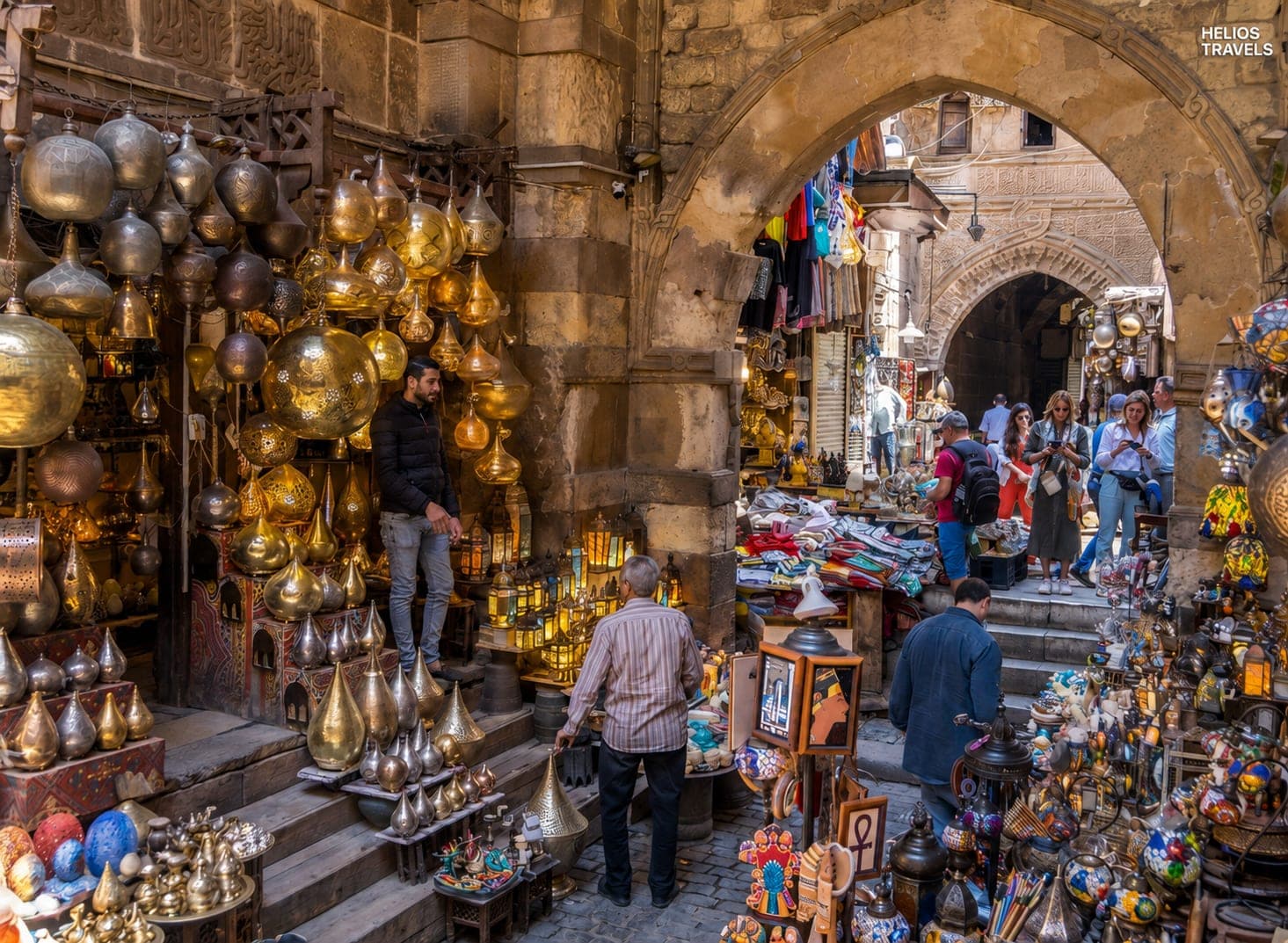
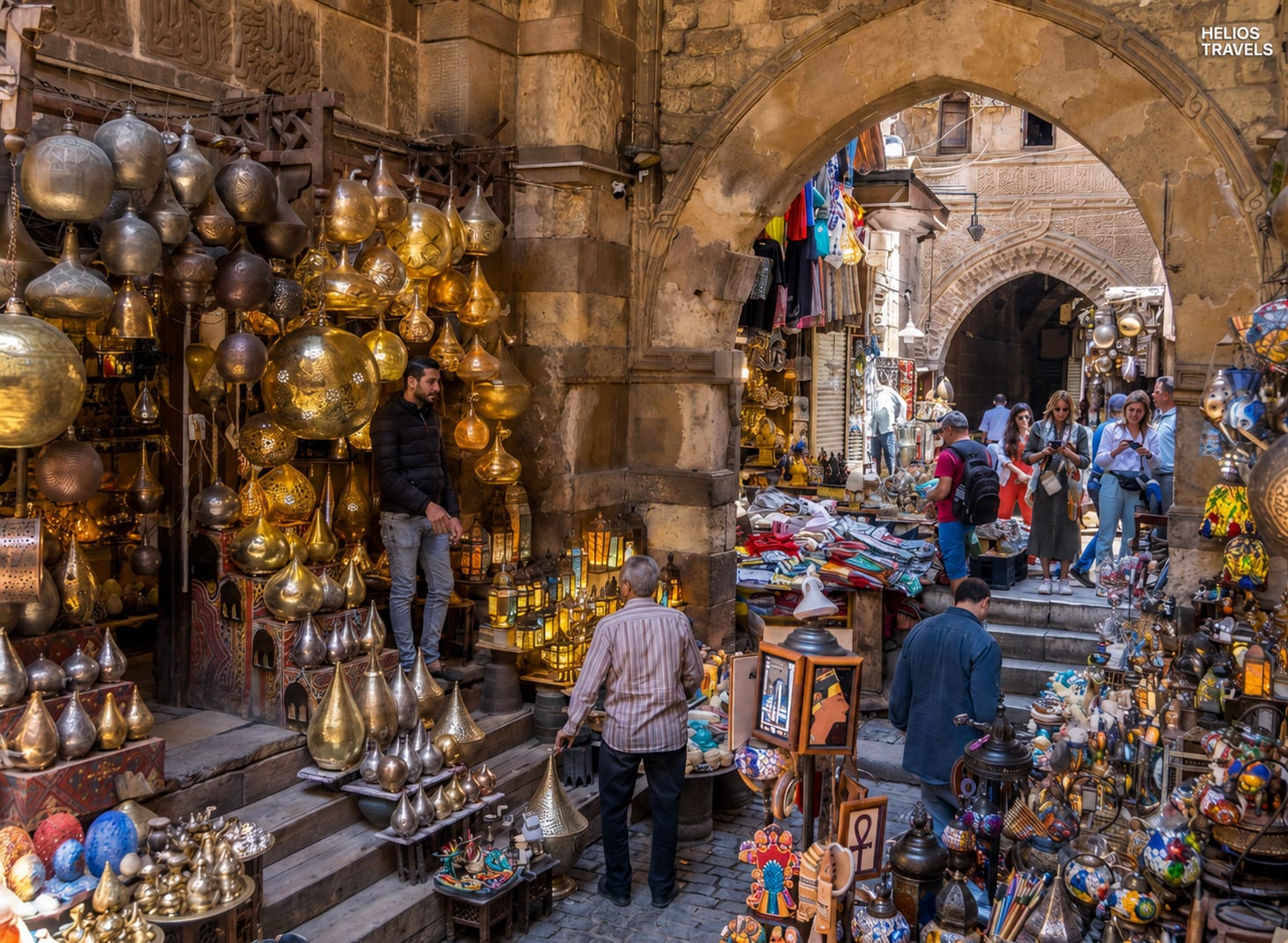
Ask first. It takes a gesture, it is almost always granted cheerfully, and it turns a stolen shot into a short conversation. Expect that someone who poses for you — particularly in a market, or with an animal — may ask for a tip afterwards. That is fair.
Do not photograph military or police installations, checkpoints or bridges. This is the one rule here where the consequence is more than social.
Inside tombs and temples
Flash is restricted in many tombs and the reason is real: the pigments in the Valley of the Kings are original, and light is what degrades them. Several sites sell a photography ticket separately — buy it at the gate if you want it, rather than negotiating at the tomb door.
Do not touch the reliefs. Oil from thousands of hands is the largest ongoing source of damage at sites across Egypt, and the guards asking you to step back are not being officious.
Book what you just read about
Explore related tours and check each trip for available booking options and inclusions.