Culture · Oct 20, 2026
Day of the Dead in Mexico City: What Happens on 1–2 November
The film-style parade is only one part of it; the real observance is in altars, markets and family vigils.
The short answer
Build a trip around 1–2 November if you want to see how a city remembers its dead: altars in homes, offices and the Zócalo, flower and bread markets, and candlelit cemetery vigils. Do not build it around the parade. The parade is a recent, staged public event, and it is not the heart of the festival.
Plan to be in Mexico City from about 30 October to 2 November, book your hotel early, and confirm the official city programme before fixing dates, because the parade day moves from year to year.
What actually happens
Día de Muertos is a family observance, not a Mexican Halloween. Households build an ofrenda: a tiered altar with photographs, candles, marigolds (cempasúchil), papel picado, water, and the favourite food and drink of the person remembered. By tradition, 1 November is for children who have died and 2 November for adults, with preparations starting days earlier.
The smell is marigolds and copal incense. The taste is pan de muerto, a sweet, round loaf with bone-shaped decoration, and sugar skulls. The mood is more tender than spooky.
The parade is not the whole thing
The big Mexico City parade, with skeletal costumes and floats, began in 2016 after a James Bond film imagined one. Locals now enjoy it, and it is real, but it is a spectacle with large crowds on a set date. Check the official city government calendar for the parade day and route, as it is announced each year and does not always fall on 1 or 2 November.
What is public and what is private
Be clear about this before you go. Many of the most meaningful moments are family rites, and visitors are guests at best.
- Public: large ofrendas in the Zócalo and around the historic centre, displays in museums, universities and plazas, flower and craft markets, and the parade.
- Semi-public: cemetery visits. Families tend graves, and some neighbourhood cemeteries open to respectful visitors, notably San Andrés Mixquic on the southern edge of the city, famous for its night vigil and very crowded.
- Private: home altars and family gatherings at graves. Do not photograph mourners without asking. Do not treat a vigil as a photo stop.
Crowds and booking
Expect packed metro trains, long queues for popular displays and thick crowds at Mixquic after dark. Hotels, especially in the historic centre and nearby neighbourhoods, fill early, so book well ahead. Some businesses run shorter hours around 1–2 November, so confirm restaurants and sights rather than assuming.
If crowds bother you, go to markets and altars in the morning, treat cemeteries as an evening choice only if you accept the crush, and keep a day free in case you decide to skip the parade.
Where Helios fits in
Two Helios routes suit this trip. Both run from Mexico City, last 3 hours, and travel by road. Neither is a dedicated Day of the Dead tour, so tell us your dates and interests when you enquire. We confirm your guide, access, transport and final price before booking, and we cannot promise any particular display will be up on your day.
The historic centre walk for altars and the Zócalo
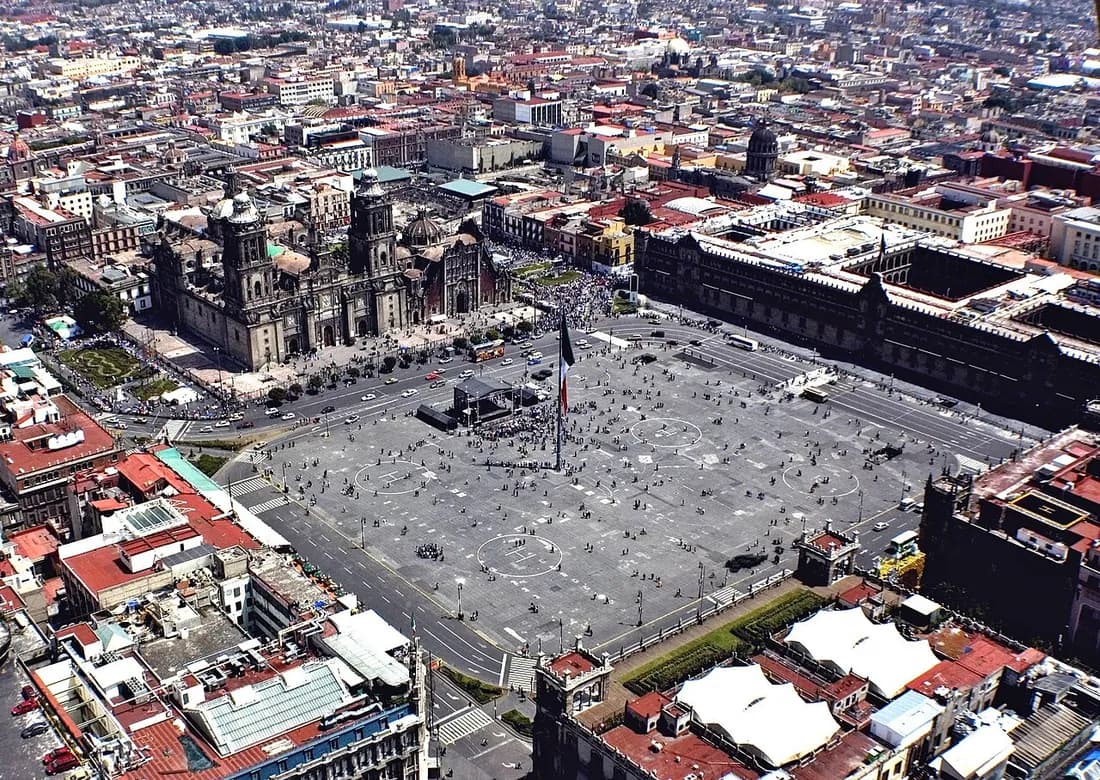
The Mexico City historic centre walk links the Zócalo, the Metropolitan Cathedral, the exterior of Templo Mayor and Palacio de Bellas Artes. In late October that is where you are most likely to meet seasonal displays and the crowds that come with them. A local guide can explain what you are looking at on an altar and why. It runs as a shared small-group tour of up to 12 guests or as a private tour for your own party, on the same route. Admission and transport are not included unless confirmed in your quote.
The street food route for pan de muerto and seasonal dishes
The Mexico City street food and markets tour takes in Mercado de San Juan, the historic centre, taco stops and local sweets. Ask when you enquire whether seasonal bread and sweets can feature; we will confirm what is possible. It is also available as a small group of up to 12 or privately. Food and tastings are not included unless confirmed in your quote.
A sensible plan
- Arrive by 30 October and spend a morning at a flower market before the crowds build.
- Do a guided walk of the centre on a weekday morning, before the Zócalo fills up.
- Keep 1 November evening or 2 November for a cemetery visit, going in respectfully, in a group if you can, and with a plan for getting home.
- Check the official city dates for the parade and decide then whether it is worth the crowds.
Day of the Dead Mexico City FAQ
Is the Mexico City parade held on 1 or 2 November?
Not necessarily. The parade date moves each year, so check the official city calendar before booking flights and tours.
Can visitors go to cemeteries on Día de Muertos?
Some are open, with Mixquic the best known, but these are working family spaces at a time of mourning. Go quietly, ask before photographing anyone, and expect heavy crowds at night.
When should I book a hotel?
As early as you can. Rooms in and around the historic centre fill well ahead for 1–2 November.
What should I eat?
Pan de muerto is the one to look for, along with seasonal sweets and hot drinks. The street food route above covers markets and sweets, and we will confirm what is available on your date.
Book what you just read about
Explore related tours and check each trip for available booking options and inclusions.