
← Back to blog index

Destinations · Sep 5, 2026

Cairo by plane or bus from Hurghada — the maths

For Luxor the plane buys comfort. For Cairo it buys hours, and it is not close.
Helios Travels Team

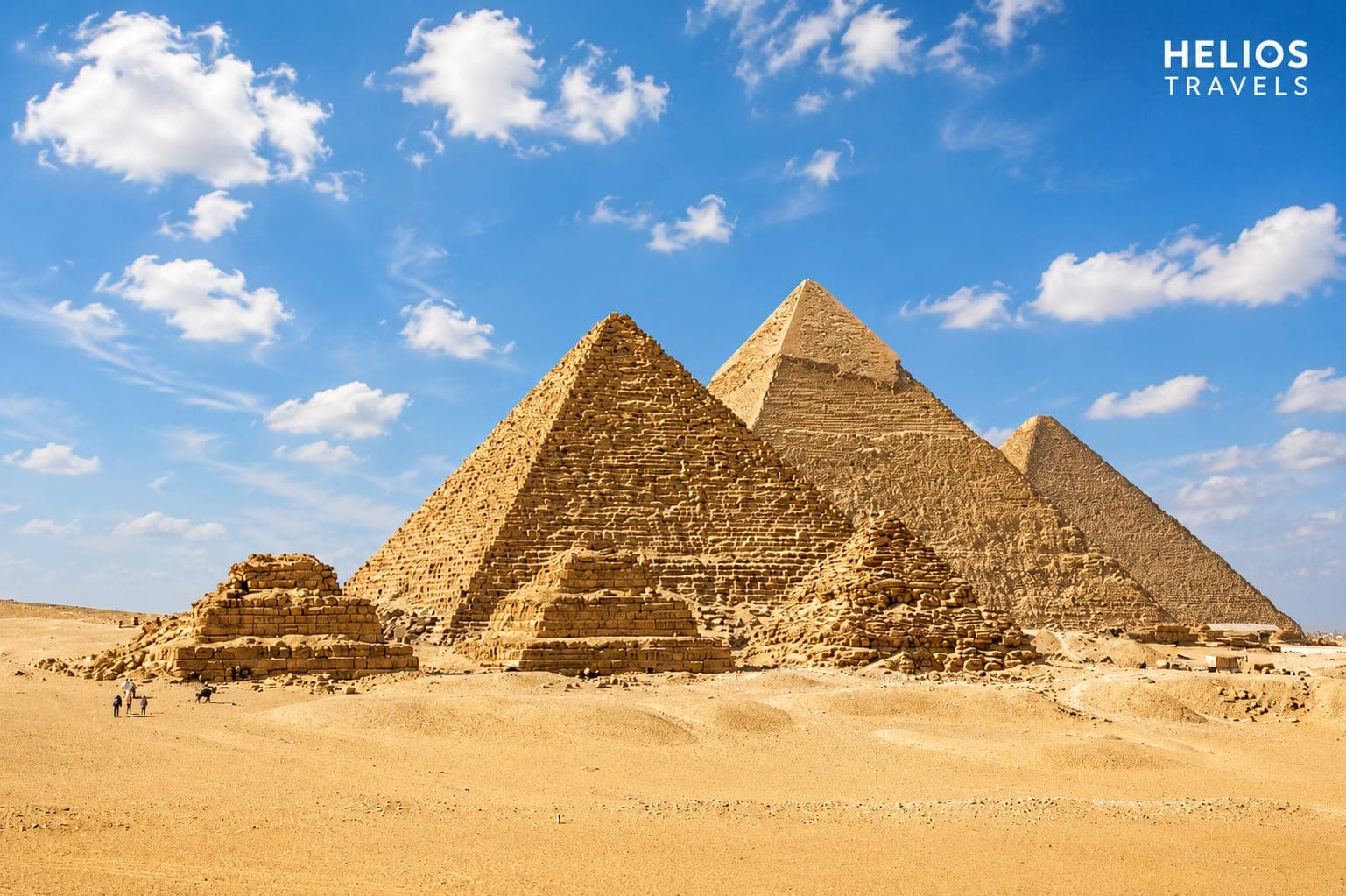
The three pyramids of Giza seen across the desert plateau

We tell people the opposite thing about Luxor and about Cairo, and the reason is arithmetic.

For Luxor, flying buys comfort rather than hours — the day is about as long either way. For Cairo it is not close. The road is around 450 kilometres each way, and on a bus day trip you spend roughly twelve hours in a vehicle to get about five hours in Cairo. Flying turns that into about two hours in the air.

If you only read one line: for Cairo, the plane is worth it. Here is the full comparison anyway, because "worth it" depends on what you can spend and who you are travelling with.
The Giza pyramids seen across the desert plateau

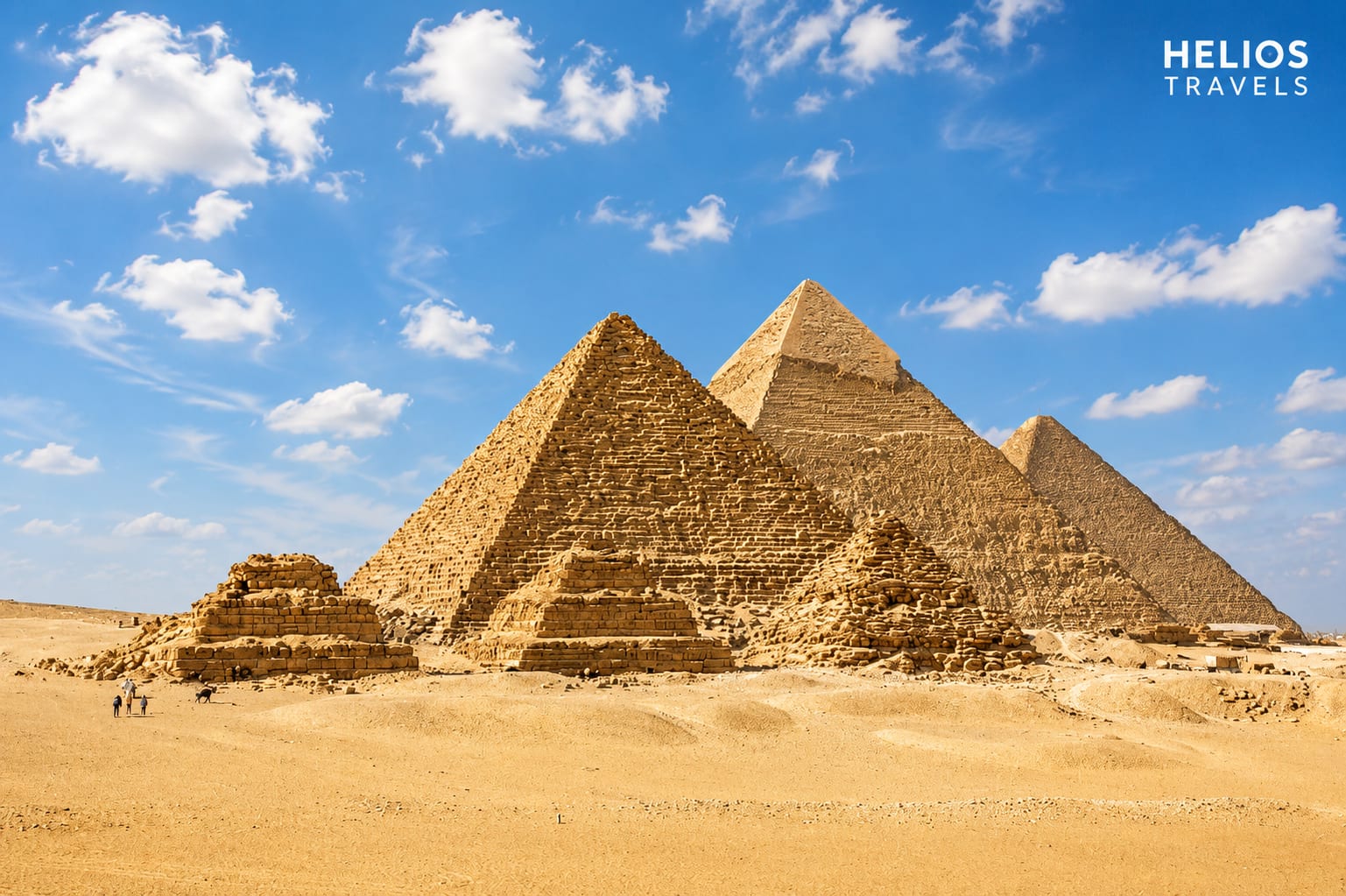
The Giza pyramids seen across the desert plateau

The road, honestly

Hurghada to Cairo runs north up the Red Sea coast, turns inland around Zafarana, and crosses the desert to the city. It is roughly 450 to 460 kilometres and about six hours in each direction on a clear run — longer if the Cairo end is busy, which it usually is.

A bus day trip therefore starts somewhere between midnight and two in the morning. You sleep badly on the way up, arrive at Giza mid-morning, see the pyramids and the Grand Egyptian Museum, eat, possibly get an hour somewhere else, and leave in the late afternoon to be back around midnight.

That is a genuine day at the pyramids and it is by far the cheapest way to have one. It is also the single most tiring excursion we sell, and we say so before people book it rather than after.

The flight, honestly

The flying version replaces each six-hour drive with a short domestic hop. The day is still long — you are up early and back late — but the shape of it changes completely.

Two things follow. First, you arrive able to concentrate, which matters at the Grand Egyptian Museum more than anywhere else in Egypt: it is a building you walk kilometres inside, and arriving already exhausted wastes the ticket.

Second, the hours you free up go into the itinerary rather than the road. The flying day trips can fit Saqqara and the Serapeum, or Old Cairo, or a Nile lunch, alongside Giza and the museum. The bus version cannot, because the bus has eaten the time.
The atrium of the Grand Egyptian Museum at Giza

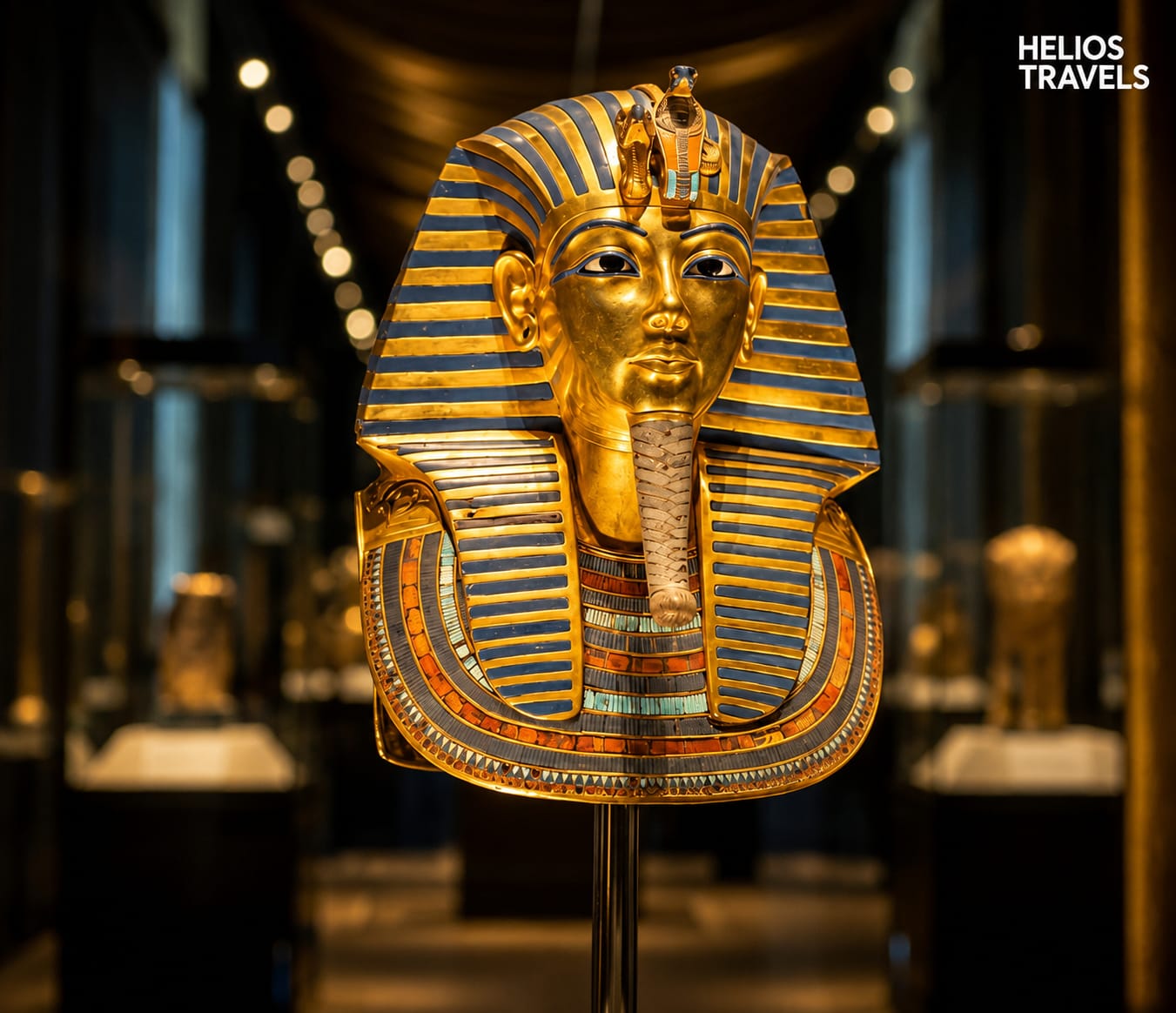
The atrium of the Grand Egyptian Museum at Giza

Straight comparison

By roadBy plane
Total day~18 hours~15–17 hours
Hours in transit~12, seated in a coach~2 in the air, plus airports
Hours in Cairo~5~8–9
Fits more than Giza + GEMRarelyYes
DepartureMidnight–2 amEarly morning
Next dayWrite it offUsable, just
CostLowestRoughly three times
Cost per hour in CairoHigher than it looksLower than it looks

That last row is the whole argument. The bus looks like the value option and is, if what you are buying is the ticket. If what you are buying is time in Cairo, it is not.
Who should take the bus anyway

Plenty of people, and we are not going to pretend otherwise:

  • Budget is the binding constraint. A bus day trip to the pyramids is one of the great value excursions on earth. Take it, and take the next day off.
  • You sleep well in vehicles. Some people genuinely do. If that is you, the drive is dead time rather than suffering.
  • You only want Giza and the museum. If the shortlist is exactly those two, the extra hours a flight buys have nowhere to go.
  • You are already booked on a longer trip later and this is a first look.

What we would push back on: booking the bus for a family with small children, or for anyone who struggles with long periods seated. Twelve hours is a lot of vehicle, and it does not get shorter because the destination is famous.

Who should fly

  • Anyone with a back, hips or knees that twelve hours will punish.
  • Older travellers, without exception in our experience.
  • Families with children under about ten. The drive is the part that goes wrong.
  • Anyone with one free day. If Cairo gets a single shot, buy the version that gives you eight hours there instead of five.
  • Anyone who wants more than Giza. Saqqara, Dahshur, Old Cairo and Khan el-Khalili only fit if you flew.

The Great Sphinx of Giza with the pyramid of Khafre behind

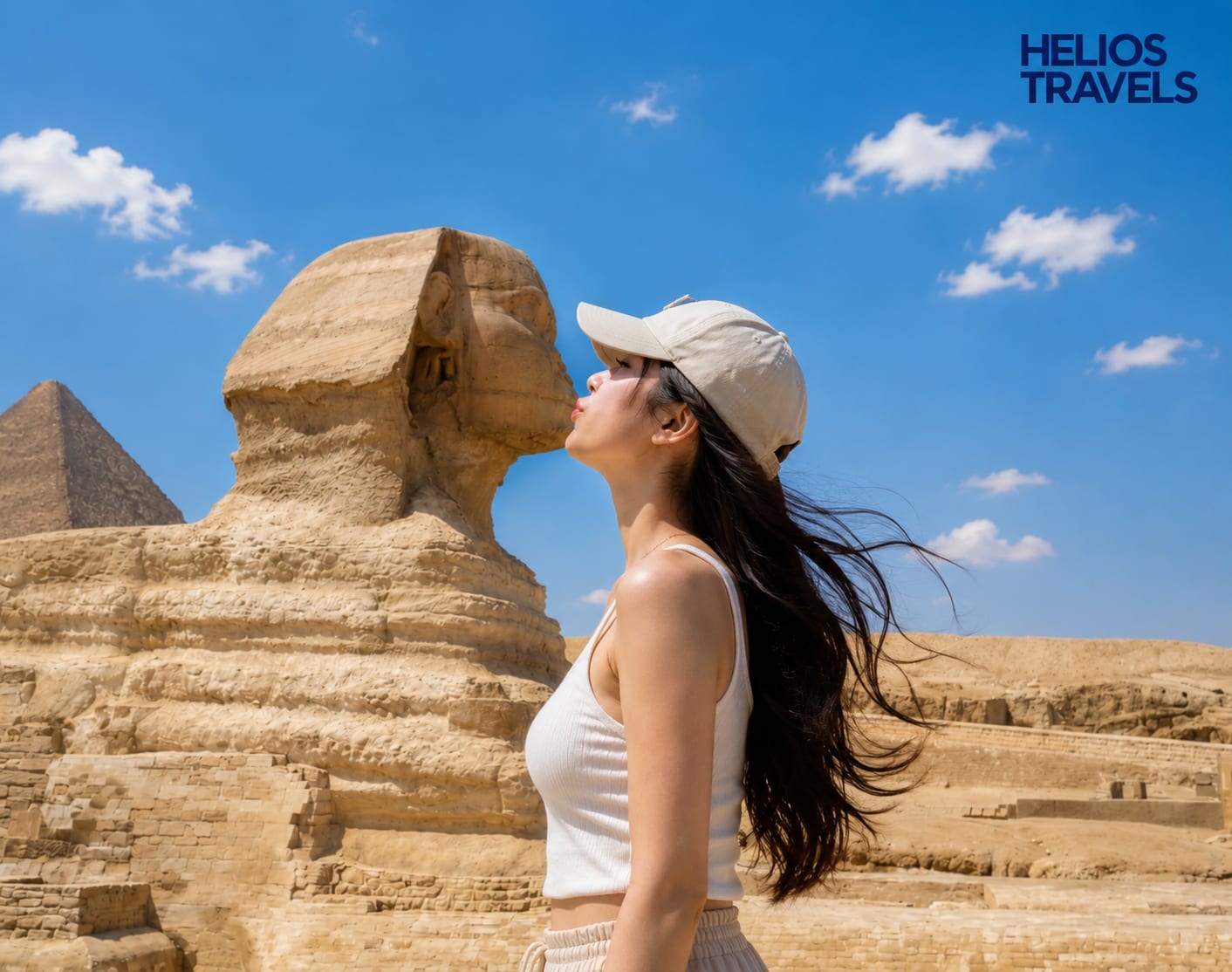
The Great Sphinx of Giza with the pyramid of Khafre behind

The third option, which is usually the right one

Neither. Two days in Cairo.

Cairo is not a day-trip city. It is twenty-two million people, four thousand years of layers, and traffic that turns every crossing into forty-five unplanned minutes. A single day forces you to choose between Giza, the Grand Egyptian Museum, Islamic Cairo, Coptic Cairo, Saqqara and the old Egyptian Museum — and choose badly, because you are choosing while tired.

Two days lets you do Giza and the GEM properly on day one, and Saqqara and Dahshur or the old city on day two, with a night in between instead of a coach. The two-day trips exist by road and by plane, and the road version of two days is a better trip than the flying version of one.

Per hour actually spent looking at Egypt rather than at a motorway, two days is the cheapest way to see Cairo.

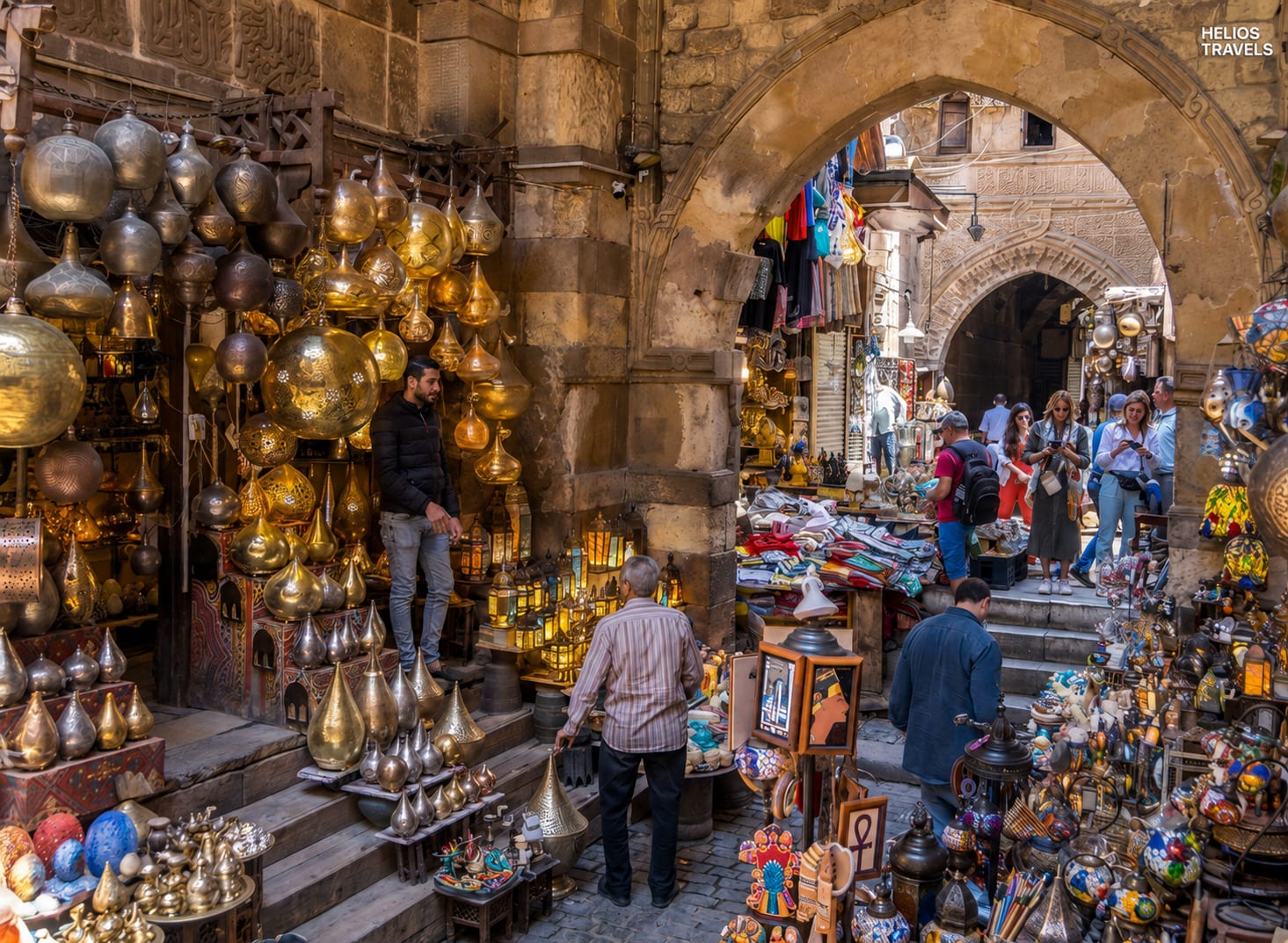
Lanterns and shopfronts in the covered lanes of Khan el-Khalili

Lanterns and shopfronts in the covered lanes of Khan el-Khalili

Practical notes for either version

  • Take your passport. Domestic flights require photo ID, and hotel pick-ups sometimes want it.
  • Eat before the pick-up on a bus day. A 1 am departure means a breakfast box, and you will be hungry long before Giza.
  • Cash for the extras. Pyramid interiors and camera permits are separate everywhere and card machines are unreliable.
  • Private beats group here more than on any other trip. On an eighteen-hour day, waiting for the slowest of forty people at every stop costs you an hour inside the museum.
  • Do not book anything for the next morning. This is the most common planning mistake we see, and after a Cairo bus day it is not a small one.
  • Ask what the itinerary actually contains. "Cairo day trip" covers programmes that differ by hours of content at the same headline price.

What a Cairo day actually contains

"Cairo day trip" covers programmes that differ by hours of content at the same headline price. Read the stop list, not the title.

The standard version is Giza plateau and the Grand Egyptian Museum, with lunch. That is the right first-visit pair and it genuinely fills a day. Anything sold as a day trip that promises more than this by road is either rushing you or counting the drive as sightseeing.

The extended version, which only fits if you flew, adds Saqqara and Dahshur — the step pyramid and the two pyramids where the engineering was worked out — or the Serapeum, or Old Cairo and Khan el-Khalili. These are the stops that turn a famous photograph into an understanding of how the pyramids came to exist at all.

The build-your-own version lets you name the stops. Worth it on a second visit, or if there is one specific thing you came for: the Egyptian Museum at Tahrir, the Citadel, the Hanging Church.

Two questions to ask about any of them. Does the price include entry to the Grand Egyptian Museum, or only the grounds? And are there commission stops — papyrus institutes, perfume shops — in the itinerary? Neither is a dealbreaker, but they explain most of the price gaps between offers that look identical.

The short answer

One day, and money is tight — take the bus, and write off tomorrow.

One day, and you can afford it — fly. For Cairo, unlike Luxor, the plane buys real hours and not just comfort.

Cairo is why you came to Egypt — two days, and stop trying to compress a capital into a single very long night.

Book what you just read about

Tours from this article — private, with a licensed guide, and priced per person.

Related tours you can book