← Back to blog index

Planning · Sep 3, 2026

The best time to visit Egypt, month by month

The north is Mediterranean and the south is Saharan. A month that is lovely in Hurghada can be brutal in Aswan.
Helios Travels Team

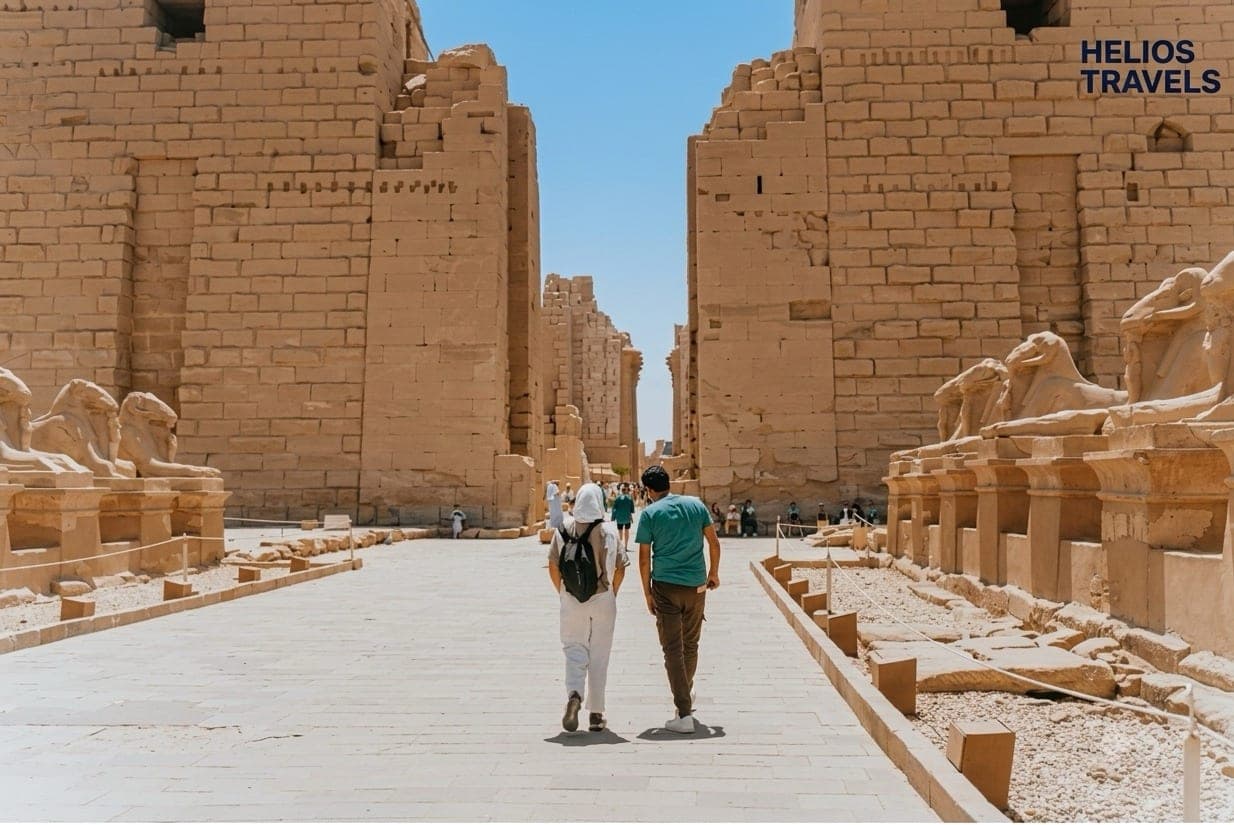
The Great Hypostyle Hall at Karnak Temple in Luxor

Egypt has one of the sharpest travel seasons anywhere. The difference between January and July is not a matter of taste — it is the difference between walking around Karnak in a jumper at nine in the morning and standing in 44 °C wondering why you booked this.

Here is the year, month by month, with the honest version of what each one costs you.
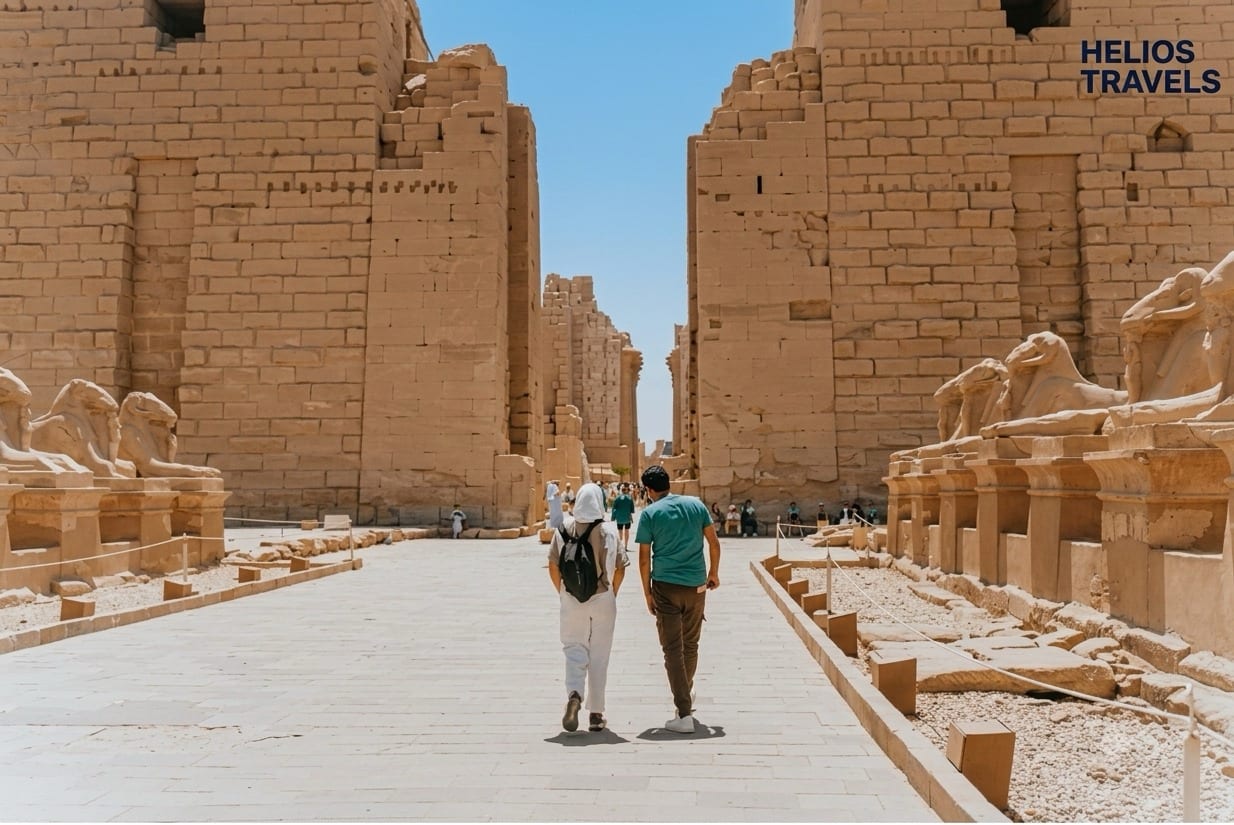
The Great Hypostyle Hall at Karnak Temple, Luxor

The Great Hypostyle Hall at Karnak Temple, Luxor

The short answer

  • Best overall: October, November, March and April. Warm without being punishing, sea still swimmable, sites bearable at midday.
  • Best weather, worst crowds and prices: December and January.
  • Best value: May and September. Hot, quiet, cheaper.
  • Avoid for a round trip: June, July, August — unless you are staying on the coast.

The one rule underneath all of it: the north and the coast are mild; the south is extreme. Cairo and Alexandria are Mediterranean. Luxor and Aswan are Saharan. A month that is delightful in Hurghada can be dangerous in Aswan.

Month by month

January. The coldest month and the busiest. Cairo peaks around 19 °C and drops to single figures at night — genuinely cold in unheated buildings, which most are. Luxor is perfect for sightseeing, in the mid-twenties. Red Sea water is around 22 °C: swimmable, and cold enough that a shorty wetsuit transforms a snorkelling day. Bring a jacket. Everyone is surprised by this and nobody packs for it.

February. As January, warming slightly. The 22nd is the Abu Simbel sun festival, when the dawn light reaches the sanctuary — book far ahead if you want it.

March. One of the best months. Comfortable everywhere, sea warming, gardens in flower. The first khamsin winds can arrive — a hot, dry, dust-carrying wind from the south that can turn the sky yellow for a day or two.

April. Arguably the best month of the year. Warm, long days, sea approaching pleasant, and the winter crowds gone. Khamsin remains possible. Easter and Sham el-Nessim — the ancient Egyptian spring festival, still celebrated by everyone — bring domestic crowds to parks and the coast.
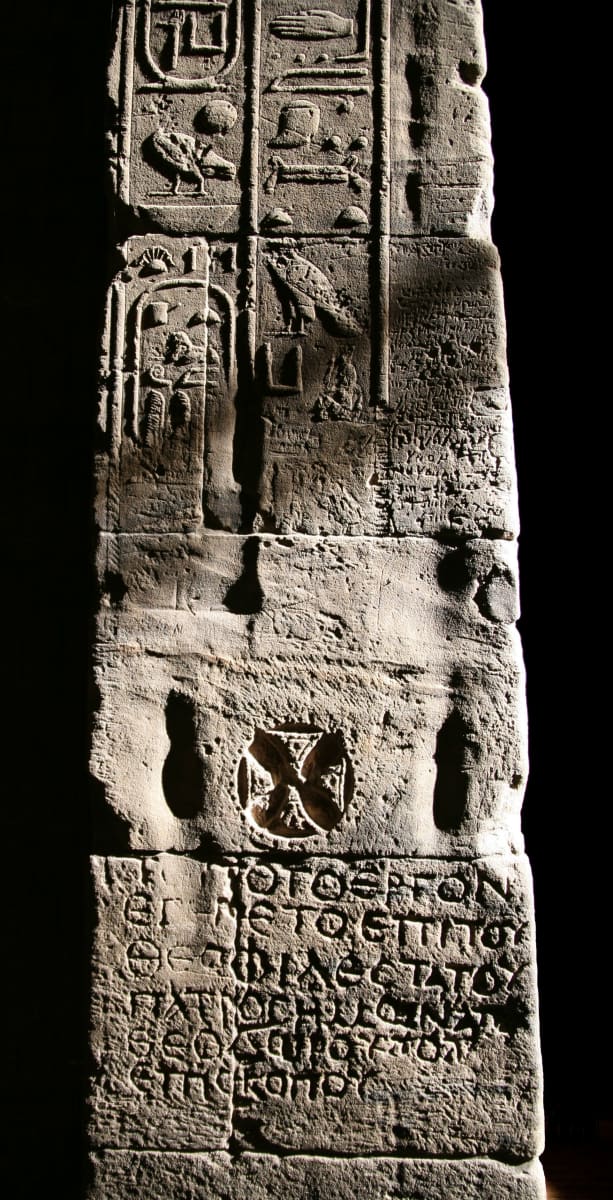
Philae Temple on its island near Aswan

Philae Temple on its island near Aswan

May. The value month. Genuinely hot in the south, over 38 °C in Aswan, but sites are empty and prices drop. Do the south in the early morning and the coast in the afternoon and May is excellent.

June, July, August. Southern Egypt becomes severe: Luxor and Aswan routinely above 40 °C, sometimes into the mid-forties, with no relief until well after dark. The Red Sea coast is a different country — hot but breezy, sea around 28–29 °C, and completely viable for a beach holiday. What does not work is a round trip: standing in the Valley of the Kings at midday in August is not sightseeing, it is endurance. If you must go to Luxor in summer, go by plane, start at dawn, and be back at the hotel by noon.

September. The heat eases in the second half and the sea is at its warmest all year. Excellent value, and the water is the best it will be.

October. Close to perfect. Everything comfortable, sea still warm, crowds returning but not yet dense. The 22nd is the second Abu Simbel sun alignment.

November. Our own pick if pressed. Warm days, cool evenings, sea still fine, sites busy but not overwhelmed, and the light is beautiful — low sun on sandstone all day.

December. Superb weather and the highest prices of the year. Christmas and New Year on the Red Sea and on Nile cruises need booking months out. Nights are cold in the desert; a stargazing safari in December needs a proper coat.
Choosing by what you came for

If you came forGo inAvoid
Temples and tombsNov–MarJun–Aug
Snorkelling and divingSep–NovJan–Feb (cold water)
A Nile cruiseOct–AprJun–Aug
Desert and stargazingOct–MarJun–Aug
Lowest pricesMay, SepDec–Jan
Fewest peopleMay–SepDec–Jan

Sea temperature, which is not the same as air temperature

People pick their month on air temperature and are then surprised by the water. The Red Sea lags the air by about two months — it is coldest in February, not January, and warmest in September, not July.

MonthRed Sea, approx.Snorkelling verdict
Dec–Feb~22 °CFine in a shorty; cold without one
Mar–Apr~23–24 °CComfortable, warming
May–Jun~25–27 °CVery good
Jul–Aug~28–29 °CWarmest; no cooling effect
Sep–Oct~28–29 °CThe best of the year
Nov~26 °CStill excellent

If snorkelling or diving is the main reason you are coming, that table matters more than the air forecast: September to November is the window, with warm water, settled seas and thinning crowds.

The khamsin, and other things the forecast won't tell you

Between roughly March and May, Egypt gets the khamsin — a hot, dry wind out of the Sahara that carries dust. A khamsin day turns the sky a flat yellow-grey, drops visibility, coats everything in fine sand and can push temperatures up sharply in a few hours. It typically lasts a day or two, arrives with little warning, and is the one genuine argument against booking spring if you have exactly one shot at a photograph of the pyramids.

It is not dangerous for most people, but it is miserable if you have asthma or wear contact lenses, and it can delay flights. If you are travelling in April and a khamsin arrives, do the museums that day and save the desert for later in the week.

Two smaller seasonal facts worth having:

  • Winter nights are genuinely cold, especially in the desert and on the Nile. A December stargazing safari or a January cruise cabin with the window open needs a proper coat, not a cardigan.
  • Rain is rare but not impossible. Cairo and Alexandria get occasional heavy winter downpours, and because the drainage is not built for it, a wet day can gridlock the city.

Two things that move independently of the weather

Ramadan. The Islamic calendar is lunar, so Ramadan moves roughly eleven days earlier each Gregorian year — look up the dates for the year you are travelling. Visiting during Ramadan is entirely feasible: sites stay open, sometimes with shortened hours, and the evenings after sunset are among the warmest, most sociable times to be in Egypt. What changes is daytime — some restaurants close until sunset, service is slower in the late afternoon when people are fasting and tired, and eating conspicuously in the street is discourteous.

Egyptian school and public holidays. Sham el-Nessim in spring, Eid al-Fitr at the end of Ramadan, and Eid al-Adha fill domestic beaches and parks and make internal flights scarce. They do not spoil a trip, but they are worth knowing about before you assume a quiet weekend on the coast.

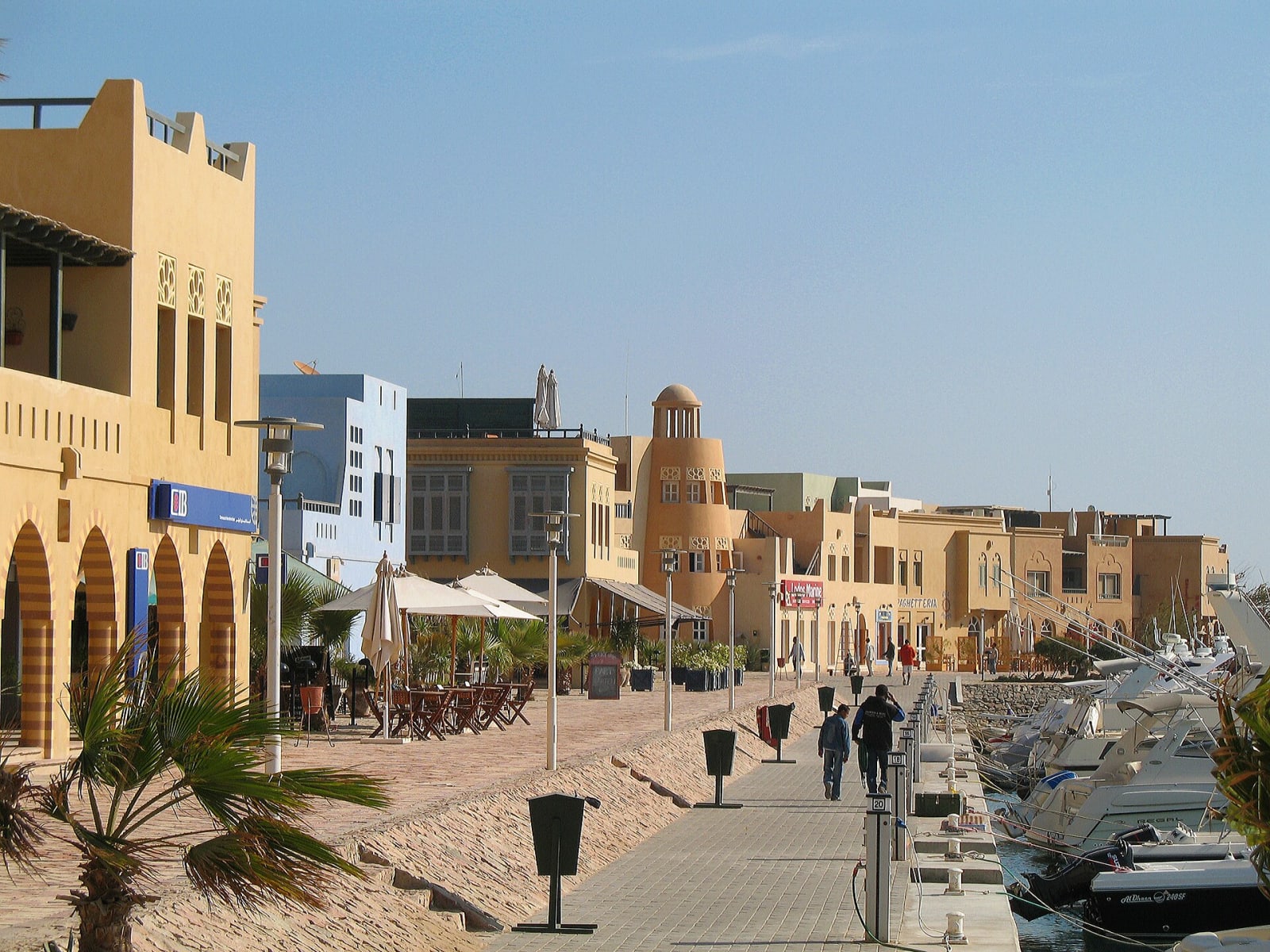
The waterfront at Hurghada on the Red Sea coast

The waterfront at Hurghada on the Red Sea coast

What to do about the heat if you have no choice

Sometimes the dates are fixed by school holidays and you are going to Egypt in July. It is manageable, and the strategy is always the same:

  • Front-load the day. Sites open early. Be there at opening and finish by eleven.
  • Write off the middle of the day. Pool, shade, sleep. This is what Egyptians do and it is not laziness.
  • Move again after four. The light is better anyway.
  • Fly rather than drive for Luxor and Cairo — eight hours in a vehicle in summer is punishing even with air conditioning.
  • Drink far more than feels necessary, and add salt. Dehydration in dry heat sneaks up because you never feel sweaty.
  • Base yourself on the coast. The sea breeze makes Hurghada twenty degrees more pleasant than Luxor at the same hour.

Do that, and a summer trip works. Ignore it, and August in Upper Egypt will beat you.