
Remote oasis of palm groves and the Oracle of Amun
Siwa Oasis
Typical visit: 5 h
A far-flung oasis near the Libyan border, famed for salt lakes, palm groves and the ancient Oracle of Amun.
Photos
About
The most remote and most distinctive of Egypt's oases, 560 kilometres from Cairo and close to the Libyan border. Siwa is a genuine cultural island: the language spoken here is Siwi, a Berber language unrelated to Arabic, and the customs, dress and architecture belong to North Africa rather than the Nile valley.
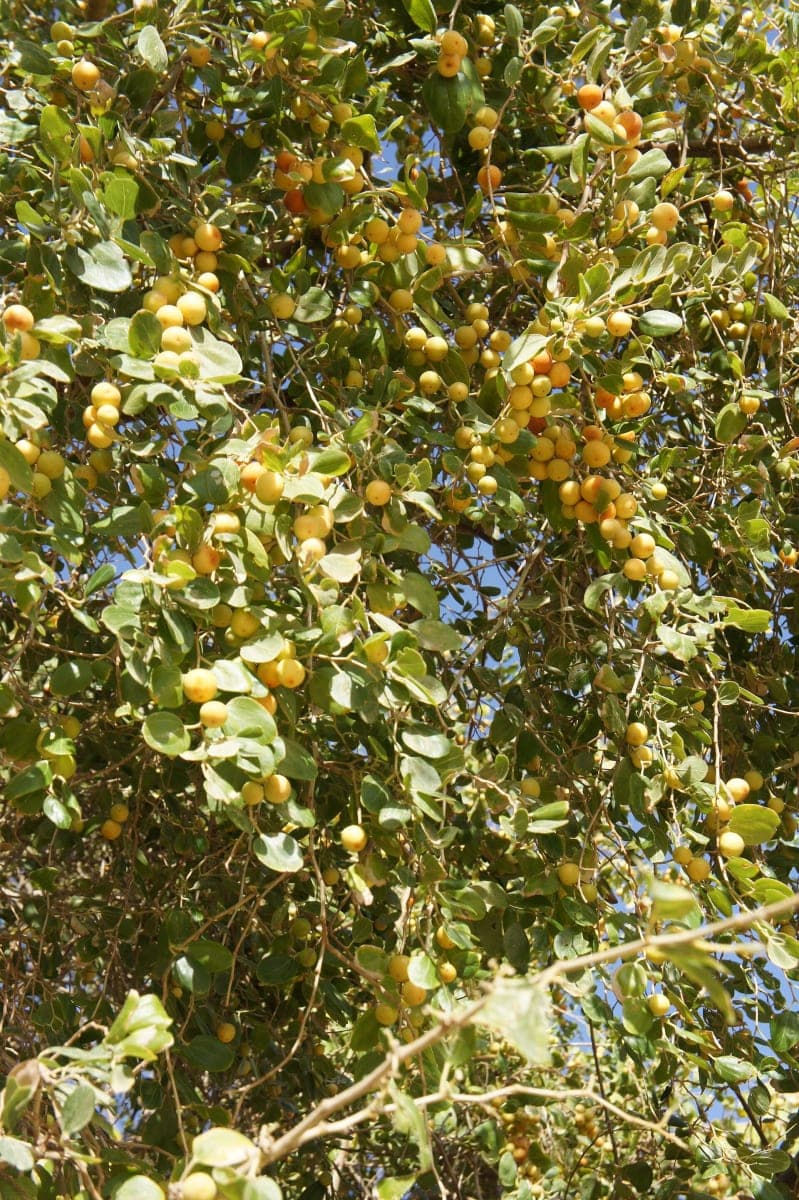
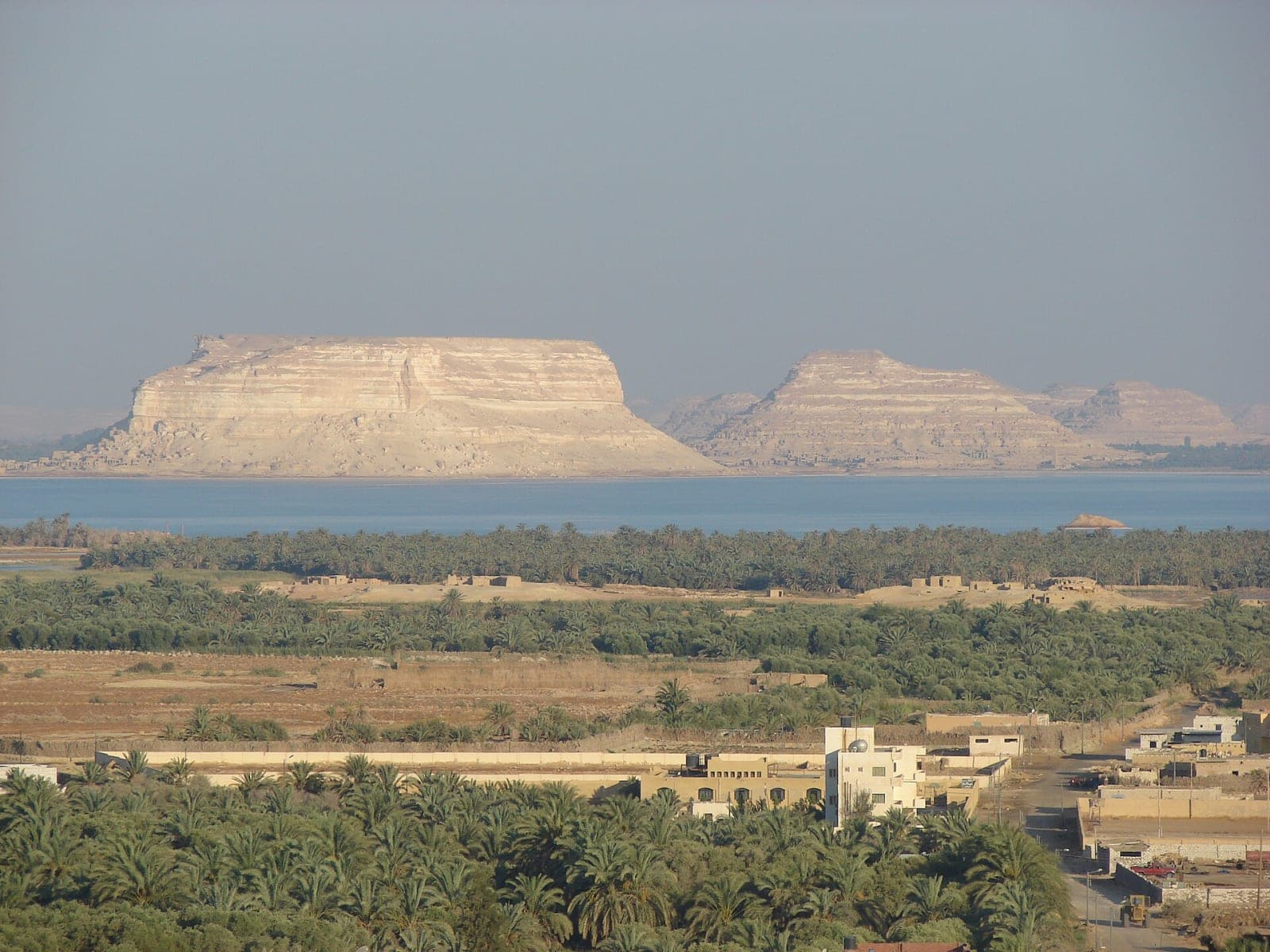
The town sits among an estimated three hundred thousand palms and seventy thousand olive trees, fed by more than two hundred springs, in a depression well below sea level.
What to see
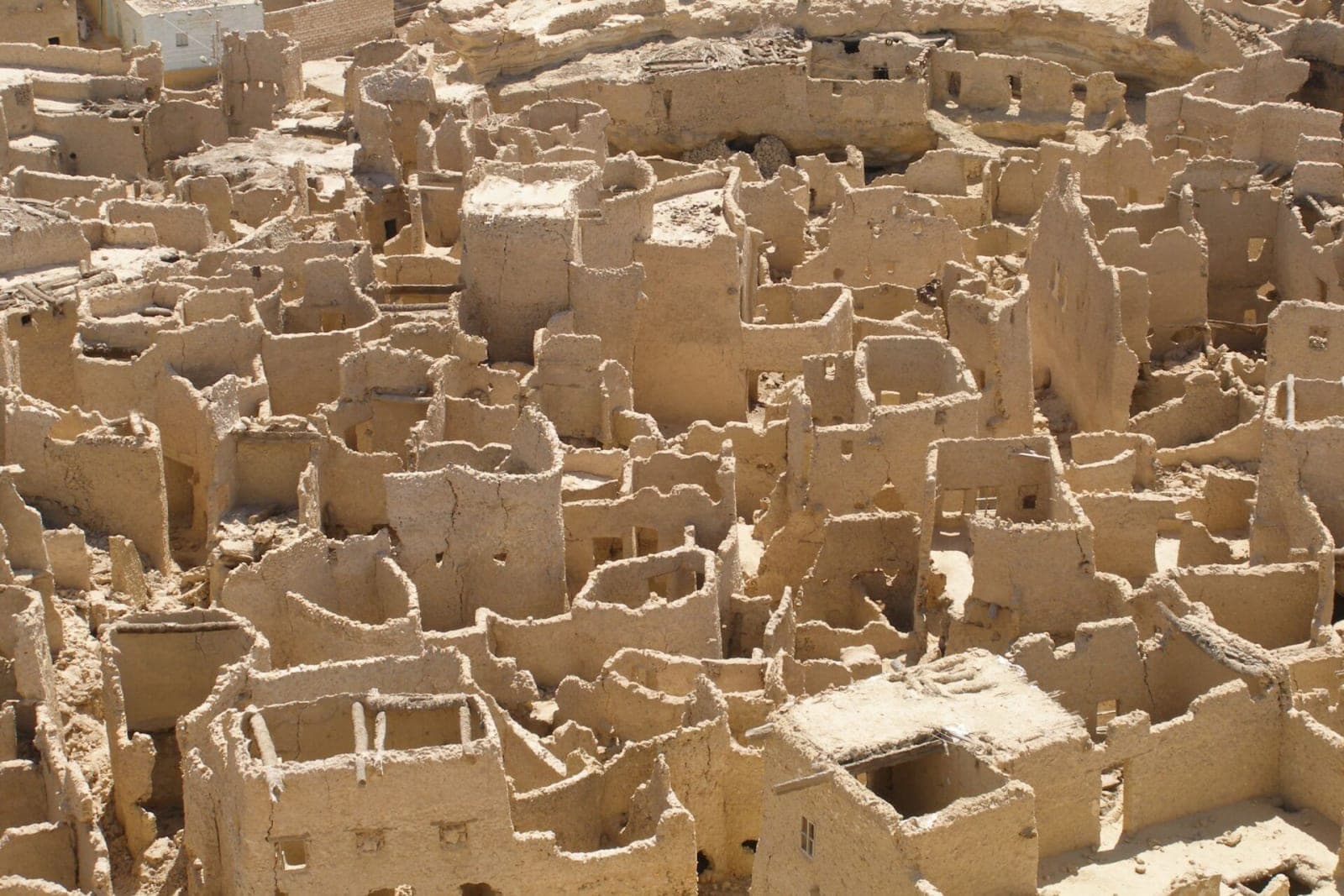
- The Shali fortress — a collapsing mudbrick citadel rising over the town, still climbable, best at sunset
- The Temple of the Oracle at Aghurmi, on its own rock
- Gebel al-Mawta, the Mountain of the Dead, honeycombed with painted rock tombs
- Cleopatra's Bath, a stone-lined spring pool, and Fatnas Island for sunset over the salt lake
- The salt lakes, extraordinarily buoyant and startlingly blue
Before you go
Siwa is conservative — considerably more so than the coast. Dress modestly, ask before photographing people, and be aware that separate bathing arrangements apply at most springs. It is a long drive from anywhere; most visitors come via Marsa Matruh.
History & background
Siwa's fame in antiquity rested on its oracle. The temple of Amun here was one of the most respected in the ancient world, consulted by Greeks as readily as by Egyptians, and its remoteness seems only to have added to its authority.
Alexander's detour
In 331 BCE, having taken Egypt and founded Alexandria, Alexander the Great made an unexplained journey across the desert to consult it. The march nearly killed his party; the sources describe a sandstorm, lost bearings, and — depending on the account — ravens or snakes that guided them to the oasis.
What the oracle told him is unknown. He entered the sanctuary alone and never disclosed the answer, saying only that he was satisfied. What followed is not disputed: from that point Alexander presented himself as a son of Amun, a claim that shaped how he was depicted and worshipped for the rest of his life. Some ancient writers believed he asked to be buried here.
The fortress that melted
Shali was built in the 13th century from karshif — blocks of salt-rich mud cut from the lake beds. It is an excellent material in a place that never rains, and a catastrophic one when it does. Three days of rain in 1926 dissolved much of the town, and the inhabitants moved down to new houses on the flat. The ruin above is what was left standing.
A separate people
Siwa has been Egyptian territory throughout, but its isolation preserved a distinct society — Berber-speaking, organised by clan, with its own laws, crafts, silverwork and a much-studied body of custom. A paved road to the coast was only completed in the 1980s, and much of what makes Siwa unusual survived precisely because getting there was so hard.
Design your own day-by-day schedule
Pick how many days you have, add attractions per day, and see average activity and travel times between cities.
See it with
Places that carry the same story forward, or sit close enough to take in the same day.
Tours that include this attraction
Book a ready-made tour or use the designer above to build your own plan.
No matching tours yet — contact us for a custom itinerary.