
Cairo & White Desert · 7 days
$1,150From $920 / person-20% Summer7 daysIncludes 45 min at this sight
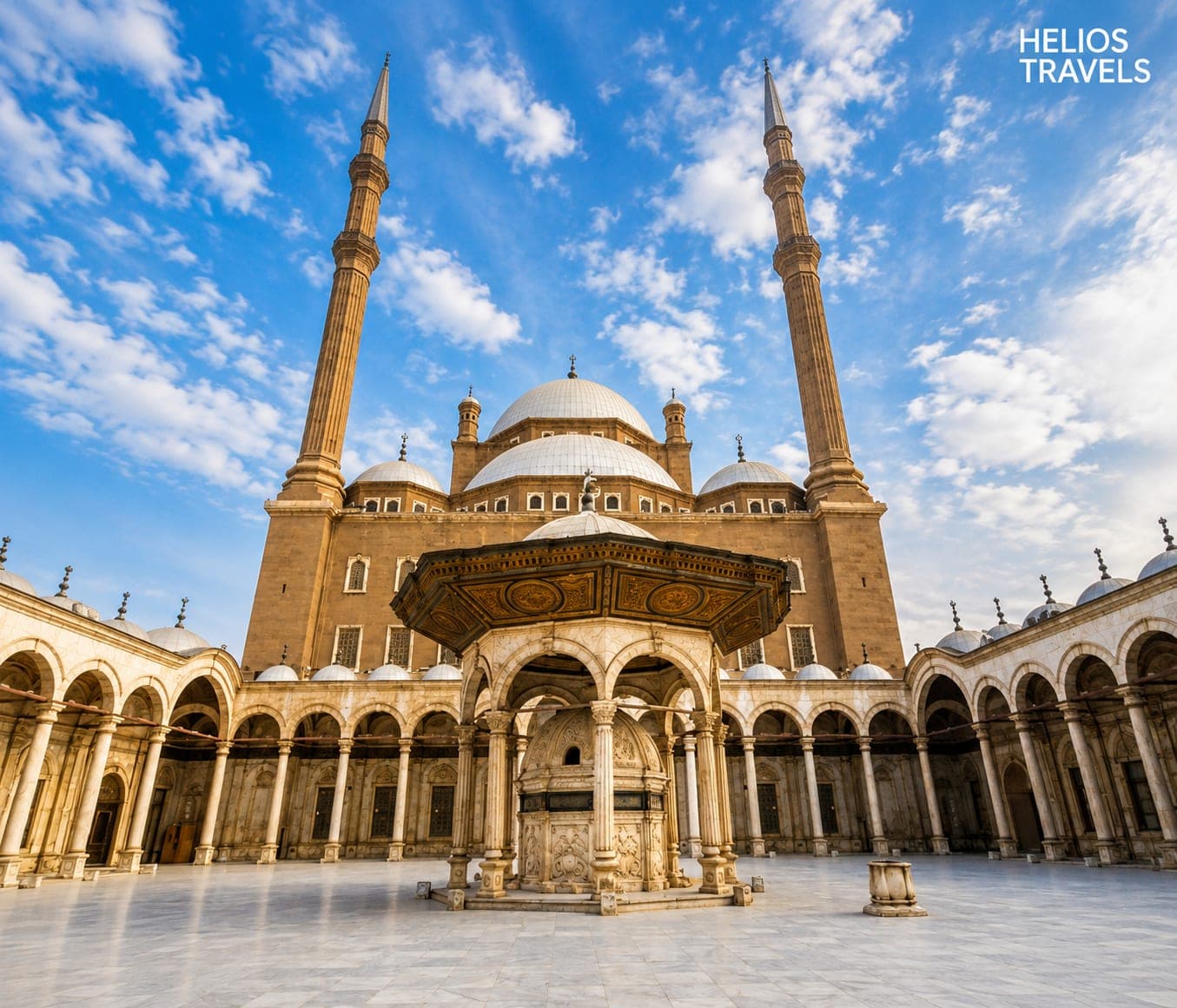
Ottoman mosque crowning the Citadel
Typical visit: 45 min
Period: 1830 · Ottoman
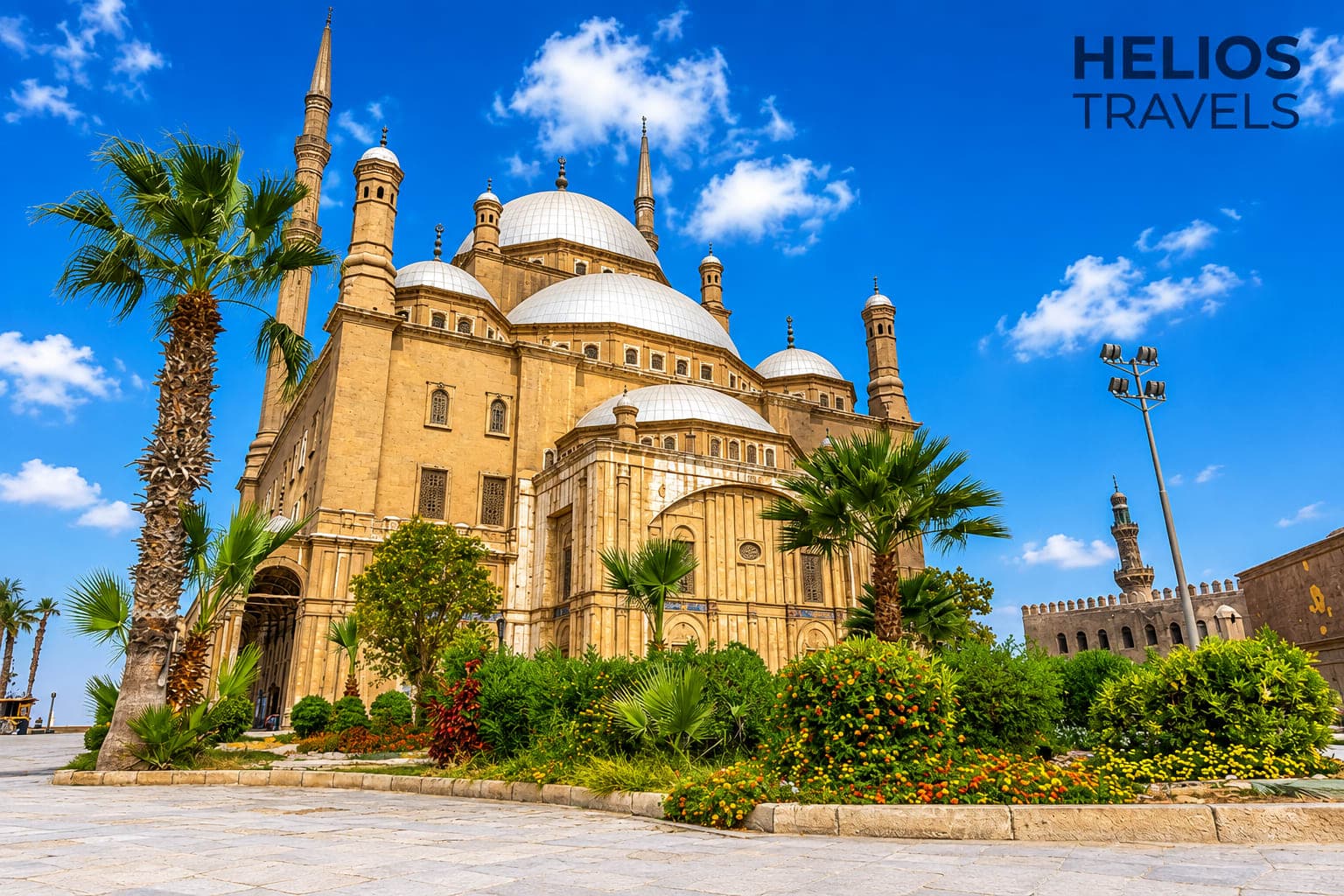
The alabaster-clad Ottoman mosque whose domes and twin minarets crown Cairo's Citadel.


The mosque that gives Cairo its skyline. Muhammad Ali built it on the highest point of the Citadel between 1830 and 1848, in the Ottoman imperial manner rather than the local Mamluk one — a great central dome ringed by half-domes, and two pencil-thin minarets over eighty metres tall, a shape borrowed from Istanbul and entirely new to Egypt.
The lower walls are faced in pale alabaster from Beni Suef, which is where the popular name comes from. Inside, the effect is a single vast unbroken space hung with hundreds of small lamps in concentric rings; there are no piers to interrupt it, and sound carries the whole width of the room.
An ornate iron clock stands in a gilded tower on the western side — a gift from King Louis-Philippe of France in 1845, given in exchange for the Luxor obelisk that now stands in the Place de la Concorde. It was damaged on delivery and has, by most accounts, never kept time since. Egyptians have been making the same joke about the trade ever since.
Muhammad Ali came to Egypt as an Ottoman officer and left it the founder of a dynasty. He built this mosque partly as a memorial to his son Tusun, who died young, and partly as a statement: the architecture points at Istanbul, not at the Mamluk city below, and it was raised on the Citadel where everyone in Cairo would have to look at it.
He is buried inside, in a white marble tomb behind a bronze screen on the right of the entrance.
To clear the site he demolished what was left of the Mamluk palaces on the summit, including buildings that had stood since the 14th century. It was the same instinct that shaped the rest of his rule — modernise fast, and do not preserve what stands in the way.
The mosque was structurally flawed almost from the start. Cracks appeared in the domes within decades, and a major restoration in the 1930s under King Fuad required the interior decoration to be taken down and rebuilt. What you see overhead is largely that reconstruction, following the original scheme.
Pick how many days you have, add attractions per day, and see average activity and travel times between cities.
Places that carry the same story forward, or sit close enough to take in the same day.
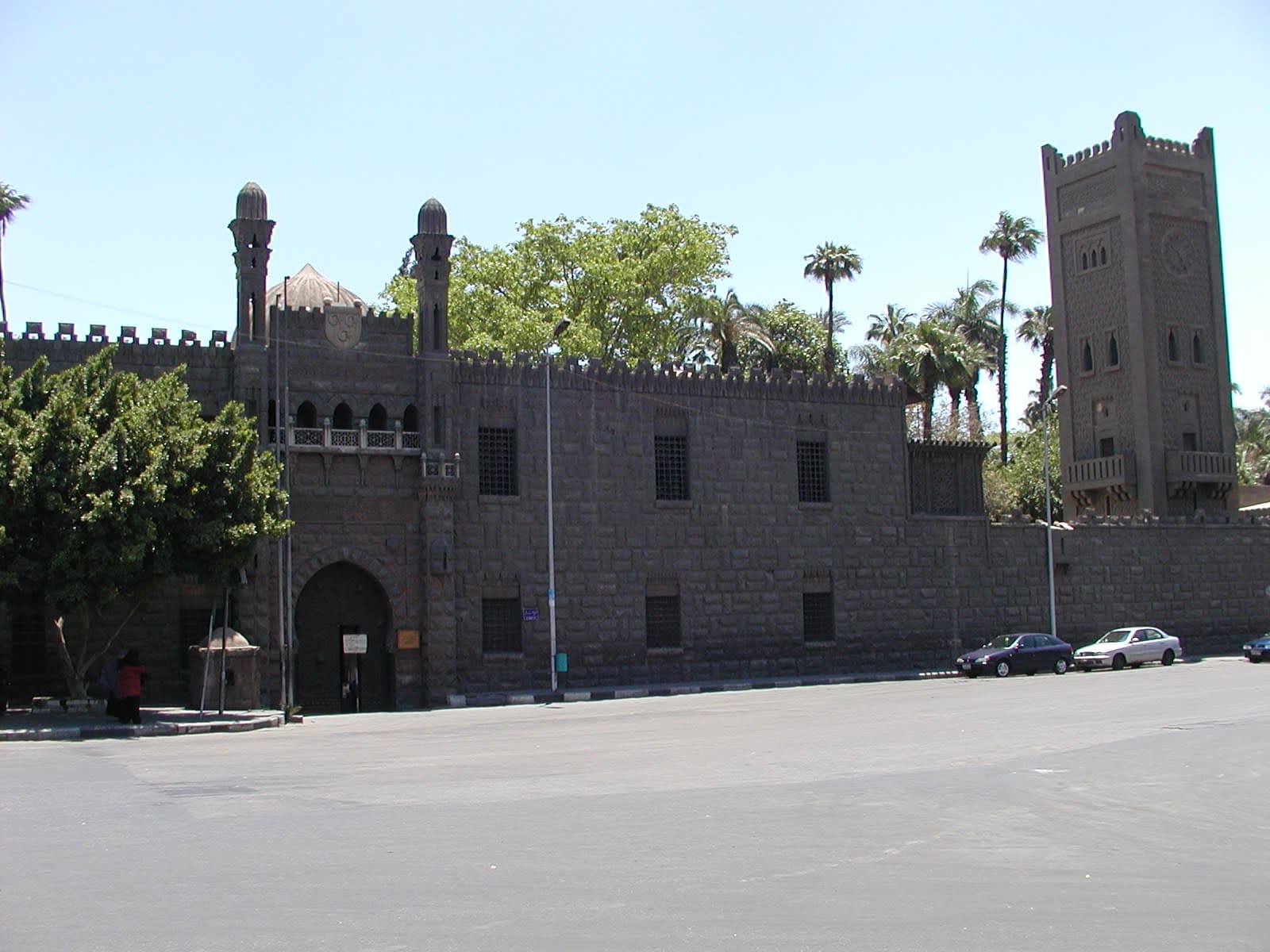
1901 · Khedivial
3 km away
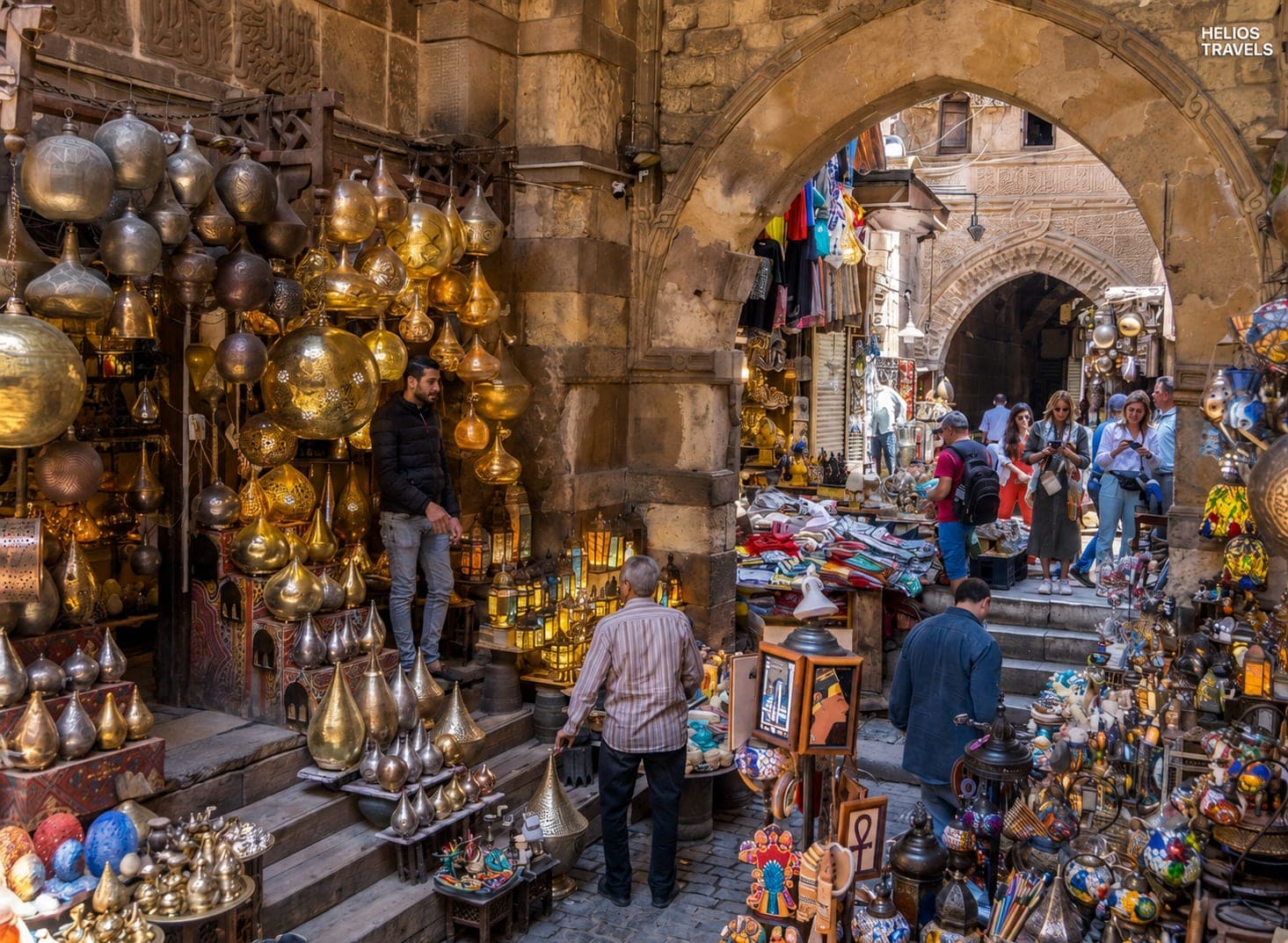
1382 · Mamluk
2 km away
1176 · Ayyubid
0 km away
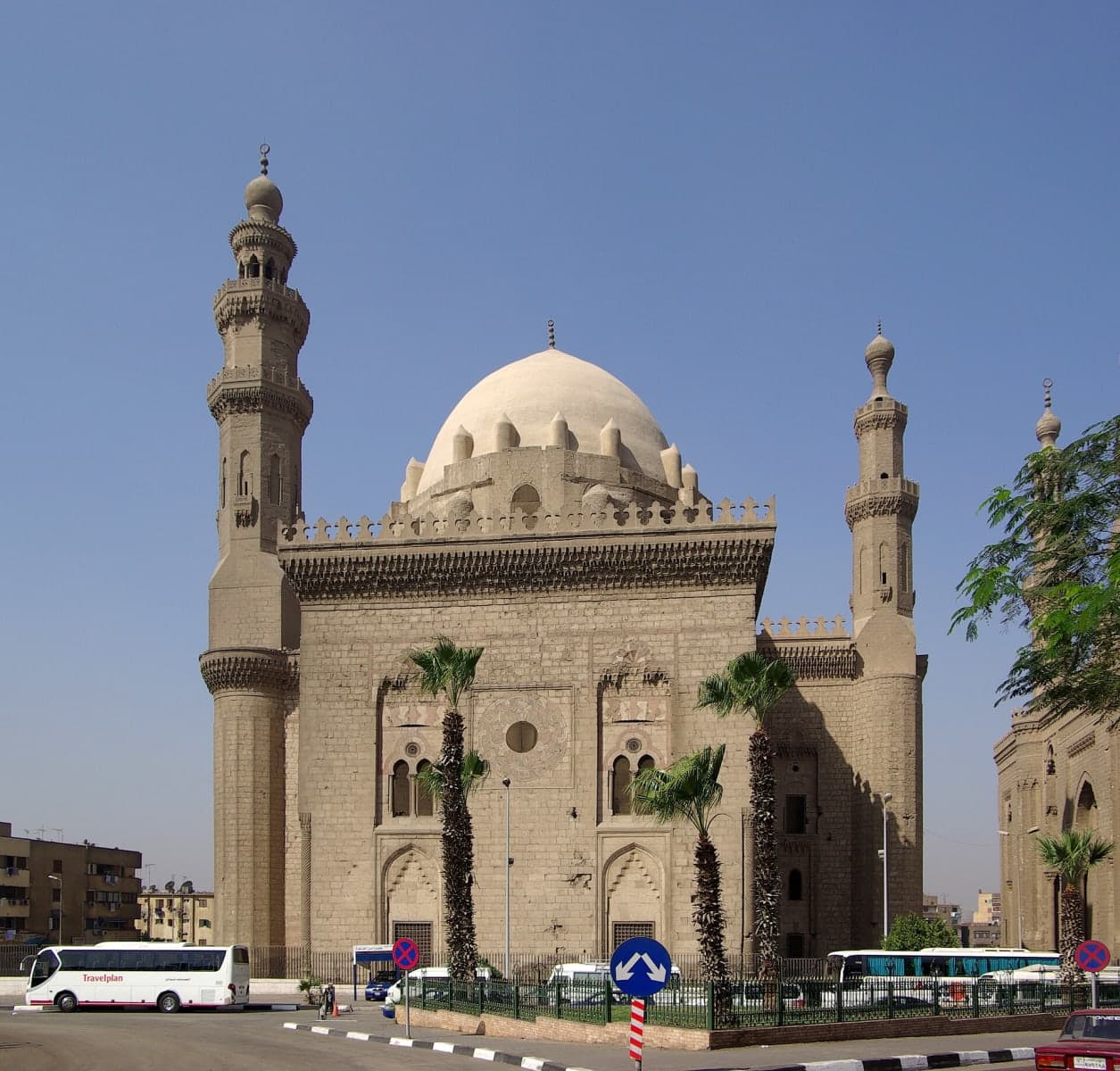
1356 · Mamluk
0 km away
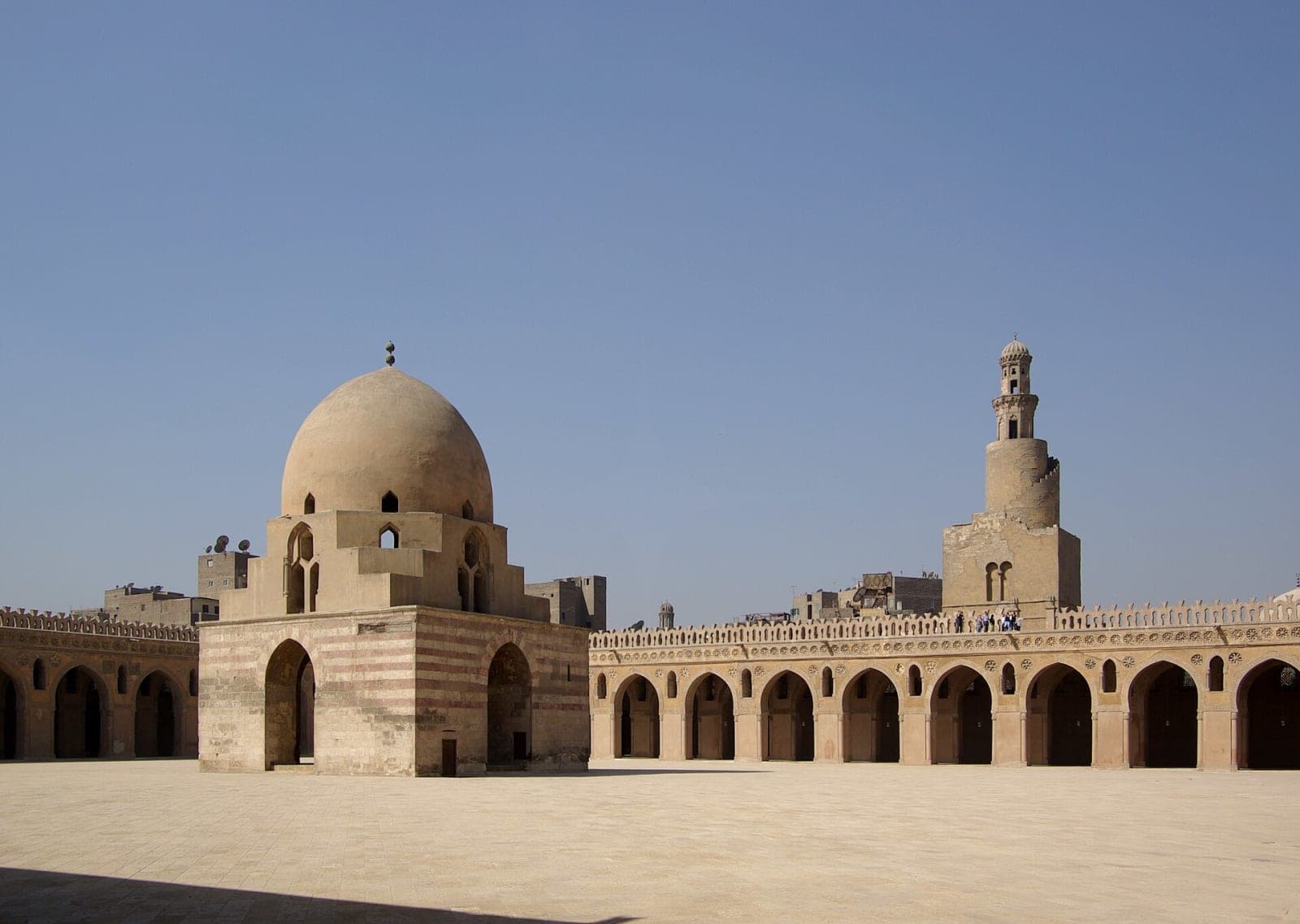
AD 879 · Tulunid
1 km away
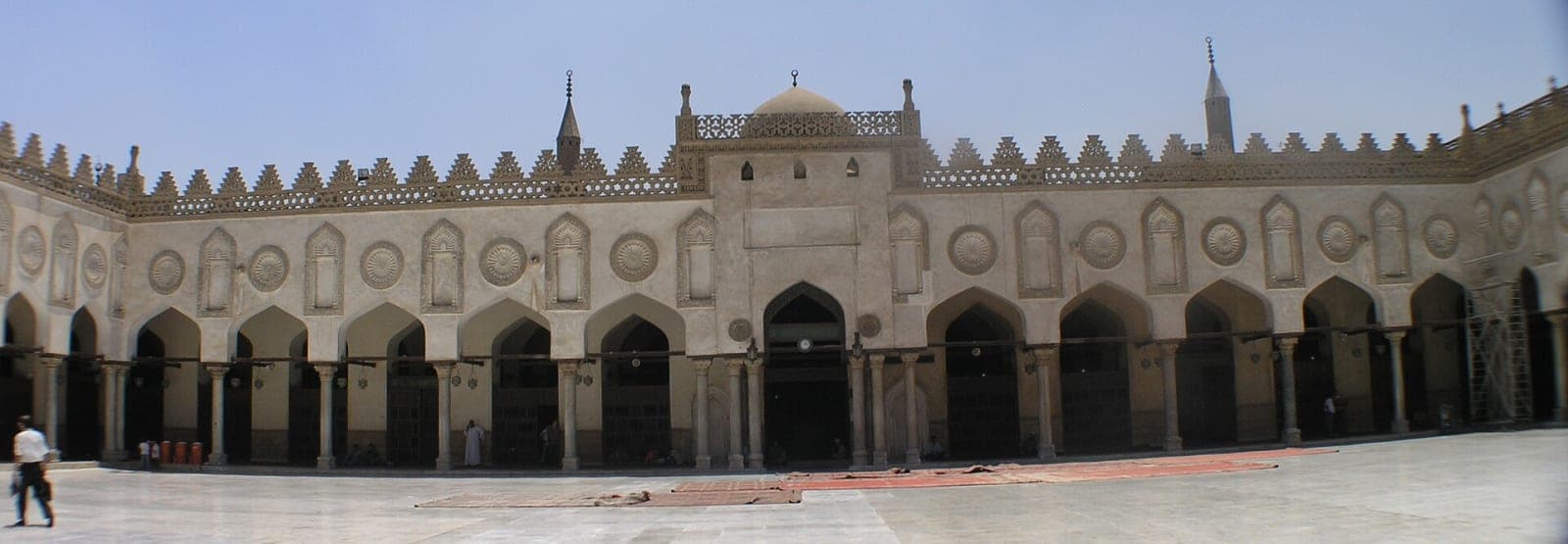
AD 970 · Fatimid
2 km away
Book a ready-made tour or use the designer above to build your own plan.
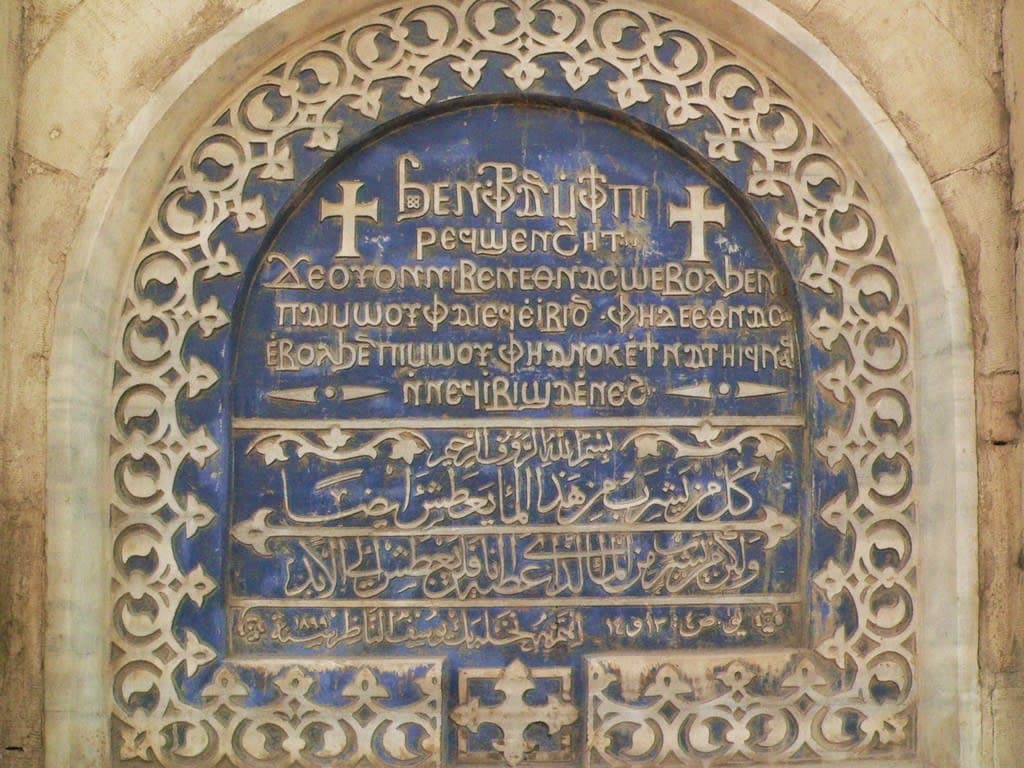

Hand-picked tours our guests love — top quality at reasonable prices, curated by Helios for your Egypt trip.