
Red Sea · Sep 3, 2026
Snorkelling in Hurghada: which reef suits which swimmer
The Red Sea reefs off Hurghada are not interchangeable. Sort by how you swim, not by what the poster shows.
Helios Travels Team
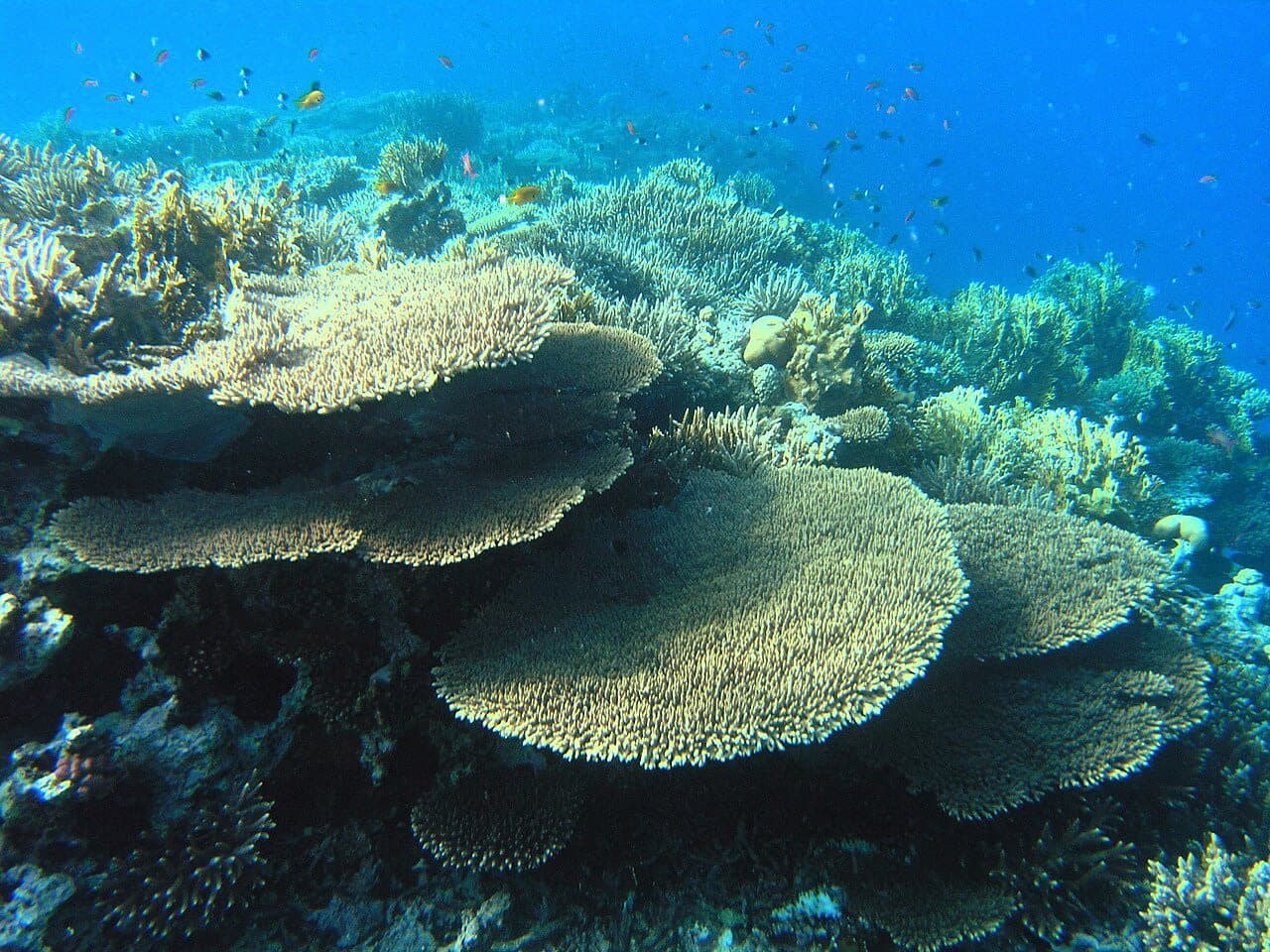
Almost every hotel in Hurghada will sell you "a snorkelling trip". They are not the same trip. The reefs differ in depth, in current, in how far you swim from the boat, and in how much of the day is actually spent in the water rather than on a sun lounger.
This is the sorting guide: which Red Sea reef suits which kind of swimmer, and what you will see when you put your face in.
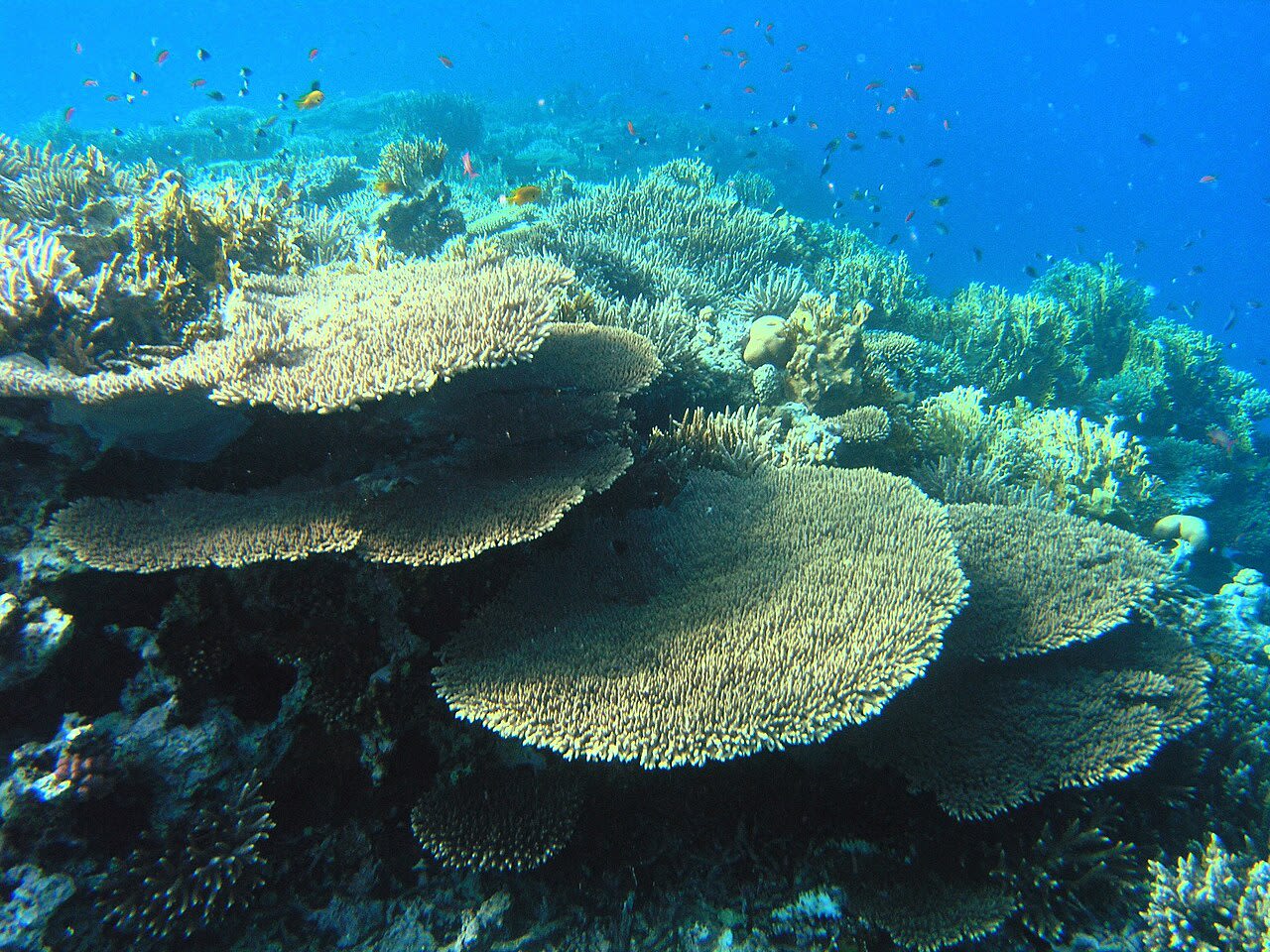
Hard coral and reef fish in the shallows off Hurghada
Why the Red Sea is worth the flight
The Red Sea is a young, narrow, almost enclosed sea, warm from top to bottom and fed by very little river silt. That combination produces water clarity you rarely get elsewhere and a reef system with over a thousand fish species — a substantial share of them found nowhere else on earth.
Practically, it means two things. Visibility is routinely twenty metres or more, so you see the reef as a landscape rather than a blur. And the water stays swimmable all year: roughly 22 °C in the depth of winter, closer to 29 °C in late summer. In January you will want a shorty wetsuit. In August you will not.
Start here: how confident a swimmer are you?
This is the question that decides the trip, and the one nobody asks you at the hotel desk.
- Nervous, or you haven't swum in years. You want a sandbank — somewhere you can stand up. Reef that starts in waist-deep water, no current, boat moored close.
- Comfortable but not strong. A protected bay. You swim out twenty or thirty metres over a shelf, and there is always something under you.
- Strong, and you want the good stuff. Offshore reefs and drop-offs, where the coral wall falls away into blue and the big schools hang in the current.
Being honest about this is the single biggest predictor of whether you enjoy the day. A confident swimmer on a sandbank is bored by eleven. A nervous swimmer on a drop-off spends the day gripping the ladder.
The sandbank reefs — for beginners and families
Nemo Island and Hula Hula Island are the two we send families to. Both are shallow sandbars with reef along one edge: you walk in from the sand, and the coral heads start where the water is still chest-deep. The fish are used to people, so the anemones with their clownfish — the reason for the nickname — are two metres from shore rather than out in the blue.
Eden Island is the quiet version of the same idea: a sandbar, a reef edge, and noticeably fewer boats than the headline islands.
What you give up: these are not the most spectacular reefs in the Red Sea. What you get: children who are still snorkelling at four in the afternoon instead of crying at ten in the morning.
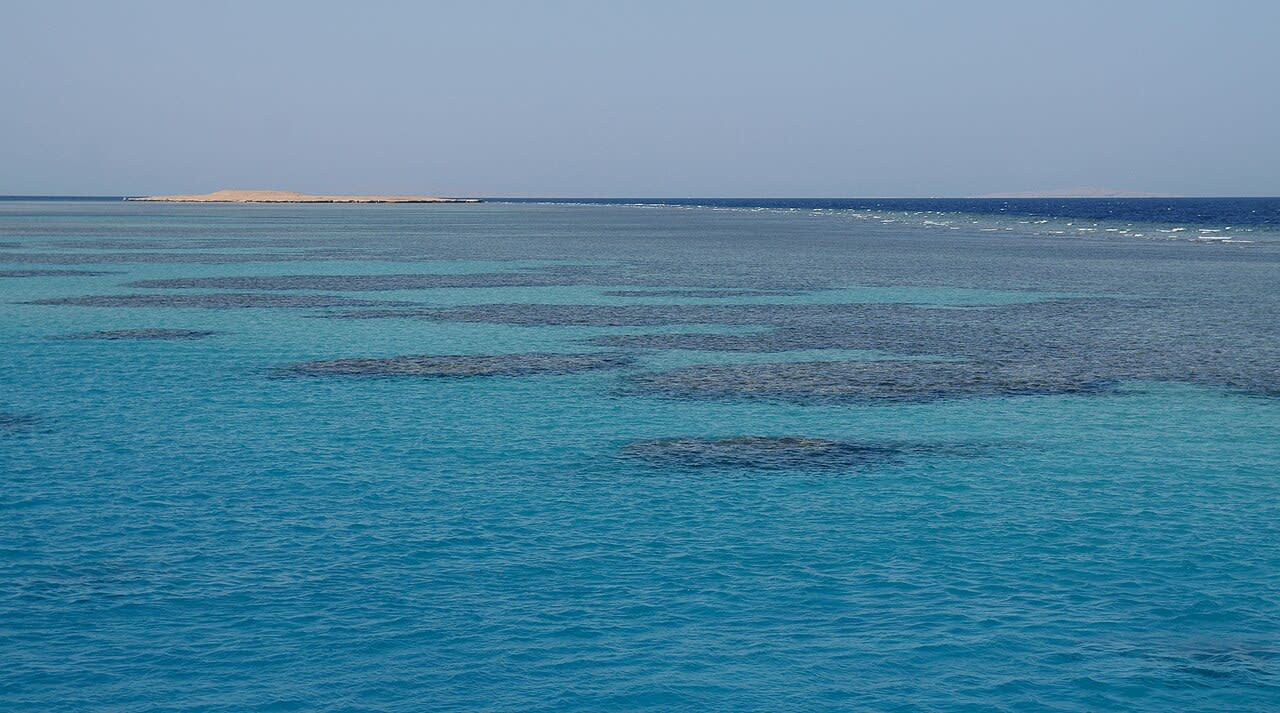
Shallow reef edge along a Red Sea sandbar — coral within standing depth
The protected bays — the best all-rounder
Sharm El Naga is the one we recommend most often, and it is the one most visitors have never heard of. It is a bay south of Hurghada with a genuine house reef running along the shore and a small wreck within snorkelling reach. You enter from the beach. There is no boat transfer eating the middle of the day, no waiting for a tender, no queue at the ladder.
For anyone who wants real reef without a boat programme built around it, this is the trip.
The offshore reefs — for confident swimmers
Out at the Giftun reefs and the outer marine-park sites, the coral stops being a garden and becomes architecture: walls, overhangs, canyons of fire coral, and schools of anthias so dense they change the colour of the water.
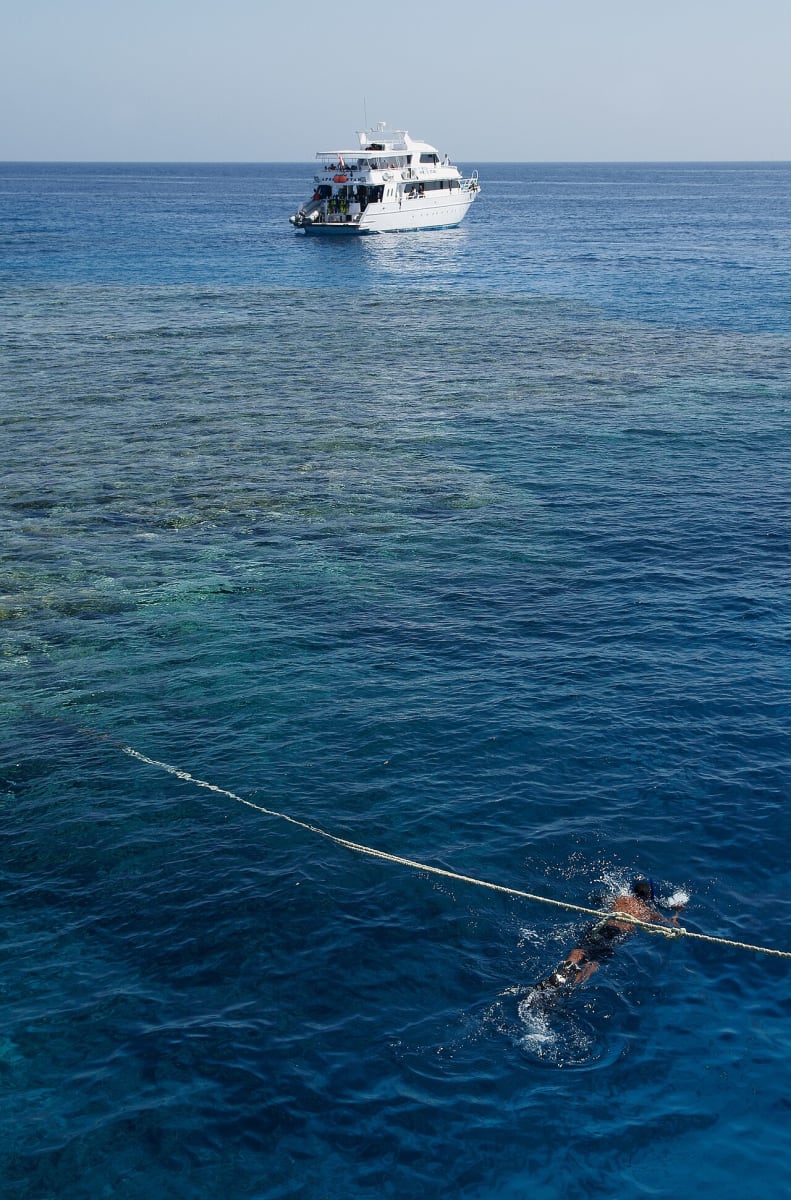
These sites are reached by boat and you enter from the ladder into water thirty metres deep. There is nothing under you. If that sentence made you uncomfortable, book a bay instead — that reaction is information, not a failure.
The reef wall off Giftun Island, dropping away into deep blue water
What you will actually see
Set your expectations at "consistently beautiful" rather than "documentary". On an ordinary day at an ordinary Hurghada reef you can expect:
- Clownfish in their anemones, in the shallows, guaranteed.
- Parrotfish, audibly crunching the coral — you hear them before you see them.
- Butterflyfish and angelfish, usually in pairs, in the coral heads.
- Anthias, thousands of them, hovering over the reef in an orange cloud.
- Blue-spotted stingrays resting on the sand at the reef edge.
- Moray eels, if you look properly into the crevices.
Turtles are a possibility rather than a promise on most Hurghada reefs — for a near-reliable turtle encounter you go south, to Abu Dabbab in Marsa Alam, which is a long day but a different league of wildlife.
Six things that ruin snorkelling days, and how to avoid them
- A leaking mask. Fit it before the boat, not on the boat. Press it to your face without the strap and breathe in through your nose — it should hold on its own. Beards leak. There is no fixing that at sea.
- Sunburn on your back. The single most common injury on a snorkelling day. You float face-down for an hour in cool water and feel nothing happening. Wear a rash vest or a t-shirt. This is not optional advice.
- Standing on coral. It kills the coral and cuts you, and fire coral leaves a welt that lasts days. Never stand on the reef. If you need to rest, roll onto your back and float.
- Reef-toxic sunscreen. Oxybenzone and octinoxate bleach coral. A rash vest solves the same problem with no chemistry.
- The wrong boat. A big group boat means a queue at the ladder and forty people on one coral head. If the reef matters more to you than the price, take a small or private boat.
- Booking the day you arrive. Jet lag plus sun plus salt water is a bad combination. Give it a day.
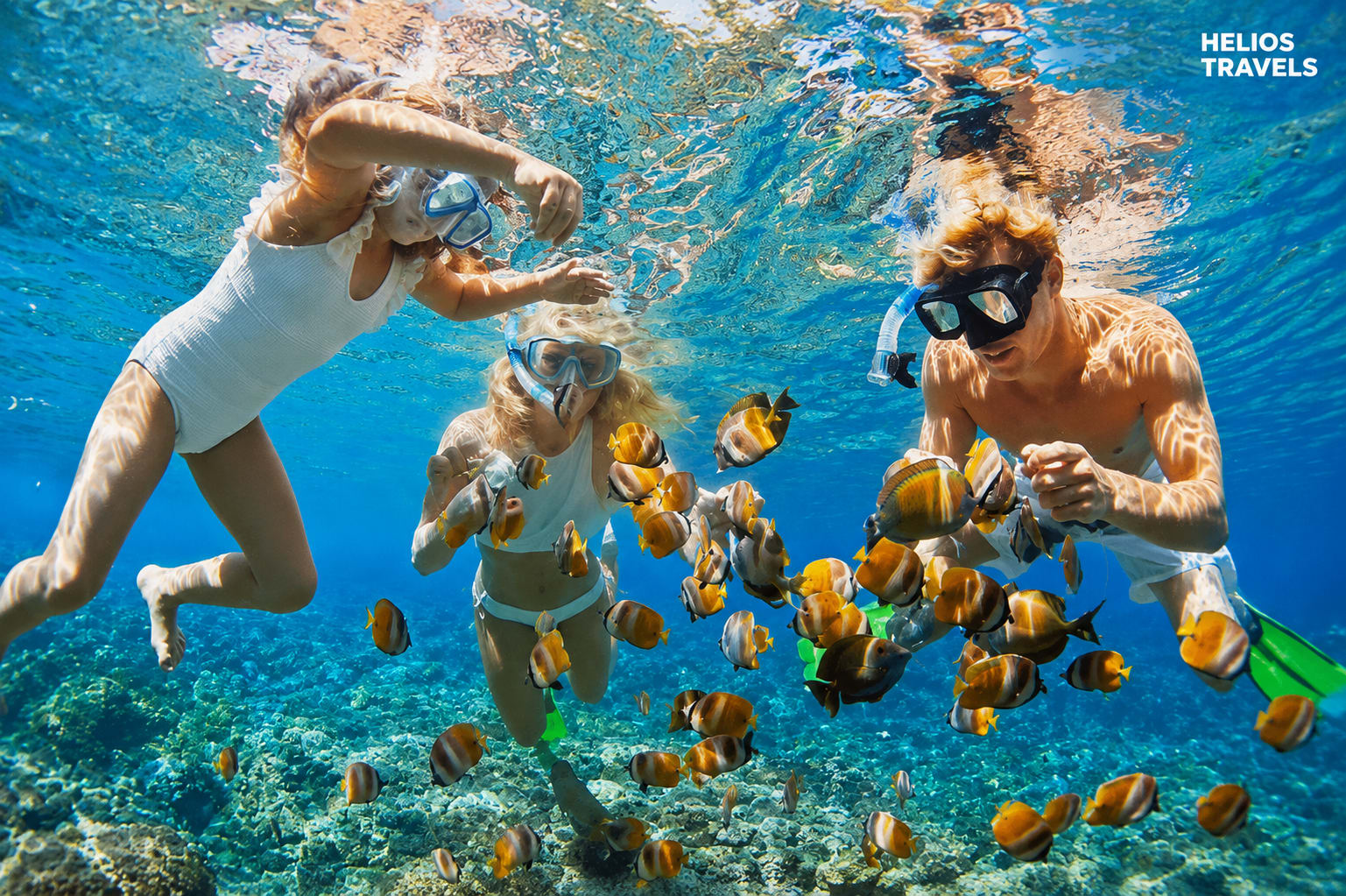
Snorkeller above a coral head in clear Red Sea water
Which trip, in one line each
- Nervous swimmers, small children — Nemo Island or Hula Hula: shallow, standable, calm.
- Want reef without a boat day — Sharm El Naga: house reef straight off the beach.
- Quiet day, decent reef — Eden Island: the sandbar without the crowd.
- Confident swimmers who came for the coral — the Giftun reefs, ideally by private boat.
- Turtles specifically — Abu Dabbab, and accept the drive.
Whatever you pick, go early. The wind gets up in the afternoon on this coast, the water surface roughens, and the light stops reaching the coral. The best hour of any snorkelling day in Hurghada is the first one.