
Nile & Luxor · Sep 3, 2026
One day in Luxor or two? An honest answer
"Two is better" is not advice. When one day is genuinely enough, and the five specific things the second day buys.
Helios Travels Team
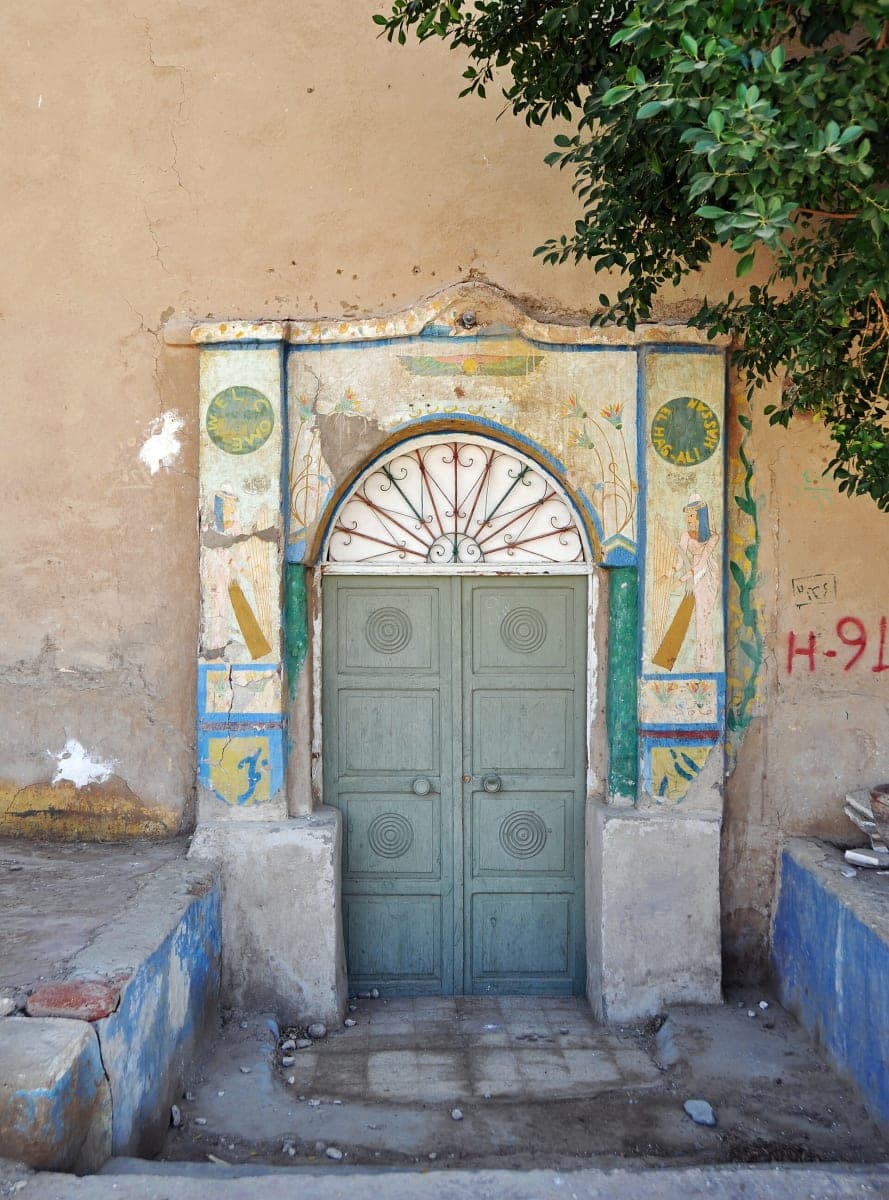
Every guide says two days in Luxor is better than one. Of course it is — more time is better than less time, and that is not advice.
The useful questions are narrower: when is one day genuinely enough, and what specifically does the second day buy? Both have concrete answers.
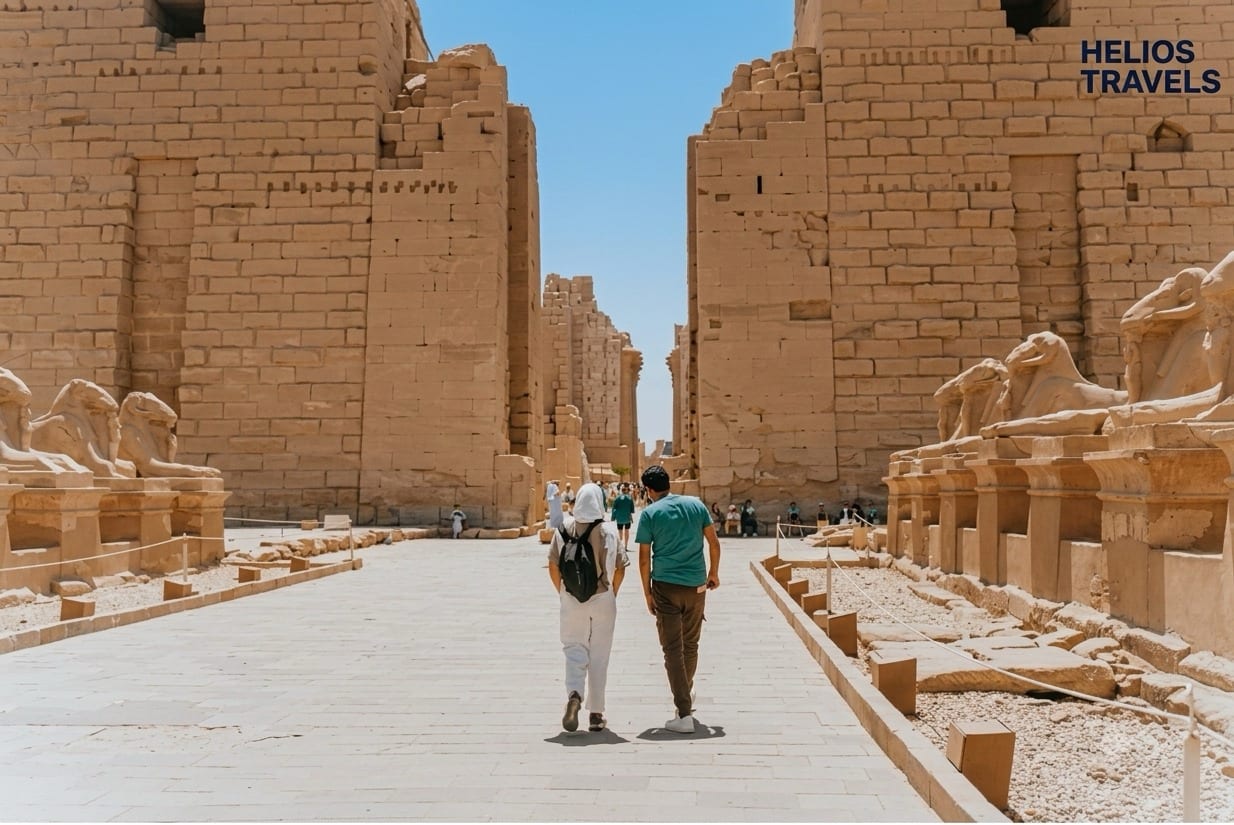
The Great Hypostyle Hall at Karnak, the fixed point of any Luxor visit
When one day is genuinely enough
Ignore the guilt. A single day in Luxor is the right answer if:
- You want the headline sights and no more. Karnak and the Valley of the Kings in one day is a real, complete experience. Millions of people have done exactly that and gone home satisfied, and the fact that more exists does not diminish what you saw.
- You are on a beach holiday with one free day. Trying to carve two days out of a seven-night Red Sea break costs you a third of the holiday.
- Someone in the party has limited stamina. Two consecutive days of temples in that heat is harder than one long day plus a rest.
- It is your first visit and you are not sure Egyptology is for you. Find out on one day. If it grips you, come back — and the people who come back are the ones who plan the second trip properly.
What one day cannot be is relaxed. It is Karnak, the Valley of the Kings, one more west bank site, lunch, and a long journey either side. That is a full, satisfying, tiring day.
What the second day actually buys
Not "more temples". Five specific things, none of which fit into a day trip:
1. Dawn on the west bank. This is the big one. The Valley of the Kings at opening is fifteen degrees cooler and nearly empty; the same valley at eleven, when the day-trip coaches have arrived, is hot and queued. It is not a marginally better visit — it is a different place. A day trip from the Red Sea cannot deliver this, because you are still on the road at dawn.
2. Luxor Temple after dark. Lit, in the middle of a living city, with the day's heat gone. It is the single most atmospheric hour in Luxor and it is almost never on a day-trip itinerary because everyone has left by then.
3. The balloon. Launches before sunrise, so it requires having slept in Luxor. Forty-five minutes over the west bank as the light arrives on the temples.
4. The quiet west bank. Medinet Habu with its colour still on the ceilings, the Valley of the Queens, Deir el-Medina where the tomb-builders lived. On one day these lose to the famous sites; on two days you get both.
5. An evening. The corniche after sunset, when Luxor stops being a monument site and goes back to being a town of half a million people. This is worth more than another temple.

Luxor Temple illuminated after dark in the middle of the city
The two-day plan
Day one, arriving. Travel over in the morning. Karnak in the afternoon, when the coaches have gone and the light is warm — two hours, properly. Check in, rest through the worst of the heat. Luxor Temple after dark, then dinner on the east bank.
Day two, the west bank. Up before light. Balloon if you are doing it, otherwise straight over the river. Valley of the Kings at opening, Hatshepsut second, Medinet Habu or the Ramesseum third, Colossi on the way past. Finish by half twelve. Lunch, then travel back in the afternoon.
Notice the shape: the two hardest, hottest sites are both at the coolest, emptiest hours of their respective days, and neither day has more than about four hours of walking in it. That is why two days feels easier than one, not just longer.
The painted walls and columns of Medinet Habu on the west bank
What about three?
A third day is a genuinely different proposition again, and there are two good versions.
North to Dendera and Abydos. Dendera's ceiling is the best-preserved painted ceiling in Egypt, cleaned of centuries of soot, and the site receives a fraction of Karnak's visitors. Abydos, further on, is the older pilgrimage centre and holds the king list. This is the best third day for anyone who has caught the bug.
South to Aswan. A different landscape, Philae on its island, and Abu Simbel within reach. This is less a third day in Luxor than the start of a different trip, and it is the point at which a Nile cruise starts to make more sense than a car.
Past three days in the Luxor area, you want the cruise. Moving between the sites by road stops being efficient, and your hotel moving while you sleep is the single biggest comfort upgrade available in Egypt.
The honest cost comparison
| One day | Two days | |
|---|---|---|
| Hours travelling | ~8, in one block | ~8, split |
| Hours at sites | ~5 | ~9 |
| West bank at dawn | No | Yes |
| Luxor Temple at night | No | Yes |
| Balloon possible | No | Yes |
| Next day usable | Rarely | Yes |
| Cost | Lower | Roughly 2.5× |
| Cost per hour on site | Higher | Lower |
That last row is the argument. Two days costs more in total and less per hour of what you actually came for, because the fixed cost — eight hours of road — is spread across nearly twice the sightseeing.
Where to stay, if you take the second day
This decision quietly shapes the whole overnight, and it comes down to which bank.
The east bank is the town: the corniche, the souk, the restaurants, Luxor Temple lit at night, and the big riverfront hotels. Staying here means you can walk out after dinner into a working Egyptian city, and the lit temple is on your doorstep. It is also noisier, and you are a bridge or a ferry away from the west bank at dawn.
The west bank is villages, sugarcane, and small guesthouses among the fields under the Theban cliffs. Staying here puts you fifteen minutes from the Valley of the Kings gate at opening — which is the whole point of the second day — and the evenings are extremely quiet. The trade-off is that there is very little to do at night, and reaching a restaurant means crossing the river.
The honest recommendation for a two-day trip is the east bank: you get Luxor Temple at night, which is one of the five reasons you added the second day, and a 6 am crossing is a minor inconvenience by comparison. Choose the west bank if quiet matters more than dinner, or if you are staying three nights or more and the balance shifts.
The short answer
One free day, or a first look — take the day trip, and do it without regret.
Luxor is why you came to Egypt — take two days. The dawn west bank and the lit temple at night are not extras; they are the best two hours the place has.
You already loved it once — three days, north to Dendera, or start looking at a cruise.
One last thing, whichever you choose. Do not book anything for the morning after you get back. A Luxor trip of any length ends with several hours in a vehicle, and the most common planning mistake we see is a snorkelling boat at seven the next day. Leave the following morning empty and the whole trip is better.