Destinations · Sep 5, 2026
Hurghada or Sharm el-Sheikh — from a Hurghada company
We have an obvious interest, so we have written down where Sharm is the better answer. For divers it is not close.
Helios Travels Team

We are a Hurghada company, so read this knowing that. We have tried to write the comparison we would want if we were choosing, which means saying plainly where Sharm el-Sheikh is the better answer — and it is, for some people, on grounds that are not close.
Both are Red Sea resort towns with warm water, year-round sun and excellent reefs. They are not interchangeable, and the deciding factor is usually not the beach.

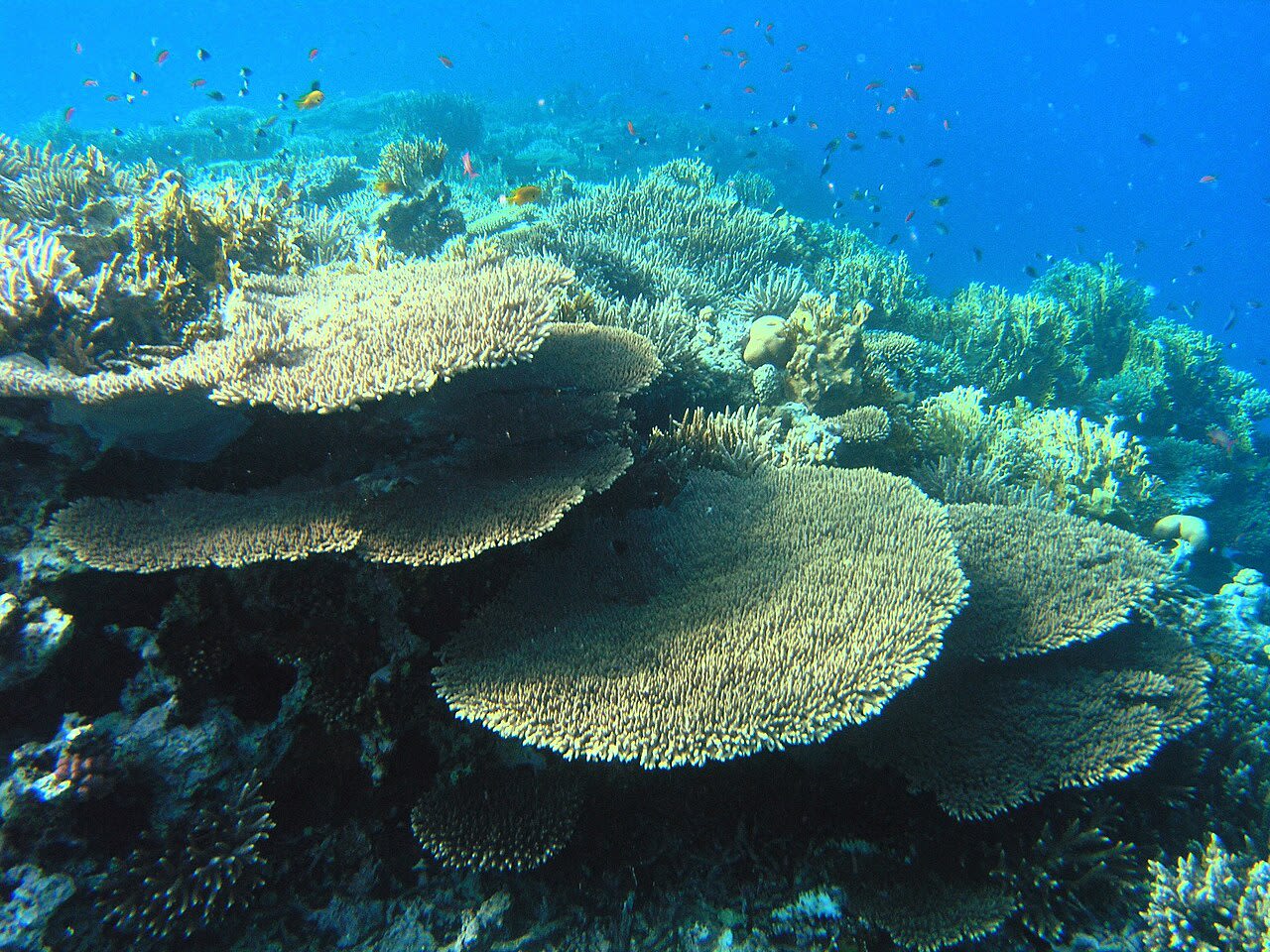
The reef wall off Giftun Island dropping into deep blue water
The geography, which drives everything else
Hurghada is on the Egyptian mainland, on the western shore of the Red Sea, roughly level with Luxor across the desert. That single fact produces most of its advantages: the Nile valley and Cairo are reachable by road, and the whole country is open to you.
Sharm el-Sheikh is at the southern tip of the Sinai peninsula, across the Gulf of Suez. It is closer to Jordan and Israel than to Luxor, sits among mountains rather than flat desert, and has the sheltered, deep water of the Straits of Tiran on its doorstep.
So the honest framing is not "which beach is better". It is: do you want the sea, or do you want the sea and the rest of Egypt?
Where Sharm genuinely wins
Diving. This is not a close call. Ras Mohammed National Park, the Straits of Tiran and the Thistlegorm are a concentration of world-class diving that Hurghada does not match. If you are a certified diver choosing on dive quality alone, go to Sharm.
Reef from the shore. Sharm's hotels frequently have a genuine house reef with a drop-off a short swim from the beach. In Hurghada, good reef usually means a boat. For anyone who wants to snorkel every day without booking anything, that difference is large and it is in Sharm's favour.
Calmer water. Hurghada is reliably breezy from late morning — excellent for kitesurfing, less so for a flat afternoon swim. Sharm is generally more sheltered.
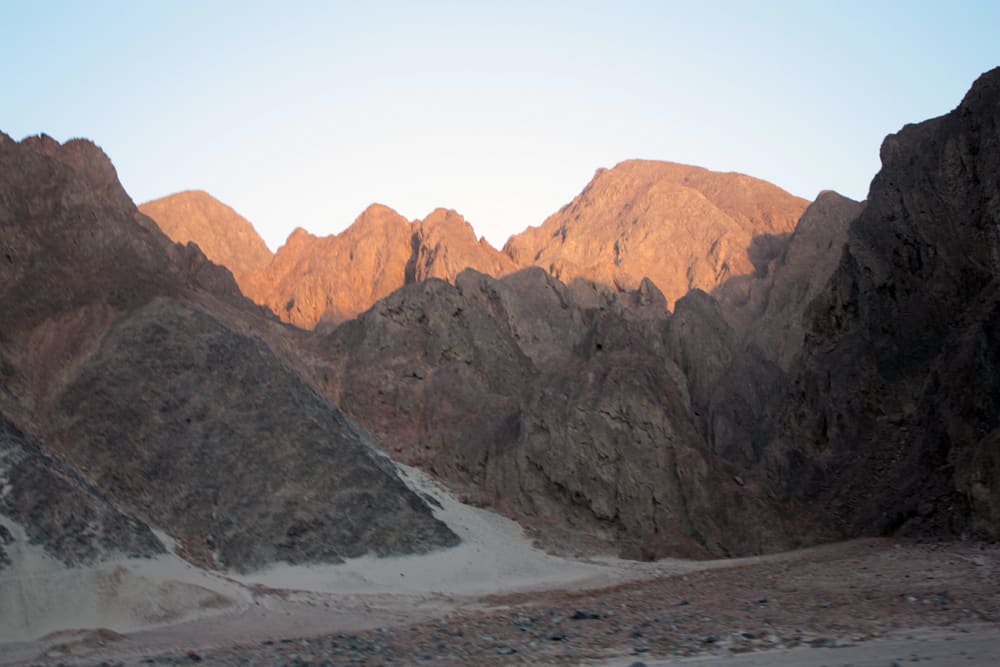
Mountains. Sinai is dramatic in a way the flat Eastern Desert is not, and it puts St Catherine's Monastery, Mount Sinai and the Coloured Canyon within reach of a day trip.
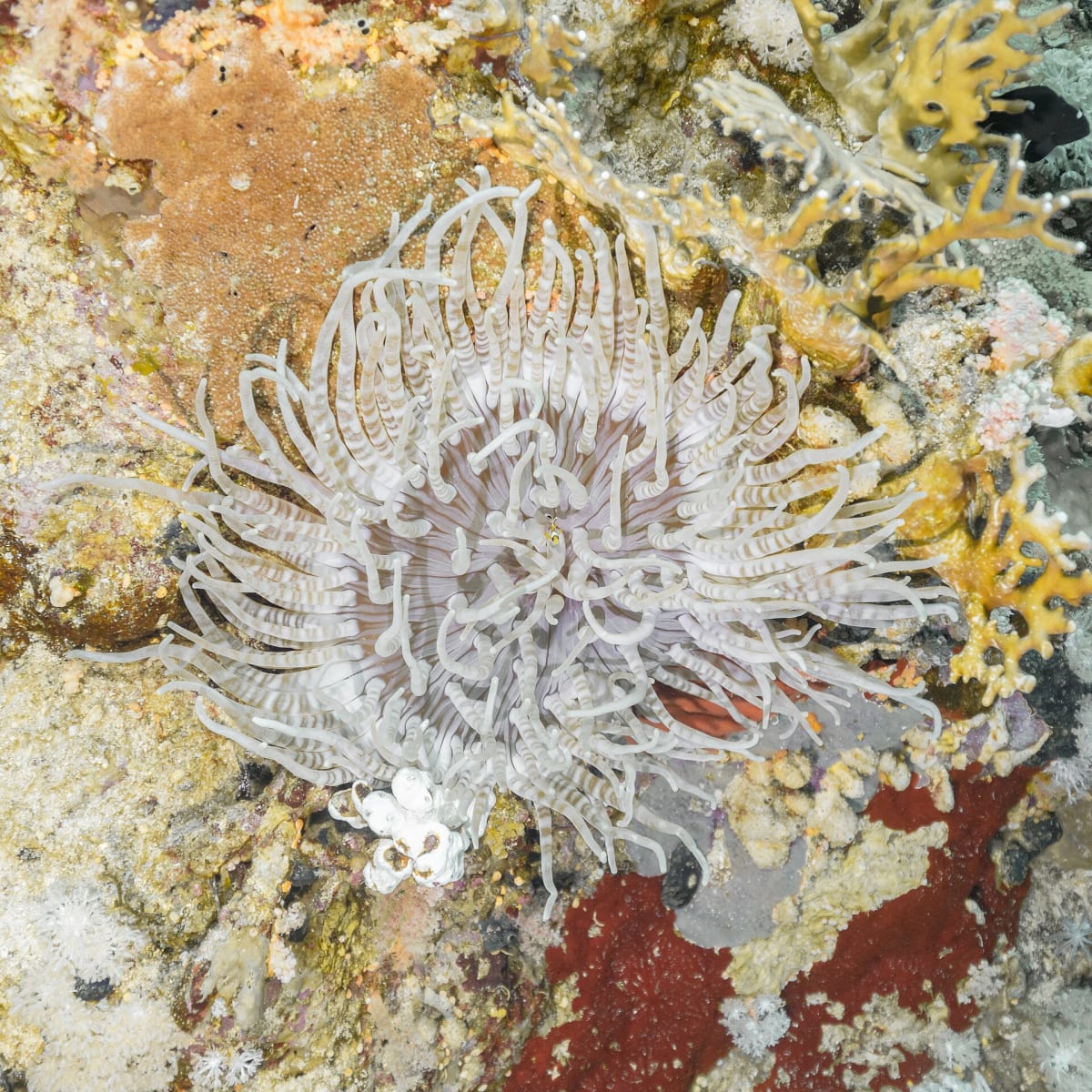
The cliffs and reef edge at Ras Mohammed National Park in South Sinai
Where Hurghada wins
The rest of Egypt. Luxor is about 290 km and four hours by road, or a short flight. Cairo is a long day by road and a comfortable one by air. From Sharm, both are flights — there is no road day trip to the Valley of the Kings. If you want pyramids and temples as well as a beach, Hurghada makes that ordinary rather than an expedition.
Price. Hurghada is generally cheaper across hotels, food and excursions, and the gap is not small.
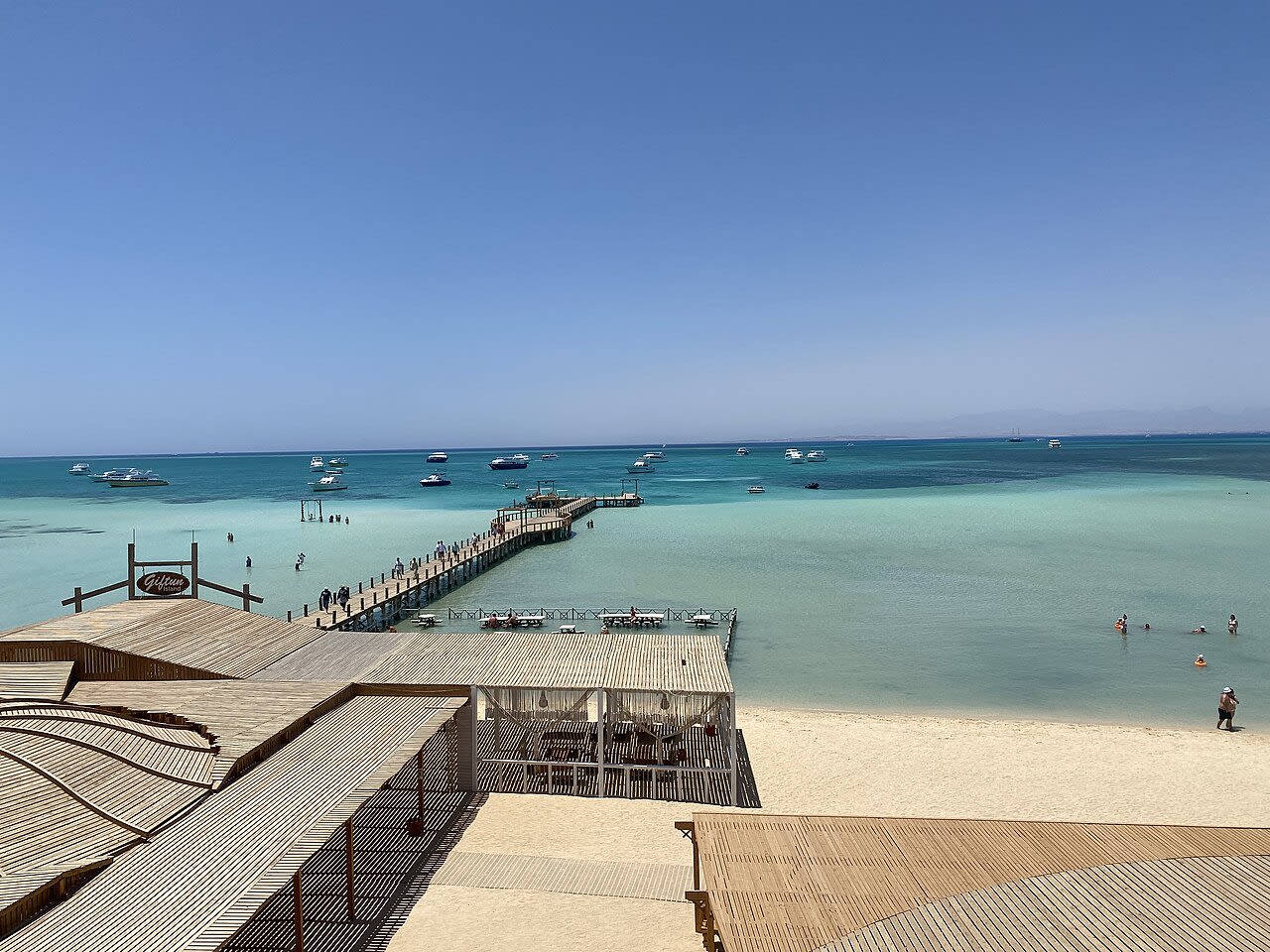
Choice of islands and sandbanks. Giftun, Orange Bay, Mahmya, Nemo, Hula Hula, Eden, Paradise, Utopia. Shallow, calm, standable water is what families need, and Hurghada has far more of it.
Watersports. The wind that makes the sea choppy makes Hurghada, Safaga and El Gouna among the better kitesurfing and windsurfing coasts anywhere.
The visa. Arrivals in Hurghada take an ordinary tourist visa and the whole country is open. Sharm arrivals are often issued a free Sinai-only permit, which does not allow mainland travel — a real constraint people discover late.
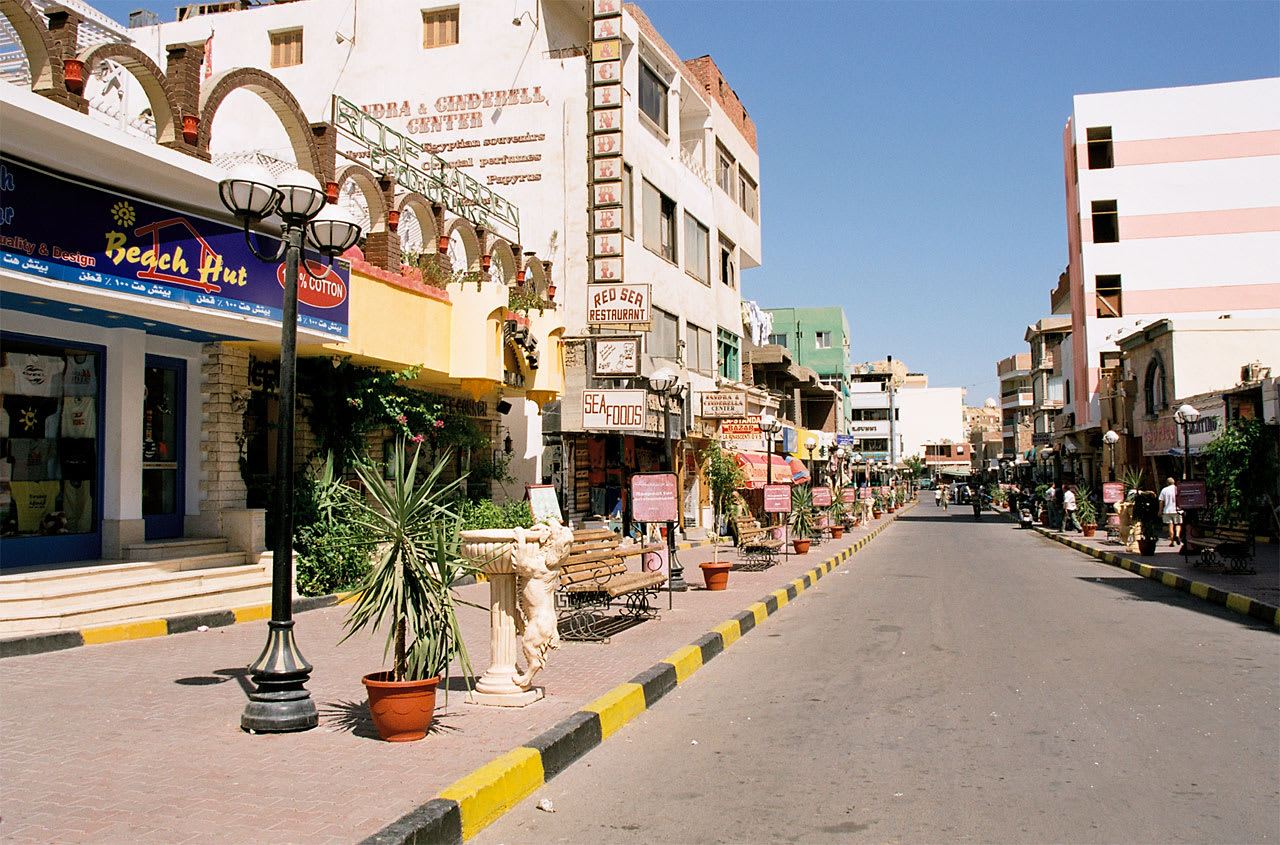
The old town district of Hurghada on the Red Sea coast
Straight comparison
| Hurghada | Sharm el-Sheikh | |
|---|---|---|
| Diving quality | Very good | World class |
| Reef from the beach | Rare | Common |
| Islands & sandbanks | Many | Few |
| Sea state | Breezy afternoons | More sheltered |
| Luxor by road | ~4 hours | Not practical |
| Cairo by road | ~6 hours | Not practical |
| Scenery | Flat desert | Mountains |
| Kitesurfing | Excellent | Limited |
| Typical cost | Lower | Higher |
| Visa | Full, country open | Sinai permit unless you ask |
What the day trips actually look like
The excursion menus are genuinely different, and this is where the choice bites.
From Hurghada: Luxor by road or by plane, Cairo and the Grand Egyptian Museum, Aswan and Abu Simbel, Dendera and Abydos, the Nile cruise ports, the Red Sea monasteries, plus every island, reef and desert safari on this coast. The cultural side of Egypt is a day trip.
From Sharm: Ras Mohammed by boat, the Tiran reefs, Dahab and the Blue Hole, St Catherine's Monastery and Mount Sinai at sunrise, the Coloured Canyon, and a ferry or flight to Jordan for Petra. Superb, but a different menu — geology, monasteries and diving rather than pharaonic sites.
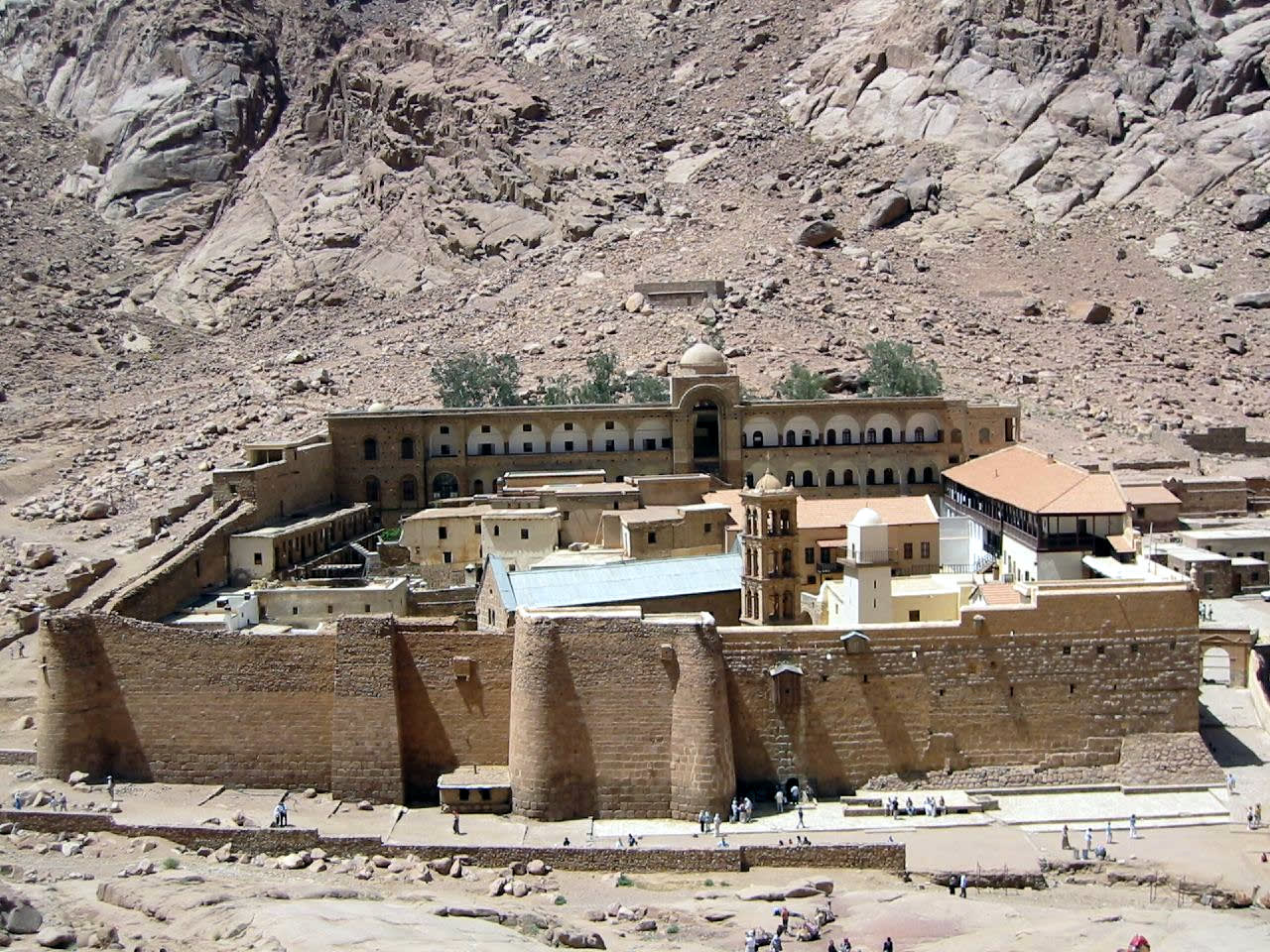
St Catherine's Monastery beneath the mountains of South Sinai
Choosing by who you are
- Certified diver, diving is the holiday — Sharm. Not a close call.
- You want pyramids and temples too — Hurghada, comfortably.
- Family with small children — Hurghada, for the shallow sandbanks and the price.
- You want to snorkel off the beach every morning — Sharm.
- Kitesurfer or windsurfer — Hurghada, El Gouna or Safaga.
- First trip to Egypt, one week, want a bit of everything — Hurghada, because the everything is reachable.
- Second trip, you have already done the temples — Sharm, for the diving and Sinai.
- Adding Petra or Jordan — Sharm.
- Budget is the constraint — Hurghada.
What a week actually looks like in each
Abstract comparison only goes so far. Here is how the same seven nights tend to play out.
A week in Hurghada usually runs: an island or reef day, a desert safari in the late afternoon, one long day to Luxor, a slow day by the pool to recover from it, a second sea day, maybe Cairo by plane or the monasteries, and a final day doing nothing. Two of those seven days are spent largely in a vehicle, and the trip has a distinctly two-halves feel — beach and antiquity.
A week in Sharm runs differently: snorkel or dive most mornings off the house reef or a short boat ride, one day to Ras Mohammed, one to Dahab and the Blue Hole, perhaps St Catherine overnight for the Mount Sinai sunrise, and the rest genuinely at rest. Almost no long transfers. It is the more restful week, and the one where you get in the water most often.
That is the honest shape of the difference. Hurghada is a base for going places; Sharm is a place to be. Neither is better in the abstract, and people who describe a disappointing Red Sea holiday have usually picked the one that did not match how they actually like to spend a week.
The question that actually decides it
Ask yourself what you will regret.
If you would come home from a fortnight of superb diving and feel you had been to the Red Sea but not to Egypt, book Hurghada. The temples are the thing you cannot do from a Sinai beach without flying, and people underestimate how much they will want them once they are in the country.
If you would come home from a week of pyramids and feel you had spent your diving days on a bus, book Sharm. The reefs there are better and the shore access is better, and no amount of Luxor makes up for a holiday you spent travelling.
Most first-time visitors want both, which is why Hurghada is the more common answer — not because the sea is better, but because it is the base from which the rest of Egypt is a day out rather than a second holiday.
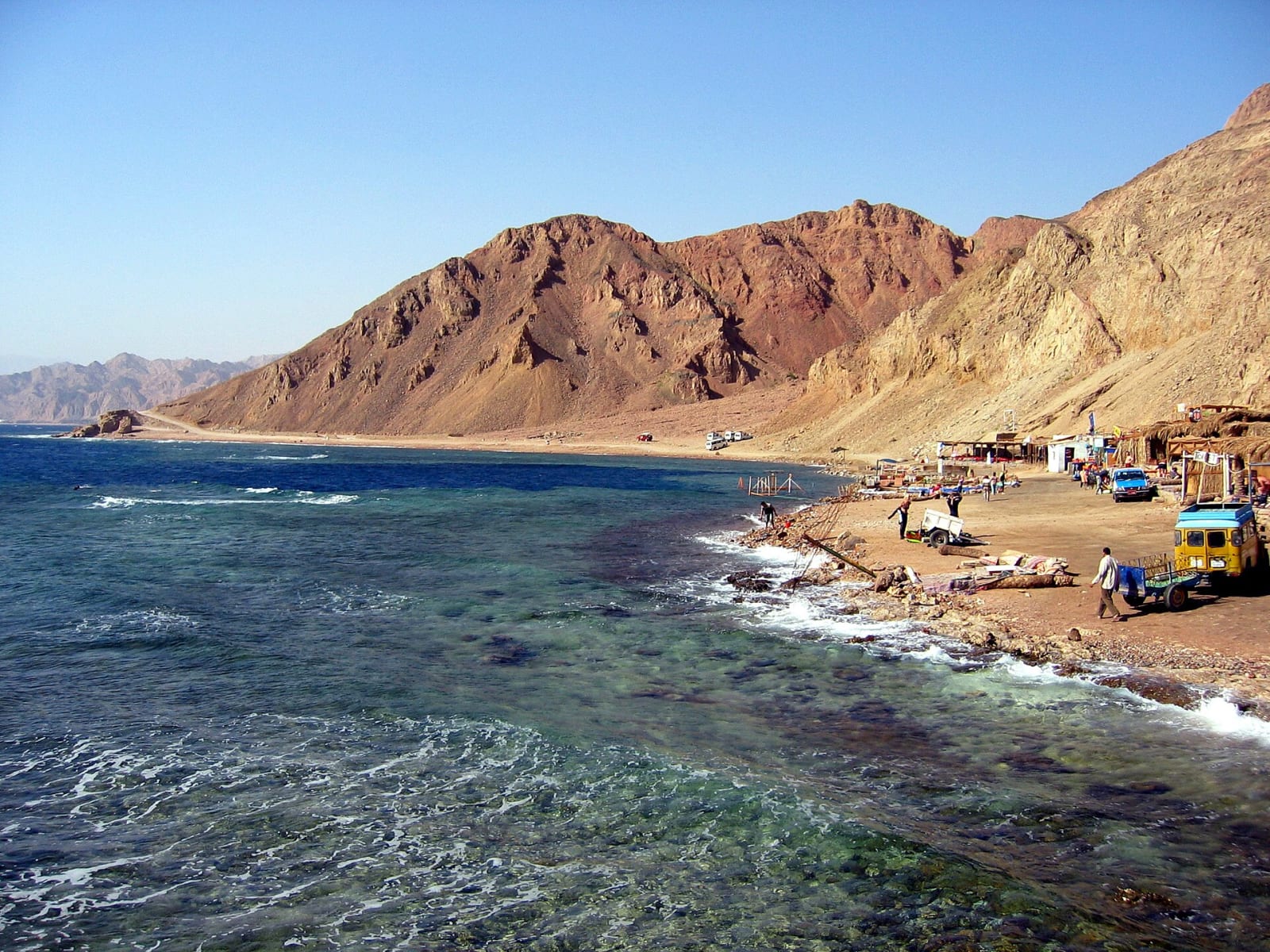
The Blue Hole at Dahab on the Sinai coast
Book what you just read about
Tours from this article — private, with a licensed guide, and priced per person.
Luxor Day Tour — Karnak, Valley of the Kings & Free Nile Cruise
14 hours · Hurghada
$107/ person
See the tourPyramids, Sphinx & Grand Egyptian Museum
1 day · Hurghada
$105/ person
See the tour
Mahmya Island — Giftun National Park Beach & Snorkeling Day
7 hours · Hurghada
$82/ person
See the tourBlue Hole & The Bells — Guided Dives in Dahab
12 hours · Hurghada
$108/ person
See the tour